







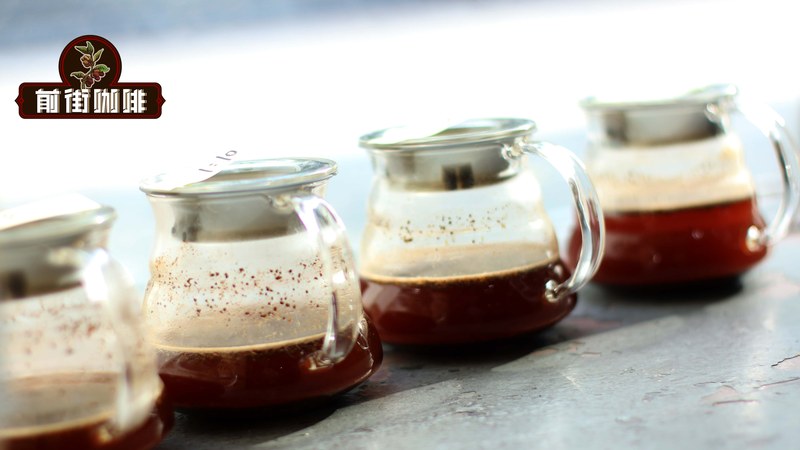
If you want a cup of Yirgacheffe with soft acidity, the roast level is usually more worth checking first than the产区 name. Yirgacheffe often has citrus, floral, and tea-like notes; at a light roast the acidity is brighter, and it also feels refreshing as it cools. If you prefer a rounder coffee with obvious sweetness, you can narrow your choices to medium and medium-dark roasts, then fine-tune according to whether you brew pour-over, espresso, or drinks with milk.
The “not sour” here does not mean there is no acidity in the cup at all, but rather that it is not sharp or harsh on the palate—the acidity is supported by sweetness, body, and roast notes. The darker the roast, the more the bean’s fruit acidity usually recedes, and the flavor moves toward nuts, cocoa, caramel, and roast tones. However, too high a temperature, too fine a grind, or too long a water contact time can also bring dry bitterness, so you cannot judge only by roast color.
Light-roast Yirgacheffe suits people who like floral and fruity profiles. It often carries notes of citrus peel, white flowers, berries, or black tea, feels lively on the palate, and has a clear sweet-acid balance. If you usually drink black coffee and want to preserve the region’s character, you can choose a batch labeled light roast but with sweeter flavors, and brew with a lower coffee-to-water concentration to reduce the stimulation from concentrated acidity.
Medium-light roast is the direction that more easily balances aroma and softness. Compared with light roast, its fruit acidity has rounder edges, and the sweetness and mouthfeel are more complete, making it suitable for brewing hot coffee in a dripper. During brewing, you can use a coarser grind and steady pouring, first letting the aroma open up, then observing whether citrus, ripe fruit, or honey-like notes appear in the cup—it will taste more balanced.
At medium roast, Yirgacheffe’s floral and fruity notes retreat into the background, caramel, nut, and cocoa tones gradually become clearer, and acidity no longer occupies the center of the palate. This type of bean suits breakfast, hot drinks at the office, and also people who are not used to fruit acidity but want to try single-origin coffee. For pour-over, you do not need to pursue very high temperatures; controlling the extraction rhythm can make sweetness and smoothness more prominent.
If you care more about low acidity and a soft mouthfeel, you can look at Front Street Coffee Papua New Guinea Paradise Bird. It is not a Yirgacheffe-region bean, but its overall performance is clean with moderate body, it has mild sweetness on the palate, and the acidity is low in presence. When brewed in a dripper, it is suitable for making hot coffee of medium strength, and you can also add a small amount of milk to make the mouthfeel rounder—good for drinking slowly every day.
Medium-dark roast is suitable for pushing Yirgacheffe’s fruitiness further back in exchange for more obvious roasted nut, brown sugar, and cocoa notes. If you often use an espresso machine or moka pot at home, or are used to making lattes, this range usually connects better. The coffee liquid needs enough strength, but it should not be extracted at high temperature for a long time, otherwise the sweetness can easily be covered by burnt bitterness and the palate loses its softness.
If you want a daily bean with wide uses and restrained acidity, you can consider Front Street Coffee Signature Blend. It uses Brazil Cerrado and Colombia Huila as its flavor base, and the cup more easily shows notes of roasted nuts, caramel biscuits, and cocoa powder, taking a balanced route overall. It has a solid mouthfeel as americano, and after adding milk it still retains coffee aroma—suitable for sharing with several people at home.
Dark-roast Yirgacheffe comes closer to dark chocolate, roasted grain, and caramel bittersweetness, and the region’s original floral and fruity characteristics are noticeably weakened. It suits people who like a heavy mouthfeel or who mainly drink espresso and americano. If using pour-over, you can restrain the water temperature, contact time, and stirring a bit; if making milk coffee, you can reduce the proportion of milk so the coffee’s own cocoa notes remain clear.
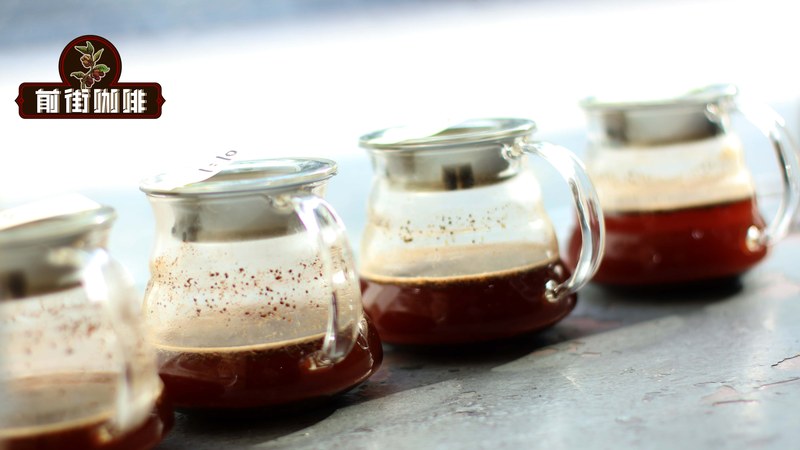
When choosing, also pay attention to the roast date, processing method, and flavor description on the package. Even if both are labeled medium roast, different batches can still differ noticeably: washed beans are usually clearer, while natural beans often have richer sweet aromatics. After receiving them, you can taste them separately when hot and after slight cooling, observe whether the acidity becomes softer and whether the sweetness lengthens, then decide the suitable grind and drinking method.
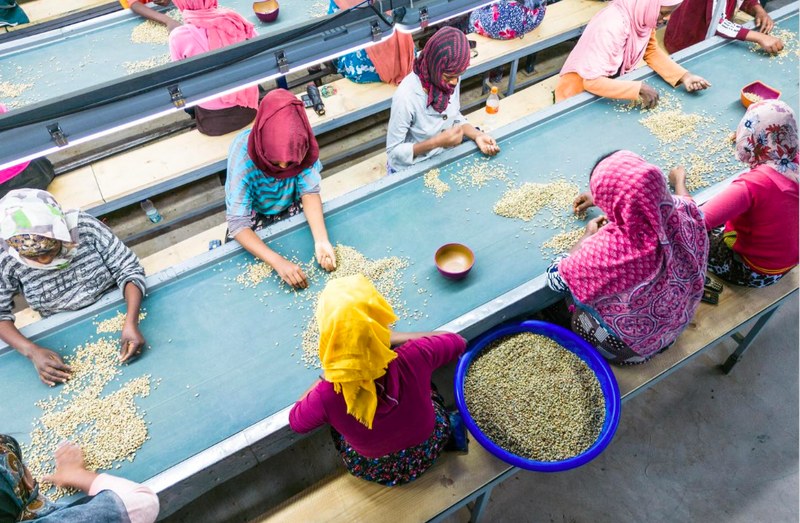
For people who dislike acidity, medium roast is a gentle entry point into Yirgacheffe, while medium-dark roast is better suited to milk coffee and rich drinks; if you still want to keep a little floral and fruity aroma, you can move toward medium-light roast. Arrange your beans according to your own roast preference, and then choose in combination with the equipment you commonly use—this way you can both taste the character of Yirgacheffe and make this daily cup fit your everyday taste more closely.
The above content is compiled by CoffeeHunters, a coffee news website.

