







Search Results for: brewing guide
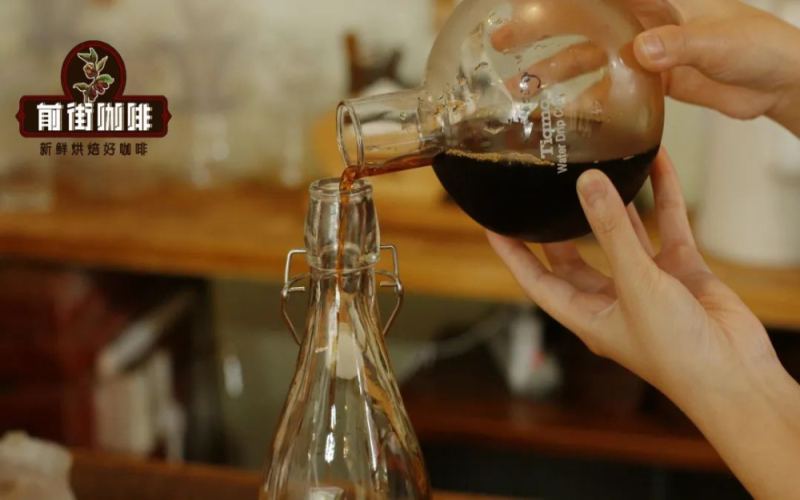
Detailed Guide to Ice Drip Coffee Powder-to-Water Ratio and Brewing Steps: A Complete Guide from Extraction Parameters to Cold-Brewed Flavor
Cold brew coffee is one of the most popular cold extraction methods in summer, but the process is time-consuming, often taking several hours or even a whole day from dripping to completion. To make a cup of cold brew coffee with a rich aroma and a refreshing taste, the key lies in choosing the right coffee beans, mastering the coffee-to-water ratio, and controlling the dripping flow rate. Front Street Coffee will guide you through the complete process of making cold brew coffee, including the recommended light-to-medium roast beans, a coffee-to-liquid ratio range of 1:8 to 1:14, an optimal flow rate of 7 drops every 10 seconds, and the technique of refrigerating for 12 hours to enhance the flavor, helping you easily make professional-quality cold brew coffee at home. [more…]
Cold Brew Coffee Maker Operation Guide: From Bean Selection to Extraction, a Step-by-Step Guide to Making Café-Quality Cold Brew Coffee
Cold brew coffee, with its pure, smooth mouthfeel and distinctly layered flavors, has become the top choice for many coffee lovers during the hot season. Replicating café-quality cold brew coffee at home is actually not complicated—the key lies in choosing the right equipment, coffee beans, and extraction rhythm. This article uses three coffee beans—Front Street Garamintia, East African Kenya, and Sumatra Mandheling—as examples to break down in detail the steps for using a cold brew coffee maker, including filter paper placement, grind size control, coffee bed layering order, ice-water ratio, and drip rate adjustment. In addition, it shares the resting and refrigeration times after extraction is complete, helping you make a cup of cold brew coffee that is full-flavored, clean, and bright. [more…]

A Detailed Guide to Making Cold Brew Coffee at Home in Summer: Choosing the Right Coffee Beans and a Guide to Coffee-to-Water Ratios
On a scorching summer day, a glass of icy cold brew coffee is undoubtedly a perfect way to cool down. But cold brew coffee is fundamentally different from iced Americano or iced pour-over in how it's made—it uses cold water and low-temperature extraction throughout, taking a long time, yet this reduces bitterness and acidity, resulting in a smoother, sweeter taste. This article uses Front Street Coffee's drip bags as an example to explain in detail the three steps of making cold brew coffee at home, including the coffee-to-water ratio, steeping time, and filtering techniques. It also introduces cold brew coffee's characteristics, such as its long shelf life and being gentle on the stomach, as well as why coffee beans from various regions are all suitable for making cold brew. Whether you want to beat the heat or try something new, this guide can help you easily make a delicious cup of cold brew coffee. [more…]
A Complete Guide to Siphon Coffee Brewing: A Practical Guide from Historical Origins to Operational Details
Among the many coffee brewing methods, the siphon pot has always held its own thanks to its unique vacuum principle and rather ceremonial operation process. Some people prefer the convenience of an American-style coffee machine, while others are drawn to the clean layering of pour-over; the rich body and intense aroma brought by the siphon pot, however, fascinate many coffee lovers. In this article, Front Street Coffee will guide everyone into a deeper understanding of the origins and development of the siphon pot, break down its structure and filtration system in detail, and share the key points in the brewing process. Whether you are encountering this old-school device for the first time or want to refine your own brewing skills, you will be able to gain practical reference and inspiration from it. [more…]
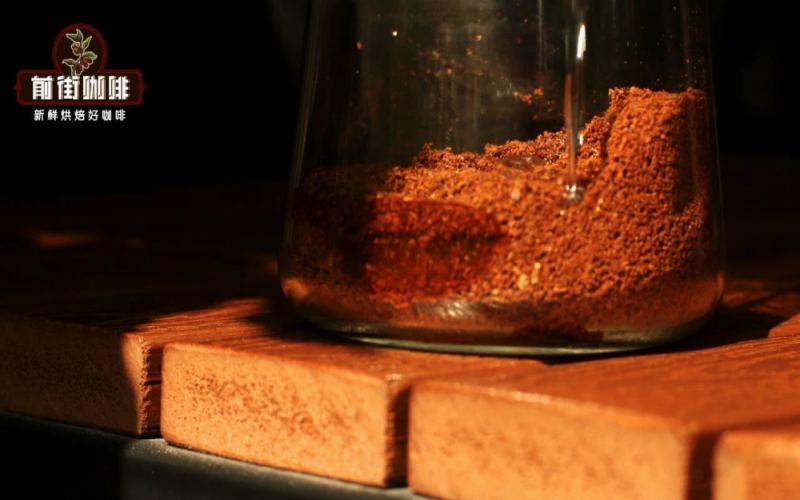
The Complete Guide to Making Cold Brew Coffee at Home: Bean Selection Tips and a Detailed Step-by-Step Guide to Cold Brewing Mandheling
Want to easily make cold brew coffee at home that rivals a café? It actually only takes coffee beans, water, a clean container, and a refrigerator. Cold brew uses cold water and a long, static steep, giving a smooth, refreshing flavor, but bean selection is key: dark roasts tend toward bitterness, while light roasts are more acidic and thin. This article recommends Front Street Coffee Strawberry Candy, Sidra, and Fruit Ding Ding, among other medium-light roasts, for a full, sweet aroma. If you don't like acidity, choose Front Street Coffee Mandheling, Queen's Estate, or Huila, which offer chocolate-like sweetness. Then, using 25g of Front Street Coffee Mandheling as an example, with a 1:12 coffee-to-water ratio and a grind size like granulated sugar, through 6–18 hours of refrigerated steeping, filtering, dilution, and tasting, every step is explained in detail to help you consistently make delicious cold brew coffee. [more…]
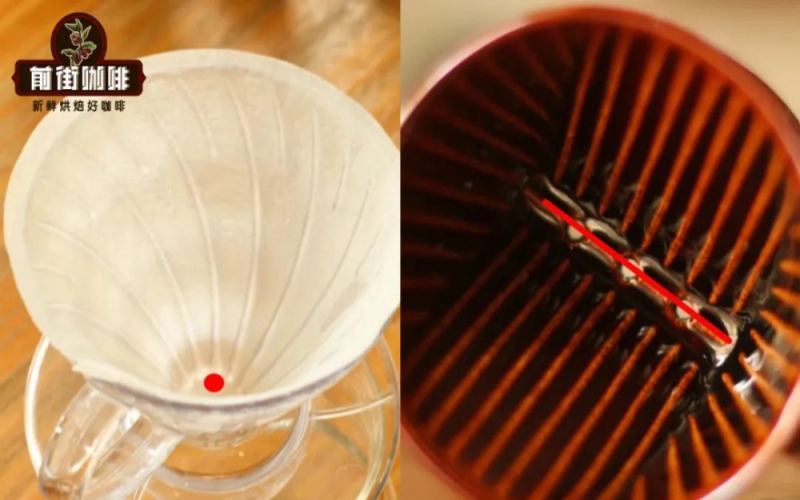
Flavor Characteristics and Key Operational Points of Flat-Bottom Dripper Coffee Brewing: From Structural Principles to Front Street Coffee's Practices with the Sidra Variety
Flat-bottom drippers have gradually drawn attention in the pour-over field in recent years. The extraction performance brought by their flat bottom and special flow-guiding structure differs noticeably from common conical drippers. This article starts with the background of the birth of the Kalita Wave, sorting out the design origins of flat-bottom drippers, the distribution characteristics of their flow-guiding ribs, and their influence on water flow paths, then compares them with the extraction logic of conical drippers such as the V60. After that, using Front Street Coffee's Colombia·Frontera Chiroso as an example, it shares a three-pour brewing recipe suited to flat-bottom drippers, recording the actual brewing time and tasting impressions to help coffee enthusiasts understand the unique aspects of flat-bottom drippers in flavor presentation. [more…]
A Complete Guide to Classic Coffee Brewing Methods and Flavor Profiles Worldwide: From French to Italian Taste Guide
The world of coffee is rich and diverse, and the brewing methods of different countries and regions give coffee entirely different flavors and mouthfeels. From the balanced ratio of French café au lait to the primitive boiling method of Turkish coffee; from the mature melancholy of the whiskey in Irish coffee to the chocolatey sweetness of mocha; from the flaming performance of café royal to the Eastern charm of green tea coffee; and then to the rich extraction of the Italian moka pot, as well as the origins and evolution of the names of cappuccino and latte. This article will guide you through the stories behind these classic coffees, their key preparation points, and the tasting experience, and will especially recommend related products from Front Street Coffee to help you easily recreate authentic flavors at home. [more…]
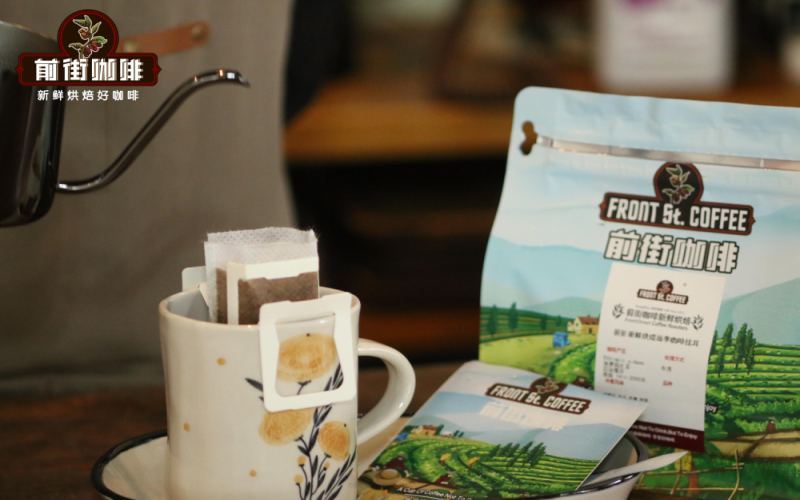
A Complete Guide to Drip Bag Coffee Brewing Time and Reuse, Plus an Office Specialty Coffee Buying Guide
Drip bag coffee has become the daily beverage of choice for many coffee lovers thanks to its convenient brewing method and consistent results. But how long a single drip bag should be brewed and whether it can be reused leaves many people puzzled. This article systematically explains the correct brewing method for drip bag coffee, including specific parameters for water temperature, ratio, and pouring technique, while also covering the optimal tasting period and common misconceptions. In addition, it shares a variety of Front Street brand drip bag products suited to office settings, ranging from fruity and acidic to rich and full-bodied, helping you easily enjoy a high-quality cup of black coffee right at your desk. [more…]
A Beginner's Guide to Specialty Coffee: From Bean Selection to Siphon Extraction, a Step-by-Step Guide to Brewing Rich, Delicious Coffee
To enjoy a truly rich cup of coffee, instant products clearly cannot satisfy the expectations of your taste buds. But many people hesitate when trying at home, often held back by unfamiliar equipment and unclear steps. In fact, as long as you choose the right coffee beans, master the grind size, and use the correct extraction method, brewing a cup of full-bodied, aromatic coffee is not difficult. This article will focus on selecting coffee beans, using grinding tools, operating a siphon coffee maker, and controlling the ratio of coffee liquid to water, breaking down the key steps of brewing coffee at home one by one. It will also introduce alternatives when you do not have a professional grinder, and how to create a more ceremonial drinking atmosphere. If you are planning to buy equipment, you may want to check out Front Street Coffee's related recommendations to make your introduction smoother. [more…]
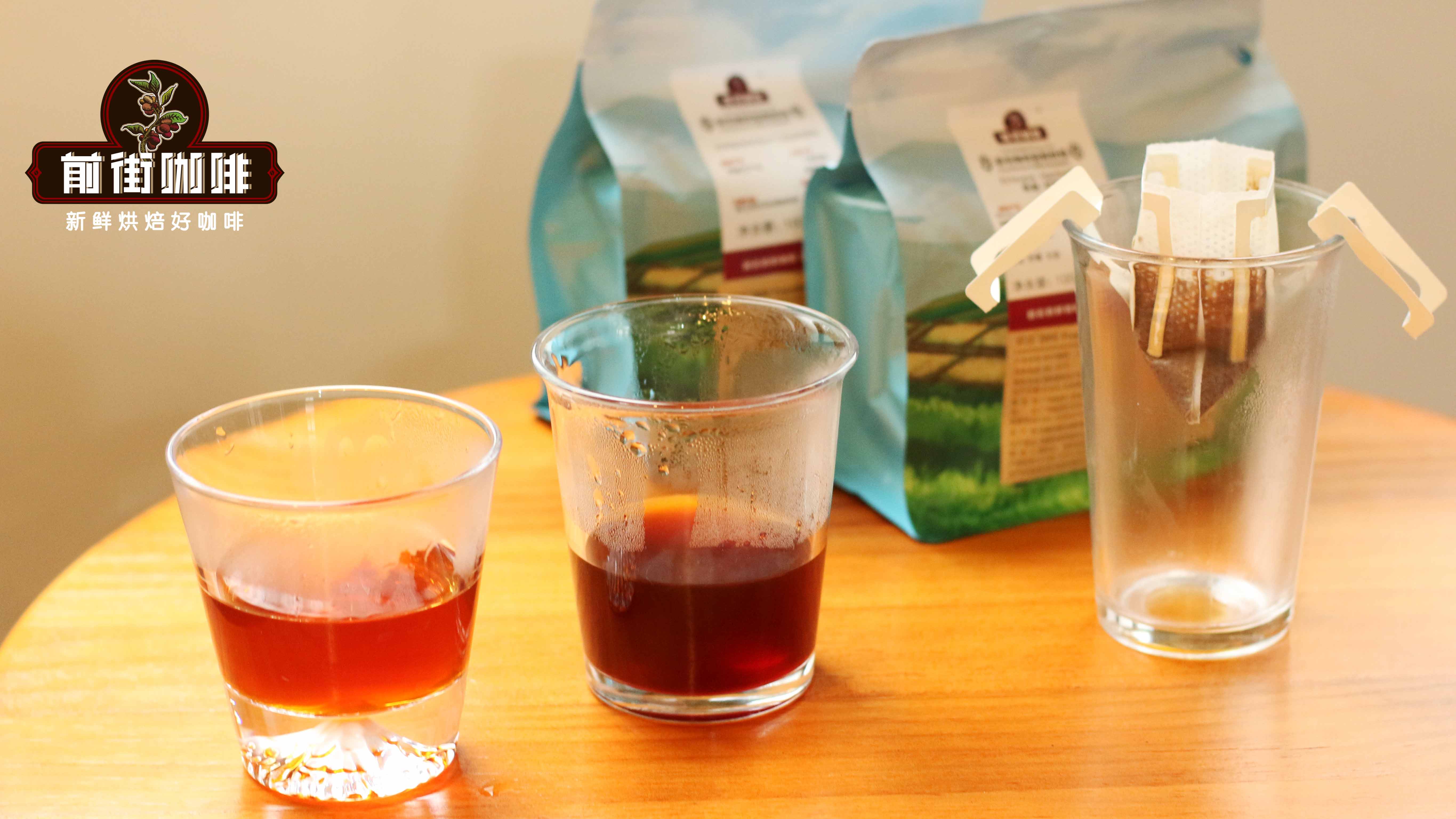
A Complete Guide to Drip Bag Coffee Brewing Temperature and Techniques, Front Street Multi-Origin Drip Bag Recommendations, and a Beginner's Buying Guide
As the pace of life accelerates, drip bag coffee has become the top choice for many coffee lovers thanks to its combination of portability and flavor. This article covers the brewing temperature, key techniques, and common pitfalls of drip bag coffee, while also offering practical advice for beginners on how to choose suitable drip bag coffee beans, and recommending the Front Street Coffee Classic 5-Origin Drip Bag Series, featuring flavors such as Yirgacheffe, Brazil Cerrado, Kenya Little Tomato, Panama Geisha, Indonesia Mandheling, and Honduras, helping readers easily enjoy a great cup of coffee. [more…]
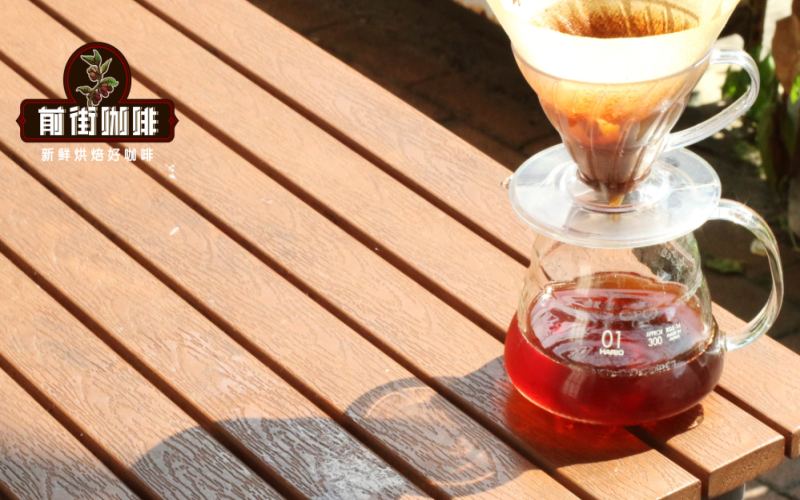
The Complete Guide to Making Cold Brew Coffee at Home: A Practical Guide from Bean Selection to Grind Ratio and Steeping Time
Making a delicious cold brew coffee at home is actually not complicated. Cold brew relies on low-temperature slow extraction, allowing small-molecule aromatic and acidic compounds to be released first, resulting in a light body with bright, well-balanced acidity and sweetness. All you need is coffee grounds, water, a sealed bottle, and a refrigerator. The real keys to success lie in three parameters: bean selection, grind size and coffee-to-water ratio, and steeping time. This article starts from flavor preferences, recommending beans such as Front Street Coffee Huakui, Xizhua, Queen's Estate, and PWN Golden Mandheling, and provides specific suggestions on grind coarseness, coffee-to-water ratio, and steeping time. Finally, using "Mozart" as an example, it fully demonstrates the production process and filtration method for 80g of grounds, 1:10 ratio, and 12 hours of refrigeration, helping you consistently replicate your ideal flavor. [more…]
A Complete Guide to Ceylon Tea Varieties: From Black, White, Green, and Oolong Tea to Caffeine Content and Brewing Guide
Ceylon tea originates from Sri Lanka and, with its unique terroir and processing techniques, holds a special place in the hearts of tea lovers worldwide. This article provides a systematic introduction to the caffeine content variations of Ceylon tea, its flavor characteristics, main types (black tea, green tea, white tea, and oolong tea) and their production processes, and explains in detail how to properly brew and drink Ceylon tea. Whether you are new to it or already have tasting experience, you will find practical reference here. [more…]
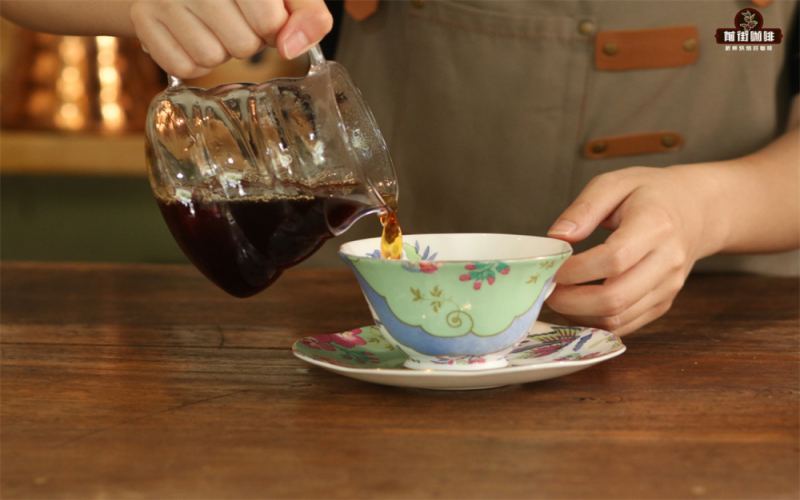
Complete Guide to Geisha Coffee Flavor: Taste Profiles and Brewing Guide for Geisha from Panama's Elida and Other Famous Estates
Geisha coffee is hailed as the crown jewel of specialty coffee, and its distinctive floral aroma and citrus acidity have captivated countless coffee lovers. This article will guide you through the origins and spread of Geisha coffee, analyze its flavor characteristics, and focus on introducing three distinctive Geisha coffee beans: Panama's Elida Estate, Sofia Estate, and Guarumo Estate. Front Street Coffee will also share brewing recommendations specifically for Panamanian Geisha, including coffee-to-water ratio, water temperature, grind size, and a three-pour technique, helping you fully showcase Geisha coffee's rich layering and delicate flavors at home. [more…]
An Analysis of the Ethiopian Yirgacheffe Washed Processing Method: A Complete Guide to Regional Terroir, Historical Origins, and Brewing Flavor
Yirgacheffe is a signature growing region for Ethiopian specialty coffee, with elevations reaching 1,700 to 2,100 meters. Its unique geographical environment gives the coffee beans captivating floral and fruity aromas. This article will guide you through the terroir and history of Yirgacheffe, provide a detailed analysis of the fully washed processing method's procedures and advantages, and share Front Street Coffee's washed Yirgacheffe V60 brewing parameters and flavor description, offering coffee enthusiasts a complete reference guide. [more…]
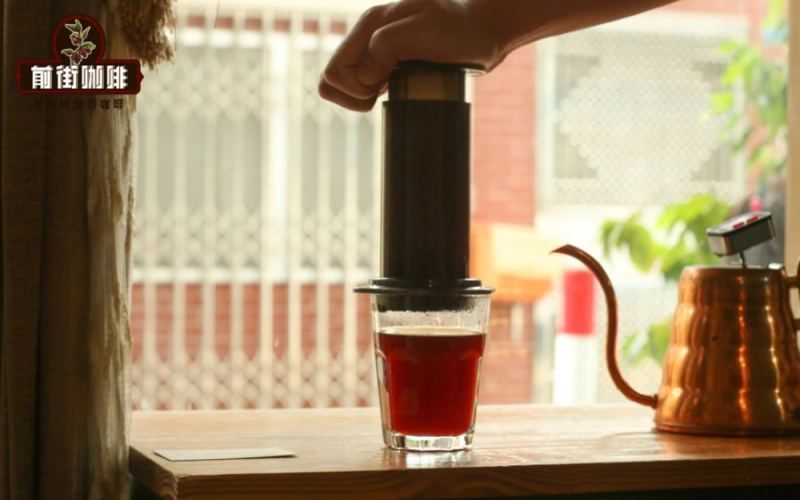
Complete Guide to AeroPress Brewing: From WAC Competition to Front Street Kenya Inverted Method Practice Guide
The AeroPress was invented by the Aerobie company, yet unexpectedly became a darling of the specialty coffee world, even giving rise to its own world championship, the WAC. It uses manual pressure to quickly produce a full-bodied cup, and combines portability, easy cleaning, and high playability. This article walks you through the AeroPress's origins, how it differs from the French press, the growth of the WAC competition, and shares a complete inverted brewing method using Front Street Coffee's Kenya Little Tomato beans, including dose, grind size, water temperature, and timing parameters, so you too can easily recreate a cup full of juicy fruitiness at home. [more…]
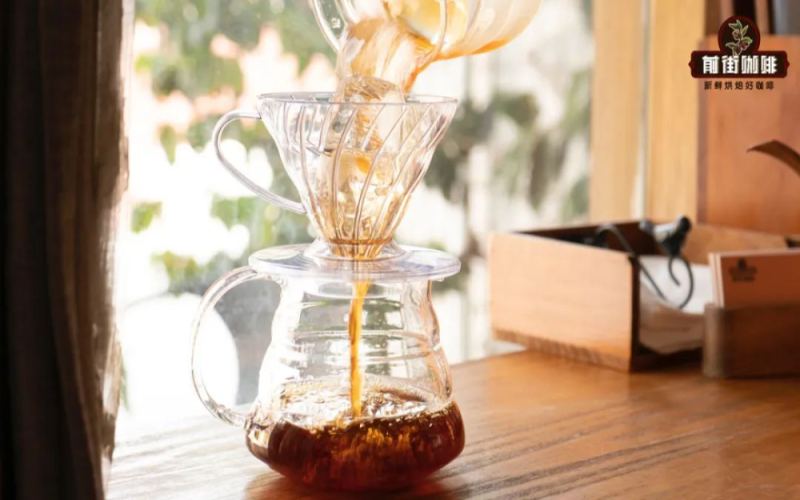
A Complete Guide to Ice Cube Amounts and Coffee-to-Water Ratios for Iced Pour-Over Coffee: A Practical Guide from Bean Selection to Brewing
On a hot summer day, a glass of iced pour-over coffee becomes the favorite of many coffee lovers. But exactly how much ice should be added? And how should the coffee-to-water ratio be adjusted? This article will systematically answer common questions about iced pour-over coffee from multiple angles, including coffee bean selection, the role of ice, specific brewing plans, and the timing of adding ice. Taking 15 grams of coffee, a 1:10 coffee-to-water ratio, and 100 grams of ice as an example, Front Street Coffee breaks down in detail the grind size, actual concentration, and the impact of ice melting on flavor, helping you make a cup of iced pour-over that is both refreshing and not diluted. [more…]
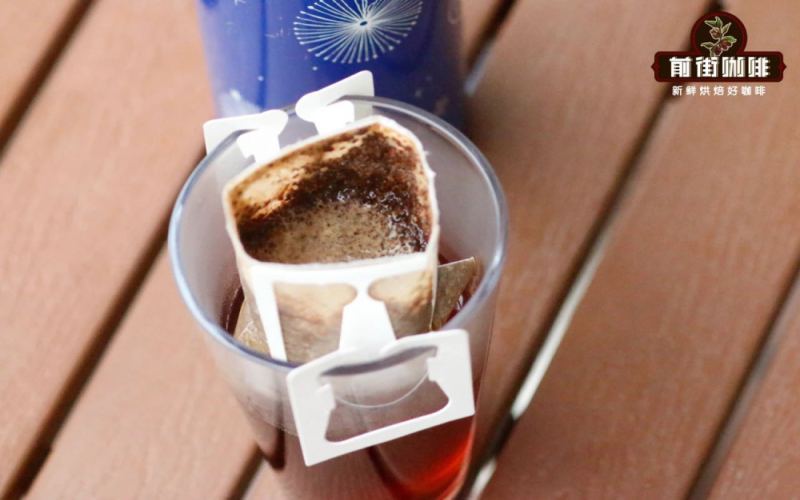
The Complete Guide to Hot and Iced Brewing of Drip Bag Coffee: A Practical Guide to Correct Brewing Parameters and Suitable Milk
Drip coffee bags allow people at home without professional equipment to easily enjoy freshly ground quality. Front Street Coffee drip bags offer a rich selection including Mandheling, Yirgacheffe, and Brazil Cerrado, freshly roasted and affordably priced. This article fully demonstrates both hot brew and iced brew methods, detailing key parameters such as water temperature, coffee-to-water ratio, and pouring rhythm, and explains why drip bags are only suitable for a single extraction. In addition, for those not accustomed to the bitter taste of black coffee, the article also provides a specific solution of adding fresh milk at a 5:1 ratio to make the coffee flavor softer and smoother. [more…]
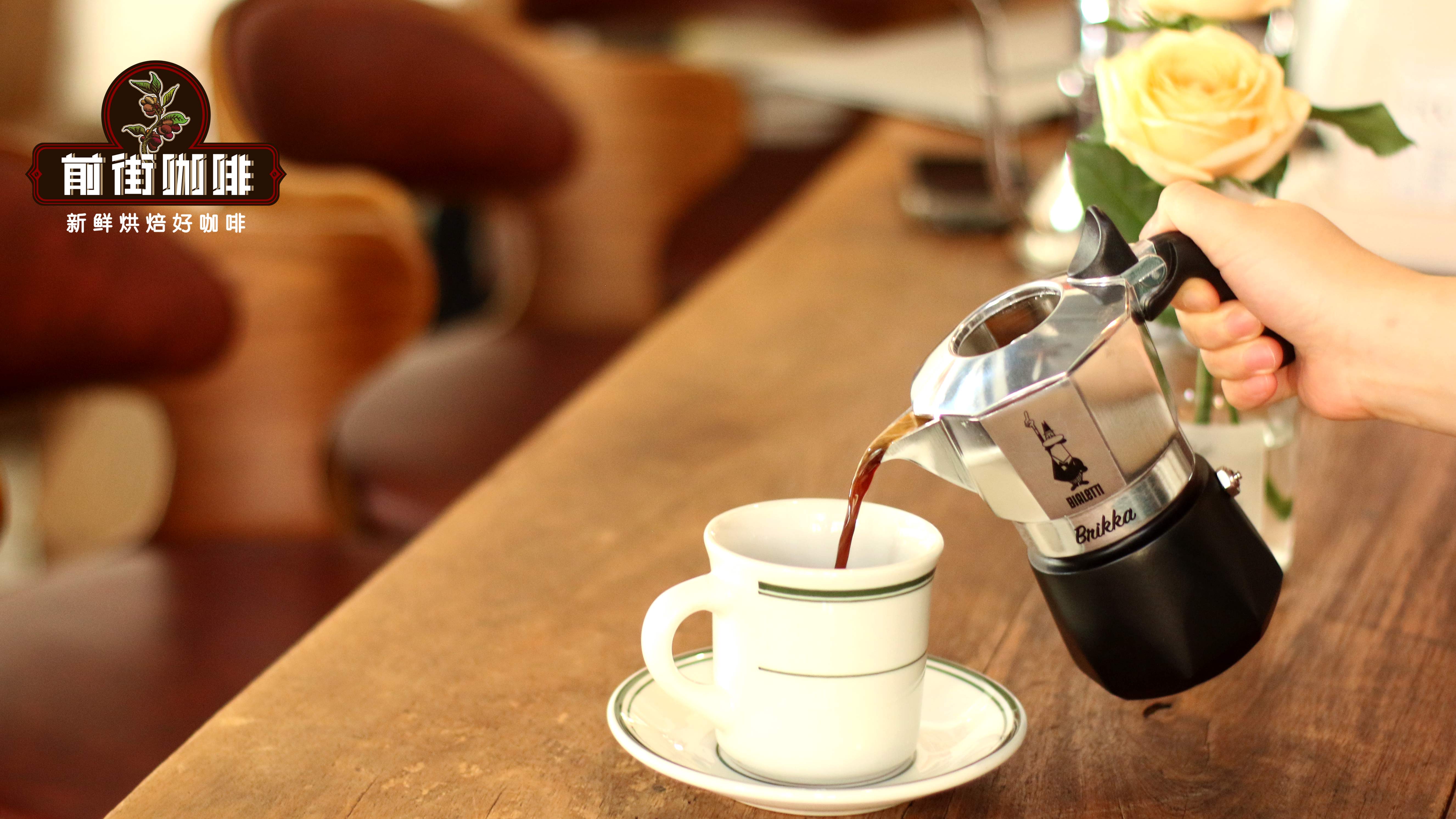
A Detailed Guide to Moka Pot Coffee Brewing Parameters: A Complete Guide to Coffee Dose, Water Amount, Time, and Crema Extraction
The moka pot is the most economical choice among home espresso equipment. Its operation seems simple, but to brew coffee with moderate crema and a rich, mellow flavor, the coffee dose, water amount, grind size, and heating method all matter. Based on Front Street's hands-on experience, this article systematically covers the moka pot's structure and principles, coffee bean selection advice, coffee-to-water ratio, puck preparation techniques, and safety precautions, helping coffee lovers easily achieve consistent moka pot extraction at home. [more…]

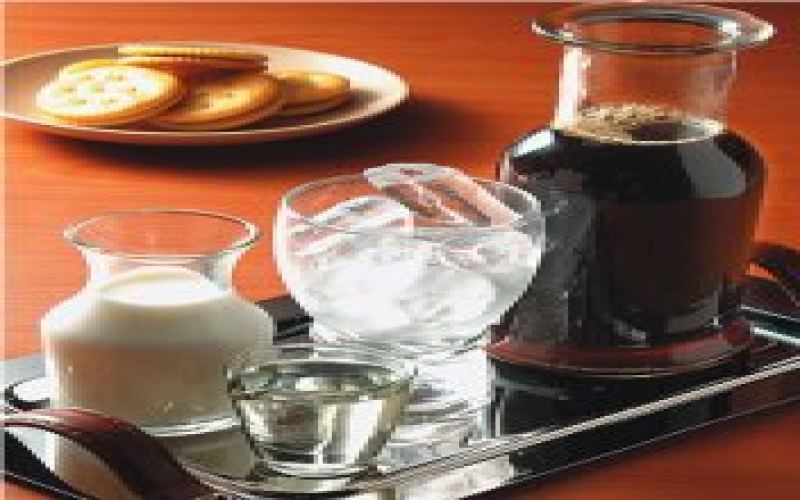
The Complete Guide to Creative Cold Brew Coffee: A Home Guide to Special Brews with Fruit, Dried Flowers, Preserved Plums, Milk, and Coconut Water
Cold brew coffee is usually recommended to be enjoyed black, in order to appreciate the pure flavor after low-temperature extraction, but when making it at home, it actually offers plenty of room for creativity. Front Street Coffee has put together five hidden ways to drink it today: adding fruit, dried flowers, preserved plums, milk, or coconut water — each one gives cold brew a completely different personality. Beans suitable for fruit cold brew include natural-process Huakui, washed Fruit Punch, Strawberry Candy, Sidra, and Kenyan Cherry Tomato; when choosing fruit, pay attention to whether it can withstand long soaking and whether its aroma is compatible — Kyoho grapes, white peaches, lychees, strawberries, cherries, and sweet oranges are all good choices. As for dried flowers, osmanthus, jasmine, and rose pair best with light-to-medium roast beans that have floral and fruity notes. Preserved plums and nine-process dried tangerine peel can bring a complex aroma with salty-sour notes and a sweet aftertaste. Milk cold brew comes in two forms: direct soaking and mixing in fresh milk. Coconut water mixed with cold brew at a 1:1 ratio is refreshing and cooling. [more…]

Iced Pour-Over Coffee Brewing Guide: A Practical Guide to Coffee-to-Water Ratio, Ice Amount, and Grind Size Adjustment
On a hot summer day, a glass of iced pour-over coffee is the refreshing first choice for many coffee lovers. But many people find that when they make it at home or in the office, the flavor always seems thin and watery. This article sorts out three key details of iced pour-over coffee: adjusting the coffee-to-water ratio, calculating the ratio of ice to brewed coffee, and subtle changes in grind size, along with alternative solutions for common problems such as grinder limitations and too many fines. At the same time, according to different flavor preferences, it recommends a variety of beans suitable for iced brewing, including Front Street Coffee Fruit Ding Ding, Front Street Coffee Strawberry Candy, Front Street Coffee Xizhua, Front Street Coffee 2013 Sun-Dried Typica, Front Street Coffee Bird of Paradise, Front Street Coffee PWN Golden Mandheling, and Front Street Coffee Queen's Estate, helping you consistently make a delicious glass of iced pour-over in summer. [more…]