







Search Results for: brewing flavor
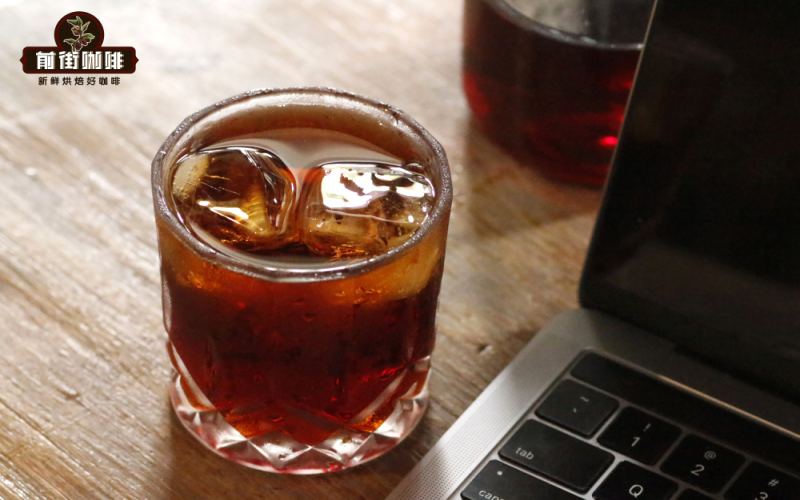
Cold Brew Coffee Bean Selection Guide: Single-Origin Coffee Recommendations for Cold Brewing, Coffee-to-Water Ratio, Steeping Time, and Flavor Analysis
On a scorching summer day, a refreshing glass of iced coffee never fails to perk you up. Cold brew coffee has a low barrier to entry—simply combine coffee grounds with cold water, seal and refrigerate, and leave the rest to time to complete the extraction. This article centers on cold brew coffee, first tracing its origins and basic principles, then sharing Front Street Coffee's hands-on experience with grind size, extraction time, and water, and explaining how cold brew and hot brew differ in flavor expression. Finally, following three styles—fresh floral, citrus and berry, and subtle honeyed sweetness—it recommends Front Street Coffee beans suited to making cold brew, helping you easily craft a layered, smooth, low-bitterness iced coffee at home. [more…]
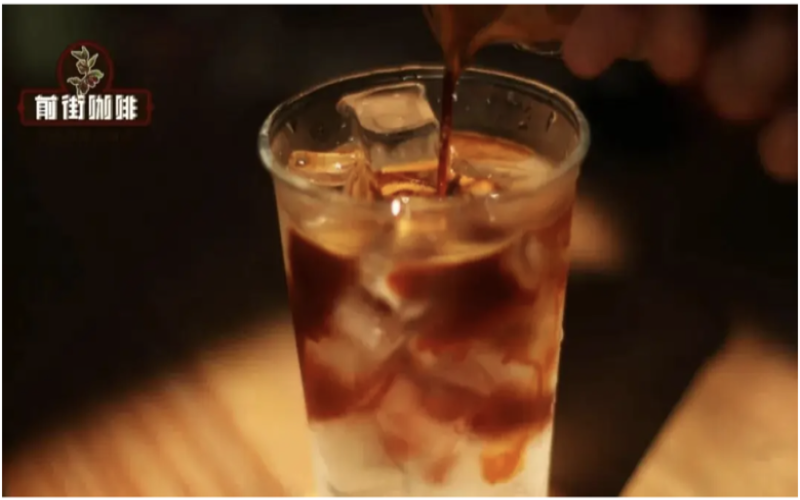
Origin Selection for Cold Brew: Flavor Changes Under Low-Temperature Extraction
The charm of cold brew lies in how low-temperature slow extraction reshapes flavor—the same beans can taste completely different when hot-brewed versus cold-brewed. Understanding how beans from different origins change under low-temperature extraction gives you a deeper basis for choosing beans for cold brew. Light-roasted beans from African origins show the most noticeable changes in cold brew. Beans with bright acidity when hot-brewed, in cold brew [more…]
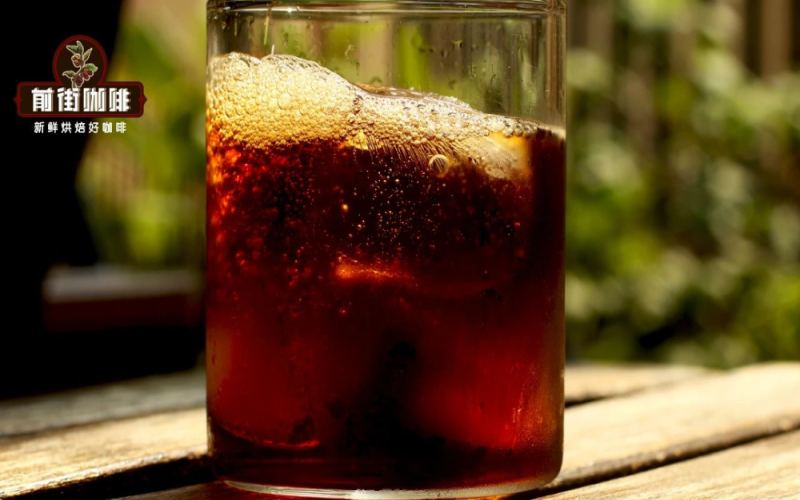
Why Is Cold Brew Coffee So Popular? A Full Analysis from Flavor Characteristics to Front Street Coffee's Bean Lineup and Brewing Methods
Cold brew coffee has gained increasing favor among coffee enthusiasts in recent years, not only because of its comfortable drinking temperature, but also for its smooth, full-bodied taste and its more delicate expression of coffee bean aromas. Unlike hot water extraction, cold brew uses cold or room-temperature water to soak coffee grounds, then refrigerates for 8 to 12 hours to complete extraction. The low-temperature environment reduces the release of acidic substances, making cold brew noticeably less sour and astringent than hot brew, while extracting only small-molecule flavors such as fruity acidity and floral notes, resulting in a cleaner, fuller taste. This article will explore the flavor principles of cold brew, recommend three single-origin beans from Front Street suitable for cold brew, detail the specific brewing steps, and discuss cold brew's advantages in caffeine content, mild acidity, and ease of preparation, giving you a comprehensive understanding of this slowly extracted cold coffee. [more…]
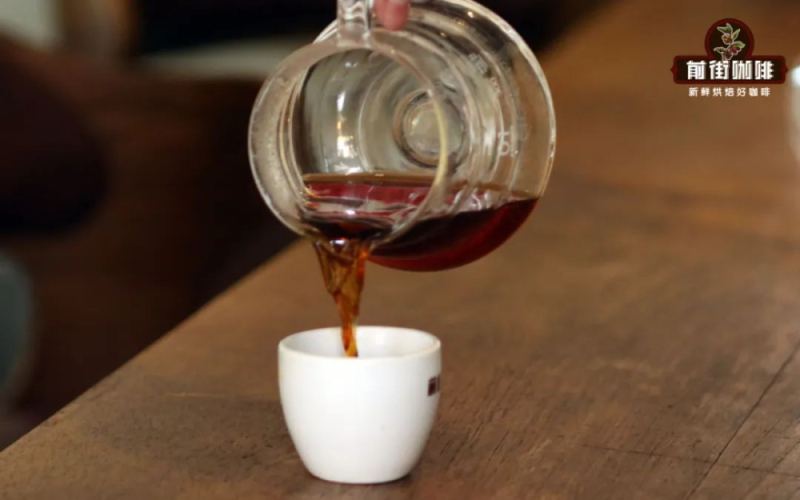
An Analysis of the Reasons Why Pour-Over Coffee Tastes Weak and Sour, and a Practical Guide to Parameter Adjustment
Many pour-over enthusiasts try repeatedly at home but still can't brew the flavors described on the coffee packaging, and even find the result sour and flat. Front Street Coffee has compiled the common confusions people face, analyzing everything from the coffee beans' peak flavor period, brewing water, to grind size and pouring technique, to help you pinpoint the problem. The article not only explains the difference between flavor and taste, but also gives specific recommendations on parameters such as dose, water temperature, ratio, and time, so that even beginners can quickly establish a brewing method with a high tolerance for error. If you want your pour-over coffee to truly reveal rich aromas and layers, it's worth adjusting these key points. [more…]

How to Choose Beans for Cold Brew Coffee? A Full Analysis of Four Popular Cold Brew Beans and Their Flavor Characteristics at Front Street Coffee
Cold brew coffee, with its clean, mellow body and unique fermented aroma, has become a favorite among many coffee lovers during hot weather. But not all coffee beans are suited to making cold brew—bean selection, grind size, Brew time, and resting time all directly affect the final flavor. This article begins with Front Street's cold brew reservation rules, explaining in detail why cold brew needs to be ordered two days in advance, why freshly brewed coffee liquid must be sealed and refrigerated to rest, and the drinking window and safe storage recommendations for cold brew. It then highlights four coffee beans that Front Street commonly uses for cold brew—Ethiopia Flower, Kenya Little Tomato, Costa Rica Strawberry Candy Geisha Blend, and Honduras Sherry—introducing each one's origin background, processing method, and cold brew flavor performance, to help readers find the beans that suit their own taste. [more…]
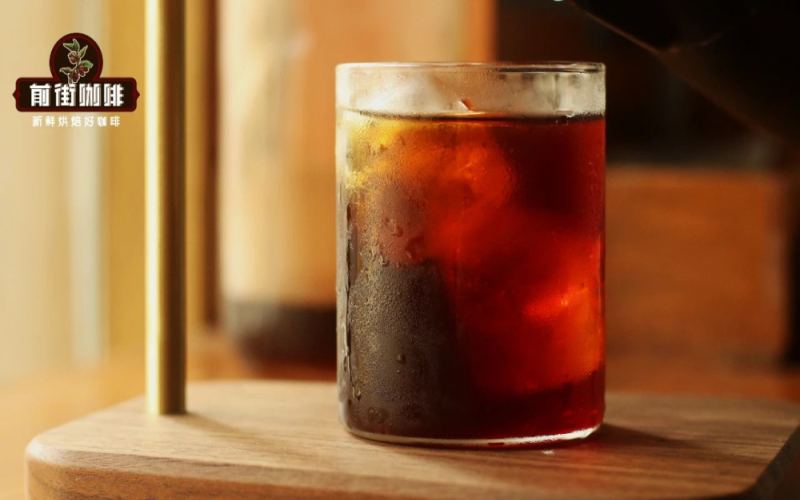
Cold Brew Coffee Water Temperature | What Is Cold Brew Iced Coffee? What Are the Differences Between Cold Brew and Ice Drip Coffee? Which Tastes Better, Ice Drip or Cold Brew?
In the hot summer, a glass of iced coffee is truly refreshing, but now that autumn has arrived, will iced coffee still be so popular? Front Street tells everyone: absolutely! Because although it's autumn, the temperature is still there, and the taste of iced coffee is still there. Friends who like this flavor still [more…]
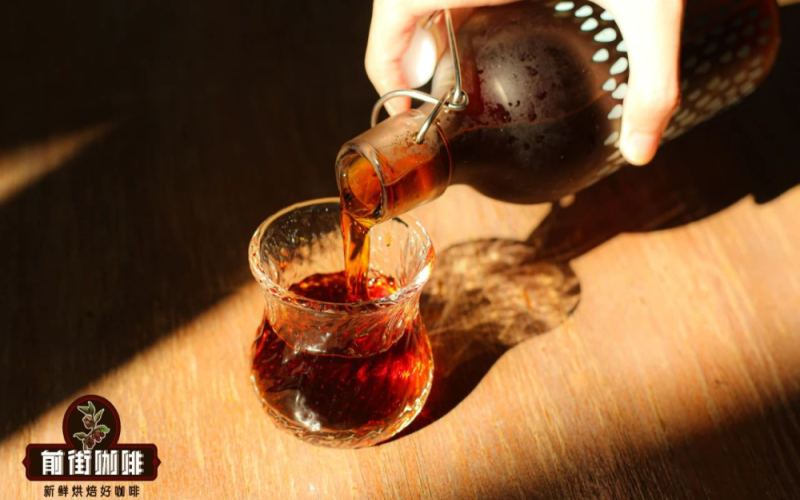
Cold brew coffee grounds-to-water ratio | What are the flavor characteristics of cold brew coffee? What kind of water should be used to brew cold brew coffee grounds? What grind size is suitable for making cold brew coffee?
When summer arrives, the internet-famous iced coffee comes to mind. Indeed, in this scorching summer, a glass of iced coffee instantly makes you feel refreshed. Today, Front Street Coffee is going to talk about one such iced coffee: cold brew coffee. Cold brew coffee has become a favorite among office workers. Why is that? Front Street Coffee believes that cold brew coffee [more…]
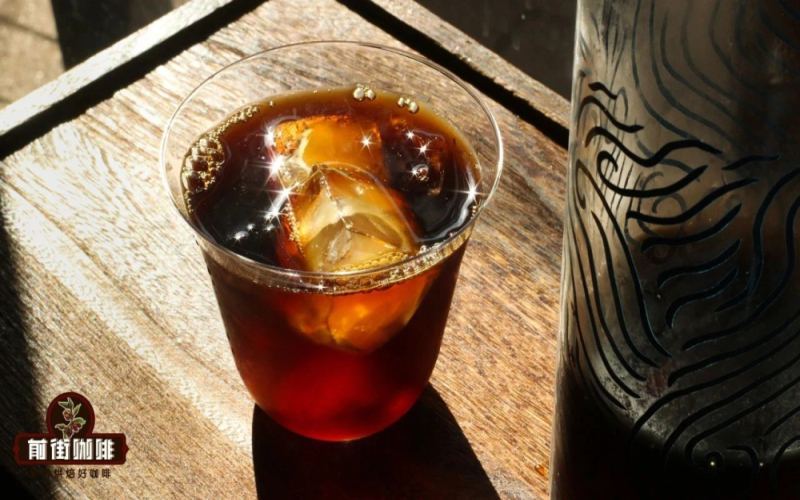
Cold Brew vs. Iced Coffee: Differences in Brewing Process, Flavor Characteristics, and Front Street Specialty Recommendations
Although iced coffee and cold brew coffee both emphasize a refreshing taste, the two differ fundamentally in their preparation methods and flavor presentation. Iced coffee has a long history, traceable as far back as Vienna and France, and is made by pouring cooled coffee directly over ice, so its taste changes as the ice melts. Cold brew coffee, by contrast, relies on low-temperature, long-duration extraction, presenting a softer, sweeter flavor profile, and its popularity has continued to climb over the past five years. This article will systematically sort out the similarities and differences between cold brew and iced coffee from the perspectives of definition, preparation process, flavor comparison, and cultural phenomena, and share Front Street Coffee's professional insights on coffee taste. [more…]
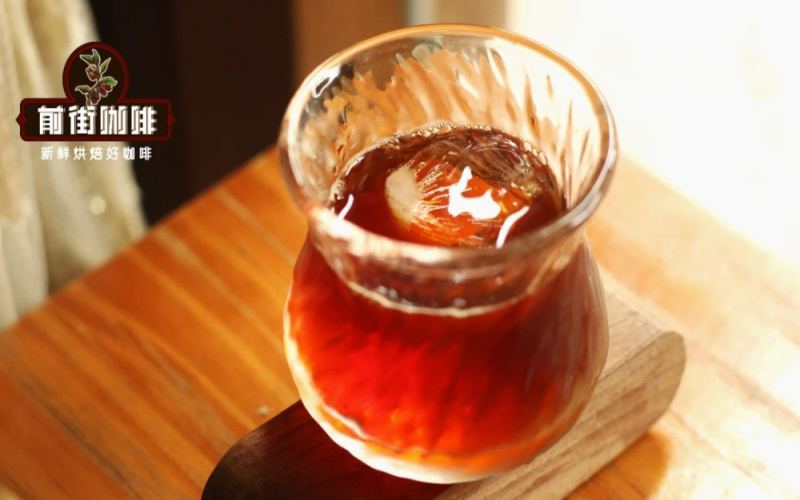
Why Does Cold Brew Coffee Need to Be Prepared a Day in Advance? A Complete Guide to Bean Selection and Flavor Types for Making Cold Brew at Home
Cold brew's production process differs from hot brewing, requiring a day of pre-soaking, so stores typically select only a small number of suitable bean varieties. Based on extensive customer feedback, Front Street Coffee has compiled a detailed guide to beans for cold brew. This article focuses on the cold brew production process, its core characteristics, and four flavor types—rich fruity, fresh floral and fruity, full-bodied and deep, and subtly wine-like—recommending specific beans one by one, including Front Street Coffee's Huakui, Ethiopian Etto, Yirgacheffe Gedingding, Boquete Washed Geisha, Jamaican Blue Mountain, Indonesian Golden Mandheling, 90+ Eleta Geisha, Strawberry Candy, and Mozart, along with steeping ratios and operating details, to help coffee enthusiasts recreate their desired cup of cold brew at home. [more…]

Is Starbucks Cold Brew Healthy? Caffeine Content and Flavor Analysis Plus Front Street Coffee Cold Brew Brewing Guide
Cold brew coffee, with its smooth mouthfeel and refreshing flavor, has become a popular choice at Starbucks and independent coffee shops alike. It is extracted at low temperatures over a long period, resulting in low bitterness and prominent fruity acidity and floral notes, but its caffeine content and health effects have also drawn much attention. This article provides a detailed analysis of the definition, characteristics, and caffeine situation of cold brew coffee, and shares the bean list and creative drinking methods recommended by Front Street Coffee, including adding sparkling water, milk, alcohol, and more, to help you easily make a cup of cold brew to your liking at home. [more…]
Drip Bag Coffee Shelf Life and Peak Flavor Period Explained: Brewing Water Temperature, Key Parameters, and Whether It Can Be Reused
Drip bag coffee, with its dual advantages of convenience and flavor, has become a daily choice for many coffee lovers. But how long can a pack of drip bag coffee actually be stored? How should it be brewed to restore the best taste? Can the same drip bag be brewed repeatedly? This article will explain item by item the shelf life and optimal flavor period of drip bag coffee, the drinking time limits for different roast levels, brewing water temperature and parameter adjustments, as well as tips for judging freshness. It will also address the misconception of repeated brewing and include complete drip bag brewing steps to help you consistently brew a delicious cup of black coffee at home. [more…]
Yirgacheffe Cold Brew | Where Does Cold Brew Coffee Come From? How to Make Cold Brew with Washed Yirgacheffe Coffee Beans? What Are the Cold Brew Ratio Parameters?
For more specialty coffee knowledge, please follow: Front Street Coffee (Frontsteet Coffee) In the hot summer, a glass of iced coffee is truly delightful, but now that autumn has arrived, will iced coffee still be so favored? Front Street tells everyone: absolutely! Because although the weather [more…]
The difference in preparation between cold brew coffee and iced coffee and a flavor comparison: from extraction principles to taste choices
Cold brew and iced coffee are both chilled beverages, yet their brewing methods are completely different, and the flavors they ultimately present are worlds apart. Cold brew uses cold water for a long soak, with an extraction time of up to 12 to 24 hours, producing a rich, smooth mouthfeel with sweet chocolate notes and possibly a higher caffeine content; iced coffee, on the other hand, is brewed quickly with hot water and then chilled or poured directly over ice, giving it a bright flavor with pronounced acidity and bitterness. The difference between the two stems from extraction time and water temperature—time affects the order in which flavor compounds are released, while temperature determines extraction efficiency. Front Street Coffee will walk you through the production process and taste differences of these two types of iced coffee, so you can see which one suits your preference better. [more…]
What Is Cold Brew Coffee? A Full Analysis of Flavor Characteristics, Brewing Methods, and Differences from Ice Drip
Cold brew coffee has swept across the United States in recent years, but the prototype of cold-water extraction actually appeared in Kyoto, Japan, as early as the 17th century. Unlike high-temperature extraction, only small-molecule flavor compounds are released in a low-temperature environment, giving cold brew a smooth mouthfeel, mild acidity and sweetness, and a notably long, sweet finish. This article will walk you through the historical origins of cold brew coffee, the suitable water temperature, how it differs from ice drip coffee, and Front Street Coffee's brewing recommendations for both cold brew and ice drip. Whether you want to try making cold brew yourself or are torn over which tastes better, cold brew or ice drip, you'll find the answer here. [more…]

What's the Difference Between Drip Bag Coffee and Instant Coffee? Can It Be Brewed Repeatedly? A Complete Guide from Selection to Brewing
As specialty coffee becomes part of everyday life, drip bag coffee, with its blend of convenience and flavor, has become the starting point for many people to explore specialty coffee. But what exactly is the difference between drip bag coffee and instant coffee? Can one drip bag be brewed repeatedly? And how should you choose and brew it to get a good cup of coffee? Drawing on the practical experience of Front Street Coffee, this article sorts out the origins of drip bag coffee, the number of brews, key points for selection, and specific brewing steps, helping coffee lovers easily enjoy a cup of full-aroma black coffee even in a busy life. [more…]
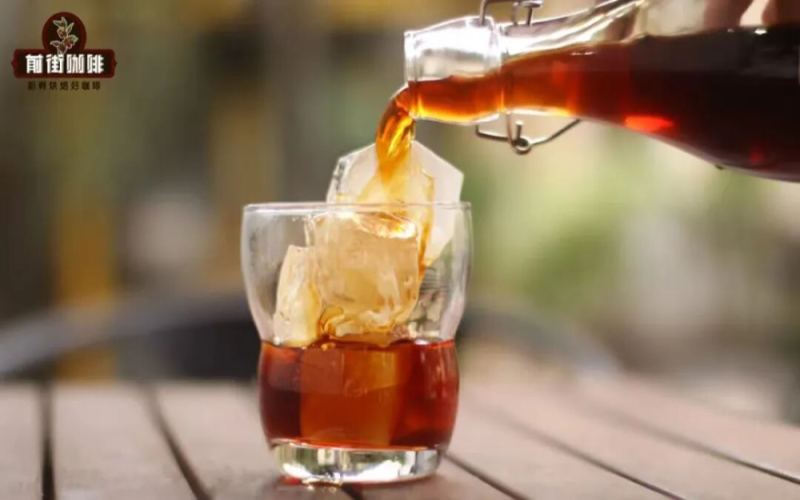
Cold Brew Coffee | How to Make Super Sweet Cold Brew Coffee in a Short Time? What Is the Flavor Difference Between Pressure Cold Brew and Immersion Cold Brew?
Cold brew coffee, put simply, is coffee extracted with cold water. Because it is very easy to make and has outstanding flavor and mouthfeel, cold brew coffee has always been a favorite that most people keep on hand at home. But cold brew coffee is not without its drawbacks; for example, the long time required to make it is [more…]
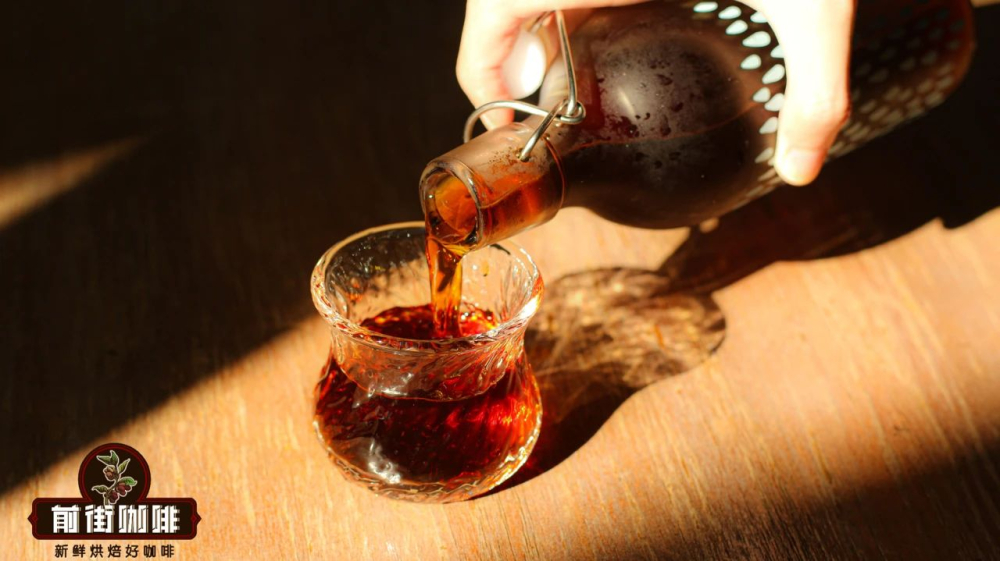
Iced Black Coffee Preparation | How to Make Iced Coffee with Freshly Roasted Coffee Beans? Introduction to Cold Brew Coffee Grind Size, Extraction, Coffee-to-Water Ratio, Taste, and Flavor Characteristics
In this scorching summer, a glass of iced coffee instantly refreshes you. Today Front Street wants to talk to you about cold brew coffee. Cold brew coffee has become a favorite among office workers. Why do we say that? Front Street believes that the reason cold brew coffee is so popular is mainly because it is very simple to make, compared with pour-over coffee. [more…]
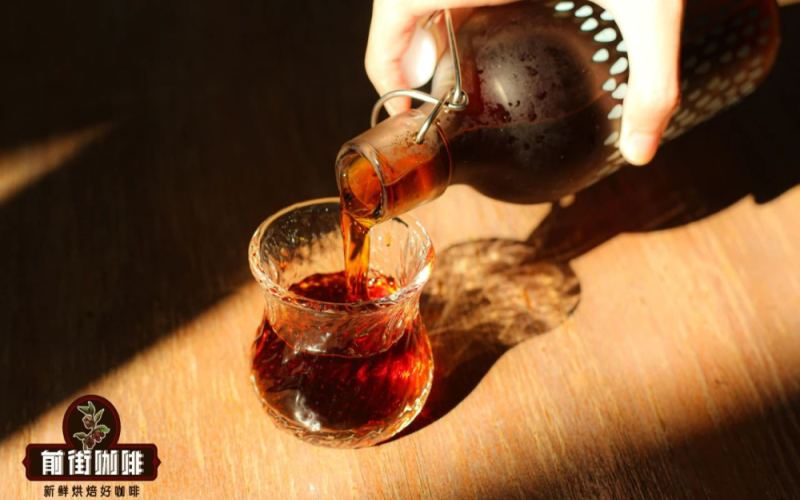
Cold Brew Coffee Characteristics | How much time is needed to make cold brew coffee? What is "cold brew flavor"? Which coffee bean origins are suitable for making cold brew?
Here's what happens: when a customer pushes open the door of the Front Street shop and steps inside, their attention is immediately drawn to the blackboard nearby. There's nothing particularly special on the blackboard—it simply lists new drink recommendations along with the words "Ice drip coffee must be ordered 2 days in advance." As a result, many customers who see it ask, "Ice [more…]

How Do Pour-Over Parameters Shape Coffee Flavor? Analyzing the Link Between Brewing Variables and the Essence of Coffee Beans
Can the same coffee beans produce two completely different flavors? This involves the logic of how brewing parameters regulate flavor release. The acidic, sweet, and bitter compounds in coffee are released at different rates, and by adjusting water temperature, grind size, time, and pouring technique, it is indeed possible to change the final taste to a certain extent. However, brewing is ultimately only the final link in the coffee chain, with a limited range of adjustability, and outstanding flavor comes more from the quality of the coffee beans themselves. Front Street Coffee will use examples to explore the flavor differences between the one-pour method and the three-pour method, and why bean selection determines the ceiling of a cup of coffee more than the brewing method does. [more…]
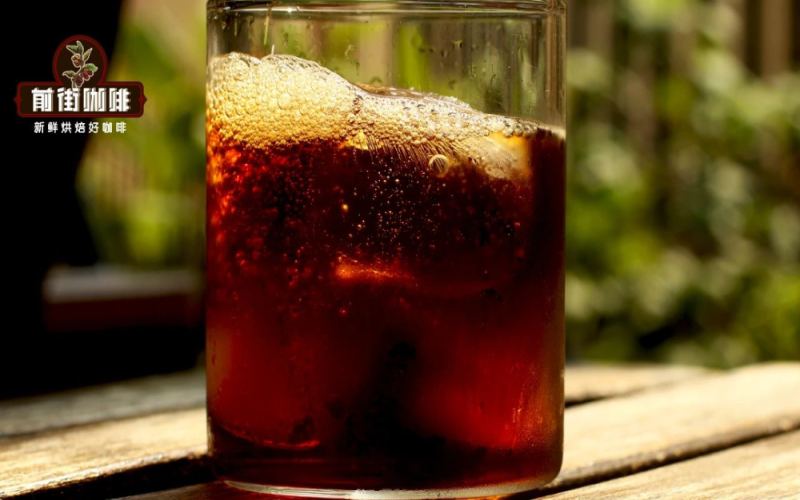
Analysis of the Causes of Ice Drip Coffee Bitterness and the Principles of Low-Temperature Extraction | Front Street Teaches You to Master Drip Techniques
Cold brew coffee has a rich, smooth taste with no bitterness or astringency, yet many people who make it at home often run into problems with bitterness or poor dripping. Starting from the principles of low-temperature extraction, this article explains why cold brew coffee is sweeter than pour-over, and breaks down key steps in detail, including bean selection, grind size, dripping speed, coffee-to-water ratio, and serving methods. Front Street Coffee will also share a recipe for making cold brew with a blend of Honduras Lychee Orchid and Geisha Village Red Label, guiding you to a cup of cold brew coffee that is layered and rich, with vinous notes and fruity acidity. [more…]