







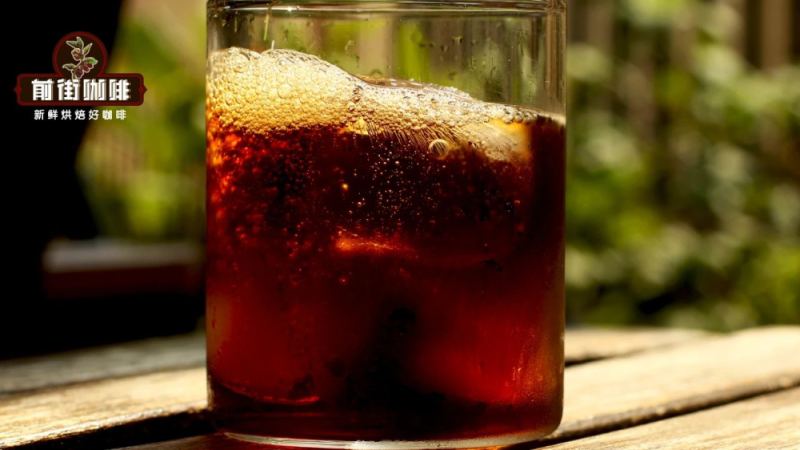
Why is cold brew coffee less acidic than hot brew?
Cold brew coffee steeps grounds in cold or room-temperature water for 8 to 12 hours, usually in the refrigerator. The low temperature limits how much of the tannic acid breaks down, and studies put the acidic content around 67 percent lower than hot brewing. The result is a smoother, less sour and less astringent cup.
Because only small-molecule compounds dissolve in that time, fruity acidity and floral notes come through while smoky and roasted notes stay behind, so the aroma is mild but the mouthfeel is full. Caffeine still ends up in the cup, which is why cold brew can affect people strongly; the coffee contains enough of it that drinking a lot may feel disorienting rather than simply refreshing.
Cold brew coffee has been increasingly favored by coffee enthusiasts in recent years, not only because its drinking temperature is comfortable, but also because of its smooth, full-bodied mouthfeel and its finer expression of coffee beans' aromas. Unlike hot water extraction, cold brew uses cold water or room-temperature water to steep coffee grounds, then refrigerates for 8 to 12 hours to complete extraction. The low-temperature environment reduces the release of acidic substances, making cold brew noticeably less sour and astringent than hot brew, while extracting only small-molecule flavors such as fruity acidity and floral notes, resulting in a cleaner, fuller mouthfeel. This article will cover the flavor principles of cold brew, recommendations for three single-origin beans from Front Street Coffee suitable for cold brew, specific preparation steps, and the advantages of cold brew in terms of caffeine content, lower acidity, and ease of operation, giving you a comprehensive understanding of this low-temperature, slow-extracted coffee.
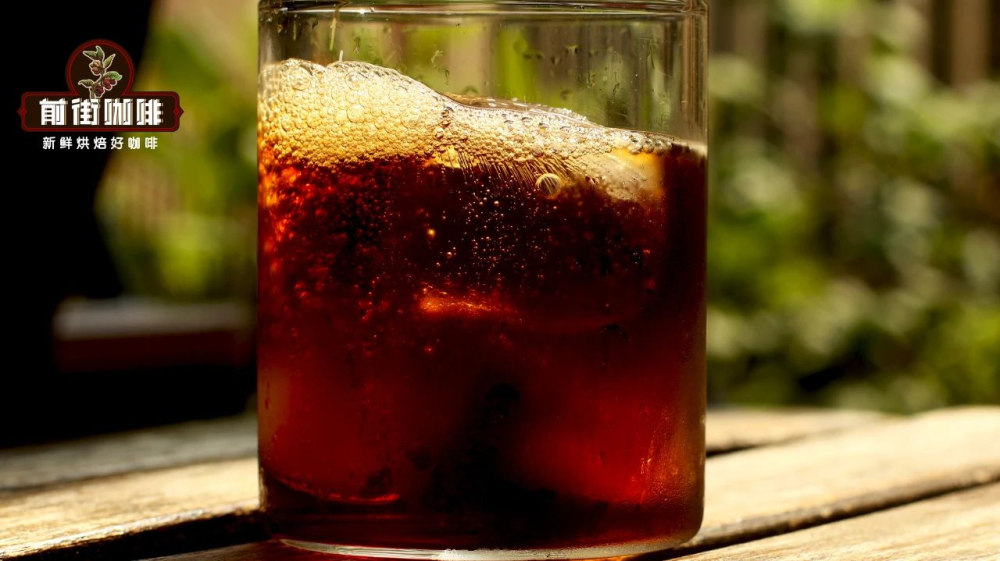
Many people prefer cold brew coffee not only because it is pleasant to drink in terms of temperature, but also because its mouthfeel is smooth and full-bodied, better showcasing the unique aroma and flavor of a coffee bean itself. Unlike brewing with high-temperature hot water, cold brew is made by steeping coffee grounds in cold water or room-temperature water, then placing it in the refrigerator and slowly extracting over 8 to 12 hours.
From a flavor perspective, high temperatures cause the tannic acid in coffee to break down, bringing about sourness and bitterness. Research has shown that cold brew coffee contains about 67% less acidic substances than hot brewing. It is precisely because of its weaker sourness and astringency that cold brew coffee has won the favor of many people.
The low-temperature environment, combined with the long contact time between coffee grounds and water, means that only small-molecule flavor substances can be extracted. Therefore, what is mainly dissolved out are small-molecule components such as fruity acidity and floral notes. Larger-molecule flavor substances such as smoky and roasted notes are difficult to extract.
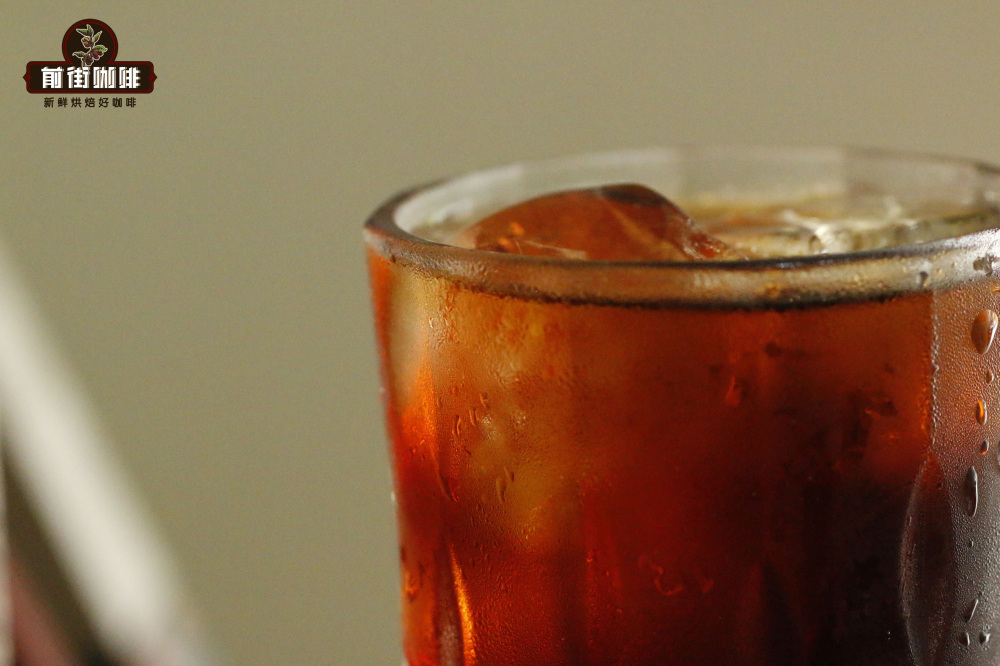
This is also why cold brew coffee does not have a particularly strong aroma when smelled, yet tastes exceptionally smooth when drunk. When made with the same coffee beans, the finished cold brew has a fuller, cleaner mouthfeel than hot-brewed coffee.
Recommended single-origin coffee beans suitable for cold brew: Front Street Sun-Dried Red Cherry, Front Street Butterfly, Front Street Sidra.
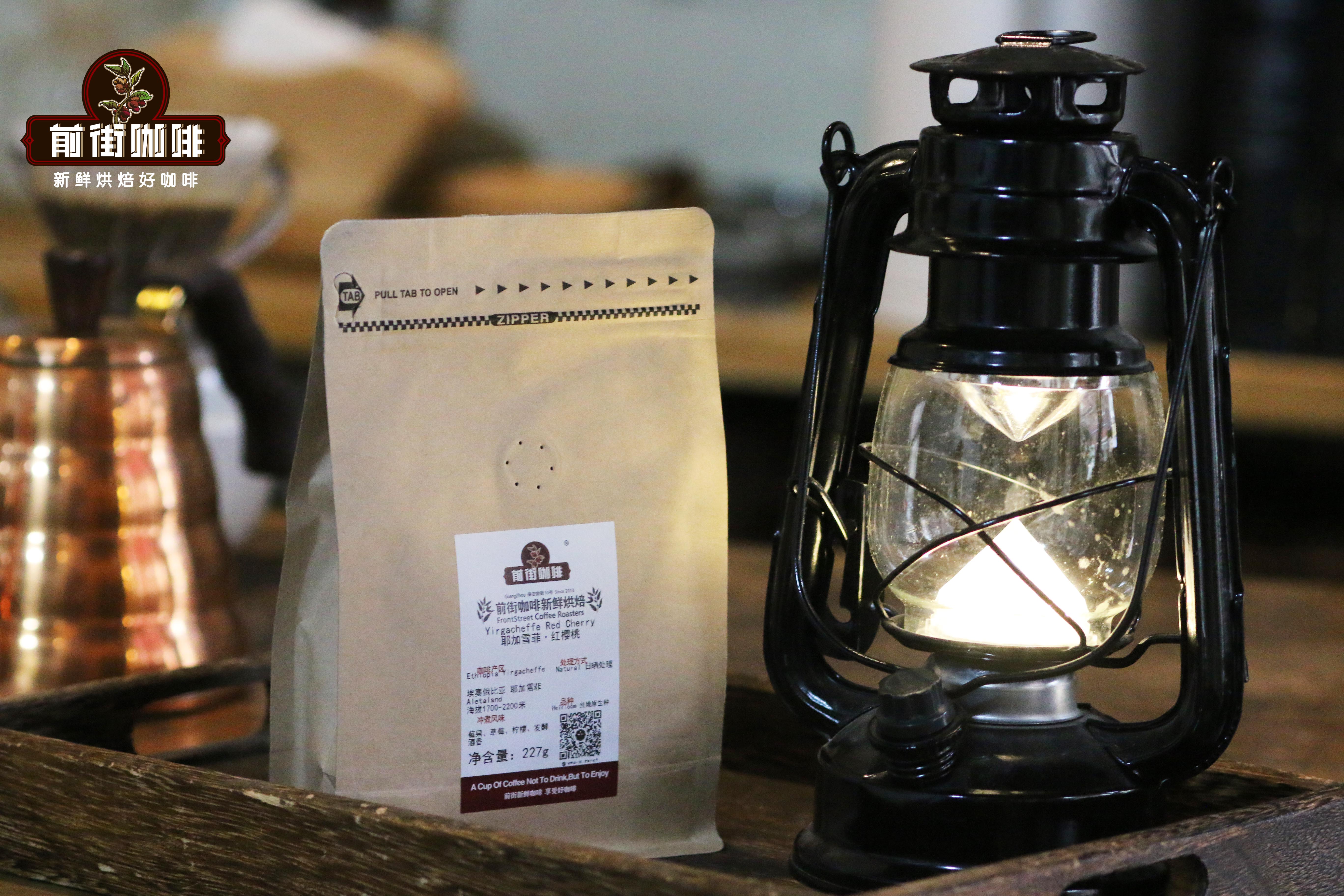
Front Street Sun-Dried Red Cherry Coffee Beans Country: Ethiopia Region: Yirgacheffe Altitude: 2300m Variety: Local heirloom varieties Processing Method: Sun-dried processing Flavor: Berries, lemon, strawberry, fermented wine aroma
Front Street Butterfly Coffee Beans
Country: Panama
Region: Boquete
Altitude: 1600m
Variety: 70% Geisha + 30% Caturra and Catuai
Processing Method: Washed processing
Flavor: Floral, citrus, nuts, tea-like, honey
Front Street Sidra Coffee Beans
Country: Colombia
Region: Huila, La Divisa Estate
Altitude: 1700m
Variety: Sidra
Processing Method: Double anaerobic sun-dried processing
Flavor: Passion fruit, grape, dried fruit, apricot, chocolate
How to Make Cold Brew Coffee
To make delicious cold brew coffee, choosing freshly roasted coffee beans is crucial. All coffee beans sold by Front Street Coffee are shipped in whole-bean form within 5 days of completing roasting. Although grinding service is also provided, Front Street recommends grinding fresh and brewing fresh, so that the coffee's aroma and flavor will be more complete and outstanding.
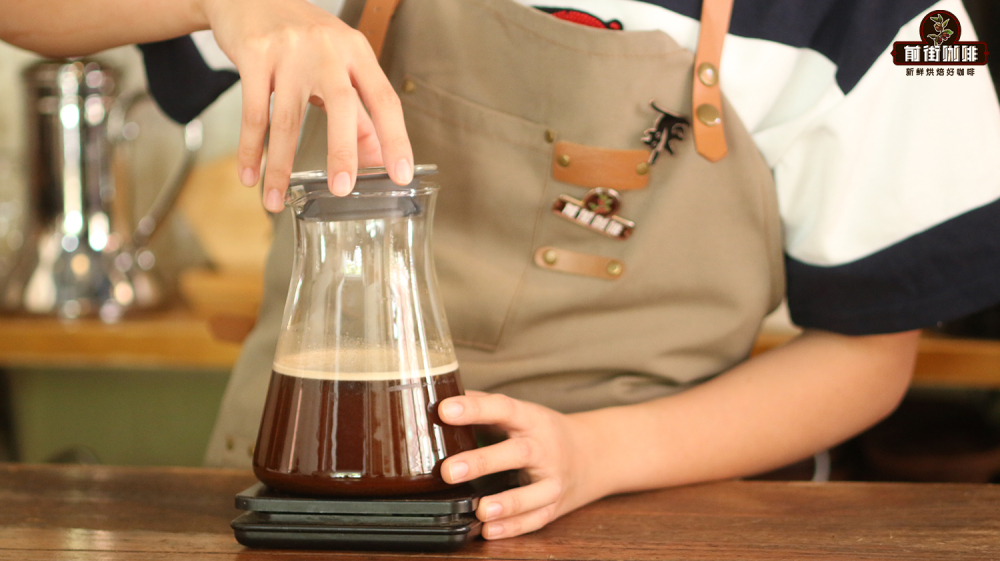
When making cold brew coffee, grind the beans to a medium-fine level, about the size of granulated sugar, then place them in a clean sealable container, add water at a coffee-to-water ratio of 1:10 to 1:13, and then refrigerate for 8 to 12 hours.
After extraction is complete, use filter paper or another filtering tool to filter out the coffee grounds thoroughly; the resulting liquid is cold brew coffee. After filtering, store it sealed; the best flavor period is within 72 hours, and storage is recommended not to exceed 5 days.
What are the benefits, advantages, and effects of drinking cold brew coffee?
Cold brew coffee has a higher caffeine content
After reviewing information, Front Street found that the amount of caffeine depends both on the coffee variety and on the extraction time; the longer the extraction time, the higher the caffeine content. Therefore, coffee extracted slowly at low temperature will have a better refreshing effect than coffee extracted quickly at high temperature.
Cold brew coffee is less acidic
Cold brew coffee is more alkaline than hot-brewed coffee. Hot coffee has a higher concentration of titratable acidic compounds and a lower pH value. If you are prone to acid reflux or heartburn, hot-brewed coffee may trigger these discomforts, while drinking cold brew is less likely to cause such problems.
Cold brew coffee is convenient to make
Other coffees often require a bunch of complicated equipment and extraction parameters, but cold brew requires very little equipment and is especially simple to do at home. You only need a cold brew pitcher and a refrigerator to complete it; if it is just for yourself, replacing it with a sufficiently large clean container also works. In addition, because cold brew is a low-temperature steep, the coffee made has a very high margin for error, unlike pour-over or espresso machines, where a moment of carelessness can ruin the result. When Front Street makes it with coffee beans of different flavors, it also displays different flavor profiles, making it truly a blessing for lazy people at home.
The above content is compiled by CoffeeHunters, a coffee news website.


