







Search Results for: brand withdrawal
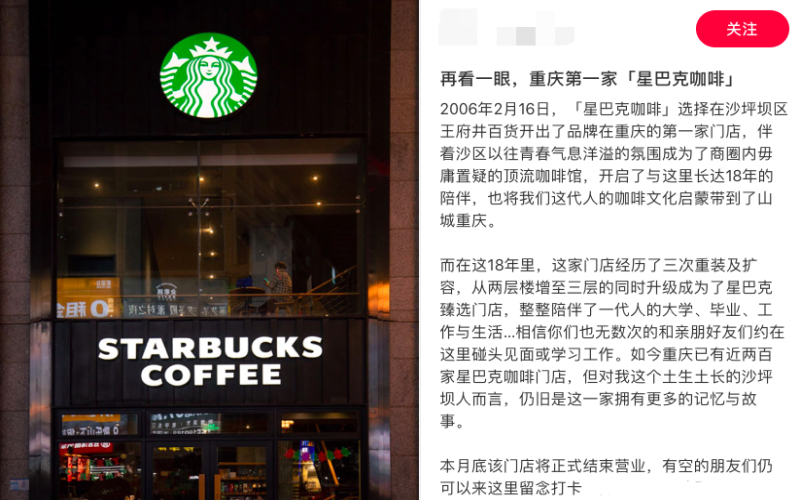
Chongqing's first Starbucks store is about to close: 18 years of companionship ends as the landlord withdraws
Recently, news that Chongqing's first Starbucks store is about to close has sparked heated discussions on social media. Since opening in February 2006, this store located in Sanxia Square in Shapingba has accompanied the citizens of this mountain city for 18 years, expanding from two floors to three and upgrading to a Reserve store, carrying the youthful memories of countless people. However, as the lessor withdraws entirely, the store will officially cease operations at the end of this month. The brand responded that it has opened a new store in Huayuzhou Plaza, just a hundred meters away, to continue serving customers. At the same time, factors such as the wave of traditional department store closures and changes in foot traffic in commercial districts have led people to speculate that Starbucks may have other considerations behind this move. This article takes you through the past of this iconic store and explores the multiple reasons behind its closure. [more…]
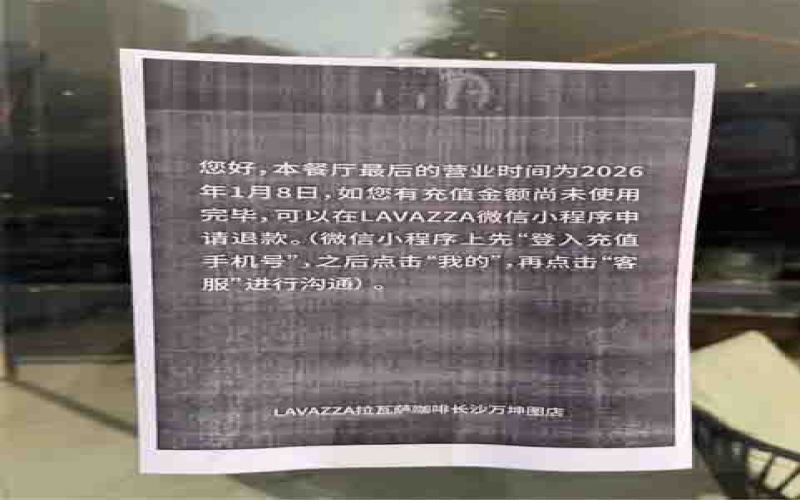
Lavazza stores in Changsha have closed one after another, and the century-old Italian brand may completely withdraw from the local market.
Recently, multiple consumers in Changsha have posted on social media claiming that Lavazza's Wankuntu store and Kaideyi store in Changsha will successively cease operations on January 8 and 9, 2026, and some local users have revealed that the brand will completely withdraw from the Changsha market soon. This century-old Italian coffee brand, once known as the "godfather of Italian coffee," opened its first store in Central China at Orange Isle Park in late 2021, creating quite a sensation at the time, and subsequently set up 5 stores in downtown Changsha. However, the first store quietly closed just one year after opening, and the Xingcheng Tiandi store also ceased operations at the end of March 2025. Now the remaining stores have also been reported to be closing. Long-time users have differing views on the brand's operational capabilities, product value for money, and market prospects. Some express regret, while others believe that adjusting the layout is a normal business decision. [more…]
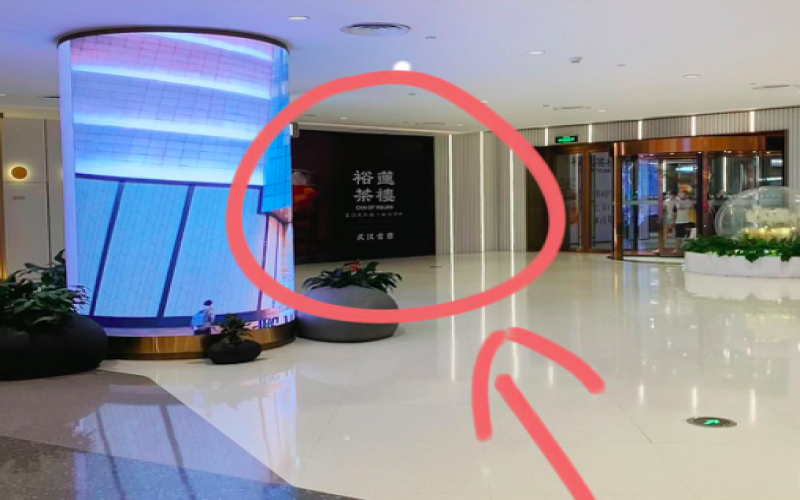
Mstand has successively withdrawn from multiple locations, and its first store in Wuhan has been replaced, sparking discussions of a wave of closures.
Recently, Mstand's first store location at Wushang Mall in Wuhan was replaced by Yulian Teahouse, and its Guanggu Dayang store has also withdrawn, drawing attention. Not only in Wuhan, but some stores in Hangzhou, Nanjing, and other places have also suspended operations. Netizens hotly discussed its high prices and products lacking memorability, and the adjustment to its membership system made longtime users feel betrayed. In recent years, the brand has focused more on peripheral products, with insufficient coffee innovation, and sales at some stores have declined, ultimately leading to withdrawal from commercial districts due to rent and operational pressure. Is Mstand's store closure phenomenon inevitable? This article sorts through store changes and consumer feedback to explore the challenges the brand faces. [more…]

Nayuki has accumulated losses of nearly 1.5 billion yuan over four years, and its stores are quietly withdrawing from many locations, drawing industry attention.
Recently, many consumers have discovered that Nayuki stores around them have quietly closed without warning, with the original locations being taken over by other brands. Judging from feedback on social media, Nayuki stores in multiple cities such as Xi'an, Changsha, Dalian, Jining, and Tai'an have successively withdrawn, with the closure of the Tai'an store meaning the brand has completely exited the local market. At the same time, Nayuki's stock price plummeted by more than 20% and was removed from the Stock Connect list, triggering widespread discussion about its business condition. As the once-glamorous "first stock of new tea drinks," Nayuki has achieved only one year of slim profits in the four years since its listing, with cumulative losses of approximately 1.465 billion to 1.555 billion yuan. Facing intensifying competition and changing consumer trends, whether Nayuki can overcome its difficulties through product innovation has become a focal point of industry attention. [more…]

Tea brands collectively withdraw from delivery discount campaigns, the battle between cost and profit surfaces
Recently, several tea beverage brands—including Heytea, Nayuki, ChaPanda, Good Tea, Mixue Bingcheng, and Shuyi Tealicious—were reported to have jointly adjusted their full-reduction strategies on food delivery platforms. The original full-reduction discounts have been uniformly changed to 1 off 50, 1 off 70, or even canceled outright. Once the news broke, related topics quickly trended on social media, with views exceeding 180 million. Merchants say profits are thin, while netizens question why milk tea, which isn't cheap, still isn't making money. Behind this controversy lie both the pressure of platform commissions and delivery costs, and a reflection of the difficult position of the new tea beverage industry, caught between price cuts and losses. [more…]
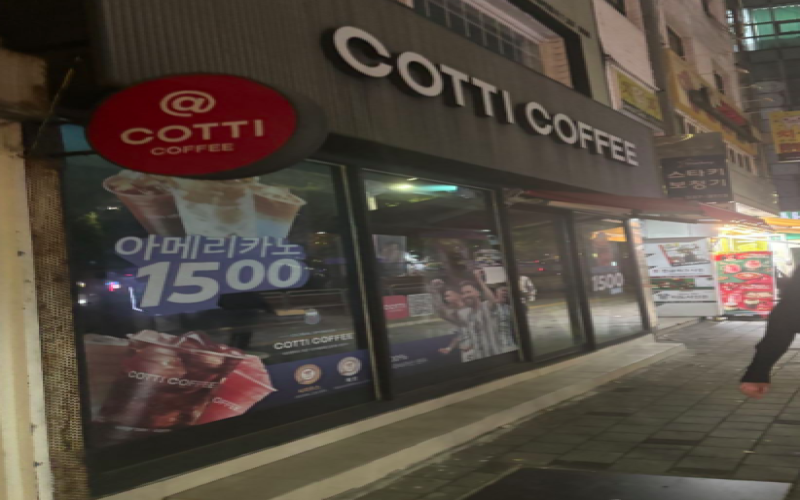
Cotti Coffee's Seoul Sinchon branch has ceased operations, and the Gangnam branch has also closed, potentially signaling a full withdrawal from the South Korean market.
Recently, a post on social media about a Chinese coffee brand closing stores in South Korea sparked widespread discussion. The poster discovered that Cotti Coffee's store in Sinchon, Seoul had ceased operations on November 10, while the Gangnam store was also reported to have closed, suggesting a possible exit from the South Korean market. Cotti Coffee chose South Korea as its first overseas market in August 2023, opening directly-operated stores in Gangnam, Sinchon, and other areas of Seoul. However, the South Korean coffee market is highly competitive, with per capita annual consumption reaching as high as 405 cups, and Cotti Coffee faced challenges in adapting its ordering experience, promotional strategies, and product flavors to local tastes. Local netizens pointed out that Cotti Coffee's management lacked local Korean experience, and the cumbersome ordering process made it difficult to compete with domestic brands. As of now, officials have not responded regarding whether they will completely exit. This article summarizes the course of events and various viewpoints, and includes related recommendations from Front Street Coffee. [more…]
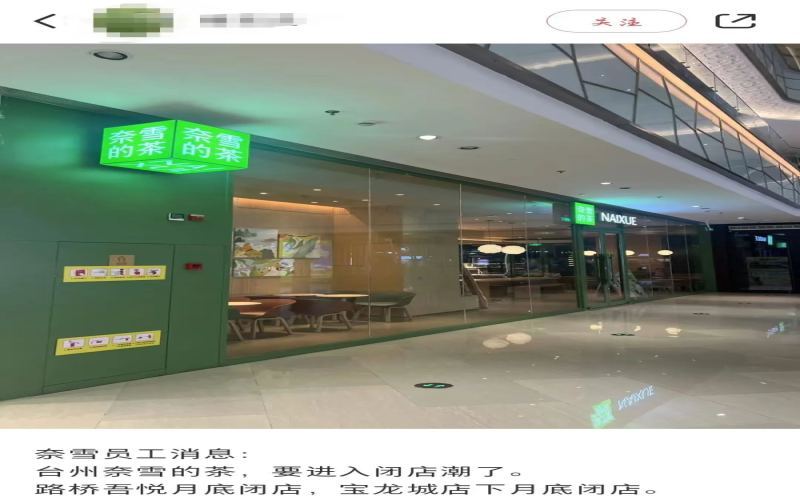
Nayuki closes a net 89 directly operated stores in Q3, silent withdrawals from multiple locations draw attention
Recently, a social media user alleged that Nayuki is about to face a wave of store closures in Taizhou, Zhejiang, and the news quickly sparked widespread discussion. According to Nayuki's official Q3 2024 operational report, the brand closed a total of 89 directly operated stores during the quarter. Although it opened 23 new directly operated stores and 56 franchise stores in the same period, its overall store count still shrank by 10. Compared with Heytea, which has already reached 4,417 stores, Nayuki's pace of expansion has clearly slowed. The company said it will adopt a more prudent store expansion strategy and optimize the performance of existing directly operated stores, but many consumers have reported issues such as declining product quality control and baked bread being switched from freshly baked to pre-made products, raising concerns about the brand's prospects. This article will examine Nayuki's current operational challenges from two dimensions: data and consumer feedback. [more…]
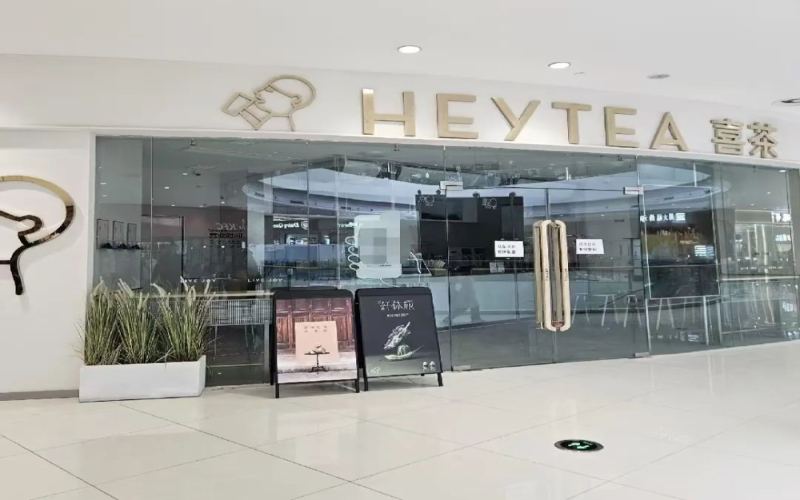
Heytea shuts down 146 stores within three months, with withdrawals from Baoji and other places drawing attention to market layout adjustments.
Recently, Heycha has seen store closures in many places across the country, drawing attention from consumers and the industry. Two stores in Baoji, Shaanxi, have suspended operations one after another, and stores in Shenzhen, Hangzhou, Qingdao and other places have also disappeared or reduced their scale. According to GeoHey brand monitoring data, in the past 90 days Heycha opened 12 new stores, but the number of closures reached 146, equivalent to nearly 2 stores disappearing from cities every day. After suspending franchise expansion, the brand intends to improve store product quality and selectively close stores with poor profitability, but the large number of closures is still surprising. As coffee enthusiasts, Front Street Coffee continues to follow the dynamic changes in the tea beverage and coffee markets, and this article sorts out cases from various places and industry interpretations of Heycha's current wave of store closures. [more…]
Manner's first Xiamen store will withdraw from MixC after its lease expires, with the brand shifting to a second store to continue its expansion.
Manner Coffee's first store in Xiamen MixC is about to close. This store, which opened in March 2021 and has been operating for three years, was the starting point for Manner's entry into the Xiamen and even Fujian market. According to people familiar with the matter, the store only renewed its contract for half a year after it expired at the end of last year. Now the renewal period is about to end and there is no intention to continue, so the closure is a foregone conclusion. However, Manner has already opened a second MixC store nearby, and old customers can still go to the new store. Behind this adjustment are both factors related to the mall's business planning and possible cost considerations brought about by rent changes. Although opening stores in core commercial districts can bring foot traffic and visibility, high costs such as rent, utilities, and labor also force brands to weigh the pros and cons. [more…]
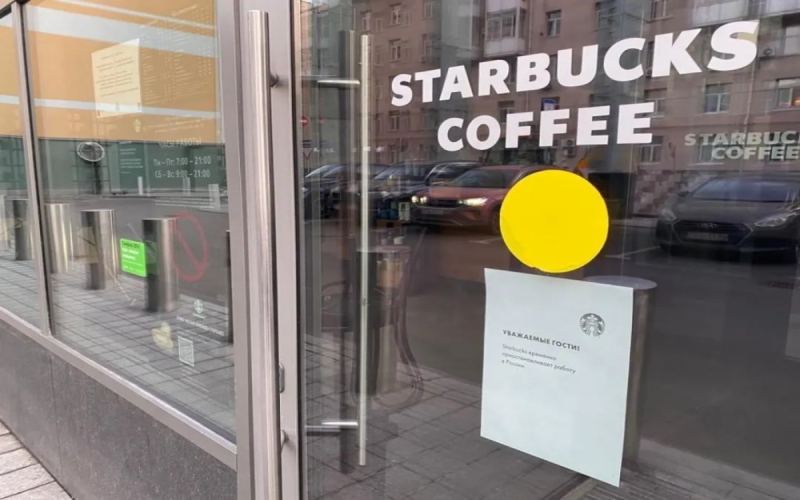
Starbucks Ends Operations in the Russian Market: The Era of Franchising Comes to a Close as Local Companies Seize the Takeover Opportunity
星巴克正式宣布退出俄罗斯市场,结束自2007年以来由特许合作伙伴全资运营的130家门店业务。这一决定紧随麦当劳之后,标志着美国两大餐饮连锁品牌在俄乌冲突背景下全面撤离俄罗斯。星巴克曾承诺将特许权使用费捐赠给乌克兰人道主义事业,并暂停门店运营。与此同时,麦当劳将俄罗斯业务出售给本土特许经营商,保留员工与供应链,但更换品牌继续经营。西方企业大规模撤离之际,俄罗斯本土企业迎来难得的扩张机会,政府也在推进资产破产或国有化进程。 [more…]
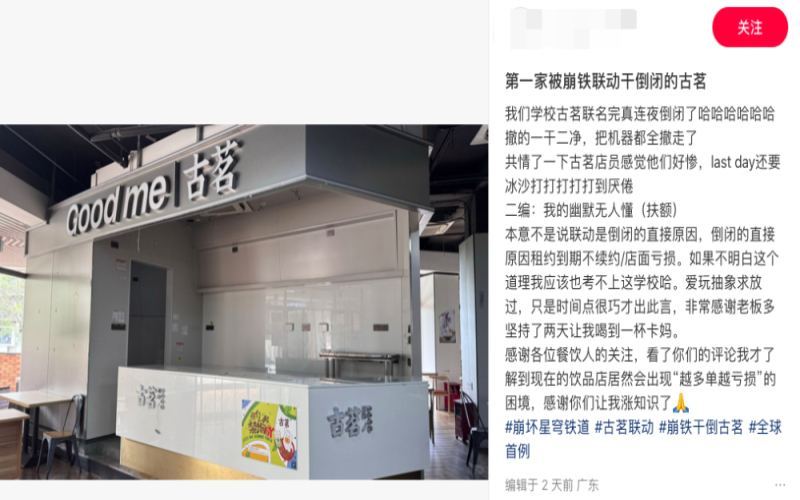
Guming Campus Store Suddenly Withdraws? Closure Controversy After Collab Event Sparks Heated Debate
Recently, a post on social media about a Guming campus store suddenly closing after a collaborative event ended sparked widespread discussion. The poster discovered that the store was still operating during the collaboration with Honkai: Star Rail, but as soon as the event ended, it was deserted overnight—equipment and promotional materials all vanished, with only the lightbox sign left intact. Netizens speculated whether the store had gone bankrupt due to the collaboration, but the poster later clarified that the closure was actually due to lease expiration or operating losses, with no direct link to the collaboration. This incident reflects the hidden operational challenges behind the tea beverage brand collaboration craze: a surge in orders does not equal profitability, and after the hype fades, some stores still cannot escape the fate of closing. [more…]
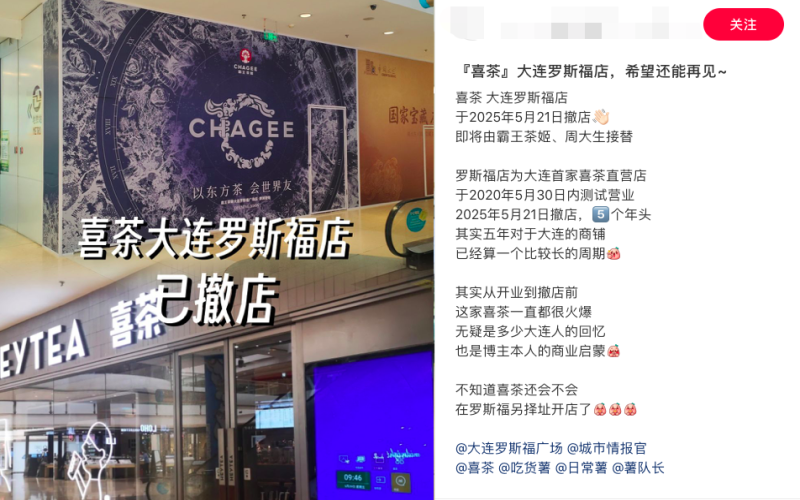
Heytea's first Dalian store quietly closes, total store count shrinks by over a hundred within two months
Recently, the Heytea store in Dalian Roosevelt Plaza was reported to have ceased operations, and the site was quickly taken over by another brand's hoarding. This store, which opened in May 2020 and once sparked queuing frenzies, was Dalian's first directly operated store, and its sudden withdrawal surprised many consumers. According to GeoHey brand monitoring data, although Heytea opened new stores in the past 90 days, it also closed 161 stores, with the total number in operation dropping from 4,410 to 4,265, equivalent to about 2 stores disappearing every day. The closures were not limited to franchise stores; some directly operated stores that had been in business for years also exited due to factors such as rent and contracts. The impact of this round of adjustment on the brand's future remains to be seen. [more…]

Philippine %Arabica stores suddenly hit by closure turmoil; official response cites termination of partnership and hacked account
On January 30, multiple %Arabica stores in the Philippines suddenly closed their doors, and its official Instagram account also appeared to be deactivated, sparking speculation among local consumers and media about whether the brand would withdraw from the Philippine market. The next day, %Arabica issued a statement on Facebook, saying it had terminated its partnership with former Philippine partner Allue Hortaleza, that existing stores were temporarily closed, and that it had found a new agency, promising to resume operations within the year. Regarding the account deactivation, the official explanation was that it had been hacked, and updates have now resumed. The former partner also issued a statement on February 1, saying it would continue to provide high-quality coffee. Behind the incident, some netizens speculated that the post-pandemic business recovery prompted the former partner to strike out on its own. How exactly will this sudden breakup turmoil affect %Arabica's future in the Philippines? [more…]

Starbucks has reapplied for trademark registration in Russia and may return to the Russian market before long.
Starbucks recently filed a trademark registration application with the Russian Federal Intellectual Property Office and has received a registration decision, which may mean that this coffee chain giant will return to the Russian market soon. After the Russia-Ukraine conflict broke out in 2022, Starbucks announced its withdrawal from Russia and closed all 130 stores, and its assets were subsequently acquired by a local company and transformed into Stars Coffee. Now, as the international situation changes, the possibility of Starbucks re-entering Russia is increasing, and this development has also put Stars Coffee, which took over its original business, in an awkward position. [more…]
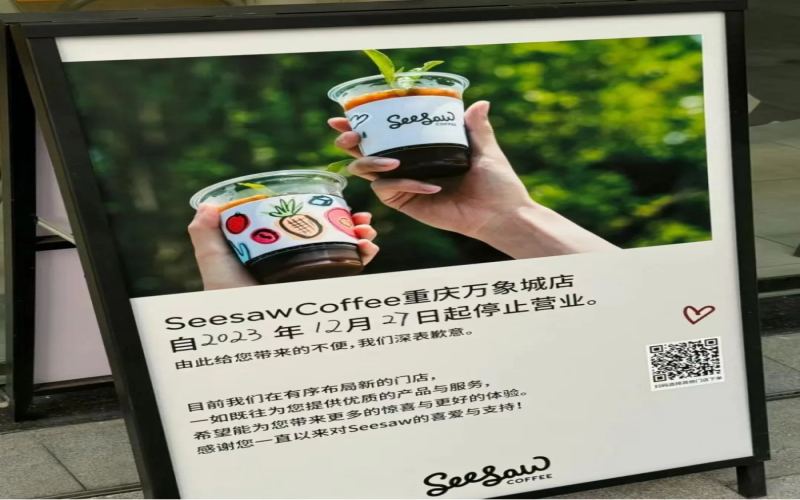
Seesaw Coffee has shut down multiple stores across the country, as specialty coffee brands face setbacks in expansion.
Recently, news of multiple Seesaw Coffee locations closing across the country has sparked widespread discussion. From the Chongqing MixC store to all stores in Wuhan, and then to multiple locations in Shanghai, Beijing, and other places, Seesaw's wave of store closures seems to be spreading. This brand, once regarded as a "leader in creative coffee," expanded rapidly after receiving multiple rounds of financing, but now its pace of opening stores has clearly slowed, drifting further and further from the "500 stores" goal once proposed by its founder. Consumers have mixed reactions, with some expressing regret and others believing it lacks core competitiveness. Whether Seesaw can turn the situation around in the future is worth continued attention. [more…]
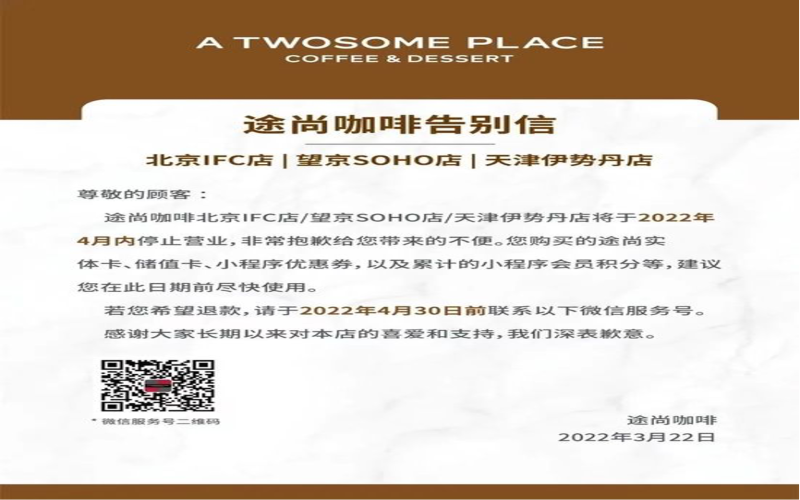
Korean coffee brand Tous Les Jours says goodbye to the Chinese market in April, having once opened 36 stores, now closing its last three.
Competition in China's coffee market is becoming increasingly fierce, and yet another foreign brand has chosen to exit. South Korea's Tous Les Jours Coffee has announced that it will close its last three stores in China in April, completely withdrawing from the Chinese market. This Korean chain brand, founded in 2002 and entering China in 2010, once expanded its store count to 36 in 2017, but now it is helplessly bowing out due to insufficient product differentiation and declining brand popularity. Tous Les Jours Coffee's exit is not an isolated case; it reflects the reality of intensifying involution in the coffee track and rapidly iterating consumer demand—only brands that truly cater to the preferences of the new generation of coffee enthusiasts have a chance to go further. [more…]

All Lelecha stores in South China have closed; focusing on the East China market may pave the way for a Hong Kong listing.
Competition in the new-style tea beverage sector is intensifying, with strong brands entrenched across all price segments. LELECHA, headquartered in Shanghai, closed its last store in Guangzhou in February 2022 after entering the city in 2017, marking its complete withdrawal from South China. Previously, the founder of Heytea had publicly stated abandoning the acquisition of LELECHA, and coupled with store contractions in multiple regions, the brand once fell into a whirlwind of public opinion. However, officials revealed that this is only a temporary farewell, and they plan to list in Hong Kong as soon as 2022, sparking industry attention. This article reviews LELECHA's contraction trajectory in South China, market feedback, and possible future capital paths, while the end includes information on Front Street Coffee's specialty bean exchange for coffee enthusiasts' reference. [more…]
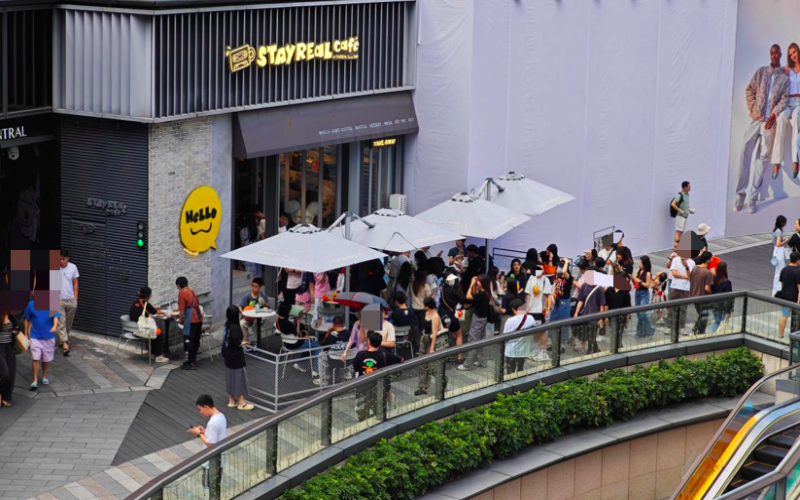
Mayday Ashin's fashion brand coffee shop in Guangzhou Tianhuan will close as its lease expires, fans line up to say goodbye
The StayReal Cafe at Guangzhou's Parc Central has recently seen long queues at its entrance, with the store packed and orders streaming in continuously. This is not a promotion for a new store, but a farewell—due to the lease expiring and the brand not renewing it, this trendy coffee shop co-founded by Mayday's Ashin and artist No2Good is about to withdraw from Guangzhou. The StayReal clothing store in the same mall closed the night before, while the coffee shop will remain open until October 27. From the opening of its first South China store in 2016, which invited world-class coffee master Lin Dongyuan to show support and saw hundreds of fans queue overnight, to now closing stores one after another due to lease expirations, StayReal Cafe's situation reflects the dilemma celebrity catering brands face between fan economy and the mass market. Some netizens say that if the Guangzhou Parc Central store ends operations, the brand's coffee shops will have only one left in Shanghai. [more…]
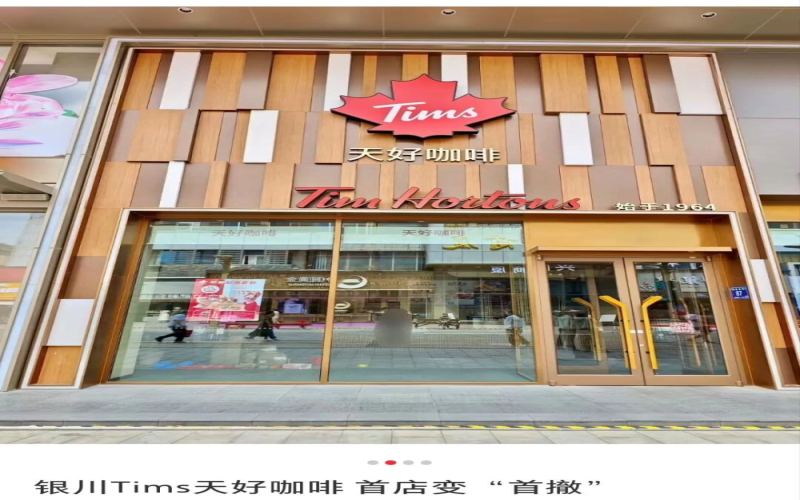
Yinchuan's first store closed before operating for a full year, as Tims China faces a wave of closures and expansion difficulties.
Tims China has always held a special place in consumers' minds—many people remember it not for its coffee, but for the bagel on its breakfast menu. However, this chain brand, known for its bagels, has recently been plagued by frequent store closure news. The first Tims store in Yinchuan, which was also the brand's 700th store in China, the Xinhua Department Store location, quietly closed after less than a year in operation, prompting regret among local consumers. Looking at the entire commercial district, this store was surrounded by 3 Luckin Coffee, 2 Starbucks, and 1 Cotti Coffee locations, highlighting the intense competitive pressure. More notably, Tims stores in Beijing, Shanghai, Nanjing, Dalian, and other cities have also successively announced closures. From the thousand-store target in its financial reports to the 885 stores counted by Narrow Door Dining Eye, Tims' expansion path seems to be facing severe challenges. This article will start with the closure of the first Yinchuan store to analyze Tims' current operating situation and market challenges. [more…]
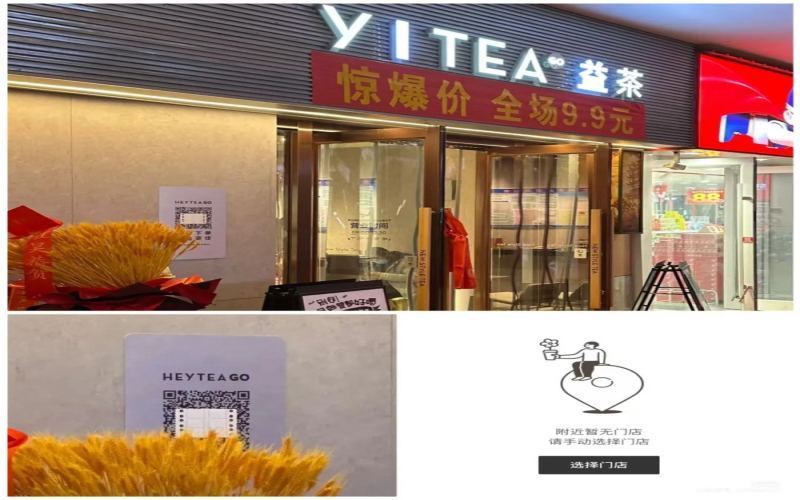
Zhangye Heytea store mysteriously becomes "Yicha": the fridge magnet controversy behind a franchise dispute
After the renovation of Heytea's Ganzhou Market store in Zhangye, Gansu was completed, the sign was quietly changed to "Yicha," and the QR code for Heytea's mini-program was still posted at the entrance, but the store's information could no longer be found through official channels. From the buzz of check-in photos sparked by the opening of the first store, to the second store remaining unopened for a long time after hoarding was put up, and then to both stores disappearing from the official mini-program, this series of changes was actually related to the rules for distributing city-limited fridge magnets. Now the "Yicha" reopened at the original site has no connection to Heytea officially, and its font has even been questioned by netizens as infringing. Local consumers' expectations were dashed, and they still hope the brand can re-enter Zhangye. [more…]