







When Did Coffee Come to Europe and How Does It Compare to Today's Corporate Exits?
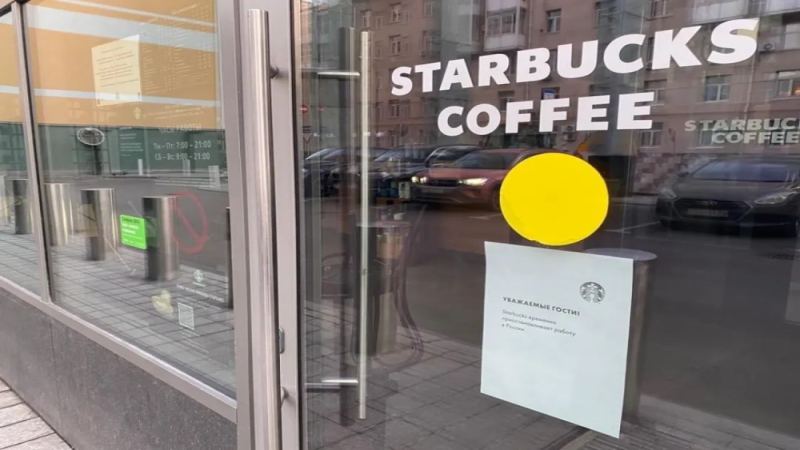
Starbucks has announced it will leave the Russian market, ending operations at 130 stores that had been run by a licensed partner since 2007. The decision follows McDonald's withdrawal, marking the retreat of two major American food and beverage chains amid the Russia-Ukraine conflict. Starbucks had already pledged royalties to humanitarian relief in Ukraine and suspended store operations.
Russian business accounted for less than 1% of Starbucks' annual revenue, according to some overseas analysts, and no specific financial impact was disclosed in the May 3 quarterly report. McDonald's sold its Russian business on May 19 to long-time franchisee Alexander Govor, who said more than 90% of suppliers would be local and operations would continue under a new brand. When did coffee come to europe, a question rooted in centuries of trade history, contrasts with today's abrupt corporate exits.
Starbucks has officially announced its withdrawal from the Russian market, ending operations of 130 stores that had been wholly operated by a licensed partner since 2007. This decision follows closely on the heels of McDonald's, marking the full retreat of two major American food and beverage chains from Russia amid the Russia-Ukraine conflict. Starbucks had previously pledged to donate royalties to humanitarian causes in Ukraine and suspended store operations. Meanwhile, McDonald's sold its Russian business to a local franchisee, retaining employees and supply chains but continuing operations under a new brand. As Western companies withdraw en masse, local Russian businesses are seizing a rare expansion opportunity, while the government is also advancing bankruptcy or nationalization processes for assets.
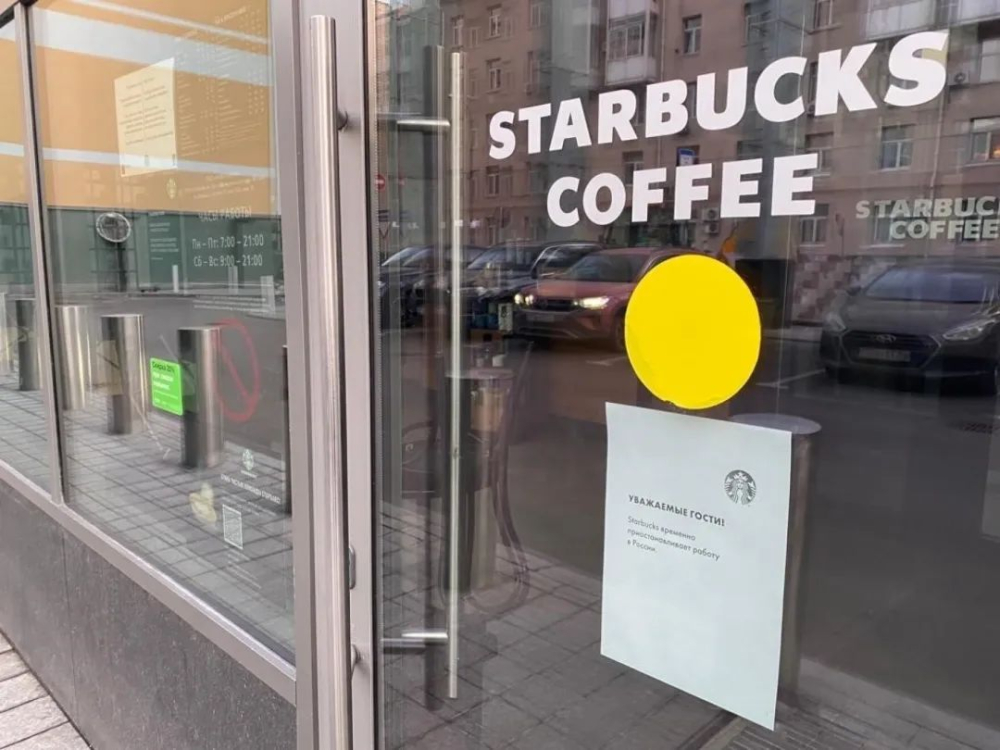
Starbucks has been opening stores in Russia since 2007, reaching a peak of 130 locations, all of which were funded and operated by local licensed partners. According to estimates by some overseas market analysts, the Russian business accounted for less than 1% of Starbucks' annual revenue.
In March of this year, as the Russia-Ukraine conflict continued to escalate, Starbucks' then-CEO Kevin Johnson issued an open letter on March 4 local time, explicitly condemning Russia's unprovoked, unjust, and horrific attacks on Ukraine, and expressing sympathy for all affected people. He also pledged to donate royalties generated from the Russian business to humanitarian relief projects in the affected countries. On March 8, Starbucks further issued a statement announcing the suspension of all business and store operations in Russia.
In its U.S. second-quarter financial report released on May 3, Starbucks did not disclose the specific financial impact of suspending its Russian operations.
Before Starbucks announced its exit from the Russian market, McDonald's in the U.S. had already issued a notice on May 16 local time confirming its withdrawal from Russia. On May 19, McDonald's agreed to sell its Russian business to Alexander Govor, who had long held its franchise rights. Govor stated that in the future, more than 90% of McDonald's suppliers in Russia would be local, and the chain restaurants, menus, and workplaces would be retained, but operations would continue under a new brand name.
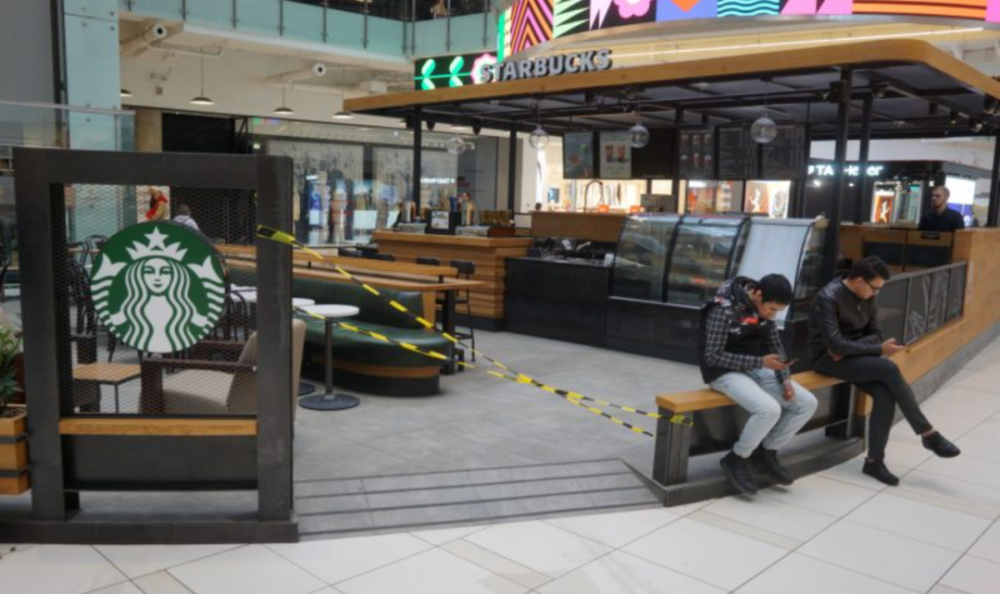
Also in March of this year, McDonald's U.S. CEO Chris Kempczinski wrote in an open letter to employees on March 8 local time: "The conflict in Ukraine and the humanitarian crisis in Europe have brought unspeakable suffering to innocent people. As a business, we join the world in condemning aggression and violence and praying for peace." The letter also pledged that the company would continue to pay the 62,000 employees in Russia and donate $5 million to an employee assistance fund.
In addition to the two major American food and beverage chain giants successively announcing their withdrawal from the Russian market, a large number of Western companies are also agreeing to sell their assets in Russia.
Dmitry Medvedev, Deputy Chairman of the Security Council of the Russian Federation, stated in March when foreign companies were massively halting or withdrawing from the Russian market that the government was carrying out actions such as bankruptcy or nationalization of the assets of departing foreign companies. Some Russian market analysts pointed out that after these international brands exit, most of their businesses will be taken over by local Russian companies, which from another perspective provides a once-in-a-lifetime opportunity for the development of local businesses.
Image source: Internet For professional coffee knowledge exchange and more coffee bean information, please follow Coffee Workshop (WeChat public account: cafe_style) For more specialty coffee beans, please add the private WeChat of Front Street Coffee (FrontStreet Coffee), WeChat ID: qjcoffeex
The above content is compiled by CoffeeHunters, a coffee news website.


