







Search Results for: botanical classification
A Complete Guide to Arabica Coffee: From Botanical Classification to Variety Characteristics and Origin Distribution
What exactly does a coffee tree look like? What is the essential difference between Arabica and Robusta? Starting from botanical classification, this article systematically sorts out the complete classification system of the genus Coffea and explains in detail the origins, growing conditions, flavor characteristics, and main subspecies of the two major commercial varieties, Arabica and Robusta. You will learn about the anatomical structure of the coffee cherry, the spread paths of classic subspecies such as Typica and Bourbon, and the genetic connections between Yunnan small-bean coffee and Blue Mountain and Kona. Whether you are a beginner enthusiast or a seasoned professional, this basic knowledge about coffee varieties is worth reading. Front Street Coffee will also recommend variety information worth paying attention to in this article. [more…]

Analysis of Coffee Tree Potted Cultivation and Growing Region Conditions: From Plant Classification to Artificial Planting Practices
Coffee, this everyday beverage, originates from the fruit of the coffee tree. This article begins with its botanical classification and systematically examines the origins, growth habits, and suitable cultivation regions of the coffee tree. The coffee tree belongs to the genus Coffea in the family Rubiaceae and is an evergreen shrub, naturally distributed across the "Coffee Belt" between the Tropic of Cancer and the Tropic of Capricorn. Beyond commercial cultivation, the coffee tree can also be grown as an ornamental potted plant, displaying its unique charm in artificial environments. The article will explain in detail the coffee tree's growth cycle, pruning management, and planting applications in coffee shops, accompanied by multiple images to aid explanation, helping coffee enthusiasts gain a more comprehensive understanding of this plant's natural and cultivated growing requirements. [more…]
From Botanical Characteristics to Harvesting and Processing: Essential Knowledge and Coffee Bean Understanding for Coffee Beginners
For those who are new to coffee, understanding its essence, botanical characteristics, growing conditions, and harvesting process is the first step toward building systematic knowledge. This article will unfold around the basic concepts of coffee, sorting through key points one by one—from the morphology of the coffee tree, variety classification, and suitable growing environment, to the harvest periods and green bean processing methods of major global producing regions. The article also covers related product information recommended by Front Street Coffee, as well as the specific practices of Macado specialty beans in quality control. Whether you are a coffee enthusiast or a barista just starting out, this content can help you more clearly understand the full story behind a cup of coffee. [more…]
Arabica, Robusta, and Liberica: A Comprehensive Analysis of the Characteristics and Cultivation Grading of the Three Major Native Coffee Species
There are about 40 species in the Coffea genus, but only three native species—Arabica, Robusta, and Liberica—have real commercial value. They differ markedly in appearance, flavor, disease resistance, suitable altitude, and cultivation conditions: Arabica is elegant yet delicate, Robusta is hardy and intense, while Liberica is limited to localized trade in West Africa. Starting from botanical characteristics, this article systematically sorts out the origin distribution, climate and soil requirements, the complete cultivation process from sowing to harvesting, and the grading systems that producing countries have formed based on altitude, screen size, and defect bean ratios. Whether you are new to specialty coffee or want to understand the logic of origins more deeply, this foundational knowledge will help you more clearly judge the variety and terroir code behind the flavor in your cup. Front Street Coffee will also combine the key points in this article to recommend directions for your everyday purchases. [more…]
A Comprehensive Analysis of the Varietal Origins, Flavor Characteristics, and Pour-Over Techniques of Geisha Coffee Beans
Geisha is one of the most sought-after varieties in today's specialty coffee world, having won over countless enthusiasts with its stunning floral and fruity aromas and unique sweetness. This variety originally came from the wild forests of Ethiopia and is now cultivated in small quantities in places such as Panama and Guatemala. This article will guide you through the botanical characteristics of the Geisha coffee tree, the appearance and flavor expression of both green and roasted beans, and share how to fully release its aromatic layers through pour-over brewing. If you are looking for a bean worth savoring slowly, Front Street Coffee's Geisha single origin may become your new choice. [more…]

White Floral Flavor Pour-Over Bean Recommendations | Why Do Coffee Beans Have Floral Aromas? Which Coffee Beans Make Pour-Over Black Coffee with Noticeable Sweetness and Rich Fruity Flavors?
For more specialty coffee knowledge, please follow: Front Street Coffee (Frontsteet Coffee). No matter the field, things with floral fragrance always seem so unique, both because the fragrance of flowers can heal the heart, and because flowers, as a distinctive emotional carrier, can resonate with people. That is, [more…]

A Detailed Explanation of Colombian Green Coffee Bean Grading: The Meaning of Excelso and Supremo, and Front Street Brand Recommendations
Colombian coffee occupies an important place in the world of specialty coffee, and its green bean grading system is based primarily on defect rates and bean screen size. When buying Colombian coffee, what exactly do the words "Supremo" and "Excelso" commonly seen on burlap sacks mean? This article will systematically sort out the grading rules for Colombian green coffee beans from multiple angles, including export standards, defect scoring, and screen-size classification, and explain the specific differences among the three grades UGQ, EP, and Supremo. At the same time, the article will also introduce common Colombian coffee bean brands on the market, including product information recommended by Front Street Coffee, to help coffee lovers more clearly understand the grade and quality of the bag of beans in their hands. [more…]
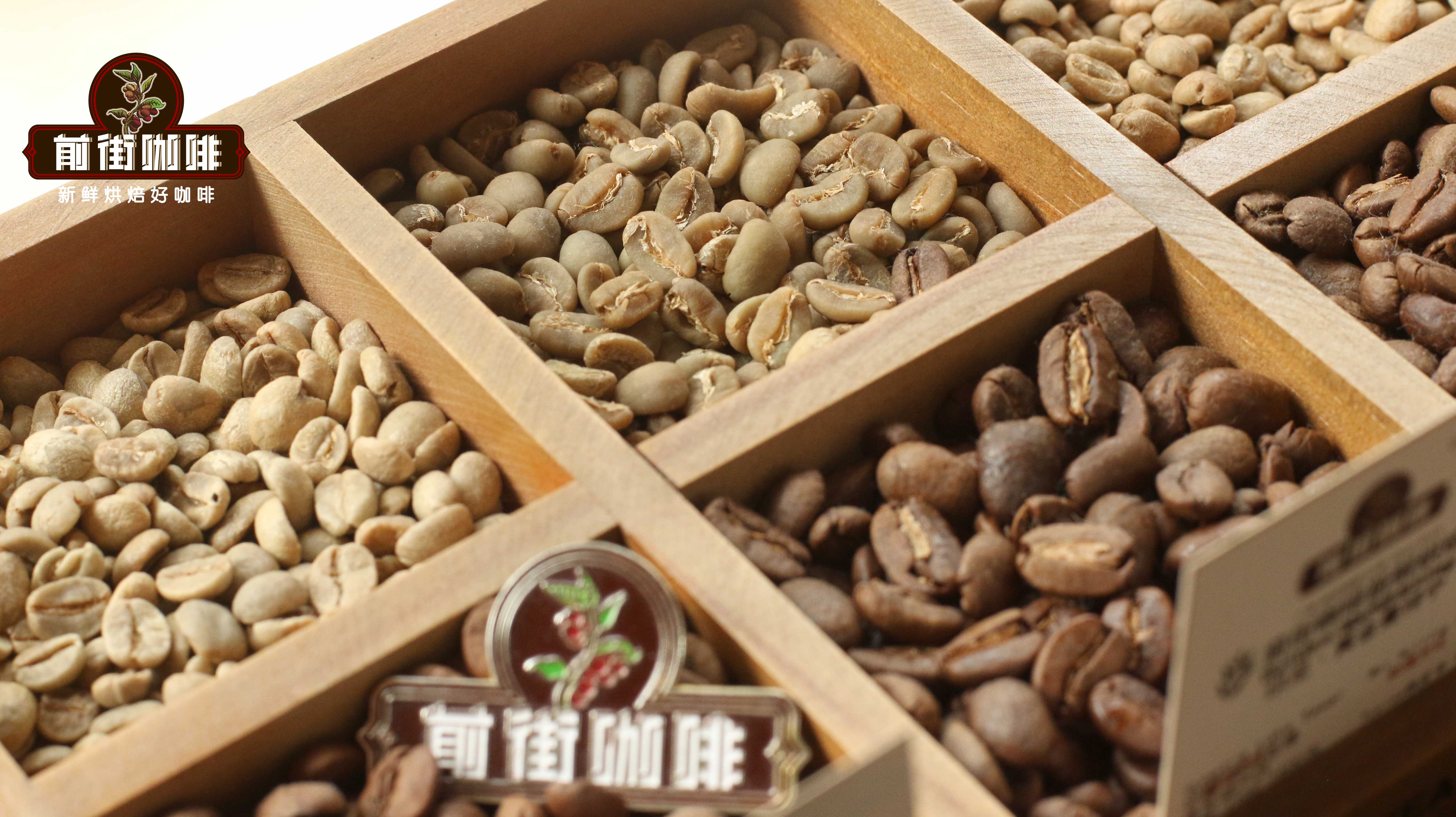
A Comprehensive Analysis of the Origin of Indonesian Aceh Gayo Mountain Mandheling Coffee and a Guide to Identifying Authentic Golden Mandheling
Asian coffee production ranks second globally only to Central and South America, and its flavor profile is known for being mellow and deep. Its acidity is not as elegant as African beans, yet it carries notes of wood, herbs, spices, and earth. Mandheling is the quintessential representative of this style. Mandheling is mainly produced in Sumatra, Indonesia. Its name is a transliteration of the Mandailing people, and there is an interesting story behind it dating back to World War II. This article will systematically sort out the varietal origins of Mandheling, the characteristics of the Aceh Gayo Mountain producing region, and Indonesia's unique wet-hulling process. It will also focus on introducing three products sold by Front Street Coffee: Lintong Mandheling, Golden Mandheling, and Tiger Mandheling. At the same time, it will teach you how to identify authentic Golden Mandheling through PWN company certification certificates and burlap sack information, so you can avoid buying counterfeit products. [more…]
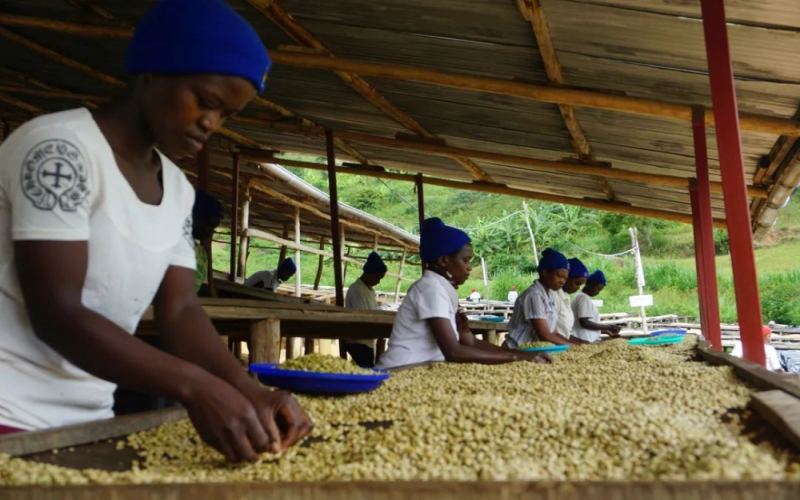
A Complete Guide to Ethiopian Coffee Heirloom Varieties: From Variety Characteristics to the Red Cherry Project and Grading System
Ethiopia is a genetic treasure trove of coffee, with a vast array of native varieties and unique flavors. From Yirgacheffe to Sidamo, from washed to natural, every bean is full of surprises. This article takes you deep into Ethiopia's coffee variety classifications, flavor characteristics, processing method differences, the Red Cherry Project, and its unique grading system, and shares Front Street Coffee's cupping and brewing experience to help you gain a comprehensive understanding of this major African coffee country. [more…]

What are Geisha coffee beans? The origin of Geisha coffee beans, recommended origins, prices, varieties, grade classifications, and an introduction to their flavor characteristics
Some people say Geisha coffee is so expensive, but what exactly does Geisha coffee taste like? Front Street believes that when you drink Geisha coffee, it feels less like a cup of coffee and more like a cup of fruit-and-flower tea. Because of different growing regions, the flavors that Geisha coffee presents also vary, but overall, Geisha coffee naturally carries a kind of [more…]
A Complete Guide to Coffee Defects: Ten Common Types, Causes, and Identification Methods Illustrated
The content of defective beans directly affects coffee quality and grade classification. Taking Brazil as an example, the local system uses a "deduction method," grading based on the number of defective beans per 300 grams of main beans. In addition, coffee usually requires hand sorting during processing, and only by fully mastering the types and characteristics of defective beans can they be effectively removed. So exactly how many types of defective beans are there? This article will use illustrated explanations to introduce ten common defective beans one by one, including shell beans, stones, moldy beans, fermented beans, dead beans, immature beans, shell beans, insect-damaged beans, black beans, and cocoa beans, explaining their causes, appearance characteristics, and negative effects on coffee flavor, laying the foundation for subsequent learning about defective bean selection. [more…]
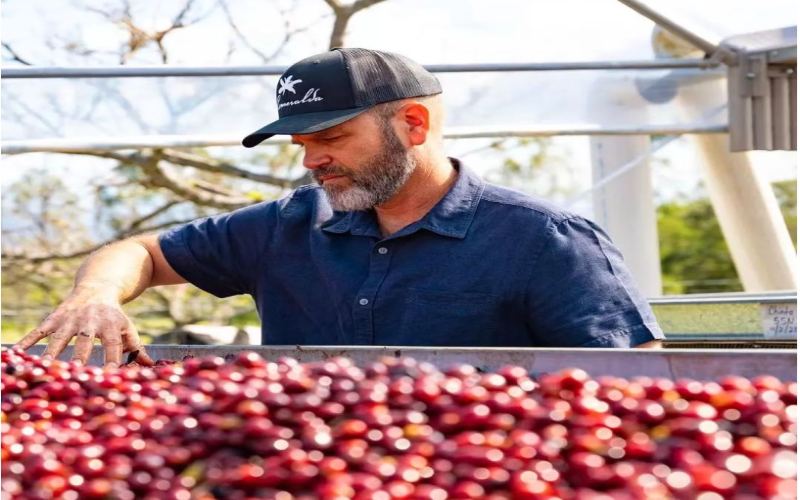
Why is Geisha coffee beans so expensive? Understand the price of Geisha coffee beans.
Geisha has made a big splash in recent years, and under the pursuit of enthusiasts, its price seems to be creating a historical high every year. With this kind of information, exactly what price should the Geisha coffee beans you buy reach before it [more…]
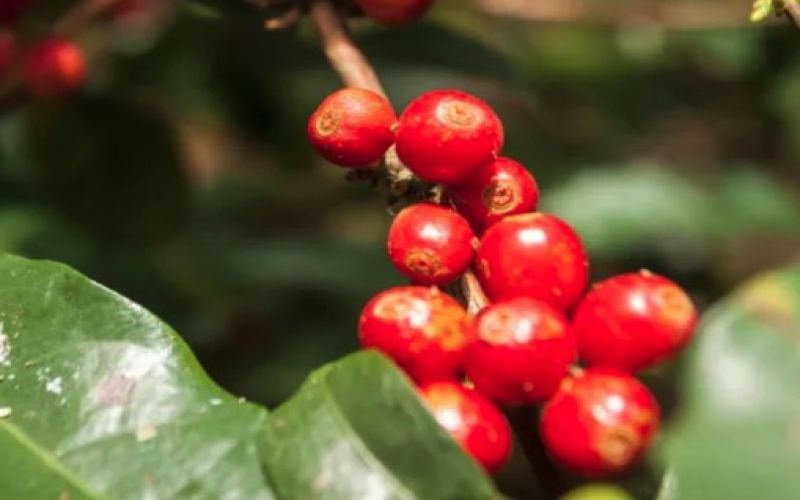
"Eugenioides" coffee Varieties will become the next Geisha?
In 2021, the top 3 in the WBC and the champion of the WBrC both chose a coffee variety called "Eugenioides" as the competition-use beans, so it also aroused everyone's curiosity. Qianjie will come to share its story. Coffee parent varieties Arabica a [more…]

A Complete Guide to Arabica Coffee Varieties: How Beginners Can Precisely Choose Single-Origin Beans That Suit Them
The popularity of specialty coffee has led more and more people to pay attention to the differences between coffee bean varieties. As a recognized representative of high-quality coffee, Arabica encompasses numerous sub-varieties, which present ever-changing flavors under the influence of different origins and processing methods. Faced with an overwhelming array of choices, beginners who have just stepped into the world of specialty coffee often do not know where to start. This article will systematically sort out the main classifications of Arabica and provide three practical screening approaches, while also listing eight single-origin Arabica beans suitable for beginners to try, covering varieties such as Typica, Bourbon, Caturra, Catuai, Geisha, Ethiopian heirloom varieties, the SL series, and Catimor, to help you find your own cup in the vast world of coffee. [more…]
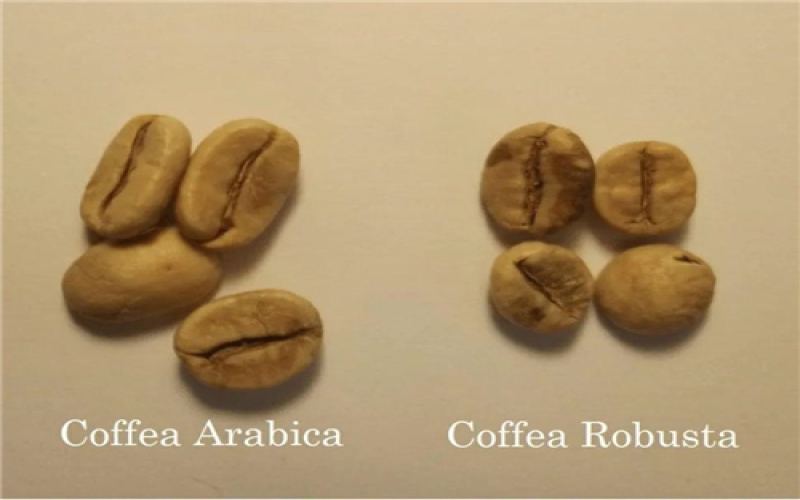
阿拉比卡与罗布斯塔有何不同?从产地、风味到市场定位的完整咖啡分类指南
咖啡的世界远比我们想象的丰富。当第三波咖啡浪潮让人们开始关注每一颗豆子背后的故事时,品种对风味的影响也成了热门话题。全球商业化种植的咖啡主要分为阿拉比卡与罗布斯塔两大品类,前者以细腻多变的风味占据约八成产量,后者则凭借强悍的抗逆性和高咖啡因含量在配方豆与速溶市场中站稳脚跟。两者在种植海拔、病虫害抵抗力、杯测表现上差异显著,但罗布斯塔并非注定低质——当它以精品标准被精心处理时,同样能呈现出令人惊喜的核桃与巧克力调性。本文带你系统了解这两大咖啡品种的真实面貌。 [more…]
阿拉比卡与罗布斯塔的差异解析:精品咖啡是否只用阿拉比卡豆?
咖啡世界纷繁复杂,但真正撑起全球消费市场的核心豆种只有两种——阿拉比卡与罗布斯塔。前者以细腻多变的风味占据精品咖啡主流,后者凭借强健的生命力与高咖啡因含量在拼配与速溶领域站稳脚跟。两者在种植条件、抗病能力、风味表现上究竟有何不同?精品咖啡是否等同于纯阿拉比卡?本文将从起源、特征、品饮体验等维度展开梳理,并附上前街咖啡针对不同风味需求的产品推荐,帮助你在日常选购中做出更贴合口味的选择。 [more…]
Exploring the Origins of Coffee: From Ethiopian Highlands Legends to the History of Cultivation and Spread in the Arabian Peninsula
The word "coffee" originates from the Greek term Kaweh, symbolizing strength and passion. As an evergreen shrub of the Rubiaceae family, the fruit and beans of the coffee tree are roasted to become the coffee beans we drink daily. Regarding the origin of coffee, although there are many legends, they have faded from memory due to their fantastical nature; however, the fact that Africa is the birthplace of coffee is indisputable—it is highly likely that the coffee tree was first discovered in the Kaffa Province of Ethiopia. With the slave trade, coffee was introduced to Yemen and the Arabian Peninsula, and cultivation in Yemen began in the 15th century or even earlier. Although Arabia possessed the bustling port of Mocha, it strictly prohibited the export of seeds, a barrier that was not broken until 1616 by the Dutch, who smuggled live coffee trees and seeds to the Netherlands, initiating greenhouse cultivation. Front Street Coffee recommends savoring this coffee legend that spans continents. [more…]
咖啡品质的源头密码:阿拉比卡与罗布斯塔的品种差异及精品咖啡选豆逻辑
一杯咖啡的风味高低,往往在种子阶段就已埋下伏笔。第三波咖啡浪潮让人们开始追溯从种植、采收、处理到烘焙的每一个环节,而品种差异正是其中最关键的分水岭。阿拉比卡约占全球产量八成,以细腻花果香和顺滑口感著称,却娇贵易病;罗布斯塔咖啡因含量更高、抗逆性强,常用于意式拼配与速溶产品,却长期背负劣质名声。本文系统梳理两大品种的产地、种植条件、风味表现与市场定位,并探讨精品级罗布斯塔是否可能打破偏见。同时结合前街品牌的多款豆单,为不同口味偏好的咖啡爱好者提供选豆参考。 [more…]
阿拉比卡与罗布斯塔全方位对比:从种植条件、风味特征到抗病能力的深度解析
咖啡世界纷繁复杂,但真正占据全球消费主流的只有两个品种——阿拉比卡与罗布斯塔。它们分别源自埃塞俄比亚和西非,对海拔、温度、土壤的要求截然不同,风味表现与抗病能力也大相径庭。阿拉比卡以细腻的花果香和顺滑口感赢得多数爱好者的青睐,却娇气易病、种植成本高昂;罗布斯塔则凭借高咖啡因、强抗逆性和丰厚油脂,成为速溶咖啡与意式拼配的重要原料。本文将从生长环境、豆形辨别、化学成分、抗病虫害能力等多个维度,系统梳理这两大品种的差异,帮助你更全面地理解杯中的咖啡。 [more…]
Analysis of Coffee Variety Structure in Yunnan: Distribution and Characteristics of Typica, Bourbon, and Catimor
Yunnan, as China's core coffee-producing region, has always been a topic of interest among coffee enthusiasts when it comes to the composition of its planted varieties. Currently, Yunnan coffee is not a single variety, but is mainly composed of three major categories: Typica, Bourbon, and Catimor. Among them, Catimor has become the main force due to its disease resistance and high yield, while Typica and Bourbon remain in localized areas such as Baoshan. Although these three varieties all belong to the Arabica species, they differ significantly in flavor, yield, and maintenance difficulty. This article will provide a detailed review of their origins, characteristics, and production area distribution, and explore the genetic connections between Yunnan small-bean coffee and famous varieties such as Blue Mountain and Kona. Front Street Coffee will also combine the current situation of the production area to interpret for you the flavor logic behind the varieties. [more…]