







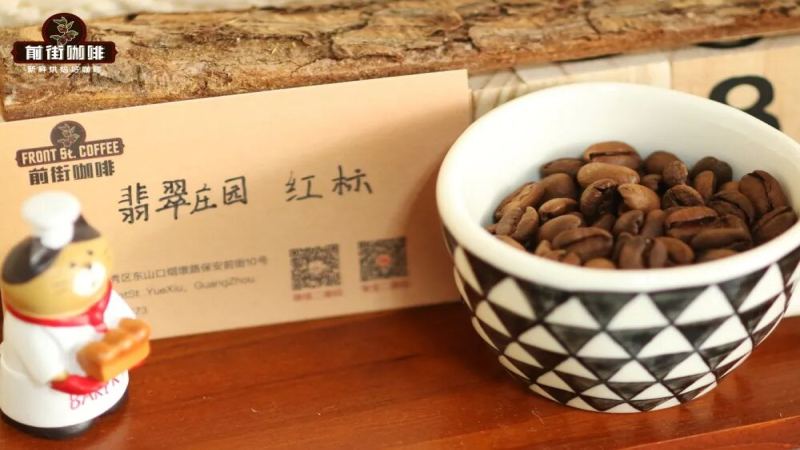
Some people say Geisha coffee is so expensive, but what does Geisha coffee actually taste like? Front Street believes that when you drink Geisha coffee, you'll feel like it's not a cup of coffee, but a cup of floral and fruity tea. Because of different growing regions, the flavors that Geisha coffee presents also vary, but overall, Geisha coffee carries an elegant and refined flavor that stands in sharp contrast to the famous Blue Mountain coffee.
Actually, Geisha is a variety of coffee. Geisha, or Gesha (called Geisha in Central America), is a precious coffee variety with a unique jasmine aroma and bright fruity acidity. Because it frequently dominates various coffee competitions, its price has become increasingly expensive.
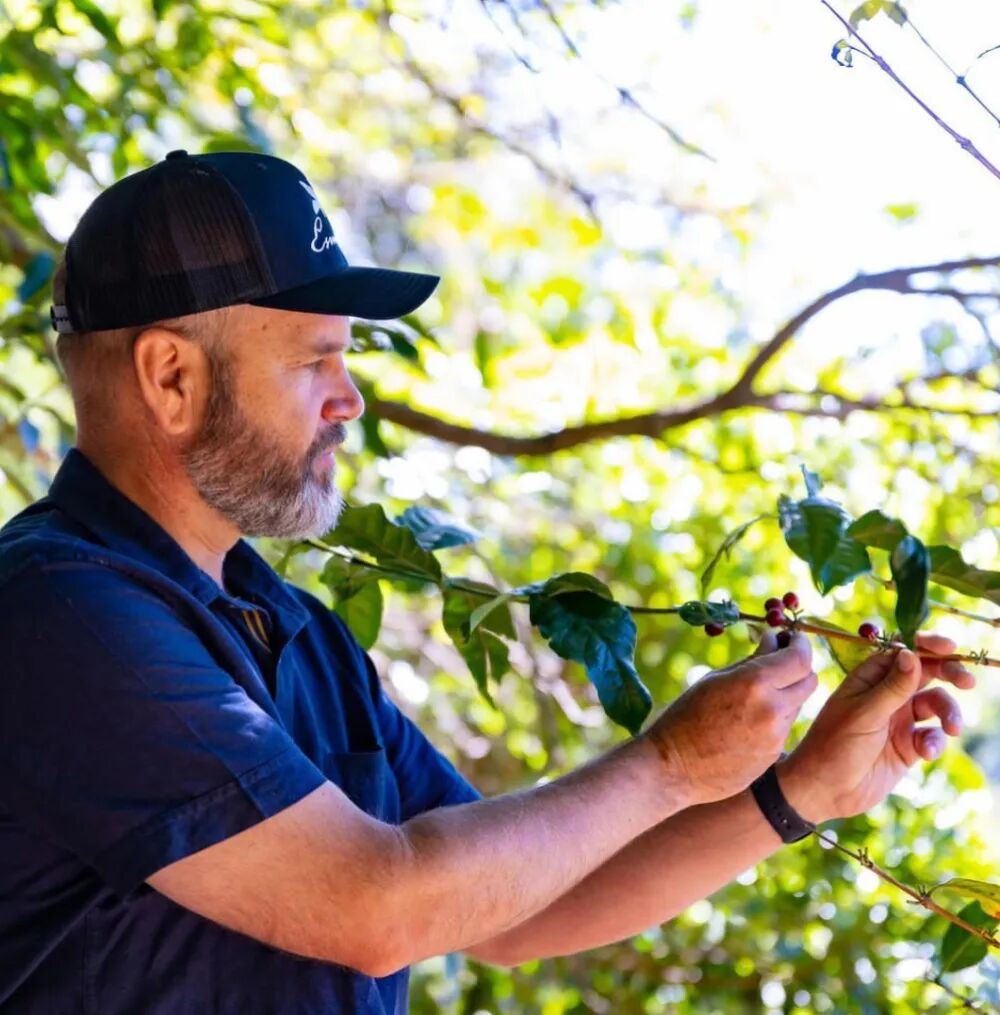
Those who know about coffee may know that Geisha coffee originally grew in the Geisha forest in Ethiopia, but because of its low yield it was not valued, and was even used as a windbreak tree; yet after arriving in Panama it became famous. Why is that? Ultimately, it comes down to the difference in environment and climate. Different climates and environments will definitely produce different coffee flavors! Moreover, Front Street has discovered a very strange characteristic of Geisha coffee — the harsher the environment, the better the coffee flavor! Will everyone have this kind of misconception: since Hacienda La Esmeralda's Geisha was introduced from Ethiopia, could it be the same variety as the Geisha coffee from Gesha Village?
Front Street believes it's normal to have such a thought, but don't forget that Ethiopia is the gene pool of coffee. Although PanamaGeisha coffee beanswere introduced and planted from Ethiopia, they are still different in variety and flavor from the Geisha coffee of Gesha Village. Although the Geisha variety's flavor is exquisite, such elegant flavor comes from a specific growing environment. The Geisha variety is very picky about its growing environment, requiring cultivation in areas with high altitude, cloud cover or abundant shade trees, and fertile soil. High-altitude Geisha coffee carries obvious floral aromas and exquisite, elegant fruity acidity, so Panama's growing environment is also an important reason that made Geisha coffee famous, and one of the reasons it swept the globe.
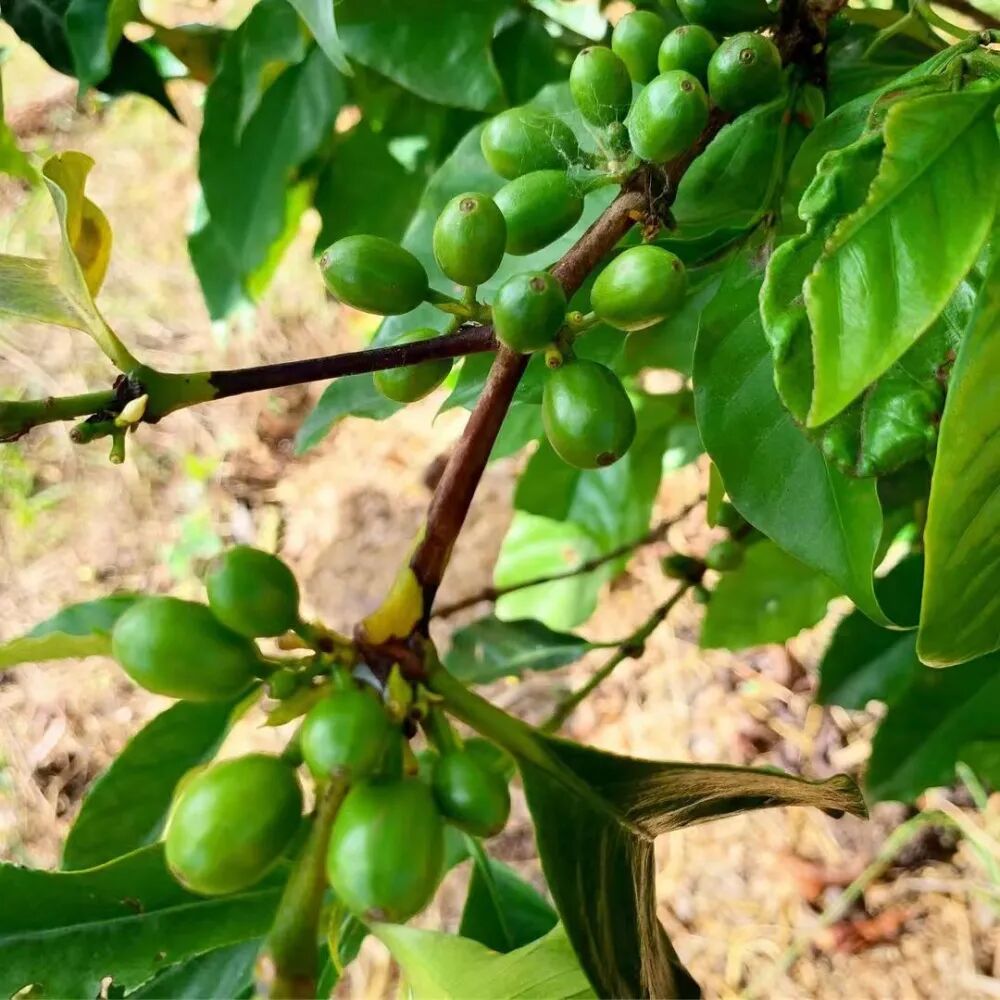
So today Front Street will introduce to you the Geisha coffee from Gesha Village and the Geisha coffee from Hacienda La Esmeralda.
What isGesha Village Coffee Estate?
In 2007, documentary director Adam Overton and his photographer wife Rachel Samuel, while filming a documentary about Ethiopian coffee for the Ethiopian government, came into contact with the coffee forest located inBench-Maji(Bench-Maji)region. During this process, they not only rediscovered the land of Ethiopia, but also conceived the idea of establishing their own coffee estate and brand. In 2009, they met the owner of Mule Estate and BOP judgeWillem Boot, and Willem Boot's idea of "returning to Ethiopia to find the birthplace of Geisha" also provided an opportunity for the couple.
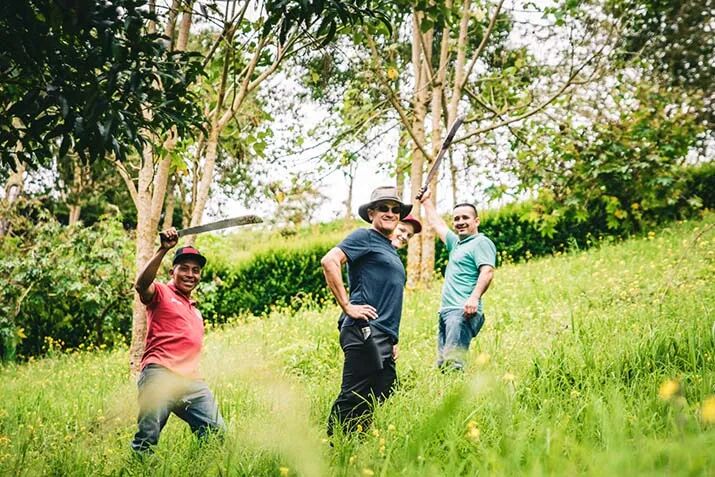
Gesha Village Coffee Estate(Gesha Village Coffee Estate) Unlike most small Ethiopian farms, it is a large farm of nearly 500 hectares, with its own washed processing plant, laboratory, etc. In 2015, Gesha Village had its first harvest. Due to enthusiastic responses from all sides, with the assistance of Willem Boot, owner of Panama's Mule Estate, they held their first international auction on May 31, 2017. Gesha Village offered 21 micro-lots, of which 19 were 120 kilograms, while the other lots were somewhat smaller.
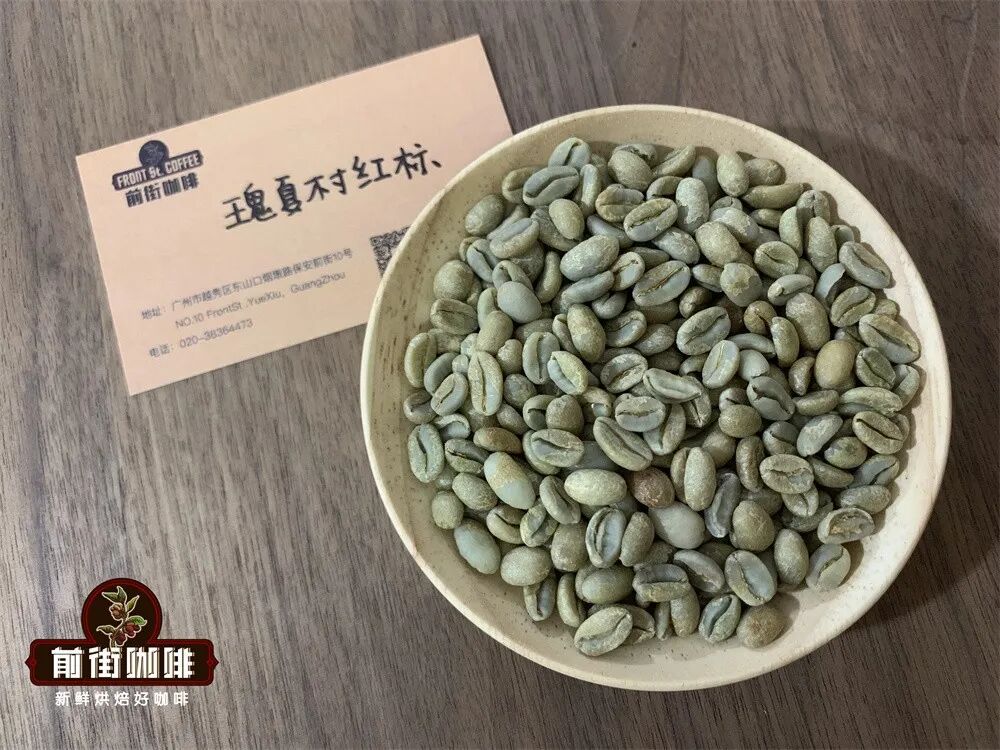
Gesha Village's Geisha coffee is deeply loved by everyone. Many competitors chose some lots from this estate to participate in competitions and won places. Impressive examples include Hong Kong's Zhao Jiabao, who used Gesha Village Geisha coffee to win third place in the 2017 World Barista Championship, and in the same year Japan's Takayuki Ishitani also chose Gesha Village coffee to win his first Japan Barista Championship (JBC) title after ten years of competition.
Ethiopian Geisha Coffee
Ethiopia is the birthplace of coffee, but the Geisha coffee beans currently grown at Ethiopia's Gesha Village have no significant genetic relationship with the Panama Geisha coffee beans we know. Ethiopian Geisha coffee is divided into three types:
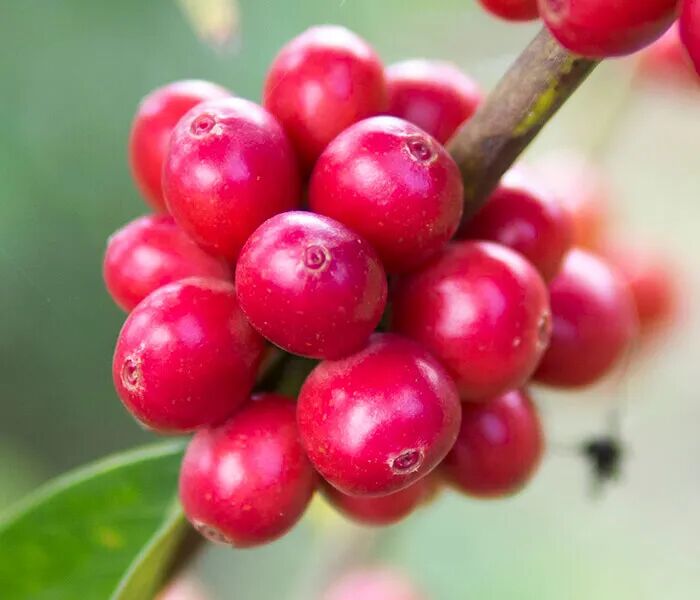
Gori Gesha (GG): This variety replicates the genetic diversity found in the Gori Gesha coffee forest. Front Street's Gesha Village Red Label is the Gori Gesha (Gori-Gesha) variety.
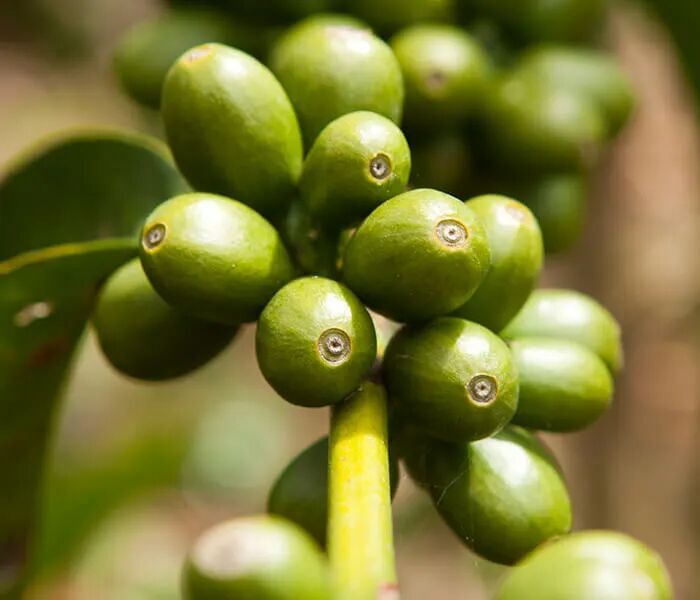
Illubabor Forest 1974 (IF): Discovered during an expedition to the Illubabor forest in 1974, and later developed by the Ethiopian research center into a variety with resistance.
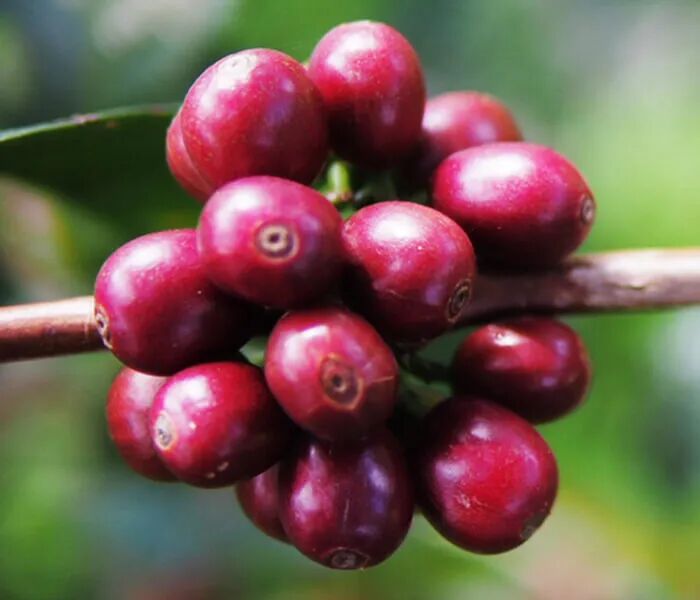
Gesha 1931 (G31): A combination of varieties from different forests, very similar to Panama Geisha, selected by observing plant morphology, bean appearance, screen size, and cupping flavor.
It should be noted here that the first two Geisha coffee beans are completely different genetically from Panama Geisha coffee, while Gesha 1931, according to official descriptions, is closest to Panama Geisha in both plant shape and cupping performance, but in reality the degree of genetic consistency is very small. So Ethiopian Geisha coffee and Panama Geisha coffee can be said to have completely distinct flavors.
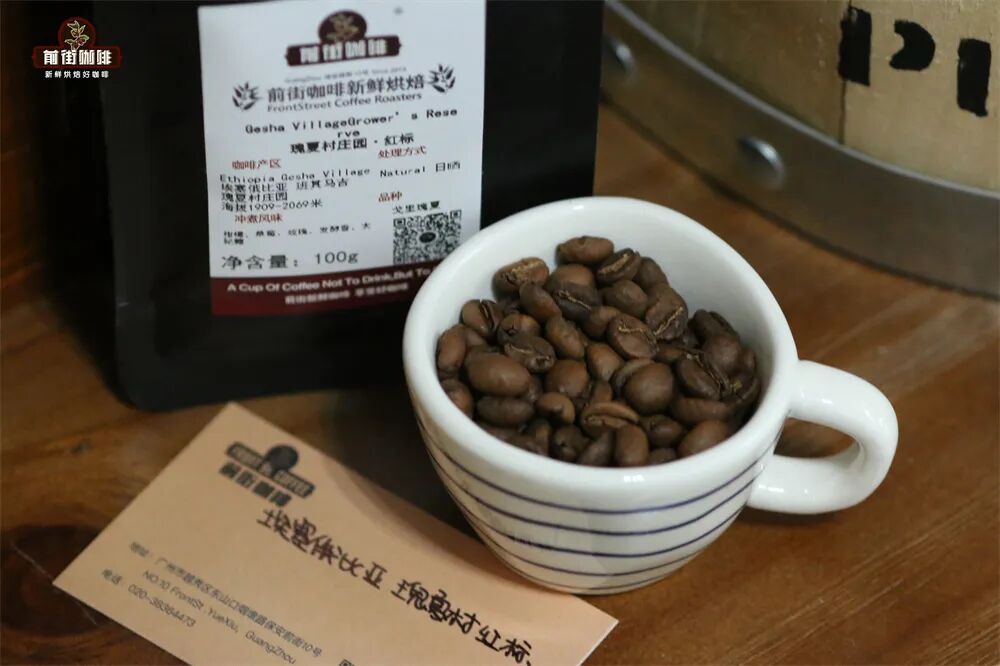
Front Street's Gesha Village Red Label Geisha coffee uses the natural processing method. The variety of this Gesha Village Red Label coffee is the Gori Gesha (Gori-Gesha) discovered in the Gori forest.
Hacienda La Esmeralda Geisha Coffee
Geisha coffee's journey to Hacienda La Esmeralda and its rise to fame was a long one. The Geisha variety was discovered in 1931 in the Geisha forest of Ethiopia. Afterwards, Geisha was sent to the Coffee Research Institute in Kenya, introduced to Uganda and Tanzania in 1936, to Costa Rica in 1953, and to Panama in 1970. Initially, not many people paid attention to Geisha, until Panama's Hacienda La Esmeralda separated it from other varieties in 2003 and entered it as a competition bean in 2004, making it the champion of the BOP competition.Only then did the Geisha variety formally enter everyone's view.
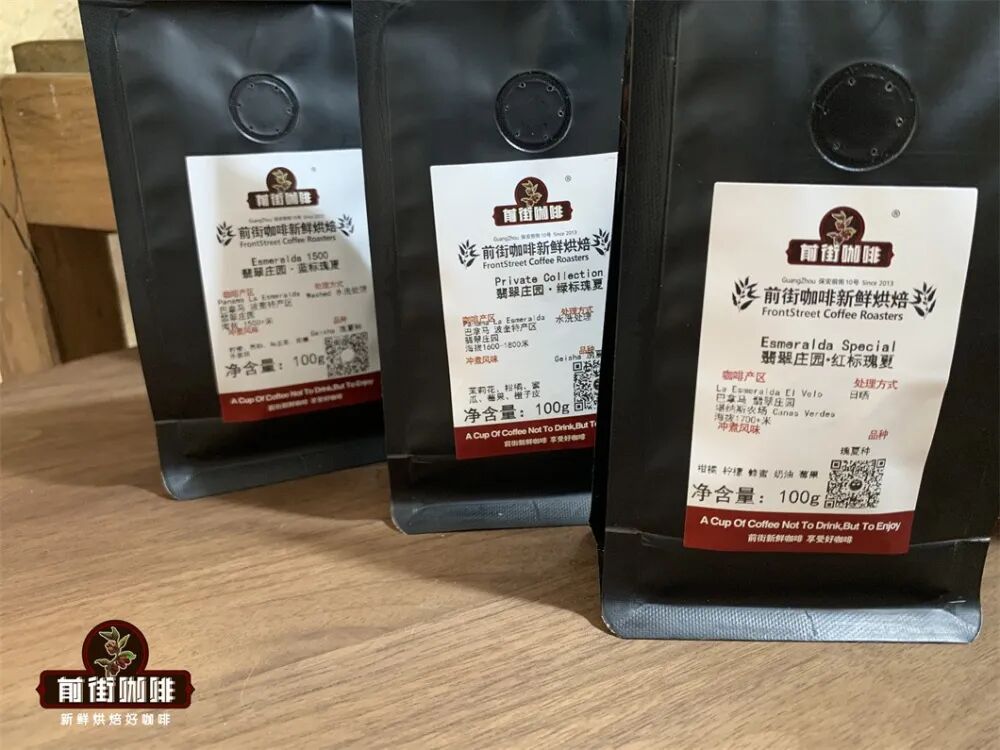
Although the Geisha variety's flavor is exquisite, such elegant flavor comes from a specific growing environment. The Geisha variety is very picky about its growing environment, requiring cultivation in areas with high altitude, cloud cover or abundant shade trees, and fertile soil. High-altitude Geisha coffee carries obvious floral aromas and exquisite, elegant fruity acidity. Such elegant flavor is also one of the reasons it swept the globe.
Hacienda La Esmeralda Estate
In 1964, American banker Rudolph Peterson retired, moved to Panama, and bought Hacienda La Esmeralda in Boquete, initially focusing on dairy. Later, his son Price resigned from his position as a doctor to help his father run the farm, and in 1987 introduced Caturra and Catuai coffee bean varieties, beginning to grow coffee. In 1994, a washed processing plant was established, and from then on they had their own coffee processing facility. In 1996, they bought the nearby Jaramillo estate, which had superior geography and existing coffee cultivation, and merged it into Hacienda La Esmeralda.
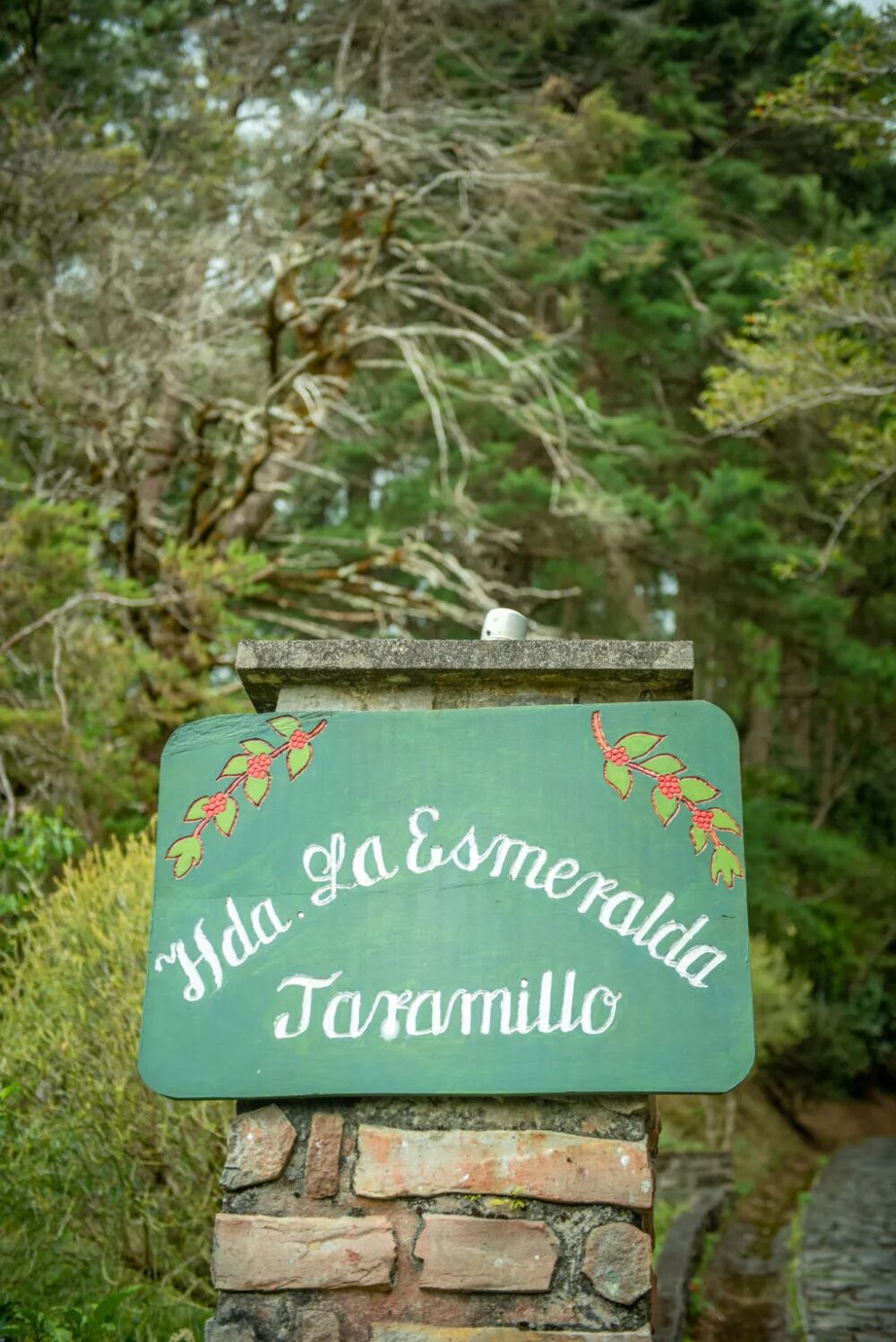
The reason Jaramillo caught the attention of the Peterson father and son was precisely the coffee beans originally grown there, which carried a pleasant orange and floral-fruity aroma, different from the original taste of Panama coffee. After cupping coffee beans from different areas of the estate, they discovered it was an unknown coffee tree growing at the highest point of the estate, so they immediately decided to separate and cultivate the coffee trees in that area independently. Geisha went on an amazing run starting from winning the 2004 Panama Green Bean Competition BOP, and later expert appraisal revealed that the coffee bean was the Ethiopian Geisha variety. Afterwards, the Peterson family devoted most of their energy to developing infrastructure to support excellent lot separation and fine processing.
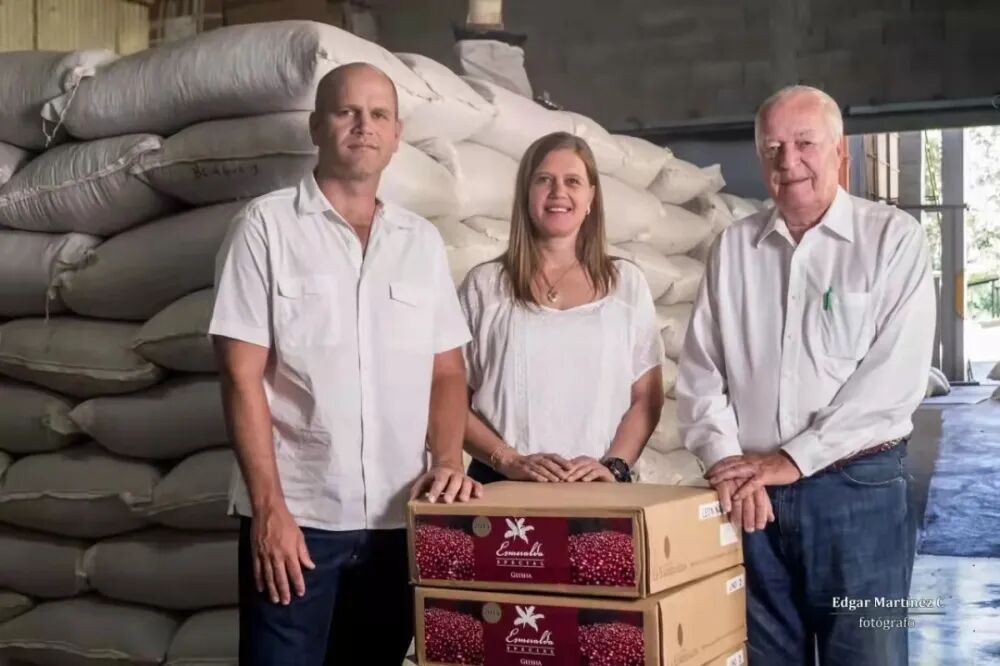
Hacienda La Esmeralda Geisha coffee is divided into three types:
The Red Label lot Geisha is grown at 1600-1800 meters altitude, with a cupping score above 90, mainly produced from the Jaramillo and Canas Verdes production areas. Front Street's Red Label Geisha coffee is produced from Canas Verdes, using the natural processing method, with obvious rose aroma and berry sweetness and acidity.
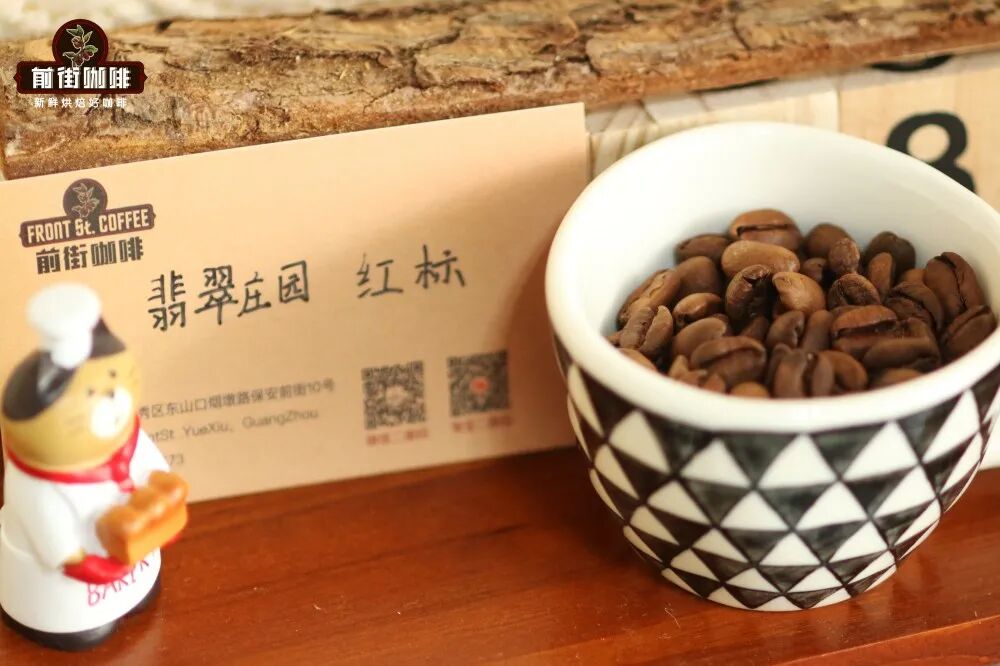
The Green Label lot does not participate in auctions but still has excellent quality. Green Label Geisha is grown at 1600-1800 meters altitude, mainly blended from lots from different plots including Jaramillo and Canas Verdes. Front Street's Green Label Geisha coffee is divided into natural and washed processing. The washed one has floral, fruity, and citrus acidity, with a fresh and clean taste; while the natural processing retains the washed processing's base while adding a rich and juicy mouthfeel.
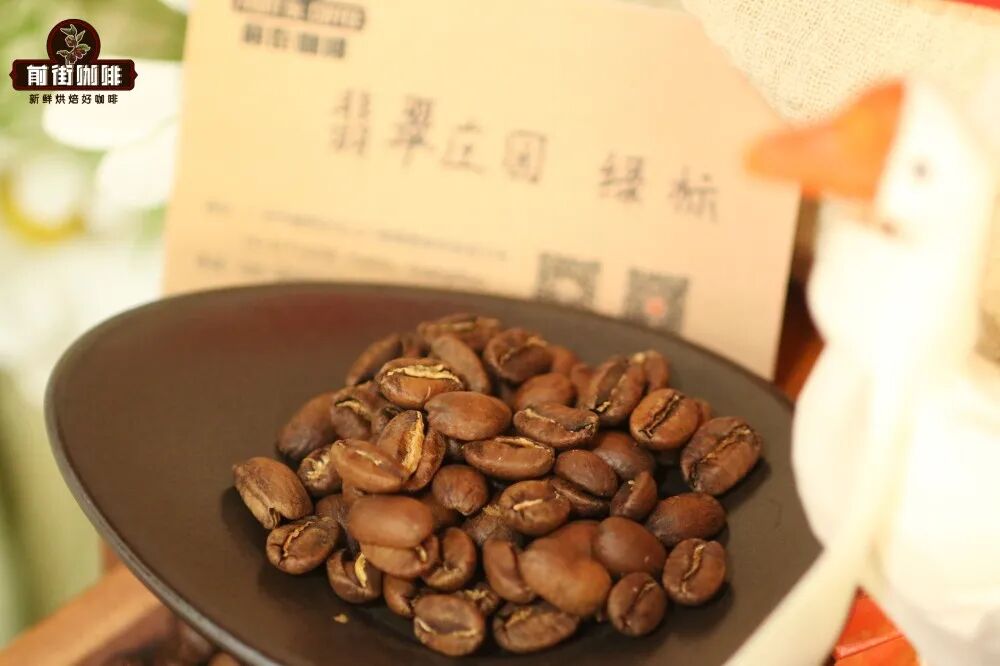
Blue Label is grown at 1400-1500 meters altitude. Blue Label blends Geisha coffee beans from three different plots: Jaramillo, Canas Verdes, and El Velo. In previous years, Blue Label Geisha was only washed processed, but in 2020 the Blue Label lot added a natural processing method.(However, in 2021, Hacienda La Esmeralda stopped selling Blue Label Geisha, and subsequently launched a brand new special lot, which, following past "tradition," will be calledBlack Label)
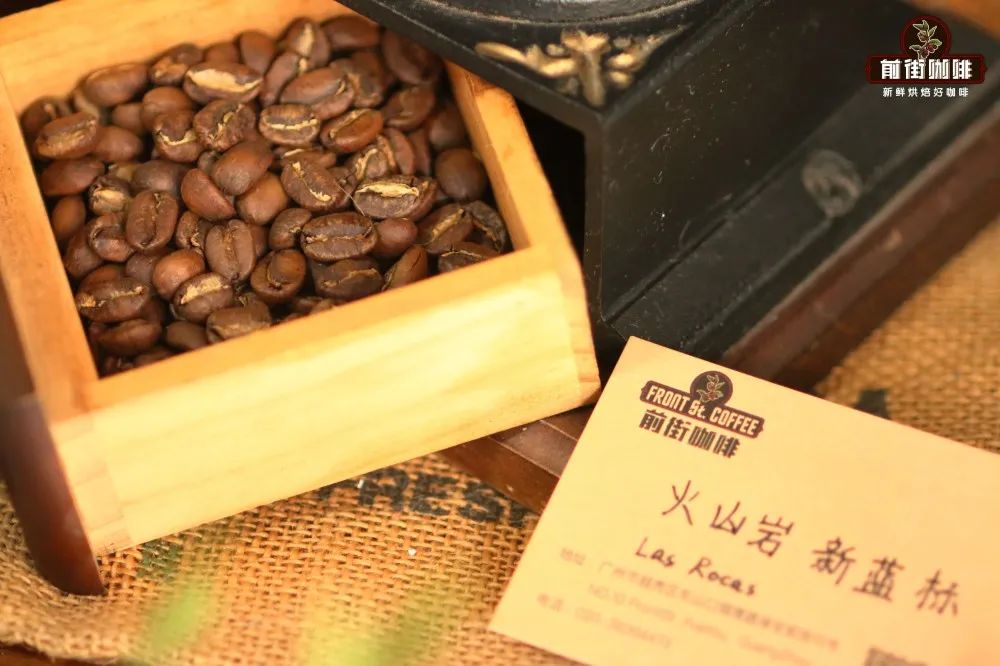
Front Street brewing suggestions:
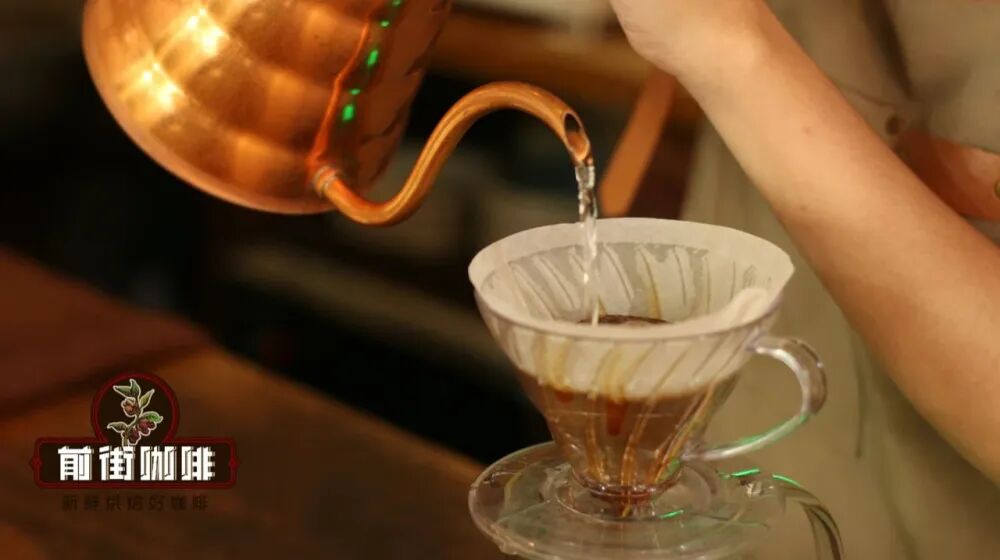
In terms of parameters and equipment, Front Street chose: V60 dripper, water temperature 90°C, water-to-coffee ratio 1:15, coffee dose 15g, grind size (80% passing rate on China No. 20 standard sieve)
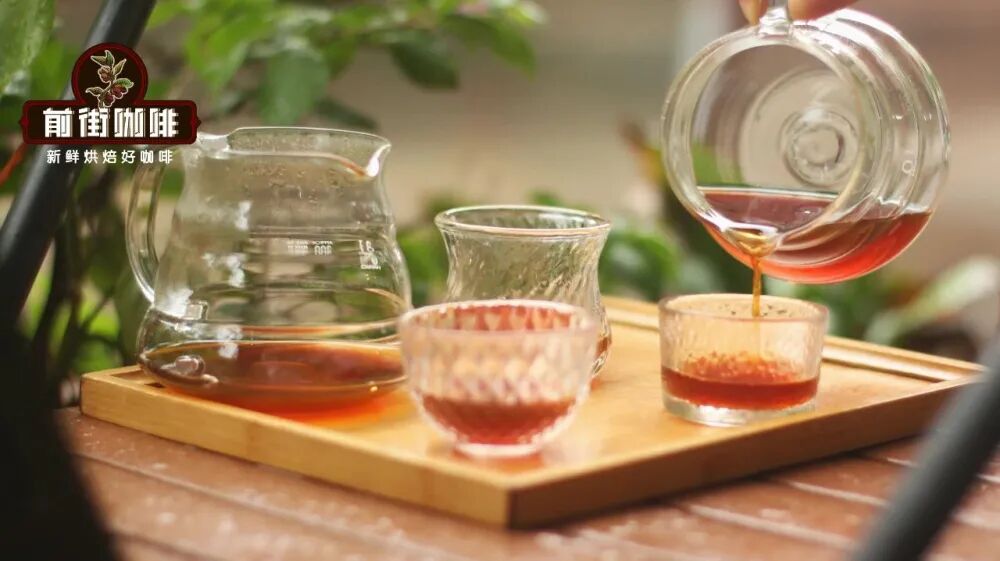
Using staged extraction, bloom with 2 times the coffee dose in water, i.e., 30 grams of water for 30 seconds. The reason a blooming process is needed is to allow the coffee grounds to release internal carbon dioxide gas, thereby making the subsequent extraction more stable. Pour water in a circular motion with a small stream until reaching 125 grams, then pause, continue pouring until 225 grams and stop. After the water in the dripper has finished dripping, remove the dripper. Starting the timer from when pouring begins, the extraction time is 2'00". Next, pick up the entire cup of coffee and shake it evenly, then pour it into a cup for tasting.
Gesha Village Red LabelGeisha Coffee Flavor:At high temperature it's citrus acidity, without losing body. As the temperature drops slightly, the acidity turns softer, the flavor leans toward yellow stone fruits, creamy sweetness, slight floral aroma, slight dark cocoa finish. At low temperature it's maple syrup and berries.
Panama Hacienda La Esmeralda Red LabelGeisha CoffeeFlavor:Bright rose and citrus aromas, brown rice, berries, apricots, complex fruits, honey, with a rich juicy mouthfeel, rich flavor layers, and obvious sweetness.
Panama Hacienda La Esmeralda Green LabelGeisha CoffeeFlavor:Flavor description: Rich jasmine aroma, high sweetness, citrus, berries, juicy mouthfeel, cream, green tea, orange peel, cantaloupe, overall rich flavor layers, with lingering floral and citrus finish.
The above content is compiled by CoffeeHunters, a coffee news website.

