







Search Results for: bone china cup
A Comprehensive Analysis of the Pros and Cons of Coffee Drinking: Ingredients, Benefits, Risks of Overconsumption, and Precautions for Six Groups of People
Coffee is a drink many people can't do without every day, but what exactly are its positive and negative effects on the body? This article starts with coffee's main components, systematically sorting out the effects of substances such as caffeine, tannic acid, fat, and sugar, then separately explains the benefits of drinking coffee in moderation, including refreshing the mind, protecting the skin, sobering up, and preventing gallstones, while also discussing problems that may be caused by excessive intake, such as caffeine poisoning, insomnia, and anxiety. The article also specifically lists six groups of people who should not drink much coffee, and gives reminders about drinking on an empty stomach and for people with high blood pressure. If you care about the relationship between coffee and health, this content can serve as a fairly complete reference. [more…]
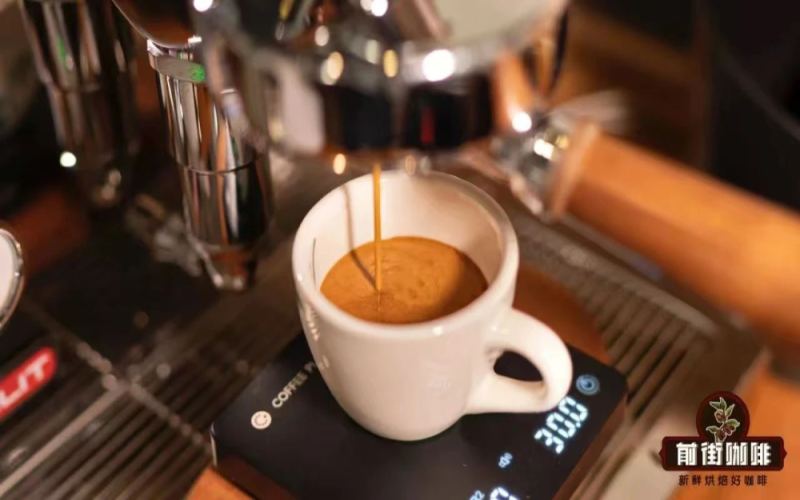
Moka Pot Beginner's Guide | How to brew cafe-quality espresso at home with a moka pot? 4 delicious, oily moka pot everyday coffee beans recommended
What is a Moka pot? Friends who enjoy espresso surely know that espresso originated in Italy. Italians' love for coffee can be said to be carved into their bones—several cups per person per day, making them a nation that "drinks coffee like water." But if every cup had to be bought at a café, the expenses would really add up over time. [more…]
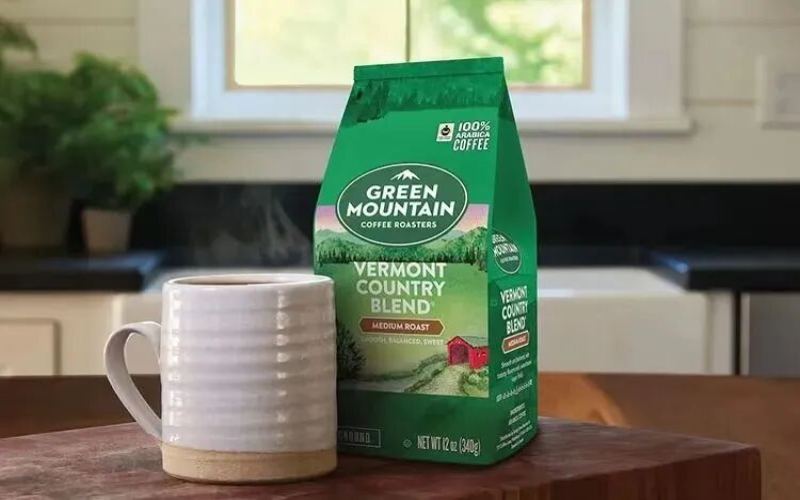
Blue Mountain Coffee | Is Green Mountain Coffee a fake Blue Mountain Coffee? How does Jamaica grade Blue Mountain Coffee? How to identify genuine Blue Mountain Coffee?
Blue Mountain coffee has been famous worldwide since the last century. Today, a brand called "Green Mountain Coffee" has come into the public eye. Many friends have asked Front Street, "Is Green Mountain Coffee riding on Blue Mountain Coffee's coattails?" "Is Green Mountain Coffee a counterfeit of Blue Mountain Coffee?" and similar questions. So Front Street decided [more…]
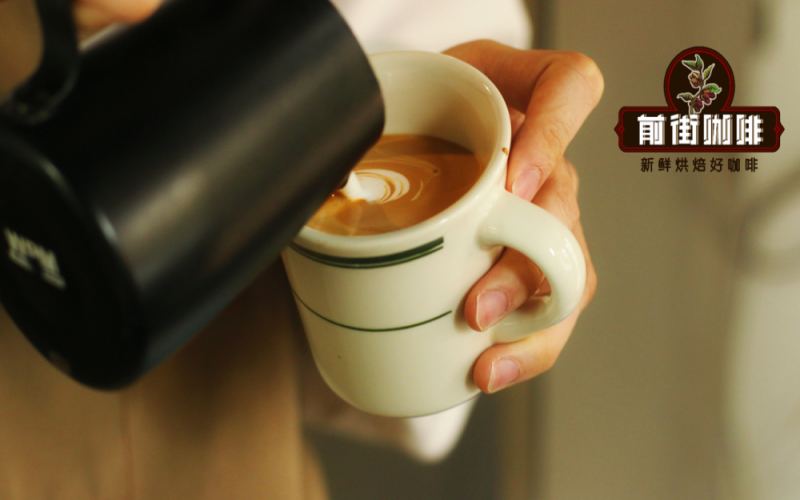
How to Make a Flat White | Is a Flat White the Same as a Cappuccino? Is There a Big Difference in the Espresso-to-Milk Ratio and Taste?
When it comes to rich, milky coffee, many people may first think of Starbucks' Flat White. Internationally, it is called Flat White (Australian White Coffee). This drink was actually quite obscure in China at first, but after Starbucks added it to its menu, it gradually became known to everyone and rose to become [more…]
The Varietal Characteristics of Yunnan Pu'er Small-Bean Coffee and Its Path to Industry Rise
Pu'er, a city that changed its name because of Pu'er tea, is now entering the public eye with a new identity as the "Coffee Capital of China." The Tropic of Cancer passes through it, placing it on the same latitude as Cuba, the kingdom of coffee, and its exceptional climate conditions make it an ideal growing region for Arabica coffee. From Nestlé's arrival and layout in 1988 to today, when international giants such as Starbucks and Kraft are competing to purchase its beans, Pu'er's coffee industry has gone through more than thirty years. Through vivid details such as coffee farmer Zhang Kui's cultivation story, technical assistance from international experts, and cup quality control, this article presents the varietal advantages, current state of the industry, and future business opportunities of Pu'er Arabica coffee, while also introducing Front Street Coffee's continued attention to and recommendations for Yunnan coffee. [more…]

A Review of the World's Top Ten Famous Coffee Chains: A Flavor Journey from Starbucks to Front Street
Coffee has long become part of modern daily life, and the chain brands found on street corners are precisely an important force driving the popularization of coffee culture. This article reviews ten representative coffee brands from the United States, Japan, Germany, Italy, the United Kingdom, Canada, Singapore, and China, covering Starbucks, Doutor, Tchibo, Ditsch, Second Cup, illy, Costa, McCafe, The Coffee Bean & Tea Leaf, as well as Guangzhou's local Front Street Coffee. Each brand has its own unique historical background and business philosophy, from affordable positioning to specialty roasting, from fast-food speed to slow craftsmanship, together forming a diverse picture of the global coffee market. Whether you seek convenience or care about flavor, you can find names worth knowing in this list. [more…]
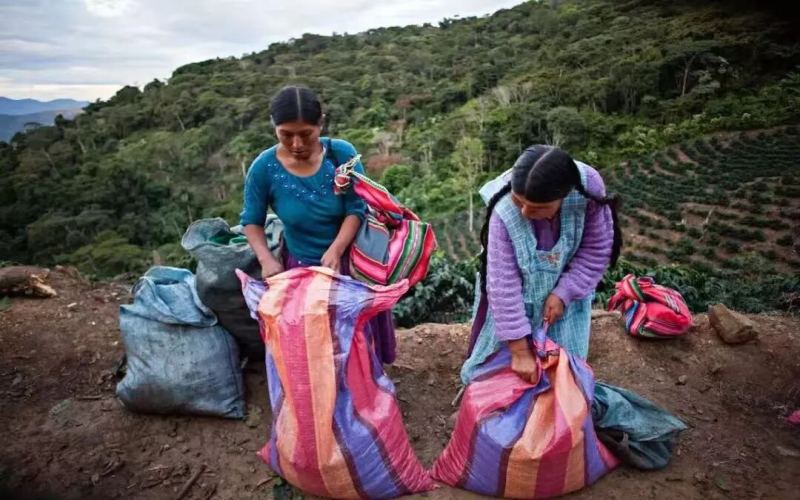
Bolivian Coffee Beans | Why is Bolivian coffee rarely seen in China? What unique characteristics does Bolivian coffee have?w
Bolivia is a fascinating place. Although it is called a paradise for coffee growing, its production has always been low. Front Street Coffee is deeply impressed by the delicate flavors of Bolivian coffee. In terms of flavor expression, Bolivian coffee is mostly characterized by rich sweetness and soft acidity. At the 2017 WBC (World Coffee [more…]
Complete Guide to Geisha Coffee Beans: From Origin and Spread to Taste Grades and Flavor Differences with Huakui
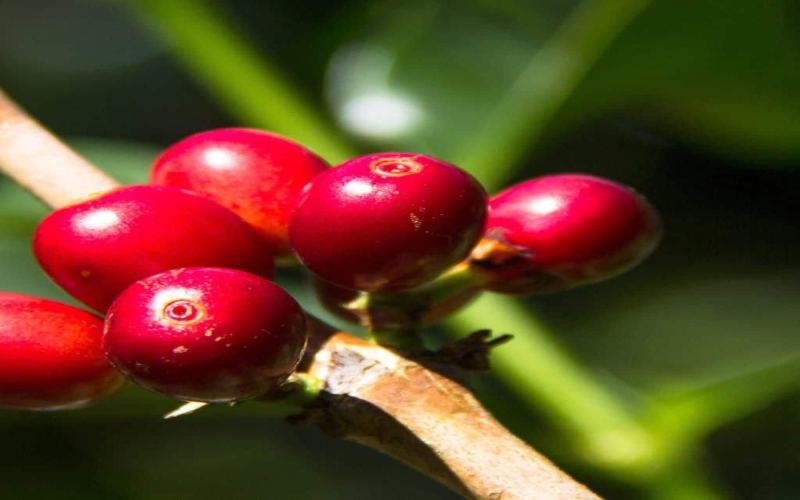
Geisha, hailed as the most legendary coffee variety of the 21st century, has become an undisputed star in the specialty coffee world thanks to its stunning cupping performance and ever-rising auction prices. But where exactly did Geisha come from? Is it the same bean as Huakui? How do you distinguish between the Red Label, Green Label, and Volcanic Rock lots from Panama's Hacienda La Esmeralda? How does the product line from Gesha Village in Ethiopia differ? This article, led by Front Street Coffee (FrontStreet Coffee), will systematically trace Geisha's rise to fame, its varietal characteristics, and its flavor expression across different producing regions, along with practical brewing suggestions to help coffee lovers gain a comprehensive understanding of this legendary variety. [more…]
Coffee Brewing Ratio | What flavor characteristics does SOE Americano have? How to brew a delicious SOE single-origin espresso? What water temperature and grind setting are suitable for making SOE coffee?
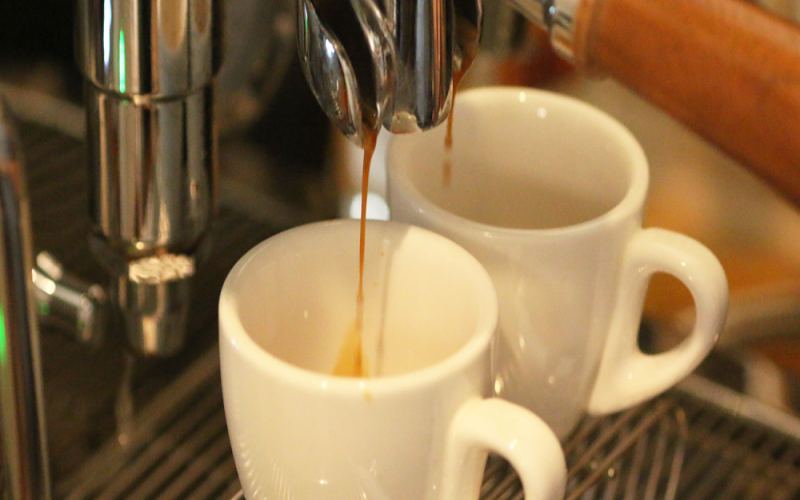
For more specialty coffee knowledge, please follow: Front Street Coffee (Frontsteet Coffee). The coffee industry is constantly evolving—whether in terms of brewing methods or coffee varieties—and only through continuous innovation and progress can it keep refreshing its presence and avoid [more…]

Coffee Filter Cup | How to adjust the pour-over parameters when brewing different doses of coffee with a V60? How to make multi-serving pour-over coffee with a V60 #01 filter cup?
Introduction: The V60 #01 dripper is used to brew 1–2 servings of coffee, and using 15–20 g of grounds is the most suitable. Some friends, when they really can't drink that much alone, will brew a little less, while some friends, when sharing with others, will brew a little more. So when brewing with a dripper of the same size, [more…]
A Beginner's Guide to Pour-Over Coffee Beans: Classic Flavors and Brewing Tips from Africa to Yunnan
Friends who are just starting to explore pour-over coffee are often puzzled: which bean should I choose? Faced with different regions, varieties, processing methods, and roast levels, how do you find the flavor that suits you? This article systematically sorts through representative coffee beans from classic regions such as Africa, the Americas, Asia, and Yunnan, China, including Front Street Yirgacheffe, Kenya Asaliya, Brazil Queen Estate, PWN Golden Mandheling, Hacienda La Esmeralda Geisha, and Front Street 2013 Yunnan Typica, and also shares key pour-over details such as water quality, grind size, coffee-to-water ratio, and dripper selection, helping coffee lovers build their own flavor memory library. [more…]
Yunnan Coffee | Where is China's coffee-producing region? Why is Yunnan suitable for growing Arabica? What are the characteristics of Yunnan coffee varieties?
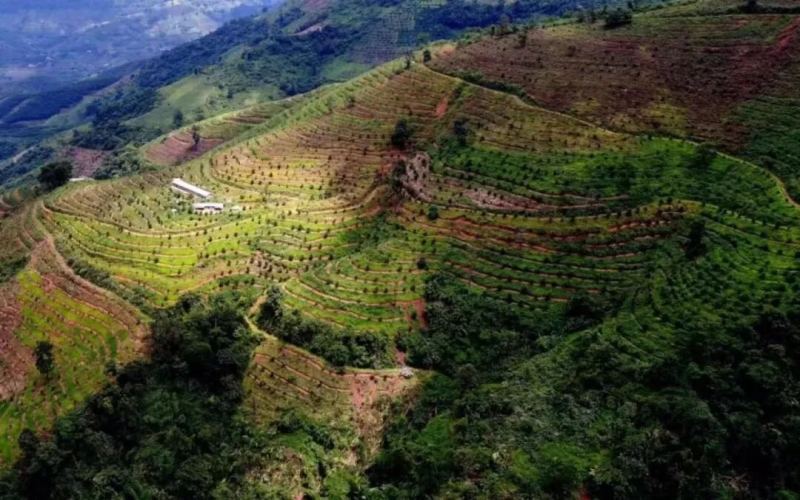
Front Street Coffee has learned that most people, when they first get into specialty coffee, start with Africa's Ethiopian Yirgacheffe or Sidamo regions, while when it comes to Asian coffee, most people first think of Indonesia's Mandheling coffee beans. But with the rise of the domestic goods trend, Chinese Yunnan coffee has begun [more…]
How to Properly Brew Starbucks Coffee Beans? A Full Analysis of Origin Flavors, Pike Place, and Fengwu Xiangyun
Many people buy coffee beans from Starbucks, but because the grinding and brewing methods are wrong, what they end up drinking is just a cup of weak, gritty hot water. Starting from this problem, this article explains clearly why coffee grounds need to be filtered, why coffee grounds cannot be consumed directly, and the bean selection and roasting logic behind how Starbucks coffee beans traveled from Seattle's Pike Place Market to the world. The article will also introduce the flavor characteristics of Pike Place Roast, the Feng Wu Xiang Yun blend involving China's Yunnan, and the complete tasting method of smelling the aroma, sipping, and taking a full mouthful, helping coffee lovers truly understand the time, temperature, and extraction details behind a cup of Starbucks coffee. [more…]
The Origin of Jamaican Blue Mountain | How Can Coffee Beginners Identify Authentic Blue Mountain Coffee? What Are the Flavor Characteristics of Blue Mountain No. 1 Coffee Beans?
Recently, a friend asked Front Street whether those large bags of Blue Mountain coffee sold online for just a few dozen yuan are real. Indeed, because the prestige of Blue Mountain coffee is so great, counterfeit products keep emerging. So Front Street will teach everyone how to identify authentic Blue Mountain coffee beans. What counts as authentic Blue Mountain coffee beans? Authentic Blue Mountain coffee must be made from coffee beans. [more…]
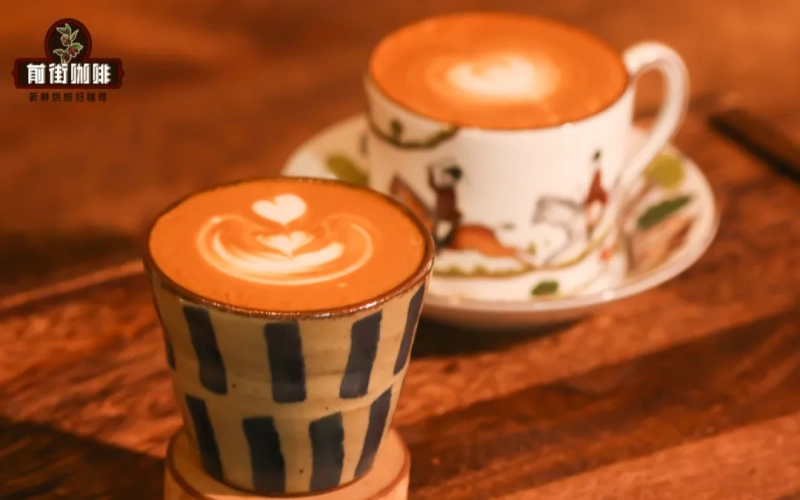
What exactly is the difference between a flat white and a piccolo? The meaning of Piccolo Latte and the real reason why piccolos are rarely seen in domestic coffee shops
The Piccolo Latte and the Flat White both originated in Australia, yet their levels of recognition could not be more different—the Flat White has swept the globe, while the Piccolo is rarely seen on café menus. "Piccolo" means "small" in Italian, so the Piccolo is also called a mini latte. It began simply as a small cup of milk coffee that Australian baristas made using a split spout during morning dial-in to reduce waste, and only later was it listed separately on menus. This article will analyze why the Piccolo struggles to gain popularity in China from the perspectives of its origins, preparation method, and cost structure, while also recommending Front Street Coffee beans suitable for making a Piccolo, and revealing its connection to the Combo coffee sets that have become popular in recent years. [more…]
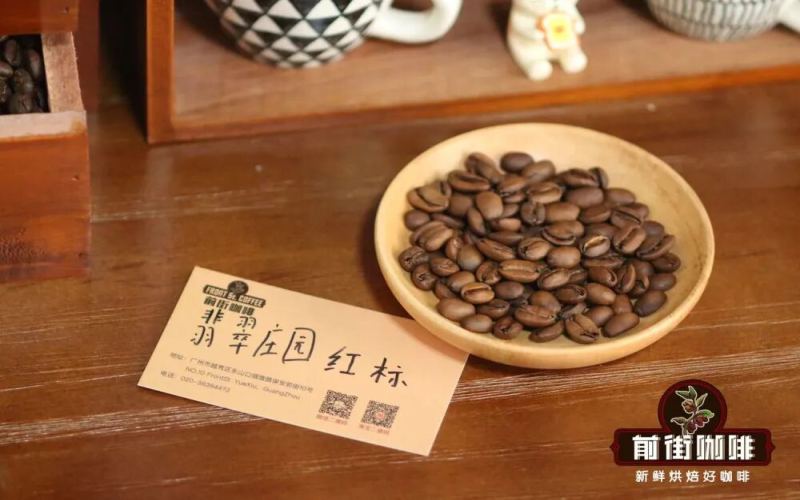
French Press Coffee | What are the differences in coffee flavors of Geisha from different regions? How to use a French press to brew a delicious cup of Geisha coffee?
Kopi Luwak, once one of the top-tier coffees, was so hard to find that a single bean was precious. Today, the newly crowned king of coffee, Geisha, is equally hard to come by. The reason Geisha coffee is so scarce is its high price. If you really do get your hands on a bag of Geisha coffee beans, you'll naturally treat it like a treasure to be savored. However, as someone who is still [more…]
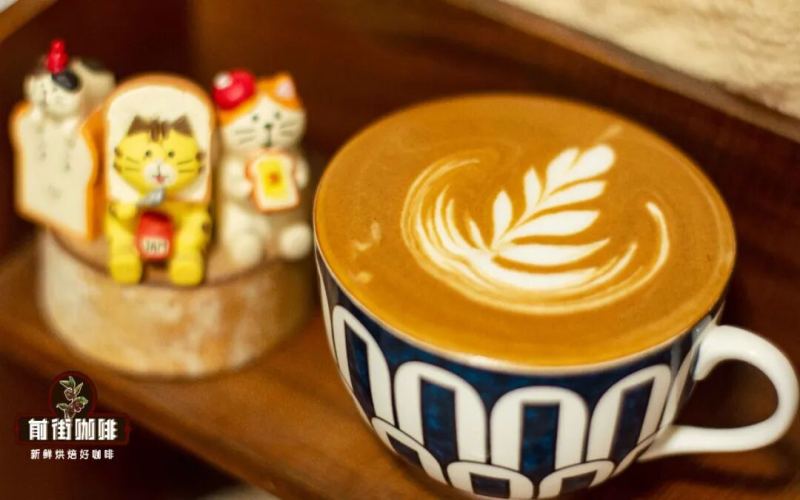
Espresso Black Coffee | Where Does the Long Black Come From? Is the Long Black the Same as an Americano?
Last weekend, a customer came in with a friend to have coffee. As soon as they walked in, they ordered from Front Street Coffee, saying, "Give me an iced Americano. Can you make it a Long Black?" After hearing this special request, Front Street Coffee told them directly, "No!" At this, the customer looked puzzled. "Why don't you sell Lo [more…]
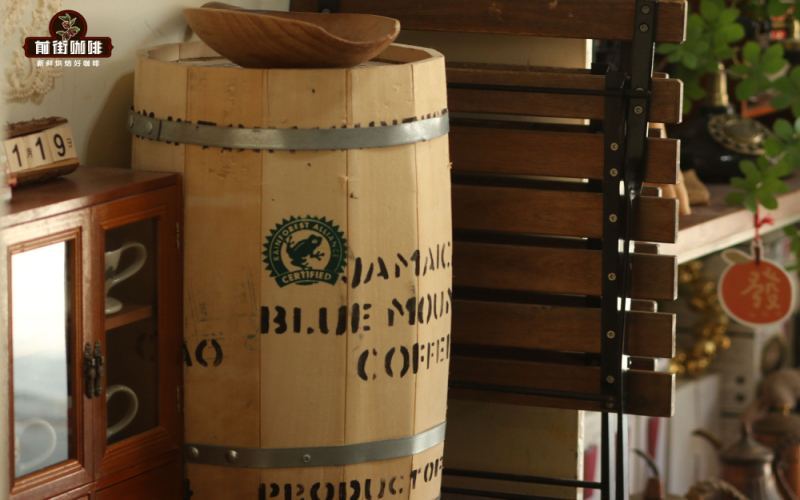
A Guide to Identifying Authentic Jamaican Blue Mountain Coffee: Certificates, Prices, and Flavor Profile Fully Explained
Blue Mountain coffee is hailed as the "Emperor of Coffee," but the market is flooded with a mix of genuine and fake products, making it hard to tell true from false. From the perspective of Front Street Coffee, this article systematically sorts out the historical origins of Jamaican Blue Mountain coffee, the certified authentic production regions, the green bean grading standards, the characteristics of the Typica variety, and the differences between the two processing methods of washed and natural. At the same time, it explains in detail how to identify genuine Blue Mountain through features such as the CIB certificate and wooden barrel packaging, and includes the roasting curve, cupping report, and brewing parameters of Front Street's washed Blue Mountain, helping coffee enthusiasts gain a comprehensive understanding of the true appearance and value of this top-tier coffee. [more…]
Blue Mountain Coffee Brand | What is the Jamaican Blue Mountain green bean grading system? How to describe the flavor characteristics of washed Blue Mountain No. 1?
Recently, a friend asked Front Street whether those large bags of Blue Mountain coffee sold online for just a few dozen yuan are real. Indeed, because the fame of Blue Mountain coffee is so widespread, counterfeit products keep popping up. So Front Street is here to teach everyone how to identify authentic Blue Mountain coffee beans. What counts as authentic Blue Mountain coffee beans? Authentic Blue Mountain coffee must use coffee beans [more…]
Coffee Producing Regions in China | What's the Difference Between Yunnan Coffee and Hainan Coffee? Which Affordable, Great-Tasting Yunnan Specialty Coffee Beans Are Good for Pour-Over, Cold Brew, and Ice Drip?
Yunnan coffee, a coffee standing on the wave of the times, after a century of tempering, domestic demand for coffee is growing, and the quality of Yunnan coffee is also constantly rising. Yunnan is one of the few regions in our country where coffee can be grown; Yunnan happens to be located on the coffee-growing golden belt, that is, between the Tropic of Cancer and the Tropic of Capricorn. [more…]