







Search Results for: blending purpose
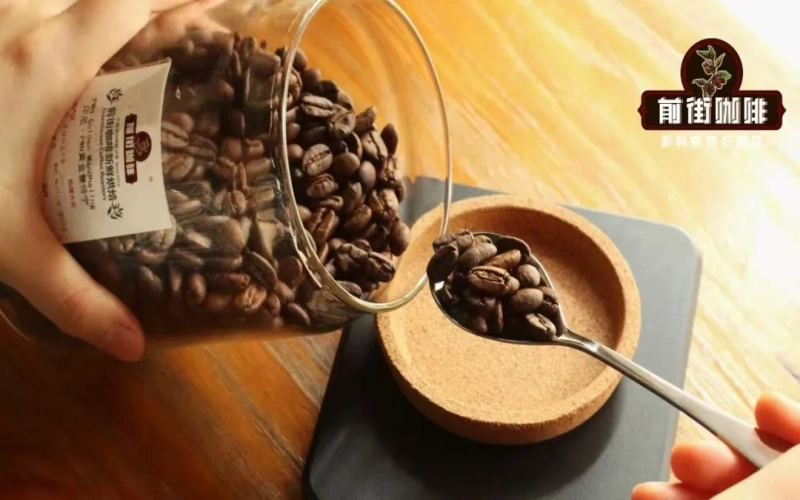
How Should You Blend Coffee Beans? A Purpose-Driven Guide to Pre-Roast and Post-Roast Blending with Front Street Coffee's Practical Recipes
Blending is not simply mixing a few beans together; it can both deliver consistent output and create entirely new flavor experiences where one plus one is greater than two. This article begins with the purpose of blending, explains how to select base beans and ratios according to the desired flavor or mouthfeel, and points out that similar roast levels are the key to successful blending. It also draws on two products—Front Street Coffee Strawberry Candy · Geisha Blend and Front Street Coffee Strawberry Candy · Espresso—to break down the differences between pour-over blends and espresso blends in bean selection and roasting, and finally includes adjustment ideas for brewing parameters and two sets of blending recipes commonly used by Front Street Coffee, for coffee lovers to reference and practice. [more…]

The Purpose of Blending Coffee Beans | What Is Blended Coffee (blending coffee)? How Many Single-Origin Coffee Bean Varieties and What Proportions Are Suitable for a Blend?
Many people don't understand how blended beans are formulated. Now Front Street Coffee will guide you through the thinking behind blended coffee beans and how to blend coffee. Reasons and purposes for blending: People blend coffees from different origins together for several different purposes. The most ideal purpose, of course, is to blend a flavor [more…]
A Complete Guide to Coffee Blending: Purpose, Flavor Positioning, Pre-Roast vs. Post-Roast Blending, and Ratio & Recipe Approaches
Blending coffee beans is not simply mixing them together, but a technical craft that balances experience, inspiration, and calculation. This article systematically outlines the complete blending process: from clarifying the purpose of the blend (reducing costs, stabilizing flavor, creating tastes that a single-origin bean cannot achieve), to determining the target flavor, choosing between pre-roast or post-roast blending, and then locking in the blend ratio through pre-confirmation and final confirmation via cupping. Using the Warm Sun Blend as an example, the article explains how to use Honduras Sherry Barrel as the main base, combined with Natural Yirgacheffe Red Cherry Project, roasted separately and then combined, balancing vinous notes with fruity acidity and berry tones, while preserving Front Street Coffee's brand experience and product information. [more…]
Espresso Drinking Guide | What Are Espresso Blends and SOE Coffee? Which Tastes Better in an Americano: SOE Beans or Blend Beans?
Blended coffee beans, as a common type of coffee bean used in espresso, have received high praise from many coffee drinkers for their rich coffee flavor. The recently popular SOE is also contrasted with blended coffee, so what advantages does blended coffee still have now? Front Street Coffee (FrontStreet Coffee [more…]
The Purpose of Blending Coffee Beans | What Are the Characteristics of SOE Coffee? Which Is Better: SOE Single-Origin Beans or Espresso Blends, and What's the Difference?
Many friends have asked the baristas at Front Street Coffee what SOE coffee is, and why so many specialty coffee shops now offer SOE coffee, yet Front Street Coffee (FrontStreet Coffee) has not put SOE coffee on its menu. Front Street Coffee (FrontStreet C [more…]
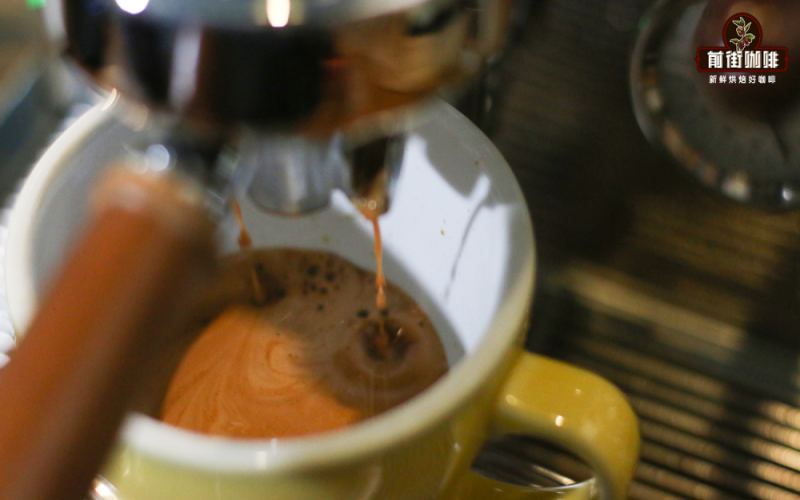
In-Depth Analysis of Espresso Blend Beans vs. SOE Espresso: A Comprehensive Comparison from Recipe Logic to Flavor Performance
The choice between espresso blends and SOE espresso has always been a hot topic among coffee enthusiasts. Why are blended beans still the mainstay of espresso to this day? Compared with single-origin espresso, what are their respective flavor advantages and suitable scenarios? From the perspective of Front Street Coffee, this article systematically sorts out the definition of blended coffee, the difference between pre-roast blending and post-roast blending, the three core purposes of blending, and the real differences in flavor between blended beans and SOE. At the same time, combined with the practical extraction plan of Front Street Sunflower Warm Sun Blend, it shares the specific ratios for hot lattes and hot Americanos, and recommends Front Street Classic Espresso Blend for friends who prefer a rich mouthfeel. Whether you are a beginner just getting into espresso or a seasoned drinker who wants to understand the logic of blend formulas, you can gain practical reference from it. [more…]

Espresso Coffee Beans | Why Blend Coffee Beans? What Do Raw Blending and Roasted Blending Mean? What Should Be Noted When Blending Coffee Beans?
Many people don't understand how blend beans are formulated into a blending plan. Now Front Street Coffee will guide you through the ideas behind blending coffee beans and how to blend coffee. The reasons and purposes for blending: people need to combine coffees from different origins for several different purposes. The most ideal purpose, of course, is to blend a kind of flavor [more…]
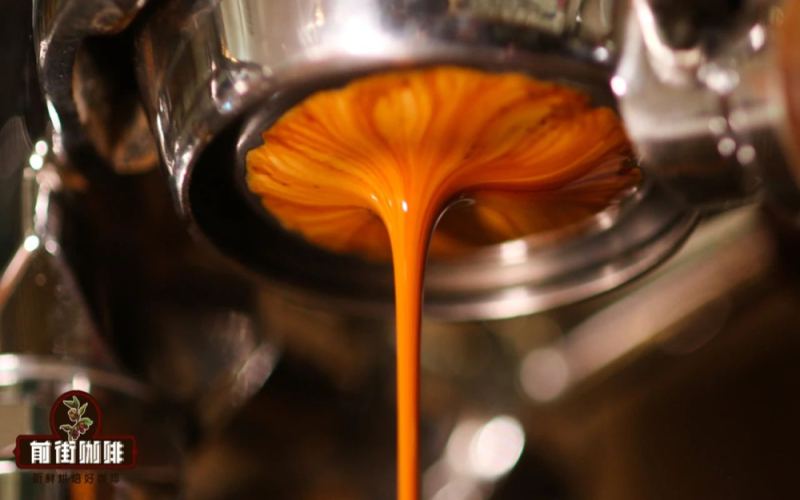
A Complete Analysis of Espresso Bean Blending: From Principles to Front Street Coffee's Four Espresso Bean Recipes and Extraction Parameters
To make a rich, well-balanced espresso at home or in a café, choosing the right blend is the first step. This article begins with the definition and purpose of coffee blending, explains the pros and cons of pre-roast blending and post-roast blending, and lays out the complete process: establishing the target flavor, determining the blend type and ratio, and pre-confirming through cupping. It also details the origin composition, roasting approach, and flavor performance of four Front Street Coffee espresso blends—Specialty Espresso, Commercial Espresso, Basic Espresso, and Sunflower Warm Sun—along with espresso extraction parameters and an iced latte recipe, and finally explains why espresso is served with a spoon. [more…]

Principles of Blending Coffee Beans | What Are Blended Beans? What Is the Difference Between Espresso Blend Coffee Beans and Single-Origin SOE Beans? How Do You Blend Coffee Beans?
Many people don't understand how blended coffee beans are formulated. Now Front Street Coffee (FrontStreet Coffee) will guide you through the concepts behind blended coffee beans and how to blend coffee. For more specialty coffee knowledge, please follow our WeChat official account: Front Street Coffee (FrontSt [more…]
What Are Espresso Blend Coffee Beans? Understanding Blending Purposes, Classic Recipe Ratios, and Brand Recommendations in One Article
Blended coffee beans are the cornerstone of the espresso system. This article systematically reviews the definition and essence of coffee blends, analyzes the three major purposes of blending—stable flavor, balanced taste, and cost control—and provides three groups of beginner blending ratios: sour-leaning, conventional, and bitter-leaning, as well as six classic recipes: balanced, bitter, sour, aromatic, American, and heavy-bodied. It also summarizes the four blending principles: first set the base flavor, match complementary characteristics, control the number of bean varieties, and adjust ratios flexibly. At the end, it specially recommends the freshly roasted espresso blend beans from Front Street Coffee in Guangzhou, with a cost of less than 1.5 yuan per cup, offering outstanding value for money and worthy of reference for coffee enthusiasts and people opening shops. [more…]

Beans for Both Espresso and Pour-Over: How to Configure a Single Machine for Two Brewing Methods
Players who have both an espresso machine and a pour-over kettle at home often fall into a kind of happy dilemma: when buying beans, they're always torn over "should this one be for pour-over or for espresso?" Actually, the mature approach is a dual-purpose bean lineup—within the same purchase batch, some beans are dedicated to espresso, some are dedicated to pour-over, and some can pull off both faces. This article talks about [more…]
What is the difference between espresso blends and SOE? Which beans give a more ideal flavor for making Americano?
Blends and SOEs are two paths in the world of espresso, often compared by enthusiasts, but each has its own value. This article will explain what a blend is, outline the three main purposes of blending—controlling costs, maintaining flavor consistency, and creating flavors that single-origin beans struggle to present—and point out that the key to judging a blend lies in its purpose and pricing. It also brings bean recommendations from Front Street Coffee, including the Dark Cocoa Blend, the Front Street Classic Blend, and the Strawberry Candy espresso featuring floral and fruity notes. Finally, specific parameters for espresso, hot latte, and hot Americano are included to help you find the cup that suits you best. [more…]

The Blending Principles and Purposes of Espresso Blend Coffee Beans, and Whether Blend Beans Are Suitable for Pour-Over Coffee
In the specialty coffee wave, single-origin beans and blended beans each have their own followers. Single-origin beans often appear in the pour-over realm, while blended beans mainly target espresso, safeguarding flavor consistency. But why exactly are beans blended? Can blends handle pour-over? And is it feasible to use single-origin beans for espresso? This article starts from Front Street Coffee's fresh-roasting philosophy, clarifies the conceptual boundaries between blends and single-origin, analyzes the process differences between pre-roast blending and post-roast blending, addresses the bean selection and roasting key points for SOE, and explains the rationale for using blended beans in pour-over along with Front Street's specific blending approach. [more…]

Flavor Profile and Blending Characteristics of Espresso Blend Coffee Beans: Can Yunnan Coffee Beans Be Used in Coffee Blends?
The history of coffee blending can be traced back to the 17th century, when people mixed Indonesian Java with Yemeni Mocha to create the famous Mocha-Java. After that, espresso blends became mainstream, and classic recipes such as the Mamba blend became widely known. The core purpose of blending is to integrate the flavor advantages of coffee beans from different origins, make up for shortcomings by drawing on strengths, and at the same time balance cost and crema performance. This article focuses on the definition of espresso blend coffee beans, the four major principles, preparation before blending, and the application of Yunnan arabica coffee in blending, and uses several "Front Street" espresso blend products as examples to analyze their flavor characteristics and extraction parameters, helping coffee enthusiasts understand blending logic and practical directions. [more…]
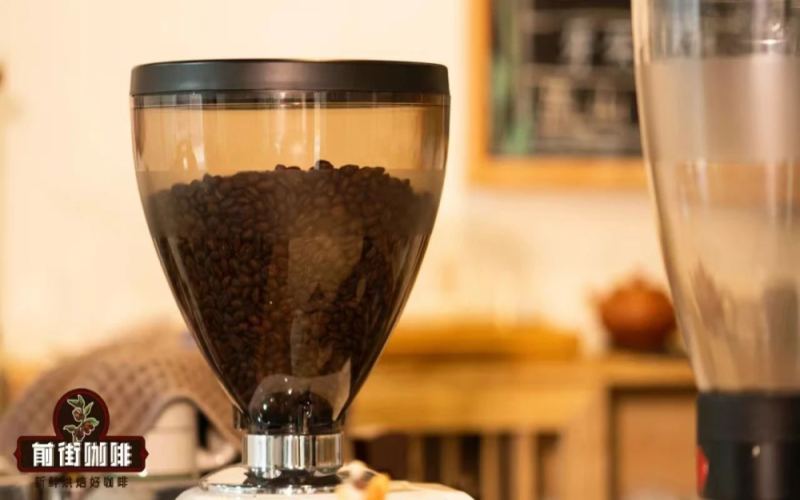
How to Choose Beans for Pour-Over Blend Coffee? A Full Analysis of Three Great-Tasting Recipes and Their Flavor Characteristics
Blended coffee beans commonly appear in espresso, but are rarely seen in pour-over. So, are blended beans actually tasty when extracted by pour-over? Starting from the concept of blended coffee beans, this article clarifies the relationships between espresso beans and pour-over beans, and between blends and single origins, explaining that a blend is not synonymous with low quality—the key lies in the blender's purpose and recipe design. The article also shares the experience of Front Street Coffee's own roasted Sunflower Warm Sun blend, and provides three pour-over-friendly blend recipes—Mamba Blend, Deep Affection, and Floral-Fruity Harmony—describing each one's flavor performance to help coffee lovers understand how to choose and combine beans to make a delicious pour-over blend. [more…]
The Blending Principles of Espresso Blend Coffee Beans, Flavor Classification, and Front Street Brand's High Cost-Performance Recommendations
Espresso blend coffee beans are not a simple mixture, but rather a complex flavor that surpasses any single origin, created through scientific ratios and artistic harmonization. Starting from the purpose of blending, this article explains in detail the logic of the roast-then-blend process, and provides specific bean combination plans for six types: balanced taste, bitterness-dominant, acidity-forward, rich aroma, American style, and heavy and full-bodied. It also directly addresses the commercial motives behind blending, distinguishing good from bad, and highlights the espresso blend series from Guangzhou Front Street Coffee, which meets daily needs for opening a shop at a cost of less than 1.5 yuan per cup, balancing quality and value for money. [more…]
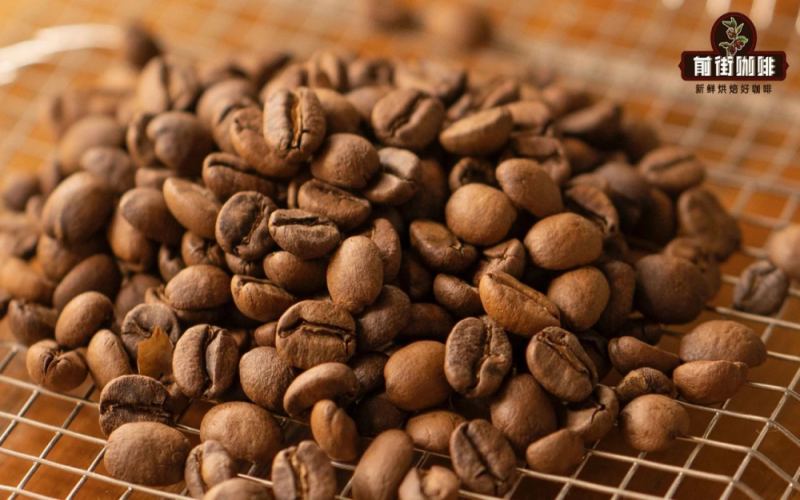
Espresso Blend Recommendations | What Are the Benefits of Blended Coffee? How to Determine the Espresso Brewing Ratio of Coffee Grounds to Water?
Espresso has a thicker texture and richer crema than drip coffee, and making high-quality espresso is inseparable from good espresso beans. Generally speaking, espresso beans are made by blending coffee from several origins to achieve a balanced flavor. Front Street Coffee (FrontStr [more…]
A Detailed Explanation of the Four Core Principles of Blending Coffee Beans — The Main Differences Between Single-Origin Pour-Over Beans and Blended Beans
What exactly is the difference between single-origin coffee and blended coffee? Starting from definitions, this article systematically sorts out the four major basic principles of blending coffee beans: clarifying the purpose of the blend, determining the target flavor, choosing raw blending or roasted blending, and locking in the blending ratio. Using details as examples, the article explains how to create a distinctive flavor through combinations of beans from different origins and different processing methods. At the same time, it also shares brewing parameters for single-origin coffee and espresso extraction plans, making it suitable for enthusiasts who want to gain a deeper understanding of the logic behind coffee blending. [more…]

What Are Espresso Blend Coffee Beans? A Full Breakdown from Blending Philosophy to Front Street Coffee's Five Espresso Beans: Prices and Who They're For
Most espresso beans are blended coffees, but blending is not simply adding several beans together; rather, it combines different origins, varieties, and roast levels so that the flavors complement one another. Starting with the definition and purpose of blended coffee, this article explains why espresso blends can enhance the depth and balance of a shot, and organizes the roast levels, origins, suitable drinkers, and flavor characteristics of five Front Street Coffee espresso blends, including the Strawberry Candy, Dark Cocoa, Classic, Commercial, and Specialty series, to help home users, latte art enthusiasts, and café owners choose according to their needs. [more…]
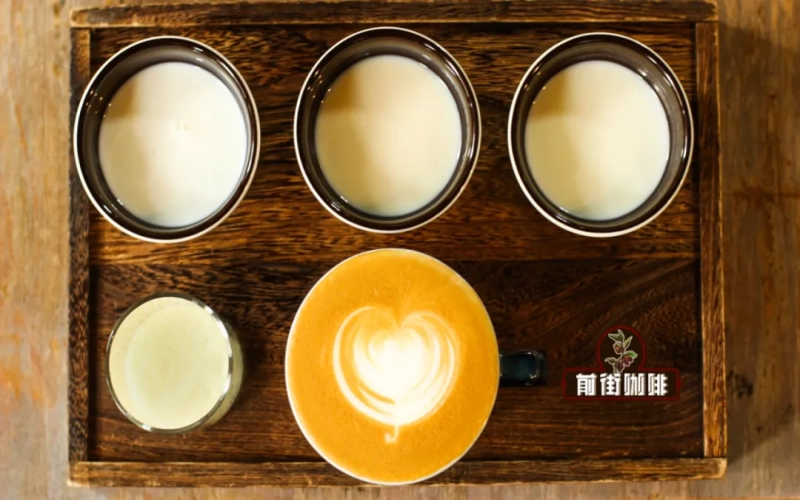
A Complete Analysis of Milk Blending in the Coffee World: Blending Approaches and DIY Methods for Purified Milk and Plant-Based Milk
In coffee drinks, milk is far more than a supporting player; through clever blending, it can make the flavor of milk coffee achieve an effect where 1+1 is greater than 2. Whether adjusting concentration or enhancing sweetness, blended milk gives baristas more flexible creative space. This article, from the perspective of Front Street, systematically sorts out the common milk blending methods in the coffee world, including the freeze-concentration principle of purified milk, the practice of mixing it with fresh milk in proportion to balance concentration, and the basic concept of plant-based milk blending. The article not only explains the purpose of blending, but also provides actionable DIY ideas to help coffee lovers recreate a professional-grade milk coffee experience at home. [more…]