







Blended Coffee BeansAs a common type of coffee bean used for espresso, its rich coffee flavor has received high praise from many coffee drinkers. Recently, the popularSOEalso forms a contrast with blended coffee, so what advantages does blended coffee still have now? In this article, Front Street Coffee will express some views on blended coffee.
What is blended coffee?
Blended coffee, also called mixed coffee, is the mixing of various single-origin coffee beans together, thereby fully bringing out the strengths of each single-origin coffee bean. Blended beans are made by mixing coffee beans from different origins to create a more balanced taste. For example, if one coffee bean is smooth but lacks aroma, another bean rich in aroma can be added, so that the advantages of individual coffee beans complement each other, whether in flavor or by enhancement, thereby creating a richer new taste. Blended coffee is divided into pre-roast blending and post-roast blending. Pre-roast blending means mixing coffees from different origins together before roasting. Post-roast blending means mixing the already roasted coffee beans separately afterward.
Which tastes better, SOE or blended coffee?
Perhaps some customers do not understand at all why coffee beans should be blended together. Isn't single-origin coffee the best? Actually, that is not the case. In Front Street's view, every bean has its own strengths and weaknesses. If a certain bean produces espresso with insufficient crema when extracted through an espresso machine, then beans rich in crema can be added to complement it. If the espresso extracted from a certain bean is too sour, too bitter, or too sweet, then a complementary bean can be found for blending with each other to achieve the desired coffee flavor. Wouldn't that be perfect?
Whether it is pre-blending green beans (pre-roast blending) or roasting separately and then blending (post-roast blending), it must depend on the characteristics of the coffees in the formula. Both methods are acceptable. Post-roast blending provides different degrees of roasting for each bean, so that each component shows its best effect.

We often like to compare espresso blends with the flavor ofSOE, but in fact that is not quite fair. To put it simply, espresso blends all have purposes, and there are many purposes, which can roughly be divided into three types.
1. Lowering costs
Some cafes mix lower-quality coffee beans into higher-quality coffee beans, reducing costs while also increasing sales profits.
2. Creating a long-term stable flavor
It has to be admitted that coffee is an agricultural product. Different harvest seasons in the same producing region, or even different batches within a year, can produce different tastes. This is where the drawback of single origin is exposed. You cannot confidently guarantee that next year you will still be able to drink the same single-origin coffee you found delicious this year (except for coffee beans whose flavor is dominated by processing method, and other factors between the origin and the cafe can also cause flavor differences between the coffee beans you buy and those from before).
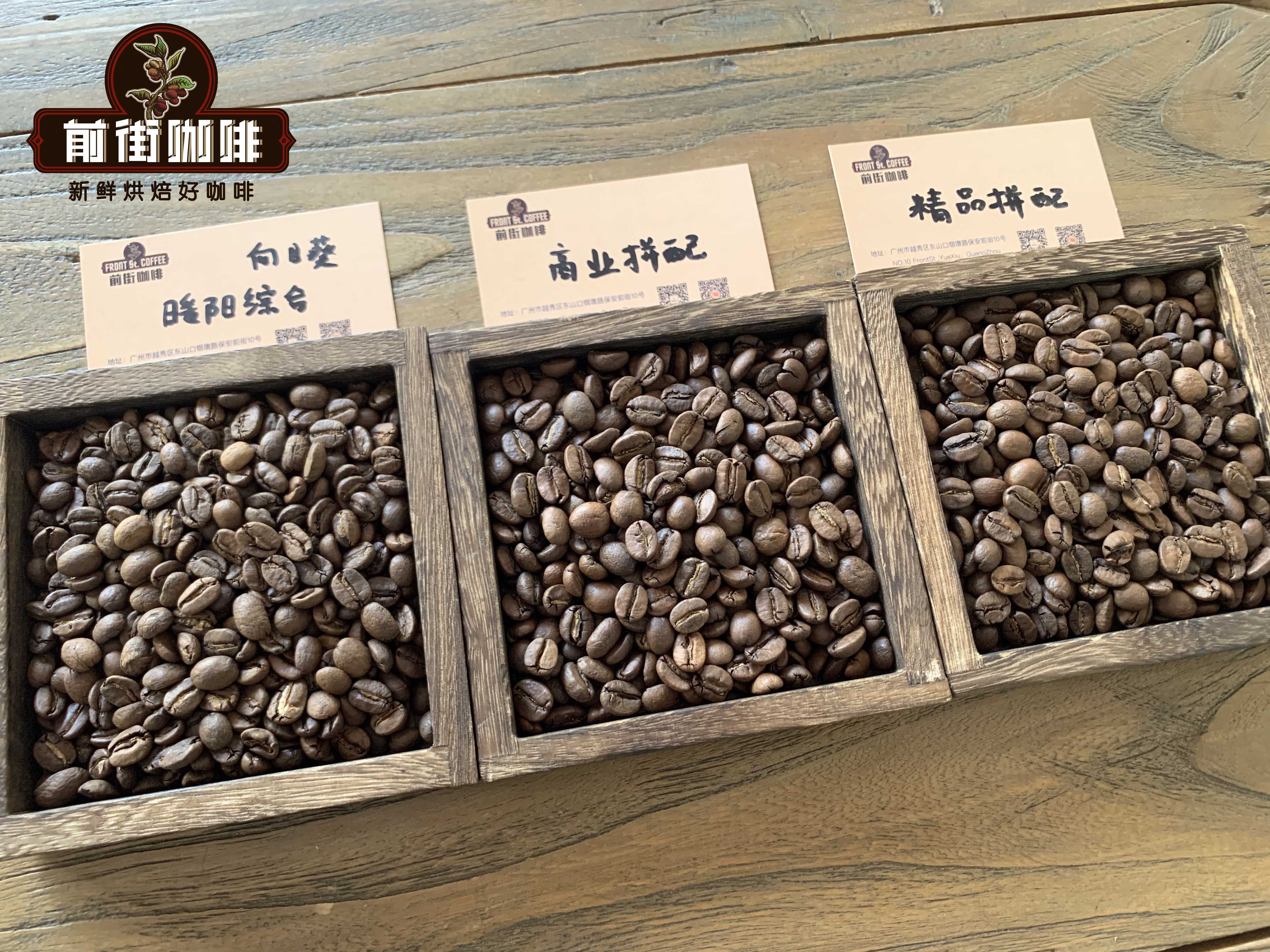
Therefore, one purpose of blending is to create a product that can be supplied long term and has a long-term stable flavor. When a certain coffee bean's quality in a new harvest season fails to meet requirements or changes, similar coffee beans can be found to replace it, so as to achieve the goal of stability.
3. Creating flavors that single-origin coffee beans cannot produce
Sometimes a single-origin coffee bean is like a person, having both strengths and weaknesses, while blending is like organizing a team, using each one's strengths to make up for the other's weaknesses, thereby achieving a mutually enhancing effect.
For example, using a sweeter coffee bean to blend with a more acidic coffee bean to achieve a balanced sweet-and-sour effect, or adding some Brazil beans to the coffee beans to improve the overall body, and so on. These are all purposes of blending.

These various purposes also represent the direction of the flavor of blended coffee. For example, if the purpose is lowering costs, then better-quality coffee beans cannot be used, and there is no need to delve deeply into its flavor. Front Street Coffee believes that, in order to create flavors that single-origin coffee beans cannot produce, or when using high-quality distinctive single-origin coffee beans at no expense to blend coffee beans, if the formula is appropriate, being superior to SOE is not a big problem at all. Therefore, the key to blended coffee still depends on its blending purpose and unit price. We certainly cannot compare the flavor of a blend at 50 yuan per pound with an SOE at 100 yuan per pound!
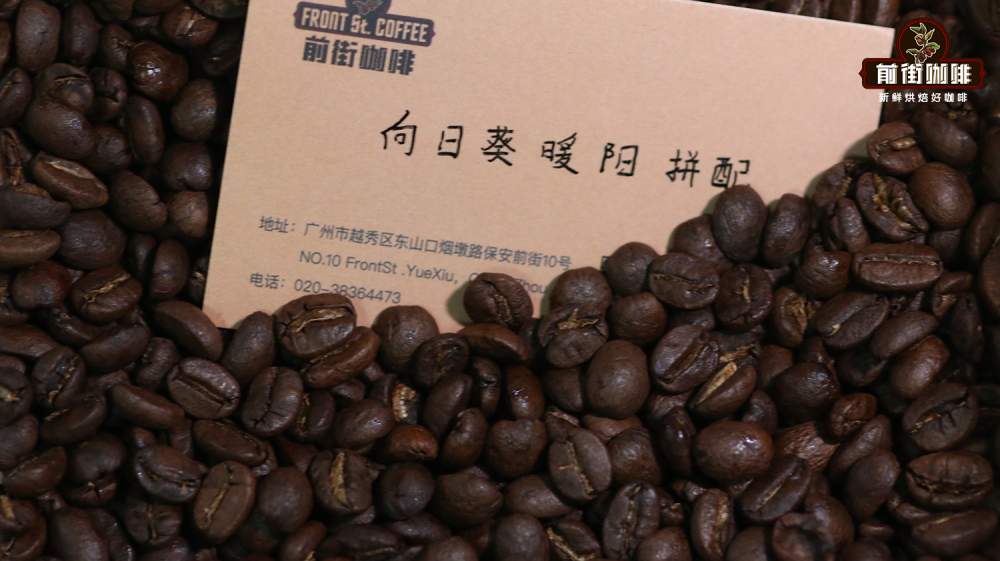
At present, the espresso drinks at Front Street use the Sunflower Warm Sun blend. This blend uses Honduras Sherry and Ethiopia Yirgacheffe Red Cherry coffee. Through continuous blending by Front Street Coffee baristas, a relatively perfect blending ratio of 7:3 was obtained. The espresso made has obvious fruity acidity, along with berry flavor aroma and vinous notes, with a comfortable sweet aftertaste. Front Street confidently believes that its flavor is fully comparable to SOE.

Espresso can also be used to make single-origin coffee. If single-origin coffee beans are used, the coffee produced can be simply called SOE coffee. Coffee made this way allows you to taste the most basic flavor of the producing region.
In Front Street's view, the characteristics of espresso blends can amplify the advantages of a certain coffee bean, conceal its own shortcomings, and make full use of every coffee bean. Why not do it? Of course, it is not that the more coffees blended, the better the flavor. The more coffee beans added, the harder it is to take every detail into account, and the flavor will also become more chaotic. Therefore, in Front Street's view, controlling the number of blended bean types to about two to four coffee beans is about right.
How should espresso be drunk?
For espresso blends like these, few people in China choose to drink them in the form of espresso. They are usually used as a base with milk or water added to make a latte or Americano.
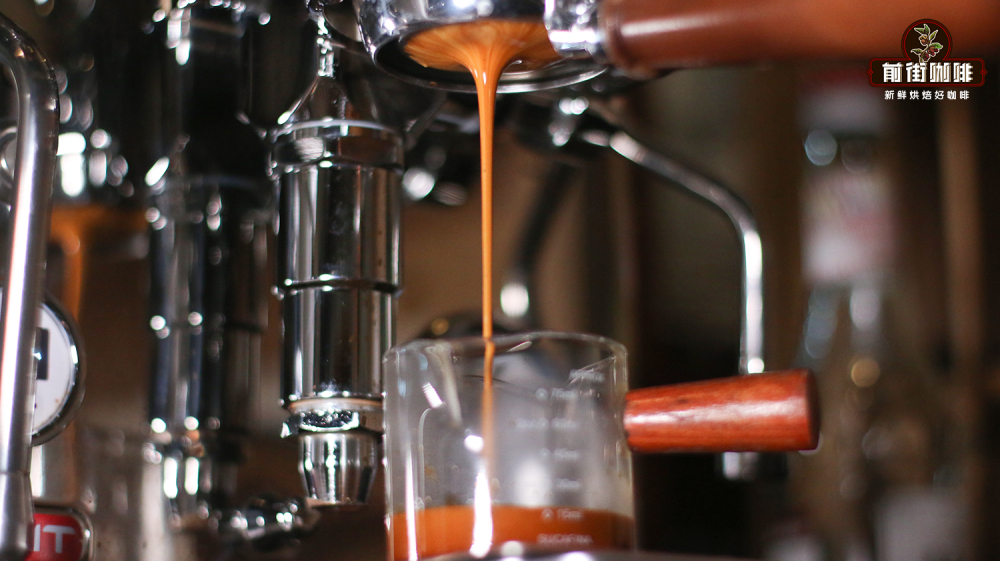
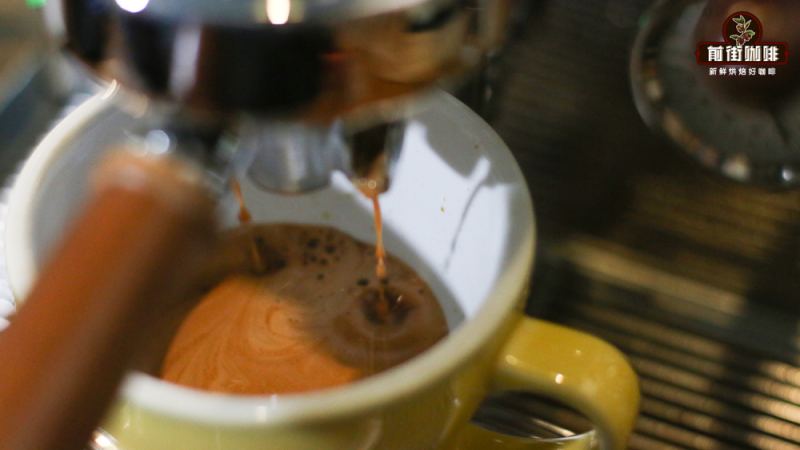
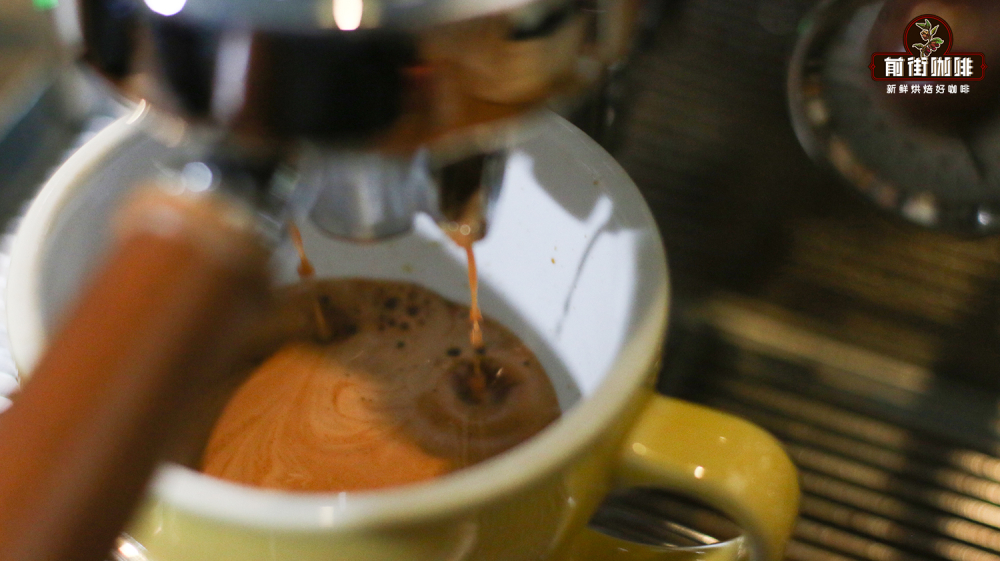
The espresso extraction plan uses Sunflower Warm Sun blend coffee beans, extracting 40g of espresso liquid from 20g of coffee powder in 26 seconds.
Hot latte: The ratio used by Front Street is 40g espresso with 240g steamed milk.

Hot Americano: The ratio used by Front Street is 40g espresso with 200g hot water.

The above content is compiled by CoffeeHunters, a coffee news website.

