







Search Results for: black truffle powder
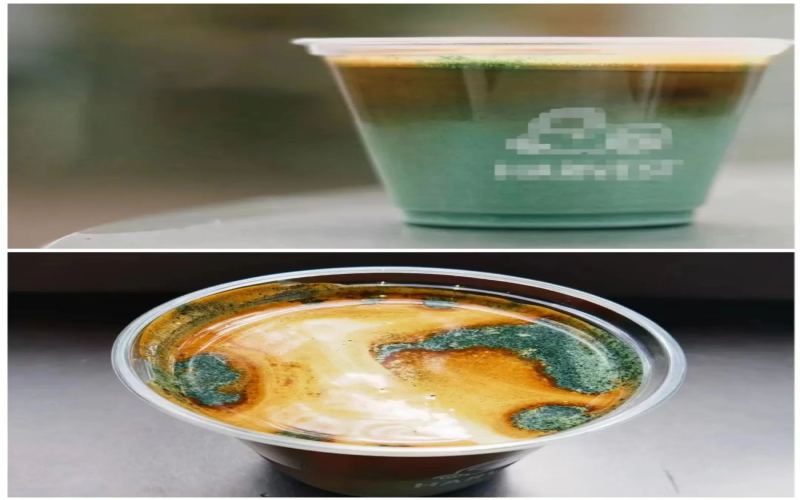
Hand-Seeing Green Dirty Doesn't Contain Hand-Seeing Green? Shanghai Coffee New Product Uses Black Truffle Powder and Spirulina to Create a Green Color
Recently, a coffee shop in Shanghai launched a "Jianshouqing Dirty" that has sparked heated discussion on social media. This drink, with its unique appearance of a greenish-blue lower half and a coffee espresso top layer, coupled with the sensitive name "Jianshouqing," quickly attracted a large number of young people to try it. However, the shop later clarified that the drink does not contain any Jianshouqing ingredients; the greenish-blue color actually comes from a blend of black truffle powder and spirulina. This naming approach has drawn questions from some consumers, who believe it may mislead the public. At the same time, many others expressed relief, considering it wise that the shop did not actually add toxic wild mushrooms to the coffee. This article sorts out the course of the incident, background knowledge about Jianshouqing, and reactions from all sides, to help you understand the truth behind this internet-famous coffee. [more…]
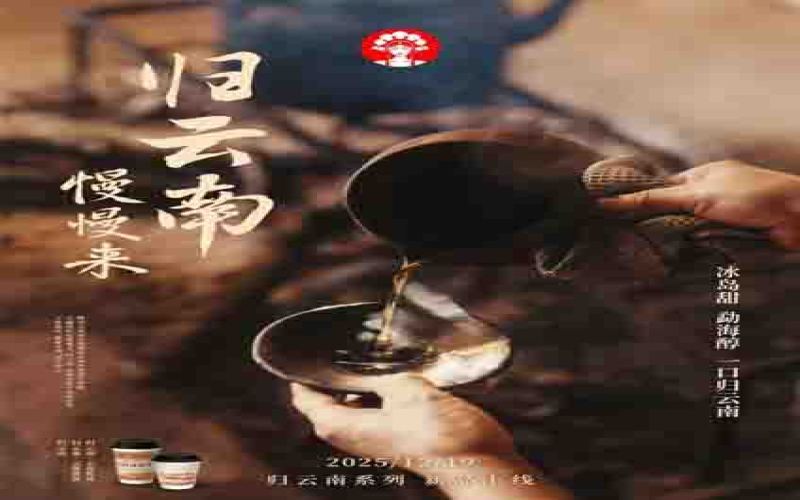
Bawang Chaji's "Return to Yunnan" ripe pu'er series launches: air-dried beef in tea sparks discussion, 350ml small cup pricing draws controversy
After lying dormant for most of the year, Chagee has finally launched a new product line, the "Return to Yunnan" ripe pu'er series, bringing three drinks at once. Among them, "Clouds Rolling with Pine Wind" boldly adds dried beef flakes and black truffle, breaking away from the brand's previous light milk tea direction. However, after launch, consumer feedback has been polarized: some praise its innovation, while others bluntly say the combination of beef and black truffle tastes like barbecue dipping sauce. What surprised longtime users even more is that the new packaged cup is only about 350ml, a considerable reduction from the regular medium cup, yet the price is higher than the classic "Boyya Juexian," sparking discussion about value for money. This article sorts through the new product lineup, taste reviews, and cup-size controversy, and includes related recommendations from Front Street Coffee for coffee and tea beverage enthusiasts to reference. [more…]
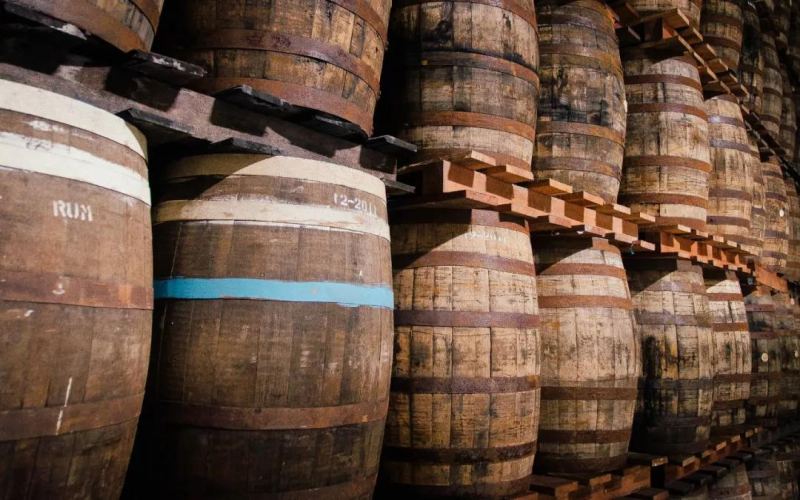
San Jose Estate Rum Barrel Fermented Coffee Bean Analysis: Colombia Castillo Variety Flavor Review
Colombian coffee occupies an important place in the global specialty coffee landscape thanks to its exceptional natural conditions and refined cultivation techniques. This article focuses on a Front Street Colombian coffee bean that uses a special processing method—a refined washed rum-process coffee from Finca San Jose. Finca San Jose is located in the Caldas region of central Colombia, with a century-old heritage and 18 hectares of cultivated land, abundant sunshine year-round, and an average temperature of 22°C, providing an ideal environment for coffee cultivation. This bean uses the Castillo variety, undergoes low-temperature fermentation in oak barrels, and is then washed and dried, presenting a rich flavor profile interwoven with rum truffle, rum, tropical fruit, and maple syrup, with a creamy, smooth, and balanced mouthfeel. The following sections will introduce the estate background, processing technique, variety characteristics, as well as V60 brewing parameters and flavor evaluation in detail. [more…]

Analysis of Honduras Lychee Orchid Coffee Bean Variety: A Complete Guide to Brandy Barrel Fermentation and Cold Brew Flavor
In today's world of constantly evolving coffee processing methods, barrel fermentation has opened a new door of flavor for the coffee world. Honduras Lychee Orchid is one of the most talked-about beans among them, fermented at low temperature in brandy barrels for about thirty days, bringing rich wine aromas and chocolate, honey-like sweetness. This article will sort through the origins of this bean one by one, from the production background of Honduras, the terroir conditions of Mocha Estate, the varietal characteristics of Caturra and Catuai, to the specific process of brandy barrel fermentation. At the same time, Front Street Coffee will also share the brewing parameters and flavor performance of Lychee Orchid, taking you through a comprehensive understanding of this Honduras coffee with an explosive wine aroma. [more…]
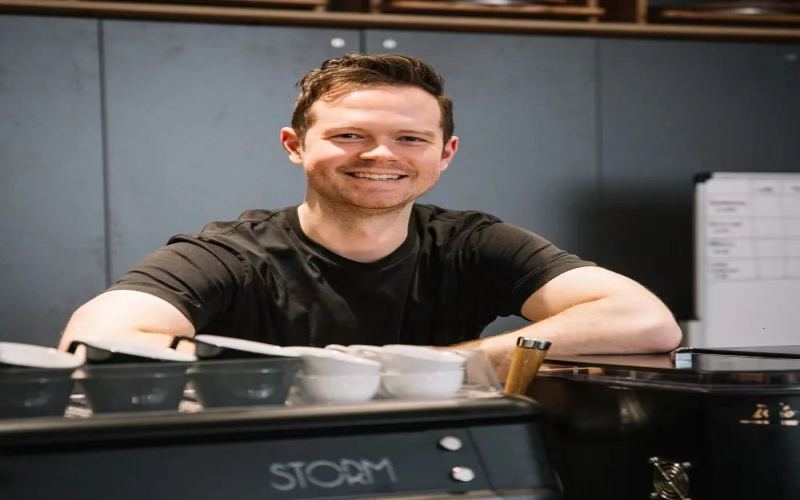
From High School Dropout to World Coffee Champion: The Growth Trajectory and Championship Journey of Anthony Douglas
The World Barista Championship is the highest-level competitive stage in the coffee industry, where competitors convey the multi-dimensional charm of coffee to professional judges through exquisite skill and vivid expression. In 2022, Anthony Douglas from Axil Coffee Roasters in Melbourne, Australia, took the crown at the WBC held in Melbourne. This barista, a high school dropout who started out in the deli section of a Spanish restaurant, went from regional competitions all the way to world champion in seven years. This article reviews his growth experience, competition preparation details, and winning performance, and shares his understanding of the role of a barista. [more…]
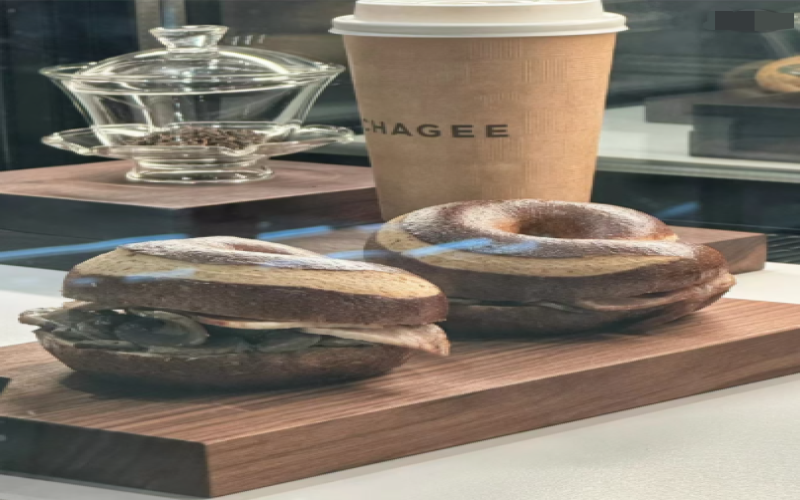
New Trend of Tea Brands Crossing into Bakery: CHAGEE 4.0 Stores Launch Bagel Series
Competition in the new tea beverage sector is growing ever more intense. While defending their existing advantages, major brands are exploring diversified business paths, among which the "coffee + bakery" combination is particularly eye-catching. Recently, Chagee launched its Zhencui Tea series in its 4.0 stores and ventured into the bakery sector for the first time, rolling out three bagel products in one go, marking this new tea beverage brand's official entry into the bagel race. Meanwhile, chain coffee brands such as Starbucks, Tims Coffee, Peet's Coffee, and Seesaw had long since established bagel product lines. With their healthy attributes of low sugar, low oil, and low fat, their consumption scenarios covering all dayparts, and their fit with the customer profile of coffee shops, bagels are gradually becoming a standard bakery item in specialty coffee shops. This article will provide an in-depth analysis of the specific products and pricing strategy behind Chagee's cross-category attempt, as well as the deeper logic behind the rise of bagels. [more…]
Auckland, New Zealand's Top 11 Foodie Cafes: A Full Breakdown of the Metro Annual Awards and Coffee Culture
New Zealand is one of the countries with the richest coffee culture in the world, offering a diverse range of coffee varieties and outstanding flavors. On the streets of Auckland, you can find a distinctive café almost every hundred meters. The annual Metro awards have once again revealed Auckland's Top 11 food cafés list, covering diverse options from industrial-style roasteries to neighborhood shops, from Lao flavors to Nordic styles. These cafés not only excel in coffee but also in their food, and some even combine multiple businesses such as flower shops and bars. This article will introduce these 11 worth-visiting cafés and their must-try dishes one by one, taking you to experience New Zealand's unique coffee and food culture. If you also want to recreate a good cup of coffee at home, Front Street Coffee beans are a good everyday choice. [more…]
2020 TOH Champion Armeria Lalo: A Complete Analysis of the Flavor and Mouthfeel of Yirgacheffe Anaerobic Natural Coffee Beans
Ardi Leraro, the champion of the 2020 TOH (Taste of Harvest) competition in Ethiopia, comes from the Yirgacheffe region and is processed using the anaerobic natural method, known for its distinct strawberry, peach, and fermented wine aromas. This article will provide a complete analysis of this champion bean's unique flavor profile, from green bean information, processing techniques, and roasting recommendations to cupping notes, and will share Front Street Coffee's brewing parameters and tasting experience. Whether you are a pour-over enthusiast or an espresso player, you will find practical references here and experience the complex layers and sweetness that anaerobic natural processing brings. [more…]
Costa Rican Coffee Flavors and Analysis of Seven Major Regions: Tarrazu, Tres Rios, and Central Valley Characteristics
Costa Rican coffee has always been known for its balanced and mild character, and Front Street Coffee's Costa Rican coffee showcases this classic style: the harmonious blend of acidity, sweetness, and chocolate-like bitterness, with a smooth mouthfeel and little sharpness. The country has seven major coffee-producing regions, among which the Central Valley, Tarrazú, and Tres Ríos are the most well-known. In the 2007 Cup of Excellence competition, Cerro Bado from Tarrazú took first place, while Naranjo in the Central Valley swept second through fourth places. La Minita Estate in Tarrazú is known for its strict management, producing a million pounds a year yet selecting only 290,000 pounds as specialty coffee. In the Tres Ríos region, production has dropped sharply due to urban expansion, but Aquiares Estate has persevered to this day, with a bright and smooth flavor. This article will introduce in detail the characteristics of each producing region and their representative estates. [more…]
Flavor Analysis of Costa Rican Tarrazú Region Yellow Catuai Raisin Honey Process
The Tarrazu region of Costa Rica is world-renowned for its balanced, clean flavors, and the raisin honey process adds a uniquely sweet touch to this land. This article focuses on the performance of the Yellow Catuai variety under this processing method, starting with the double fermentation process learned from Front Street Coffee, and analyzes the causes of its intense fermentation aroma and raisin flavor. At the same time, it takes you into the Tarrazu region to learn about Costa Rican coffee's growing conditions, the evolution of processing techniques, and the stories of well-known estates such as La Minita, and includes Front Street Coffee's roasting recommendations and practical records, presenting a complete flavor map for coffee enthusiasts. [more…]
Rum Barrel Fermented Coffee Flavor Analysis: Colombia San Jose Estate Processing Method and Pour-Over Parameters
Winey coffees have attracted much attention in recent years. Front Street Coffee has three beans with winey notes, among which Sherry and Lychee Orchid are well known, but the origin of barrel fermentation actually lies in the San Jose Estate in Colombia. This article provides a complete breakdown of Front Street Colombia Rum Barrel Fermented Coffee, from the producing region, estate story, and processing method to roasting and brewing. The San Jose Estate is located in the Caldas region at an altitude of 1750 meters, uses the Castillo variety, and after meticulous washing, is placed in aged rum oak barrels for low-temperature fermentation for three months. The cup profile presents notes of rum truffle, rum, tropical fruit, and maple syrup. The article also provides V60 staged extraction parameters and measured taste results, making it suitable for coffee enthusiasts who want to understand the principles of barrel fermentation and brewing methods. [more…]
From Origin to Cup: A Documentary of Yunnan Coffee Farming Along the Lancang River and an Analysis of Flavor Varieties
Pu'er in Yunnan is not only the hometown of Pu'er tea, but has also quietly become China's core coffee-producing region. As of October 2011, Pu'er's coffee planting area had reached 425,000 mu, accounting for more than sixty percent of the national total, with international giants such as Starbucks and Nestlé setting up operations here one after another. Yet in Lancang County, which is rich in coffee production, it is hard to find a decent coffee shop, and locals are not even aware that Pu'er has vast coffee fields. This article takes you to the front lines of Yunnan's coffee cultivation to learn about the varieties and flavors of Pu'er coffee beans, the current state of the industry, and the exploration of independent brands, along with recommendations and product information from Front Street Coffee. [more…]
Colombian Coffee Flavor Analysis and Pour-Over Guide: A Complete Tasting Approach from Origin to Processing Method
Colombian coffee occupies an important place in the global specialty coffee landscape, known for its balanced, smooth mouthfeel and rich layers of flavor. Starting from the overall characteristics of Colombian coffee, this article systematically sorts out the flavor differences among the main producing regions, the features of various processing methods, and the background of varieties such as Caturra, Catuai, and Castillo. At the same time, Front Street Coffee will share the specific parameters and brewing technique for V60 pour-over Colombian beans, helping coffee enthusiasts better understand and appreciate the unique charm of Colombian coffee. [more…]
A Complete Analysis of the World's Top Ten Coffee Producing Regions: From Brazil to Guatemala, the Flavor Differences Between Mandheling and Blue Mountain Explained Once and for All
The golden coffee-growing belt spans the Tropics of Cancer and Capricorn. The climate, terrain, altitude, and processing methods of different producing countries give coffee beans vastly different flavor personalities. In this article, Front Street Coffee will guide you through the world's top ten coffee origins—from Brazil's balanced sweetness and Costa Rica's honey-processed sweetness, to Indonesia Mandheling's rich herbal aroma and Jamaica Blue Mountain's clean elegance, and on to Ethiopia's floral and fruity notes and Kenya's cherry tomato-like acidity. It will also answer a question many enthusiasts care about: which is actually better-tasting, Mandheling or Blue Mountain coffee beans? The two have completely different styles and suit different taste preferences, and after reading this article you will have a clearer judgment. [more…]
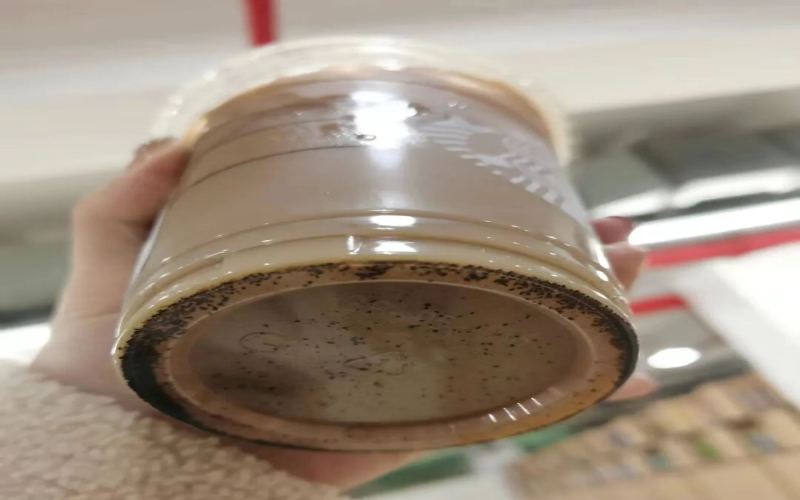
Starbucks Salted Flat White Leaves Black Powder Residue at the Bottom of the Cup, Staff Clarifies: Having Powder Is the Standard Serving
Starbucks has clearly picked up the pace of new product launches this year. Before people have even had a chance to check in on the cherry blossom limited edition, the Salted Flat White has already taken over as the store's main promotion. However, this new product has sparked controversy because of black powder residue left at the bottom of the cup, with many consumers suspecting that staff had made an operational error and mixed in coffee grounds. Faced with complaints, Starbucks staff collectively protested their innocence—having coffee powder is actually the correct method, and not having it would instead be a violation. What exactly is going on here? Why is the freshly ground coffee powder used for decoration so often mistaken for extraction residue? And why do consumers have so many complaints about the taste? This article will reconstruct the whole incident and analyze the gap between the standard recipe for this beverage and the consumer experience. [more…]

Nongfu Spring's Hit Milk Tea Returns: Jasmine, Black Tea, and Oolong Launch Together—Can 0-Added Milk Powder Shake Up the Hundred-Billion Ready-to-Drink Milk Tea Market?
After eight years, Nongfu Spring is once again making a push into the bottled milk tea sector. On October 12, its official WeChat account posted an article announcing a renewed layout for the "Da Milk Tea" series, launching jasmine, black tea, and oolong flavors, with a net content of 380 milliliters, highlighting selling points such as "0 added milk powder," "0 added tea powder," and "0 added flavorings." It is reported that this series uses concentrated milk and carefully selected whole-leaf extraction, with cold-chain storage and transportation throughout, and the JD.com presale price is 135 yuan for 15 bottles. Looking back to the end of 2013, Nongfu Spring had launched a matcha-flavored Da Milk Tea in a tumbler-shaped bottle, which faded out after a lukewarm market response. Now, bottled ready-to-drink milk tea is regarded as a new outlet, and in the hundred-billion milk tea market, street drinks, brewed drinks, and ready-to-drink drinks each occupy a share, with new brands such as Genki Forest and Hankou Erchang also entering the fray. Front Street Coffee believes that whether Nongfu Spring can win consumers' favor this time remains to be tested by the market. [more…]
Espresso Coffee Fully Explained: A Detailed Guide to the Recipe Ratios and Methods of the Espresso Base, Black Coffee, and Milk Coffee Families
The world of Italian coffee is far richer than a single cup of Espresso. From the three variations of the espresso base—Espresso, Ristretto, and Lungo—to the Americano and Long Black in the black coffee camp, and then to the milk coffee family of Latte, Cappuccino, Macchiato, Flat White, and Piccolo, each one has its own unique logic of proportions and flavor orientation. In addition, there are Italian specialty drinks such as Mocha, Marocchino, Affogato, and Con Panna, as well as the recently popular Dirty and European-style iced shaken coffee. This article will systematically sort out the preparation recipes and proportional relationships of these fancy coffees, helping coffee lovers understand the differences and connections between them, so that whether ordering in daily life or making them by hand, they can have a clear understanding. [more…]
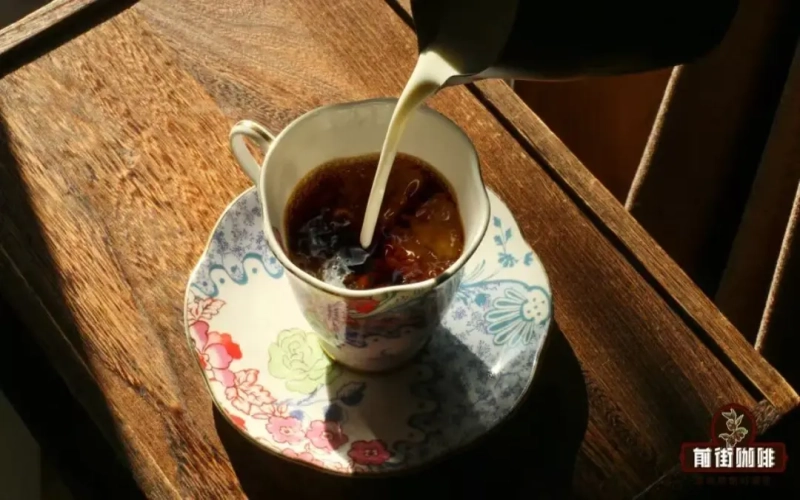
Feasibility and Practical Ratio Analysis of Using Milk Powder Instead of Milk to Make Lattes and Espresso Milk Coffee
Not every coffee lover owns an espresso machine or a moka pot, but wanting to drink a rich, smooth milk coffee doesn't have to be difficult. This article centers on the common question "Can milk powder be used instead of milk to make a latte," and, drawing on Front Street Coffee's practical experience, systematically sorts out the key operating points, ratio suggestions, and precautions for using milk powder in two scenarios: low-concentration black coffee brewed by pour-over and espresso. The article not only explains the principle of reconstituting milk powder into milk, but also gives specific references for powder amount, water temperature, and ratio, and recommends the Front Street Boundary Estate · Sidra coffee beans suitable for making milk coffee. Whether you want to simply experience the fun of using milk powder to make milk coffee, or try using milk powder to steam milk foam for latte art, you can find an executable solution here. [more…]

How to brew ground coffee | How to determine the grind size for an American coffee maker? How to make delicious black coffee with an American drip machine?
Customers who frequently come to Front Street Coffee sometimes ask the baristas if there's a lazy-person coffee machine suitable for home use, preferably at a reasonable price. Well then... let's get to know the American drip coffee maker! The American drip coffee maker (Drip Coffee Maker) is currently one of the more commonly used [more…]

From Gao Qiqiang chewing coffee grounds to the Italian Mafia's lemon zests: alternative ways to eat coffee grounds and how to make them
Recently, the scene in *The Knockout* where Gao Qiqiang eats dry black coffee powder has left a deep impression on many viewers. Some even dug out instant coffee powder to imitate it, only to end up choking and looking rather狼狈. In reality, there is indeed a group of tough characters who can swallow raw coffee powder without batting an eye—the Italian Mafia. They are fond of a dessert called Lemon Mafia: thin slices of lemon sprinkled with sugar and roasted into caramel, then topped with coarsely ground dark roast coffee powder or simply whole coffee beans, all downed in one bite. The sweet, sour, fragrant, and bitter flavors explode in the mouth instantly, refreshing and alerting. This article explores the origins of this way of eating and includes simple, easy-to-follow steps so you can experience the taste of a "boss" yourself. [more…]