







Search Results for: bitter melon lemon tea
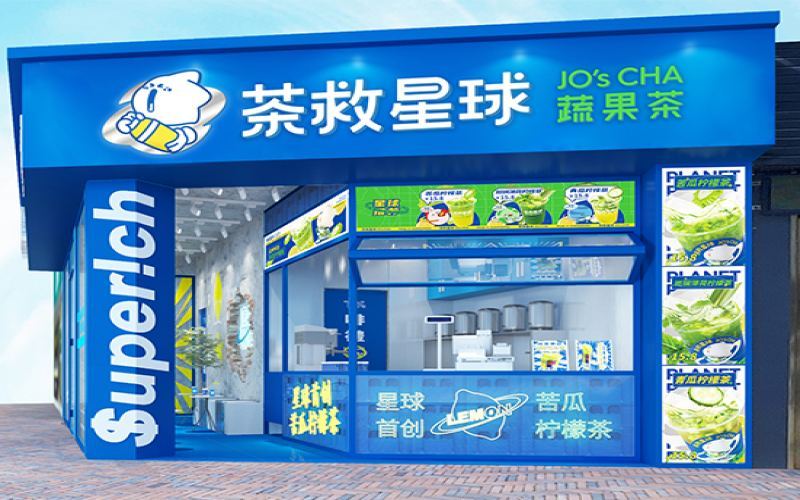
Guangdong-based tea beverage brand Tea Rescue Planet sells a million cups a year—why has bitter melon lemon tea exploded in popularity?
Cantonese people often say they "get internal heat from just drinking water." Although herbal tea can reduce internal heat, it is bitter and hard to swallow. The Guangzhou-based tea beverage brand Tea Save Planet took a different approach by combining bitter melon with lemon tea, creating the first bitter melon lemon tea, which unexpectedly ignited the market. In just one year, Tea Save Planet sold more than 1 million cups of tea beverages, with stores covering 16 cities nationwide and the number of stores exceeding 180. This brand, which began planning in 2019, after a quiet period in the early days of the pandemic, expanded rapidly starting in March 2020. Front Street Coffee believes that Tea Save Planet's success is inseparable from local cultural identity, differentiated innovation, and distinctive brand design. This article will analyze in detail the rise of this phenomenal tea beverage brand. [more…]
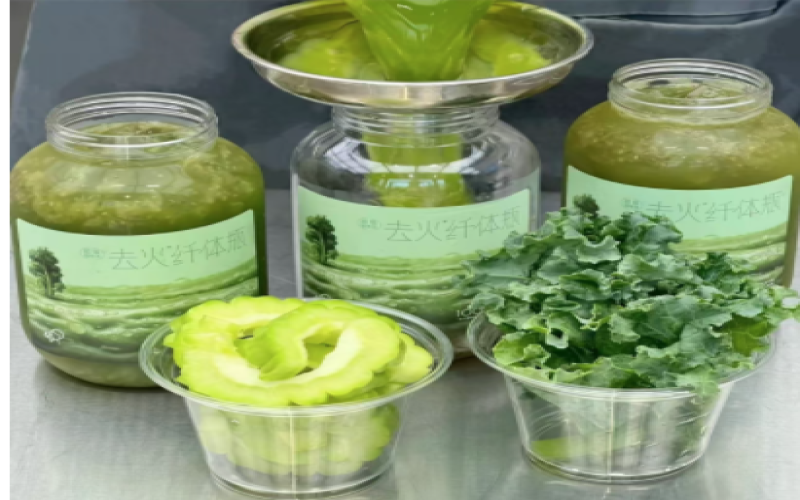
Heytea launches a "fire-reducing slimming bottle," and store employees are overwhelmed by endless fruit cutting.
Heytea recently launched the "Fire-Clearing · Slimming Bottle," the second product in its "Super Plant Tea" series, featuring kale and bitter melon as the core ingredients, paired with apple, lemon water, tea infusion, and white pomelo pieces. The official emphasis is on 100% fresh ingredients freshly squeezed, with no added concentrated juice, and only about 100 calories. Just one day after its launch, the new product was sought after by young consumers, with many reporting that the bitter melon taste is not very noticeable and the drink is refreshing and easy to drink. However, the hot sales of this beverage have also brought enormous pressure to store employees, with the workload of apple washing and juicing surging, and back-of-house partners complaining endlessly. This article will take you through the features of this new product, consumer feedback, and the real situation behind the stores. [more…]

Luckin stores add new muddlers and dicers, fresh-cut fruit could be the next move, raising concerns about workers' workload
In recent years, tea beverage brands have been adding fresh fruits and vegetables to their fruit tea products in pursuit of genuine ingredients. Luckin, however, has long relied on fruit concentrates and quick-frozen dried fruit due to the limitations of its store conditions, making many tea beverage peers envious. Recently, though, some Luckin stores in Guangdong, Chengdu, and other regions have successively received new materials such as muddling sticks, cut-resistant gloves, and labels for fruit washing machine storage areas, while internal order forms also list equipment including dicers and strawberry hullers. These tools have no direct connection to the drinks currently on sale, and the appearance of a bitter melon light-body fruit and vegetable tea and a bitter melon fruit and vegetable Americano—neither of which is on the menu—in the mini-program coupons has sparked employees' speculation that Luckin may introduce fresh-cut fruit. Once freshly cut fruit enters the production process, whether Luckin stores staffed by a single person can withstand peak-hour pressure has become the most anxiety-inducing question for workers. [more…]

Heytea's Super Plant Tea launches another new product, the Beetroot Beauty Bottle, with polarized reviews
After the National Day holiday, Heytea launched the third product in its Super Plant Tea series—the Beetroot Beauty Bottle. This fruit-and-vegetable tea drink, starring beetroot, continues the previous slimming bottle line and claims to have beauty-enhancing and slimming benefits. Beetroot, an ancient ingredient originating from the Mediterranean, is rich in betalains and dietary fiber and holds a high status in European folk tradition. The new product is made from 100% freshly squeezed beetroot, combined with apple juice, pineapple juice, lemon juice, and a fragrance-free Green Yan tea base, offering a fresh and light taste. However, consumer feedback has been polarized: those who like it appreciate the balance between the slight astringency of the whole food and the tartness of the apple, while those who don't describe it as tasting like a mouthful of dirt. Heytea's previously launched Champion Slimming Bottle and Fire-Clearing Slimming Bottle both achieved impressive sales, and competition in the fruit-and-vegetable tea segment is intensifying. [more…]

Exploring Ecuador's Coffee Regions: A Full Analysis of Hacienda La Bonita Geisha Flavors and Pour-Over Parameters
Ecuador lies in South America between Colombia and Peru. Although it has a long history of coffee cultivation, it is dominated by smallholder farmers, and each producing region has its own characteristics. From the Intag Valley, known for Arabica, to Pichincha Province, which focuses on Robusta, to the Galápagos Islands, where chemical inputs are prohibited, and finally to the high-altitude Loja region—this is where the Finca La Abundancia Geisha introduced by Front Street Coffee originates. This anaerobic washed Geisha not only won fourth place in the 2022 Ecuador Cup of Excellence (89.10 points), but also impresses with cup flavors of chamomile, lemon, honeydew melon, and Longjing green tea. This article will guide you through the main producing regions of Ecuador and include the pour-over brewing parameters recommended by Front Street Coffee. [more…]
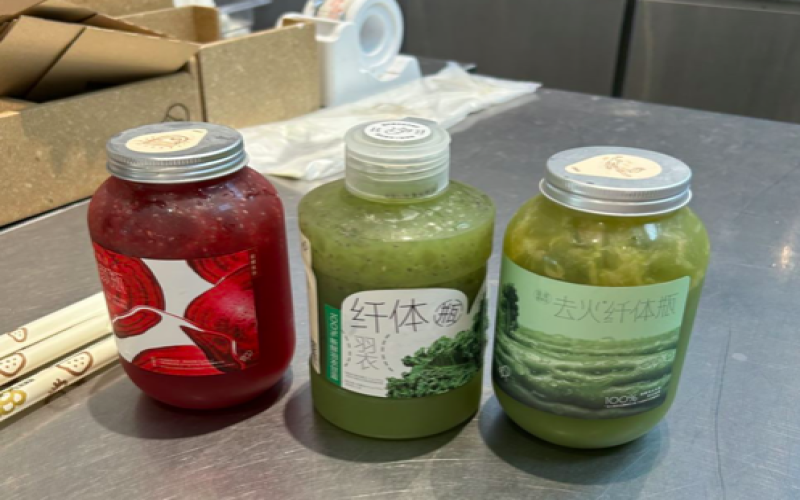
HEYTEA's Super Plant Tea keeps launching new products, and back-of-house staff turned into all-day fruit and vegetable processors are crying out that they can't take it anymore.
Heytea's "Super Plant Tea" family has welcomed a new member, the Red Beet Beauty Bottle, and the pace of new product launches in the fruit and vegetable beverage track is remarkable. However, behind the frequent launches, the work intensity in store back kitchens is constantly increasing. From the original chia seed slimming bottle to the bitter melon fire-clearing slimming bottle, and now to the new red beet product, employees are constantly busy around the sink, cutting board, and blender, washing vegetables, peeling, chopping, blanching, and juicing, with increasingly complicated procedures. The surge in orders during the National Day holiday has made workers complain endlessly, with some sighing that they have to process more than ten jin of fruits and vegetables a day, and blenders even overloaded to the point of smoking and breaking down. This article takes you through the real working conditions of Heytea's back kitchen employees, and the little-known daily hardships under the fruit and vegetable beverage craze. [more…]
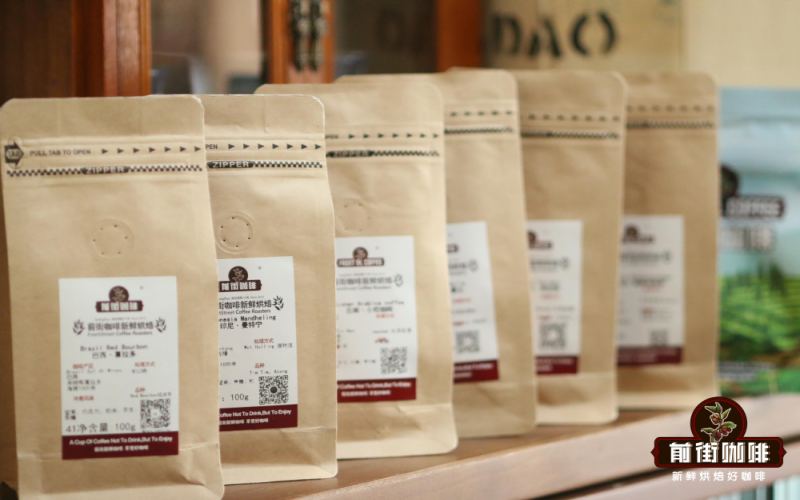
How to Choose Beginner Coffee Beans? Front Street's Flavor Guide to Staple Beans from 7 Major Regions and Pour-Over Parameter Sharing
Friends who are just getting into single-origin coffee are often confused: they don't understand regional flavors and are afraid of buying the wrong beans. To address this problem, Front Street Coffee has selected entry-level daily beans from seven regions, using 100g small packages and affordable prices to help beginners identify the basic flavors of major regions at low cost. This article will start by explaining what daily coffee beans are, then introduce one by one the origin background, processing methods, and brewing flavors of Front Street Ethiopian Yirgacheffe, Costa Rican Tarrazu, Colombian Huila, Indonesian Lintong Mandheling, Yunnan Baoshan, Guatemalan Huehuetenango, and Brazilian Cerrado beans, and finally attach Front Street Coffee's pour-over extraction insights, including V60 dripper parameters and the three-stage pouring method, providing beginners with a complete reference for bean selection and brewing. [more…]
An Analysis of the Sources and Influencing Factors of Coffee Sweetness, and a Buying Guide for High-Sweetness, Low-Acidity Coffee Beans
The sweetness of coffee not only comes from taste, but is also closely related to the sweet aroma perceived through smell. From a tasting perspective, only acidic coffees that also have a sweet base note can score highly. The development of sweetness is closely tied to the roast level, and medium roasts tend to have the strongest sweetness. Ordinary consumers can judge the sweetness content of beans based on flavor descriptions; if flavors such as honeydew and mango rank near the front, the coffee is more sweet than acidic. This article explains in detail the sources of coffee sweetness, the impact of the three extraction stages on sweetness, and recommends several Front Street high-sweetness, low-acidity single-origin coffees. Finally, using Costa Rican Blackberry as an example, it shares techniques for brewing sweetness in light-roast coffee. [more…]
How to Choose Single-Origin Beans for Pour-Over Beginners? Flavor Analysis of Front Street Coffee's Seven Major Regional Everyday Beans
Newcomers to single-origin coffee often hesitate to choose beans because they can't quite grasp the flavor characteristics of each producing region. This article presents seven everyday coffee beans that Front Street Coffee has created for entry-level enthusiasts, covering producing regions including Ethiopia Yirgacheffe, Costa Rica Tarrazu, Colombia Huila, Indonesia Lintong Mandheling, China Yunnan Baoshan, Guatemala Huehuetenango, and Brazil Cerrado. It explains the bean variety information, processing methods, and the flavor direction after brewing one by one, and also discloses Front Street's tested three-stage pour-over parameters. Whether you love bright fruity acidity or prefer a rich, nutty profile, you can find your first entry-level everyday coffee here. [more…]
Exploring Yirgacheffe Kochere: A Specialty Coffee Region of Jasmine Aroma and Citrus Sweetness
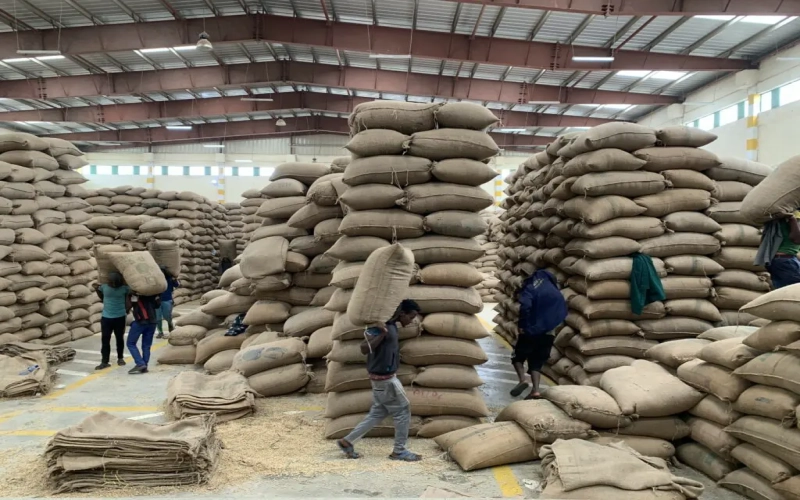
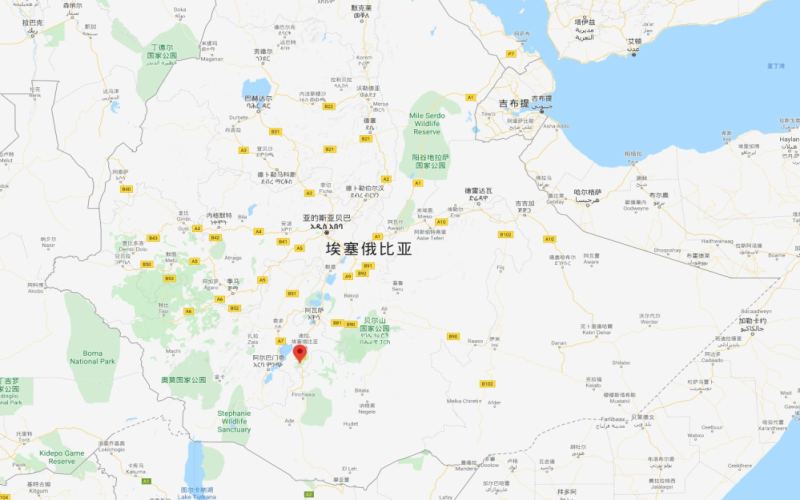
Kochere is a highly core micro-region within Ethiopia's Yirgacheffe producing area, famous for its distinct fruity notes, lively citrus acidity, and silky sweet mouthfeel. This article outlines Kochere's geographical location, production model, and grading system, and introduces the process and advantages of the washed processing method. At the same time, the article highlights two Ethiopian washed beans from Front Street Coffee—Kochere G1 and the Gotiti Cooperative—which respectively present flavors such as jasmine fragrance, lemon aroma, and citrus tea notes, suitable for various brewing methods including pour-over and cold brew, providing coffee enthusiasts with clear purchasing and tasting references. [more…]
Yirgacheffe Price and Flavor Analysis: A Comprehensive Guide to Pour-Over Techniques and Whether It's Suitable for Adding Milk
Yirgacheffe, as a classic washed Arabica bean from Ethiopia, is deeply favored by coffee lovers for its bright floral and fruity aroma and tea-like flavor. This article will provide a detailed analysis of Yirgacheffe's price, whether it is suitable for adding milk, and pour-over methods, while also introducing the unique charm of Front Street Yirgacheffe. From the producing region background to roasting recommendations, and then to specific brewing steps, the content covers all aspects, aiming to help readers appreciate this coffee more professionally and answer common questions encountered in daily drinking. [more…]
High-Sweetness, Low-Acidity Single-Origin Pour-Over Beans | What Factors Affect Coffee Sweetness? 4 Recommended Specialty Pour-Over Beans with Pronounced Sweetness and Rich Fruity Aromas
When we say coffee is sweet, besides referring to the sweetness on the palate, we are actually also referring to the sweet aroma on the nose. So from a tasting perspective, only an acidic coffee with a sweet, fragrant base can be considered a high-scoring flavor experience, and to make coffee appropriately sweet and sour, roasting plays a key role. From the moment a coffee bean begins to be heated as green beans until [more…]
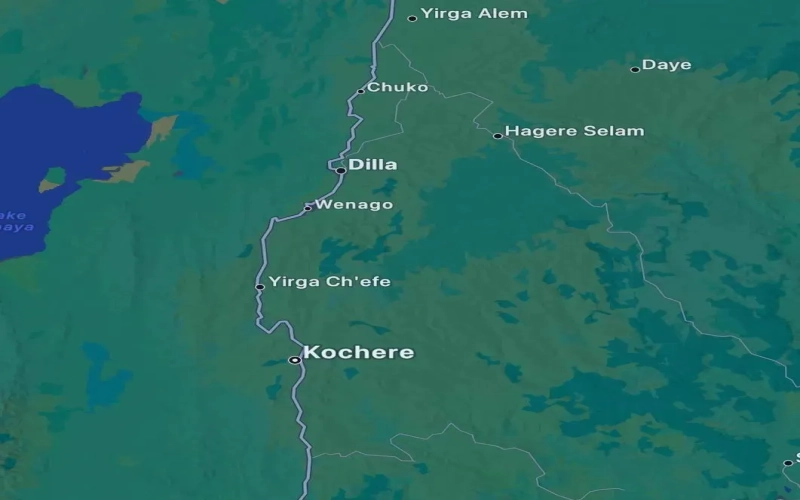
An In-Depth Look at Ethiopia Yirgacheffe Kochere: Flavor and Processing Analysis of Washed G1 Green Coffee Beans
Yirgacheffe is a famous coffee-producing region in southern Ethiopia, and its neighboring Kochere is renowned for high-quality washed green coffee beans. Kochere sits at an altitude of 1,650 to 1,800 meters and possesses advanced processing equipment. The coffee beans it produces have intense flavors, with citrus acidity, jasmine floral notes, and a silky mouthfeel, and Coffee Review once gave them a high score of 94 points. Through cupping, Front Street Coffee found that the Kochere washed G1 lot not only has clean and refreshing lemon and spiced tea aromas, but also retains the stable quality and traceability brought by the washed processing method. This article will introduce in detail the background of the Kochere producing region and the characteristics of its washed processing, and recommend two representative coffees, Front Street Kochere and the Gedeb Cooperative, to take you through the terroir charm of the essence of Yirgacheffe. [more…]
Yirgacheffe Kochere Washed Coffee Flavor Analysis: The Unique Charm of Ethiopia's Specialty Coffee Region
In Ethiopia's Yirgacheffe region, Kochere is considered the cream of the crop. This article provides an in-depth analysis of the origin background, processing methods, and flavor characteristics of Kochere washed coffee, offering a comprehensive presentation of its lively citrus acidity, silky sweetness, and rich floral and fruity aromas, from altitude and varieties to cupping performance. It also introduces Front Street Coffee's Kochere G1 lot and the Gotiti Cooperative beans, helping coffee enthusiasts understand this micro-region's unique value and traceability trends. [more…]

Decoding the Flavors of Coffee's Three Major Producing Regions: Representative Beans from Africa, Latin America, and Asia, Plus Front Street Coffee's Curated Recommendations
Global coffee cultivation is concentrated in the Coffee Belt between 15 and 25 degrees north and south latitude, covering more than 50 countries and forming three major producing regions: Africa, Latin America, and Asia. Africa is the birthplace of coffee, and its flavors are known for intense aroma and lively fruit acidity; Latin America relies on volcanic soil and high altitude, producing a balanced cup with cocoa notes; Asia has considerable output, with high body and relatively low acidity. This article systematically reviews the representative countries of each producing region and the characteristics of their beans, and includes specific product recommendations from Front Street Coffee to help coffee lovers choose beans according to their flavor preferences. [more…]

KFC launches carrot Americano coffee for the Year of the Rabbit, and its bizarre flavor sparks polarized reviews.
In the Year of the Rabbit Spring Festival, KFC K Coffee partnered with Wei Chuan to launch its first juice coffee, "Bunny Loves Carrot Americano," combining carrot fruit-and-vegetable juice with Arabica coffee liquid, priced at 19 yuan, and available in limited release in Beijing, Shanghai, Guangzhou, and Shenzhen starting February 20. This drink quickly sparked a check-in craze thanks to its quirky combination, but reviews have been polarized: carrot lovers highly recommend it, while more people call it a total miss. This article will comprehensively analyze this cup of "carrot Americano" from the perspectives of product information, taste testing, and netizen feedback, and explore the market prospects of vegetables in coffee. [more…]
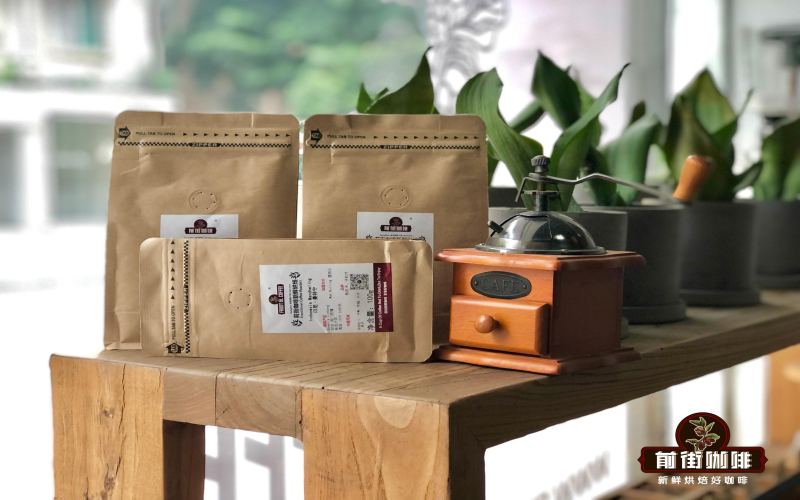
Analysis of Flavor Differences Between Pour-Over Coffee and Espresso Machine Output, with Five Front Street Coffee Everyday Bean Recommendations
Around the question of "Is pour-over coffee really better tasting than coffee from a machine?", Front Street conducted experiments comparing the essential differences between the two in aspects such as pouring method and temperature control. Because pour-over coffee allows flexible adjustment of factors such as water temperature, grind size, and pouring technique, it can customize extraction plans for beans with different roast levels, presenting a fuller and clearer flavor hierarchy; whereas the factory settings of a coffee machine limit this flexibility. The article also introduces brewing parameters corresponding to light roast and medium-dark roast beans, and recommends five classic regional representatives from Front Street's everyday beans series for pour-over enthusiasts to practice and explore. [more…]
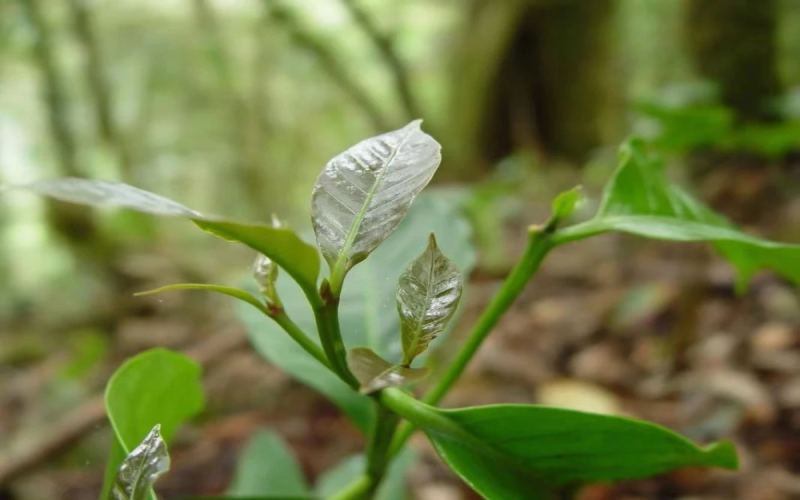
Geisha Coffee Flavor Analysis and Pour-Over Techniques: A Beginner's Guide to Panama Hacienda La Esmeralda Geisha
Geisha coffee, with its floral aromas, tea-like notes, and complex fruit profile, shatters the preconception that coffee is nothing but bitter. This article will walk you through Geisha's origins and the growing background at Hacienda La Esmeralda in Panama, break down why its price keeps hitting new highs, and, using Front Street Coffee's Esmeralda Green Label Geisha as an example, share a complete set of parameters and key steps—from roasting approach to the V60 three-pour hand-brew method—so that even beginners can brew a cup with rich layers and a balanced sweet-tart Geisha flavor. [more…]
2022 China Coffee Bean Price Guide and Buying Guide: What Beans to Use for Opening a Coffee Shop and How to Calculate the Cost per Jin
For friends who want to open a coffee shop or are currently running a café, one of the most pressing questions is: how much does coffee beans cost per catty, and where can you buy them with the best value for money? This article compiles the latest 2022 quotes and purchasing insights from China's coffee bean market, covering estate-level coffee beans from major producing regions such as Ethiopia, Indonesia, Jamaica, Panama, Colombia, and Yunnan, the price ranges from half a pound to one pound, and how different roast levels and processing methods affect flavor and cost. It also specifically retains product information and recommendations from Front Street Coffee, helping you make clearer judgments when selecting beans for your shop. [more…]
Exploring Ethiopia Yirgacheffe Kochere Region: Washed G1 Green Coffee Bean Flavor and Processing Analysis
Yirgacheffe is a famous coffee town in Ethiopia, and its surrounding micro-regions such as Kochere are equally renowned for their outstanding flavors. Kochere is located 25 kilometers southeast of Yirgacheffe, at an altitude of 1,650 to 1,800 meters, and is one of the three major micro-regions of Yirgacheffe. The coffee beans produced there are known for their lively citrus acidity, silky mouthfeel, and rich floral aroma. This article provides a detailed introduction to Kochere's geographical background, grading system, and the advantages of the washed processing method, and recommends two washed G1-grade coffees, Front Street Kochere and Gedeb Cooperative, offering coffee enthusiasts purchasing references and flavor guidance. [more…]