







What Makes Geisha Coffee Taste So Distinct?
Geisha coffee tastes of flowers, tea, berries, citrus, and peach, with a sweet, layered aroma and a tea-like body that overturns the idea that coffee must be bitter. Brewed as a V60 three-pour with a light roast, it shows coffee blossom, cream, yellow lemon, and grapefruit aromas, then citrus, honey peach, honey, melon, and sugarcane as it cools.
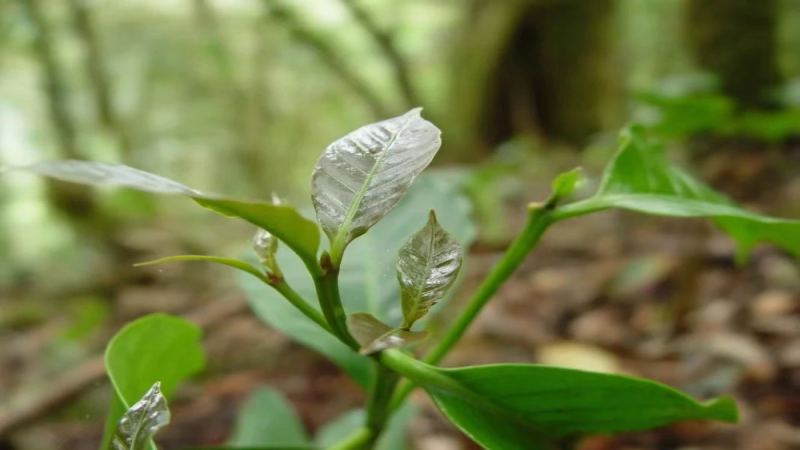
The variety was found in Ethiopia's Geisha forest in 1931, sent to Kenya, then Uganda and Tanzania in 1936, imported by Costa Rica in 1953, and taken to Panama in the 1970s from CATIE seed. Panama's Hacienda La Esmeralda sits near Boquete, and low yields combined with auction demand keep its lots among the most expensive coffee in the world.
Geisha coffee, with its floral aroma, tea-like notes, and complex fruit character, breaks the preconceived notion that coffee is only bitter. This article will guide you through Geisha's origins and the cultivation background of Panama's Hacienda La Esmeralda, analyze why its price keeps hitting new highs, and, using Front Street Emerald Green Label Geisha as an example, share the complete parameters and key operational points from roasting approach to V60 three-pour hand brewing, helping even beginners brew a Geisha with rich layers and balanced acidity and sweetness.
Front Street Geisha Coffee Introduction
The darling of specialty coffee, increasingly expensive Geisha!
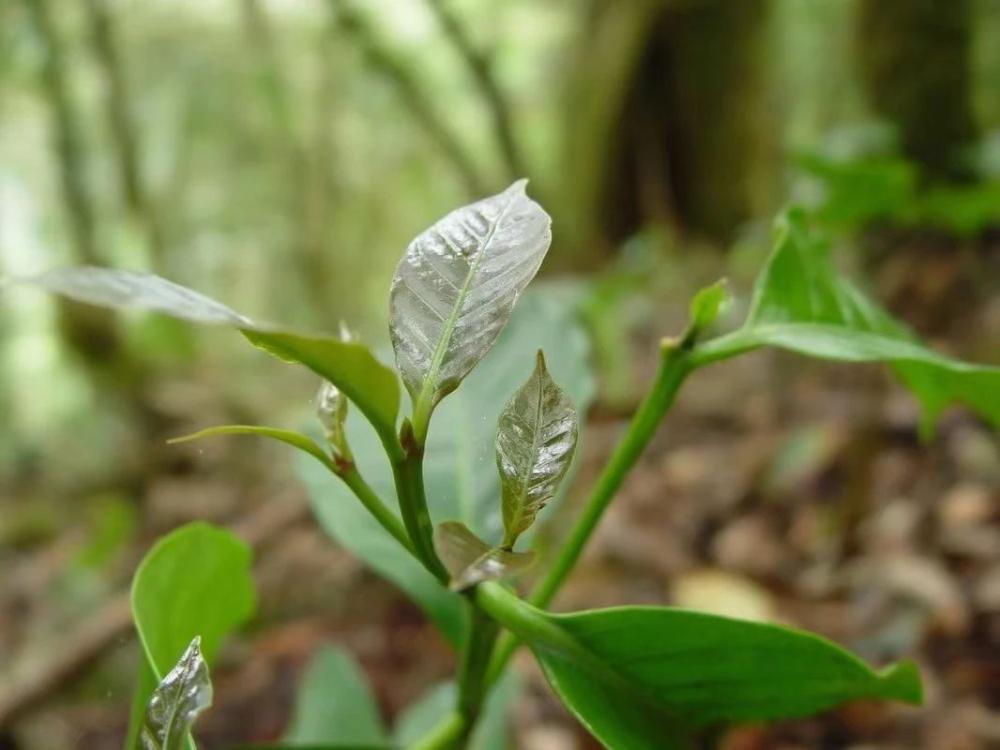
The Geisha variety was first discovered in 1931 in the Geisha forest of Ethiopia, then sent to the coffee research institute in Kenya; in 1936 it was introduced to Uganda and Tanzania, in 1953 Costa Rica began importing it, while Panama in the 1970s, after Mr. Francisco Serracin of Don Pachi Estate obtained seeds from CATIE in Costa Rica, gradually began cultivating it. Due to extremely low yields and the need to participate in auctions, this bean can be said to be hard-won.
Located at the southernmost tip of Central America, Panama, the small mountain town of Boquete's Hacienda La Esmeralda is precisely the birthplace of Geisha-GEISHA, the frequent champion of international competitions. Interestingly, GEISHA is pronounced the same as "geisha" in Japanese, and the word "geisha" also quite conveys the charm of this bean—combining floral, tea, berry, citrus, and peach aromas in one, sweet yet refreshing.
Unlike the traditional "coffee taste," Geisha possesses a sweet and complex aroma that immediately evokes fresh flowers and various fruits, along with a tea-like mouthfeel, instantly shattering the impression that "coffee is only bitter." When a barista tastes Front Street Emerald Green Label Geisha, they can smell pleasant aromas of coffee blossom, cream, yellow lemon, and grapefruit. As the temperature gradually drops, the palate reveals clear citrus, honey peach, honey, melon, and sugarcane flavors, mixed with the lingering sweetness of green tea and a caramel finish.
Why is Hacienda La Esmeralda's Geisha getting more expensive, repeatedly hitting new highs?
First, its own conditions are excellent—good quality, excellent flavor.
Second, low yield—things are precious when they are rare.
Geisha has many cultivation restrictions, like a delicate beauty, requiring extra time and energy to care for, and its harvest volume is also lower than traditional varieties.
It also demands high altitude—only Geisha grown above 1,500 meters can display this coffee variety's unique flavor, but there is too little land at high altitudes suitable for growing coffee trees, further reducing the possibility of mass production of Geisha.
Front Street Geisha coffee is world-renowned for its rich floral aroma and complex fruit character. Front Street Emerald Red Label and Front Street Emerald Green Label are the most famous. Front Street roasters hope to preserve more of Geisha's high-quality acidity, so they choose a medium-light roast. This roast level does not change much of the high hardness of high-altitude beans, so brewing requires a certain increase in extraction rate to present a fuller flavor layering. Front Street will use a higher water temperature and a finer grind to stimulate more aromatic substances. Additionally, we hope Front Street Geisha coffee's floral and fruity notes are clearer, so we widen the coffee-to-water ratio slightly, using 1:16.
To improve the extraction rate of Front Street Geisha coffee and avoid over-extraction while highlighting the layers of acidity and sweetness, Front Street baristas use a V60 dripper. The V60 dripper's body has guiding ribs connecting the top and bottom and a large central hole that speeds up water flow, while the spiral-shaped vent groove design lengthens the water flow path, increasing the contact time between coffee grounds and hot water. Each stream of water converges along the grooves toward the center of the dripper, concentrating the pressure on the coffee grounds, resulting in a richer layered extraction.
Dripper: V60 Water temperature: 91-92℃ Dose: 15g Coffee-to-water ratio: 1:15 Grind size: fine granulated sugar (80% passing through a No. 20 sieve)
Three-pour extraction: For the first pour, use 30g of water to bloom for 30 seconds, pouring evenly in a circular motion to form a dome. For the second pour, add 95g of hot water. When the coffee bed drops halfway, begin the third pour of 100g until all coffee has finished dripping. Note to start pouring from the center point, using a gentle, small stream in circular motions throughout to avoid uneven extraction. Finally, once the coffee liquid has finished dripping, gently swirl to even it out, and you can begin tasting Geisha's flavors starting from high temperature.
The hand-brewed Front Street Emerald Green Label Geisha coffee enters with a bright, fresh lemon acidity, while also revealing a delicate jasmine-like aroma. As the temperature drops, acidity and sweetness intertwine, like berry juice. The finish presents a clear green tea note, with highly complex flavor layers and a full, smooth, and pleasant mouthfeel.
The above content is compiled by CoffeeHunters, a coffee news website.


