







Search Results for: beautiful useless thing
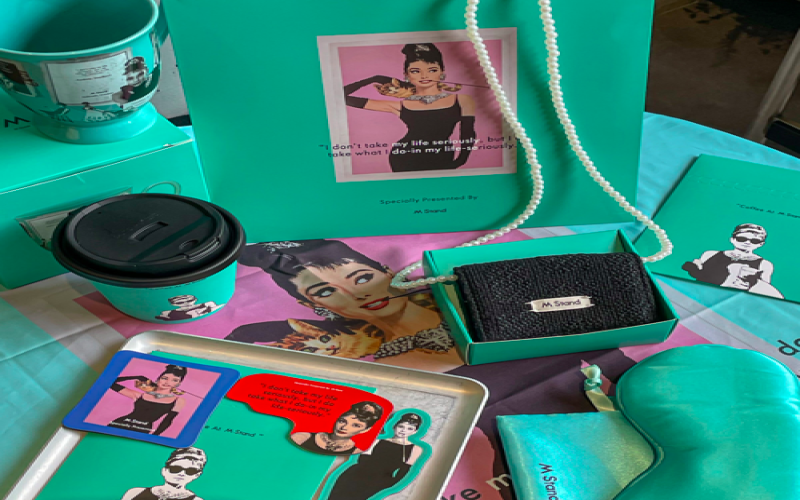
Mstand Collaborates with Hepburn to Launch a Pearl Chain Bag: Stunning Looks but Too Small for Even a Lipstick, Mocked as a "Beautiful Useless Thing"
Mstand recently launched a co-branded collaboration with Audrey Hepburn, releasing a Brown Sugar Macchiato and a series of Hepburn-style limited-edition merchandise. Among them, the pearl chain Mini Crossbody Bag sparked a buying frenzy thanks to its high aesthetic appeal. However, after the first batch of consumers received the actual product, they discovered that the bag was extremely small—too small to even fit a single lipstick—making its practicality far lower than expected. It was jokingly dubbed a "beautiful piece of junk that can only hold emotional value." Mstand had previously earned the nickname "the luggage factory of the coffee world" for practical merchandise like its "grocery basket" and denim bag. This collaboration, however, left many fans disappointed. This article will review the actual situation and consumer feedback regarding this collaborative merchandise, and explore the balance between aesthetics and practicality in brand merchandise development. [more…]
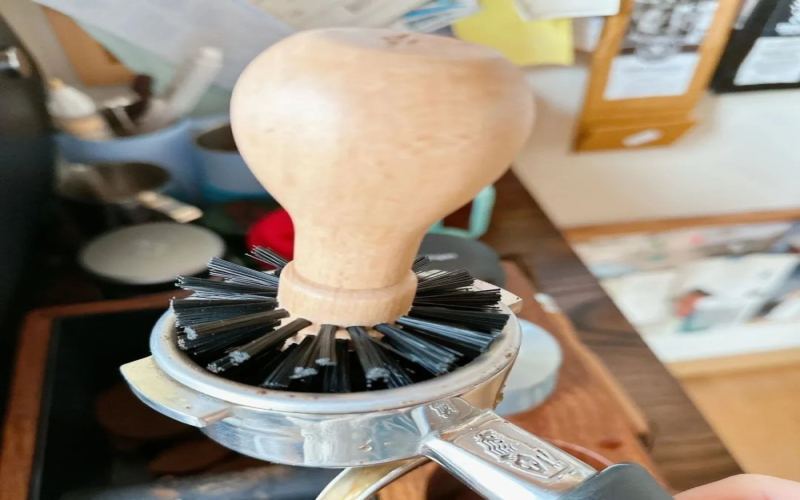
How many tools does a good cup of coffee really require? A closer look at the coffee accessories that tend to sit idle
As the saying goes, "To do a good job, one must first sharpen one's tools." Many coffee enthusiasts, when scrolling online and coming across various functional coffee gadgets, are often drawn in by their good looks and labels like "must-have神器" and "extraction aid," and can't resist adding them to their shopping carts. But after buying them and bringing them home, they discover that most of these things end up as "beautiful junk." To make a delicious cup of coffee, how many tools do you actually need? Does having more complete equipment and more professional gear make coffee taste better? This article reviews eight types of auxiliary tools—portafilter basket cleaning brushes, automatic portafilter cleaners, portafilter basket storage racks, portafilter basket tamping aids, portafilter scale stands, automatic drip bag brewing machines, small stainless steel bean hoppers, and filter paper presses—analyzing their practicality and their uselessness one by one, to help you avoid unnecessary expenses. [more…]
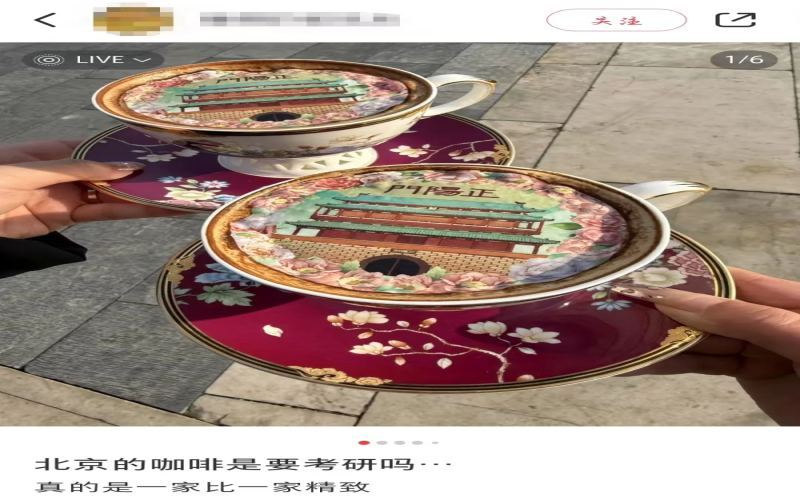
Colorful latte art has gone viral on social networks—edible printed rice paper: creative innovation or gimmick? Coffee lovers are divided.
Recently, a latte decorated with an image of the Zhengyangmen Gate Tower in Beijing sparked heated discussion on social media. The exquisite edible color-ink printing amazed many netizens with the café's ingenuity, but some also frowned at the colorful design on the surface of the liquid. What materials are actually used to make this type of color-printed coffee, jokingly called "graduate-exam level"? Does it add brilliance to the drink, or has it become a photogenic prop that looks good but is useless? Judging from shares by coffee lovers in various places, printing scenic spots, portraits, or brand logos on the surface of lattes is already nothing new, yet controversy over its taste and food safety has never ceased. This article will guide you through the production principles behind this visually stunning coffee, as well as consumers' true attitudes of love and hate toward it. [more…]
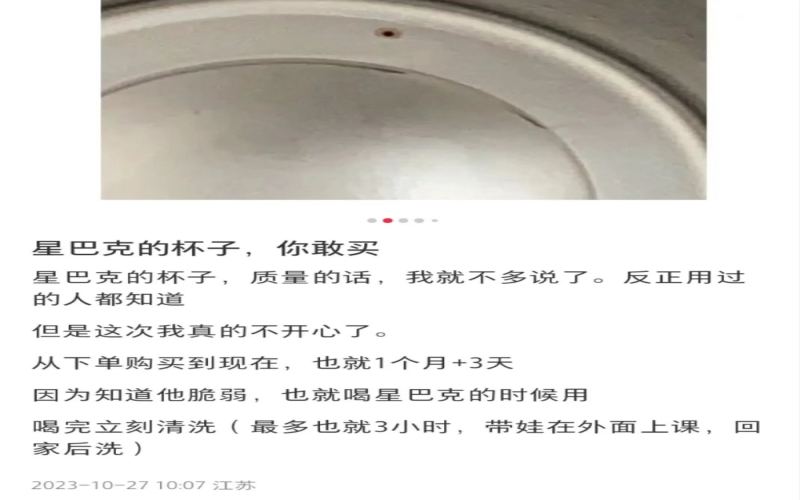
Rust Spots Found in Starbucks Stainless Steel Insulated Tumbler's Interior Spark Quality Controversy, Drawing Attention to Consumer After-Sales Rights Protection
It is no longer news that chain coffee brands sell merchandise. Products such as cups, pins, and canvas bags can not only increase revenue but also cultivate fan loyalty. However, once merchandise has quality problems, after-sales disputes follow one after another. Recently, a netizen posted that the bottom of the inner liner of a stainless steel insulated cup they bought from Starbucks had black rust spots, and when they asked the official side for a replacement, they were refused on the grounds that it was "beyond the after-sales time limit." The post resonated with a large number of consumers. Some complained that quality control was worrying, while others believed that the way it was used might be the key. Three days after the incident gained traction, the blogger updated the progress, saying that Starbucks had agreed to replace it. Who is actually responsible in this dispute? And how should brands balance the appearance and quality of merchandise? [more…]
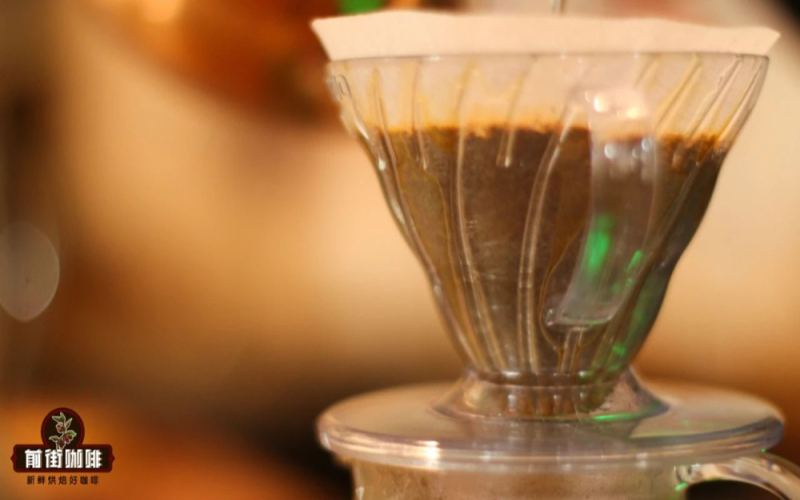
Don't Let Expired Coffee Grounds Go to Waste: Many Practical Uses and Ways to Reuse Coffee Grounds in Daily Life
For coffee lovers, the large amount of coffee grounds left after each brew is often a dilemma—simply throwing them away seems a bit wasteful. In fact, with a little clever use, these seemingly useless grounds can easily be turned into something valuable. Front Street Coffee reminds everyone that coffee grounds are not only excellent plant fertilizer, but also have multiple benefits such as deodorizing, preventing flavor transfer, beautifying and calming the mind, and even refreshing the senses. From flowerpot fertilizer to shoe cabinet dehumidifying, from preventing flavor transfer in the refrigerator to making your own calming pillow, the uses of coffee grounds in daily life are far beyond imagination. This article will systematically sort out practical tips for using coffee grounds, helping you easily achieve resource reuse while enjoying coffee, so that every particle of coffee powder can deliver maximum value. [more…]
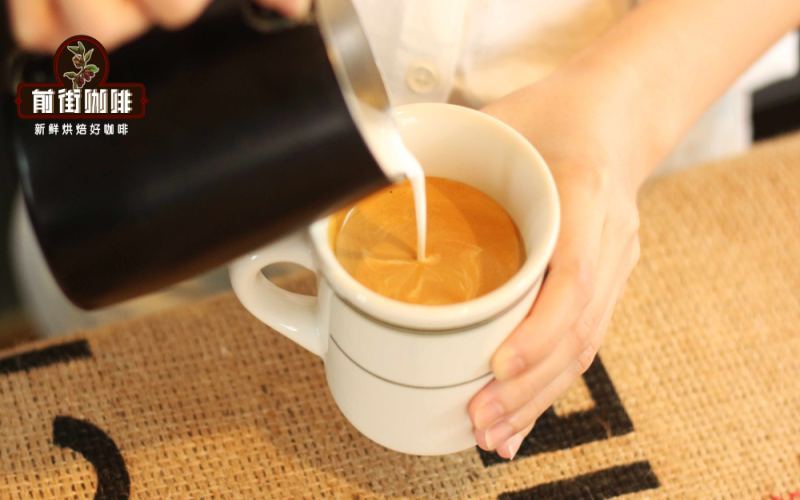
Learning Coffee Latte Art from Scratch: A Detailed Guide to Practical Techniques for Steaming Milk with a Steam Wand and Integrating Latte Art
Those new to coffee latte art often run into the same confusion: they watch others casually pour a beautiful heart or tulip, but when they try it themselves, the milk turns into clumps, and they can't even make the most basic pattern. In fact, latte art isn't as mysterious as it seems—the key lies in mastering a few core elements: milk frothing, the pouring technique, and the pitcher-holding posture. From the perspective of Front Street, this article systematically explains how to use a coffee machine's steam wand to create dense, well-balanced microfoam, how to choose espresso beans suitable for latte art, and the details to pay attention to during pouring and practice. It will also recommend Front Street Classic Blend, a bean suitable for beginners and for use in cafés, to help everyone take fewer detours on the road to practicing latte art. [more…]

Ten easily overlooked details in pour-over coffee, Front Street breaks them down for you one by one
Many coffee enthusiasts, when brewing pour-over coffee, follow established parameters yet the final flavor often deviates from expectations—the problem usually lies in those easily overlooked operational details. Front Street Coffee has compiled ten points that beginners most often neglect, covering pre-grinding burr rinsing, filter paper fitting, tapping the dripper, checking before pouring, timing of water temperature confirmation, parameter execution, bloom saturation, focusing on the coffee bed rather than the scale, shaking for evenness, and correctly interpreting the shape of the spent coffee bed. These details may seem minor, but they directly affect extraction uniformity and the final taste. Mastering them will help you pinpoint the source of problems more quickly during troubleshooting, bringing every cup closer to the ideal state. [more…]
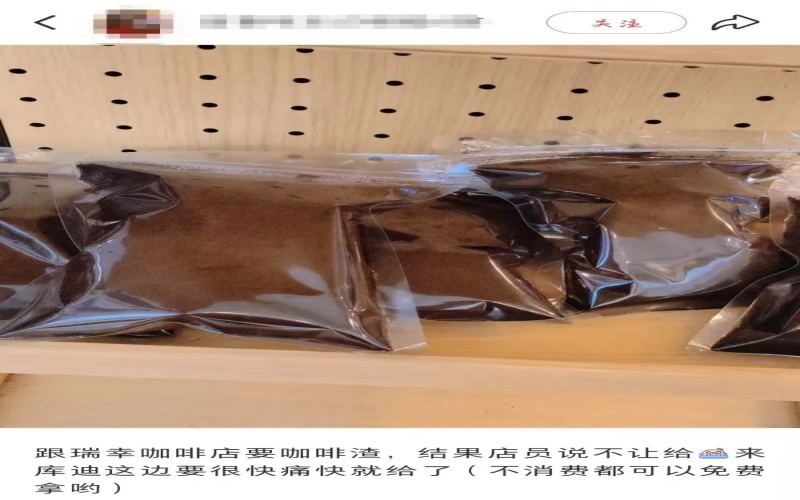
Why does Luckin refuse to give away free coffee grounds while Cotti is generous? Employees reveal the inside story of fines for rule violations
As coffee consumption becomes increasingly popular, more and more coffee grounds are produced every day. These seemingly useless "waste materials," through the clever reuse of netizens, have become treasures for composting and deodorizing. However, when consumers want to ask coffee shops for free coffee grounds, they encounter completely different treatment: Luckin stores strictly refuse, while Cotti generously gives them away. What exactly are the regulations and hidden reasons behind this? This article takes you to find out, and includes practical advice from Front Street Coffee. [more…]
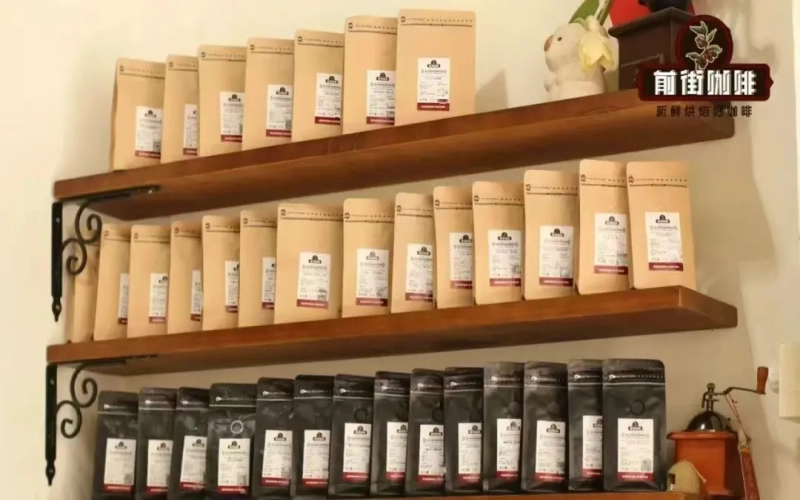
Do Frozen Coffee Beans Need to Be Thawed? From Storage Methods to Brewing Parameters, a Complete Guide to Using Frozen Coffee Beans Correctly
Does putting coffee beans in the freezer really extend their peak flavor window? Some friends have found that beans that have been frozen brew up with weaker aroma and a thin body, and so they suspect freezing is useless. In fact, freezing really can slow down coffee bean degassing and extend freshness, but only if storage and brewing are both done right. This article covers everything from airtight portioning and preventing condensation, to the two routes of brewing frozen beans directly versus brewing after thawing, and uses comparison data from Front Street Yirgacheffe · Gutingding to help you fully understand the complete operational logic of frozen coffee beans in one go. [more…]
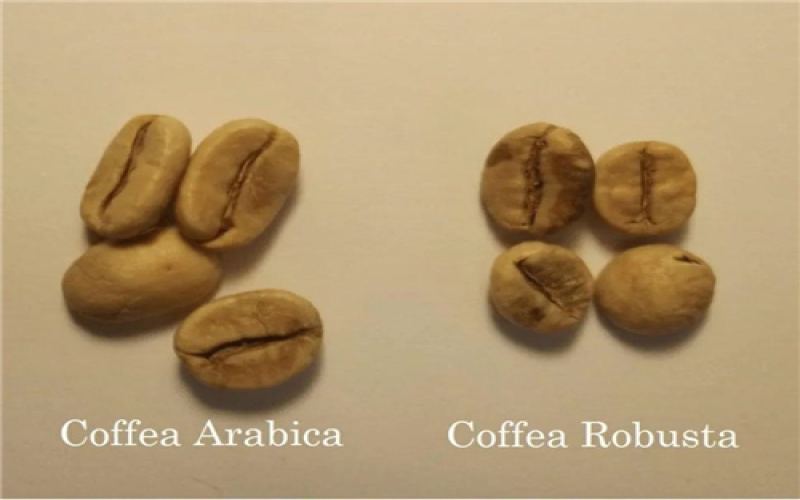
Robusta Pour-Over Coffee Flavor Test: Can It Really Not Be Made Into Single-Origin Coffee?
Robusta beans are often seen as a supporting player in espresso blends—they are rich in oils, high in body, and easy on the wallet, but their shortcomings in flavor keep them out of the pour-over world. This time, Front Street Coffee decided to get hands-on and run a pour-over experiment with dark-roasted Vietnamese robusta to see what kind of flavor it can actually deliver. The article will also discuss the differences between robusta and arabica in appearance, composition, and cultivation, as well as today's attempts at "specialty-grade" robusta. If you're curious whether robusta can be brewed as a single origin, or want to understand its value in blends, this hands-on test will give you a straightforward answer. [more…]
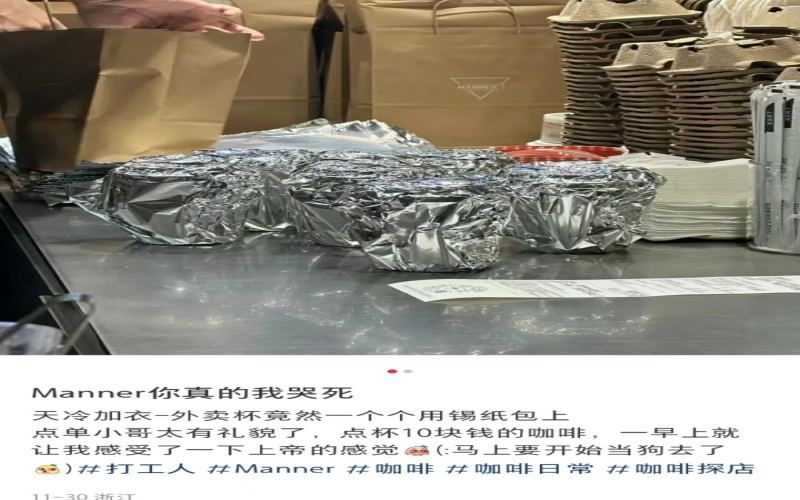
Manner's foil-wrapped hot coffee for insulation goes viral: thoughtful detail or excessive packaging?
When the December cold wind picks up, friends who order hot coffee delivery start worrying again: by the time it arrives, it's often just lukewarm, and drinking it is really not comforting enough. To preserve that warm sip, coffee shops are pulling out all the stops. Recently, netizens noticed that Manner's baristas wrap each hot delivery cup in shiny silver foil, as if adding a winter coat to the cup—a sight that is both surprising and a bit amusing. Some joked that spending ten yuan on a coffee actually gave them the feeling of being cherished. Is this layer of foil just for show, or can it really lock in the heat? Consumer feedback is almost unanimously one-sided: when peeling off the foil, the contents are shockingly hot, so much so that you have to turn on a fan to cool it down. In fact, this is not Manner's first year trying it out; it was already implemented last year. Behind heat preservation lies a common drinking principle: as temperature drops, acidity and bitterness become more pronounced. Is Manner's move just formalism or a scientific plus? Front Street is here to take you on a deep dive. [more…]
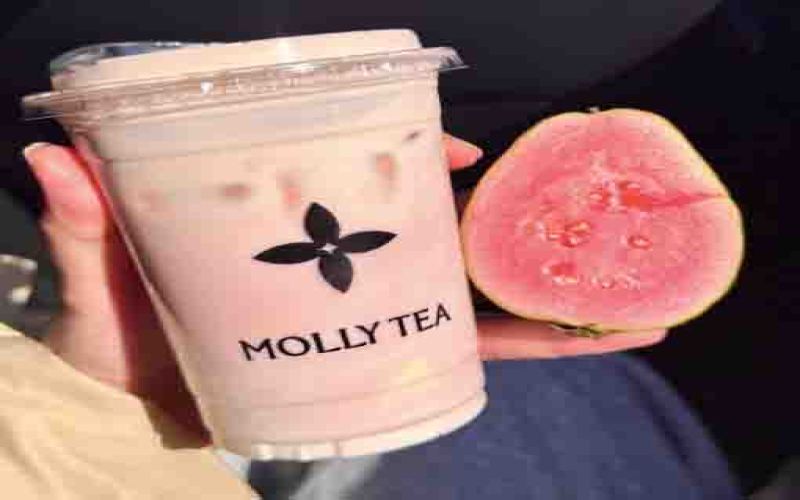
Jasmine Milk White Guava new drink criticized for astonishing amount of ice: the "less ice" option is practically useless, with ice filling half the cup.
Molly Tea recently launched its seasonal limited-edition "Exotic Guava Series," and the two new drinks—"Jasmine Cream Guava" and "Jasmine Guava Milk Skin"—quickly attracted a large number of consumers eager to try them, thanks to the pretty pink appeal of red-fleshed guava. However, not long after they hit the shelves, feedback flooding social platforms unexpectedly converged on one focal point—too much ice. Many customers found that even when they chose "less ice," the drink shrank by more than half after the ice was scooped out; some even fished thirty-five ice cubes out of a single less-ice drink. What exactly is going on here? And what secrets lie behind the ice standards at tea beverage shops? As an observer deeply engaged in coffee and beverage culture, Front Street Coffee is also paying attention to this phenomenon. [more…]

Luckin's Christmas limited-time campaign causes store order surges, frontline employees say they can't handle it
Christmas has just ended, and while most consumers are still basking in the warm festive atmosphere, Luckin Coffee's frontline employees have experienced what can only be described as a "Christmas calamity." The brand's limited-time Christmas perk—a co-branded sticker free with any drink purchase—was intended as a goodwill gesture to reward customers, but unexpectedly triggered a massive surge in orders across stores nationwide. Label printers kept churning out endless strips of labels, drink stickers and gift stickers became indistinguishable from one another, and on top of that, two new Christmas drinks with nearly identical recipes launched simultaneously, leaving already busy baristas overwhelmed. What kind of chain reaction did this 24-hour holiday campaign actually bring to store operations? This article recreates the real experiences of Luckin's workers on this particular Christmas. [more…]
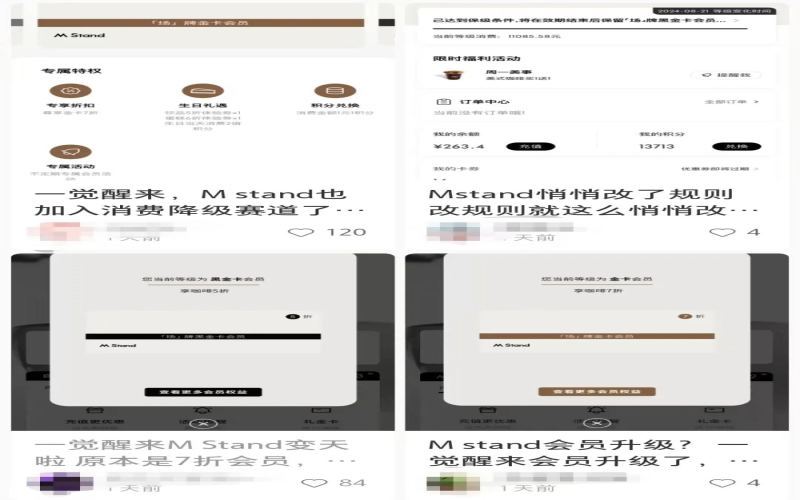
Mstand's Membership Points Rules Change Abruptly: Cancellation of Points-for-Drinks Redemption Without Prior Notice, Shrinking Points for Long-Time Users Sparks Dissatisfaction
Mstand, a chain coffee brand, recently suddenly cancelled its long-term promotion where members who bought 10 cups could exchange them for 1 free cup, without any prior announcement, and forcibly converted users' accumulated points into credits. After the adjustment, these credits can no longer be redeemed for free drink vouchers and can only be exchanged for discount vouchers with limited value, triggering widespread dissatisfaction among many long-time users. Some customers were just 1 cup away from redeeming a free coffee but found the promotion had been taken down; users with thousands of accumulated points in their accounts even said outright that the points had become "useless." In fact, Mstand has repeatedly cut member benefits in recent years, and this adjustment without warning has been criticized for harming the rights and interests of too many users. This article reviews the course of the incident, user reactions, and the changing trajectory of the brand's membership system. [more…]

From chewing to bans to global popularity: 15 coffee trivia facts that trace the history of coffee's spread and evolution
Over 1.3 billion people worldwide start their morning with a cup of coffee every day, but the history of coffee's spread is far less straightforward than one might imagine. Originally, people did not treat it as a beverage; instead, they mixed coffee cherries with animal fat to make energy balls to chew on. In the Middle Ages, it was used as a medicinal herb, and later on the Arabian Peninsula, it evolved into a stimulating drink called Gahwa. Upon entering Europe, coffee was once boycotted or even banned for religious and political reasons—Sweden once prohibited the sale of coffee along with cups and saucers, and the Ottoman Empire imposed capital punishment on those who drank it publicly. Meanwhile, anecdotes such as the predecessor of instant coffee and Brazil sending athletes to competitions with coffee beans abound. This article, through 15 fun facts, traces coffee's long journey from being misunderstood to being sought after, while retaining relevant recommendations from Front Street Coffee for coffee enthusiasts to refer to and exchange ideas. [more…]
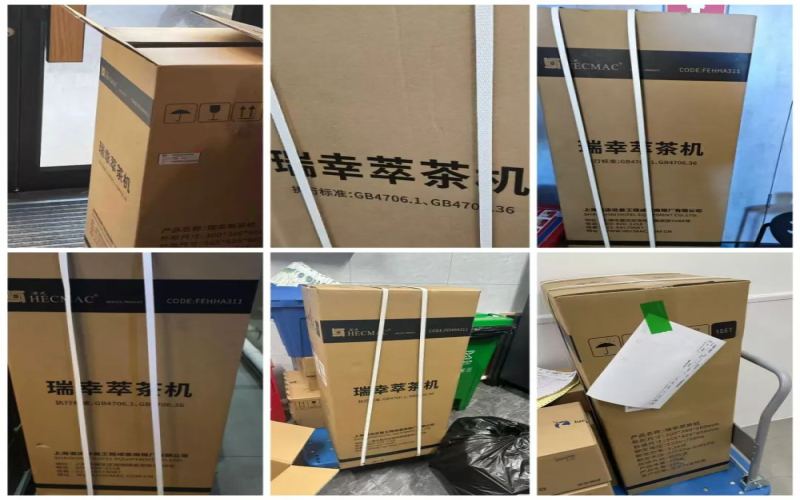
Luckin's tea brewing machines get the cold shoulder at stores: wrapped in cling film, slapped with "do not use" signs, yet rolled out nationwide only to sit idle on counters
Since last December, Luckin Coffee has piloted tea extraction machines in some stores in Guangzhou, planning to replace tea powder in light milk tea with freshly extracted hot tea to enhance the taste and health attributes of the drinks. However, since the testing phase, this device has been complained about by store staff as "good to look at but useless." Now that it has been gradually rolled out nationwide, many stores have wrapped it in plastic wrap and affixed prohibition stickers, turning it directly into an idle ornament on the counter. Staff feedback indicates that it is cumbersome to clean and inefficient, instead increasing the workload. Although management requires its use, frontline employees still deal with back-end detection by "turning it on at the start of the shift and off at the end." This article sorts out the various real-world dilemmas encountered during the tea extraction machine's journey from pilot to promotion, as well as the game between the brand and the stores. [more…]
Don't rush to throw away coffee grounds! 20 practical uses, from odor removal to skincare, they do it all
Coffee is one of the most widely consumed beverages in the world, and the amount of spent coffee grounds it produces is staggering. Many people simply throw away the grounds after brewing, but these seemingly useless remnants actually hold a great deal of overlooked value. From deodorizing the fridge and removing odors from your hands, to hair care, natural dyeing, repelling ants, and fertilizing plants, coffee grounds can be put to use in household cleaning, personal care, gardening, and even cooking. This article compiles 20 practical and interesting uses for coffee, helping you get the most out of it before you throw it away. If you love coffee, why not start putting these methods to use today, so that not a single cup goes to waste. [more…]
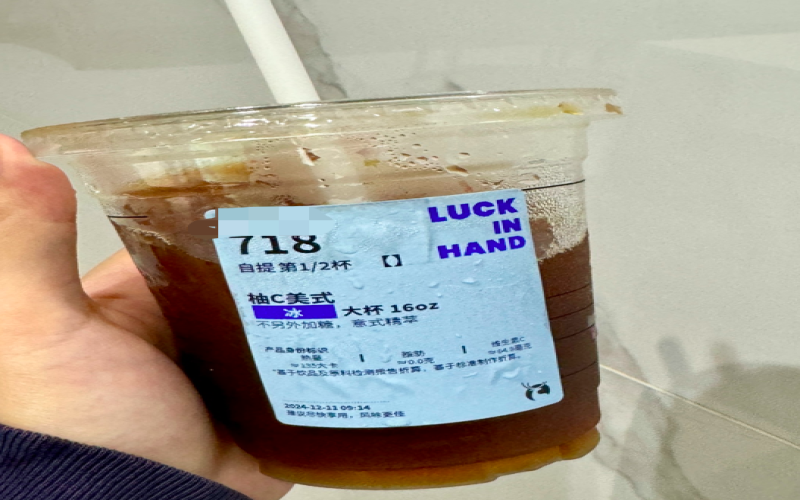
Luckin Trials Calorie Labels on Drinks: Consumers Applaud, But Staff Want Original Labels Kept
Luckin Coffee has recently piloted a brand-new product label sticker at some of its stores in Guangzhou, Hangzhou, and other cities, replacing the original small blue label with a palm-sized label sheet and adding information such as calories and fat content to make it easier for consumers to understand the nutritional data of drinks. This change aligns with the current trend in the tea beverage industry of giving drinks a "product ID" and has won recognition from many users. However, Luckin employees are quite unhappy about it, arguing that the large label does not show the order notes they need most and instead slows down order fulfillment efficiency. This controversy over the label stickers reflects the difficult balancing act brands face between consumer demand and frontline operational efficiency. [more…]
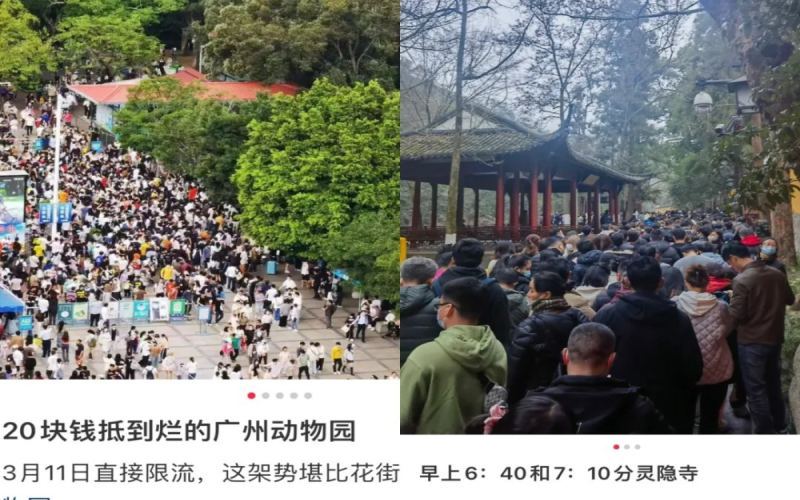
Why is temple coffee going viral? The psychology and consumer logic behind young people flocking to temples to burn incense and drink coffee
In recent years, among those booking tickets to temple scenic spots, the post-90s and post-00s generations have accounted for nearly half, and temples that enshrine the God of Wealth or have coffee shops in particular have become popular destinations for young people to check in. Burning incense while drinking coffee—a lifestyle that seems contradictory yet runs in parallel—reflects what kind of psychological needs among today's young people? Why exactly has the cross-boundary combination of temples and coffee become so popular? Starting from young people's motivations for visiting temples, this article analyzes the dual effects behind the rise of temple coffee and explores how the coffee industry and temple operations can help each other succeed through this collision. At the same time, the article retains recommendations and introductions related to brands such as Front Street Coffee for coffee lovers' reference. [more…]

A handmade wood-fired clay pot was smashed, and the customer left without compensating—how should a coffee shop owner handle this rationally?
Recently, a coffee shop owner ran into a frustrating situation: after a customer accidentally broke a handmade wood-fired pot in the shop, the customer not only refused to pay for it but also tried to quietly drive away. The owner offered a discounted compensation plan of a few hundred yuan, but the customer accused the shop of extortion. The incident sparked heated discussion online: should coffee shops use expensive vessels? How much responsibility should consumers bear for unintentional damage? This article sorts out the course of events, the views of all parties, and explores reasonable ways to resolve similar disputes. [more…]