







What does the temple coffee trend say about coffee is like for young people?
Temple coffee has gone viral because young Chinese visitors, mostly post-90s and post-00s, now make up nearly half of ticket bookings at temple scenic spots, especially temples linked to the God of Wealth or those housing coffee shops. Burning incense and drinking coffee in one visit combines a quiet, low-pressure space with a familiar daily drink, and the two habits reinforce each other instead of clashing.
The draw is less about religion and more about settling a restless mind: the sound of the wooden fish, the smell of incense, and a seat under a large banyan tree give visitors a way to release stress before returning to work. For coffee brands, coffee knowledge and crossover menus can turn a check-in visit into repeat traffic when the offer stays simple.
In recent years, among those booking tickets to temple scenic spots, the post-90s and post-00s generations have come to account for nearly half. Temples that enshrine the God of Wealth or house coffee shops in particular have become popular check-in destinations for young people. Burning incense on one hand and drinking coffee on the other—a lifestyle that seems contradictory yet perfectly compatible—reflects what kind of psychological needs among today's youth? Why exactly has the crossover combination of temples and coffee become so popular? Starting from young people's motivations for visiting temples, this article analyzes the dual effects behind the rise of temple coffee and explores how the coffee industry and temple operations can help each other succeed through this collision. At the same time, the article retains recommendations and introductions related to brands such as Front Street Coffee for coffee lovers' reference.
For professional coffee knowledge exchange and more coffee bean information, please follow Coffee Workshop (WeChat public account: cafe_style)
For more specialty coffee beans, please add the private WeChat of Front Street Coffee (FrontStreet Coffee), WeChat ID: qjcoffeex
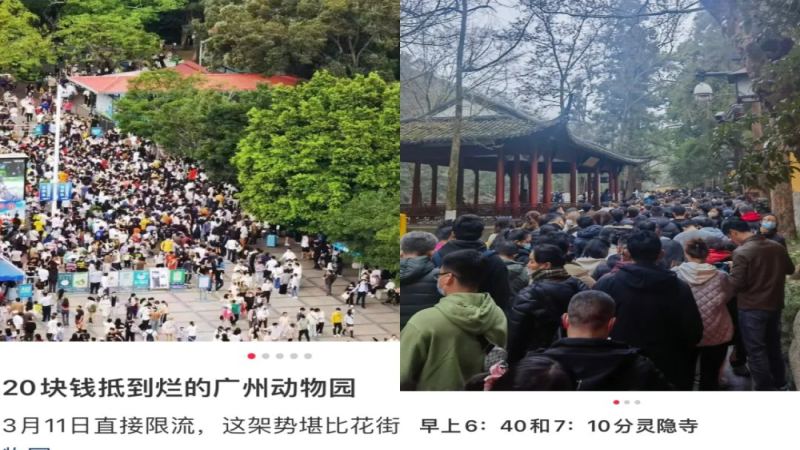
Recently, the hottest attractions are none other than zoos with pandas and temples with the God of Wealth and coffee.
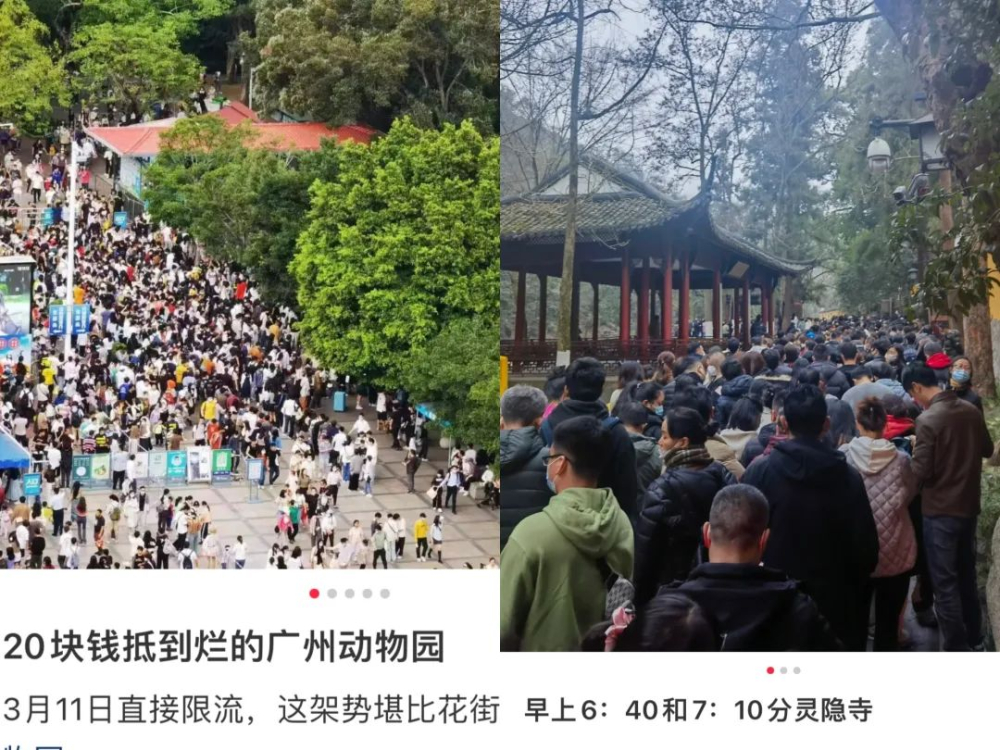
Since this year's Spring Festival, among those booking tickets to temple scenic spots, the post-90s and post-00s generations account for nearly 50%. Temples that enshrine the God of Wealth or have coffee shops in particular have become key check-in spots for young people.
Why have today's young people fallen in love with visiting temples?
When asked why young people go to temples, netizens answered: "Between working hard and moving up, I choose to burn incense," "Between systems and connections, I choose the Buddhist way"... Some netizens even joked that it's probably because they know relying on themselves is useless, so they can only rely on the gods.
From netizens' answers, we can see that contemporary people really have it tough... Young people going to temples are perhaps more looking for a place to settle their restless souls. Listen to the sound of the wooden fish, smell the scent of incense, sit quietly under the large banyan tree, freely release stress and anxiety, so that when they return to reality, they can become calm, thoughtful, and love life again.
Going to temples is about gaining new spiritual support, so that when things happen, you can comfort yourself with "It's fine, good fortune is yet to come." And drinking coffee is also a ritual—through caffeine intake, you perk yourself up to welcome new things.
The rise of temple coffee is not just about novelty—it's also a "dual effect in one."
For young people, visiting temples and drinking coffee are essentially different, but their goals are somewhat similar.
Even though the products from these temple coffee shops are often criticized by netizens for being inconsistent and the service not professional enough, young people's love for temple coffee remains unstoppable, because temple + coffee is like giving young people a "dual effect in one" encouragement.
Temples emphasize atmosphere and experience, while coffee emphasizes trendiness and the effects of caffeine. Spiritually, there is the calm that temples bring; physically, there is the caffeine stimulation that dissolves anxiety. The effect may not be significant, but as long as it can help someone perk up, that's already enough.
Temples and coffee also complement each other
Temples have regained young people's attention—beyond anxious hearts, the coffee shop in Yongfu Temple played an indispensable role. Compared to opening tea houses inside temples, the sense of conflict brought by adding coffee shops not only brings new ideas to the coffee market and freshness to consumers, but also supports a temple's incense business.
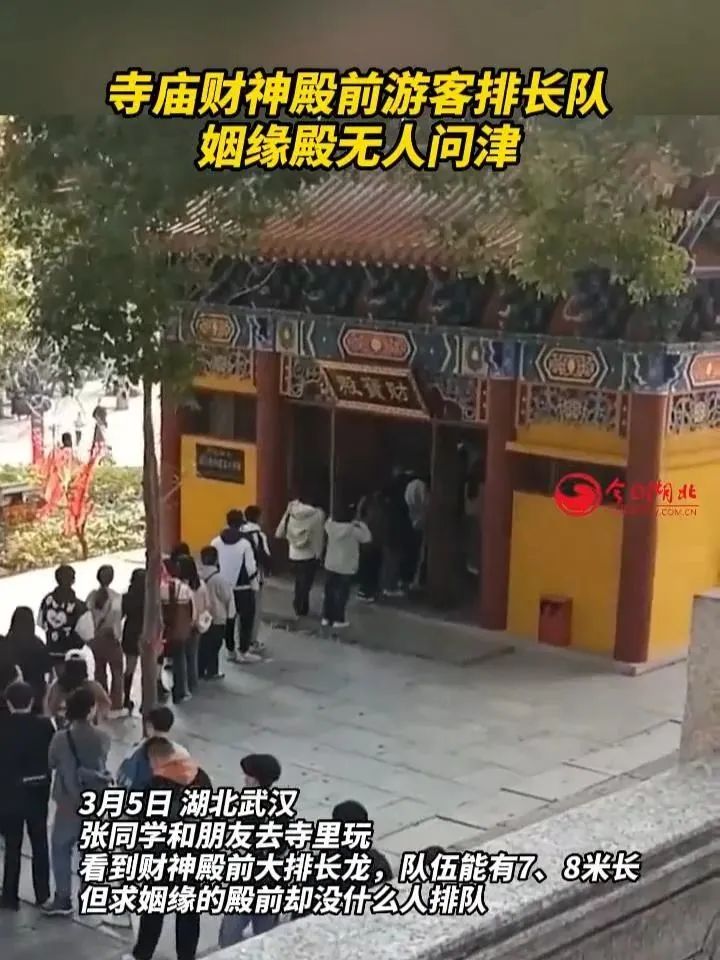
Even now, many netizens still评价 temple coffee as "lowbrow," because those who go aren't genuinely praying, and the arrival of coffee has disrupted the tranquility of the temple. However, for many years, temple visitors have mostly been middle-aged to elderly, which is not a long-term strategy for temple operations.
Young people attracted through various innovations, merchandise, and conflicting elements may be a passing phase, but perhaps they can also give young people a new understanding of temples and help them find spiritual sustenance, thereby paying more attention to temples.
For cof fee and coffee shops, rather than unchanging product names and similarly styled decor, a coffee shop called "Cibei" and an Americano called "Difan"—full of Zen-inspired names—have captured the hearts of Chinese people who have always loved symbolic meanings, and also captured the hearts of anxious young people.
Temples need to open up new markets, attract more young people's attention, maintain current temple operations, and lay the groundwork for the future. Coffee also needs the atmosphere and experience of temples to bring new ideas to the coffee industry's innovation.
Image source: Internet
The above content is compiled by CoffeeHunters, a coffee news website.


