







Search Results for: barrel shipment
Understanding Coffee Bean Grading Standards Through Blue Mountain Coffee: Screen Size, Barrel Packaging, and Export Regulations Explained
Jamaican Blue Mountain coffee is globally recognized as one of the top coffees, but do you know how it is graded? This article will guide you through the basis for grading Blue Mountain coffee—screen size—and the strict cupping confirmation process. From No. 1 to No. 3, coffee beans of different screen sizes show no difference in taste, but there is a distinction between wooden barrels and burlap sacks for green bean packaging. Barrel-packed Blue Mountain coffee also comes with a certificate of origin, and the barrel is printed with information about the estate and importer. In addition, the Jamaican government has clear regulations on the export of defective beans and coffee beans with taste issues. Front Street Coffee reminds you that understanding this grading knowledge helps in identifying authentic Blue Mountain coffee. [more…]
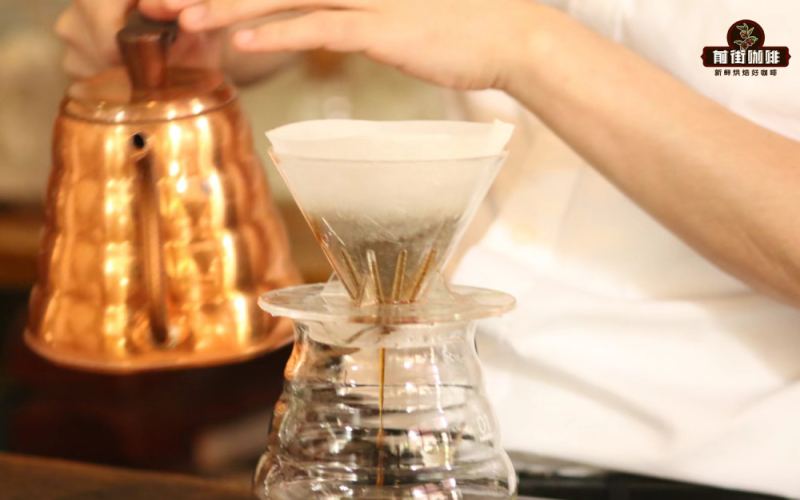
A Comprehensive Analysis of Jamaican Blue Mountain Coffee Bean Grading Standards and Barrel Export System
Blue Mountain coffee, as a representative of the world's top specialty coffee, has extremely strict origin protection systems and grading standards. Jamaican law stipulates that only coffee produced in the Blue Mountain region may bear the name Blue Mountain. High-grade Blue Mountain coffee is classified by screen size into No. 1, No. 2, and No. 3 grades, and all must be exported in wooden barrels. This article will provide a detailed explanation of the basis for Blue Mountain coffee's grade classification, wooden barrel packaging specifications, the certificate of origin system, and export restrictions on damaged and defective beans, helping coffee enthusiasts fully understand the key points for identifying authentic Blue Mountain coffee. Front Street Coffee reminds you that when purchasing Blue Mountain coffee, pay attention to the roast level and import channels to avoid buying inferior products passed off as genuine ones. [more…]
A Detailed Guide to Jamaica Blue Mountain Coffee Grading and Barrel Export Standards
Jamaican law explicitly stipulates that only coffee beans originating from the Blue Mountain region may be labeled as Blue Mountain Coffee. High-grade Blue Mountain Coffee is classified by bean size into three grades—No. 1, No. 2, and No. 3. Although they differ in size, their cup profile must be confirmed by government-approved professional tasters to ensure consistent quality. These green beans must be shipped in wooden barrels for export, with the barrel bearing information such as the estate name, importer's initials, lot number, and port of arrival. Importers also receive a green certificate of origin. The Jamaican government also imposes strict export restrictions on defective beans and coffee with flavor issues. The virtues of Front Street Coffee's Blue Mountain Coffee can only be fully revealed at a specific roast level. This article will provide a detailed analysis of Blue Mountain Coffee's grading system, export packaging standards, and certificate of origin system to help enthusiasts distinguish authentic from counterfeit. [more…]
A Detailed Guide to Jamaican Blue Mountain Coffee Grades: Grade 1, Grade 2, Grade 3 Specifications and Authentic Price Reference
Jamaican Blue Mountain coffee is world-renowned for its unique flavor and strict controls. Jamaican law stipulates that only coffee beans grown in the Blue Mountain region may bear the name "Blue Mountain." High-grade Blue Mountain coffee is divided into three grades—No. 1, No. 2, and No. 3—corresponding respectively to screen size standards of 17–18 mesh and above, 16 mesh, and 15 mesh. The green beans of all three grades must be packed into wooden barrels for export, with the barrel bearing the estate name, importer's abbreviation, and batch information, along with a government-certified green certificate of origin. Understanding these grades and export regulations helps coffee enthusiasts verify authenticity and make informed purchases of genuine Blue Mountain coffee. Front Street Coffee recommends that consumers pay attention to the roast level and packaging format to judge the true quality of the Blue Mountain coffee in their hands. [more…]
A Detailed Guide to Jamaican Blue Mountain Coffee Grades: Price Differences Between Grade 1 and Grade 2 Beans and Key Identification Points
As one of the world's top coffees, Blue Mountain coffee's grade classification and price differences have always been a focus of attention for coffee enthusiasts. Jamaican law explicitly stipulates that only coffee beans produced in the Blue Mountain region can bear the name Blue Mountain. High-grade Blue Mountain coffee is divided into three grades: No. 1, No. 2, and No. 3. Although the taste is consistent, the bean sizes differ, and the prices also show clear differences. In addition, green beans must be exported in wooden barrels, with the estate, importer abbreviations, and batch information printed on the barrel, along with a green certificate of origin. Defective and flawed beans, however, can only be shipped in gunny sacks or exported after heavy roasting. Understanding these details helps identify authentic Blue Mountain coffee and avoid buying the lowest-grade products. Front Street Coffee reminds you to pay close attention to grade and packaging information when making a purchase. [more…]
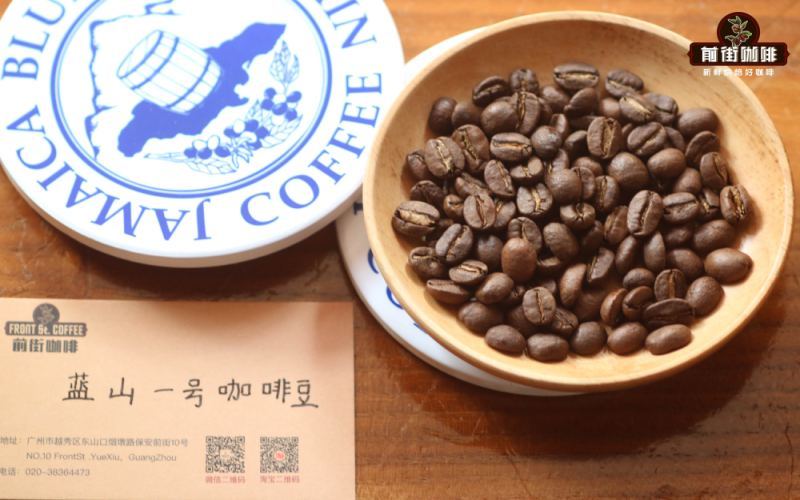
A Detailed Explanation of the Jamaican Blue Mountain Coffee Grading System: From Altitude to Green Bean Export Specifications
Blue Mountain coffee enjoys a stellar reputation in the global coffee world, but many people are unaware that it is merely one category within Jamaica's coffee system. The Jamaica Industrial Board classifies coffee into three grades based on growing altitude, and the Blue Mountain grade is further subdivided into No. 1 through No. 3 and peaberry. Authentic Blue Mountain No. 1 has limited production and commands a high price, with green beans required to be 17/18 screen size and a defect rate below 2%. Front Street Coffee will guide you through Blue Mountain coffee's grade classifications, export barrel specifications, certificates of origin, and the quality differences behind various roasting methods, helping you gain a clearer understanding of this legendary coffee. [more…]
A Detailed Explanation of the Jamaican Blue Mountain Coffee Grading System: How to Distinguish and Identify Authentic Blue Mountain Beans by Grade 1, 2, and 3
Blue Mountain coffee is one of the world's finest coffees, and its grading and export regulations are extremely strict. Jamaican law explicitly stipulates that only coffee beans grown in the Blue Mountain region may bear the name Blue Mountain. High-grade Blue Mountain coffee is divided into three grades—No. 1, No. 2, and No. 3—according to green bean size. All must have their flavor confirmed by government-approved cuppers and must be exported in wooden barrels. This article will systematically introduce the grading standards for Blue Mountain coffee, the meaning of the markings on the wooden barrels, the certificate of origin system, and the differences among Blue Mountain beans of different grades in roasting and export forms, helping coffee enthusiasts fully understand the key points for identifying authentic Blue Mountain coffee beans. [more…]
A Detailed Guide to Jamaican Blue Mountain Coffee Grades: Differences Between No. 1, No. 2, and No. 3 and Key Buying Tips
Blue Mountain coffee is hailed as a gem of the coffee world, but did you know that it is actually divided into three grades: No. 1, No. 2, and No. 3? The Jamaican government has strict regulations regarding the origin, grade, packaging, and export of Blue Mountain coffee—only coffee beans grown in the Blue Mountain region can bear the name "Blue Mountain." This article will provide a detailed analysis of the grading standards for Blue Mountain coffee, the secrets of its barrel packaging, the role of the certificate of origin, and how to identify genuinely high-quality Blue Mountain coffee. We will also introduce the recommendation of Blue Mountain No. 1 by the well-known domestic brand Front Street Coffee, helping you make a wise choice when purchasing. Whether you are a seasoned coffee enthusiast or a complete beginner, this article will give you a deeper understanding of Blue Mountain coffee. [more…]
A Comprehensive Interpretation of Jamaican Blue Mountain Coffee Grading Standards and the Flavor Characteristics of No. 1 Beans
Blue Mountain Coffee, as a representative of the world's top specialty coffee, has always attracted attention for its strict grading system and origin protection measures. Jamaican law stipulates that only coffee produced in the Blue Mountain region can bear the name Blue Mountain, and high-grade Blue Mountain Coffee is further divided into three grades: No. 1, No. 2, and No. 3. These grades of green beans show no difference in taste, only in size, but export packaging and certification documents are strictly regulated. This article will provide a detailed analysis of Blue Mountain Coffee's grade classification, barrel export system, certificate of origin, and the roasting and export requirements for different grades of coffee, helping coffee enthusiasts gain a comprehensive understanding of the unique characteristics of Blue Mountain Coffee. Front Street Coffee will also recommend Blue Mountain Coffee products worth tasting for you. [more…]
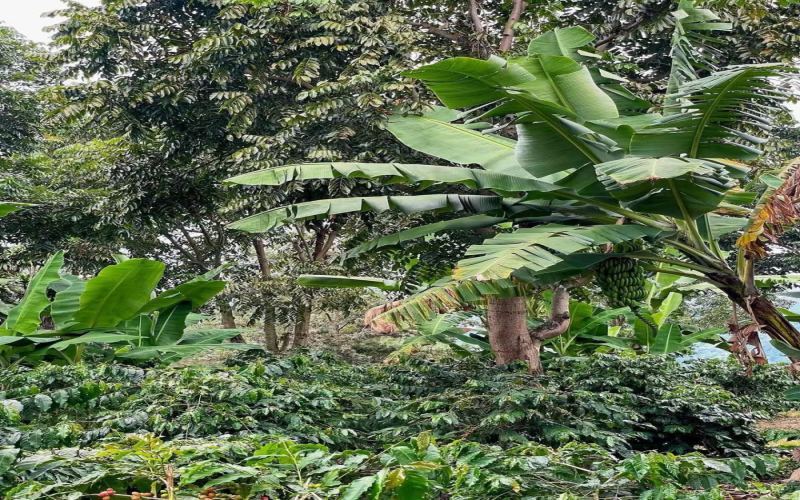
Why Is Jamaican Blue Mountain Coffee Packed in Wooden Barrels? Understanding Blue Mountain No. 1's Grade Standards and Brewing Essentials
Blue Mountain coffee has long been regarded as the benchmark of specialty coffee, and its uniqueness lies not only in its flavor profile but also in its packaging methods and grading system. This article will focus on Jamaican Blue Mountain coffee, explaining why it has long insisted on using wooden barrels for export shipment, sorting out how the washed Typica variety, microclimate, and strict grading system together create Blue Mountain coffee's quality status, and offering a key interpretation of the evaluation standards and specification requirements for the "Blue Mountain No. 1" grade. At the same time, the article will also share Front Street Coffee's specific approach and parameters for roasting and brewing Blue Mountain No. 1, including the extraction principles of the KONO dripper, the coffee-to-water ratio, water temperature, and staged pouring technique, helping readers gain a more comprehensive understanding of this coffee's complete journey from origin to cup. [more…]
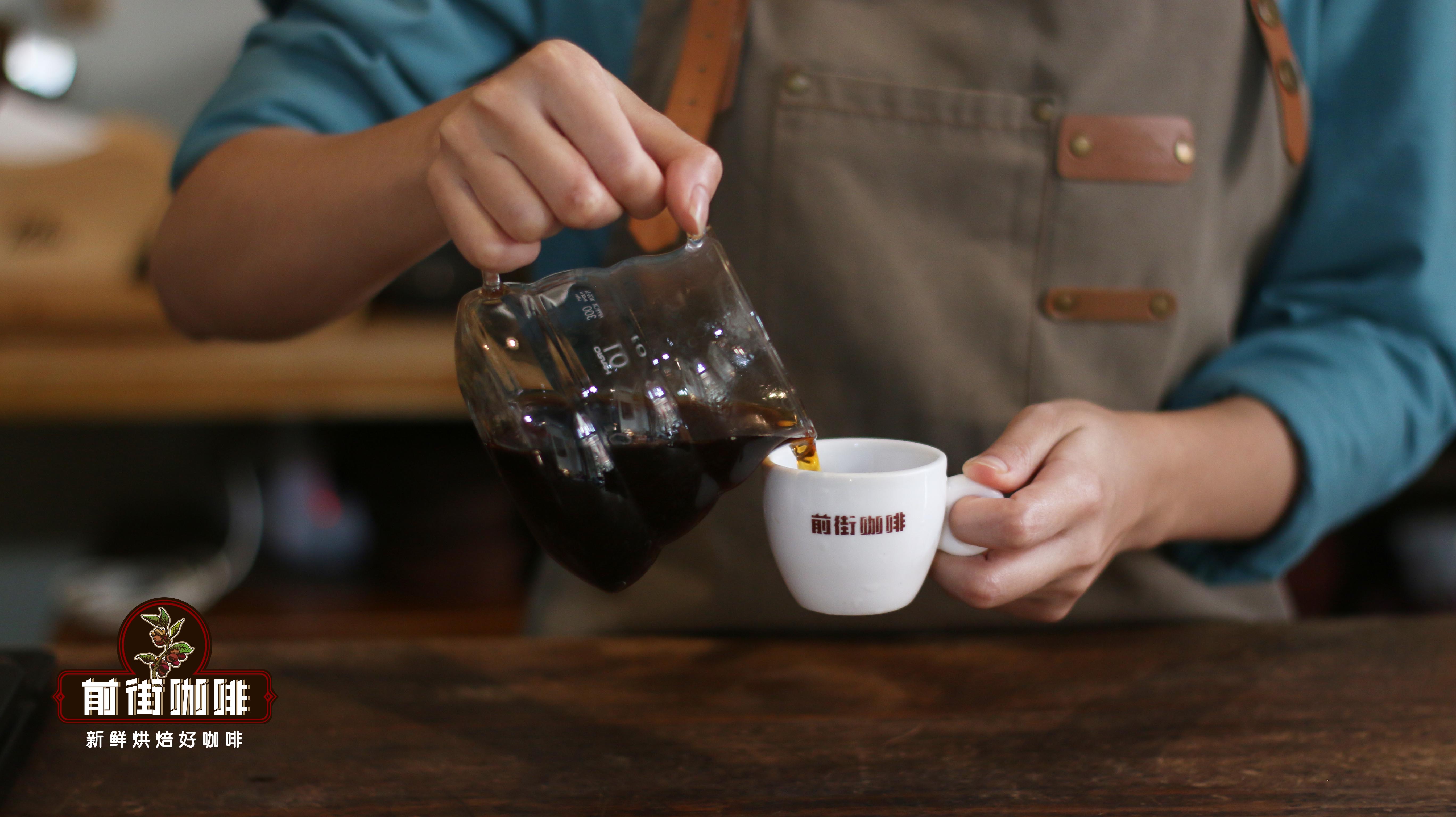
A Comprehensive Analysis of the Grading and Flavor Characteristics of Jamaican Blue Mountain No. 1 Coffee Beans
Before fruit-acidity coffees swept the market, the public's understanding of specialty coffee was still shallow, and coffee at that time was mostly dominated by bitterness. Yet Blue Mountain coffee, with its richly layered aroma and its balance among acidity, sweetness, and bitterness, became an irreplaceable classic in the hearts of many coffee lovers. This article will provide a detailed explanation of the grading standards for Jamaican Blue Mountain coffee, the unique characteristics of Blue Mountain No. 1, and Front Street Coffee's actual brewing parameters and flavor performance, giving you a comprehensive understanding of this legendary coffee bean. [more…]
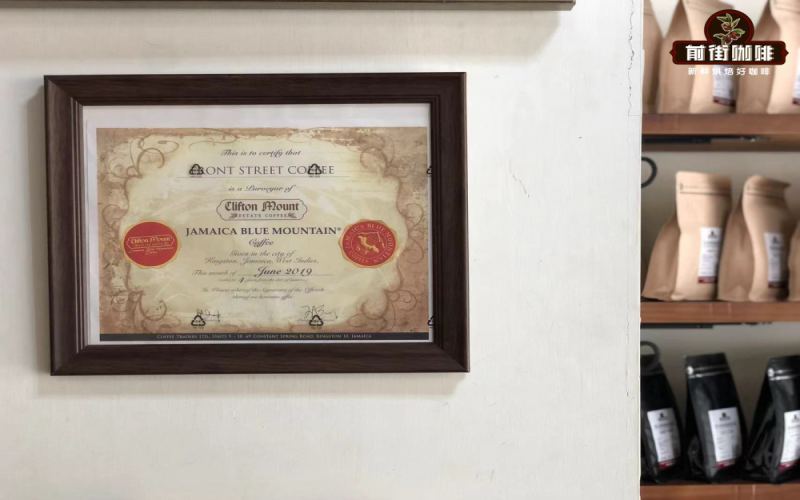
Why is Jamaican Blue Mountain Coffee shipped exclusively in wooden barrels? A full analysis of Clifton Estate and Front Street Blue Mountain No. 1
Blue Mountain coffee is widely recognized as one of the coffees grown under the finest conditions in the world, with Jamaica's unique climate, geology, and topography combining to create its exceptional quality. Why is Blue Mountain coffee, alone among all green coffees, shipped in wooden barrels? There are both historical origins and practical considerations behind this. This article will guide you through the terroir of Blue Mountain coffee's origin, the historical shifts in Japan's quota, the management system of the Jamaica Coffee Board, and the Clifton Farm Blue Mountain No. 1 coffee beans imported by Front Street Coffee—presenting this classic coffee in full, from processing method and roasting curve to brewing recommendations. [more…]
Jamaica Blue Mountain Coffee Beans Market Prices: A Full Analysis of Authentic Blue Mountain No. 1 Prices and Pour-Over Parameters
Blue Mountain coffee long held the throne as the pinnacle of top-tier coffee, and even today, authentic Jamaican Blue Mountain still commands a high price. But what exactly qualifies as true Blue Mountain? And what justifies its steep price? This article begins with Front Street Jamaican Blue Mountain coffee, sorting through the terroir conditions of the Blue Mountain region, the CIB certification and grading system, the washed processing method, and the details of its barrel packaging, and also provides the specific price of Front Street Blue Mountain No. 1 along with a pour-over brewing recipe. Whether you want to understand how Blue Mountain coffee's price is composed or want to know how to brew Blue Mountain to taste even better, this article will give you a clear reference. [more…]
A Comprehensive Interpretation of the Origin Grading System and Flavor Characteristics of Jamaican Blue Mountain Coffee Beans
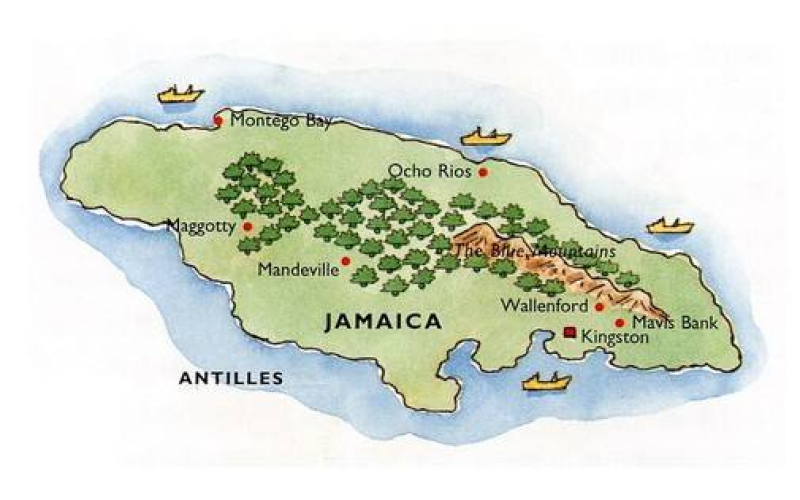
Blue Mountain Coffee is widely recognized as one of the world's top coffees, a status inseparable from its exceptional natural conditions and the Jamaican government's almost stringent industry regulation. The Blue Mountain range lies in eastern Jamaica, where the azure waters of the Caribbean Sea reflect off the peaks, giving the region its name. Its highest peak rises 2,256 meters above sea level, with a cool, foggy climate, abundant rainfall, and fertile volcanic soil providing an ideal growing environment for coffee. In the mid-20th century, due to inconsistent export quality, Canada once refused to accept Blue Mountain Coffee, prompting Jamaica to establish the Coffee Industry Board (CIB) in 1948, building a strict quality standard and certification system. Blue Mountain Coffee is classified by screen size into No.1 through No.3 and Peaberry grades. The government has also designated specific cultivation areas and processing plants, with dedicated supervision from harvesting, fermentation, and drying to barrel packaging. This article will systematically outline the classification, grade standards, and unique craftsmanship of Blue Mountain Coffee, offering you a comprehensive understanding of this legendary coffee. [more…]
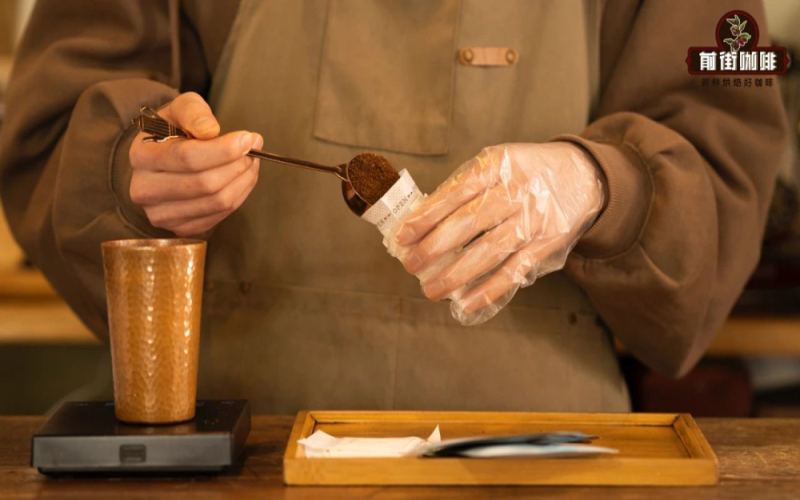
Drip Coffee Brand Recommendations | Who invented the drip coffee bag? What are the features of drip coffee bags? How to brew iced coffee at home with a drip coffee bag?
For the same beans, freshly roasted coffee and drip bags will have some differences in flavor, because once coffee is ground, its natural aroma disappears quickly. Of course, Front Street Coffee also has many regular customers who request that the coffee be ground before shipping, and in such cases Front Street Coffee generally recommends drinking it as soon as possible. Of course, compared with pour-over, drip bags are [more…]
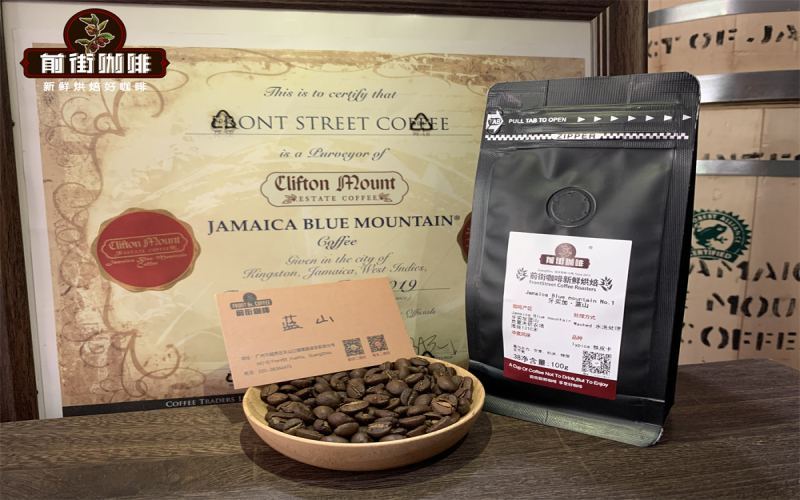
An In-Depth Guide to Jamaican Blue Mountain Coffee: From Cultivation and Grading to Authenticity Verification and Pour-Over Parameters
Blue Mountain coffee is synonymous with "good coffee" in many people's minds, but few truly understand it. This article, from the perspective of Front Street, systematically sorts out key knowledge about Jamaican Blue Mountain coffee—its producing environment, cultivated varieties, washed processing, grade classification, and wooden barrel packaging—and focuses on how to identify Blue Mountain No. 1 and the logic behind brand selection. At the same time, the article also offers Front Street's recommended roasting approach and pour-over parameters to help coffee enthusiasts more accurately recreate the classic balanced flavors of nuts, chocolate, and sweetness in Blue Mountain coffee. [more…]

Jamaica Blue Mountain Coffee Flavor Analysis: Taste Characteristics, Authenticity Identification, and Regional Grade Classification
Blue Mountain coffee is probably one of the most globally recognized and most easily misunderstood coffee terms. Many people assume that Blue Mountain coffee is simply a "Blue Mountain flavor" with sugar and milk added, but in reality it refers to coffee beans produced in Jamaica's Blue Mountains. This article, from the perspective of Front Street Coffee, sorts out the origin background, grade classification, reasons for the high price, and key markers for identifying authenticity, while also introducing the flavor differences brought by washed and natural processing methods, and includes Front Street's recommended brewing parameters to help coffee lovers truly understand this classic coffee. [more…]
A Comprehensive Analysis of Jamaican Blue Mountain Coffee Flavor Characteristics and Pour-Over Washed Brewing Methods
Jamaican Blue Mountain coffee has long been known as the "beauty of coffees" and is one of the world's universally recognized finest coffees. Front Street Coffee's Blue Mountain coffee blends acidity, bitterness, sweetness, and body into one, creating an intense yet elegant aroma. This article will introduce in detail the growing region background, variety and grade, unique flavor and mouthfeel of Front Street Blue Mountain coffee, as well as the specific brewing method for hand-brewed washed Blue Mountain coffee beans, helping coffee lovers gain a comprehensive understanding of this "king of coffees." [more…]
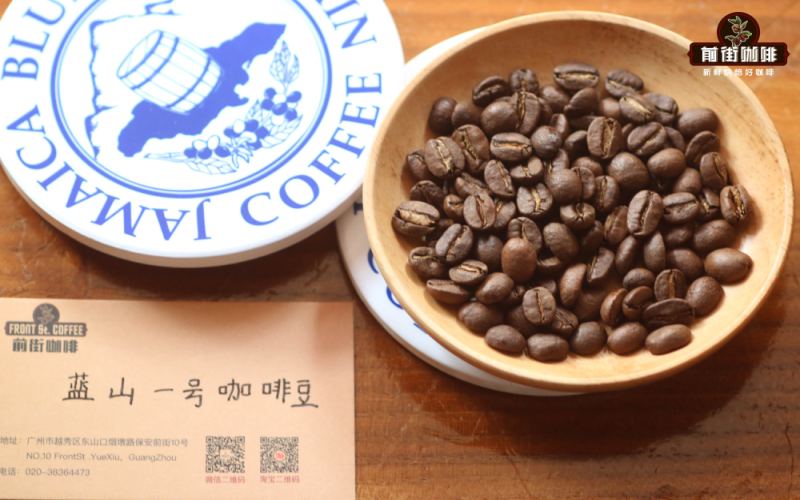
Jamaican Blue Mountain Coffee Beans: Brands, Prices, and Flavor Characteristics — A Detailed Guide to Origin, Variety, Grade, and Pour-Over Parameters
Blue Mountain coffee is synonymous with good coffee in the minds of many elders; even if they have never tasted it, they have heard of Blue Mountain flavor. What exactly are the flavor characteristics of this coffee from Jamaica? From the geographical environment of the Blue Mountains, the introduction of the Typica variety, to the washed processing and wooden barrel packaging at Clifton Mount Estate, and then to the NO.1 grade classification standards and methods for distinguishing authenticity, this article sorts through them one by one. The Jamaica Blue Mountain No.1 on Front Street Coffee's bean list comes from the largest local estate, grown at an altitude of 1,310 meters, and uses a medium-dark roast to highlight chocolatey sweetness. The complete pour-over parameters are attached at the end for reference. [more…]
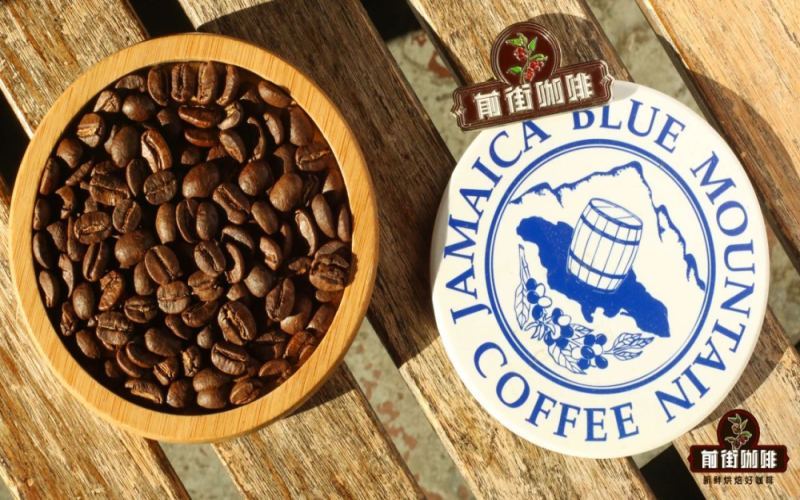
An Analysis of the Jamaican Blue Mountain Coffee Bean Grading System and Pricing Factors: Blue Mountain No. 1 Flavor Profile and Front Street Recommendation
Blue Mountain coffee has long been regarded by Chinese consumers as synonymous with premium coffee, yet as the specialty coffee wave has advanced, its halo seems to have faded somewhat. This article will systematically sort out the grading standards for Jamaican Blue Mountain coffee beans, the historical and practical reasons behind their persistently high prices, and how to identify authentic Blue Mountain coffee, along with a detailed description of its flavor characteristics and brewing recommendations. At the same time, the article will also introduce the origin background and certification information of the Blue Mountain No. 1 coffee beans sold by Front Street Coffee (FrontStreet Coffee), helping coffee enthusiasts gain a more comprehensive understanding of this legendary coffee. [more…]