







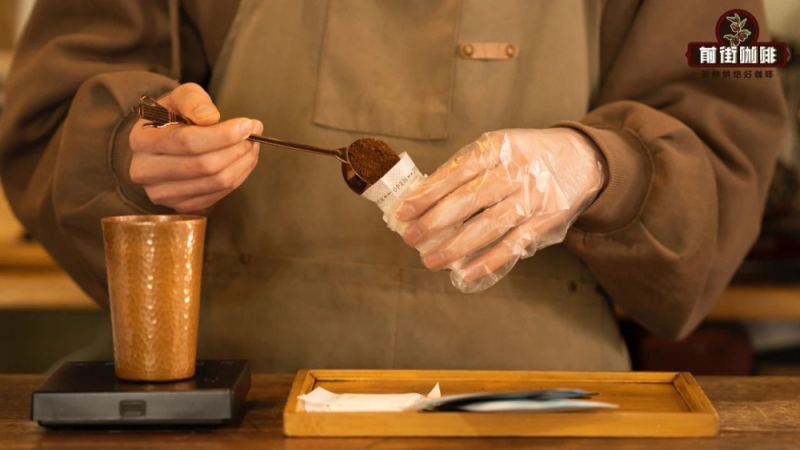

The same bean, freshly roasted coffee and drip bags will have certain differences in flavor, because once coffee is ground into powder, the natural aroma will disappear quickly. Of course, Front Street also has many regular customers who request ground coffee for shipment, and in such cases, Front Street generally recommends drinking it as soon as possible. Of course, compared to pour-over, drip bags are very convenient, and if you don't have much time for brewing, drip bag coffee is also a great choice.
The Front Street drip bag coffee series features flavors from multiple regions. Taking the most distinctive major regions as examples, such as Front Street Yirgacheffe drip bag, Front Street Brazil Cerrado drip bag, Front Street Kenya Little Tomato drip bag, Front Street Butterfly drip bag, Front Street Mandheling drip bag, Front Street Honduras Sherry drip bag, and so on. Of course, for other types of coffee beans, if customers want them made into drip bags, Front Street will also produce them according to demand. For example, a few days ago, a customer tried a Golden Mandheling in the shop, was satisfied with the taste, but was too lazy to grind beans at home, so we made it into drip bags on the spot for the customer.

The Invention of Drip Bag Coffee
When it comes to Japanese coffee, most people associate it with pour-over. Indeed, pour-over coffee is quite thriving in Japan, but young Japanese office workers with fast-paced lifestyles don't have time to wait for a cup of pour-over coffee, so drip bag coffee was born.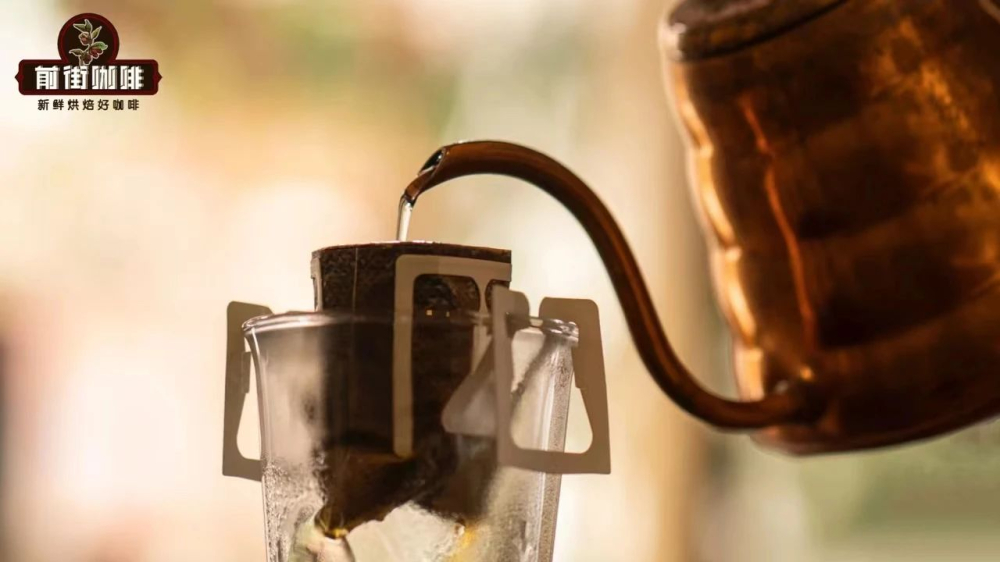
In 1990, Japan's Yamanaka Sangyo Co., Ltd. applied the concept of tea bags to coffee, invented the drip bag coffee, and applied for a patent. However, the drip bag designed by Yamanaka Sangyo could not bear the weight of brewing coffee and was prone to losing balance during the brewing process, so it was not successfully commercialized. It was not until 1998 that Daiki Shoji improved the original invention by extending the hanging ears outward, giving us today's drip bag coffee. How should drip bag coffee be used? Front Street will now introduce drip bag coffee to everyone! First, let's get familiar with how to brew drip bag coffee—it's just a little more troublesome than instant coffee.
What Are the Characteristics of Drip Bag Coffee?
The biggest characteristic of drip bag coffee is its convenience and speed. Why do we say that? Drip bag coffee can be described as a more convenient form of pour-over coffee, but unlike the pour-over coffee we commonly see, making pour-over coffee requires many utensils: first, a grinder for grinding coffee beans, a coffee pot for pouring water, a thermometer for measuring temperature, an electronic scale for measuring the amount of coffee powder and water...

So brewing a cup of pour-over coffee requires preparing quite a lot of things. This also limits the scenarios in which pour-over coffee can be used. Generally, you would drink pour-over coffee at home or in a café, but if you wanted a cup of pour-over coffee while traveling or at work in the office, it would obviously be somewhat impractical. Of course, as long as you're passionate enough, it can still be done, but for many beginners who are just starting out and customers who want more convenience, drip bag coffee can be said to solve the convenience problem very well.
Drip bag coffee is different from pour-over coffee. Drip bag coffee does not require a grinder, electronic scale, dripper, filter paper, etc., because drip bag coffee has many of the necessary preparations already done in advance. What we can buy as drip bag coffee is actually already ground coffee powder, and the unique filter bag design replaces the dripper and filter paper in pour-over coffee. The only thing consumers need to do is pour water and filter, and they can get a cup of drip coffee.
The Correct Method for Brewing Drip Bag Coffee
1. Tear along the indicator mark—it's easy to tear. The cup rim should not be too wide, or it might not be able to hold it up.
2. Pour in 90°C hot water, just enough to cover the coffee grounds, and let it bloom for 20–45 seconds.
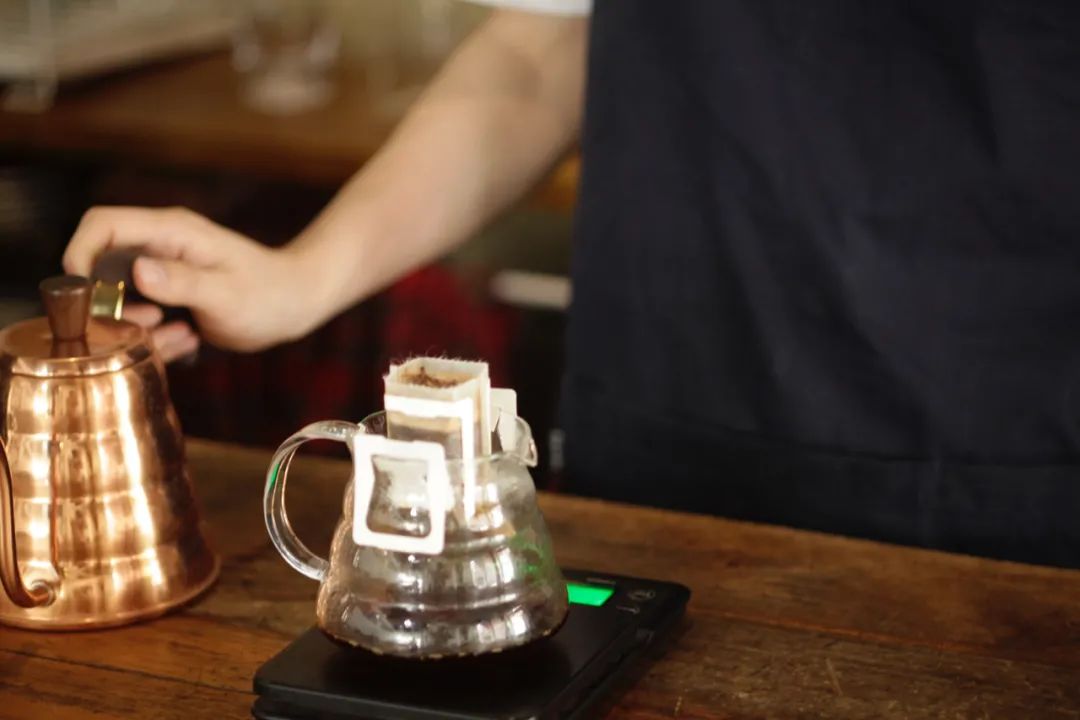
3. After a brief bloom, the coffee grounds have released a very rich aroma. Front Street drip bag contains 10g of coffee powder. With a 1:15 coffee-to-water ratio, pour in about 150ml of hot water. If you like it stronger, use less water; if you like it lighter, add more water. The ratio can be adjusted according to personal taste.
As for the method of brewing drip bag coffee, Front Street has also encountered many customers asking whether to pour in stages. Actually, you can simply pour water in a circular motion with a slow stream directly to 150ml. Drip bag coffee is meant to be simple and convenient, with no too many requirements.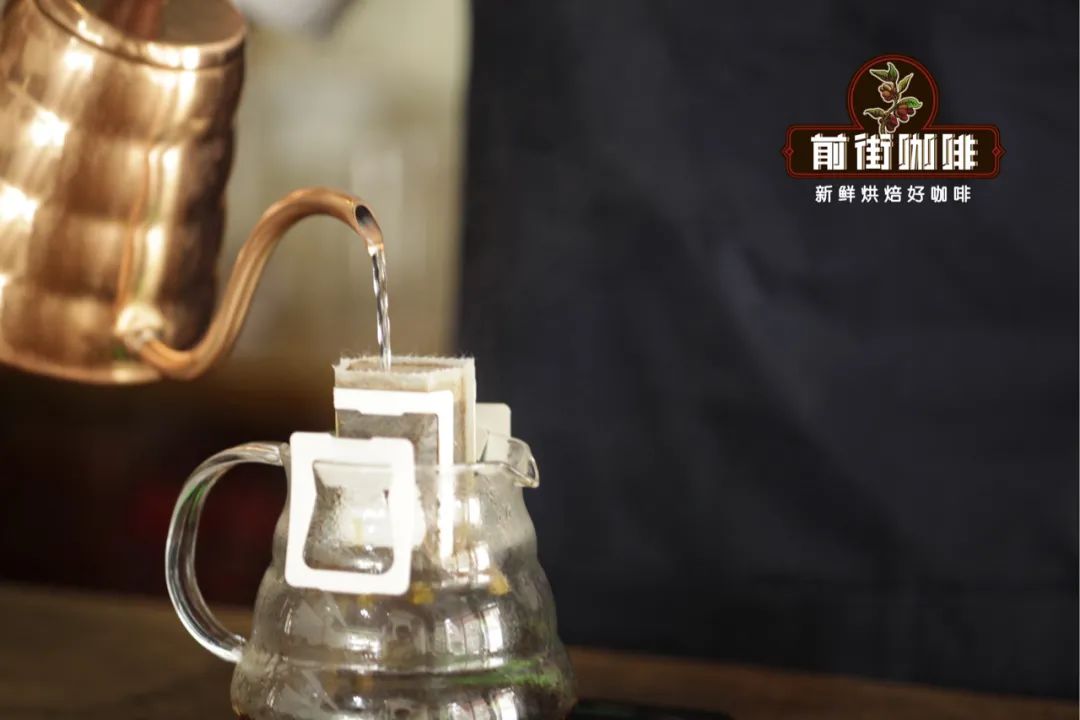
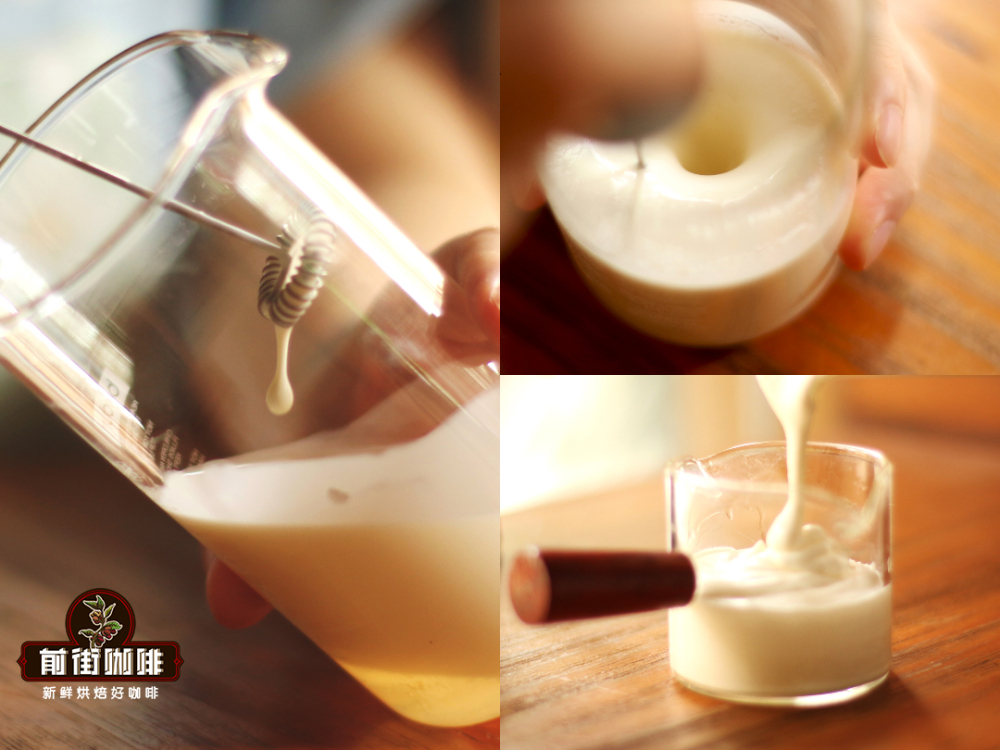
4. Take out the drip bag and throw it into the trash. Add sugar or milk according to your preference. If you like adding milk, the brewing ratio for drip bag coffee can be increased (simply put, brew it stronger). Then with a 1:8 ratio of coffee to milk, you can also use a milk frother to turn the milk into foam, and it will become a simple latte!
How to Make Iced Drip Bag Coffee?
The specification of a drip bag coffee packet is 10g per small bag, and the grind size is also preset by the shop. Therefore, if you brew the drip bag according to the normal process and then add ice cubes, the taste will be as thin as water. So the brewing method needs to be adjusted. In order to uphold the convenience characteristic of drip bag coffee, Front Street will keep the method and auxiliary tools as simple as possible.
The materials needed are also very simple: just ice cubes, a short cup, hot water, and a drip bag coffee packet. If conditions permit, you can also prepare an electronic scale.

① Open the outer packaging bag of the drip bag coffee, tear off the seal along the "open" line, spread the hanging ears, and hang it on a short cup.
② Prepare hot water at around 93°C. If there is no thermometer, you can boil the water and leave it with the lid open for 2 minutes; the temperature will then be around 90–94°C.

③ Pour 100ml of hot water into the coffee filter bag, making sure the coffee grounds are all soaked in water, and let it steep for 3 minutes. Then take the drip bag out of the cup and discard it.
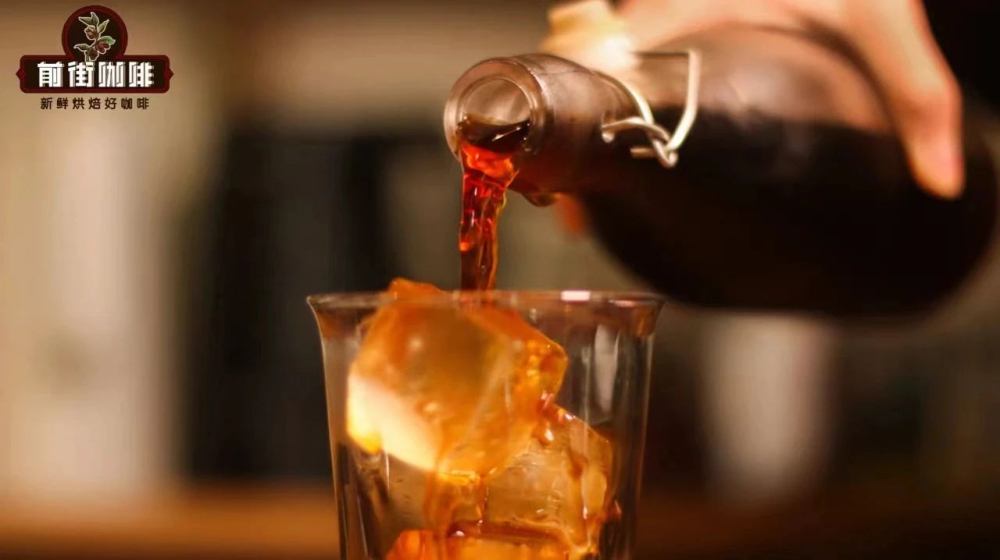
④ The last step is to add ice cubes to cool it down. You can directly put large hard ice cubes into the cup, or prepare another cup with ice cubes and pour the hot coffee liquid into it. Front Street prefers the latter, as the ice cubes will last longer, making the flavor and mouthfeel of the iced coffee even better.
Drip Bag Coffee Brand Recommendation — Front Street Drip Bag Coffee
1. Front Street Coffee Sherry Drip Bag Coffee Beans
Sherry coffee beans are a quite popular coffee bean this year. Front Street Coffee not only has bagged coffee beans but has also added drip bag format. Previously, many customers specifically requested Sherry to be made into drip bag coffee, which shows its popularity.
Honduras is located in Central America, bordering Nicaragua, Guatemala, and El Salvador. These countries are also rich in coffee beans, and the coffee bean flavors among them have similarities because their geographical locations and altitudes are relatively close, all having prominent spicy notes and tropical fruit flavors, presenting complex and rich flavors. Front Street Coffee recently received a new batch of coffee beans from Nicaragua, Guatemala, and El Salvador. After going through roasting adjustments, cupping, and pour-over tests, it will then decide whether to put them on the shelf. Front Street Coffee's original intention is to present everyone with a diversified coffee flavor experience, so coffee beans with unremarkable flavors will not appear on Front Street Coffee's bean list.

Back to this Honduras Sherry coffee bean, it comes from Masaguara, a city in the Intibucá department in the southwest. On Front Street Coffee's bean list, there is another barrel-aged coffee bean from Mocha Estate — Litchi Orchid. Sherry coffee beans tend toward a whisky sherry taste, with rich vanilla cream, and a lingering nutty chocolate flavor in the aftertaste, while Litchi Orchid tends toward a brandy sensation, with flavor layers slightly weaker than Sherry, and also a lingering nutty chocolate flavor in the aftertaste. Judging from Front Street Coffee's sales rankings, Sherry's popularity is indeed higher than Litchi Orchid.
【Refined Washed Whisky Sherry Barrel Fermentation】
First, freshly picked coffee cherries are refined-washed, then placed into barrels that have previously aged sherry wine, fermented at low temperature for 30–40 days (at about 15–20°C), and then shade-dried.

Sherry barrels are barrels used by sherry wineries in the whisky industry for aging. During the production of sherry, it must go through the Solera System maturation process. This process refers to the process of blending and aging sherries of different vintages after fortification, which is also the unique aspect that forms sherry flavor.
2. Front Street Golden Mandheling Drip Bag Coffee Beans
Mandheling has also gained attention in the past two years. Front Street Coffee's Mandheling sales were previously mostly distributed in the Shanghai area. Shanghai and Taiwan have quite similar taste preferences—both like rich and full-bodied flavors. Previously, Front Street Coffee even encountered a Shanghai customer who kept emphasizing that Mandheling should be roasted darker than our usual dark roast level.
Now, gradually, more people recognize Mandheling's unique flavor. More and more customers come to Front Street Coffee's shop to order Mandheling, many of them Guangzhou locals.
In terms of quality classification, Front Street Golden Mandheling is different from ordinary Mandheling. It comes from the local Indonesian green bean trader PWN, the first company to cooperate with Japan on Golden Mandheling and to register Golden Mandheling as a trademark.
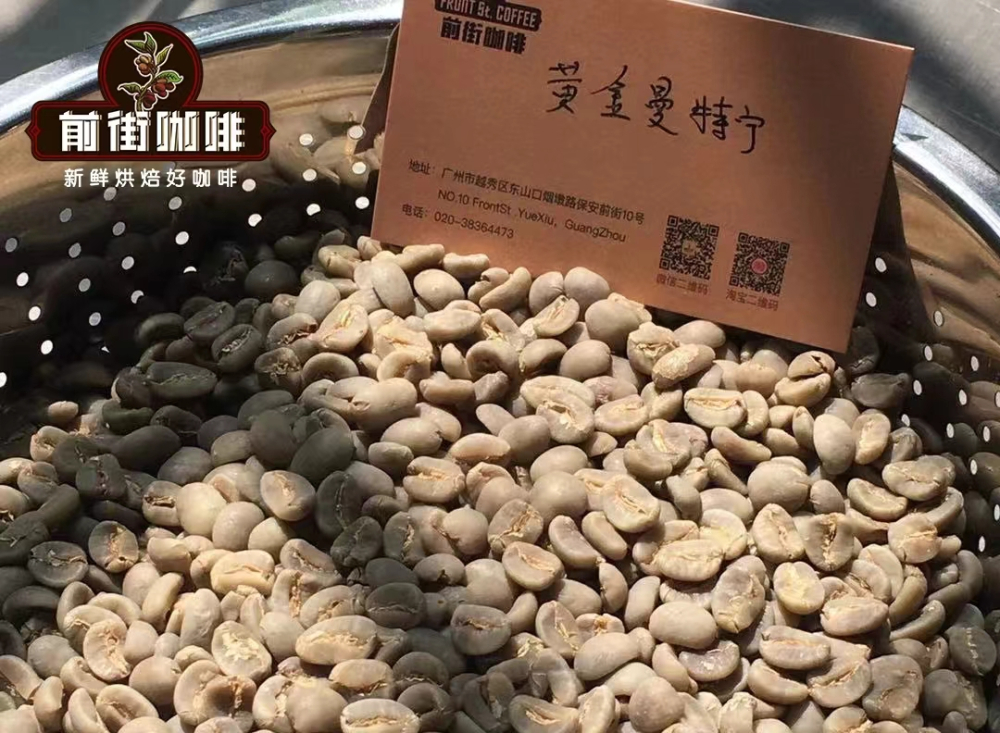
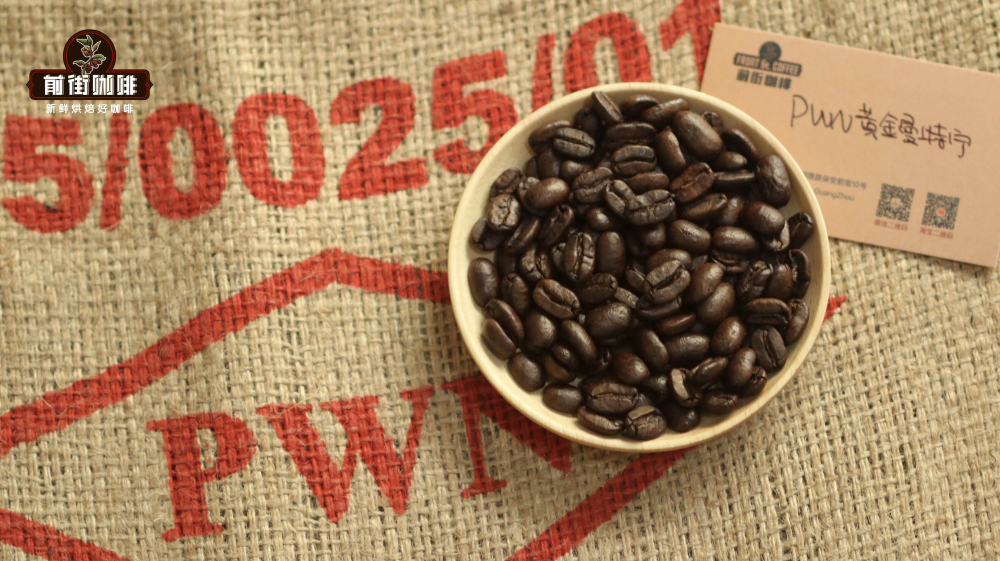
The biggest characteristic of Golden Mandheling is that it does not have the off-flavors of ordinary Mandheling. After three strict manual screenings to ensure uniform bean size, it can be evenly colored during roasting, so its taste presents a clean, full-bodied richness. Its flavor is very much like Guangdong herbal tea, so it's not surprising that Guangzhou locals can accept this flavor. Front Street Coffee specially made Golden Mandheling drip bags this time, also because it has noticed that people's acceptance is growing higher and higher.
【Wet-Hulling Process】
Because the local weather is often rainy and typhoons are constant, it cannot achieve the good weather required for sun-drying. Moreover, the local economy is not good, so it also cannot use the more expensive washed method. Due to various reasons, the highly local wet-hulling method (wet-hulling is a process in which, during ordinary washed processing, the beans are sun-dried with parchment for 2–3 days until the moisture content reaches 20–24%, then the parchment is removed) was developed.

Front Street Coffee feels that Indonesia's coffee industry is now developing very quickly. The reason wet-hulling is still retained is not only because of economic and climate issues, but more because wet-hulling has become synonymous with Indonesia and the image of a local specialty. However, there is now also sun-dried Mandheling. Front Street Coffee has added this coffee bean, which belongs to a relatively niche series. Its popularity is not as high as wet-hulled Mandheling, but it can also be an occasional change of taste.
3. Front Street Coffee Panama Butterfly Drip Bag Coffee Beans
Panama is a Central American country, bordering Costa Rica to the west and Colombia to the east. Panamanian coffee is famous in the coffee world for Hacienda La Esmeralda's Geisha coffee.The whole of Panama is filled with a rich Geisha atmosphere. Many estates cultivate Geisha coffee beans, but because Geisha coffee is difficult to grow, low in yield, and excellent in flavor, its price is not low either.
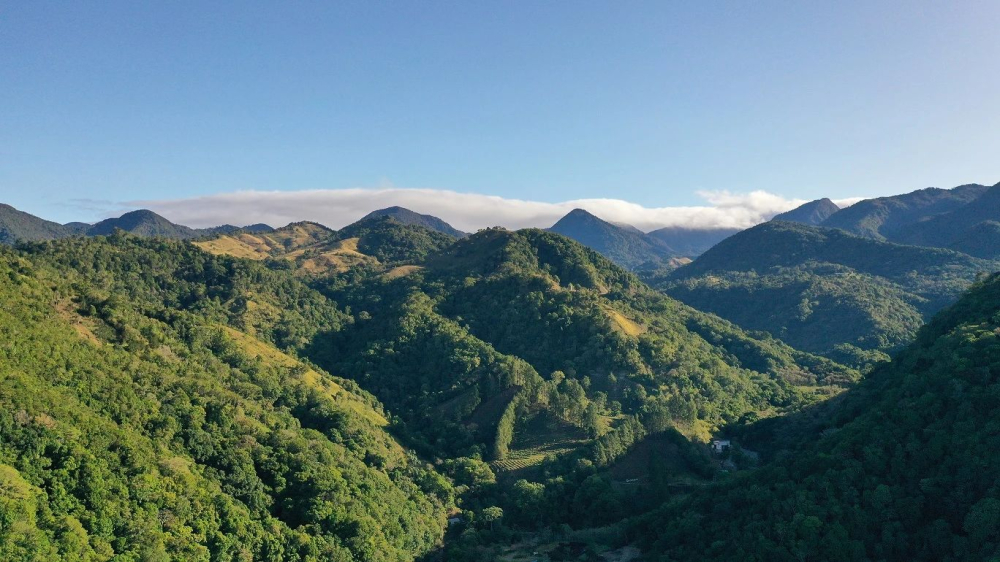
But this Butterfly has 70% premium Geisha lineage, along with Catuai and Caturra, planted in the Baru Volcano region of Boquete, growing at an altitude of 1,600 meters in a volcanic area. The local special microclimate results in abundant rainfall, large temperature differences between day and night, as well as meticulous harvesting and fine processing, making this coffee perform outstandingly in body, acidity, and floral aroma.
What is even more pleasantly surprising is that despite having such excellent quality and conditions, the price is very affordable, allowing people to experience Geisha flavor with great value for money.
【Washed Process】
The washed process uses a machine to first remove the skin and pulp, leaving only the coffee beans wrapped in the parchment. At this time, the beans still have a layer of mucilage on the outside, and the washing process is meant to wash away this mucilage layer. However, the mucilage has strong adhesion and is not easy to remove, so it must be placed in a tank for about 18–36 hours to ferment and break down the mucilage.

4. Front Street Coffee Yirgacheffe Red Cherry Drip Bag Coffee Beans
Red Cherry is actually a commercial program to promote coffee quality, initiated by Menno Simons, the founder of the Dutch green bean trader Trabocca.Trabocca realized that the quality of Ethiopian coffee beans was uneven, making it difficult to raise prices, and coffee farmers also had low incomes.
To reverse this situation, it co-initiated the Red Cherry program with local coffee farmers to solve the problem at the source. By raising the purchase price of high-quality green coffee beans, it encourages coffee farmers to more carefully complete every process of coffee bean picking and processing. During the picking stage, fully manual picking is used to select coffee cherries with high ripeness.
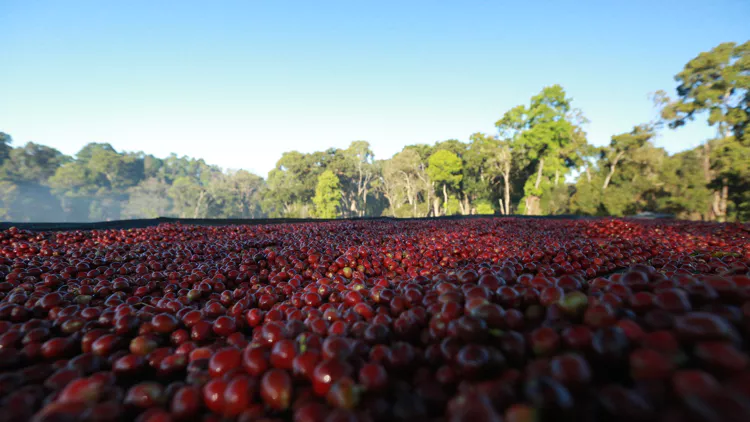
【Natural Process】
The natural process is the oldest and most primitive processing method for coffee beans. This sun-dried Red Cherry is made by keeping the whole coffee cherry—pulp and skin intact—and placing it on raised beds for sun-drying, isolating it from contact with the ground to prevent the earthy off-flavors caused by direct exposure. After more than two weeks of sun-drying, the dark brown coffee cherries are stored to await full flavor maturation. Before shipment, the processing station removes the coffee beans from the coffee cherries. This natural processing method gives the beans lower acidity, obvious sweetness, and body, but its cleanliness is not as high as that of the washed process.

5. Front Street Coffee Brazil Red Bourbon Drip Bag Coffee Beans
Brazilian coffee beans were introduced from French Guiana (a country in northern South America) in 1720. Brazil was then a Portuguese colony, while many other South American countries were Spanish colonies. Therefore, most South American countries speak Spanish, while Brazil speaks Portuguese.
A Portuguese military officer stationed in Brazil, in order to introduce Guiana's coffee beans to Brazil (at that time, the outflow of coffee to other countries was strictly prohibited), captured the heart of the governor of Guiana's wife and successfully brought coffee seeds into Brazil. Since then, coffee rapidly adapted in Brazil, spreading from the north to São Paulo state in the southeast. By 1845, Brazilian coffee beans already accounted for 45% of the world's total coffee beans. Currently, Brazil is the world's largest coffee exporting country.
Front Street Coffee not only includes Brazil in its drip bag series, but Brazilian coffee can also be found in its daily ration bean coffee series. This shows that Brazil, as a coffee-producing country, is an indispensable presence in classic coffee flavors. Front Street daily ration beans are the "face" of regional coffee beans, because their basic regional flavor is more recognizable, and they are also low-priced, high-value coffee beans.
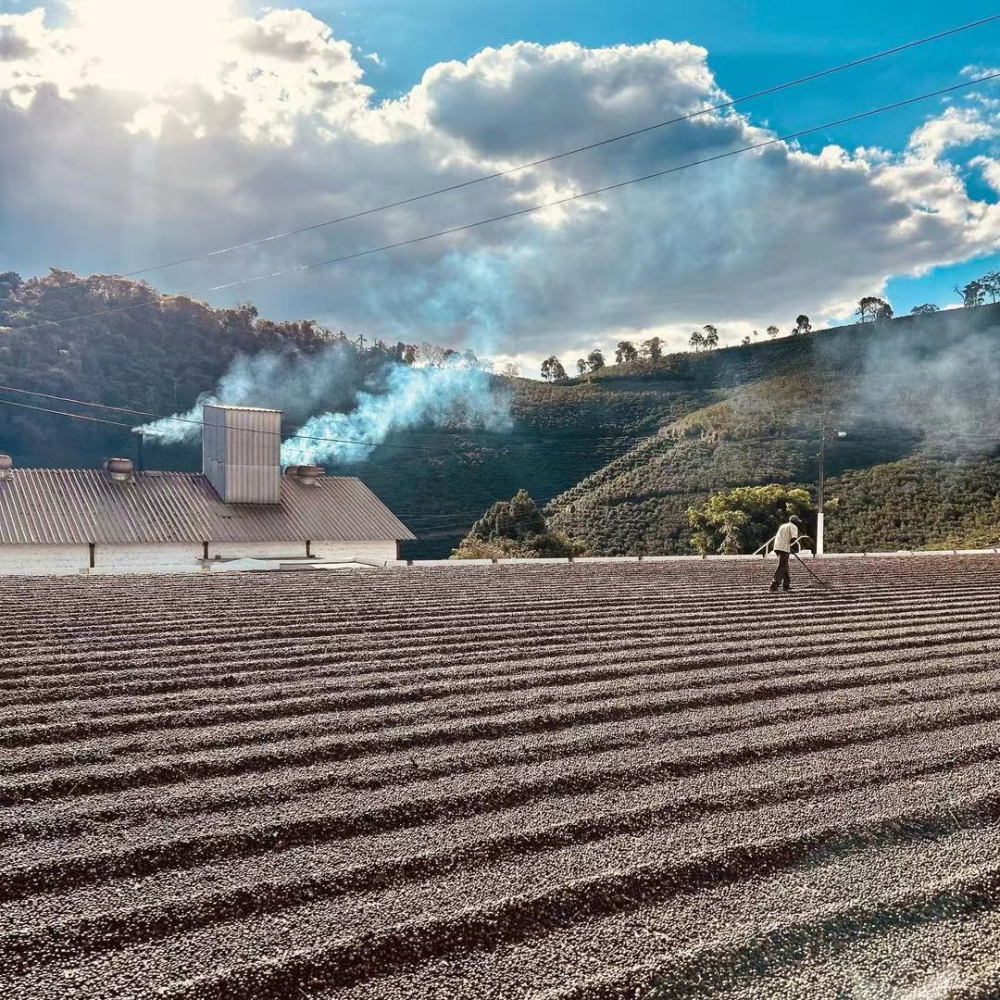
【Semi-Washed Process】
Before 1990, Brazil almost exclusively used rough natural processing. This was the main culprit that made Brazilian beans prone to earthy and musty flavors, because during the 2–3 week sun-drying process, if the coffee cherries encountered rain and became damp again or if the cherries were cracked, they would mold and produce off-flavors. This problem was criticized for a long time and severely damaged the image of Brazilian coffee.
After 1990, Brazilian research institutions developed the semi-washed method based on Brazil's relatively dry climate to shorten processing time. In the semi-washed process, after selecting suitable coffee cherries, the skin and pulp and part of the mucilage are removed, and the beans are sun-dried with a small amount of mucilage for 1–3 days, then machine-dried until the moisture content reaches 12%, after which they can be placed into storage containers for maturation. This processing method can reduce the inferior off-flavors Brazilian beans previously had and enhance fruit aroma and sweetness.
6. Front Street Coffee Colombia Huila Drip Bag Coffee Beans
Today, Colombia is the world's third-largest coffee producer and exporter. The Colombian coffee it produces is famous worldwide for its mild taste and rich nutty chocolate full-bodied flavor. Colombia's Huila region has mountainous terrain, and coffee is planted on canyon slopes, so it has the high altitude and suitable temperature for growing high-quality Arabica beans.
The climate of the canyon slopes not only prevents cold winds from entering, but the mountain breezes bring coolness without high temperatures, and rainfall is also relatively abundant. It can be said to be a uniquely blessed coffee cultivation area. Colombian coffee workers all go up the mountains to manually pick coffee cherries, and the vast majority of coffee beans use washed processing.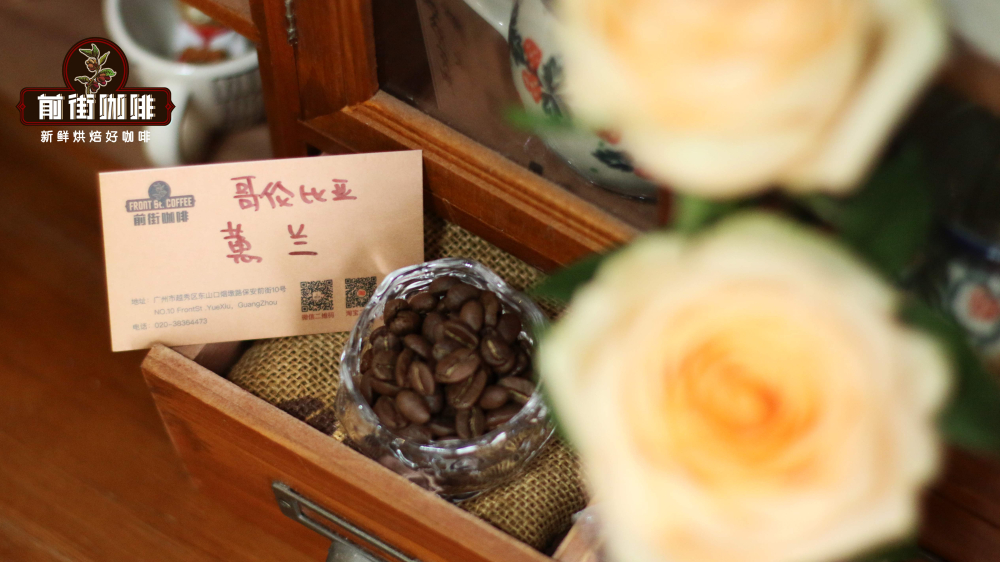
7. Front Street Coffee Costa Rica Tarrazu Drip Bag Coffee
Costa Rican coffee has always been famous for its balanced flavor, rich chocolate, and smooth mouthfeel. Tarrazu is located south of the capital San José and is one of Costa Rica's most valued coffee-growing regions. Tarrazu coffee beans are plump, the coffee is rich, the mouthfeel is smooth, with rich chocolate and nutty aromas, moderate acidity, and an enticing fragrance.

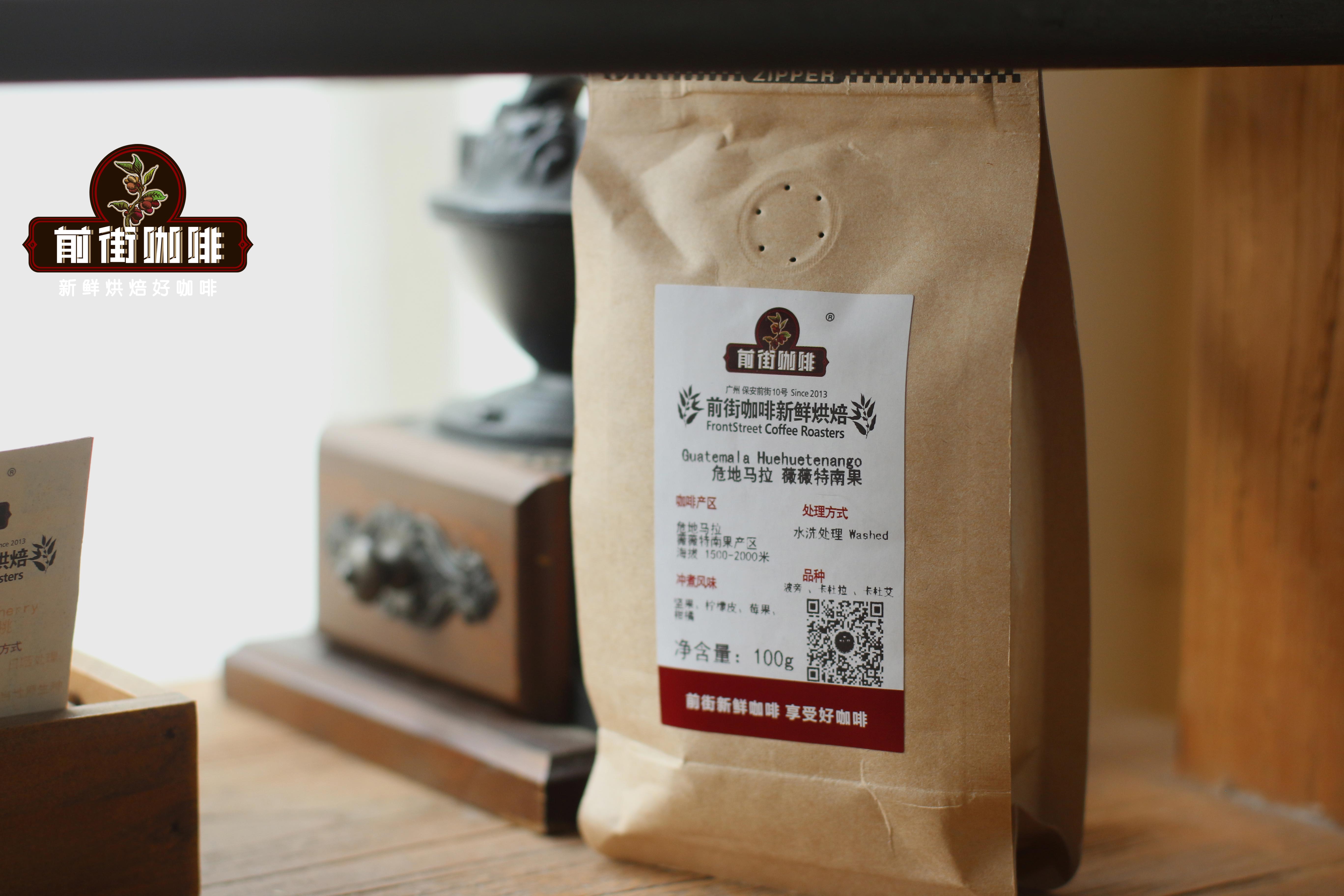
8. Front Street Coffee Guatemala Huehuetenango Drip Bag Coffee
Guatemala has a high average altitude, and its coffee belt is distributed above 1,500 meters, making it easiest to grow strictly hard beans. Guatemalan coffee has a special smoky flavor and rich juicy mouthfeel. Guatemala has eight major regions in total, divided into five volcanic regions and three non-volcanic regions. The Huehuetenango region is one of the three non-volcanic regions.
Guatemala's processing methods are mainly washed, with a small amount being natural. Front Street Coffee often encounters customers asking this question: what is the difference between washed and natural? You should know that even coffee beans from the same region and same estate are divided into washed and natural.Actually, friends who often buy Front Street Coffee daily ration beans will find that most Front Street Coffee daily ration beans use the washed process, because the washed process can present the basic flavor of a region, and it is also the beginning of understanding regional flavor. The natural process adds sweet aroma and fermented notes on top of this basic flavor.
9. Front Street Coffee Yunnan Small Bean Drip Bag Coffee
On Front Street Coffee's bean list, you can find two kinds of Yunnan coffee beans: one is washed Typica, and the other is Catimor. At Front Street Coffee, Yunnan Typica is labeled as Yunnan specialty coffee, while Yunnan Catimor is labeled as Yunnan small bean coffee according to market convention.
For these two beans, Front Street Coffee's roasters both roast to medium roast, because the Yunnan region is not an acidic region. Their flavors are relatively balanced, with a base tone of nuts and brown sugar. Front Street Coffee chooses medium roast to showcase Yunnan coffee's balance, nutty and brown sugar sweetness, and mild fruit acidity.

When talking about Yunnan coffee beans, there are often two statements that can end discussions about varieties. One is, "Thanks to the efforts of coffee farmers and improvements in technical levels, today's Yunnan coffee beans are also quite good." The other is, "Yunnan beans are good." These two have become classic lines for commenting on Yunnan coffee. Yunnan small bean was originally named because of Typica, because Typica is an Arabica small-bean variety, but as times changed, the Typica variety degenerated and had low yield, so it was replaced by Catimor, and the name small bean coffee was also inherited by Catimor.
The above content is compiled by CoffeeHunters, a coffee news website.


