







Search Results for: auction system
A Comprehensive Analysis of Kenyan Coffee Bean Grading and Cultivation Processing Systems: From AA Classification to Auction Trading
Kenyan coffee is renowned worldwide for its intense, full-bodied fruity acidity, and its unique flavor profile is inseparable from its strict grading system and refined cultivation and processing systems. This article will systematically sort out the development of Kenyan coffee, from its introduction during the colonial period to the Scott Laboratories' selection and breeding of SL28 and SL34, and then to the grading standards such as AA, AB, and PB established in 1938, interpreting one by one the meanings and characteristics of the E, AA, AB, C, PB, TT, and T grades. At the same time, it will provide an in-depth introduction to the flavor differences of major Kenyan coffee regions such as Nyeri, Kirinyaga, and Thika, analyze the coexistence of large estates and smallholder cooperatives, as well as the two trading mechanisms of the Nairobi Coffee Exchange auction and direct trade. Front Street Coffee will also share roasting and pour-over recommendations for Kenyan Asalia coffee beans, taking you through a comprehensive understanding of the coffee world of this East African producing country. [more…]
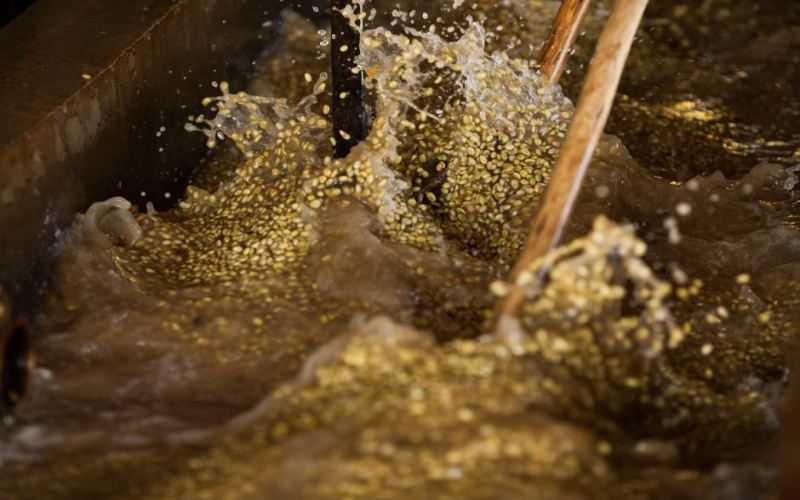
A Complete Guide to Kenya's K72 Double Washed Processing Method: Coffee Bean Flavor Characteristics, Auction System, and Regional Varieties
Kenya, though neighboring Ethiopia, has forged a distinctly different path in coffee development. From the British introduction of coffee in the 19th century, to the Scott Laboratories' selection and breeding of SL28 and SL34, and then to the repeated fermentation process of the K72 double washed method, Kenyan coffee is renowned for its intense acidity reminiscent of cherry tomatoes and dark plums. Front Street Coffee systematically reviews the historical context of Kenyan coffee, its auction trading system, the distribution of major producing regions and variety characteristics, and provides a detailed explanation of grading standards such as AA, AB, and PB. This article also presents the roasting curve, cupping flavor profile, and V60 pour-over parameters for Front Street's Kenya Asalia coffee beans, helping coffee enthusiasts gain a comprehensive understanding of the unique charm of this African producing country. [more…]
Complete Guide to Kenyan Coffee Washed Processing: K72 Double Fermentation, Grading System, Auction System, and Front Street Little Tomato Recommendation
Kenya is a coffee origin that cannot be overlooked on the global specialty coffee map. Behind its full-bodied and highly distinctive flavors lies a rigorous industry system spanning from grading to auctions. Screen-size grades such as AA and AB do not directly equate to cupping performance—what truly determines specialty value is the cupping results at the NCE auction. This article will outline the industry chain structure and grading standards of Kenyan coffee, with a focus on the famous K72 double-washed processing method—through three cycles of fermentation and washing, it imparts bright, clean, and solid flavors to the beans at low temperatures. It will also introduce the relatively rare natural-process Kenyan coffee available on the market, along with specific information and brewing suggestions for two comparison beans: Front Street Cherry Tomato AA and Hania Estate Missionary Bourbon. [more…]

Exploring Ethiopia's Gesha Village Estate: The Origins, Grading System, and Full Flavor Analysis of Wild Geisha
When it comes to Geisha, most people first think of that cup of floral tea with rose aromas and citrus notes from Hacienda La Esmeralda in Panama. However, in the Bench Maji region of Ethiopia, there hides another estate famous for its native wild Geisha — Gesha Village. It was founded in 2011 by documentary filmmaker Adam Overton and his photographer wife Rachel Samuel, and boasts a strict grading system and a complete flavor traceability system. This article will take you deep into the discovery journey of Gesha Village, the grading standards for the Auction/ Gold/ Red/ Green/ Chaka lots, processing details, and block divisions, along with Front Street Coffee's brewing parameters and flavor descriptions for the Gold, Red, and Chaka lots, providing coffee lovers with a comprehensive guide to Gesha Village. [more…]
A Detailed Explanation of the Ethiopian Coffee Bean Grading System: Yirgacheffe Grade Classification and the Inner Workings of the Auction System
As the birthplace of coffee, Ethiopia has the most well-developed coffee bean grading system among African producing countries, yet it also leaves many enthusiasts confused. Taking Yirgacheffe as an example, what exactly do Grade-1 and Grade-2 mean? Why can two batches of beans both labeled Yirgacheffe G2 differ so vastly in quality? This article will provide an in-depth analysis of Ethiopia's unique origin naming rules, the grade differences between washed and natural beans, the Parchment Coffee auction grading system, and how exporter blending affects the final quality. The article specifically covers real cases such as Front Street Coffee Yirgacheffe Grade-2, helping you truly decipher the grade code of Ethiopian beans. [more…]
Kenya AA Washed Coffee Beans Full Analysis: From Variety Grading to K72 Processing and Pour-Over Flavor
Kenyan coffee is renowned worldwide for its vibrant acidity and full-bodied juiciness, which is distinctly different from the acidity of Ethiopian coffee. Front Street Coffee takes Kenya's colonial history as a starting point to trace the establishment of its meticulous management system, including the selection and breeding of SL28/SL34 varieties, the establishment of the auction system and grading standards, and the unique 72-hour washed fermentation process. This article will also guide you through the terroir differences of core producing regions such as Nyeri, Kirinyaga, and Muranga, and includes the complete roasting curves, cupping performance, and brewing parameters for two beans: Front Street Cherry Tomato AA TOP and Gachatha Cooperative AB, allowing you to understand the full picture of Kenyan coffee in one go. [more…]
A Roundup of Famous Kenyan Coffees: Parsing the Grading System from CBK Auctions to AA Plus Micro-Lots
Kenyan coffee has always held an important position in the specialty Arabica market. Local production is dominated by smallholder farmers, and high-grade beans must be assessed and graded by the Kenya Coffee Board (CBK) before being sold through weekly auctions. This article will outline the brand context and grading logic of Kenyan coffee, with a focus on interpreting the characteristics of the AA Plus micro-lot grade—it has brighter fruit notes and red wine aromas than regular AA. At the same time, it presents the complete profile of Front Street Coffee's Nyeri region Mossball AA Plus, including the SL28 variety, altitude of 1,700 to 1,800 meters, washed processing, and cup tasting notes, helping enthusiasts understand the full picture of Kenyan coffee from the auction system to its performance in the cup. [more…]
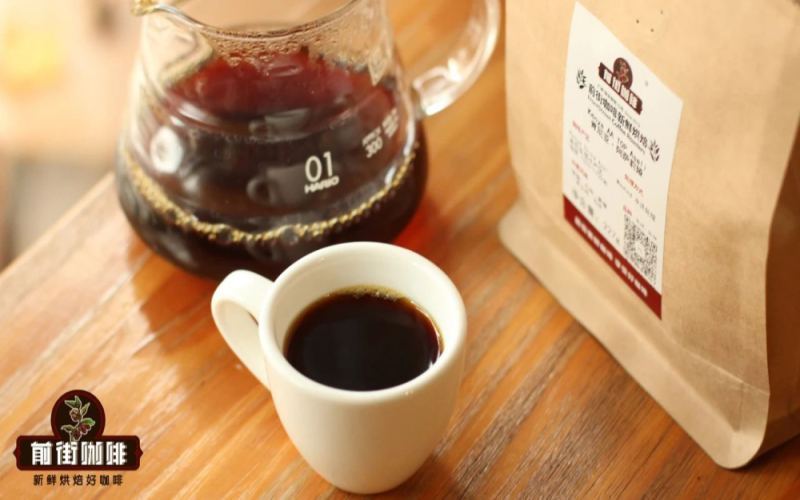
A Detailed Guide to Kenyan Coffee Bean Grading: What Exactly Is the Difference Between AA TOP and AA?
Kenyan coffee is renowned worldwide for its bright, intense fruit acidity and full, robust body, while its grading system—AA, AB, PB, and so on—often leaves enthusiasts confused. What exactly is the difference between AA and AA TOP? Does the grading standard look only at bean size, or does it also take cup profile into account? This article sorts through Kenya's coffee history, growing conditions, variety selection, regional characteristics, grading system, and auction trading model one by one, and combines tasting examples from several Kenyan beans at Front Street Coffee to help readers clarify the real difference between AA and AA TOP. [more…]
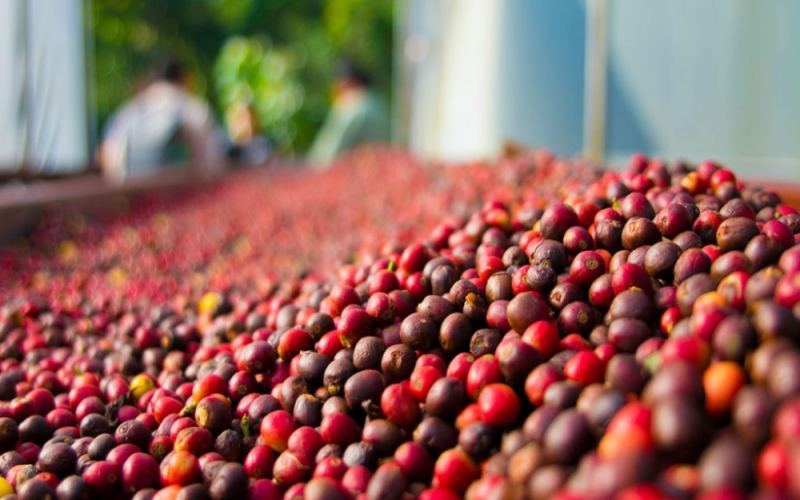
An Analysis of the Differences Between Panama's Hacienda La Esmeralda and Ethiopia's Gesha Village Red Label: A Complete Overview of the Auction, Gold Label, and Green Label Grading System
Geisha coffee beans rose to fame after Hacienda La Esmeralda in Panama won the BOP competition in 2004, and today Ethiopia's Gesha Village has also become a focus of the specialty coffee world. Although both estates are renowned for the Geisha variety, their grading systems differ greatly. Hacienda La Esmeralda divides Geisha into three grades: Auction, Red Label, and Green Label, while Gesha Village offers Auction, Gold Label, Red Label, Green Label, and Chaka batches. This article will systematically organize the Geisha grading standards of these two major estates, provide an in-depth analysis of the meaning and differences of Red Label Geisha, and introduce related product information recommended by Front Street Coffee, helping coffee enthusiasts fully understand the grading system and flavor characteristics of Geisha coffee. [more…]

A Comprehensive Guide to Kenyan Coffee Beans: An In-Depth Analysis of the AA Grading System and the K72 Washing Process
Kenyan coffee is renowned worldwide for its intense, full-bodied fruity acidity and rich fruit flavors, and its unique grading system and processing methods have always been a focal point for coffee enthusiasts. This article will systematically review the development history, cultivation models, variety composition, and regional characteristics of Kenyan coffee, provide a detailed interpretation of the complete grading system from E to T, and deeply analyze the flavor differences between AA and AB grades. At the same time, Front Street Coffee will share roasting suggestions and pour-over parameters for two beans, the Kenyan Asaliya and the Sasini Estate PB, taking you through every step of Kenyan coffee from seed to cup. [more…]

A Complete Guide to Kenyan Coffee Flavor Grades and Regions: From AA Classification to the K72 Washed Processing Method
Kenyan coffee is renowned worldwide for its bright acidity and full-bodied juicy mouthfeel. Along with neighboring Ethiopia, it represents African specialty coffee, yet its flavor profile is completely different. Front Street Coffee takes you on a deep dive into the development of Kenyan coffee: from the introduction of coffee during the British colonial period and the establishment of the Scott Agricultural Laboratories to select and breed SL28 and SL34, to the establishment of a grading system based on bean size and cup quality, and further to the unique 72-hour washed fermentation process. This article also outlines the terroir characteristics of core producing regions such as Nyeri, Kirinyaga, and Muranga, analyzes the dual-track trading model in which the Nairobi auction exchange and direct trade operate in parallel, and includes a complete brewing recipe and cupping flavor description for Front Street Kenyan Small Tomato coffee beans. [more…]
Kenyan Specialty Coffee Flavor Analysis: A Complete Overview of Nyeri Region Bean Characteristics and the Auction System
Kenyan coffee is renowned worldwide for its rich aroma and bright fruity acidity, often described as a "fruit tea" with notes of blackberry and grapefruit. Its unique flavor stems not only from high-altitude growing conditions but is also closely tied to a well-established grading and auction system. This article will provide a comprehensive interpretation of the allure of Kenyan specialty coffee, from flavor and mouthfeel, regional characteristics, historical production changes, to market systems. The washed Kenyan beans recommended by Front Street Coffee are the ideal choice for experiencing this classic flavor. [more…]
What exactly does COE coffee bean refer to? Interpreting the international specialty coffee scoring system and auction mechanism
Many people see the word "COE" on coffee packaging when choosing coffee, but may not be clear about what it actually means. Cup of Excellence (COE for short) is a rating system for specialty coffee that scores and ranks coffees through multiple rounds of rigorous cupping, ultimately awarding the COE title to the most outstanding lots. This system was first introduced in Brazil in 1999 by a group of coffee producers, and subsequently spread gradually to producing countries such as Colombia, Guatemala, Panama, Costa Rica, and Nicaragua. For estates, receiving COE not only means honor, but can also fetch high prices in international online auctions, while boosting the profile and trading volume of the producing region. This article will unfold from three aspects—origin, competition process, and impact—to help coffee lovers understand the meaning and value of COE. [more…]
A Complete Guide to Kenya Coffee Bean Grading: From AA to PB, What Is the Highest Grade of Green Beans?
Kenyan coffee is renowned for its intense, full-bodied fruity acidity, forming a sharp contrast with the soft, bright character of neighboring Ethiopia. This article systematically reviews the development history, growing conditions, major producing regions, variety structure, grading system, and trading models of Kenyan coffee, and provides a detailed explanation of the definitions and differences among grades such as E, AA, AB, and PB. At the same time, Front Street Coffee draws on its roasting and cupping experience with multiple Kenyan beans to share the flavor performance and pour-over recommendations for two beans, Asaliya and Sasini Estate PB, guiding you through a comprehensive understanding of Kenya's coffee quality system. [more…]

Why Is Geisha Coffee So Expensive? An In-Depth Look at Hacienda La Esmeralda Auctions and the Red Label Grading System
The price of Geisha coffee often makes people shy away, with rumors of it costing thousands or even tens of thousands being heard incessantly, but what is the real market situation? From the perspective of Front Street, this article systematically sorts out the underlying logic behind the high price of Geisha, including the difficulty of cultivating the variety, yield limitations, and market supply and demand relationships. At the same time, it deeply analyzes the evolution of the grading system at Panama's Hacienda La Esmeralda—what are the differences between auction, red label, and green label, where does the illusion of high prices for red label come from, and the linkage effect between auction prices and ordinary Geisha. Whether you are a beginner just getting into specialty coffee or a seasoned enthusiast focused on the green bean market, you can gain a clear cognitive framework from it. [more…]
An In-Depth Analysis of Kenyan Specialty Coffee Beans: Regions, Varieties, Grading, and Front Street Recommendations
Kenyan coffee, with its intense and full-bodied fruit acidity, uniform bean size, and exceptional fruity flavors, has always held a unique position in the specialty coffee world. Unlike Ethiopia's gentle and translucent character, Kenya's acidity is more impactful and layered. This article will systematically examine the full picture of Kenyan coffee, from its development history, growing conditions, major producing regions, variety selection and breeding, grading system, to its auction trading model. At the same time, drawing on Front Street Coffee's cupping and brewing practices, it will take an in-depth look at the flavor differences between two beans—Asalia AA TOP and Sasini Estate PB—to provide coffee enthusiasts with a complete guide to Kenyan coffee. [more…]
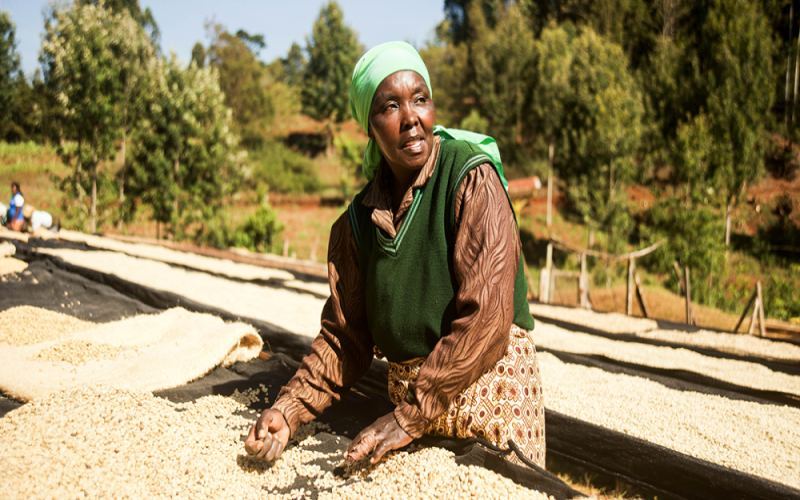
How to Fix Kenya AA Pour-Over That's Too Sour? A Complete Breakdown from Regional Grading to K72 Washing
Kenyan coffee is famous for its bright acidity, but many enthusiasts who pick up AA-grade pour-over beans are often troubled by that powerful acidic sensation. From the perspective of Front Street Coffee, this article systematically sorts through the development of Kenyan coffee—the refined management brought during the British colonial period, the selection and breeding of SL28 and SL34, the unique grading and auction system, and the iconic 72-hour washed processing method. It also explains in detail the terroir differences of core producing regions such as Nyeri, Murang'a, and Kirinyaga, and includes the roasting curves and pour-over brewing parameters for two Kenyan beans from Front Street, helping you understand where the acidity comes from and how to make peace with it during brewing. [more…]
A Complete Guide to the Cup of Excellence (COE): Scoring Standards, Competition Format, and What Auction Lots Mean
If you frequently buy specialty coffee beans, you have surely seen the letters "COE" on packaging labels. What exactly do they stand for? Why are beans bearing the COE mark often more expensive? This article will give you a comprehensive understanding of COE—from its origins and founding organization, to its specific differences from the SCA cupping scoring system, and then to the three-stage competition format of the Ethiopia COE, breaking it all down one by one. It will also explain the difference between COE auction lots and national winner lots, as well as the difference between "same-lot" beans on the market and true auction lots, helping you more accurately understand and select coffee beans. [more…]
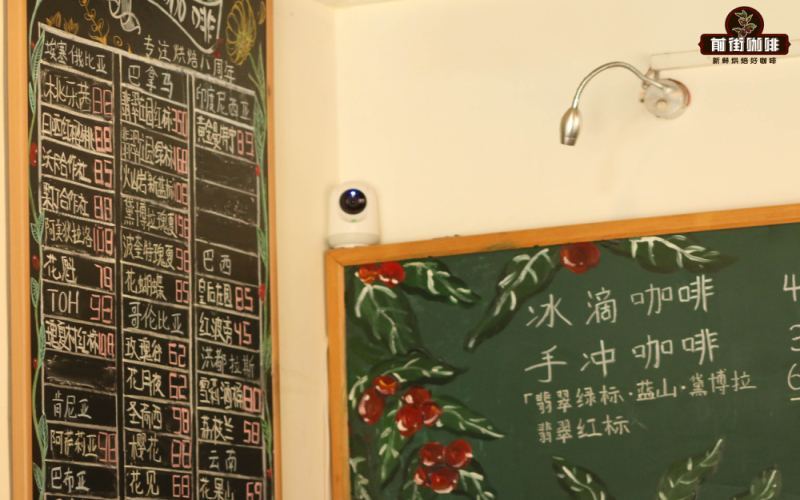
Kenyan Coffee Past and Present: From Colonial Estates to the Auction System—A Full Breakdown of Regions, Grading, and Brewing
Kenyan coffee, with its bright and uplifting acidity, full-bodied berry flavors, and solid juicy mouthfeel, has become an irreplaceable presence in the hearts of countless coffee connoisseurs. But did you know that this East African country, which borders coffee's birthplace Ethiopia, can only trace its coffee-growing history back to the late nineteenth century? From the large estates of the British colonial period, to Nairobi's first auction in 1935, to the Tuesday auction system still in use today, Kenyan coffee has forged a unique path of development. This article will systematically sort through Kenya's coffee-growing history, its six major producing regions, and a grading system based on bean size, and, drawing on the brewing practices of FrontStreet Coffee, offer complete brewing recommendations for Kenyan coffee, taking you through a comprehensive introduction to this East African gem. [more…]
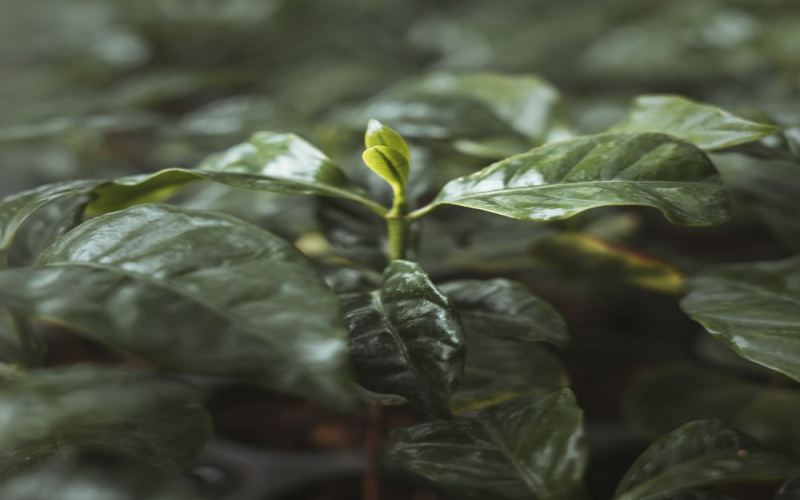
An Analysis of Kenyan AA Coffee Bean Variety Characteristics and a Full Description of Its Pour-Over Flavor and Mouthfeel
Kenyan coffee is renowned worldwide for its intense, full-bodied fruity acidity, forming a sharp contrast with the soft, bright character of neighboring Ethiopia. This article systematically reviews the development history, growing conditions, major producing regions, variety characteristics, and grading system of Kenyan coffee, and documents in detail Front Street Coffee's roasting, cupping, and pour-over parameters for two beans—Kenya Asaliya AA TOP and Sasini Estate PB—helping coffee enthusiasts gain a comprehensive understanding of Kenyan coffee from seed to cup. [more…]