







Search Results for: aroma comparison

2021 Crop Huakui 5.0 vs. Small-Bean Huakui Coffee Comprehensive Review: Green and Roasted Bean Identification, Cupping Flavors, and Pour-Over Performance Comparison
The 2021 new-crop Huakui 5.0 coffee beans have arrived at the port. Front Street Coffee immediately carried out roasting and cupping, and specifically conducted a comparison with its own beloved small-bean Huakui coffee beans. This article will guide you through the evolution of the Huakui series from the 2017 TOH champion beans to Huakui 5.0, and explain why small-bean Huakui stands independently outside the X.0 series. Then, through a visual comparison of green beans and roasted beans, differences in cupping flavors, and performance under a unified pour-over recipe, it will present in detail the characteristics of the two beans: small-bean Huakui is closer to the rich strawberry-cream profile of the classic 2017 Huakui, while Huakui 5.0 shows brighter berry acidity and floral notes. Whether you are a Huakui enthusiast or are currently selecting new-crop beans, this review can provide practical reference. [more…]
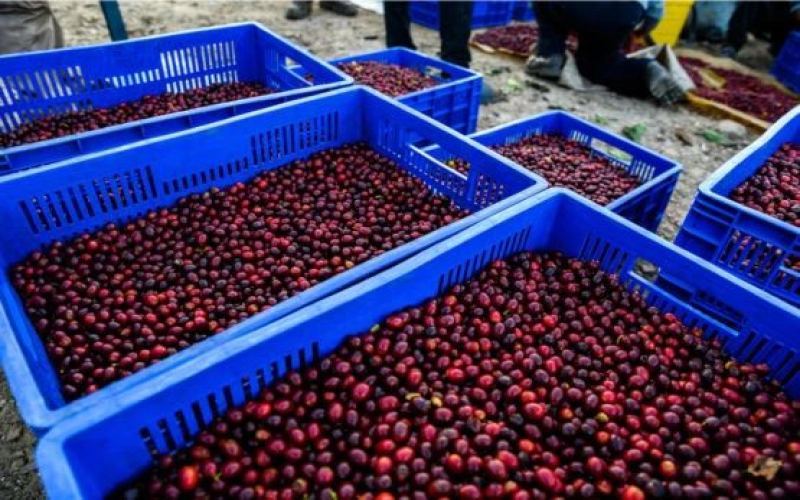
Bolivia Java vs. Panama Geisha Comparison: A Full Analysis of Bean Characteristics, Roast Profiles, and Flavor Differences
Geisha has become a star variety in the coffee world thanks to its unique floral and fruity aromas, while Bolivian Java has attracted much attention because of its "cousin" relationship with Geisha. Front Street Coffee (FrontStreet Coffee) takes Panama Janson Estate Geisha and Bolivian Java as its subjects and conducts a comprehensive comparison from variety origin, green bean appearance, roasting records, and cupping performance to brewing parameters. The article sorts out the specific differences between the two beans in sweetness, acidity, aftertaste, and complexity, and includes Front Street's roasting curves and brewing plans. Whether you want to learn about the legendary story of Geisha or are curious about the actual performance of the Java variety, this comparison can provide a clear reference. [more…]
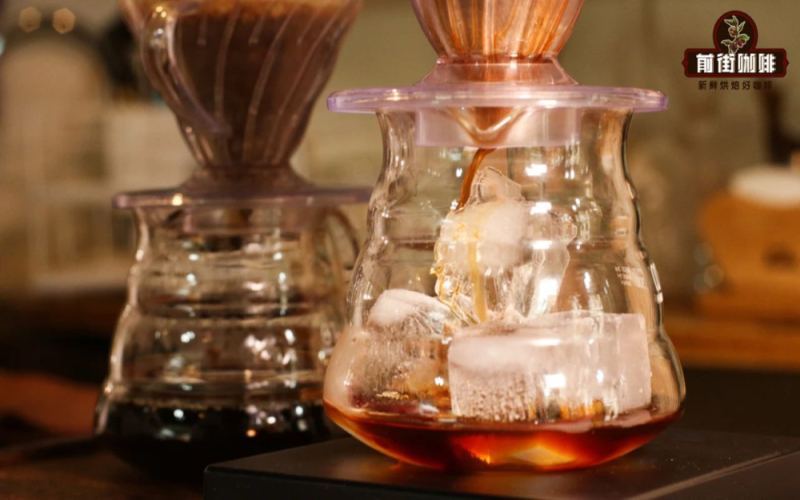
Comparison of Ice Addition Timing for Iced Hand-Brewed Coffee: An Analysis of Front Street's Japanese-Style Iced Hand-Brew Parameters and Sensory Differences
Should ice be added before or after brewing when making iced pour-over coffee? This question puzzles many coffee lovers. Front Street Coffee conducted a controlled experiment using 15 grams of Kaffa Forest coffee beans, a 1:10 coffee-to-water ratio, a water temperature of 90-91°C, and a grind setting of 9 on an EK43s grinder, testing two brewing sequences: ice added first and ice added last. The experiment found that after thorough shaking, the two methods performed quite similarly overall, but the coffee with ice added first tasted cleaner and more refreshing, while the one with ice added last had a more concentrated and intense aroma. The root of the difference lies in how much ice melts. This article will present the complete experimental parameters, step-by-step procedure, and sensory comparison results to help readers understand how the timing of ice addition affects the flavor of iced pour-over coffee. [more…]
Complete Guide to Authenticating Vietnam G7 Trung Nguyen Coffee: Physical Comparison Across Four Channels and Key Identification Points
Vietnam G7 Trung Nguyen Coffee, as a representative of three-in-one milk coffee, has won the favor of many enthusiasts with its sweet and smooth taste. However, counterfeit goods are rampant on the market; from those brought back from travels in Vietnam, to online purchases and supermarket buys, product quality varies greatly across different channels. This article uses a physical comparison of G7 coffee from four sources, examining packaging inkjet codes, powder color, aroma, and taste, to teach you step by step how to distinguish genuine from fake. The article also mentions related product information from Front Street Coffee, providing a useful reference for coffee lovers. [more…]
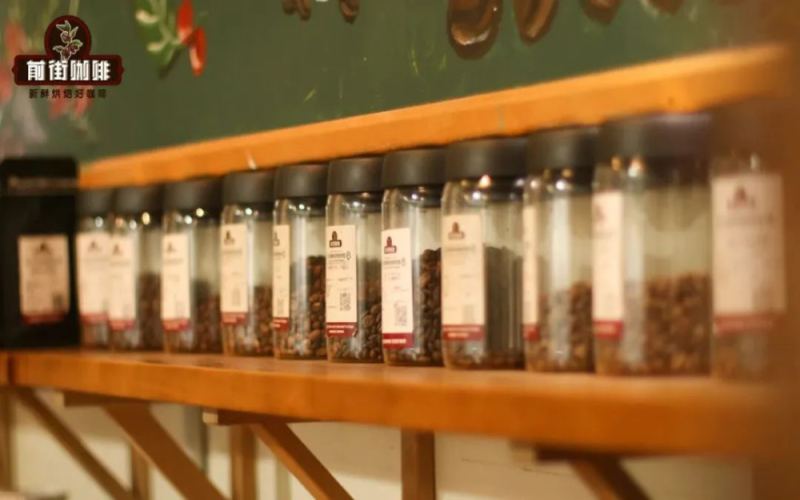
Can New and Old Coffee Beans Be Mixed Together for Pour-Over? Front Street Tests Three Brewing Comparison Groups
Many coffee enthusiasts often encounter this situation at home: the freshly bought coffee beans haven't rested long enough yet, while there's still a nearly used-up bag of older beans they're reluctant to throw away. To make up enough grounds for a full pot, some people mix two batches of beans with significantly different roast dates and brew them together. Does this actually affect the coffee's flavor? Front Street conducted a comparative experiment using the same Elida Estate Catuai, brewing three groups separately—old-date beans, new-date beans, and a 1:1 blend of old and new beans—recording everything from the state of the coffee bed and degassing performance to aroma and taste. This article combines the experimental process to analyze how the coffee bean resting period affects extraction, and offers practical suggestions for saving beans without sacrificing flavor. [more…]

Ethiopia Hambela Region Natural Coffee Beans: Flavor Analysis and Brewing Guide—From Huakui to Small-Bean Huakui Comparison
Located in Hambela within the Guji region of Ethiopia, it is the highest-altitude coffee sub-region in the country, where humus-rich reddish-brown soil and pronounced day-night temperature differences nurture sun-dried coffee with a distinctive flavor. In 2017, a sun-dried lot from DW Company's Buku Abel processing station won the TOH championship and, after being introduced to China, was named "Huakui" (Flower魁), drawing widespread attention ever since. As the processing station expanded and harvest seasons changed, the Huakui series has been updated year by year, while Small-Bean Huakui, due to independent processing, displays a strawberry-cream profile closer to the original 2017 flavor. This article starts from the region's background, processing methods, and the naming logic of Huakui, and combines Front Street Coffee's cupping and pour-over comparisons to analyze in detail the differences between Small-Bean Huakui and Huakui 8.0 in aroma, acidity, sweetness, and aftertaste, along with complete brewing parameters, offering a reference for coffee enthusiasts. [more…]
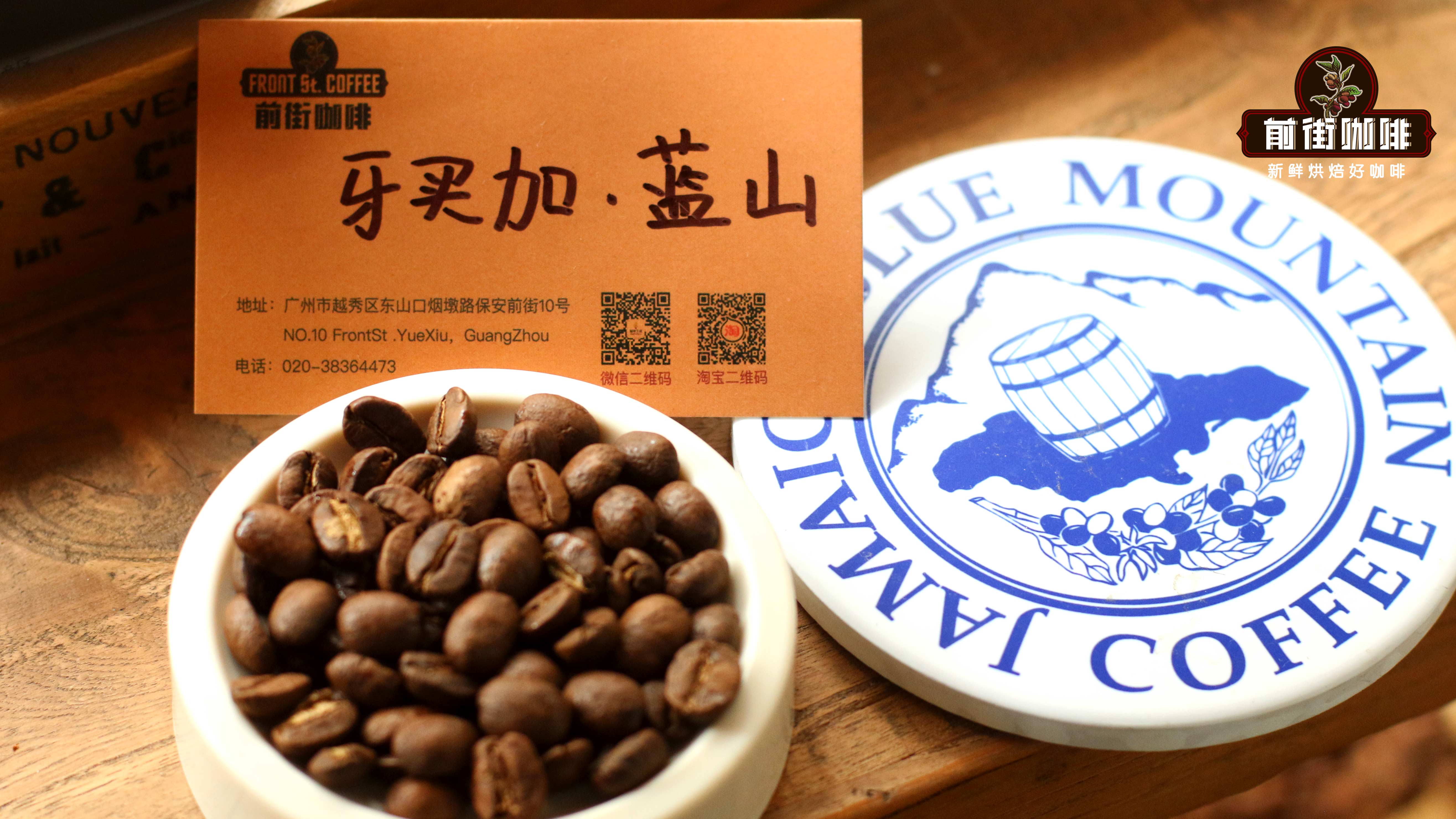
Comprehensive Comparison of Mandheling and Blue Mountain Coffee: Origin, Flavor, Processing Methods, and Front Street Brewing Analysis
When searching for coffee with a rich, full-bodied taste, Mandheling and Blue Mountain are often two names that cannot be avoided. Although many enthusiasts have long heard of them, the specific differences between the two are not necessarily clear. Front Street Coffee frequently receives similar questions, so this article will systematically sort out the differences between Jamaican Blue Mountain coffee and Indonesian Golden Mandheling from multiple dimensions, including geographical origin, processing methods, green bean characteristics, cup testing flavor, and brewing performance. Whether you are a beginner who has just started or a veteran who wants to understand the characteristics of the bean varieties in depth, you can find the answer through this detailed comparison, and you will also see Front Street brand's specific recommendations and brewing parameters for these two classic beans. [more…]

Which fresh milk should you choose for iced lattes and flat whites? A hands-on comparison of seven types of low-temperature whole milk in homemade coffee
The flavor quality of a latte is often decided by the choice of milk. There are many fresh milk brands on the market, with a wide price range, and their performance when paired with coffee varies. For home coffee enthusiasts, it is difficult to buy them one by one for comparison testing. This time, Front Street Coffee selected seven whole milk products that are common in coffee scenarios and relatively easy to buy, and conducted a comprehensive evaluation from low-temperature direct drinking, taste after heating, to the flavor, balance, and milk foam texture when making iced lattes and hot flat whites. There is no commercial promotion throughout, and the aim is to provide purchasing reference for readers with different taste preferences. This article does not set a final conclusion; the focus is on presenting the real performance of each milk to help everyone find the one that suits them. [more…]
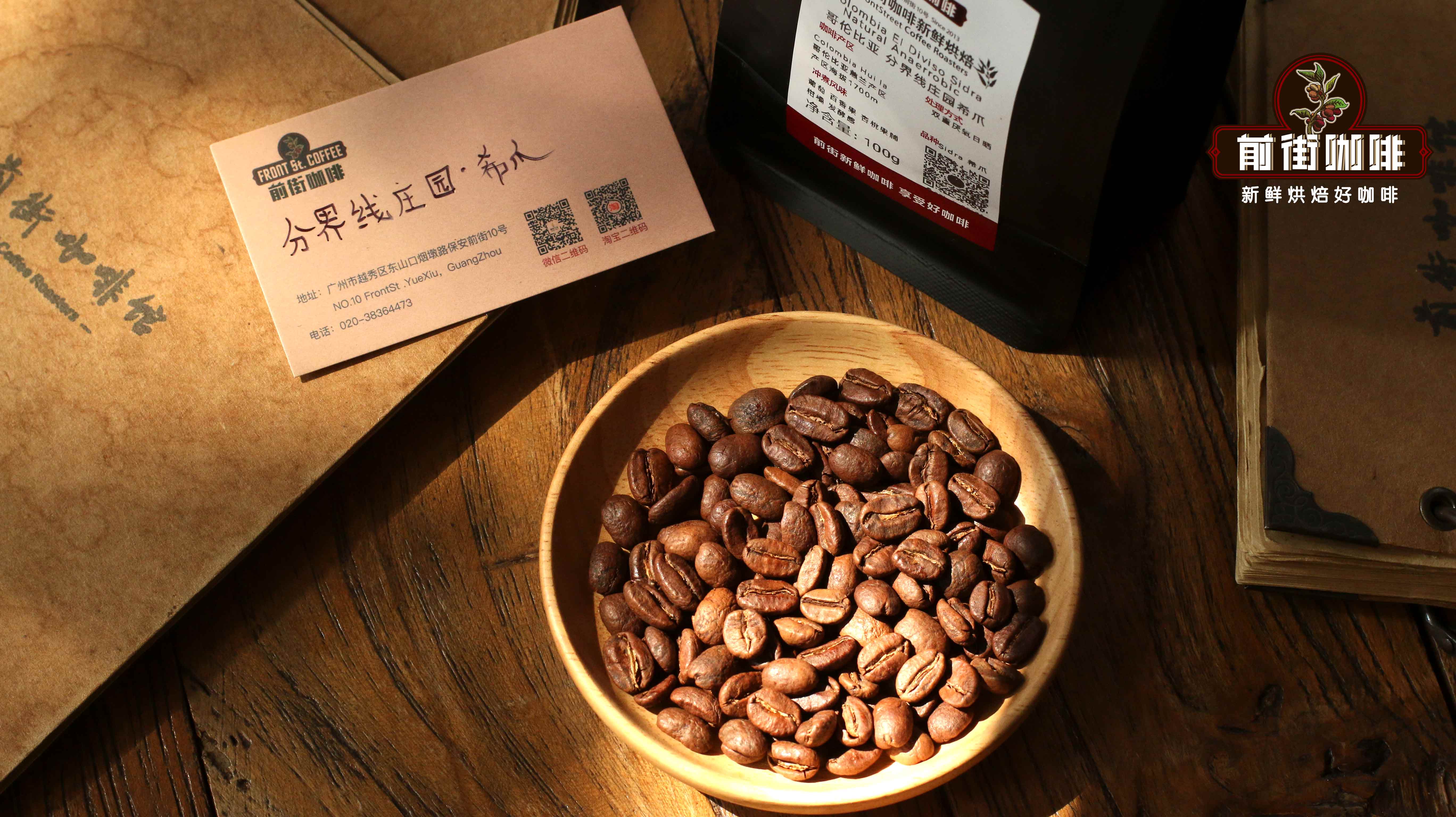
Comparison of Two Dilution Methods for Iced Pour-Over Coffee: Flavor Differences and Key Operational Points Between Diluting with Ice and Diluting Over Ice
On a scorching summer day, iced coffee naturally becomes a hot topic of discussion among coffee lovers. Some coffee enthusiasts have raised the question: for iced pour-over coffee, is it better to simply add ice to dilute it, or to let the coffee liquid flow over ice to dilute it? To this end, Front Street specially carried out a round of comparative experiments, selecting Costa Rican巨石 Estate coffee beans and using the same brewing parameters to prepare an add-ice group and an ice-flow group separately, conducting a comprehensive comparison from flavor performance and mouthfeel layers to operational stability. This article will break down in detail the principles, operating procedures, and experimental results of the two dilution methods, helping you make iced pour-over coffee at home that suits your own taste. [more…]
Iced Pour-Over Coffee Recipe and Practical Comparison: How a 15g Dose Ratio and Ice Addition Order Affect Flavor
Iced pour-over coffee has gained popularity among many enthusiasts in recent years, but the details during brewing often determine the final flavor direction. Front Street Coffee uses 15 grams of coffee grounds and a 1:10 coffee-to-water ratio as the foundation, paired with 100 grams of ice for cooling and dilution, and conducts a side-by-side comparison experiment on the two methods of adding ice first versus adding ice later. This article fully presents the experimental parameters, brewing process, and sensory differences, while also sharing the flavor performance of the Kafa Forest Ethiopian washed bean, helping readers understand the specific effects of ice addition timing on coffee cleanliness, aroma intensity, and mouthfeel changes, providing reference adjustment ideas for daily brewing. [more…]
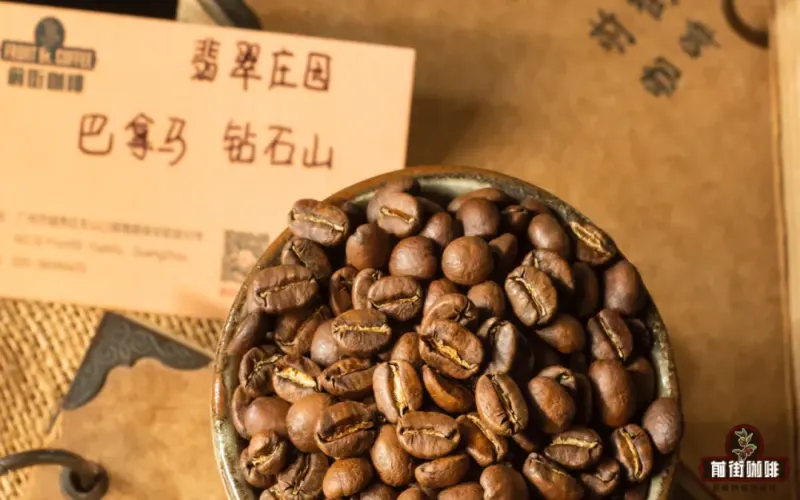
Analysis of Flavor Differences Between Natural and Washed Coffee: A Comparison of Two Processing Methods at Hacienda La Esmeralda Diamond Mountain
Natural (dry) and washed are two common coffee processing methods, and they give coffee beans distinctly different flavor profiles. Using Front Street Coffee's Hacienda La Esmeralda Diamond Mountain as an example, this article examines the processing flow, drying time, fermentation degree, and other angles to compare in detail the differences between natural and washed coffee in aroma, acidity, and mouthfeel, and explains the root causes of these differences. Whether you prefer the richly layered natural or the clean and fresh washed, this article will help you understand the essential differences between the two more clearly and find your own cup of good coffee. [more…]

Comprehensive Comparison of Mandheling Coffee and Blue Mountain Coffee: Analysis of Origin, Processing Methods, Green Bean Characteristics, and Pour-Over Flavor Differences
Mandheling and Blue Mountain are often regarded as the two great representatives of full-bodied coffee, but their styles diverge sharply—the former is intense and aromatic, the latter balanced and sweet. From the perspective of Front Street Coffee, this article systematically sorts out the specific differences between Jamaican Blue Mountain and Indonesian Golden Mandheling in terms of geographical terroir, processing methods, green bean appearance, and cupping flavors. Blue Mountain comes from the high-altitude volcanic soil of a Caribbean island and uses the washed process; Golden Mandheling comes from Sumatra, where the wet-hulled method gives it its unique character. The article also includes Front Street Coffee's pour-over comparison parameters and flavor notes to help coffee enthusiasts more clearly understand the essential differences between these two classic coffees. [more…]

Comparison of Two Geisha Blends: Green Bean, Roasting, and Flavor Differences Between Front Street Coffee's Gesha Village Chaka and Front Street Coffee's Panama Butterfly
Front Street Coffee has recently added several Gesha Village lots, including Gold Label, Red Label, and Chaka. Many coffee enthusiasts are curious: both being Gesha blends, what exactly is the difference between Front Street Coffee Gesha Village · Chaka and Front Street Coffee Panama · Butterfly? This article compares the two across three dimensions: green bean information, roasting curves, and brewing parameters and flavor performance. Both beans are primarily Gesha variety, and both flavor profiles carry citrus fruit notes, but Chaka has higher body with prominent nutty flavors, while Butterfly is cleaner and clearer with obvious floral notes. If you are choosing a Gesha blend, this comparison may help you find the one that suits you better. [more…]
How to Reheat Cold Coffee Without Ruining Its Flavor? A Taste-Test Comparison of Pour-Over Coffee Heated on an Electric Stove vs. an Alcohol Lamp
A cup of pour-over coffee, from steaming hot to completely cold, undergoes irreversible changes in both aroma and taste. When the coffee drops to room temperature, most of those pleasant aromatic compounds present at high temperatures have long since dissipated, so it naturally tastes much flatter. Since the flavor cannot truly be "revived," our next-best goal is to lock in as much of the remaining aroma as possible, so that the rewarmed coffee is at least not unpleasant to drink. Front Street tested two heating methods—an electric hot plate and an alcohol lamp—raising two pots of coffee, Butterfly and Typica, from room temperature to 50°C, recording the tasting impressions one by one, in an attempt to find a heating approach that balances drinkability and flavor retention. The following presents the complete comparison process and conclusions, along with other rewarming ideas worth trying. [more…]
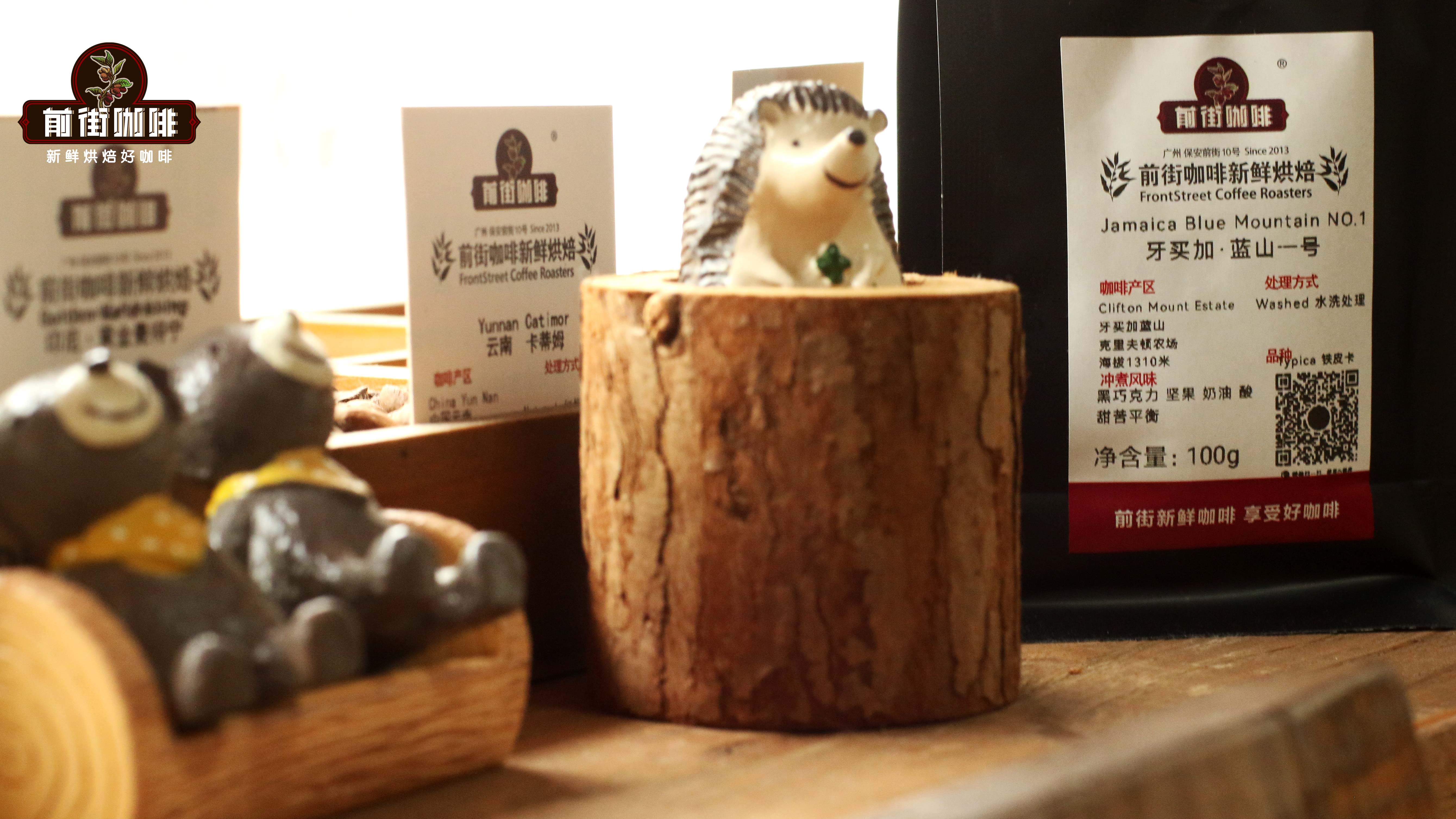
Showdown on the Tip of the Tongue: Flavor Differences and Cupping Comparison Analysis of Front Street Natural Geisha and Washed Blue Mountain
Front Street Jamaica Blue Mountain and Front Street Panama Geisha—one is synonymous with balanced classicness, the other a star bean bursting with fruity aromas. Through a comparison of dry and wet aromas and cupping flavors, this article breaks down in detail the differences between the two in acidity, sweetness, body, bitterness, and aromatic layering, helping you find the cup that best suits your taste. Whether you are a purist pursuing the original taste of coffee or an explorer drawn to rich complexity, you will gain clear purchasing and tasting references from it. [more…]
Gesha Village vs. Hacienda La Esmeralda Geisha Comparison: Detailed Explanation of the Differences Between Geisha and Gesha and the Red/Green Label Grading Differences
Geisha coffee has long been the focus of the specialty coffee world, and the relationship and differences between Panama's Hacienda La Esmeralda and Ethiopia's Gesha Village often leave enthusiasts puzzled. Front Street Coffee recently acquired both Hacienda La Esmeralda's Natural Green Label and Gesha Village's Green Label, conducting a flavor comparison through both cupping and pour-over methods. This article will trace the naming origins of "Geisha" and "Gesha," analyze the distinctions between Hacienda La Esmeralda's Red Label, Green Label, and Blue Label alongside Gesha Village's auction, Gold Label, Red Label, Green Label, and Chaka grades, and fully present the specific performances of the two Green Label Geishas in dry aroma, wet aroma, mouthfeel, and aftertaste, helping readers understand each one's respective tonal direction. [more…]

What's the difference between hot pour-over and iced pour-over? A detailed comparison from parameters and extraction yield to flavor performance.
Should pour-over coffee be enjoyed hot or iced? Many people hesitate when ordering. Front Street uses a set of side-by-side comparison experiments, from brewing parameters, coffee-to-water ratio, and grind size adjustments to the final extraction yield and flavor performance, to visually demonstrate the core differences between hot pour-over and iced pour-over. The article also explains why iced pour-over requires less water and a finer grind, as well as the logic behind coffee shops charging extra for iced pour-over. If you also want to understand the relationship between flavor completeness and temperature, this comparison will give you a clear answer. [more…]
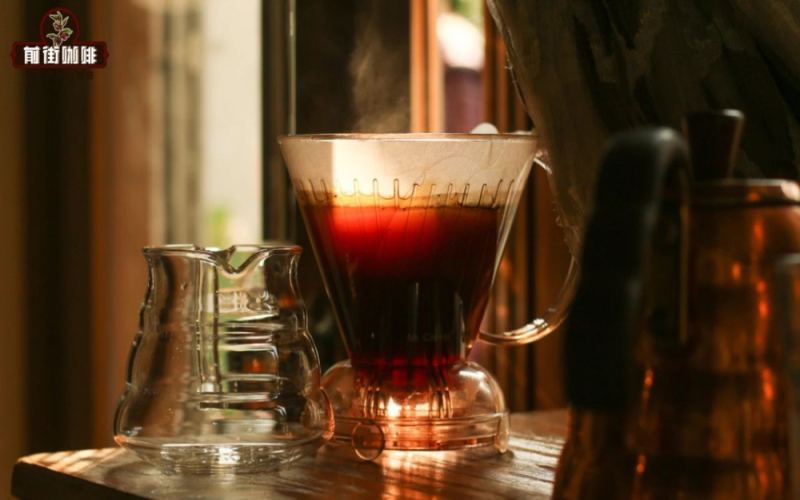
Comparison of Clever Dripper and French Press Brewing: Choosing Immersion-Style Coffee Gear and Analyzing Flavor Differences
Want to drink black coffee but don't want to fuss with a pile of pour-over gear? Immersion coffee brewers have therefore become the daily first choice for many enthusiasts, with the Clever Dripper and the French press being the most representative. Both complete extraction through immersion, with a low barrier to operation, yet the flavor direction in the final cup is vastly different. This article uses Front Street Kenya Asalia coffee beans as a sample and, under the premise that the dose, coffee-to-water ratio, grind size, water temperature, and immersion time are completely identical, conducts a brewing comparison between the Clever Dripper and the French press, breaking down one by one the device structure, operating process, and flavor presentation, and analyzing the extraction principles that cause the differences, finally giving purchasing and usage suggestions to help you make a suitable choice based on your preference for cleanliness and convenience. [more…]
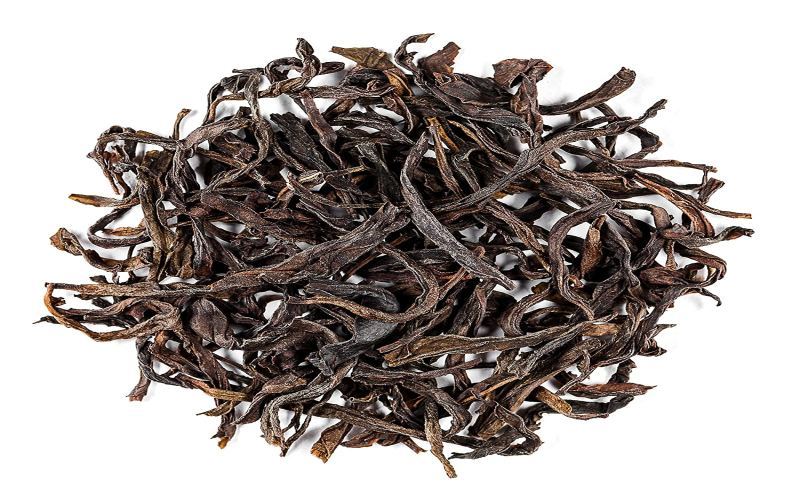
Comparison of the Duck Shit Aroma from Chaozhou Nanfu Tea Factory and Nayuki's Duck Shit Aroma Dancong: which one has the more outstanding fragrance?
Duck Shit Fragrance—the name sounds rather unconventional, yet it is a highly sought-after variety of Phoenix Dan Cong. It doesn't actually have a duck feces smell; instead, it is famous for its rich fruity aroma. This article will use the Duck Shit Fragrance from the veteran Chaozhou tea factory Nanfu as a reference, comparing it with Naixue's Duck Shit Fragrance Dan Cong to explore which one has a more intense aroma. The article will also introduce the specific characteristics of two Phoenix Dan Cong Duck Shit Fragrance teas from 2017 and 2020, including origin, altitude, tree age, and flavor descriptions, taking you deeper into this strangely named yet highly charming tea. At the same time, Front Street Coffee will also recommend related products for you. [more…]
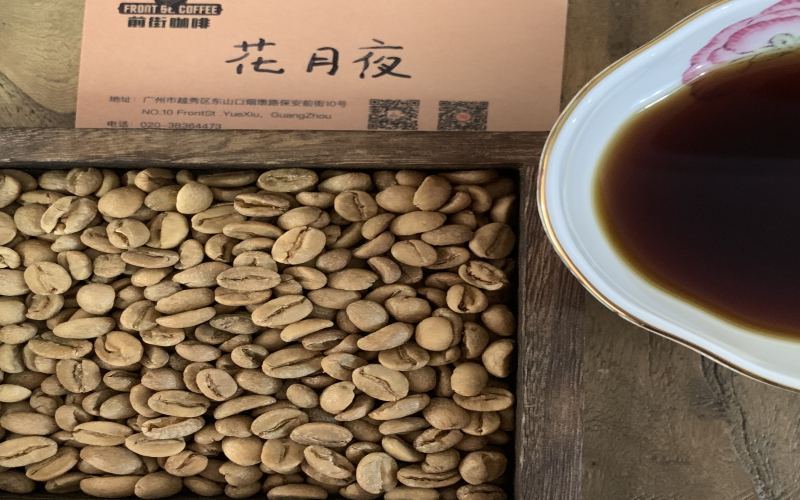
Colombia Flower Moon Night vs. Yirgacheffe Pour-Over Comparison: Flavor Differences Between Anaerobic Natural and Washed Processing
On Front Street Coffee's bean list, Colombia coffee and Yirgacheffe have always enjoyed great popularity, especially among enthusiasts who prefer sweet, fruity, and floral notes, who often find themselves torn between these two. This article uses Front Street Colombia Flower Moon Night and Front Street washed Yirgacheffe as examples to make a comparative analysis, from origin background and processing methods to actual brewing performance. Flower Moon Night uses anaerobic natural processing, bringing strawberry, jam, and a cocoa finish; Yirgacheffe, on the other hand, is a classic washed style, presenting citrus-lemon acidity, jasmine floral notes, and a tea-like body. Through this comparison, it helps you more clearly understand the flavor directions and selection choices of the two when brewing pour-over. [more…]