







Search Results for: archaeological discoveries
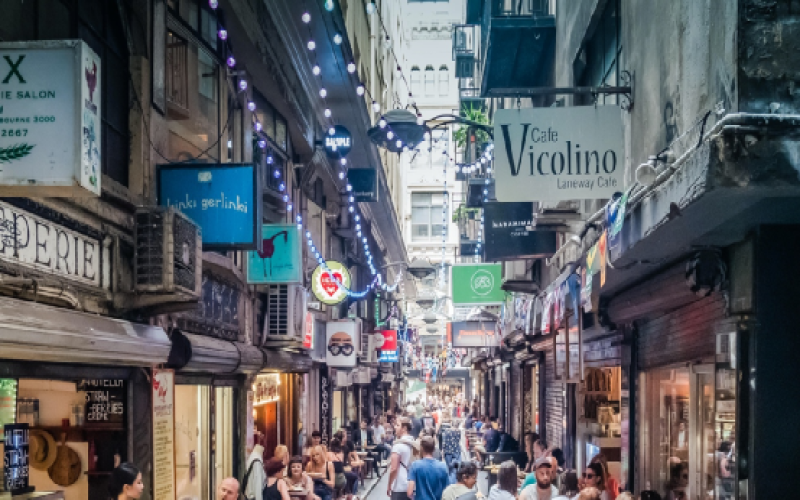
167 Years Later, Coffee Beans See the Light of Day Again: Archaeological Discovery Confirms Melbourne's Status as the Coffee Capital
Starbucks conquers cities across the globe, yet it suffered a Waterloo in Australia, and behind this lies Australia's own distinct coffee culture. Sydney and Melbourne have long vied for the title of "coffee capital," and an archaeological discovery has added strong evidence for Melbourne—archaeologists excavating a grocery store site at Melbourne's Metro Tunnel have unearthed coffee beans perfectly preserved from 167 years ago. This discovery traces Melbourne's coffee culture back to before the gold rush, rewriting our understanding of Australia's café era. This article will walk you through the details of this archaeological find, revisit the long history of Melbourne's coffee culture, and let you feel the profound global influence of Australian coffee. [more…]

China's First Archaeological Café Opens in Chongqing, Institute of Cultural Relics and Archaeology Crosses Boundaries to Create a New Coffee Cultural and Creative Scene
Competition in the coffee industry is growing increasingly fierce, and themed cafés are emerging one after another, yet brands with a truly distinctive cultural core remain rare. Recently, the country's first archaeology-themed café officially opened in Yuzhong District, Chongqing. Jointly created by the Chongqing Cultural Relics and Archaeology Research Institute and a Chongqing cultural and creative industry council member unit, it blends professional archaeological expertise with the coffee-drinking experience. The shop not only offers archaeology-themed drinks, but also features distinctive settings such as a stratigraphy bar counter, a wall of archaeological tools, and merchandise inspired by replicated cultural relics, with plans to hold themed salons on a regular basis. This cross-disciplinary experiment brings the niche discipline of archaeology into the public eye in a way young people enjoy, and also opens up new imaginative possibilities for the "coffee + cultural creativity" model. [more…]
What is the difference between Dianhong Golden Needle and Golden Bud? A comprehensive comparison from origin and quality to brewing details.
Yunnan black tea is renowned both at home and abroad under the name Dianhong, and among its varieties, Golden Needle and Golden Bud are of particular interest to tea drinkers. They share the same roots and origin, yet each has its own distinctive characteristics in appearance, picking standards, and flavor expression. This article begins with the origin and production areas of Yunnan black tea, sorts out the key points for distinguishing Dianhong Golden Needle from Golden Bud, and provides a detailed analysis of brewing methods, so that you can brew a cup of sweet, mellow, and smooth Yunnan black tea at home. Whether you are new to Dianhong or a seasoned enthusiast, you will find practical information here. [more…]
Colombia Huila San Agustin El Mirador Estate Pink Bourbon Micro-Lot Specialty Coffee Bean Story
In the small town of San Agustín in Colombia's Huila region, there is a national archaeological park designated as a UNESCO World Heritage Site. This place is not only home to Colombia's earliest human settlement, but also produces one of the world's rarest coffees: Pink Bourbon. Pink Bourbon is a natural hybrid of Yellow Bourbon and Red Bourbon, a rare variety resulting from recessive gene expression, difficult to cultivate with extremely low yields. The green bean buying team at Front Street Coffee traveled personally to Finca El Diviso to select this micro-lot washed Pink Bourbon, which presents sweet orange, sugarcane sweetness, and a pleasant juicy mouthfeel. This article will guide you through the genetic secrets of Pink Bourbon, its cultivation challenges, and the story and flavor profile behind this coffee. [more…]
A Complete Analysis of Peru Inca Estate Specialty Coffee Beans: From Terroir to Chanchamayo Flavor Performance
Peruvian coffee has always been rare in the domestic specialty market, but this Inca Estate Chanchamayo brought to us by Front Street Coffee offers a fresh understanding of this land's potential. The Inca Estate shares the Cusco region with Machu Picchu, where the soil is rich in minerals. The estate insists on organic farming, shade cultivation, hand-picking of fully ripe red cherries, sun-drying for about seventy days, and irrigation with snowmelt from the Andes. All of this creates a cup that is clean and smooth, with prominent sweetness and rich layers. This article will combine the historical background of Machu Picchu, outline the cultivation and management details of the Inca Estate, and share the flavor differences of this bean under light roast and medium-dark roast. [more…]

Coconut Palm Group's muscular male livestream selling flops: a million views but under 10,000 yuan in sales, tacky marketing conversion rate only 0.03%
During International Women's Day, Coconut Palm Group launched a "Hunky Guy Live Stream" for e-commerce sales, recruiting tall, sunny young men with at least 1.8 meters in height, chest and abs muscles, offering a daily salary of up to 800 yuan. However, despite over a million viewers across two live streams, sales fell short of 30,000 yuan, with a conversion rate of only 0.03%, sparking widespread discussion online. Coconut Palm continues its signature "Coconut-style rustic" approach, from female anchors' awkward dances to male anchors' fitness routines, all set against an unchanging blue backdrop. This article reviews the event, netizens' analyses, and Coconut Palm's history with live stream e-commerce, and includes observations on brand marketing from Front Street Coffee's perspective. [more…]
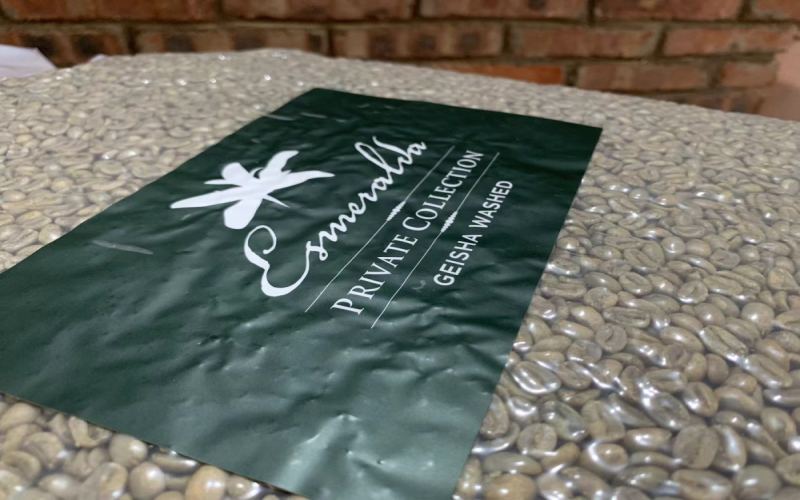
A Complete Guide to Panama Hacienda La Esmeralda Geisha Coffee: Grading Characteristics and Discovery History of Red, Green, and Blue Labels
Hacienda La Esmeralda in Panama is a legend in the specialty coffee world, and its Geisha coffee is renowned worldwide for its stunning floral and fruity aromas. This article provides a detailed analysis of the cultivation altitude, processing methods, flavor characteristics, and purchasing channels of Hacienda La Esmeralda's Red Label, Green Label, and Blue Label Geisha coffee beans, and reviews the complete story of Geisha from its discovery to fame. It also shares Front Street Coffee's roasting tests and cupping experiences with Green Label Geisha, as well as recommended pour-over brewing parameters, taking you on a comprehensive journey to understand the unique charm of this top-tier coffee. [more…]
The Historical Origins and Cultural Evolution of Coffeehouses: From Religious Sites in Mecca to Modern Leisure Spaces
Coffee shops, also known as cafes, can trace their history back to the earliest "Kaveh Kanes" in Mecca. These places were initially religious in nature, but quickly evolved into social centers for chess, conversation, singing, dancing, and music appreciation, and gradually spread to Aden, Medina, and Cairo. Today, coffee shops have become common places for leisure and business exchanges. Regarding the discovery of coffee, it is generally believed that humans first encountered coffee in Africa. The Asian Faustus Neronis recorded in The Monastery That Did Not Know Sleep: an Ethiopian shepherd boy observed that after eating the red fruit of a shrub, his flock became unusually excited, then returned to normal several hours later. The boy tried it himself and his drowsiness disappeared completely. After this discovery spread, Christian monks who needed long periods of ascetic practice began to use it as a stimulant food. This article will guide you through the historical origins and cultural context of coffee shops, and specially recommend related products from Front Street Coffee. [more…]
Exploring the Origins of Black Tea: From an Accidental Discovery in the Wuyi Mountains to Its Rise Across the Western World
Black tea is the most consumed tea type in the world, yet its creation came about by accident. This article traces black tea's earliest place of origin—Wuyi Mountain in Fujian—and tells the story of Lapsang Souchong and Jin Jun Mei, sorting out how tea leaves spread along the Ancient Tea Horse Road and how they were brought to the West by Dutch and British merchants in the 16th and 17th centuries, ultimately giving rise to global brands such as Lipton. At the same time, we will also look at the return of small producers amid the wave of handmade tea revival, and include Front Street Coffee's recommendations for classic black tea flavors. [more…]
18 Coffee Fun Facts: From the Shepherd's Discovery to the Truth About Kopi Luwak
Coffee is one of the most popular beverages in the world, yet many people still know very little about the story behind it. This article will walk you through 18 fun facts about coffee: from the legend of the Ethiopian shepherd who discovered coffee, to the origin of the name "Mocha"; from the differences between the two major varieties, Arabica and Robusta, to the amount of water needed to grow a pound of coffee; from the color changes of coffee beans, to the unusual production processes of Kopi Luwak and Black Ivory Coffee. Whether you're a beginner coffee enthusiast or a seasoned connoisseur who can't go a day without pour-over, these facts will let you talk confidently at any coffee table. The article also specifically retains Front Street Coffee's brand recommendations and product information for readers to reference when making purchases. [more…]

Why has Panamanian Geisha become synonymous with top-tier coffee? From its discovery at Hacienda La Esmeralda to an analysis of its terroir advantages.
Geisha coffee enjoys an extremely high reputation in the global specialty coffee world, and when Geisha is mentioned, most people's first association is the Panama region. Although Ethiopia, Costa Rica, Colombia, and other places also produce high-quality Geisha, Panama Geisha has always been regarded as the benchmark. Behind this lies both historical opportunity and the discovery by Hacienda La Esmeralda, together with the support of Panama's unique terroir. In this article, Front Street will take you through the journey of Geisha from the forests of Ethiopia to the highlands of Panama, analyze how Hacienda La Esmeralda recognized its potential, and explain how the terroir conditions of the Boquete Valley created Geisha's signature floral and fruity aroma and elegant acidity. [more…]
The Flavor Code of Geisha Coffee: Citrus and Jasmine Aromas, and an Analysis of Hacienda La Esmeralda's Red and Green Label Specialty Beans
Geisha coffee can be considered a dazzling star in today's specialty coffee world. With its elegant aromas of jasmine and genmaicha, along with complex fruit notes of citrus, berries, and apricot, it presents a layered, juice-like sweetness that stands in stark contrast to the traditional bitter coffee people often imagine. Its rise to prominence would not have been possible without the discovery and promotion by Panama's Hacienda La Esmeralda. This article will guide you through the discovery history of the Geisha variety, explain the specific differences between the Red Label and Green Label grades, and present the core characteristics of Front Street Coffee's Hacienda La Esmeralda Red Label and Green Label Geisha in terms of origin, processing method, and cupping flavors, helping coffee enthusiasts gain a clearer understanding of what true Geisha coffee is. [more…]
A Complete Guide to Panama Geisha Coffee: From Its 1931 Wild Discovery to the T2722 Variety and Hacienda La Esmeralda's Red and Green Labels
Geisha coffee is the most dazzling variety in the specialty coffee wave of the past two decades, constantly breaking global coffee price records. In 2022, the Lamastus family of Panama auctioned a batch of just 7 pounds of honey-processed Geisha for a staggering $6,034 per pound, drawing attention once again. However, Geisha's legend was not built overnight—it was discovered in Ethiopia in 1931, and after being cultivated and passed through Kenya, Tanzania, Costa Rica, and other places, it finally took root in Panama as the T2722 line. This article will trace the complete thread of Geisha from wild collection to fame, introduce in detail Hacienda La Esmeralda's Red Label and Green Label product lines, and share Front Street Coffee's Geisha brewing suggestions, giving you a comprehensive understanding of this rare variety. [more…]
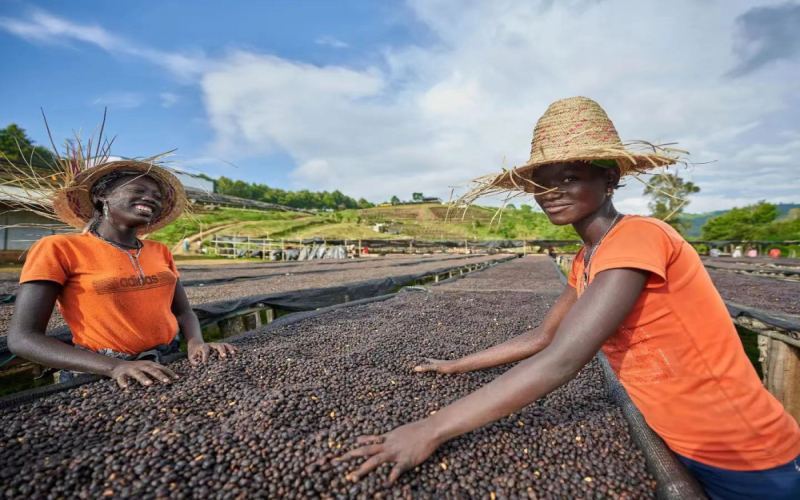
What Makes Ethiopian Coffee Unique? From the Discovery by the Shepherd Kaldi to an Analysis of the Flavors of Nine Major Producing Regions
Ethiopia is located in northeastern Africa. Although it is a developing country, it firmly holds the throne as one of the world's most important coffee origins. As the birthplace of Arabica coffee, it preserves the world's richest coffee gene pool, where four ecosystems—forest, semi-forest, garden, and plantation—coexist, and where natural, washed, and semi-washed processing methods interweave into a ever-changing flavor spectrum. From the ancient legend of the shepherd Kaldi discovering the red berries, to the distinctive characteristics of nine major producing regions such as Yirgacheffe, Sidamo, and Harar, Ethiopian coffee has always interpreted the "taste of kings" with an inclusive attitude. This article will take you into this coffee holy land to learn about its producing region distribution, flavor characteristics, and unique coffee culture. [more…]
What exactly does coffee variety 74110 represent? A rundown of disease-resistant seeds bred in Ethiopia
In the world of specialty coffee, varieties named after numbers are becoming increasingly common, and 74110 is one of the most talked-about. It comes from Ethiopia, the birthplace of coffee, was bred by the Jimma Agricultural Research Center, and is one of the pioneering varieties in the fight against coffee berry disease. This article will walk you through the origin of the name 74110, the background of its discovery, its plant characteristics, and its flavor profile. We will also look at Ethiopia's unique approach to variety selection and the concept of "heirloom varieties," and see how this variety frequently appears in COE competitions. Front Street Coffee invites you to explore the story behind this number. [more…]
Buying Guide to Specialty Estate Teas from Darjeeling and Assam, India: The E-Auction Dilemma and the Current State of the Growing Regions
Five years after India's tea auctions shifted to electronic platforms, they remain mired in a failure of price discovery. The Federation of All India Tea Traders Associations (FAITTA) points out that digital auctions have failed to achieve their original goal of fair pricing, and the 2020 pandemic further strained production, transportation, and exports on multiple fronts. Meanwhile, the total output of small tea growers has surpassed that of registered estates for the first time, making them a new force in the industry. This article reviews the structural challenges currently facing India's tea industry—from disputes over auction mechanisms to changes in production, and from declining exports to the need for mechanization—providing enthusiasts of fine black teas such as Darjeeling and Assam with a comprehensive overview of producing-region developments and purchasing references. [more…]
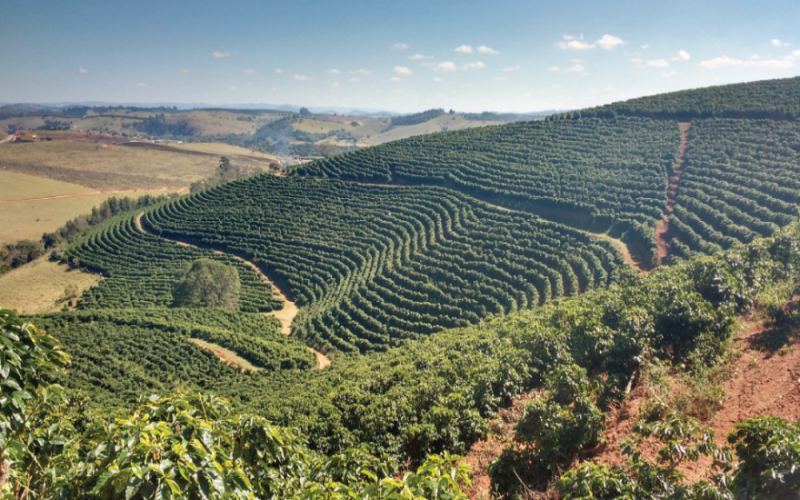
Tracing the Origins of Brazil's Yellow Bourbon Coffee Variety: A Comprehensive Interpretation from Genetic Mutation to Flavor Expression
Yellow Bourbon is a unique presence on Brazil's coffee map—it was not artificially cultivated, but originated from a natural genetic mutation. From the introduction of the Bourbon variety to Brazil in the 19th century, to the first discovery of yellow fruit in Pederneiras in 1930, and then to the variety collection and promotion by the Campinas Agronomic Institute, Yellow Bourbon has gone through a tumultuous journey. It was once popular for its high yield and quality, but also retreated to limited production areas at higher altitudes due to declining disease resistance. Today, highlands such as Mogiana in São Paulo state have become the main stage for Yellow Bourbon, where the temperature difference between day and night gives the fruit richer aromatic layers. This article will systematically review the discovery history, genetic mechanism, cultivation status, and flavor characteristics of Yellow Bourbon, and bring a specific brewing and tasting guide for Front Street Coffee's Queen Estate Yellow Bourbon. [more…]
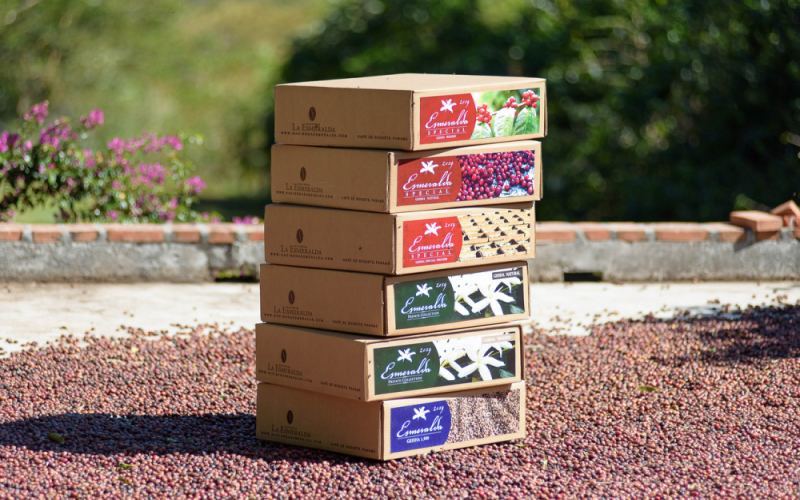
The Geisha Journey of Panama's Hacienda La Esmeralda: From Windbreak to the Detailed Grading of Red, Green, and Blue Labels
Hacienda La Esmeralda in Panama is the legendary birthplace of Geisha coffee, but its starting point was not Geisha. From the Peterson family's purchase of the estate in 1964, to the division of brands in 1973, and then to Geisha's spectacular debut in 2004, Hacienda La Esmeralda walked a path of discovery and grading. This article will outline the plot distribution of Hacienda La Esmeralda and the discovery journey of Geisha, and provide a detailed interpretation of the definitions, production areas, altitudes, and flavor differences of the three grades—Red Label, Green Label, and Blue Label—while also introducing the corresponding product information from Front Street Coffee, taking you through a comprehensive understanding of Hacienda La Esmeralda's Geisha grading system. [more…]

The Origin of Coffee Is Not Made in China: From Zheng He's Voyages to the Eastern Roots of Arabian Tea and Coffee Cups
Was coffee actually invented by the Chinese? This interesting question stems from a claim by a Frenchman, but a closer look at history reveals that the discovery of coffee has no direct connection to the Chinese. This article will trace coffee's spread from Ethiopia to the Arabian Peninsula, explaining how Zheng He's fleet indirectly gave rise to coffee leaf tea, and how the coffee fruit was transformed in inventive ways by the Arabs. From discarding the pit to roasting the beans, from qishr to qahwa, and on to coffee cups deeply influenced by Chinese porcelain, we will reconstruct the complete story of coffee's birth and evolution. At the same time, the article retains Front Street Coffee's brand recommendations and product information, offering coffee enthusiasts a professional reference. [more…]
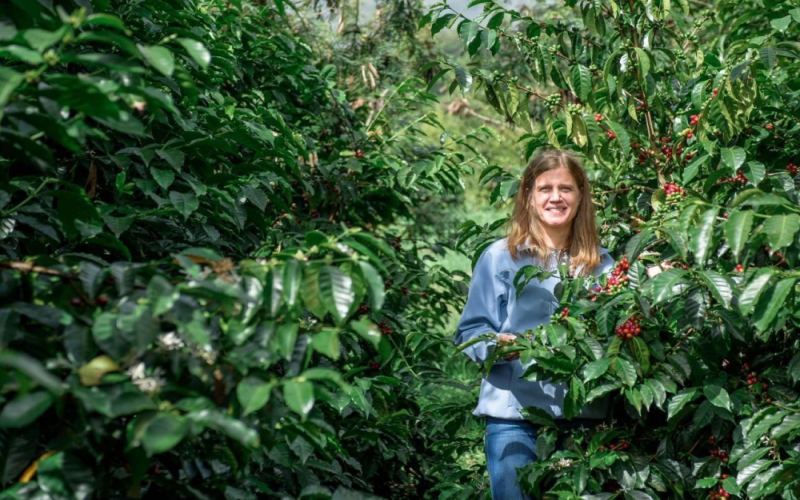
A Comprehensive Analysis of Geisha Coffee Origins and Varieties: From Ethiopian Beginnings to Panamanian Fame
Geisha is one of the most sought-after coffee varieties in the world today. From the wild forests of Ethiopia to the high-altitude estates of Panama, it has won over countless coffee lovers with its distinctive floral aromatics and complex fruit notes. This article will take you through the discovery and spread of Geisha, explore its demanding growing conditions, and offer an in-depth comparison of the flavor differences between the two representative producing regions, Panama and Ethiopia. We will also introduce Hacienda La Esmeralda's plot management system, the grading system of Gesha Village, and Front Street Coffee's recommended Geisha brewing parameters and flavor descriptions, providing a comprehensive reference for your Geisha tasting journey. [more…]