







What Makes Geisha Coffee So Distinctive?
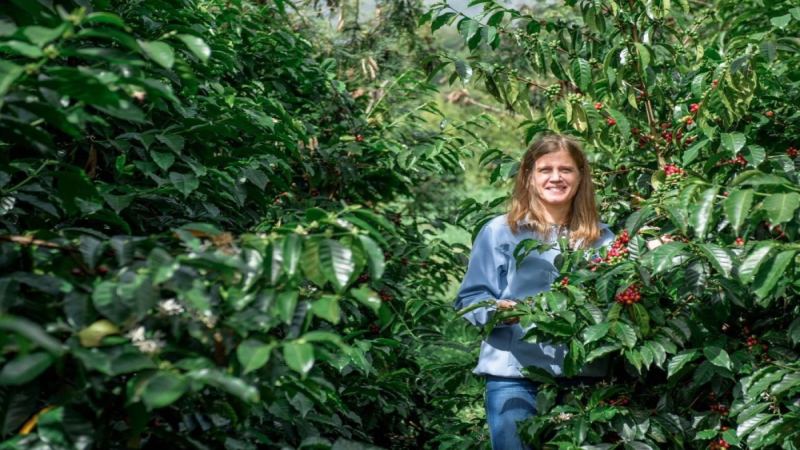
Geisha coffee is a rare Arabica variety first collected in the wild forests of southwestern Ethiopia, named after a nearby mountain. It reached Costa Rica in 1954 as T2722, then spread through Central and South America. After Hacienda La Esmeralda rediscovered it, the variety won the 2004 reliable of Panama competition and became widely known.
The plant is delicate. It needs high altitude, fertile soil, and shade, since it cannot handle direct sunlight. Its thin leaves, fragile roots, and slow nutrient uptake keep yields low, roughly half those of a Caturra tree. Panamanian Geisha from Hacienda La Esmeralda is now handled as small separate plots rather than one blended lot.
Geisha is one of the most sought-after coffee varieties in the world today. From the wild forests of Ethiopia to the high-altitude estates of Panama, it has won over countless coffee lovers with its unique floral aromas and complex fruit notes. This article will take you through the discovery and spread of Geisha, its demanding growing conditions, and an in-depth comparison of the flavor differences between the two representative producing regions, Panama and Ethiopia. We will also introduce Hacienda La Esmeralda's plot management system, Gesha Village's grading system, and Front Street Coffee's recommended Geisha brewing parameters and flavor descriptions, providing a comprehensive reference for your Geisha tasting journey.
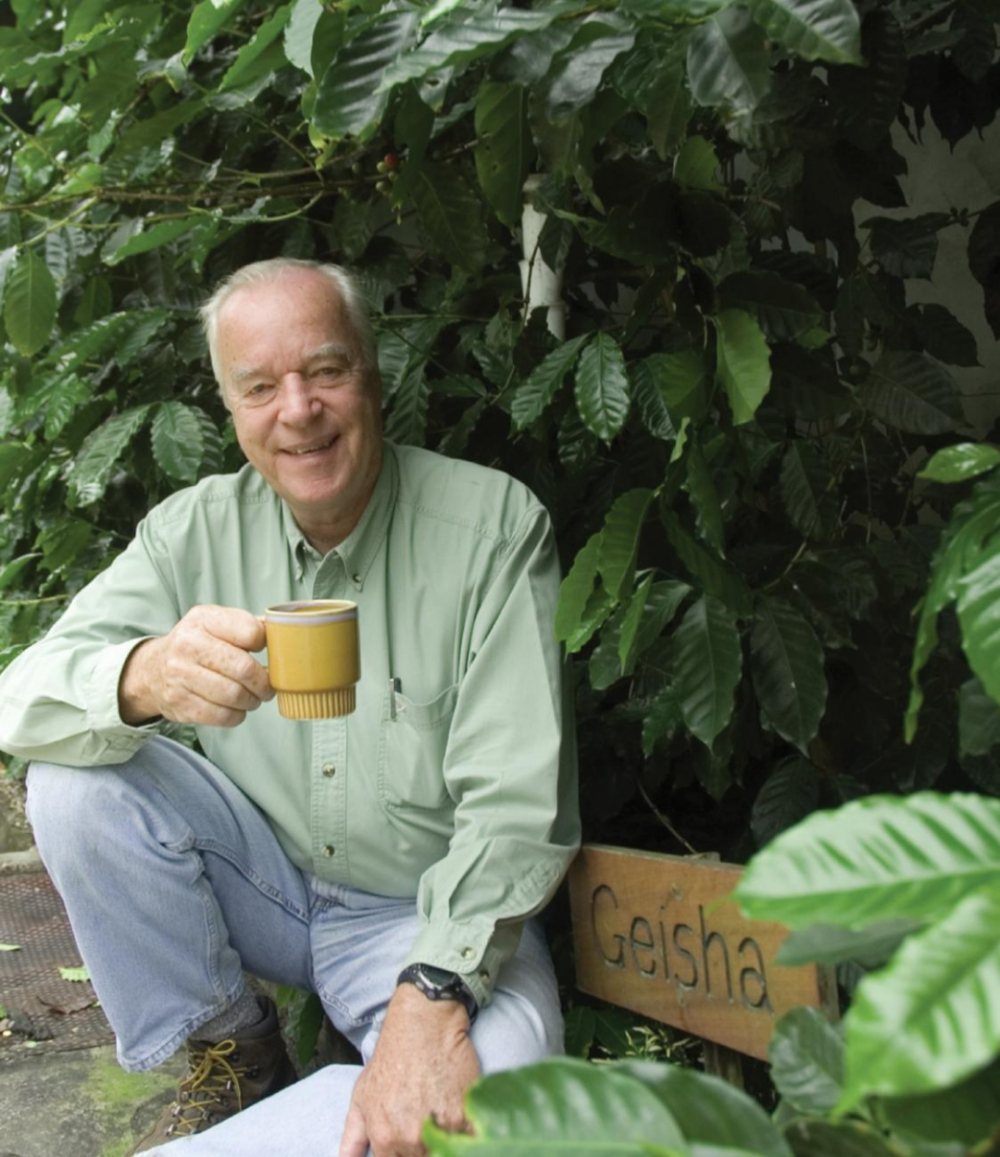
Let's start by getting to know the Geisha variety. Geisha seedlings were first discovered and collected in the primitive forests of southwestern Ethiopia. At the time, the search was for new varieties resistant to disease, and because the discovery site was near a mountain called Geisha, the variety was named after it. In 1954, this variety was introduced to Costa Rica and recorded under the number T2722. During the 1950s and 1960s, many coffee farms in Central and South America tried planting it, but due to low yields and the plant's inherent fragility, it was not widely promoted. It was not until 2003 that the Peterson family of Hacienda La Esmeralda rediscovered it, and in 2004 it won first place in the Best of Panama competition, thus opening a glorious chapter for Panamanian Geisha.
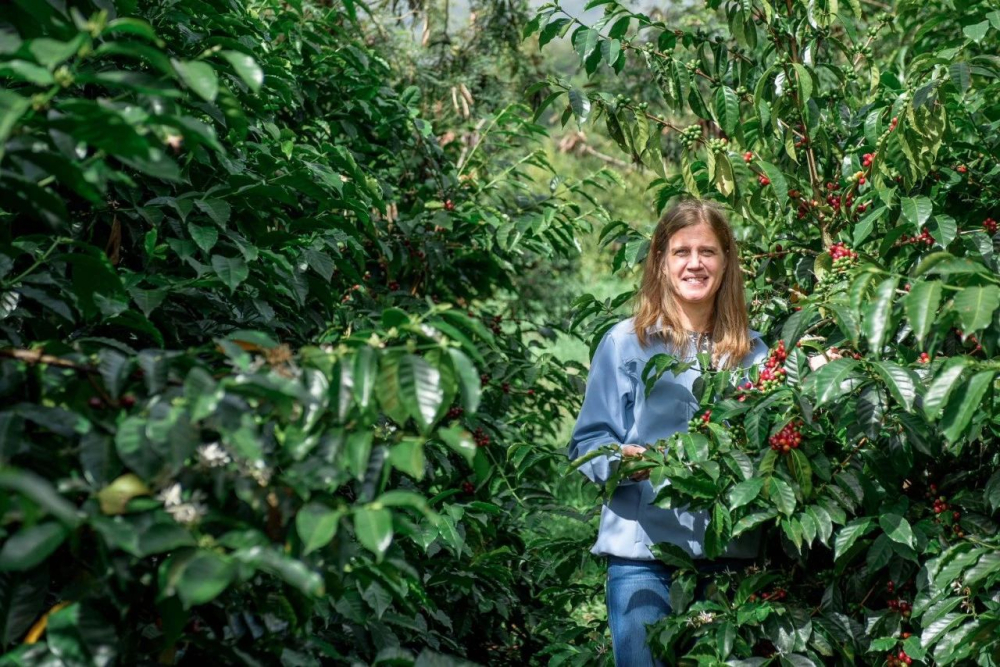
Geisha is extremely particular about growing conditions. It must be planted at high altitudes, in fertile soil, and in an environment with mist or tree shade—it cannot tolerate direct sunlight. The owner of Hacienda La Esmeralda once mentioned that a large number of shade trees must be planted in the estate to protect the delicate Geisha, and traditional pruning methods must be used in the early stages of planting, otherwise the plants easily die. The higher the altitude, the longer Geisha coffee cherries take to mature, and the more complex and unique the flavor becomes.
Unlike other coffee varieties, the leaf system of the Geisha coffee tree is very thin, which means its photosynthetic efficiency is low. Its root system is also relatively fragile, and the absorption rate of water and nutrients is slow, resulting in extremely low yields. Combined with the high-altitude growing environment, the cherries also mature relatively late. A single Geisha coffee tree produces only half the yield of a Caturra variety, which is one of the important reasons for Geisha's high price.
Since Geisha rose to fame, coffee farmers not only in Central and South America but around the world have tried planting this variety. However, each producing region has its own unique terroir, and different terroirs directly affect coffee quality and flavor, so Geisha also displays different flavor profiles. Front Street believes that the most representative are Ethiopia, the birthplace of Geisha, and Panama, where Geisha made its name.
What flavor characteristics do Geisha coffees from different producing regions exhibit?
Panama has only three main coffee-producing regions: Boquete, Volcan, and Renacimiento, yet it produces the most expensive coffee in the world. The Boquete producing region is a town in Chiriquí Province, located on a plateau at about 1,000–2,000 meters on the eastern side of Barú Volcano, facing the warm, humid Caribbean monsoon on one side and the cold Atlantic current on the other, with towering, steep mountains. Barú Volcano National Park is an ecological conservation area with extremely rich biodiversity, possessing seven microclimates, plus year-round mist and abundant rainfall, creating superior growing conditions. Front Street's Geisha coffees from Hacienda La Esmeralda and Elida Estate in Panama come from the Boquete producing region.
After Geisha won the championship, the Peterson siblings managed the Geisha coffee trees in the estate more systematically according to altitude, area, and cupping performance. The Geisha planting areas were divided into three major plots: Cañas Verdes, Jaramillo, and El Velo. To ensure every coffee lot could be traced, Peterson further subdivided each major plot into different small plots, so buyers of Geisha coffee could look up the specific planting plot information through the lot.
The Geisha variety was originally discovered in the Jaramillo plot, and the work of raising the Geisha planting altitude decided by the Peterson siblings also began in this plot. As the discovery and cultivation site of Geisha, Jaramillo became the most famous plot of Hacienda La Esmeralda. Jaramillo has an average altitude above 1,650 meters, and the cold, humid mountain air allows the Geisha coffee here to be full of natural essence. Front Street's Esmeralda Red Label comes from the Mario plot in Jaramillo, using a natural process, presenting an intoxicating fragrance of rose, citrus, berries, and honey.
Returning to the birthplace of the Geisha variety, Ethiopia's planting altitude is generally 1,900–2,000 meters, and the ultra-high altitude is more conducive to the accumulation of sugars inside the coffee cherries. Front Street believes that compared with Geisha from Panama, Ethiopian Geisha is mostly based on yellow stone fruit flavors, reminiscent of yellow peach and so on, with medium-high sweetness, and better lots may even have toffee flavors.
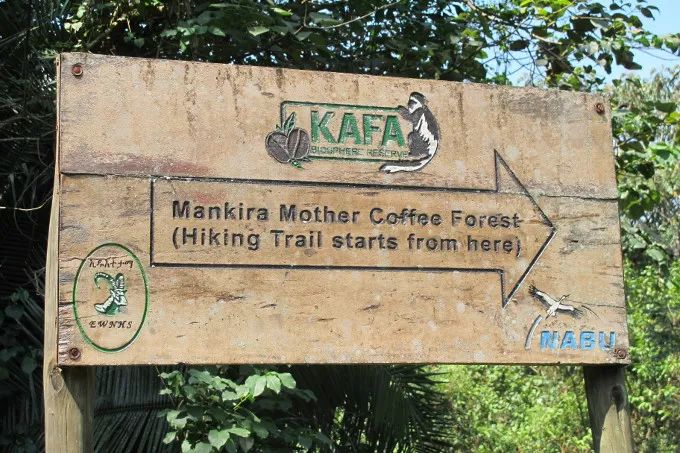
Ethiopia's most representative Geisha coffee comes from Gesha Village, where the Geisha varieties differ from those in Panama. Gesha Village has three Geisha varieties: Gori Gesha, Gesha 1931, and Illubabor Forest. Gori Gesha and Gesha 1931 are genetically related to the Panamanian Geisha variety but are not the same variety; among them, Gesha 1931 shows characteristics very similar to Panamanian Geisha, while Illubabor is a disease-resistant variety provided by the Ethiopian research institute. To ensure the stable quality of Geisha coffee produced by Gesha Village, estate owner Adam established a strict grading system, dividing Geisha into several grades: Auction, Gold, Red, Green, and CHAKA.
The Gesha Village auction lot is the top-tier lot and can only be obtained through buyer bidding. The Gesha Village Red Label that Front Street has acquired also has complete traceability information, accounts for 15% of total annual production, and is a high-quality Geisha coffee scoring 88 points or above according to SCA cupping standards. The naturally processed Gesha Village Red Label not only has the complex fruit, honey, and floral notes unique to classic Geisha, but also adds the bright, uplifting acidity of African coffee. Front Street believes this is a very cost-effective Geisha lot and worth purchasing for Geisha enthusiasts.
This Gesha Village Red Label Geisha from Front Street uses the natural process. After the coffee cherries are picked, floating impurities are first removed, and then they are sun-dried in thin layers covered with plastic sheeting on African-style raised beds. During the drying process on the raised beds, a second sorting is carried out to remove insect-damaged beans and greenish coffee beans. The total drying time is 18–30 days.
Front Street's brewing parameters for Geisha coffee:
Geisha coffee is famous worldwide for its rich floral aromas and complex fruit notes. The specific brewing parameters used by Front Street are: V60 dripper, water temperature 91°C, water-to-coffee ratio 1:15, dose 15g, medium-fine grind (80% passing through a Chinese No. 20 standard sieve).
Front Street Coffee's staged extraction method: First, use 30g of water to fully wet the coffee bed into a "hamburger" shape and let it bloom for 30 seconds; for the second pour, at 1 minute 00 seconds on the timer, pour water until it reaches 125g, then stop and wait until the water level drops to two-thirds of the coffee bed before pouring the third stage; for the third stage, at 1 minute 40 seconds on the timer, pour water until it reaches 225g. After the coffee liquid has completely dripped through, the total extraction time is 1 minute 59 seconds. The total brewing time is 2 minutes 00 seconds. After extraction is complete, gently swirl, and taste once the coffee liquid is fully uniform.
After brewing, this Gesha Village Geisha coffee from Front Street has flavors of coconut, licorice, cream, chocolate, toffee, citrus, almond, and strawberry on the palate, with a fermented aroma on the nose. The overall flavor is relatively balanced, the mouthfeel is full-bodied, and the nutty flavor is quite prominent.
The above content is compiled by CoffeeHunters, a coffee news website.


