







Search Results for: adverse
Who Is Decaf Coffee Suitable For? | What's the Difference Between Decaf and Regular Coffee? Is Decaf Coffee Specialty Coffee? Recommended Low-Caffeine Pour-Over Coffee Beans
Some people love the aroma of coffee but can't enjoy it, because drinking coffee gives them palpitations, insomnia, stomach pain, and other adverse reactions. So is there a low-caffeine coffee option? How low can its caffeine content be? First, let's understand what caffeine is. Caffeine is a plant [more…]
A Comprehensive Analysis of the Pros and Cons of Coffee Drinking: Ingredients, Benefits, Risks of Overconsumption, and Precautions for Six Groups of People
Coffee is a drink many people can't do without every day, but what exactly are its positive and negative effects on the body? This article starts with coffee's main components, systematically sorting out the effects of substances such as caffeine, tannic acid, fat, and sugar, then separately explains the benefits of drinking coffee in moderation, including refreshing the mind, protecting the skin, sobering up, and preventing gallstones, while also discussing problems that may be caused by excessive intake, such as caffeine poisoning, insomnia, and anxiety. The article also specifically lists six groups of people who should not drink much coffee, and gives reminders about drinking on an empty stomach and for people with high blood pressure. If you care about the relationship between coffee and health, this content can serve as a fairly complete reference. [more…]
Pros and Cons of Americano | Is Iced Americano Black Coffee? What Are the Effects and Benefits of Black Coffee? Is Americano High in Calories?
Black coffee, also known as "zhai coffee," means black coffee in Cantonese. So zhai coffee refers to pure black coffee with no additives whatsoever, such as the commonly seen espresso, Americano, iced drip, cold brew, and coffee extracted by various brewing devices all belong to zhai coffee, like siphon, French press, moka pot, and so on. Among them, iced Ameri- [more…]

哥斯达黎加咖啡全景解读:产区风土、品种分级与风味特征概览
哥斯达黎加虽国土不大,却在精品咖啡版图中占据举足轻重的位置。本文从国家背景、咖啡历史、种植条件、品种选择、处理方式、分级体系到八大产区逐一梳理,带您系统了解这个中美洲咖啡强国的全貌。文章还介绍了以海拔和豆密度划分的SHB、GHB、MHB等级标准,解析塔拉苏与三水河两大明星产区的独特优势,以及前街咖啡推荐的相关产品信息,适合希望深入了解哥斯达黎加咖啡的爱好者阅读。 [more…]
The Characteristics of Black Coffee | Is Coffee with Water Black Coffee? Are Pour-Over, Americano, and Espresso All Black Coffee? Is Drinking Americano Good or Bad for Your Health?
Black coffee is simply coffee with no sugar, milk, or other additives. The Americano, pour-over coffee, and black coffee made from freeze-dried powder that we commonly see are all types of black coffee. Today Front Street Coffee will talk about the most popular type of black coffee: the Americano. Where does the Americano come from? The ingredients for an Americano are very simple, [more…]
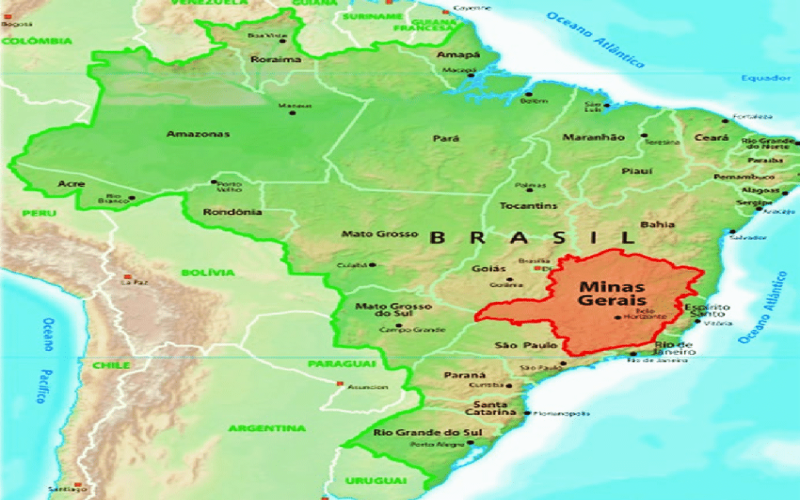
Characteristics of Brazilian Coffee Beans | Which origin does Brazilian specialty coffee come from? What coffee varieties are grown in Brazil? How to brew Brazil Queen Estate Yellow Bourbon?
When it comes to which country produces the most coffee, Front Street Coffee believes it must be Brazil. Its annual total output is about 2.7 million metric tons, accounting for one third of the world's total coffee bean production. But did you know? In fact, Brazil's geographical environment is not really suitable for coffee cultivation. After consulting the materials, Front Street Coffee found that Brazil's terrain is monotonous, and its climate [more…]
Malaysian White Coffee Flavor Characteristics and Ingredient Differences: A Comprehensive Analysis from Its Ipoh Origins to Health Benefits
White coffee is a highly representative traditional specialty of Malaysia, with a history spanning over a century. It is not white in color; rather, it is made from three types of coffee beans—Liberica, Arabica, and Robusta—subjected to medium-light low-temperature roasting and special processing that greatly reduces caffeine, burnt bitterness, and astringency, resulting in a pale milky-golden hue and a mellow, gentle flavor. Compared with black coffee, white coffee differs fundamentally in bean selection, roasting methods, and brewing techniques; it contains no trans fats, has lower caffeine and calories, is gentler on the stomach, and does not easily turn sour after cooling. This article will systematically outline the flavor components, processing characteristics, historical origins, health benefits, and brewing methods of white coffee, offering you a comprehensive understanding of this classic Nanyang coffee. [more…]
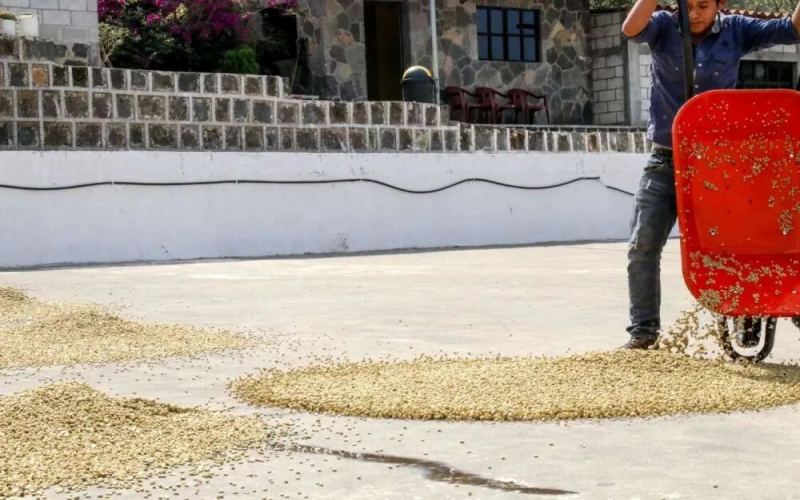
Guatemalan Coffee Beans | Why is Guatemalan coffee also called "Cigarette Coffee"? Where does Guatemala's unique coffee flavor come from?
Many first-time visitors to Front Street Coffee are surprised by the affordable prices of our coffee beans, but longtime fans of Front Street know that the most cost-effective coffees are undoubtedly the Front Street everyday beans series. These everyday beans are all carefully selected by Front Street to represent the most classic flavors of the world's major coffee-producing regions. [more…]
A Complete Guide to Hawaii's Coffee Regions: From Growing History to Kona Flavor and Specialty Bean Roasting
The Hawaiian Islands lie south of the Tropic of Cancer, and thanks to their volcanic soil and tropical climate, they produce coffee that is recognized worldwide as exceptional. The Kona growing region is the most famous, yet the history of coffee cultivation in Hawaii has been full of ups and downs—from its first introduction in 1825 to infestations of pests and diseases, and then the rise of small estates, spanning nearly two centuries. This article examines the full picture of Hawaiian coffee, from the history of its growing regions and flavor characteristics to the Kona certification system and emerging sub-regions such as Kau, Hamakua, and Puna, and explores how roasters like Front Street Coffee bring out its distinctive charm. [more…]