








What Should You Know Before Brewing Coffee With Milk?
Brewing coffee with milk means using refrigerated milk in place of water, a method known as milk brew. Hot milk is not suitable: once milk passes about 70°C its texture turns thin and its sweetness drops. Cold extraction protects that body and sweetness, and it still pulls enough flavor from the grounds over a long steep.
A tested starting point uses 20g of beans with a coffee-to-milk ratio of 1:10 to 1:12 and a grind passing a No. 20 sieve at 70% to 75%. The mixture steeps in the refrigerator for 12 hours, then gets filtered. Three beans were brewed this way: Strawberry Candy, Dividing Line Sidra, and Elida Catuai, covering conventional processing, anaerobic processing, and a light-medium roast.
Using iced milk instead of water to extract coffee, a method known as "milk brew," has become increasingly popular among coffee enthusiasts in recent years. Front Street Coffee once initiated a call for milk brew bean submissions and received numerous shares from readers. This article selects three representative beans from those submissions for testing: Strawberry Candy, Dividing Line Sidra, and Elida Catuai, representing conventional processing, anaerobic processing, and light-medium roast respectively. The article provides a detailed introduction to the basic principles of milk brew—why hot milk cannot be used, the advantages of low-temperature extraction—and gives specific brewing parameters: 20g of beans, coffee-to-milk ratio of 1:10 to 1:12, grind size passing through a No. 20 sieve at 70%-75%, and refrigerated steeping for 12 hours. It also includes practical tips on filtration methods, ratio adjustments, and drinking promptly, helping readers make delicious milk brew coffee at home.

About half a year ago, after Front Street Coffee published the article "Coffee Extracted with Iced Milk Is So Fragrant!", it received a large number of milk brew bean experience shares from readers over several consecutive days. So taking this opportunity today, Front Street Coffee has selected a few particularly representative coffee beans from those submissions and actually brewed them to see what surprising flavors these well-received beans can present.
The Basic Principles of Milk Extraction of Coffee
As per usual, Front Street Coffee will first explain how to use milk to extract coffee (hereinafter referred to as milk brew): literally speaking, it means using milk as a substitute for water to extract coffee. However, note that the milk used here is not heated, but refrigerated iced milk. At this point, some might wonder: "Doesn't lower temperature mean worse extraction capability? Wouldn't hot milk work better then?"

Indeed, liquids can only demonstrate excellent extraction efficiency at higher temperatures, and milk is no exception. However, milk is not the same as water after all—high temperatures bring two adverse effects to milk.
First, the mouthfeel suffers:
Once the temperature of milk exceeds 70°C, its overall texture becomes thin, losing its original silkiness and richness, while its sweetness also drops noticeably. This unpleasant mouthfeel is not merely a temporary interference with taste caused by temperature, because even after the temperature drops, the overall experience of the milk remains poor. The reason is that the internal components of the milk have already been damaged by the high temperature, forming irreversible negative changes.
Second, the filtration speed is extremely slow:
Setting aside the mouthfeel issue, the filtration step alone is enough to give you a headache. The extraction methods available for hot milk are nothing more than drip or immersion, and milk contains a large amount of substances that cause it to pass through filter paper at an abnormally slow rate. As a result, the extraction time is greatly extended, and prolonged extraction gives the coffee an over-extracted bitter taste.
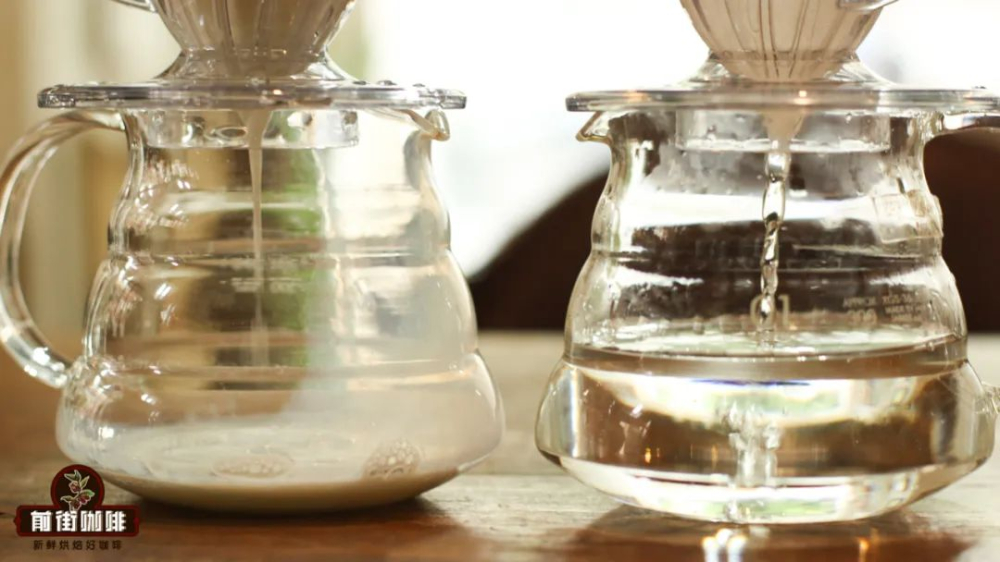
(Same liquid weight, completely different flow rates)
These two adverse factors completely block the path of hot milk extraction, so we can understand why no one would use hot milk to make coffee. That said, although iced milk has low temperature and low extraction efficiency, this is not a big problem—you just need to extend the extraction time like with cold brew coffee. Moreover, a considerable part of the reason milk brew uses low-temperature milk is precisely because it is itself an extraction method derived from cold brew coffee.
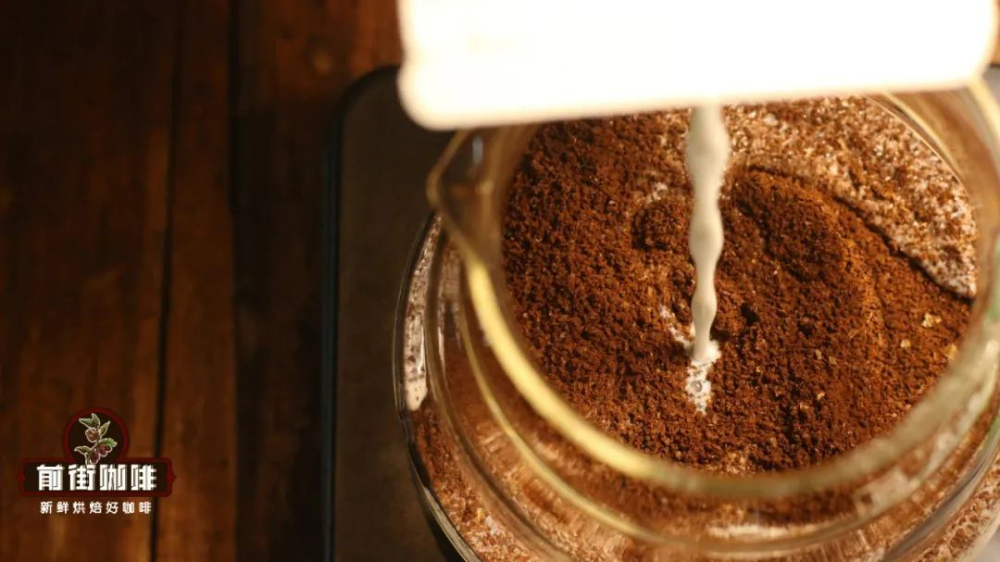
As mentioned earlier, low-temperature liquids have low extraction efficiency, and the sour, sweet, and bitter substances in coffee are all released slowly, so using a longer time to achieve relatively complete extraction of the coffee is the best strategy.
So next, let's see what flavors of milk brew coffee can be made with the coffee beans shared by our readers.
Milk Brew Experiment
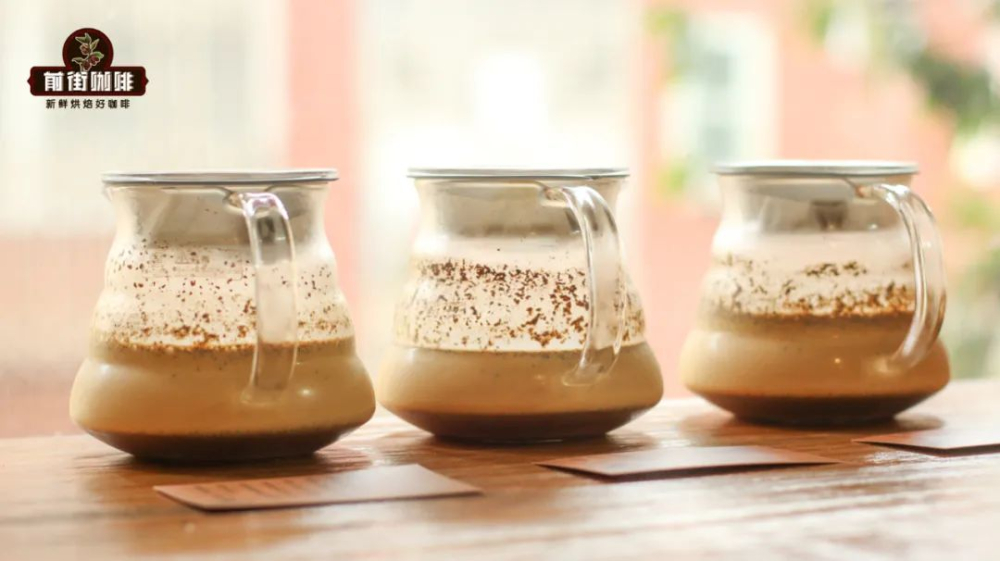
There are three beans shared this time, selected by Front Street Coffee as three representatives from the recommendations of many friends (dark roast beans were already tested last time, so they are not included in the scope of this experiment). In addition, Front Street Coffee has already prepared the milk brews in advance.
The brewing parameters are basically the same: 20g of beans, coffee-to-milk ratio of 1:10 to 1:12, grind size controlled at a 70%-75% passing rate through a No. 20 sieve, and refrigerated steeping time of 12 hours.
One: The Most Shared Bean — "Strawberry Candy"
Strawberry Candy was the most recommended one. Its flavor when brewed normally includes strawberry, raisin, and almond.
The milk brew coffee made with it also carries abundant strawberry flavors, accompanied by chocolate and a hint of raisin, with a silky and rich mouthfeel. It drinks very much like a latte made with strawberry milk. Its coffee-to-milk ratio is 1:12.
Two: The Representative of Anaerobic Processing — "Sidra"
There were also quite a few shares of anaerobic processing. After rounds of screening, the final representative selected was "Dividing Line Sidra." Its flavor when brewed conventionally carries fruity notes of grape, passion fruit, and apricot, along with the intense fermentation character brought by double anaerobic processing.
Before you even take a sip of the milk brew coffee made with it, you can sense the dried fruit aroma brought by anaerobic processing. When drinking, there is a faint sourness of apricot and grape, immediately followed by the rich flavors of caramel and chocolate.
The coffee-to-milk ratio used by Front Street Coffee is 1:12, but overall the fermentation flavor is slightly too strong. Therefore, if any friends want to try it, Front Street Coffee suggests increasing the coffee-to-milk ratio to 1:13, which can appropriately weaken the fermented character and sourness intensity brought by heavy anaerobic processing, thereby achieving a better drinking experience (or you can simply add ice cubes to dilute it).
Three: The Representative of Conventionally Processed Light-Medium Roast — "Elida Catuai"
For conventionally processed light roast beans, the coffee flavor is easily masked by milk, so Front Street received relatively few shares of this type, and Elida was the standout among these few. The coffee flavor when brewed conventionally has notes of peach, orange, and green tea.
The milk brew coffee made with it still maintains a high sweetness, featuring not only the high-sweet flavors of peach and caramel, but also a rich, chocolate-milk-like mouthfeel—quite excellent. The coffee-to-milk ratio used by Front Street Coffee is 1:10.

The above are the three representative beans most recommended by our readers. Finally, here are some tips for making milk brew coffee, hoping to help everyone better extract delicious milk brew coffee.
One: Filtration Method:
This must be a frustration every milk brew enthusiast encounters—the filtration speed is really too! slow! The overly rich substances in milk greatly slow down the filtration speed. Therefore, to solve this problem, the clever folks at Front Street Coffee simply replaced the filter paper with a filter with larger holes, so the milk coffee can be filtered out quickly.
(Tea master: Who stole my tea strainer bag!!!!)
Two: Ratio Adjustment:
Light roast, conventionally processed coffee beans do not perform as well in milk brew as dark roast and anaerobic coffee beans—with just a little carelessness, the coffee flavor is easily masked by milk. Therefore, we can solve this problem by increasing the coffee concentration. For example, Front Street Coffee uses 1:12 to 1:13 for anaerobic beans, while for conventionally washed Catuai it chooses a 1:10 coffee-to-milk ratio—that is the reasoning.
Drink It as Soon as Possible:
This point has nothing to do with the brewing itself. Since milk is a beverage that spoils very easily, please be sure to finish drinking it as soon as possible after making it. Do not let it sit too long and cause the drinker to experience gastrointestinal discomfort.
Front Street Coffee
No. 10, Bao'an Qian Street, Yandun Road, Dongshankou, Yuexiu District, Guangzhou City, Guangdong Province
The above content is compiled by CoffeeHunters, a coffee news website.


