







Search Results for: abundant

Crema Abundance Starts from Roast Day: The Flavor Schedule of a Bag of Beans
Coffee with a full-bodied crema often has a velvety mouthfeel on the palate, and espresso more easily forms a fine foam on its surface. However, a shiny bean surface is not the sole criterion for judging thickness in the cup; the state of degassing after roasting, the timing of grinding, and the number of days since opening all alter the aroma and texture. If you want to taste notes of nuts, cocoa, and caramel, first [more…]
Introduction to Yunnan small-bean coffee varieties: Differences between Yunnan Catimor and Robusta coffee beans
Introduction to Yunnan Arabica Coffee Varieties: The western and southern parts of Yunnan Province lie between 15° north latitude and the Tropic of Cancer, with most areas at elevations of 1,000–2,000 meters, and the terrain is mainly mountainous and sloping. The land here is fertile, with abundant sunshine, ample rainfall, and a large temperature difference between day and night. These unique natural conditions have formed [more…]
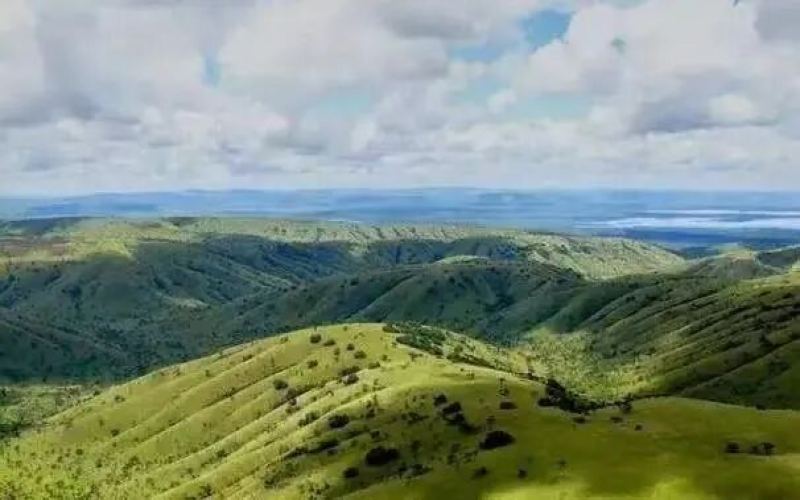
Rwanda Coffee | What are the characteristics of Rwanda's coffee-producing regions? How to describe the flavor and mouthfeel of Nanshike washed Red Bourbon coffee beans?
When it comes to African coffee-producing countries, Front Street believes that places like "Ethiopia," "Tanzania," or "Kenya" are the first that come to everyone's mind. But beyond these well-known major countries, Africa also has quite a few small countries producing high-quality coffee! For example, what Front Street is going to share today [more…]

To make an Americano bursting with fruity sweetness, start by mastering the tasting window and the rhythm of opening the bag.
To present a clear, full-bodied sweetness in Americano, the release state of aromatic compounds inside the coffee beans plays a key role. Freshly roasted coffee beans accumulate a large amount of carbon dioxide internally, and these gases hinder the even contact between hot water and coffee grounds, easily bringing out rather harsh off-flavors. As the gas releases steadily, [more…]

Rich and Oily Regions Beyond Mandheling: These Origins Also Deliver
When it comes to rich, creamy body, many people first think of Mandheling. Mandheling is indeed a representative of full-bodied richness, but in the world of specialty coffee, it isn't the only region known for beans with abundant oils. Understanding the oil expression of beans from different regions allows you to move beyond the Mandheling framework when selecting beans, giving you a richer set of choices. Mandheling is full-bodied and oil [more…]
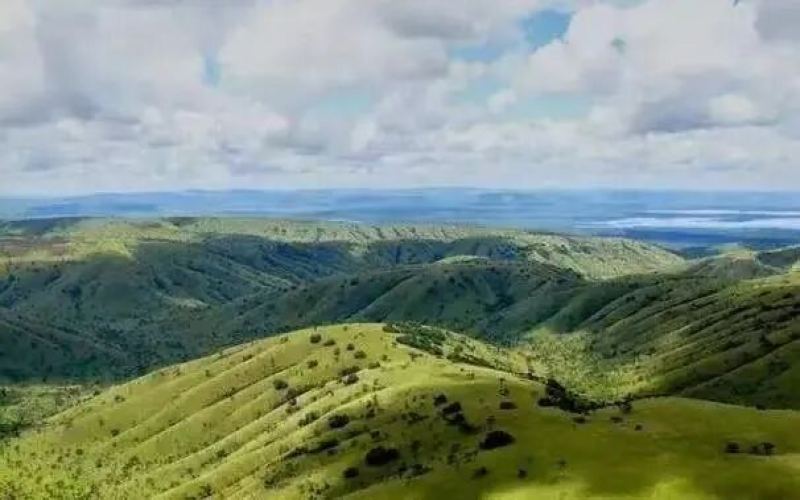
African Single-Origin Coffee Beans | What Coffee Regions Are There in Rwanda? What Coffee Varieties Are Mainly Grown? What Coffee Flavors Does Rwandan Washed Red Bourbon Present?
When it comes to African coffee-producing countries, Front Street Coffee believes that "Ethiopia," "Tanzania," or "Kenya" are the first nations that come to everyone's mind. But besides these well-known larger countries, Africa also has quite a few smaller countries producing excellent coffee! For example, what Front Street Coffee is going to share today [more…]
Espresso beans for both home and commercial use—which one suits you better?
"Can this bean work for home use?" "What beans should I use for opening a shop?" When choosing espresso beans, the most common dilemma is the choice between home and commercial use. In fact, there is no strict boundary between the two—many beans work for both, and the only difference lies in your usage scenario and priority needs. Today, let's use a direct comparison approach to look at several classic espresso beans' [more…]
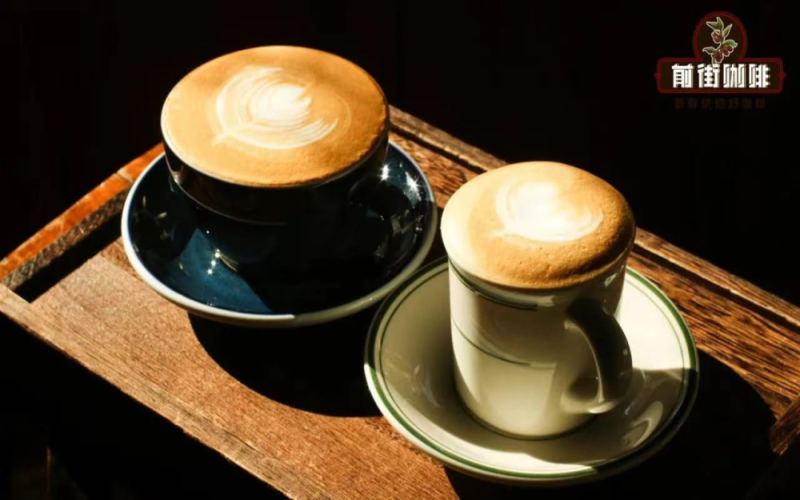
Espresso Beans | Single-Origin or Blend for Pulling Espresso? Recommended Commercial Specialty Espresso Beans with Rich Crema and Great Value
Today I'll teach you how to select coffee beans for making espresso. If the coffee beans used are unsuitable, the resulting coffee will naturally taste bad. First, let's talk about what espresso is. Common espresso drinks include espresso, Americano, latte, cappuccino, flat white... and among these, the most important [more…]

SOE Before and After Dial-In: How Bean Age Rewrites Extraction Parameters
When coffee beans have just finished roasting, they are still continuously releasing carbon dioxide internally, and the aromatic compounds are also in a stage of re-stabilizing. If you make an SOE directly at this point, the espresso may have abundant foam, but not necessarily a clear sweetness. Home espresso machines can absolutely make SOE; the key is to treat bean age as one of the extraction conditions, so that the grind [more…]
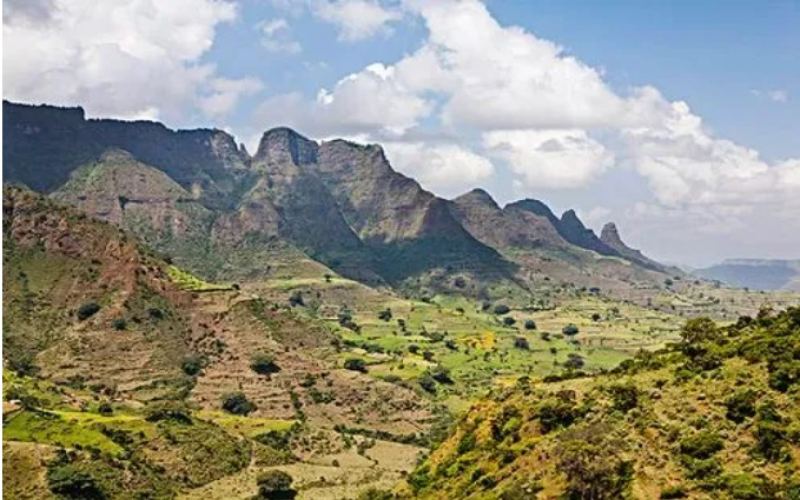
Yirgacheffe Coffee Beans | Introduction to the Coffee Flavor and Producing Region of Medium-Light Roasted Ethiopian Yirgacheffe
Adding sugar and milk has become a coffee drinking habit formed over the past nearly hundred years, because Mandheling, Brazil, Colombia, and Blue Mountain have all traditionally used dark roasting. Yirgacheffe beans are small, and the fruity acidity of light-roasted coffee has opened a new coffee world. The African continent is vast, with an average elevation of 75 [more…]

Espresso Bean Selection Guide | What Milk Pairs with Classic Espresso? Which Espresso Coffee Beans Are Recommended for Coffee Shop-Style Espresso?
Many people may not know that making an ideal espresso requires a good deal of effort, including selecting coffee beans, resting the beans, and extraction—every one of these aspects must be ensured without fail, as missing even one link may prevent you from making a rich and aromatic Italian-style coffee. Next, let's start with the first and most important point. [more…]
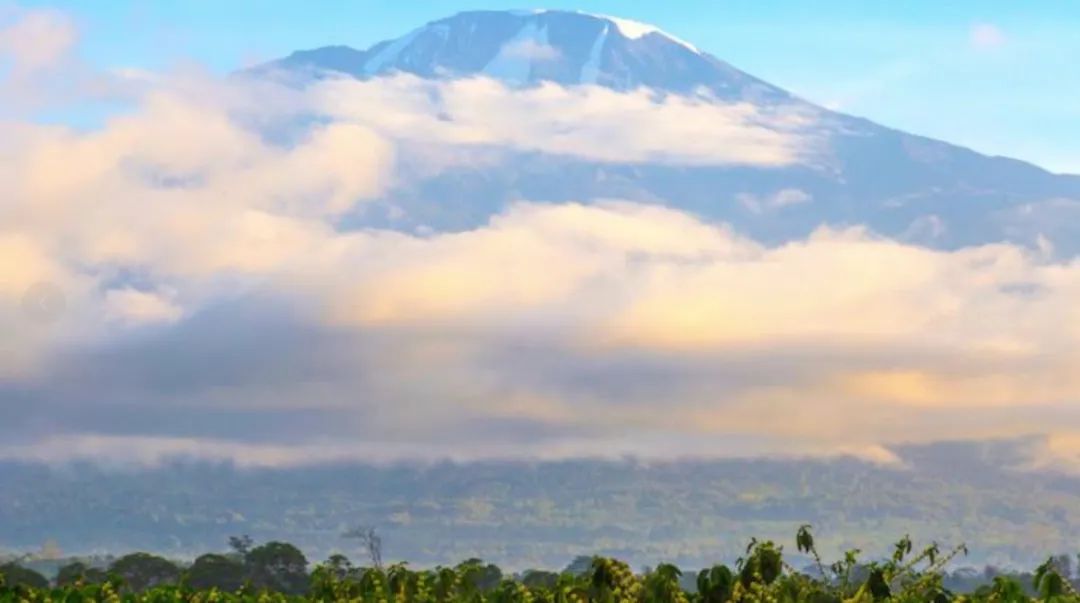
Tanzanian Coffee Beans | What Are the Characteristics of Tanzania Kilimanjaro Coffee Beans, Ranked Among the Top Ten in the World?
Today's Front Street Tanzania Kilimanjaro coffee beans come from the Kilimanjaro volcanic region in northern Tanzania, at an altitude between 1,300 and 2,000 meters. Mount Kilimanjaro is the highest peak on the African continent. The fertile volcanic ash provides abundant nutrients for coffee cultivation, while the high-altitude environment creates [more…]
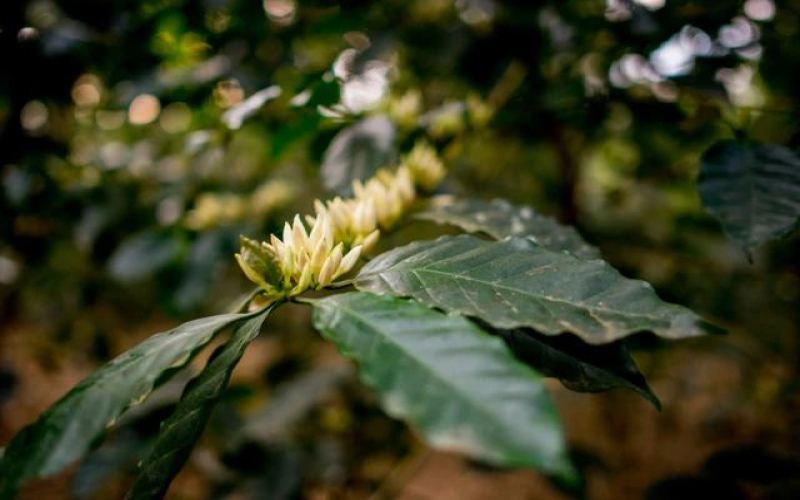
An Inland Gem of the Indochinese Peninsula: The Complete Story of Lao Coffee from Colonial Introduction to Modern Production Regions
In the Asian coffee landscape, Indonesia's Mandheling and Vietnam's massive output often dominate the conversation, while the coffee story of landlocked Laos is rarely mentioned. This country, bordering China, Vietnam, and Thailand, nurtures a mild and smooth coffee flavor thanks to the high altitude, abundant rainfall, and volcanic soil of the Bolaven Plateau. From the introduction of Typica and Bourbon during the French colonial period, to the shift toward Robusta after war and disease, and now to a diverse landscape where Arabica accounts for one-third, Lao coffee has weathered a century of ups and downs. This article will walk you through the historical trajectory, core production regions, and current state of the Lao coffee industry, along with relevant recommendations from the Front Street brand. [more…]
A Comprehensive Interpretation of the Origin Grading System and Flavor Characteristics of Jamaican Blue Mountain Coffee Beans
Blue Mountain Coffee is widely recognized as one of the world's top coffees, a status inseparable from its exceptional natural conditions and the Jamaican government's almost stringent industry regulation. The Blue Mountain range lies in eastern Jamaica, where the azure waters of the Caribbean Sea reflect off the peaks, giving the region its name. Its highest peak rises 2,256 meters above sea level, with a cool, foggy climate, abundant rainfall, and fertile volcanic soil providing an ideal growing environment for coffee. In the mid-20th century, due to inconsistent export quality, Canada once refused to accept Blue Mountain Coffee, prompting Jamaica to establish the Coffee Industry Board (CIB) in 1948, building a strict quality standard and certification system. Blue Mountain Coffee is classified by screen size into No.1 through No.3 and Peaberry grades. The government has also designated specific cultivation areas and processing plants, with dedicated supervision from harvesting, fermentation, and drying to barrel packaging. This article will systematically outline the classification, grade standards, and unique craftsmanship of Blue Mountain Coffee, offering you a comprehensive understanding of this legendary coffee. [more…]
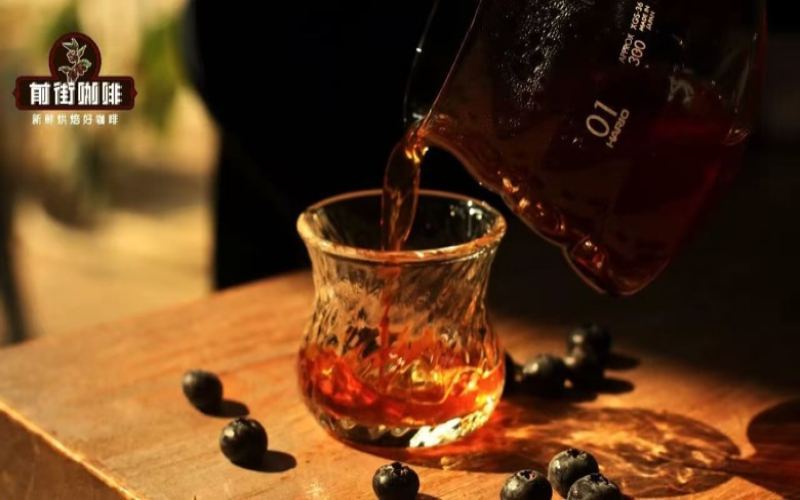
Pour-Over Beans from High-Altitude Regions: Why Are Floral and Fruity Notes Clearer?
When drinking pour-over coffee, have you ever noticed a pattern: those beans with particularly clear floral and fruity notes often come from high-altitude origins. Between altitude and flavor lies a very interesting causal chain—once you understand it, your eye for choosing beans will become much sharper. The reason high-altitude growing regions produce good flavor is first of all temperature. [more…]
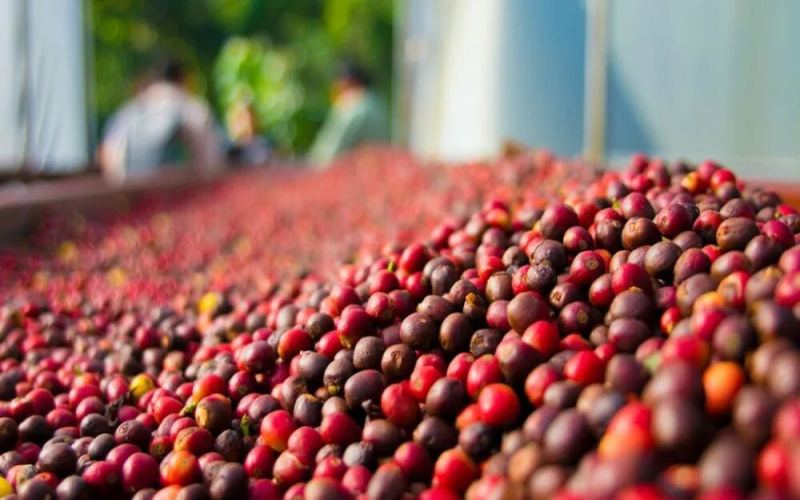
Panama Coffee Beans | Why Can Panama Become a Top Coffee-Producing Region? What Are the Growing Conditions of the Boquete Region? Which Coffee Varieties Does Panama Grow?
Panama is a Central American country, bordered by Costa Rica to the west and Colombia to the east. Friends who know something about single-origin coffee should all know that Panamanian coffee is famous in the coffee world for the Geisha from Hacienda La Esmeralda. Ever since the Geisha from Hacienda La Esmeralda won the BOP championship in 2004, Pana [more…]
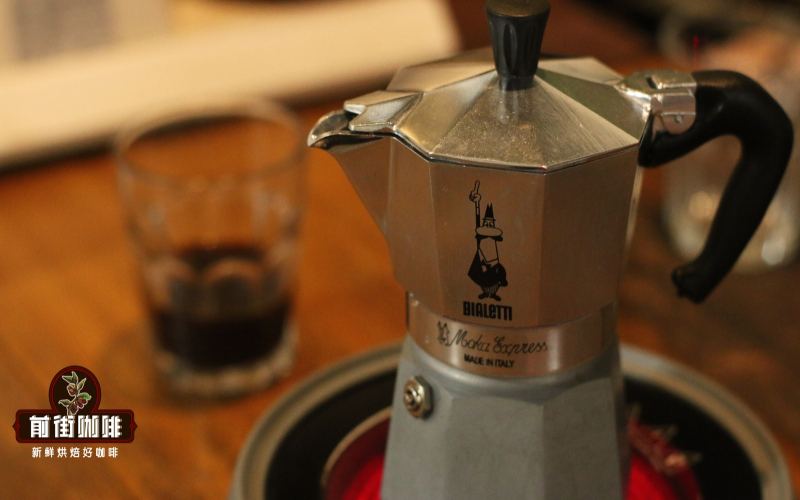
Why dark roast beans are the classic pairing for a moka pot
More and more people are brewing coffee with a moka pot, but many get stuck at the very first step: what beans should they actually use? The answer is actually quite clear—the moka pot and dark-roasted or medium-dark-roasted, full-bodied beans are a match made in heaven. Why is that? The moka pot extracts coffee through steam pressure, producing a brew with high concentration and a heavy mouthfeel, while dark-roasted beans [more…]
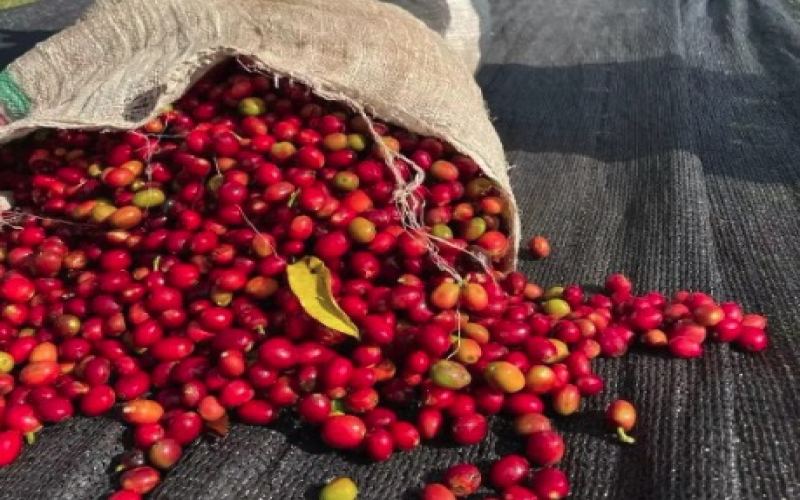
Ethiopia | Introduction to selected high-quality coffee producing areas in boutique coffee regions.
For coffee lovers, Ethiopia is a sacred place in their hearts. This country is the birthplace of coffee and is now also the largest Arabica coffee-producing country in Africa. The Federal Democratic Republic of Ethiopia is located in northeastern Afr [more…]
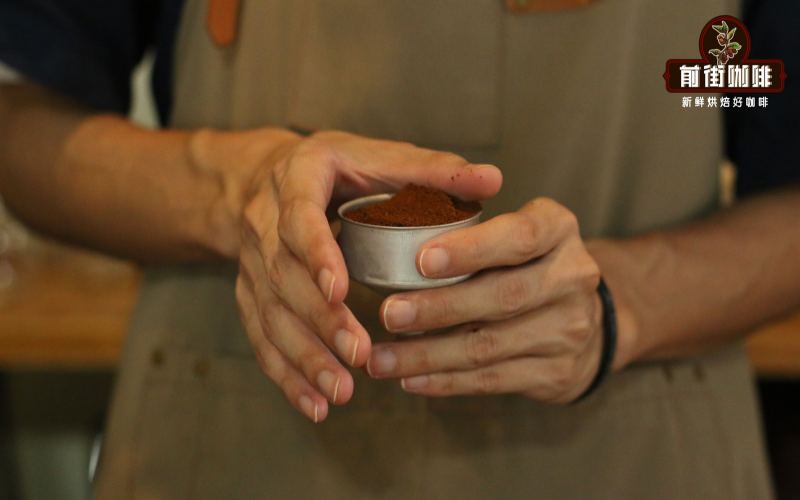
Moka Pot: Blend or Single-Origin? Let's Settle It Once and for All
When you go to a coffee shop to buy beans, the staff will always ask: "Do you want a blend or a single origin?" Beginners are often stumped by this question: Aren't they all just coffee beans? What's the difference? When it comes to a moka pot, the difference is actually quite significant. Blend beans and single-origin beans follow two different design approaches. Blending is about making up for one's shortcomings by combining beans from different regions according to [more…]
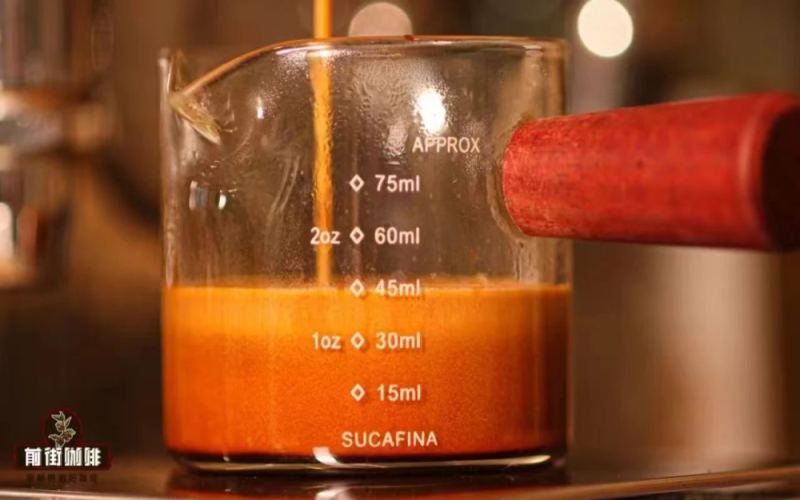
Commercial Coffee Bean Rankings | Which Italian-style blend bean roasting brands are suitable for beginners? Recommendations for tasty everyday coffee beans for espresso extraction
Coffee enthusiasts who frequently visit coffee shops may have noticed that espresso drinks are all made with blended coffee beans, meaning two or three types of coffee beans are mixed together to make a milk coffee or an Americano. So what are blended coffee beans? What are espresso blend coffee beans? As mentioned earlier by Front Street Coffee, blending [more…]