







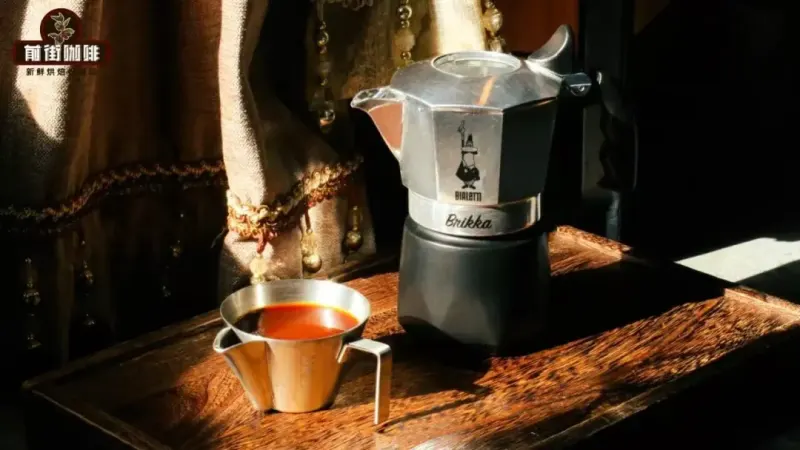
Why Does Moka Pot Brew Time Affect Coffee Strength?
Brew time in a moka pot should be judged by output weight, not by how long the pot sits on the stove. To reach near-espresso strength, load less water, weigh the grounds, and pull the pot off the heat as soon as the coffee in the top chamber reaches a set target weight. A smaller liquid yield from the same dose of coffee raises the concentration of dissolved solids, so the cup tastes stronger and fuller.
Espresso achieves its intensity with a roughly 1:2 coffee-to-liquid ratio, while pour-over runs near 1:15, so a moka pot has to land closer to the espresso side. The right coffee beans for moka pot brewing are medium-dark roasts with a classic Italian profile, which support crema and body. Grind size and heat still need control for even extraction, and weighing both water and grounds keeps every batch repeatable.
Many coffee enthusiasts find that although coffee brewed with a moka pot is somewhat stronger than pour-over, it still falls far short of espresso in terms of richness and crema. In fact, as long as you master the correct extraction parameters, a moka pot can also produce high-concentration coffee close to espresso strength. This article will explain in detail how to enhance the concentration and crema of moka pot coffee by limiting liquid weight, adjusting the coffee-to-water ratio, and choosing suitable coffee beans, and will share a production example and specific operating steps using Front Street Coffee's classic Italian blend, helping you easily make a cup of high-concentration moka pot coffee with rich aroma and abundant crema.
Many friends have found in practice that coffee brewed with a moka pot is indeed stronger than pour-over, but neither the fullness of flavor nor the richness of crema comes close to espresso levels, falling considerably short of expectations and the images presented in various promotional materials.
At this point, some might say that a moka pot simply cannot make coffee as strong as espresso, and that this is normal. That statement itself is not wrong, but in fact, a moka pot is fully capable of brewing coffee with a concentration close to espresso. While it may not reach the extreme richness of espresso, getting close is entirely possible—the key lies in whether the correct extraction parameters are used. So how exactly should it be done?
How can you make moka pot coffee as strong as espresso?
The logic is simple: to get high concentration, the first step is to control the final amount of coffee liquid. Given a fixed extraction yield, the less liquid obtained, the higher the concentration. Espresso typically uses a 1:2 coffee-to-liquid ratio, which is why its concentration is many times higher than pour-over coffee at a 1:15 coffee-to-water ratio. If you want to make high-concentration coffee with a moka pot, limiting the water amount and liquid weight is the primary task.
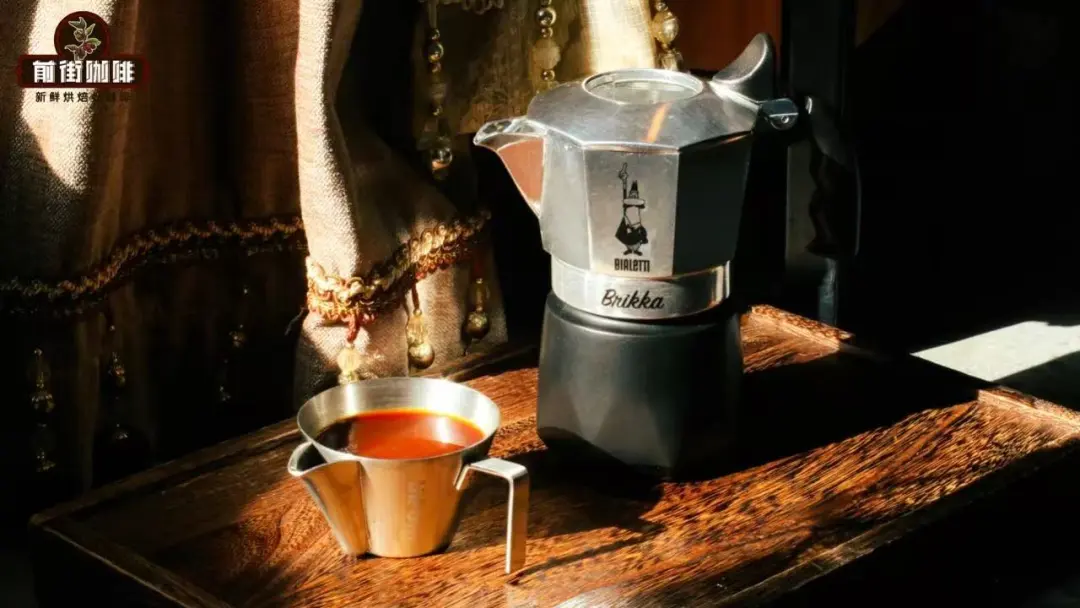
Of course, simply adjusting the ratio is not enough. Front Street Coffee mentioned a prerequisite earlier—extraction yield remains unchanged. Beyond the ratio, other parameters also need to be well controlled to ensure the coffee is fully extracted. Only then can the resulting coffee be both strong and delicious.
Additionally, the choice of coffee beans is equally crucial. If you want to make a moka pot coffee that pairs well with milk and has abundant crema, it is best to choose medium-dark roasted beans. For example, Front Street Coffee's classic Italian blend from the Front Street Coffee bean lineup is a medium-dark roast, blended from Sumatra Mandheling, Brazilian, and Vietnamese coffee. The extracted coffee carries rich aromas of chocolate, caramel, and hazelnut, with extremely abundant crema, a rich flavor that is almost without acidity, and a long-lasting sweet aftertaste.
Having said all this, many friends must be curious about the specific parameters and production steps. Next, Front Street Coffee will share in detail how to make high-concentration coffee like espresso using a moka pot.
Production Sharing
The coffee beans used by Front Street Coffee this time are the aforementioned Front Street Coffee classic Italian blend. Since Front Street Coffee's moka pot is a single-serving size, the amount of coffee used is 19g, with a coffee-to-water ratio of 1:4, and the coffee grounds are ground to a flour-like espresso fineness.
First, pour an appropriate amount of hot water into the lower chamber. Since Front Street Coffee uses 19g of coffee grounds at a 1:4 ratio, a total of 76ml (approximately) of hot water is added. The hotter the water, the better, as this reduces the likelihood of channeling.

After pouring in the hot water, spread the coffee grounds evenly into the moka pot's filter basket, and remember to tamp appropriately.
After tamping, you can assemble it, then place the moka pot on a heat source to brew. When liquid starts coming out, turn the heat down—the lower, the better.
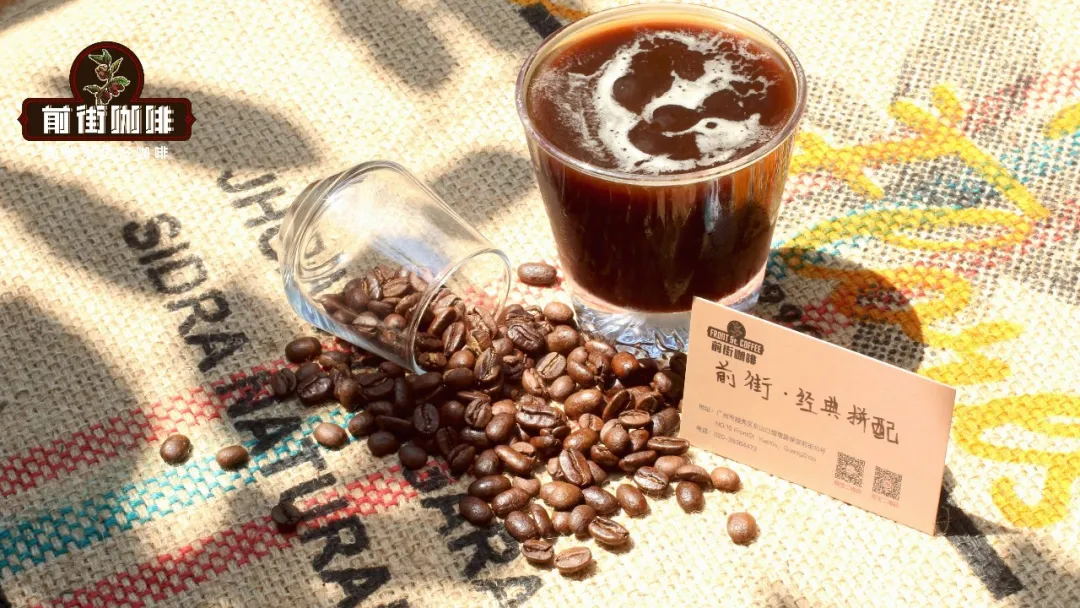
If you cannot adjust the heat freely, you can also simply remove the moka pot from the heat source and extract the coffee using residual heat. When the residual heat is no longer sufficient to push out coffee liquid, place the moka pot back on the heat source to warm it again until all the coffee is brewed.
If you also brew with the same type of coffee beans following this method, you will find that the resulting coffee not only has a very dark color but also extremely abundant crema—and these are proof that you have successfully made a high-concentration moka pot coffee. Balanced flavor and rich aroma—these are the characteristics of this moka pot coffee, making it very suitable for milk coffee or other coffee preparations.
That concludes all the content shared by Front Street Coffee this time. If you have other questions about the moka pot, you can also search using the search bar in the upper right corner of Front Street Coffee's official account. Front Street Coffee has done detailed shares on these topics, which you can find through searching.
- END -
The above content is compiled by CoffeeHunters, a coffee news website.


