







Search Results for: Zhong Xue Gao
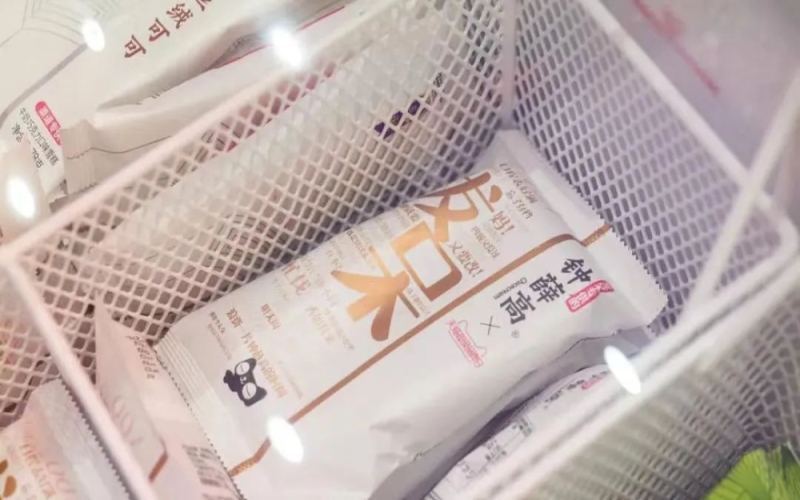
Coffee shops rush to collaborate with Chicecream: A professional cold reflection behind the traffic frenzy
Zhong Xue Gao was thrust into the spotlight of public opinion over its high-priced ice cream, yet it gained unprecedented attention amid the controversy. This year, more than 600 coffee shops rushed to collaborate with it on pop-up events, using different flavors of ice cream to craft creative coffee drinks. Behind this wave of collaborations lies both brands' pursuit of traffic and a reflection of the weight of guochao culture in consumers' minds. However, the heat brought by collaborations is ultimately short-lived, and how coffee shops can convert traffic into long-term repeat purchases is the question more worthy of deep thought. This article will start with Zhong Xue Gao's public opinion storm and analyze the logic and hidden concerns behind the coffee collaboration phenomenon. [more…]
Luckin Coffee Wins Trademark Lawsuit in Thailand, Knockoff Stores Ordered to Cease Use and Pay Over Ten Million in Damages
Luckin Coffee's anti-counterfeiting rights protection case in Thailand has gone through twists and turns, finally culminating in a victorious judgment. In early 2022, Chinese tourists discovered counterfeit "Luckin stores" in Thailand, after which Luckin continued to pursue rights protection actions, only to unexpectedly lose in the first-instance trial at the end of 2023, sparking widespread attention. Now, the latest ruling by the Thai court confirms that Luckin holds prior rights to the trademark in question, orders the defendants to cease using the related signage, and requires payment of a one-time compensation of 10 million Thai baht plus ongoing compensation of 100,000 Thai baht per day, with the cumulative amount already exceeding 46 million Thai baht (approximately 10 million RMB). The defendant, Thailand's Royal 50R Group, has a complex background and had previously squatted on 191 Chinese trademarks; this judgment marks an important milestone in Luckin's overseas rights protection journey. [more…]

From Gao Qiqiang chewing coffee grounds to the Italian Mafia's lemon zests: alternative ways to eat coffee grounds and how to make them
Recently, the scene in *The Knockout* where Gao Qiqiang eats dry black coffee powder has left a deep impression on many viewers. Some even dug out instant coffee powder to imitate it, only to end up choking and looking rather狼狈. In reality, there is indeed a group of tough characters who can swallow raw coffee powder without batting an eye—the Italian Mafia. They are fond of a dessert called Lemon Mafia: thin slices of lemon sprinkled with sugar and roasted into caramel, then topped with coarsely ground dark roast coffee powder or simply whole coffee beans, all downed in one bite. The sweet, sour, fragrant, and bitter flavors explode in the mouth instantly, refreshing and alerting. This article explores the origins of this way of eating and includes simple, easy-to-follow steps so you can experience the taste of a "boss" yourself. [more…]
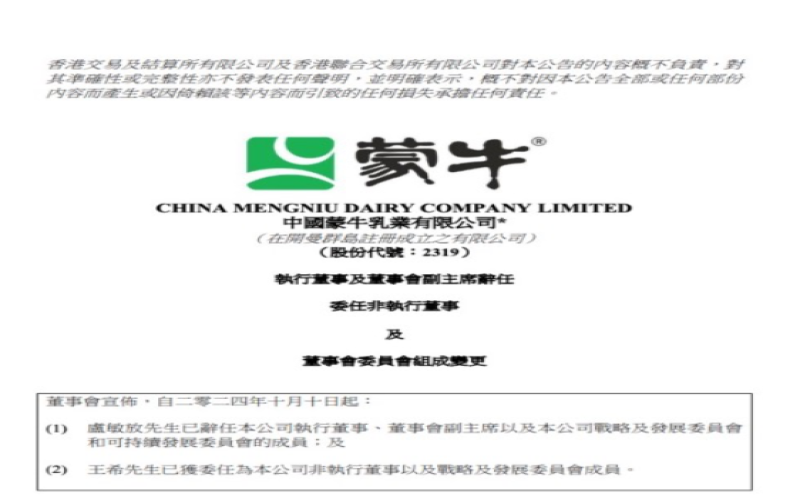
Mengniu Sees Further Leadership Change: Lu Minfang Steps Down from All Roles, Wang Xi Fills Non-Executive Director Position
Mengniu Dairy has once again undergone a major personnel adjustment. On October 10, the company announced that Lu Minfang has resigned from all positions including executive director and vice chairman of the board, citing the need to devote more time to personal and family matters. At the same time, Wang Xi was appointed as a non-executive director. Lu Minfang took the helm as Mengniu's president in 2016, and over eight years revenue grew from 54 billion to 98.6 billion, yet the gap with Yili continued to widen. In March of this year, the president role was already handed over to veteran Gao Fei. With Lu Minfang now making a complete exit, whether Mengniu can break through under its new leader has become a focal point of industry attention. [more…]
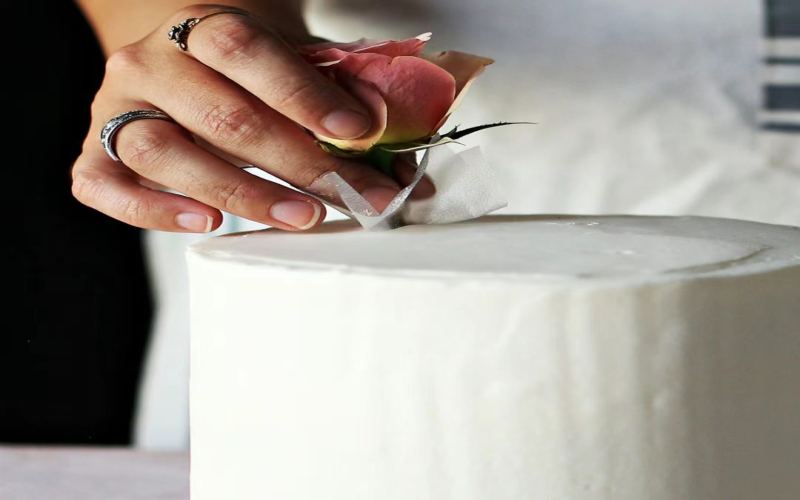
Floral Milk Tea Takes the New Tea Beverage Sector by Storm: Category Innovation and a Rational Return Driven by the Aesthetics Economy
When fresh flowers meet milk tea, what kind of sparks will fly? A tea beverage shop in Shanghai called Xue Xiaomei MICHA has given the answer—monthly revenue peaking at over 700,000 yuan, with more than 1,200 cups sold in a single day at its highest. The fresh flower tea beverage series has drawn attention with prices ranging from 40 to 129 yuan. Behind this is not only the drive of the "appearance economy," but also the business logic of a hybrid operation combining a flower shop and a tea beverage shop. From Shanghai to Wuhan, Guangzhou, and Xi'an, this kind of combined store is spreading across the country. However, the safety boundary between fresh flowers and beverages, and the difficulty of repeat purchases after consumers' novelty wears off, are also realities that this category must face head-on. This article will take you through a comprehensive understanding of the popularity code and industry concerns behind fresh flower milk tea. [more…]
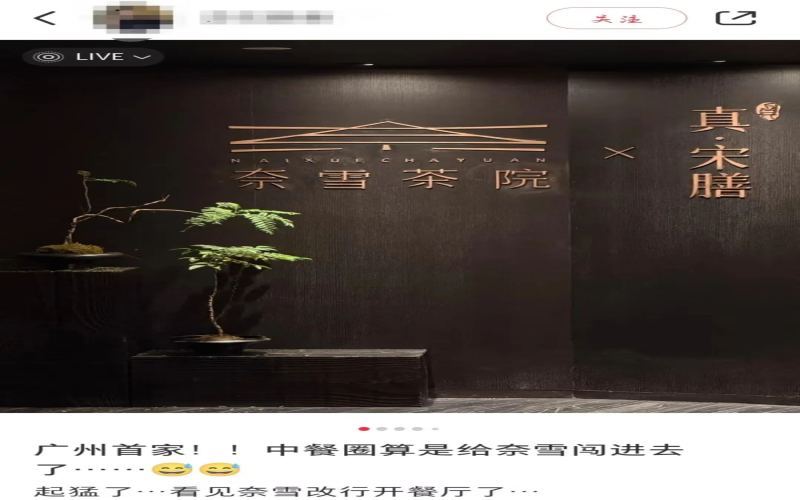
Nayuki Tea Courtyard's Guangzhou branch launches Cantonese cuisine fusion dishes, sparking heated discussion among consumers over the cross-industry move into Chinese dining
Recently, a netizen discovered a Chinese menu at a Nai Xue Tea Academy in Guangzhou, featuring exquisite morning tea dim sum and regional specialty dishes, which sparked widespread attention. Nai Xue Tea Academy is a brand under Nai Xue that focuses on the Chinese tea experience. It just opened its first Guangzhou store last month, also its sixth location and first step outside Shenzhen. The "Nai Xue Chinese restaurant" referred to by netizens is actually a Cantonese fusion cuisine space created by the store in partnership with Zhen·Songshan, allowing customers to dine while enjoying tea. However, the pricing and culinary positioning of the dishes have sparked controversy, with some consumers finding the value for money insufficient, while others pointed out that dishes such as crab roe-stuffed orange seem more like Jiangsu-Zhejiang cuisine. Against the backdrop of Nai Xue withdrawing from multiple locations, whether this cross-industry attempt will be accepted by the market remains to be seen. [more…]
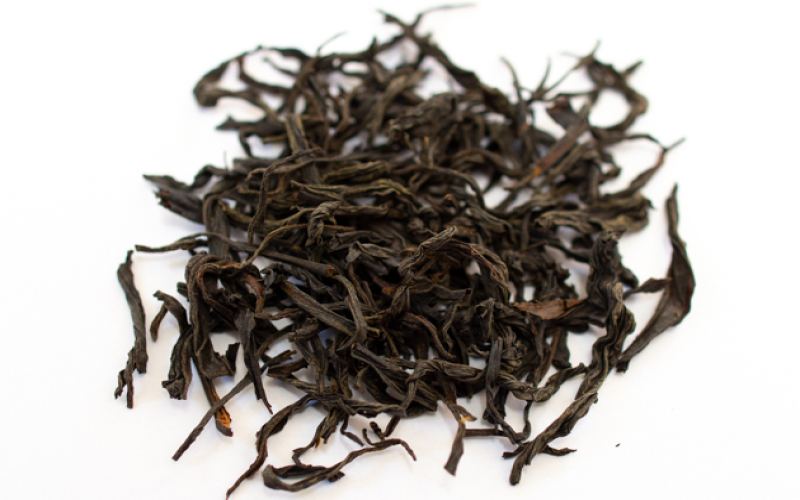
The Origins of Tongmuguan Lapsang Souchong Qizhong and Earl Grey Tea and a Detailed Explanation of the Blending Recipe
This article focuses on Tongmuguan Lapsang Souchong, introducing the terroir and natural farming cultivation characteristics of its top-grade Qi Zhong tea, and telling the historical story of how Lapsang Souchong sparked the British black tea craze and inspired the creation of Earl Grey tea. The article also includes an Earl Grey black tea blend recipe based on Lapsang Souchong, and retains Front Street Coffee's relevant product recommendations, making it suitable for caffeine enthusiasts interested in black tea culture and blending. [more…]
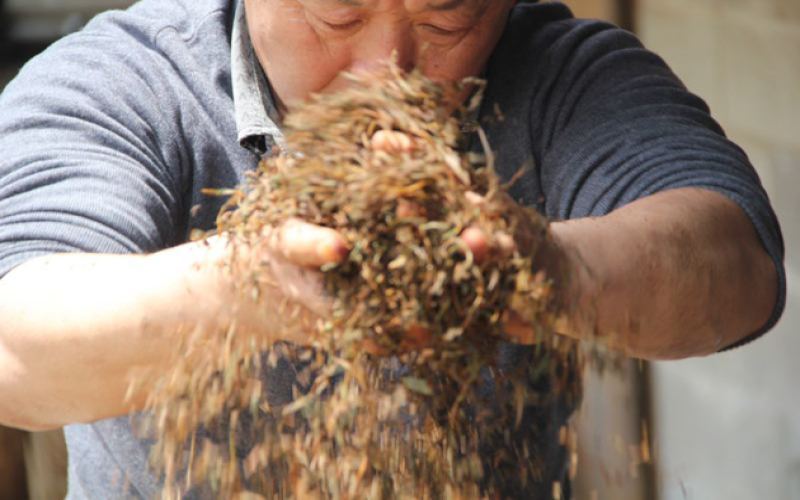
Why Does Lapsang Souchong Have a Sweet Fruity Aroma? A Full Analysis of the Three Major Flavor Types and Traditional Characteristics
Lapsang Souchong is often described as a black tea with a captivating sweet fruity aroma, but many enthusiasts find upon actually tasting it that the smoky flavor is intense, falling far short of expectations. In fact, the production of Lapsang Souchong in Tongmu Pass has now diverged into three styles: those with both smoky and fruity notes, those with coexisting smoky and woody notes, and those that are completely smoke-free with a rich fruity aroma. Traditional Lapsang Souchong, due to the spring cold in Tongmu Pass, has been dried over pine wood since ancient times, invariably carrying some smokiness, whereas the native Qi Zhong (rare variety) naturally boasts a prominent fruity aroma. This article will clarify the origins of the sweet fruity aroma, outline the three major types, and introduce the Lapsang Souchong Qi Zhong recommended by Front Street Coffee—smoke-free, full of fruity aroma, and with a long-lasting aftertaste. [more…]
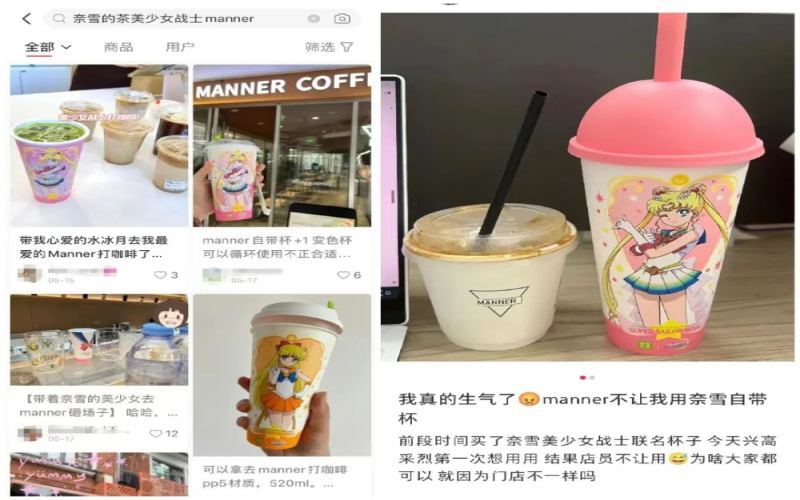
Manner's Bring-Your-Own-Cup Policy Sparks Controversy: Whether Plastic Bubble Tea Cups Qualify for Discount Becomes the Focus
Manner Coffee's bring-your-own-cup discount has always been a highlight attracting consumers, and many customers, in order to save 5 yuan, are used to bringing their own cups to buy coffee every day. However, recently a customer was refused by a barista when using a Nai Xue limited-edition milk tea cup, while on social media someone succeeded in buying with the same type of cup, raising questions about inconsistent enforcement standards across Manner stores. At the same time, whether plastic takeaway cups can be used as bring-your-own cups has also become a hot topic of discussion. This article will sort through the course of events, the differences in plastic materials, and the views of various parties, and bring related recommendations from the Front Street brand. [more…]
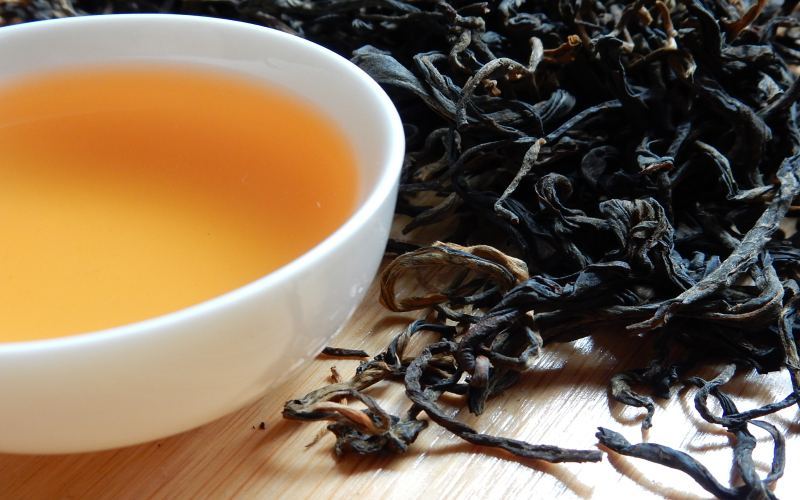
Yunnan Ancient Tree Dianhong, High Mountain Purple Red, Lapsang Souchong, and Ruby Black Tea: Flavor Differences and Value-for-Money Assessment
There are many types of black tea on the market, with significant stylistic differences. This article focuses on five distinctive black teas—Taiwan Ruby, Traditional Superior Lapsang Souchong, Qizhong Lapsang Souchong, Yunnan Ancient Tree Black Tea series, as well as High Mountain Purple Black Tea and Wild Black Tea—systematically reviewing their origins, processing characteristics, and flavor profiles. From the mint aroma of TTES No. 18 to the pine smoke aroma of Tongmuguan, from the honey charm of old trees in Lincang, Yunnan, to the perilla note of purple tea, each tea has clear recognizability. At the same time, by incorporating product information from Front Street Coffee, we help coffee and tea enthusiasts make choices that better match their taste and budget when purchasing. [more…]
The Origin of the Name of Phoenix Dancong Duck Shit Aroma and the Story of Wenzhong Ancient Tea Trees: A Field Report on Tea Hunting in Fenghuang Town, Chaozhou
Chaozhou Fenghuang Town is the core production area of Fenghuang Dancong oolong tea, and what story lies behind the peculiar name "Duck Shit Fragrance"? This article records our tea-seeking experience in Fenghuang Village: this year's climate has been on the cool side with less rainfall, slowing tea growth but bringing a more lingering aftertaste. We reserved several old tea trees and purchased excellent-quality Milan Fragrance, Wenzhong Dancong, as well as Old Bush Duck Shit Fragrance and Old Bush Song Zhong. Among them, the Wenzhong tea tree was rescued from the brink of death and revived; the owner, Mr. Wen, out of gratitude, finally agreed to sell the fresh leaves, but starting next year it will switch to auction, and the price may more than triple. Front Street particularly recommends this batch of old bush tea with excellent value for money, worthy of attention from coffee and tea enthusiasts. [more…]
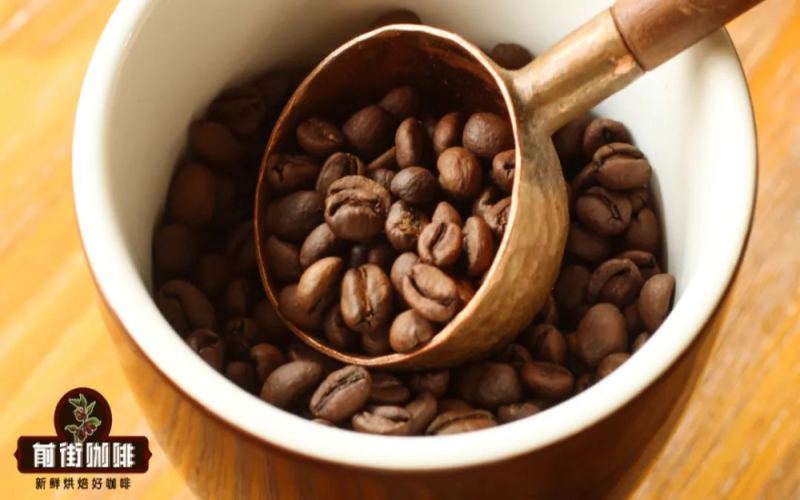
Can coffee beans be eaten dry? What do they taste like? Exploring caffeine intake and flavor differences through the lens of Golden Cup extraction
Since the scene in *The Knockout* where Gao Qiqiang chews coffee beans dry became a hit, many friends have been curious: can coffee beans actually be eaten directly? What do they taste like when chewed? Will you take in more caffeine? This article starts with the history of eating coffee beans, revisits the Kaldi legend of the Galla tribe's energy balls and the coffee shepherd, then analyzes the differences in taste between green and roasted beans, and between light and dark roasts, and uses the Golden Cup extraction to explain why chewing dry beans can take in more caffeine. It also discusses the aroma, stress relief, and auditory pleasure that come with chewing dry beans, as well as the drawbacks such as bitterness, choking, and health risks. Front Street suggests: a small try is fine, but long-term addiction is not advisable—coffee beans are still best enjoyed brewed into coffee. [more…]
A Complete Guide to Front Street Yirgacheffe Coffee Beans: Flavor Profile, Grinding Parameters, and Origin Varieties
Yirgacheffe, as a representative of Ethiopian specialty coffee, is deeply favored by coffee enthusiasts for its distinctive floral aroma and citrus notes. This article begins with a flavor description of Front Street Yirgacheffe, systematically sorting out its grinding size recommendations, variety origins, and producing region distribution, while also introducing Fleco Coffee Expert's research on the cultivation history of Yirgacheffe, as well as the shaping effect of the producing region's microclimate on coffee flavor. Whether you are a beginner just getting into pour-over or a seasoned player wanting to gain a deeper understanding of Yirgacheffe's origin background, you can obtain a complete cognitive framework about this bean, helping you more accurately grasp the brewing direction and tasting key points of Front Street Yirgacheffe. [more…]
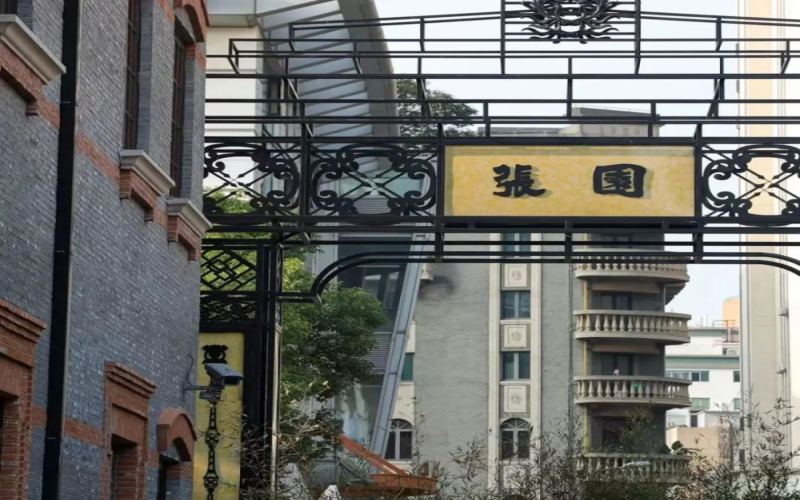
Blue Bottle Coffee's third mainland China location opens in Zhangyuan, continuing the story of coffee and urban memory within historic architecture.
Blue Bottle Coffee's third store in mainland China is confirmed to open in Zhangyuan, Jing'an District, Shanghai. This follows its first store opened in February this year in the former Yutong Flour Mill dormitory, marking another site chosen within a historic building. From the shikumen architectural complex of Zhangyuan to century-old machiya townhouses in Kyoto, Japan, Blue Bottle Coffee has consistently woven the brand deeply into local culture—not only does the store space echo the architectural fabric, but the menu also incorporates traditional local flavors. This article explores the heritage conservation philosophy behind the choice of the three store locations, and how Blue Bottle Coffee awakens urban memory through space and taste. Also, stay tuned to Front Street Coffee for more specialty coffee news. [more…]

Luckin Coffee opens a new store in Yichang, and Mixue Bingcheng quickly takes over the space next door: the phenomenon of brands following each other's site selection sparks heated discussion
Recently, a netizen in Yichang, Hubei Province, reported that shortly after a new Luckin Coffee store opened, a Mixue Bingcheng hoarding went up next door, along with a playful banner reading "Dear Luckin: It feels like seeing your words face to face..." which quickly drew online attention. Mixue Bingcheng's official account subsequently purchased promotion for the post, prompting netizens to exclaim, "Is this what a business war looks like?" In fact, Mixue Bingcheng following Luckin's site selection has occurred in many places nationwide, jokingly dubbed the "red-blue CP." Some analysts believe that Luckin, leveraging its data analysis capabilities, is the first to secure high-traffic locations, while Mixue Bingcheng saves on site selection costs by taking over nearby vacant storefronts and simultaneously boosts exposure through online topics. Front Street Coffee has also noted that this phenomenon reflects the strategic differences among chain brands in location competition. [more…]
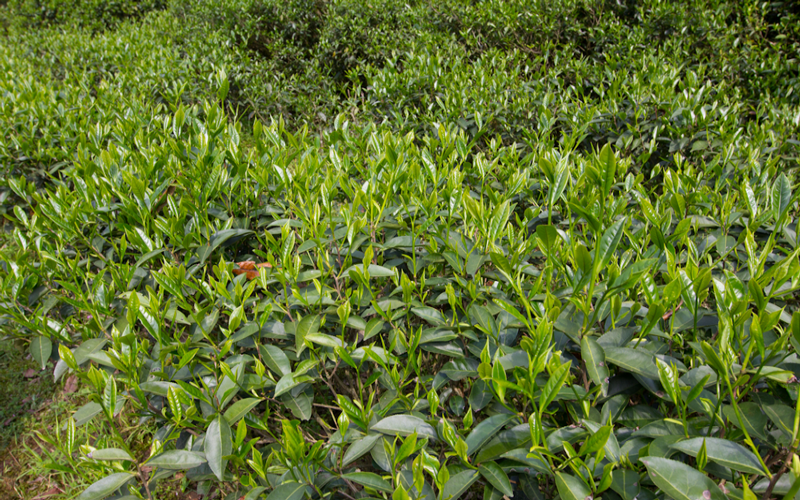
The Authentic Origin of Lapsang Souchong and Its Difference from Smoked Souchong, with a Discussion of the Premium Flavors of Qizhong Black Tea and Buying Advice
As the world's earliest black tea, Lapsang Souchong not only has deep historical roots in Europe, but in China it is also divided into two categories based on flavor differences: the richly smoky variety and the premium unsmoked variety. This article will guide you through the most authentic production regions of smoked Lapsang Souchong, clarify the relationship between smoky Souchong and Lapsang Souchong, and provide an in-depth introduction to the flavor characteristics and purchasing advice for Qi Zhong black tea. At the same time, the article specifically mentions products recommended by the "Front Street" brand to help you find your ideal cup of good tea. [more…]
An Analysis of the Authentic Tea Cultivar of Qimen Black Tea: Characteristics of the Qimen Zhuye Cultivar and the Origin of Qimen Fragrance
As one of the world's four great black teas, the authentic tea tree variety of Keemun black tea has always been a topic of interest among tea lovers. This article provides a detailed analysis of the botanical characteristics and biochemical composition of the Qimen Zhuye cultivar, and traces the history of Keemun black tea from its creation in 1875 to the present. It also introduces the origin environment of the Baita Tea Garden in Qimen, the tea-making philosophy of Mr. Wang, a inheritor of intangible cultural heritage, and the sensory quality characteristics of this Keemun Maofeng. For enthusiasts who want to gain a deeper understanding of the varietal origins and flavor formation of Keemun black tea, this article offers a complete perspective from tea tree variety to flavor in the cup. Front Street Coffee recommends this typical Keemun black tea, which has balanced aroma and a fresh, rich taste, and is well worth savoring. [more…]
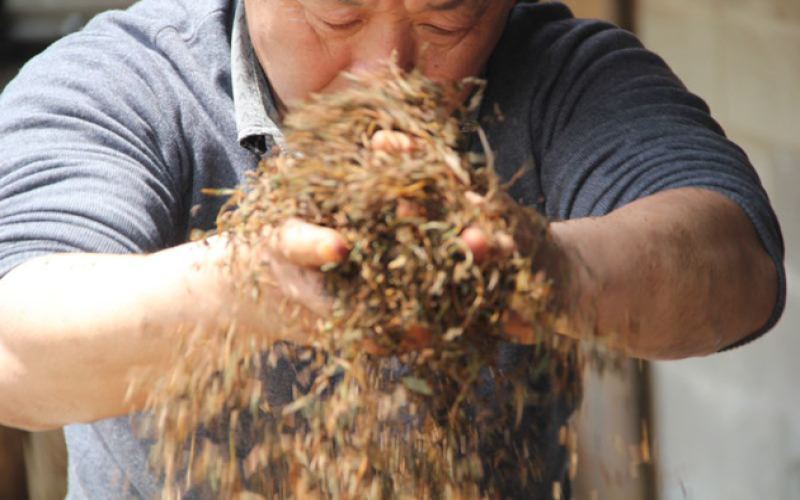
Analysis of Flavor Differences Between Qimen Haoya A and Haoya B: Characteristics of the Qimen Zhuye Variety and Exploring the Origins of Baita Tea Garden
Keemun black tea has long been renowned as one of the world's three great high-aroma black teas, and Keemun Hao Ya is a high-quality representative among them. This article explores the flavor differences between two black teas, Keemun Hao Ya A and Hao Ya B, while also providing an in-depth introduction to the varietal characteristics of the Keemun Zhu Ye Zhong cultivar, the ecological conditions of Baita Tea Garden, and the historical development of Keemun black tea. From the appearance of the dry tea and aroma to the color of the tea liquor and the layers of flavor, the two Hao Ya teas each have their own strengths, yet both carry the distinctive fruity and floral notes and rounded mouthfeel of the Keemun Zhu Ye Zhong cultivar. The article also focuses on the dedication of Mr. Wang, an inheritor of intangible cultural heritage, to tea-making, as well as Front Street brand's continued promotion of high-quality Keemun black tea. Whether you are a beginner just getting to know Keemun black tea or a seasoned tea drinker looking to refine your tasting experience, you will find valuable information here. [more…]
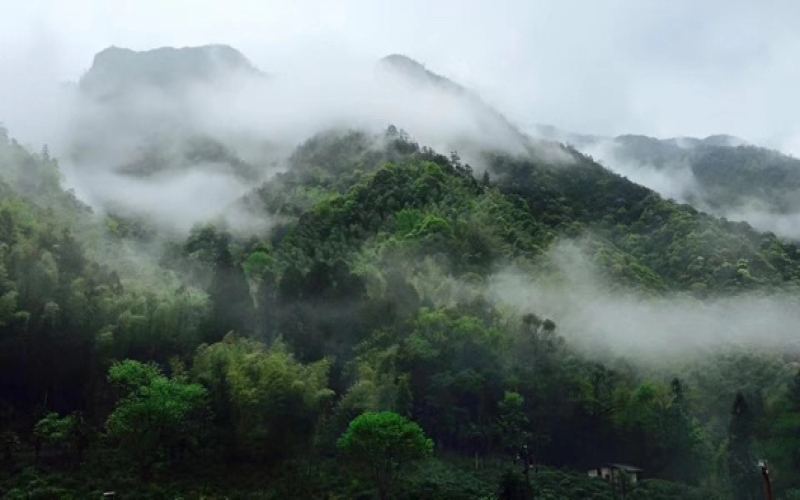
How can you tell Zhengshan Souchong from Waishan Souchong? Are Yanxiaozhong, Xingcun Souchong, and Tongmu Souchong the same type of black tea?
Lapsang Souchong is widely recognized as the world's earliest black tea. With its distinctive pine smoke aroma and sweet, fruity notes reminiscent of dried longan, it profoundly influenced the historical course of European tea culture. However, names related to "Souchong" abound on the market—Waishan Souchong, Smoked Souchong, Xingcun Souchong, Tongmu Souchong—are they actually the same tea? How should one distinguish Lapsang Souchong from Waishan Souchong? This article will sort out these easily confused concepts from three dimensions: historical origins, production area classification, and naming evolution, restoring the true identity of Lapsang Souchong while introducing you to the unique flavors of the core production area in Tongmu Village, Wuyi. [more…]
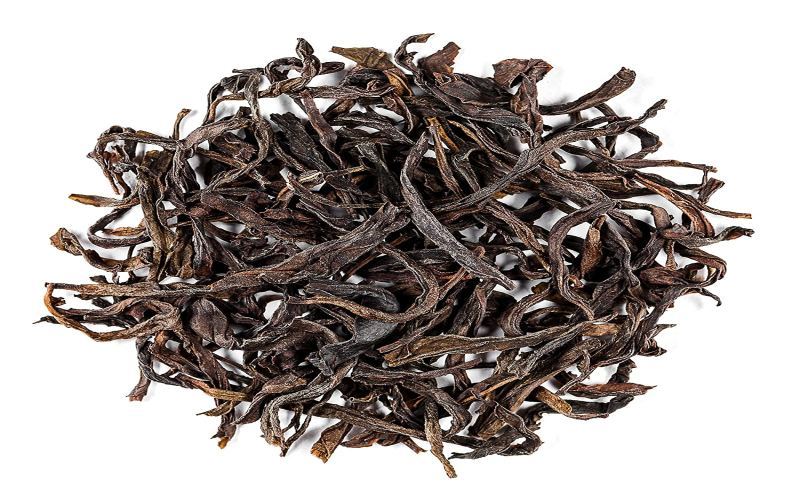
Comparison of the Duck Shit Aroma from Chaozhou Nanfu Tea Factory and Nayuki's Duck Shit Aroma Dancong: which one has the more outstanding fragrance?
Duck Shit Fragrance—the name sounds rather unconventional, yet it is a highly sought-after variety of Phoenix Dan Cong. It doesn't actually have a duck feces smell; instead, it is famous for its rich fruity aroma. This article will use the Duck Shit Fragrance from the veteran Chaozhou tea factory Nanfu as a reference, comparing it with Naixue's Duck Shit Fragrance Dan Cong to explore which one has a more intense aroma. The article will also introduce the specific characteristics of two Phoenix Dan Cong Duck Shit Fragrance teas from 2017 and 2020, including origin, altitude, tree age, and flavor descriptions, taking you deeper into this strangely named yet highly charming tea. At the same time, Front Street Coffee will also recommend related products for you. [more…]