







Search Results for: Yunnan origin
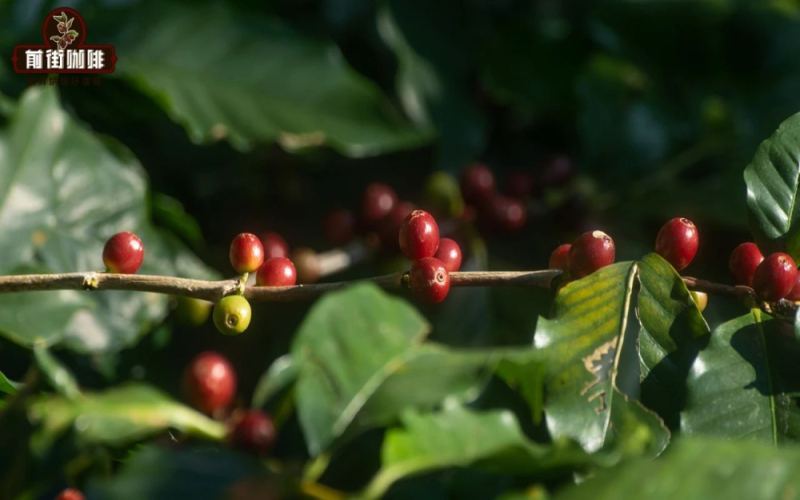
Starbucks Yunnan Reserve Coffee Bean Origin Traceability and Full Analysis of Catimor and Typica Variety Flavors
Yunnan coffee has been gaining increasing attention in the specialty market in recent years. Starbucks has continuously released Yunnan single-origin Reserve beans since 2017, as evidenced by the latest two products: the Puer Baoshan Blend and the Qingkai Farm. Front Street Coffee also owns an exclusive Arabica plantation in Baoshan. This article will start with the flavor characteristics of Starbucks' two Yunnan Reserve beans, systematically reviewing Yunnan coffee's origin advantages, the features of its four major producing regions, a century of cultivation history, the main cultivated varieties (Typica, Bourbon, Catimor), and processing methods. It will also include information on two single-origin beans produced by Front Street Coffee's Yunnan coffee estate, helping coffee enthusiasts fully understand the potential and charm of Yunnan coffee. [more…]

Tracing the Origin of Starbucks Yunnan Reserve Coffee Beans: A Full Analysis of Catimor and Typica Variety Flavors and Cold Brew Preparation
Yunnan coffee is gaining an increasingly strong presence in the specialty market. Starbucks has launched its Yunnan Reserve series for multiple consecutive years, from the Fengwu Xiangyun blend to the Puer-Baoshan blend and the Qingkai Farm Reserve, all presenting Yunnan flavors as either single-origin or blended offerings. Meanwhile, Front Street Coffee operates its own Arabica plantation in Baoshan, continuously promoting Yunnan Typica and Catimor varieties. This article will systematically review the flavor characteristics of two Starbucks Yunnan Reserve coffee beans, the growing conditions and historical context of Yunnan's main production regions (Dehong, Baoshan, Lincang, and Puer), the differences among the three major varieties—Typica, Bourbon, and Catimor—as well as the complete preparation methods for washed processing and Yunnan cold brew coffee, providing coffee enthusiasts with a reference that combines origin knowledge and practical value. [more…]
Starbucks Yunnan Coffee Bean Flavor Analysis: Can Yunnan Arabica Be Used to Make Lattes and Cappuccinos?
Yunnan coffee has emerged in the specialty coffee scene in recent years. Starbucks has successively launched several Yunnan reserve coffee beans, including the Puer Baoshan blend and the Qingkai Farm reserve coffee beans, demonstrating strong recognition of the Yunnan growing region. Front Street Coffee also has its own exclusive Arabica plantation in Baoshan, Yunnan. This article will focus on the flavor characteristics of Starbucks' two Yunnan coffee beans, while also outlining the growing region distribution, cultivation history, main varieties, and processing methods of Yunnan coffee, and introducing Front Street Coffee's Yunnan Typica and Yunnan small-batch coffee beans, helping coffee enthusiasts gain a comprehensive understanding of the current state and charm of Yunnan coffee. [more…]
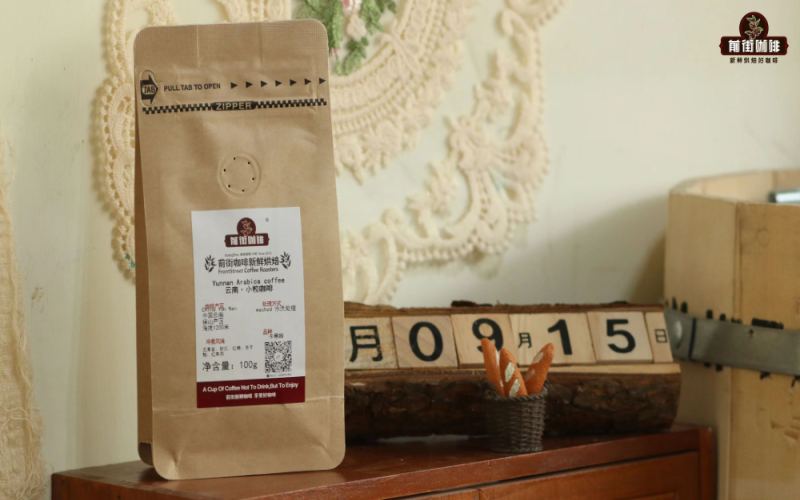
Yunnan Arabica Coffee Characteristics | Is Yunnan Coffee Specialty Coffee? Is Yunnan Bean Good for Pour-Over? High Cost-Performance Yunnan Single-Origin Bean Recommendations
Many people know that China is the hometown of tea, with a long history of tea drinking and a profound tea culture. In Yunnan, China, there are also many high-quality tea-producing regions, especially for Pu'er. But did you know that Yunnan is not just about tea—it also has coffee beans? Yunnan's coffee planting area is also quite large, making it China's largest coffee [more…]
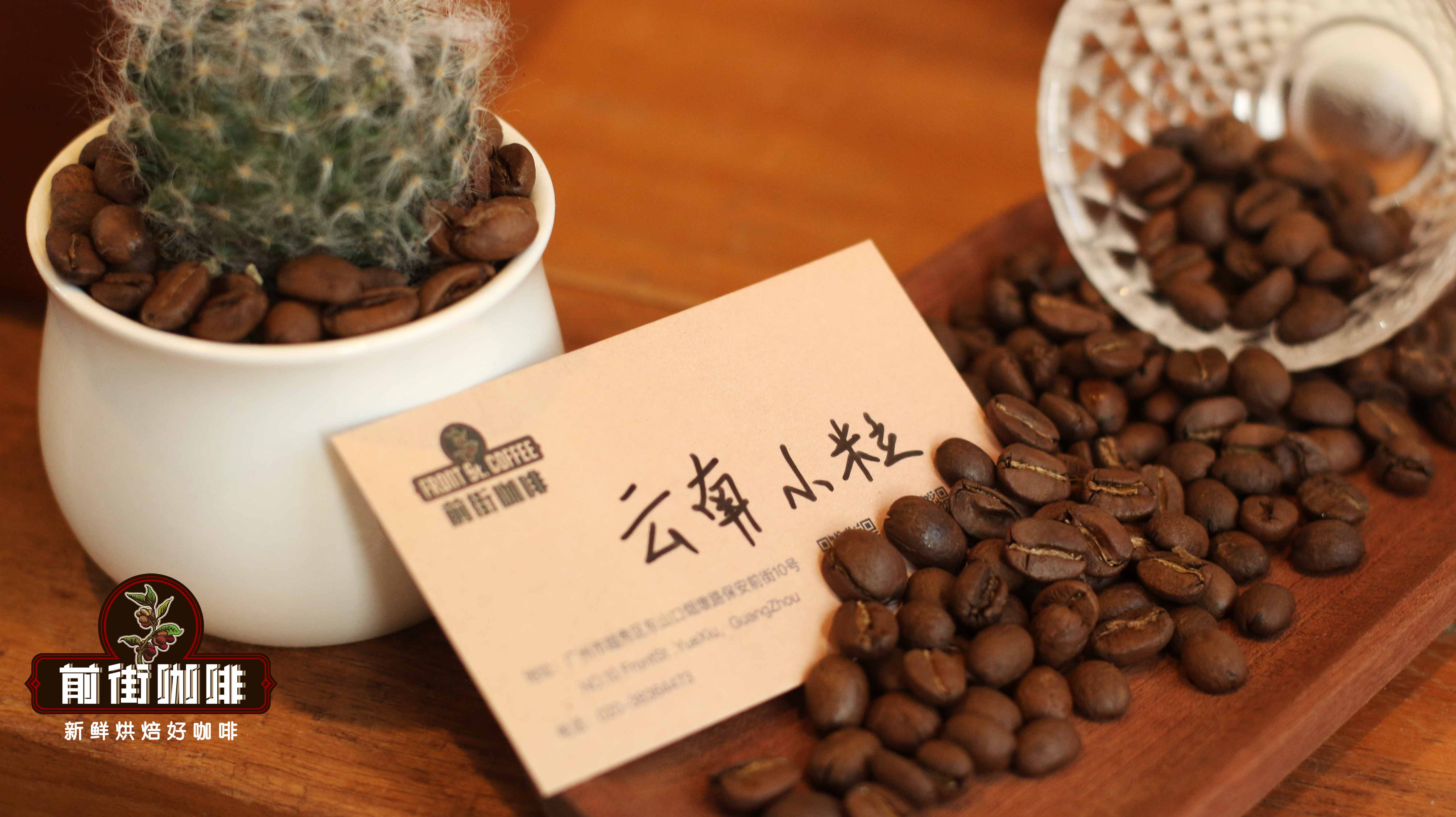
Does Yunnan Arabica Coffee Really Count as Specialty? A Full Analysis of Variety Origins, Flavor Characteristics, and Current Quality Status
Yunnan is the only province in China that grows Arabica coffee, yet in recent years opinions about it have been sharply divided: some find it heavy with an earthy, gamey note, while others who have tried anaerobic natural lots describe it as sweet and fragrant. Behind this divergence lies a history of variety introduction and industrial change. This article begins with the origin of the name "small-bean coffee," then traces how varieties such as Typica and Catimor have shaped the flavor direction of Yunnan coffee, analyzes how far Yunnan coffee still is from specialty-grade quality, and explains how Front Street Coffee showcases the character of Baoshan washed Catimor from Yunnan in its everyday beans and espresso blends. [more…]
The Past and Present of Yunnan Coffee Beans: A Quality Transformation from Raw Material Origin to Espresso Blend
Yunnan coffee has journeyed through a century, evolving from an obscure, cheap raw material to a regular feature in today's specialty coffee shops. This low-latitude plateau is rewriting the map of Chinese coffee with its unique terroir. This article traces the origins of coffee cultivation in Yunnan and the industry's transformation, analyzes the natural advantages of major producing regions such as Baoshan and Lincang, and takes a deep dive into the flavor differences brought by two natural processing methods: washed and sun-dried. At the same time, using the "Front Street" brand as an example, it shows how Yunnan washed Arabica coffee can be skillfully blended with Brazilian beans to create a balanced recipe suitable for the Italian moka pot, revealing to coffee enthusiasts the potential of Yunnan beans in Italian-style coffee. [more…]

The Origin and History of Yunnan Coffee | What Variety Is Yunnan Small-Bean Coffee? Recommended Yunnan Specialty Pour-Over Coffee Beans for Beginners
Most of China's coffee is produced in Yunnan Province, which borders coffee-rich countries such as Myanmar, Laos, and Vietnam. Front Street has previously covered the history of Yunnan coffee, but let's go over it again here to help refresh everyone's memory. In 1904, a French missionary named Tian Denerg introduced some plants to Yunnan, hoping to drink a [more…]
Yunnan Arabica Coffee: A Variety, Region, and Processing Analysis: The Full Flavor Picture from Single-Origin to Espresso Blends
Yunnan, as China's core coffee-producing region, lies in the golden growing belt between the Tropic of Cancer and the Tropic of Capricorn, and the history of its small-bean coffee can be traced back to its introduction to Binchuan, Dali, in the late 19th century. Although many enthusiasts feel that Yunnan coffee lacks a distinct character, through traditional processing methods such as washed or natural, one can still taste a local flavor woven from nuts, chocolate, caramel, and soft fruit acidity. Starting from varieties, producing regions, and processing methods, this article introduces two single-origin coffees—Front Street Coffee Baoshan Yunnan Washed Catimor and Front Street Coffee 2013 Typica—as well as Front Street Coffee Black Cocoa Espresso Beans, a blend of Yunnan small-bean coffee and Brazil Cerrado, helping readers build a complete understanding of Yunnan coffee from the basics to more advanced levels. [more…]
Where is China's Coffee Capital? A Complete Analysis of Yunnan Arabica Coffee Varieties, Origins, and Flavors
Yunnan is the province with the largest coffee-growing scale in China and has long been known as the "Hometown of Chinese Coffee." Today, many cafés offer one or two single-origin Yunnan beans. If you want to systematically understand this producing region, Front Street Dark Cocoa Basic Blend, Front Street Yunnan Small Lot, and Front Street 2013 Yunnan Natural Typica are all good introductory choices; they all carry typical Yunnan flavors while each has its own characteristics. This article will comprehensively sort through the origins and development of Yunnan small-bean coffee, from variety evolution, main producing areas, and flavor characteristics to brewing parameters, helping coffee lovers build an overall understanding of the Yunnan producing region. [more…]
Analysis of Yunnan small-bean coffee varieties: Catimor cultivation origins, regional flavor, and Front Street recommendations
Yunnan coffee has risen rapidly in China's specialty coffee wave in recent years, with major chain brands launching related products one after another. But do you know why Catimor is the main variety of Yunnan small-bean coffee? From the Arabica seeds brought in by French missionaries in 1904 to Nestlé's promotion of Catimor in Pu'er, the varietal evolution of Yunnan coffee has spanned more than a century. This article will sort out the varietal origins of Yunnan small-bean coffee, the genetic characteristics of Catimor, common post-processing methods, and the effects of washing and sun-drying on flavor. It will also introduce the washed Catimor daily beans selected by Front Street Coffee in Baoshan, as well as the Typica variety "Front Street Coffee 2013" cultivated in Lincang, along with suggested pour-over parameters, to help you gain a comprehensive understanding of the flavor spectrum and current state of Yunnan coffee. [more…]
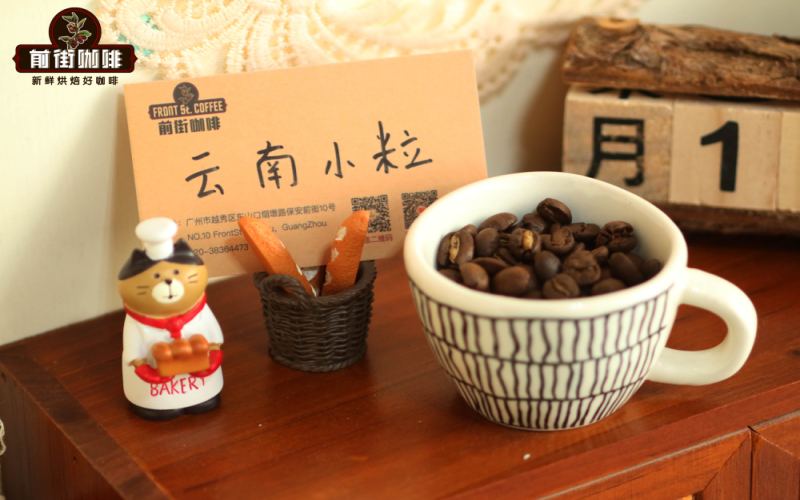
Yunnan Coffee Brewing Guide | Is Yunnan Arabica Good as Black Coffee? Must-Buy Recommendations for Beginners: Yunnan Specialty Single-Origin Coffee Beans That Taste Good and Aren't Bitter
As Yunnan coffee's reputation grows, more and more people are seeing its enormous potential. Among them are quite a few passionate young locals who promote Yunnan coffee from their hometown, aiming to help it develop even better. So, does Yunnan coffee taste good? Which Yunnan coffee beans are the best? Yunnan small-bean [more…]
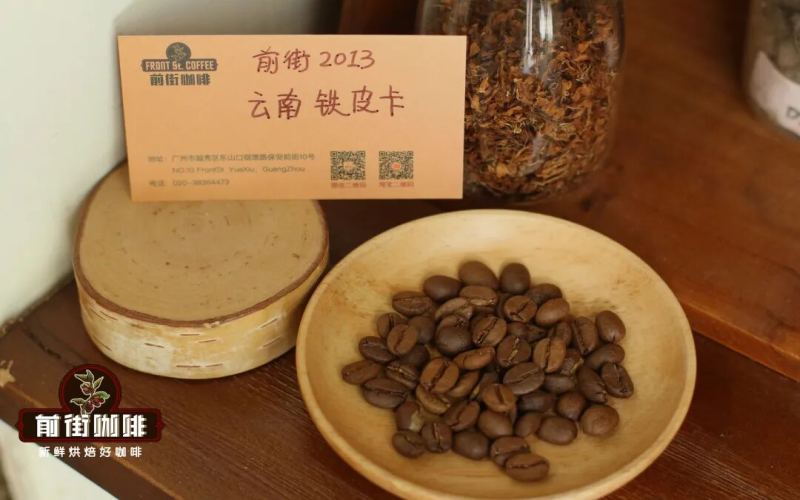
Yunnan Small-Bean Coffee Beans: Catimor and Typica | Is the Catimor variety Arabica or Robusta? What flavor characteristics does Yunnan Catimor coffee have?
Yunnan coffee beans have stood out in recent years in green coffee competitions, frequently appearing in the public eye. And like a dark horse, they have gradually emerged in the specialty coffee market. Today, Front Street will share with you the development of Yunnan coffee in recent years. To understand the history of Yunnan coffee cultivation, you should know that Yunnan's [more…]
Characteristics of Yunnan Baoshan Coffee | Is Yunnan coffee suitable for beginners? Is Yunnan small-bean coffee better for pour-over or espresso?
Chatting with many customers, I've noticed that in most people's minds, Yunnan coffee doesn't seem to have a flavor profile of its own. It's not like African coffee with its bright floral and fruity acidity, nor does it have the rich, mellow chocolate aroma of American coffees, nor the spicy notes of Indonesian coffee. As a result, people can't really say what its specific characteristics are. [more…]
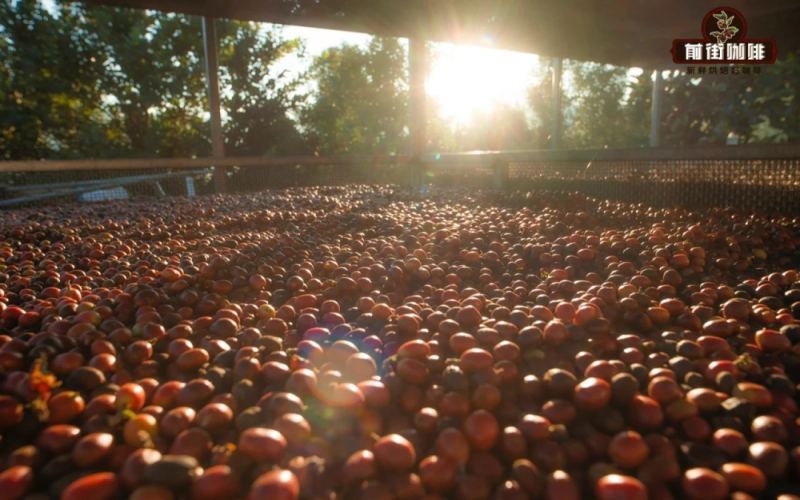
Tracing the Origins of Yunnan's Coffee Culture: A Flavor Analysis of Yunnan Arabica and Catimor Varieties
Yunnan coffee occupies a pivotal position in China's coffee landscape, but what exactly does the term "Yunnan Arabica" mean? What variety does it refer to, and through which channels can one purchase authentic products? This article begins with the cultural background of Yunnan coffee, sorts out the definition of Arabica coffee and the evolution of its varieties, and focuses on how Catimor gradually adapted to Yunnan's terroir and formed a stable regional flavor profile. At the same time, the article recommends two freshly roasted coffees worth trying—Front Street Yunnan Arabica and Front Street 2013 Sun-Dried Typica—presenting respectively the balanced sweetness of washed Catimor and the clean elegance of sun-dried Typica, offering practical reference for coffee enthusiasts who want to get started with the Yunnan region. [more…]
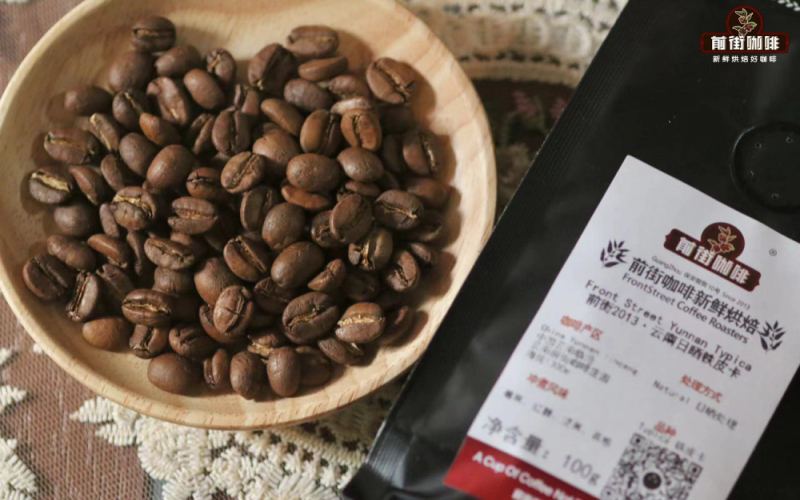
Yunnan Small-Bean Coffee: A Complete Guide to Variety Origins, Regional Flavors, and Pour-Over Parameters
Yunnan coffee is often mistaken for an imported product, but in reality, Yunnan Arabica coffee has long secured a place in the international market. Starting from Front Street Coffee's own roasted Yunnan Arabica beans, this article systematically reviews the origins of the Yunnan Arabica variety, the history of Catimor, the terroir conditions of major producing areas such as Baoshan, and the impact of washed and natural processing on flavor. The article also combines the cupping performance of Front Street's 2013 natural Typica and Baoshan daily beans to provide a KONO dripper pour-over method and specific parameters, helping coffee enthusiasts understand the balanced, sweet-aftertaste character of Yunnan Arabica and master practical brewing methods to reproduce its nutty, chocolate, and brown sugar flavors. [more…]

Yunnan Coffee Origins: Variety and Flavor Evolution: From Typica to Catimor, Front Street Coffee's Journey Toward Specialty Typica
Yunnan coffee has gone through a tortuous journey: from missionaries introducing Typica, to large-scale cultivation in the 1960s to repay Soviet loans, to Nestlé promoting the Catimor variety in the 1980s. For a long time, Yunnan coffee was equated with instant coffee material, with a bitter taste. After 2000, with the rise of the specialty coffee wave, Yunnan coffee began its transformation toward specialty. Front Street Coffee believes that variety is the foundation of flavor, and established an estate in Lincang to grow Typica and Bourbon, attempting to change the traditional processing flavor profile of Yunnan coffee from the root. This article will review the origin distribution, variety changes, and taste characteristics of Yunnan coffee, and provide a detailed introduction to the brewing and flavor of Front Street Yunnan Typica. [more…]
The Grade Classification and Specialty Positioning of Yunnan Small-Bean Coffee: From Historical Origins to Front Street Coffee Washed Bean Recommendations
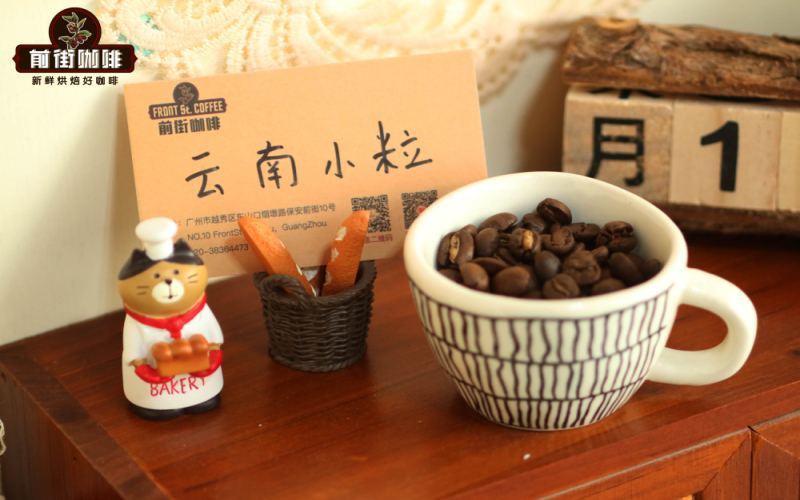
Yunnan small-bean coffee is a topic that domestic coffee enthusiasts cannot avoid, but does it actually count as specialty coffee? Front Street Coffee starts from the cultivation history of Yunnan coffee, sorting out the complete thread from the first coffee tree introduced by missionaries to the entry of international brands such as Nestlé and Starbucks for purchasing. At present, Yunnan's cultivation is dominated by Catimor, which carries Robusta genes, and there is a gap in flavor compared with pure Arabica, but specialty-grade beans do exist, only in limited proportions. The article also introduces Yunnan coffee's five-level standard divided by screen size, color, clarity, odor, and moisture content, as well as the new grading system promoted by the YCE trading center. Finally, Front Street Coffee recommends washed Yunnan small-bean everyday drinking coffee and the sun-dried bean "Front Street 2013" named after the brand, along with suggested pour-over parameters. [more…]
The Varietal Truth of Yunnan Small-Bean Coffee: The Evolution from Typica and Bourbon to Catimor and Their Flavor Differences
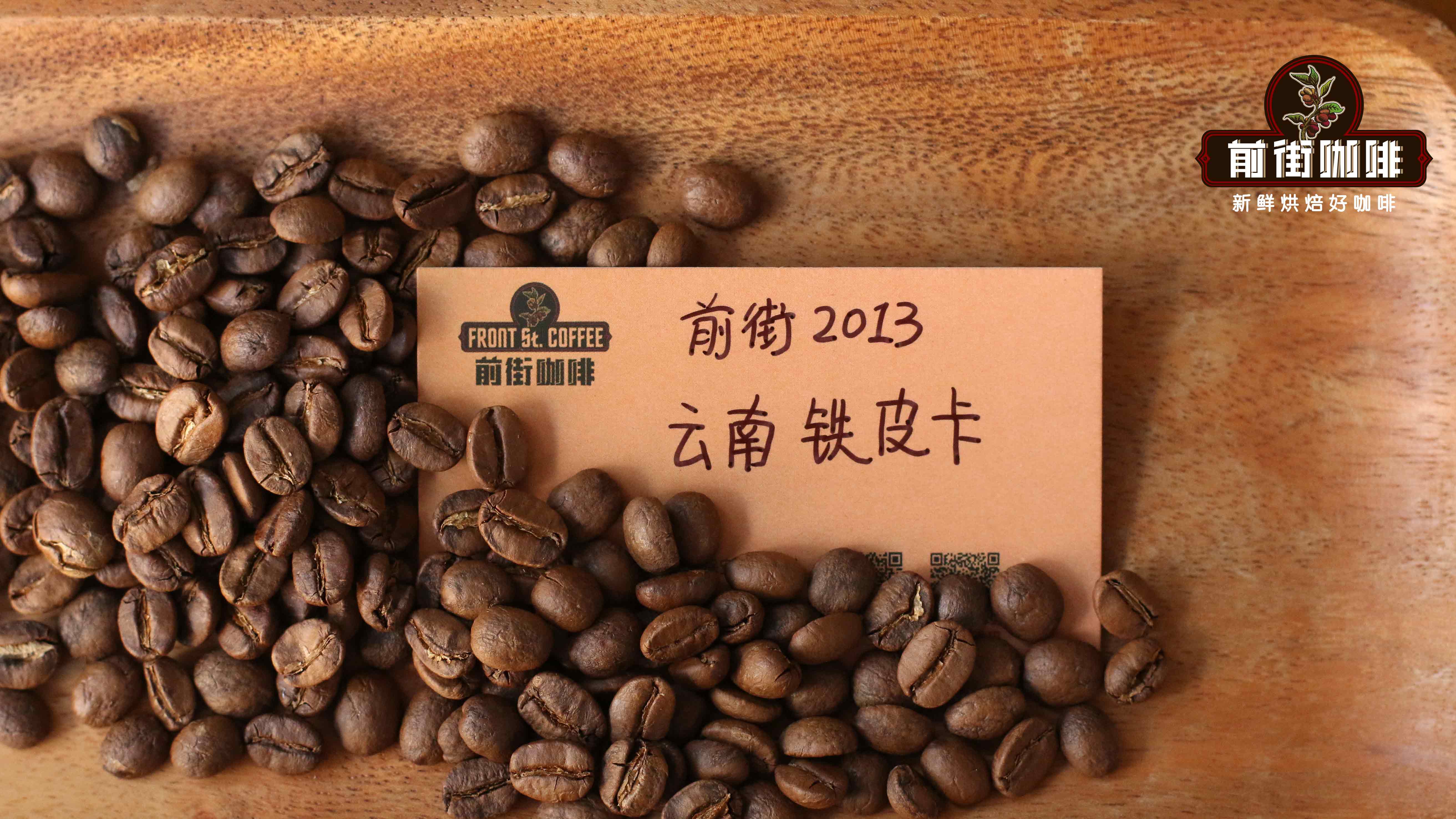
Today, Yunnan beans appear more and more frequently on the menus of specialty coffee shops, and people habitually refer to them all as "Yunnan small-berry." But behind this name actually lies a history of variety replacement: the early Yunnan small-berry referred to traditional Arabica varieties such as Typica and Bourbon, while today's Yunnan small-berry is overwhelmingly Catimor. From missionaries introducing the crop and the successful trial planting in Baoshan, to Nestlé promoting the large-scale replacement with Catimor, great changes have taken place in both the flavor and the industrial landscape of Yunnan coffee. This article will sort out the origin of the name small-berry coffee, the past and present of Yunnan small-berry, and the genetic makeup and flavor characteristics of Catimor, and offer currently worthwhile Front Street Yunnan bean choices to try. [more…]
Yunnan Arabica Coffee Flavor Analysis: A Full Breakdown of Variety Origins, Regional Characteristics, and the Differences in Yunnan Coffee
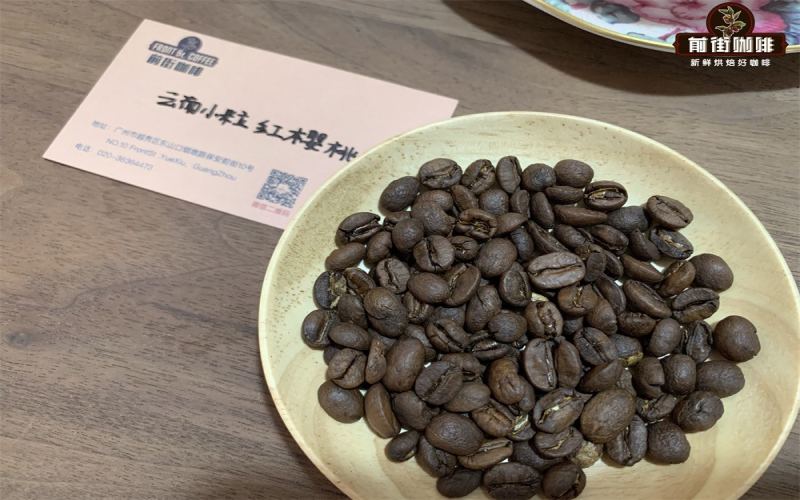
Yunnan, as China's largest coffee-growing province, is known for its arabica coffee, which features a neutral flavor profile—aromatic yet not bitter, rich yet not harsh, with a pleasant mild acidity—and has drawn significant attention from coffee enthusiasts. Starting from the taste characteristics of Yunnan arabica coffee, this article systematically sorts out how it differs conceptually from Yunnan coffee in general, traces the historical origins of arabica coffee since its introduction to Yunnan in 1904, analyzes the flavor differences between the two major varieties Typica and Catimor, and provides a detailed introduction to the distinctive features of major producing regions such as Baoshan, Pu'er, Dehong, and Lincang. At the same time, the article also shares Front Street Coffee's experience cultivating Typica in Lincang, Yunnan, as well as the influence of washed and natural processing methods on flavor and brewing recommendations, helping readers gain a comprehensive understanding of the true character of Yunnan arabica coffee. [more…]
Yunnan small-bean Catimor coffee: full analysis of variety origins, cultivation history, and flavor characteristics
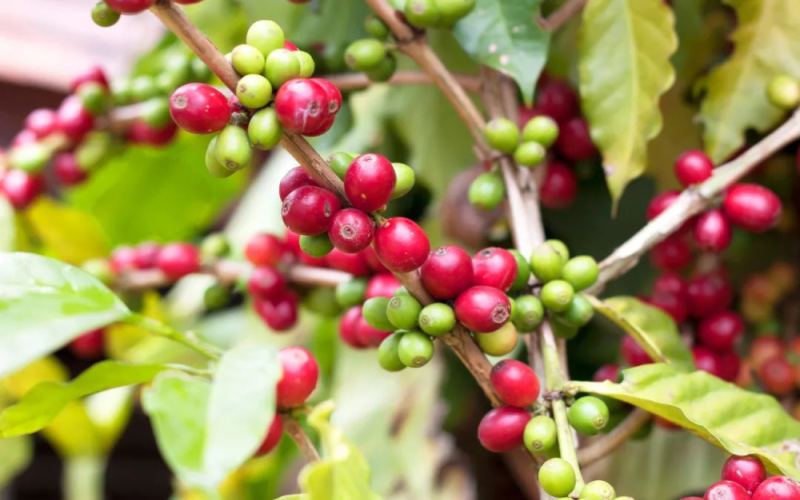
Yunnan arabica coffee has frequently been crowned with the title of "world-class" in recent years—just how much basis is there for this claim? This article examines the question from three dimensions: variety origins, cultivation history, and cup profile. The small-bean coffee predominantly grown in Yunnan is in fact Arabica, and over ninety percent of current production is Catimor—a hybrid variety that excels in disease resistance and high yield, yet has long borne the reputation of mediocre flavor. The article traces the complete arc from the first coffee tree in Zhukula Village in 1904, to systematic trial planting in Baoshan's Lujiangba in the 1950s, to Nestlé's introduction of Catimor in the 1980s that drove industrial expansion. It also explores Yunnan's current situation and challenges in washed processing and cultivation techniques, and introduces Front Street Coffee's practice of establishing its own estate in Lincang, managing the entire process from breeding to green beans, along with pour-over parameters and flavor descriptions for Front Street Yunnan small-bean everyday coffee, for coffee enthusiasts' reference. [more…]