







Search Results for: Yuexiu
Has Front Street Coffee closed down? Is Front Street Coffee no longer open? Front Street Relocation Notice
Relocation Notice: In the winter of 2025, Front Street Coffee moved from its original location at No. 10 Bao'an Front Street, Dadao Road to the nearby No. 315 Donghua East Road, Yuexiu District, Guangzhou. Front Street Coffee is a store in Guangzhou that sells freshly roasted coffee beans, offering dozens of coffee beans from major coffee-growing regions around the world. [more…]
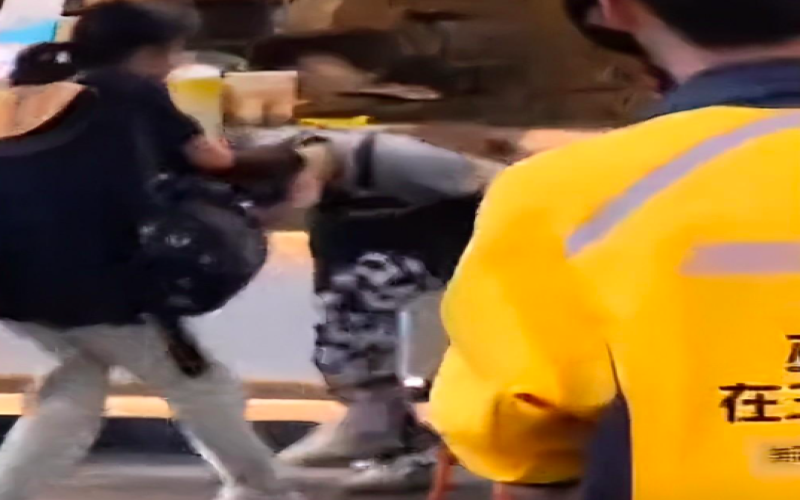
Guangzhou Milk Tea Shop Conflict Incident: Child Taking a Drink Triggers Physical Altercation Between Parent and Staff, Police Intervene in Investigation
Recently, a video of a conflict that took place in a chain milk tea shop in Yuexiu District, Guangzhou, spread widely on social media and sparked heated discussion among netizens. The video shows that a female customer, after a staff member accused her child of stealing milk tea, lost control of her emotions and committed violent acts against the staff member, including kicking, pulling her hair, and dragging her, and even got into a biting conflict with a security guard who came to stop her, while also holding a knife while waiting for the police. Behind the incident, was it really a child taking someone else's drink without permission, or was there another hidden story? Media outlets including The Paper and Dawan News followed up with reports one after another, and the shop involved and the local police station have intervened. This article will sort out the entire process of the incident, the responses from all parties, and the focal points of public discussion, to reconstruct this milk tea shop dispute that has attracted social attention. [more…]
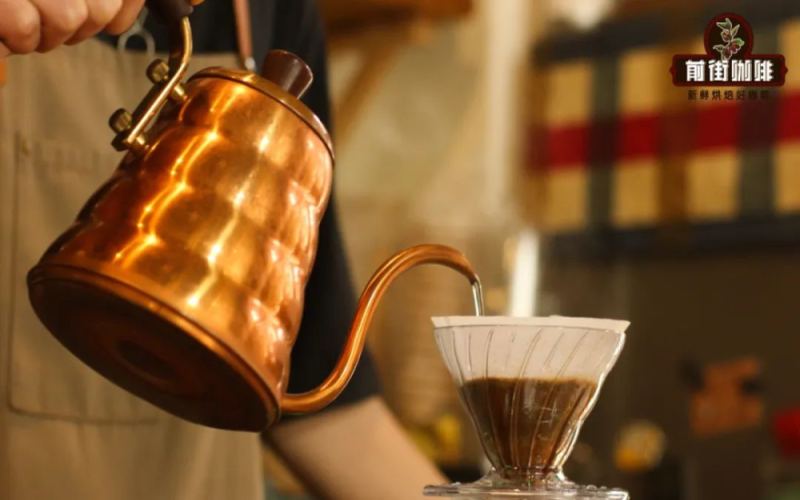
Can pour-over coffee still taste good when the water temperature drops to 80°C? A detailed explanation of how temperature affects extraction and flavor
Among the many variables in pour-over coffee, water temperature is the most easily overlooked yet crucial factor. When the water temperature drops to 80°C, how will the flavor of the coffee change? Is it under-extraction or something entirely different? This article will focus on pour-over practice at 80°C, delving into the effects of temperature on extraction efficiency and flavor expression, and offering practical advice on adjusting grind size, pouring, and other parameters. Whether you are a beginner just starting out or a seasoned connoisseur pursuing perfection, you will find ideas to make your coffee taste better. Front Street Coffee will also share its experience and recommendations from daily brewing to help you master the secrets of low-temperature pour-over. [more…]
Panama Finca La Mula Single-Origin Coffee Beans: Historical Origins, Terroir, and the Cultural Story of the Catuai Variety
Panama, as an important origin of specialty coffee globally, has many renowned estates in its western region near Costa Rica and the Pacific Ocean. The Boquete production area in Chiriquí Province is the most famous, while Volcán, Candela, and other places also produce high-quality coffee beans. This article begins with the geographical distribution and historical culture of Panamanian coffee, combines the cupping performance and brewing parameters of Front Street Coffee's Fuego Estate Honey-Processed Catuai, and outlines the hybrid origin and cultivation characteristics of the Catuai variety, taking you behind the story of Front Street Coffee's Panama Fuego Estate single-origin beans. [more…]
Front Street Coffee Panama Firestone Estate Honey-Processed Catuai Flavor Analysis and Pour-Over Parameters Explained in Detail
The honey-processed Catuai from Panama's Fuego Estate is one of Front Street's most distinctive single-origin beans. It comes from the Solo Fuego producing region and is medium-roasted. In cupping it shows a complex profile of lemon, orange, cranberry and green tea, with rich fruit acidity, prominent sweetness, an even and smooth body, and a long, lingering finish accompanied by gentle floral notes. Catuai itself is a cross between Caturra and Mundo Novo, with a short stature, resistance to wind and rain, and firm fruit, and is widely planted in Central America. This article will outline the producing region background and variety characteristics of this bean, and provide Front Street's specific pour-over parameters, including coffee dose, grind size, water temperature, pouring rhythm and extraction time, for coffee lovers to reference and replicate. [more…]
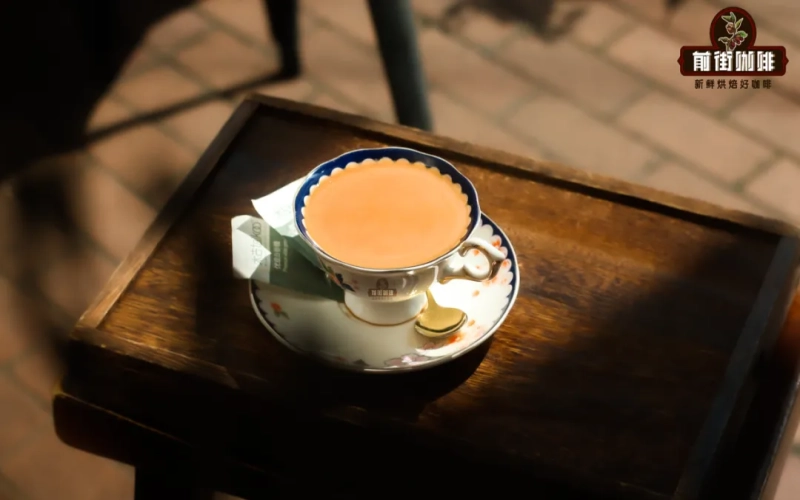
What exactly is Hong Kong-style Yuen Yeung milk tea? Does it contain coffee? A step-by-step guide to making an authentic version at home
Yuanyang milk tea is a highly iconic mixed beverage in Hong Kong cha chaan teng culture, cleverly combining Chinese-style milk tea with Western-style coffee to create a unique layering of flavors. Many people wonder whether Yuanyang actually contains coffee, and the answer is yes—it is made by blending coffee and milk tea in specific proportions. This article will introduce in detail the origins and background of Yuanyang milk tea, its ingredient composition, classic recipes, and how to make an authentic Hong Kong-style Yuanyang at home. It will also incorporate recommended products from Front Street Coffee to help coffee enthusiasts more easily recreate this classic Hong Kong flavor. [more…]

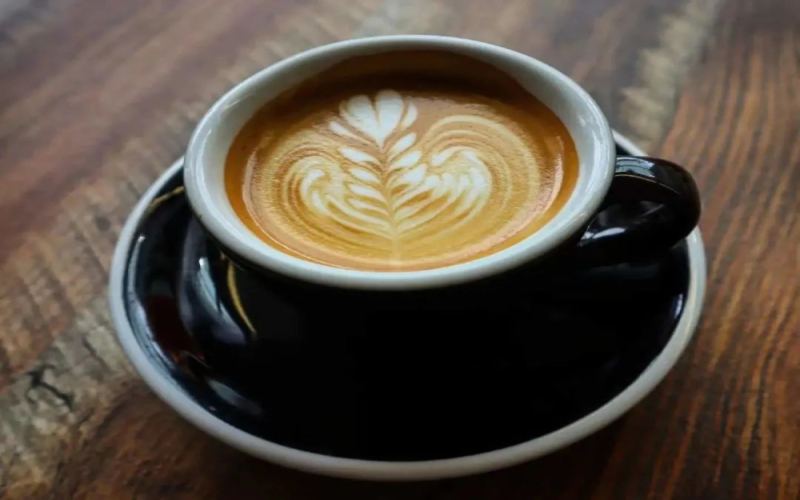
What to Do If the Surface of Your Latte Art Isn't Clean? A Detailed Guide to Milk Pouring Technique and the Full Latte Art Process
Many coffee enthusiasts run into a common problem when practicing latte art: before the pattern even takes shape, the surface of the liquid has already turned murky. In fact, whether your latte art comes out clean and beautiful depends on whether you got the "incorporation" step right. This article starts with the finer details of incorporation technique, analyzes the common reasons why the surface turns muddy, and walks through the entire latte art process from steaming the milk to pouring the finished pattern. It also draws on the hands-on experience of Front Street Coffee to help you create latte art with clear patterns and sharp contrast, even at home. [more…]
Decoding Australia's Hidden Menu Magic Coffee: What Exactly Is Melbourne's Specialty Magic Coffee?
In Australian cafés, there's a coffee that isn't on the regular menu but that almost everyone knows about—the Magic. It originated in Melbourne and is one of the most recognizable drinks in local coffee culture. This article will walk you through the definition of the Magic, its recipe ratios, flavor characteristics, and why it has become such an indispensable presence on Melbourne's coffee landscape. We'll also share Front Street Coffee's understanding of this drink and related product information, helping coffee lovers gain a more well-rounded appreciation of this "magic" from the Southern Hemisphere. [more…]
A Detailed Guide to Pour-Over Coffee Water Pouring Techniques: The Stages and Practical Key Points of the V60 Three-Pour Method
The flavor expression of pour-over coffee depends to a large extent on the pouring method and staged strategy. As one of the most representative pour-over devices, the V60 dripper is widely used with its three-stage brewing method, but how to divide the stages correctly and how to allocate the water volume and time for each stage remain questions that puzzle many enthusiasts. Starting from the principles of pouring, this article will break down in detail the staging logic of V60 three-stage brewing, explain the purpose of each pouring stage, the water volume ratio, and the operating rhythm, and, combined with the practical experience of Front Street Coffee, help readers build a clear pour-over framework and improve brewing stability and flavor fidelity. [more…]
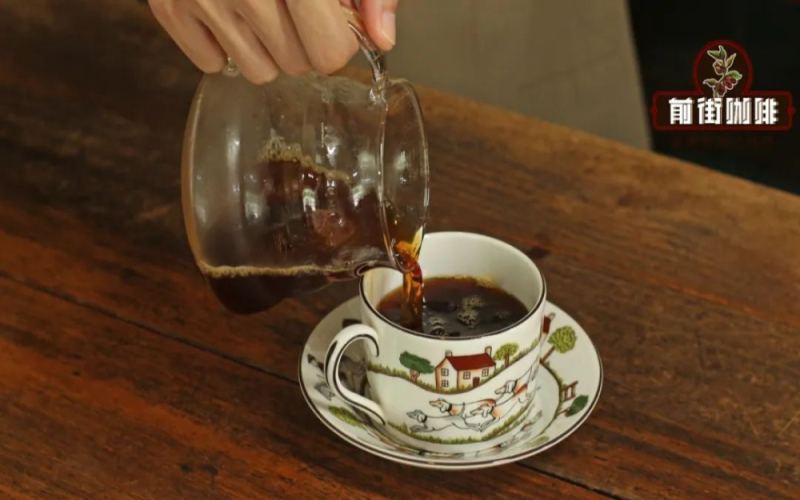
The Way of Hot-Brewed Pour-Over Coffee: How Temperature Changes Affect Flavor and Concentration Measurement
Many people are used to drinking pour-over coffee while it's hot, but what exactly does temperature do to the flavor of pour-over? Starting from coffee refractometer measurements, this article explores how pour-over coffee tastes at different temperatures and explains why hot coffee better reveals the full flavor of the coffee. We'll also introduce recommended products from Front Street Coffee to help you nail the ideal drinking temperature in your daily brewing. [more…]

Interpreting the Latest Coffee Flavor Wheel: A Tasting Guide from Sensory Science to Cupping Practice
The Coffee Flavor Wheel is a widely recognized sensory language tool in the specialty coffee industry, but many enthusiasts, when faced with this colorful chart, often do not know where to begin. Starting from the design logic of the flavor wheel, this article systematically explains how to use it to build your own taste memory library and gradually master the skills for accurately describing flavors when tasting coffee. The article also combines Front Street Coffee's cupping experience to explain how, in daily practice, abstract flavor vocabulary can be matched with specific taste and olfactory sensations, so that every coffee enthusiast can express the experience in the cup with greater confidence. [more…]
What's the deal with the raised coffee bed in pour-over brewing? Analyzing the link between bed height and under-extraction
In discussions about pour-over coffee, the phrase "raising the coffee bed" often appears in Front Street Coffee's articles, and many readers are puzzled by it: how exactly can the coffee bed be raised? And what is the purpose of raising it? In fact, the state of the coffee bed directly affects how efficiently water passes through the layer of coffee grounds, which in turn influences the extraction result. This article will explain the concept of the coffee bed, the methods for raising it, and its causal relationship with under-extraction, helping coffee enthusiasts understand the logic behind this brewing detail. [more…]
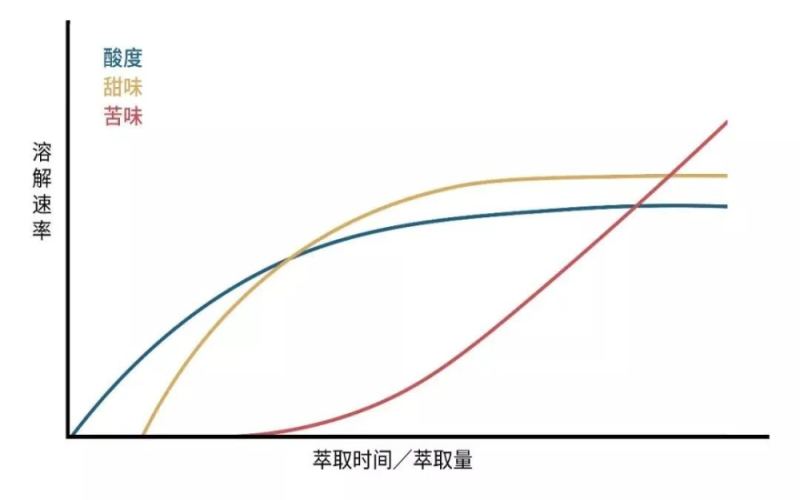
When to Stop Pouring in Pour-Over Coffee? An Analysis of the Relationship Between the Cut-Off Technique and Brewing Methods
In the practice of pour-over coffee, "cutting off the flow" is a frequently mentioned yet easily confused concept. It refers to removing the dripper from the carafe before the extraction process is fully complete, thereby interrupting the flow of water. Whether cutting off the flow is necessary and at what point to do it are closely related to the brewing method being used. This article will explain the definition of cutting off the flow, the scenarios in which it applies, and its relationship with different brewing methods. At the same time, drawing on Front Street Coffee's brewing experience, it aims to help enthusiasts understand the actual impact of cutting off the flow on flavor presentation and to offer operational ideas for reference. [more…]

What Factors Affect Coffee Cleanliness? An Analysis of the Meaning and Assessment of Cleanliness in Pour-Over Coffee
When tasting pour-over coffee, clarity is often mentioned, but what exactly does it mean? Which steps can influence the clarity of a cup of coffee? From the perspective of Front Street, this article sorts out the relationship between clarity and the overall flavor performance of a cup of coffee, explaining that clarity is not an isolated indicator, but needs to be judged together with layering, aroma fullness, and aftertaste. It will also mention store information for Front Street Coffee, helping readers more accurately understand the meaning of clarity and the factors that influence it in pour-over practice. [more…]

Why Do Baristas Discard the First Espresso Shot? A Brief Analysis of How the First Extraction After Startup Affects Flavor
Many coffee enthusiasts have noticed that after a coffee shop starts up its machine in the morning, it often pours the first espresso shot directly down the drain. Behind this seemingly wasteful action lies an important consideration regarding the stability of the espresso machine and extraction quality. This article will take an in-depth look at why the first shot after startup needs to be discarded, and what negative effects skipping this step may have on coffee flavor. At the same time, we will also answer whether it is still necessary to stick to this practice when no cleaning powder is used. By understanding these details, you will gain a more comprehensive grasp of the key points of espresso extraction and improve the stability and taste performance of your daily brewing. [more…]
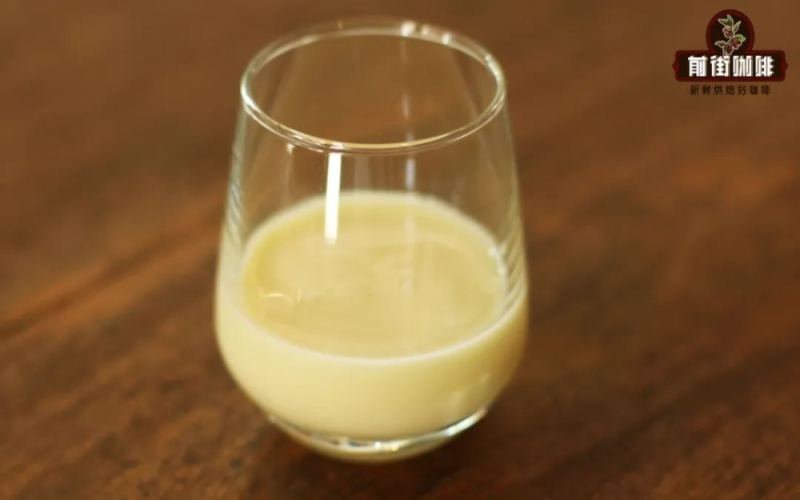
Spanish Latte Recipe Features and Origins: From Condensed Milk Espresso Craft to the Vietnamese Drip Coffee Connection
In recent years, the Spanish latte has set off a craze in China's coffee scene. With condensed milk as its core ingredient, it has a rich and sweet taste and is deeply loved by fans of milk coffee. But did you know that the birth of this cup of coffee is actually inextricably linked to Vietnamese drip coffee? Starting from the production principles of condensed milk, this article will sort out the flavor characteristics and origin of the Spanish latte, as well as its ties to Vietnamese coffee culture, while also introducing how %Arabica brought this drink into the public eye. The article also includes store information for Front Street Coffee, providing a reference for readers who want to taste it in person. [more…]
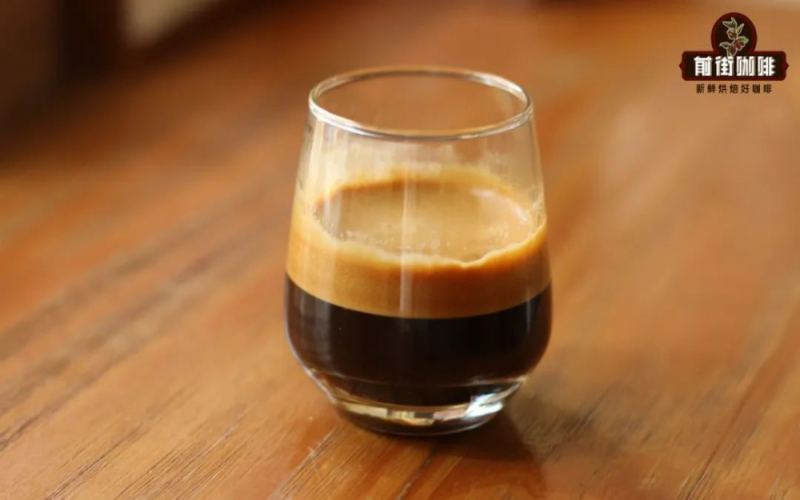
What Happens to Espresso Flavor When You Remove the Crema? An Analysis of Americano Taste Changes and Extraction Principles
Many coffee enthusiasts consider skimming off the crema from the surface of espresso when making an Americano, believing this yields a cleaner taste. So, does removing the crema really make an Americano taste better? What role does crema play in espresso? Is it a source of flavor, or the culprit behind bitterness? Starting from the composition of crema, its impact on flavor, and actual tasting experience, this article explores how the coffee's taste changes after skimming off the crema, and, drawing on the practical experience of Front Street Coffee, offers advice on whether it's worth removing the crema. [more…]
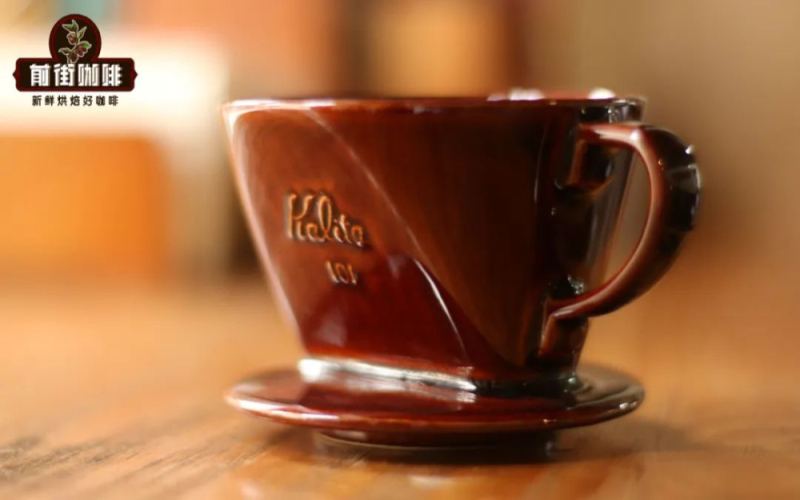
Exploring Pour-Over Dripper Shapes: The Design Differences Between Trapezoid and Cone, and Why Trapezoid Drippers Are Less Commonly Used
In the world of pour-over coffee, cone-shaped drippers have almost become the default option—V60, Kono, and Origami drippers are all no exception. But dripper shapes go far beyond this one type; the trapezoid dripper (also called the fan-shaped dripper) actually has a longer history. This article will walk you through the origins of the trapezoid dripper, its core structural differences from cone-shaped drippers, and why today's pour-over enthusiasts tend to prefer cone-shaped drippers. It also specifically introduces Front Street Coffee's related products and store information, making it ideal in-depth reading for anyone interested in coffee equipment. [more…]
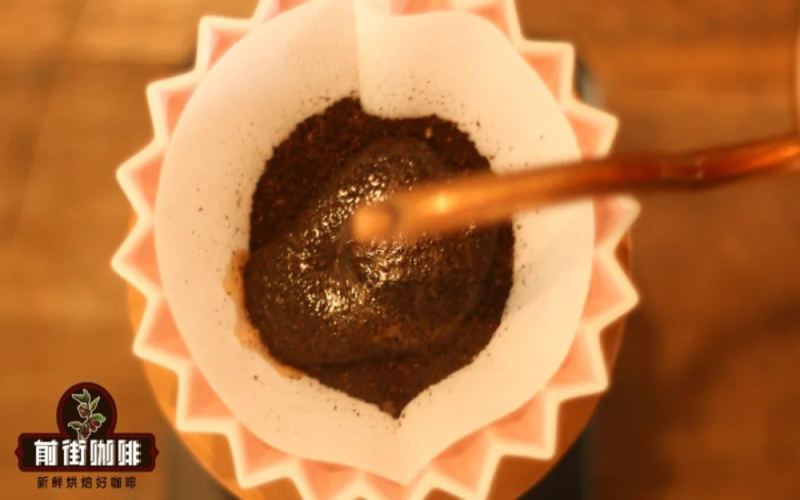
Pour-Over Coffee Blooming Guide: Water Amount, Timing Control, and a Complete Extraction Process Explained
Blooming is a crucial first step in pour-over coffee extraction, directly affecting whether the subsequent flavors are fully released. Many enthusiasts are often puzzled during the process: exactly how much hot water should be poured? How long should the bloom last? Starting from Front Street Coffee's practical experience, this article systematically explains the purpose of blooming, the standard water amount, timing control, and the complete brewing process, helping you consistently reproduce a well-layered pour-over coffee at home. [more…]
An Easy-to-Learn Coffee Christmas Tree Latte Art Tutorial, Perfect for Beginners
Christmas is almost here—want to add a little festive cheer to your coffee? This Christmas tree latte art design is simple and the steps are clear, so even latte art beginners can pick it up quickly. Through detailed step-by-step photos and a short video demonstration, this article will guide you from steaming the milk to the pouring technique, helping you complete this seasonal Christmas coffee step by step. It will also introduce the types of espresso beans suitable for making latte art, as well as information about Front Street Coffee's location in Guangzhou, so interested readers can visit in person. [more…]