








How do the coffee stages work in V60 three-pour brewing?
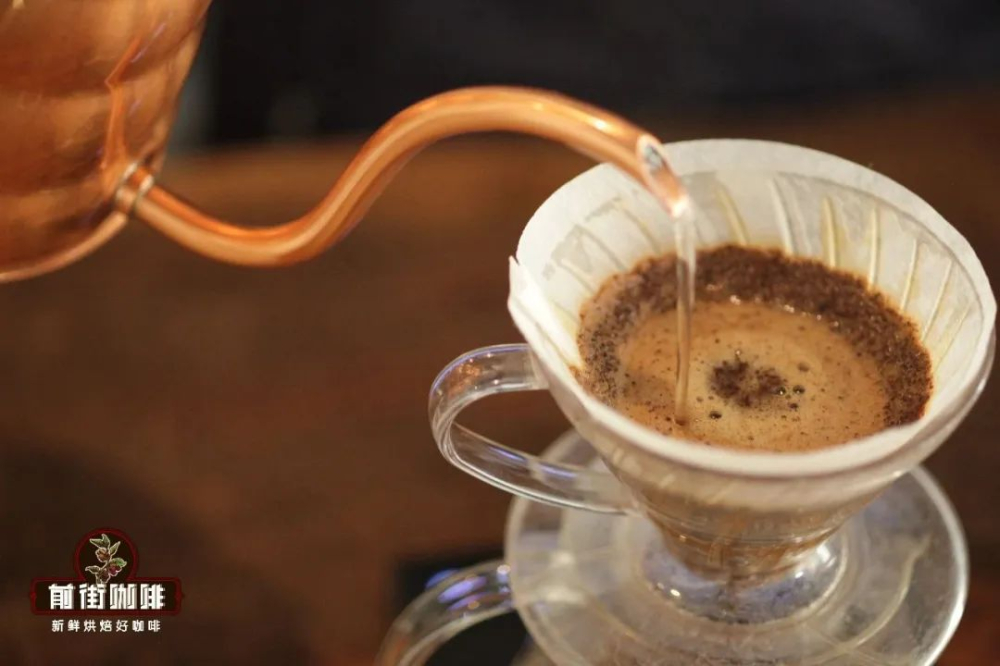
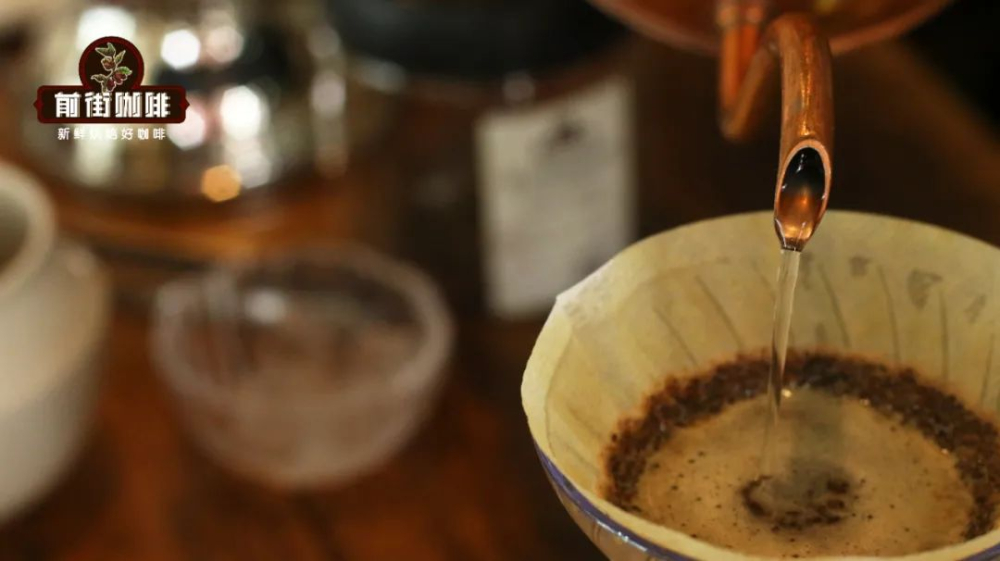
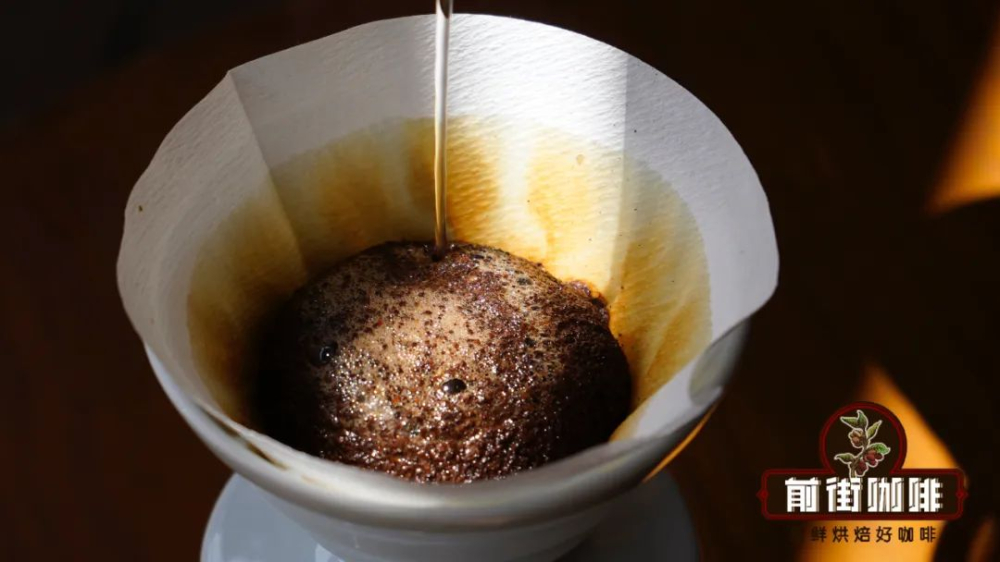
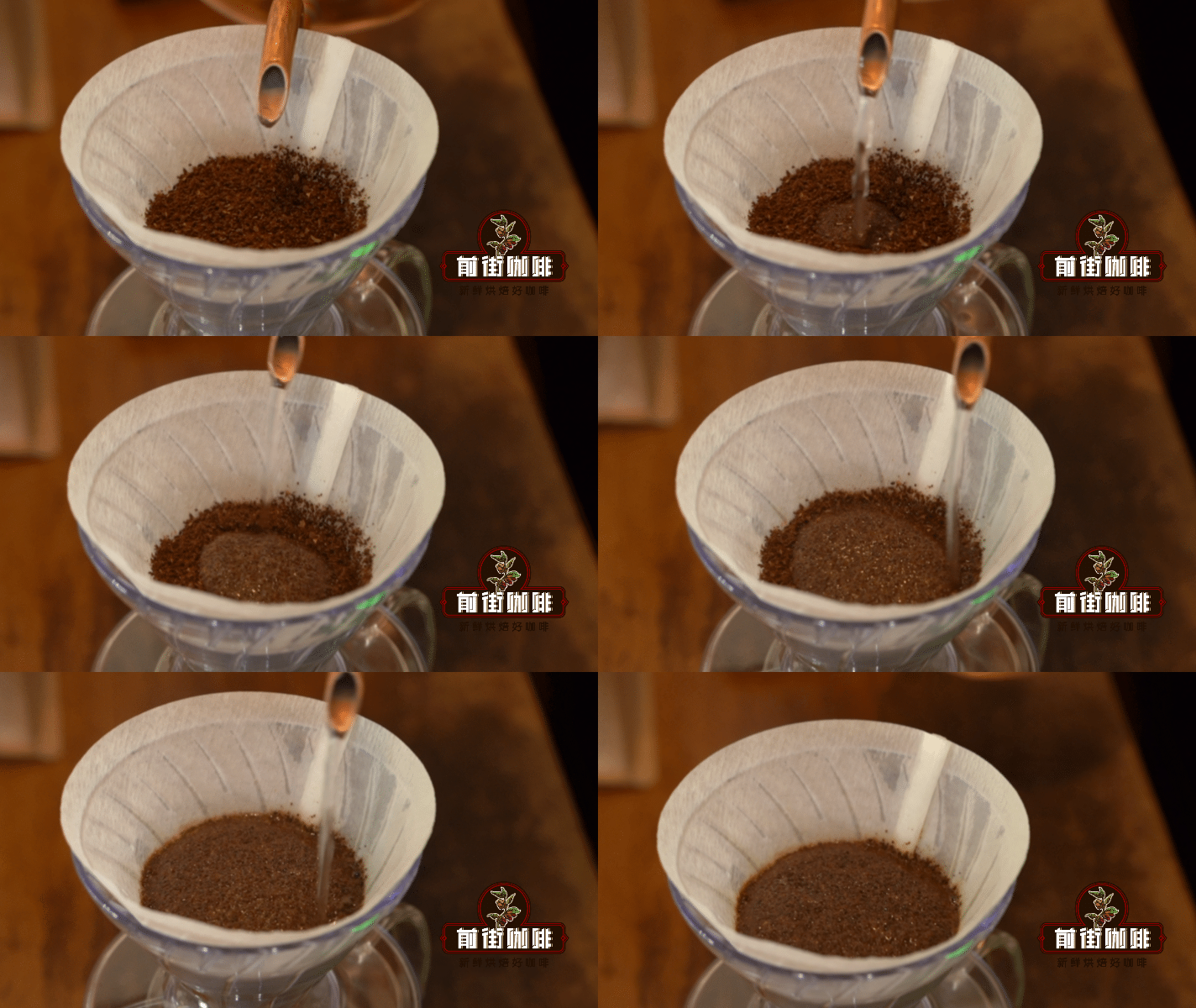
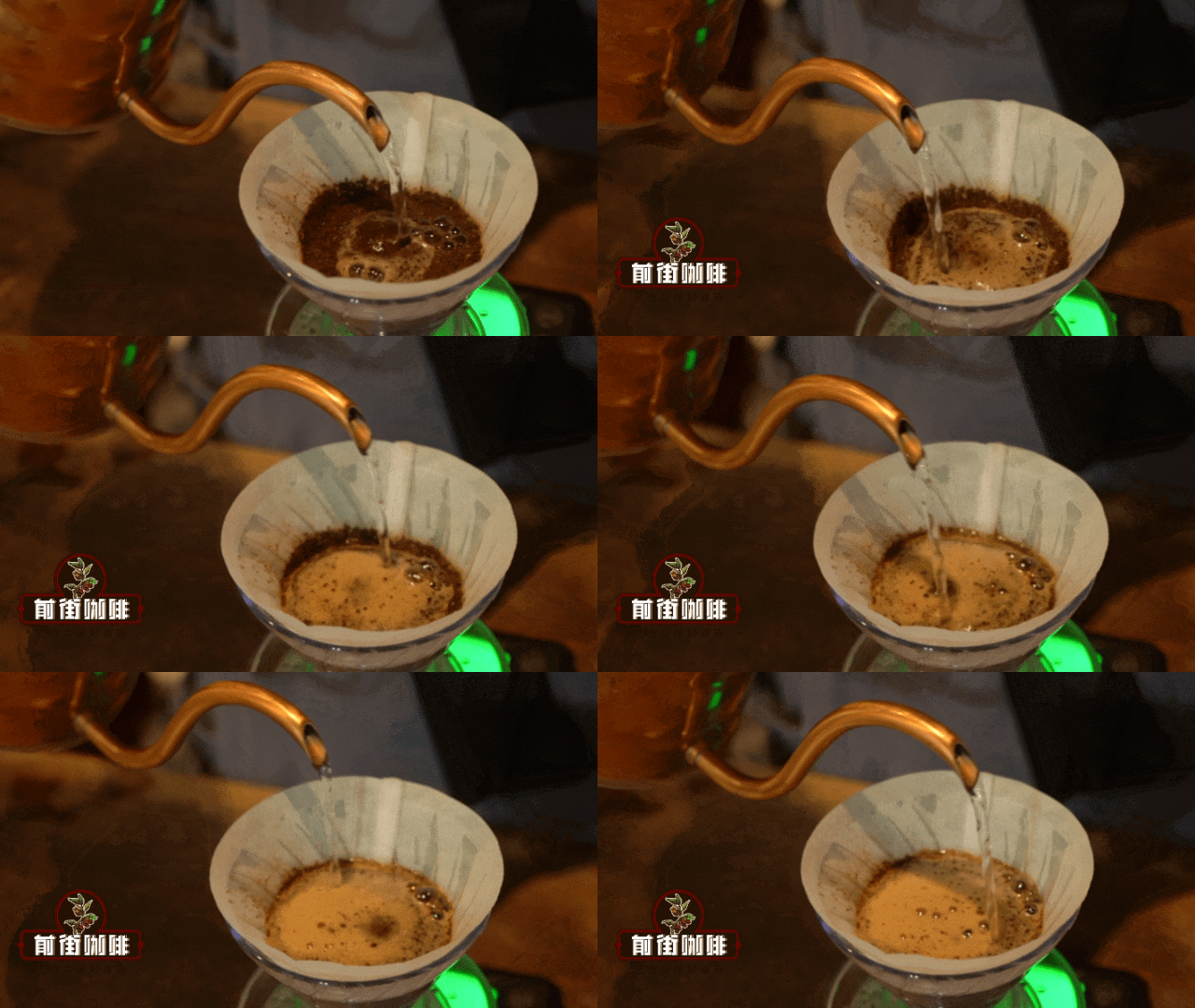
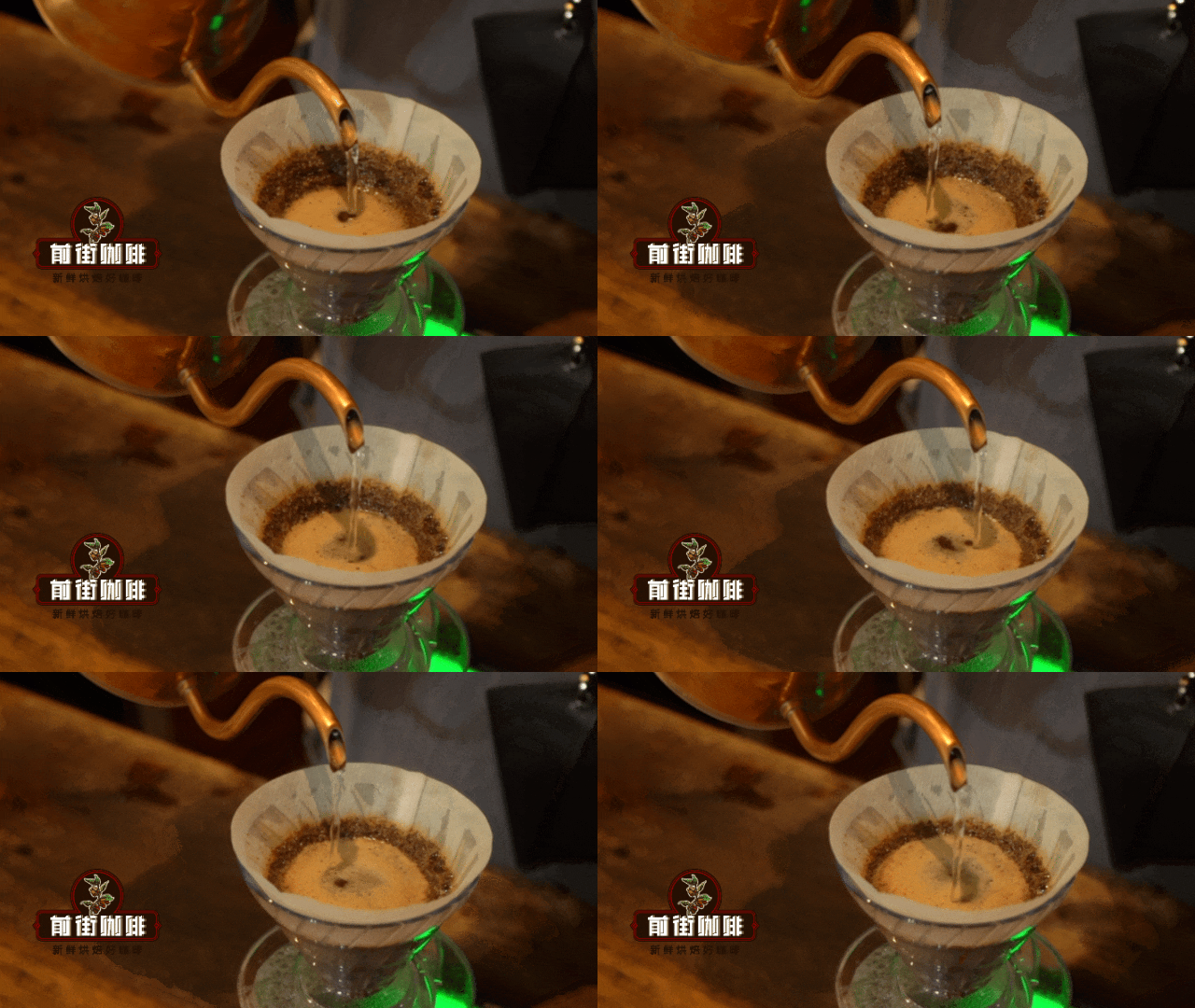
The V60 three-pour method splits one brew into three distinct coffee stages: a bloom, a main pour, and a finishing pour. Each stage has its own water volume, timing, and purpose, and the way the water is divided and paced across those stages is what shapes extraction uniformity and the final flavor in the cup.
Getting the stages right comes down to rhythm rather than force. Water volume ratios and pouring pace are set for each stage so the coffee bed drains evenly between pours, and the same framework carries over to other pour-over setups. Front Street Coffee's brewing notes use this staged approach to make results repeatable from one session to the next.
The flavor expression of pour-over coffee depends largely on the pouring method and staged strategy. As one of the most representative pour-over devices, the V60 dripper's three-stage brewing method is widely used, but how to correctly divide the stages and how to allocate the water volume and time for each stage remain questions that confuse many enthusiasts. Starting from the principles of pouring, this article will break down in detail the staging logic of V60 three-stage brewing, explain the purpose of each pouring stage, the water volume ratio, and the operational rhythm, and, combined with the practical experience of Front Street Coffee, help readers build a clear pour-over framework and improve brewing stability and flavor restoration.

Front Street Coffee
No. 10, Bao'an Front Street, Yandun Road, Dongshankou, Yuexiu District, Guangzhou City, Guangdong Province
The above content is compiled by CoffeeHunters, a coffee news website.


