







Search Results for: Yemen Coffee
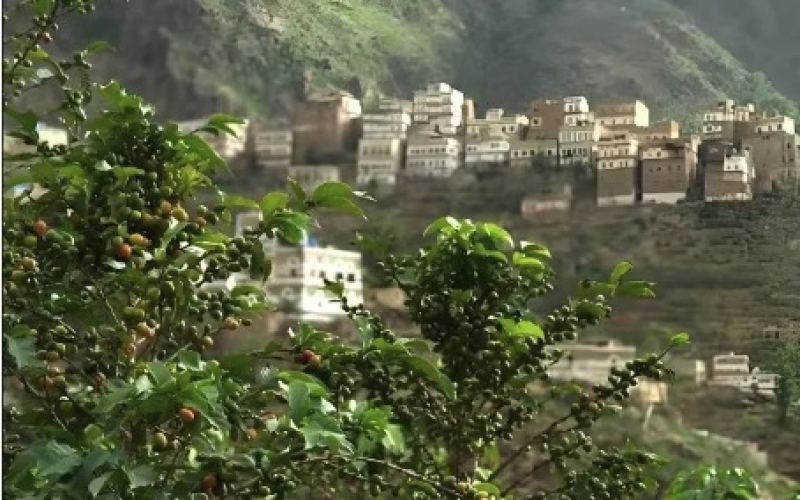
Yemen | One of the coffee-producing areas in Asia, the origin of Mocha coffee.
Yemen is a country in Asia, but it is often mistakenly regarded as an African country. Just across the sea from it is the well-known coffee-producing area of Ethiopia in Africa, and it is also a key port for Ethiopia to access Africa. The Yemen Mocha [more…]
The Origins, Flavor Characteristics, Industry Development Dilemmas, and Prospects of Yemeni Mocha Coffee
Yemen was the first country in the world to cultivate coffee on a large scale, and its Mocha coffee once monopolized the European market for nearly two hundred years, earning it the title of "the diamond in Asia's coffee crown." However, in recent years, Yemen's coffee production has continued to decline, quality standards are lacking, the export structure is monolithic, and the industry faces numerous difficulties in its development. This article will take you back through the historical origins of Mocha coffee, analyze the natural and cultural factors behind its unique flavor, and review the current state and future prospects of Yemen's coffee industry. For coffee lovers, understanding Yemeni Mocha is an indispensable lesson in comprehending the world of coffee. Front Street Coffee will also recommend Yemeni Mocha products worth tasting. [more…]
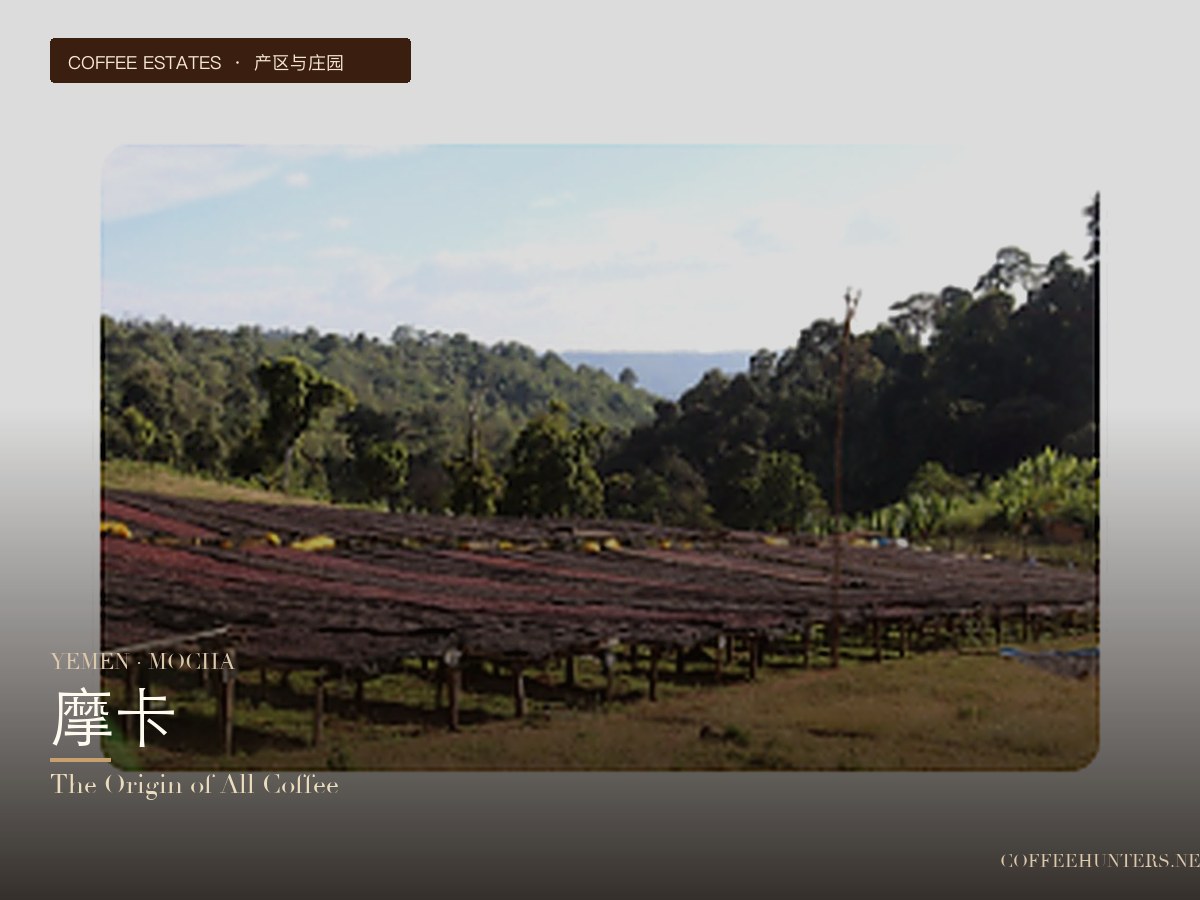
Yemen · Mocha: The Origin of Coffee and Ancient Flavors
Yemen is the birthplace of commercial coffee cultivation, and the port of Mokha was once the starting point of the global coffee trade. This article takes you through the long history of Yemeni coffee, its unique processing methods, and how it performs in the cup. [more…]

Yemen Mocha: Where Coffee First Went Out into the World
In the story of coffee, there is one name almost everyone has heard, yet it is often misunderstood—Mocha. Today it more often refers to a chocolate flavor, or a type of pot, but several hundred years ago, Mocha was a vital hub of the global coffee trade and the starting point from which coffee traveled from Ethiopia out into the world. This journey begins with the Red [more…]
Yemen Mocha: Where Coffee First Went Out into the World
In the story of coffee, there is a name almost everyone has heard, yet it is often misunderstood—Mocha. Today it more often refers to a chocolate flavor, or a type of pot, but several hundred years ago, Mocha was a vital hub of the global coffee trade and the starting point from which coffee spread from Ethiopia to the world. This journey begins with the Red [more…]
Exploring the Origins of Coffee: From Ethiopian Highlands Legends to the History of Cultivation and Spread in the Arabian Peninsula
The word "coffee" originates from the Greek term Kaweh, symbolizing strength and passion. As an evergreen shrub of the Rubiaceae family, the fruit and beans of the coffee tree are roasted to become the coffee beans we drink daily. Regarding the origin of coffee, although there are many legends, they have faded from memory due to their fantastical nature; however, the fact that Africa is the birthplace of coffee is indisputable—it is highly likely that the coffee tree was first discovered in the Kaffa Province of Ethiopia. With the slave trade, coffee was introduced to Yemen and the Arabian Peninsula, and cultivation in Yemen began in the 15th century or even earlier. Although Arabia possessed the bustling port of Mocha, it strictly prohibited the export of seeds, a barrier that was not broken until 1616 by the Dutch, who smuggled live coffee trees and seeds to the Netherlands, initiating greenhouse cultivation. Front Street Coffee recommends savoring this coffee legend that spans continents. [more…]

The Triple Identity of the Word "Mocha": From Yemeni Coffee Beans to Espresso Drinks and Home Moka Pots
The word "Mocha" appears with extremely high frequency in the coffee world, but what exactly does it refer to? Friends new to coffee are often confused by the three things: mocha coffee beans, the mocha coffee drink, and the moka pot. In fact, their origins may span one or two centuries, and there is no direct derivative relationship between them, yet they all happen to share the name "Mocha." To sort out this relationship, the clues trace back to the Port of Mocha in Yemen. This article will break down the true meaning of these three "Mochas" one by one from three angles: historical origins, flavor characteristics, and brewing principles, and will also include Front Street Coffee's practical advice on choosing beans for the moka pot. [more…]
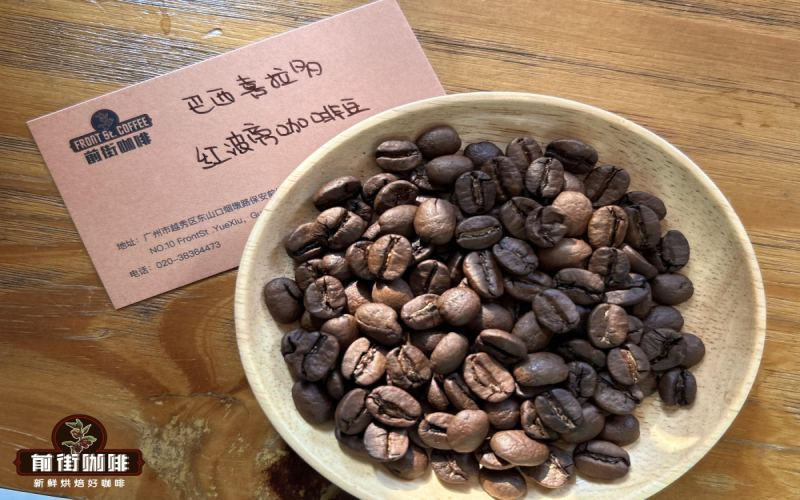
Coffee Basics | What Does Mocha Mean in Coffee? Is Mocha Coffee a Black Coffee Made from Mocha Coffee Beans? Is There Any Connection Between the Moka Pot and Yemeni Mocha?
For more specialty coffee knowledge and sharing, please follow our WeChat official account: Front Street Coffee (FrontStreet Coffee). Many newcomers to coffee feel very confused when they see coffee terms containing "Mocha." Views on Mocha coffee differ between those who start with espresso-based coffee and those who start with single-origin coffee. [more…]
A Comprehensive Analysis of the Definition of Specialty Coffee and the Main Cultivated Varieties of Arabica
Specialty coffee is centered on carefully cultivated high-altitude Arabica, and its varietal system originates from two ancient bloodlines: Typica from Ethiopia and Bourbon from Yemen. This article systematically outlines the definition of specialty coffee and provides a detailed classification of major Arabica varieties, including Typica, Bourbon and their genetic mutations, intraspecific hybrids, and interspecific hybrids. It covers varieties such as Bourbon Pointu, Maragogipe, Geisha, SL28, Caturra, and Pacamara, while also explaining the position of hybrid varieties in specialty coffee and the key influence of producing estates on flavor differences. [more…]

Bourbon Coffee | Is Bourbon an Arabica variety? What are the brewing flavor characteristics of Brazilian Yellow Bourbon and Rwandan Red Bourbon?
Recently, many customers buying beans at Front Street's offline stores have had very clear goals: they either specifically ask for Yellow Bourbon or Red Bourbon, or they want both together, and in very large quantities. You could say they are completely fixated on the Bourbon family. Their purpose is also very simple: they just want to compare what exactly is different between Bourbons of different colors. [more…]
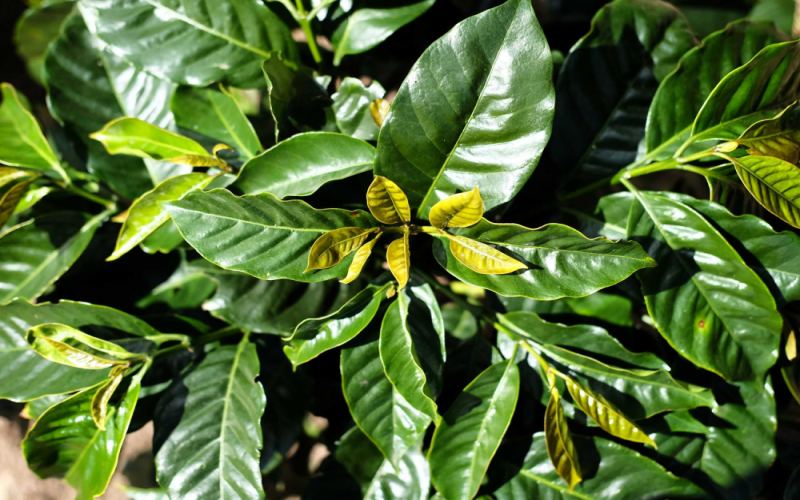
The Arabica Coffee Variety System | What types of Arabica coffee beans are there? Is the difference between Arabica and Robusta coffee significant?
It is often said that delicious coffee is inseparable from its variety, and currently the most common are Arabica coffee beans and Robusta coffee beans, which are the two most common bean types. The Arabica variety is considered the best among all varieties, mostly appearing as specialty coffee, and its overall flavor is also relatively good. Our famous Blue Mountain Coffee [more…]
A Complete Guide to Specialty Arabica Coffee Beans: Flavors and Origins from Heirloom Varieties to Hybrid Cultivars
The Coffea genus encompasses a vast number of species, yet the specialty coffee stage is dominated primarily by high-altitude Arabica. From Ethiopia's ancient Typica and Yemen's Bourbon to the spontaneously mutated Bourbon Pointu, Maragogype, and Geisha, and on to deliberately bred varieties such as Caturra and Pacas as well as interspecific hybrids, behind every name lies a story of migration and flavor. This article systematically sorts through the main varieties of specialty Arabica, their origins and lineage, and their cupping performance, and explains why hybrids rarely appear in the product lines of specialty coffee suppliers such as Front Street Coffee. Whether you are a newcomer or a seasoned enthusiast, this variety map will help you understand more clearly where the flavors in your cup come from. [more…]
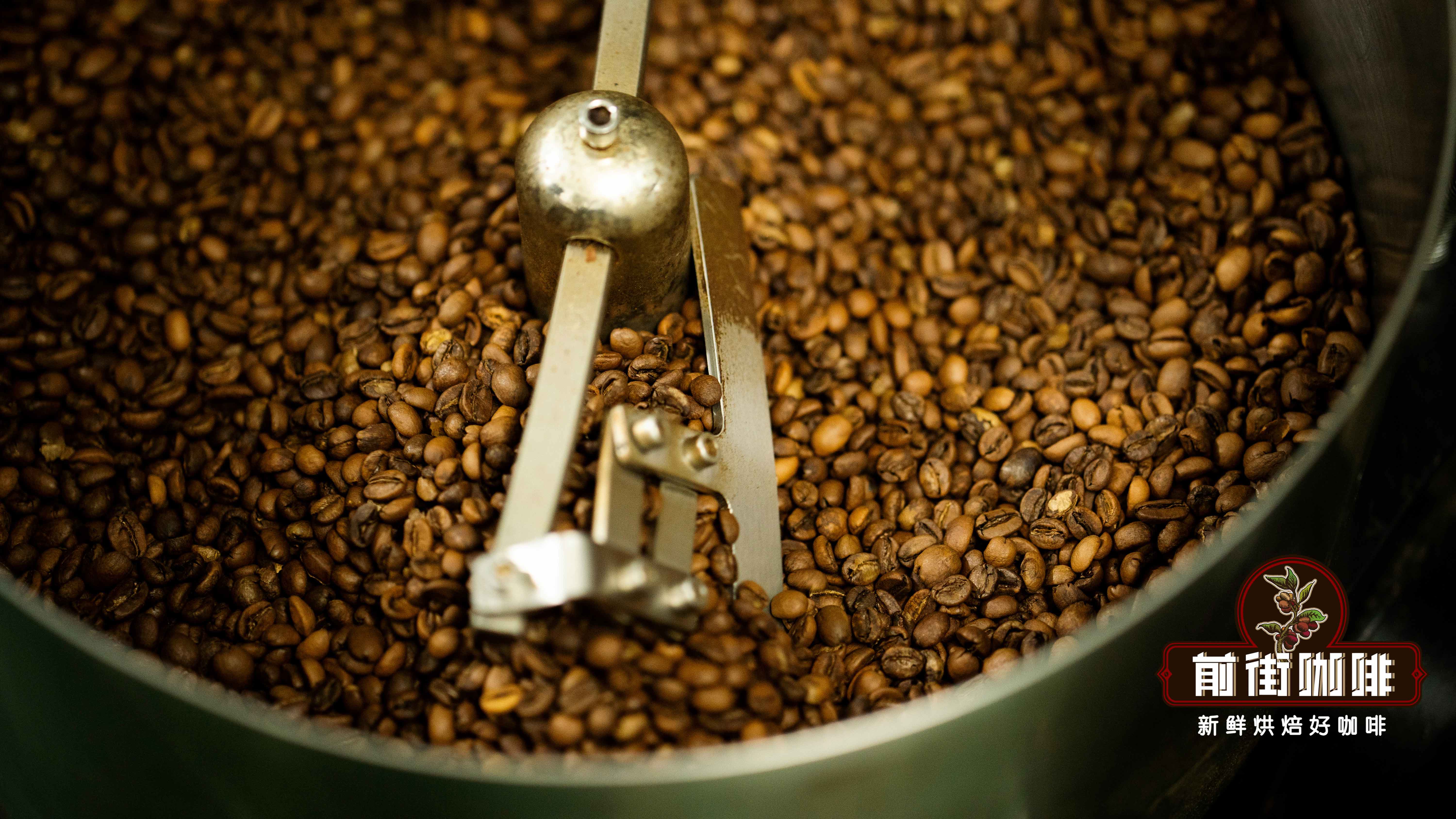
Mocha Coffee | What's the difference between pour-over mocha coffee and espresso mocha coffee? What is the flavor of Yemeni mocha beans? How is espresso mocha coffee made?
When it comes to mocha coffee, many people think of the espresso-based milk coffee with chocolate sauce added that is served in coffee shops today. A small number of people think of Yemeni mocha coffee. In this article, Front Street Coffee will explain the difference between espresso mocha coffee and single-origin mocha coffee! What is single-origin mocha coffee? Yemeni mocha [more…]
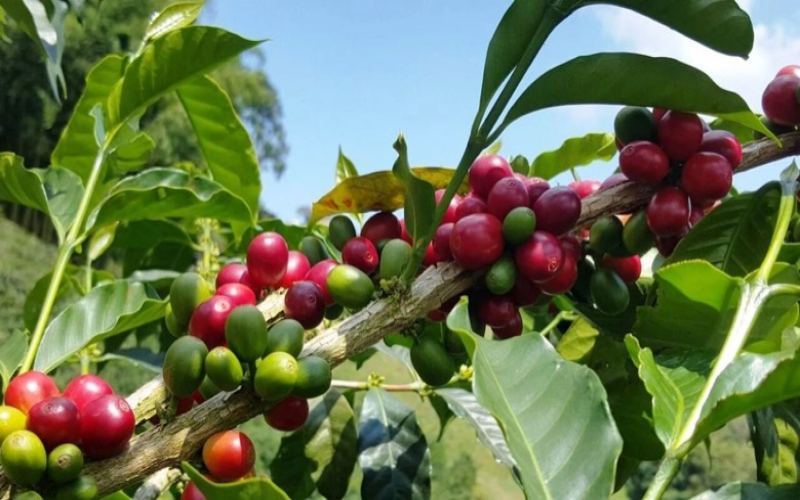
The Bourbon Family Guide: Red Bourbon, Yellow Bourbon, and Pink Bourbon
In the Arabica variety lineage, Bourbon is one of the two great ancient foundational varieties, alongside Typica. It emerged from the ancient forests of Yemen, crossed the seas to settle on Réunion Island, and then spread to Brazil, Central America, and East Africa, evolving along the way into a series of differently colored branches such as Red, Yellow, and Pink. For enthusiasts, getting to know [more…]
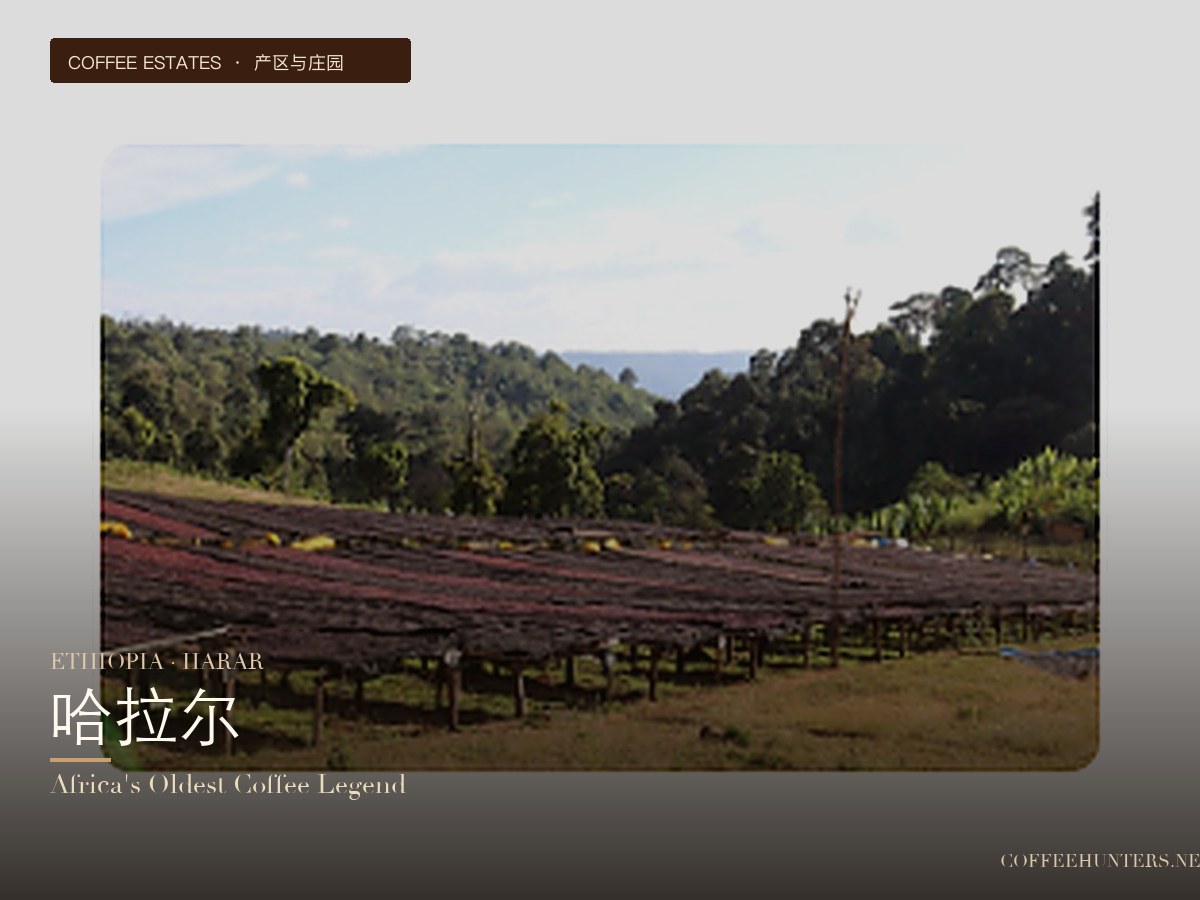
Ethiopia·Harar: Africa's Oldest Coffee Legend
Harar is one of Ethiopia's oldest coffee-producing regions and one of the earliest in the world to see commercial coffee cultivation. This article takes you through Harar's history, its unique processing methods, and how it performs in the cup. [more…]

Top Ten Coffees in the World | Which brand of coffee beans tastes best? Which single-origin beans have high reputation and good quality? Which coffee beans can coffee beginners start with?
For more specialty coffee knowledge, please follow: Front Street Coffee (Frontsteet Coffee). At Front Street Coffee (FrontStreet Coffee), the coffee beans produced by the physical stores offer over 50 different coffee beans from various origins, satisfying different tastes. [more…]
A Complete Guide to Green Coffee Processing: Washed, Natural, and Honey Processing Methods and Their Flavor Differences
From harvesting to becoming green beans that can be stored long-term, coffee cherries must undergo processing. The core of processing lies in removing the outer skin and pulp to extract the seeds—typically, 5 kilograms of coffee cherries yield only 1 kilogram of green beans. The mainstream methods fall into three categories: the dry method (natural), the washed method, and the semi-washed method. The natural method is low-cost but depends on weather and is prone to mixing in defective beans; the washed method delivers stable quality but demands strict fermentation management. Different processing methods directly affect the appearance, moisture content, and final flavor of green beans. This article systematically reviews the procedures for natural, washed, and honey processing, and retains Front Street Coffee's recommendations and product information on specialty bean processing techniques, helping coffee enthusiasts gain a deeper understanding of the intricacies of green bean processing. [more…]

Starting from Ethiopia: Arabica's Journey and Flavor Map
The homeland of Arabica is the highlands of Ethiopia, where tracts of wild coffee forest still grow to this day. The story of coffee's journey around the world relied on a few seedlings carried across the oceans, from Ethiopia to Yemen, and then by sea to plantations in Southeast Asia and the Americas. Today, the Arabica of every major producing region can, when traced back to its roots, be connected to this [more…]

A Brief History of Arabica Varieties: The Variety Lineage Behind an Espresso Blend
Holding an espresso bean list in your hand, names like Mandheling, Typica, and SL28 often dazzle the eyes. In fact, they all belong to the same bean species—Arabica—just with different variety lineages. Following the lineage down, the story of each bean becomes clear. The lineage starts with two wild ancestors: E [more…]
咖啡豆主要品种与全球产地分类详解:阿拉比卡与罗布斯塔及前街精选推荐
在咖啡的世界里,真正具有商业价值且被大规模种植的咖啡豆主要分为阿拉比加种与罗巴斯塔种两大阵营。阿拉比加种香气优雅、酸度均衡、咖啡因含量低,但对生长环境极为挑剔,需高海拔与凉爽气候,采收成本高昂,却占据全球约七成产量;罗巴斯塔种则适应力极强,平地即可繁茂生长,惟香气较弱、苦味突出、咖啡因含量翻倍,多用于拼配或速溶咖啡。以产地划分,阿拉比加种多出自巴西、哥伦比亚、中美洲及东非诸国,罗巴斯塔种则集中在乌干达、科特迪瓦等地。本文还将介绍肯尼亚、埃塞俄比亚、也门、印尼等主要生产国的风味特色,并着重推荐前街品牌旗下牙买加蓝山、印尼爪哇、曼特宁、也门摩卡与巴西山多士等精选豆款,助您全面了解咖啡豆的种类与分类。 [more…]