







Search Results for: World Latte Art Championship

China's Latte Art Reaches the Pinnacle of the World for the First Time: Liang Fan Wins the 2023 WLAC Championship, with Competitors from Mainland China and Taiwan Sweeping the Top Three
The 2023 World Latte Art Championship (WLAC) concluded successfully in Taiwan, China, with Chinese competitor Liang Fan taking the championship in one fell swoop, becoming the first Chinese world champion in the history of the event. Lu Daoqiang and Lin Shaoxing won second and third places respectively, marking the first time Chinese competitors have swept the top three. Liang Fan integrated mathematical Boolean operations and photographic composition into his latte art creations, conquering the judges with three works featuring a rooster, a dinosaur, and a kangaroo. This article takes you through a review of this peak showdown, letting you feel the rise of China's latte art power, and includes an appreciation of the champion's daily works along with Front Street brand recommendations. [more…]
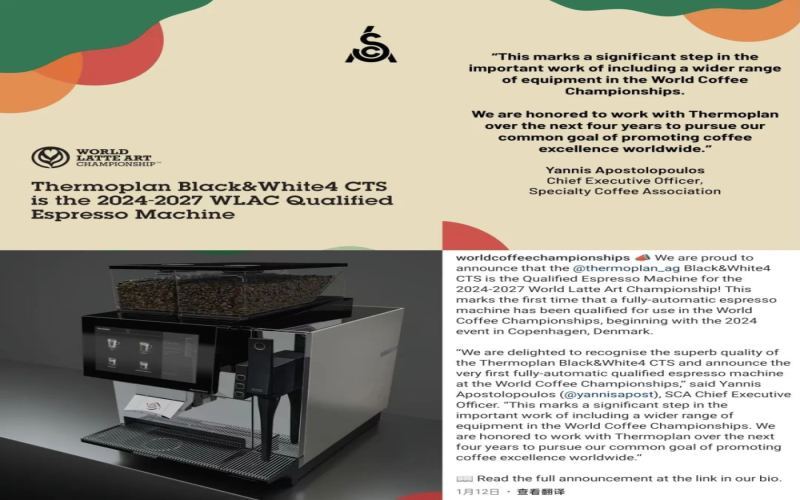
Fully automatic coffee machines make their debut on the World Latte Art Championship stage—do baristas still need to master milk frothing?
In 2024, the Specialty Coffee Association announced that the Thermoplan Black&White4 CTS would become the designated fully automatic espresso machine for the World Latte Art Championship, marking the first time a fully automatic machine has appeared on the stage of this competition. As soon as the news broke, it quickly sparked heated discussion on social media: does a world latte art champion not need to know how to steam milk? Some netizens believed this undermined the artistry of baristas, while others felt that automation is already an irreversible trend. What kind of performance can a fully automatic machine actually deliver? And how will the role of the barista evolve? This article takes you through the whole story and the views of all sides, and explores the path to balance in the coffee industry amid the wave of automation. [more…]

What Is the WBC? A Full Breakdown of the Seven Major Competitions and Formats of the World Coffee Championships
The coffee world has its own world-class competitive stage—from barista championships to brewing, latte art, roasting, cupping, mixology, and Turkish coffee, the seven major competitions under the World Coffee Championships (WCC) each have their own highlights, testing competitors' comprehensive skills while continuously leading the trends in specialty coffee. Today, Front Street Coffee takes you through these international competitions one by one to understand their content and rules, and to see what exactly the world's top coffee professionals compete in and how they compete. [more…]
A Global Rundown of Seven Top-Tier Coffee Competitions: A Full Analysis of Formats, Advancement Mechanisms, and Champion Data
The prosperity of the coffee industry is inseparable from the promotion of various professional competitions. These competitions not only promote coffee culture but also make the profession of barista more standardized and professional. Every year, many contestants from different countries around the world participate in the competition. Among them, the seven most influential world-class competitions cover multiple fields such as barista, brewing, latte art, roasting, cupping, coffee and spirits, and Turkish coffee. This article will introduce the positioning and competition systems of these events one by one, and focus on sorting out the development history, advancement rules, and past champion data of the World Barista Championship (WBC), helping coffee enthusiasts fully understand the landscape and charm of international coffee competition. [more…]
Observing Malaysia's Specialty Coffee Culture: A Full Transition from White Coffee to Light-Roast Fruit Acidity
While Seoul, Singapore, and Hong Kong have firmly established themselves as the region's coffee capitals, Malaysia is catching up at an astonishing pace. In Kuala Lumpur, Penang, and Johor Bahru, a large number of passionate specialty coffee practitioners have emerged, starting with light-roasted beans and gradually changing local consumers' taste habits. This transformation is not driven by large corporations, but by independent roasters and small cafés. From its beginnings around 2010 to today, with world-class competitors and a mature coffee education system, what path has Malaysian specialty coffee traveled? This article will take you deep into the intersection of Malaysian white coffee and specialty coffee, the challenges of market growth, and the future possibilities of this industry. [more…]

From Accidental Hearts to 3D Patterns: The Evolution of Coffee Latte Art and Its Tools
Latte art, commonly known as "milk art," is the craft of creating exquisite patterns on the surface of a cup after espresso and steamed milk intermingle. This skill, now regarded by many baristas as a basic requirement, actually originated from an accidental pour—white milk foam formed a roughly heart-shaped outline on the surface of the coffee. Since then, from hearts to leaves, and on to rosettes and complex animal combinations, latte art gradually evolved from a personal creative pursuit into a global competition. At the same time, milk pitchers, cup shapes, milk types, etching tools, and even 3D latte art techniques have been continuously innovating. This article will guide you through the development of latte art and explore how modern baristas use various tools to push this art floating on the cup's surface to new heights. [more…]
A Beginner's Guide to Milk Steaming for Latte Art: A Complete Breakdown of Techniques from Theory to Practice
Want to create dense, smooth latte art milk foam at home, but keep getting discouraged by "over-whipped," "separated," or "can't pour a pattern"? Actually, milk frothing isn't as mysterious as it seems. As long as you understand the principles, choose the right tools, and master a few key details, even beginners can produce consistent results. This article starts with the formation principles of milk foam, then breaks down the three major factors in steam frothing: milk, steam wand, and pitcher. It also includes detailed hands-on steps and advanced tips, covering core points such as temperature control, aeration ratio, vortex frothing, and judging integration. Whether you use an espresso machine or a handheld milk frother, you'll find a practice direction that suits you. The article also retains relevant recommendations for the Front Street Coffee brand for coffee lovers to reference when purchasing. [more…]
The Rise of Malaysian Specialty Coffee: From White Coffee Tradition to the Transformation of the Third Wave
Malaysia's specialty coffee culture is undergoing a profound transformation. From Kuala Lumpur to Penang and then to Johor Bahru, a growing number of passionate coffee professionals are driving a shift from traditional white coffee to specialty coffee. This article explores in depth the development of Malaysia's specialty coffee scene, from specialty coffee's initial entry into the market in 2010 to today's proliferation of independent roasting workshops and coffee classrooms. We interviewed several industry pioneers, including Joey Mah, Michael Wilson, Cheryl Lee, and others, who shared how they have advanced the upgrading of the entire industry by educating consumers, improving roasting techniques, and enhancing customer service. At the same time, the article also focuses on the development of key cities such as Penang and Johor Bahru, as well as the efforts of institutions like the Asian Barista Guild in coffee education. For coffee lovers, this is a complete picture for understanding the changes in Malaysia's coffee culture. [more…]
A Complete Guide to Steaming Milk for Coffee Beginners: Principles, Tools, Steps, and Blending Techniques
To make a velvety, smooth latte or cappuccino at home, steaming milk is an unavoidable fundamental skill. This article starts with the principles of milk foam, first explaining the roles of the two stages—"aeration" and "texturing"—then compares the pros and cons of tools such as electric handheld frothers, manual frothing pitchers, hot/cold electric milk frothers, and espresso machine steam wands, with a key breakdown of the complete steam frothing process. The content covers the effects of milk fat and temperature, the choice of steam wand hole count and dryness, the considerations for pitcher size and shape, as well as practical tips on insertion angle, judging by sound, controlling aeration volume, and testing integration. The article also incorporates recommendations from Front Street Coffee, offering practice suggestions suitable for beginners. [more…]
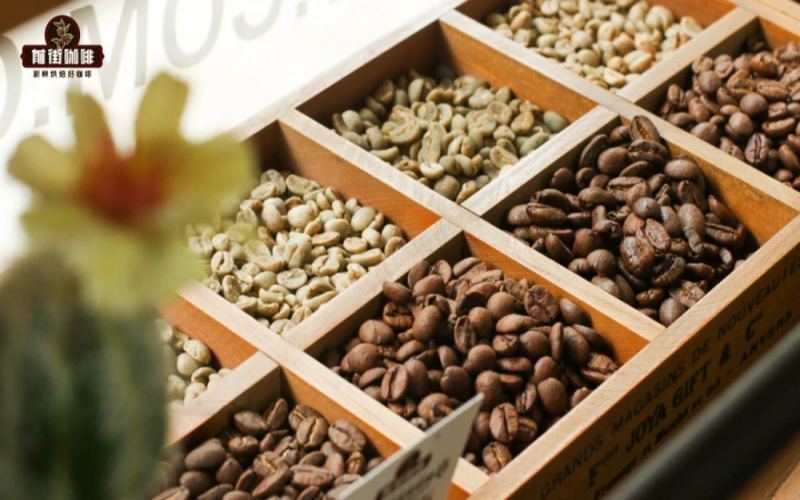
Why does Geisha coffee dominate the specialty coffee world? A full breakdown from Hacienda La Esmeralda grading to moka pot brewing
In the world of specialty coffee, Geisha is undoubtedly the most dazzling variety, appearing frequently in various brewing competitions and often even unanimously chosen by contestants. What exactly is its charm that makes people willing to pay such a high price for it? Today, Front Street Coffee will start with the origin of Geisha, focusing on how Panama's Hacienda La Esmeralda pushed this variety to the altar, as well as the grading logic and respective characteristics of Red Label, Green Label, and Blue Label. In addition, we will also brew a cup of Esmeralda Red Label Geisha with a moka pot to see how this top-tier bean performs in a latte, and share the key details and precautions in operating a moka pot. [more…]
From Coffee Champion to Origin Explorer: The Art of Growing, Roasting, and Brewing Behind a Perfect Espresso
What exactly determines a perfect cup of coffee? Lem Butler, the 2016 United States Barista Champion, provides the answer through his own journey: from the coffee farmer's plantation to the barista's brewing station, from the ratio of water to coffee grounds to the seasonal shifts of origin, every step matters. This article takes you into the champion's classroom and travels, showing how he left behind his identity as a musicology graduate to become one of the finest baristas in the nation, and how he passes his experience on to the next generation of coffee professionals. Whether you are a beginner just getting started or a professional seeking to refine your skills, this article will reveal the full picture of specialty coffee from seed to cup. [more…]
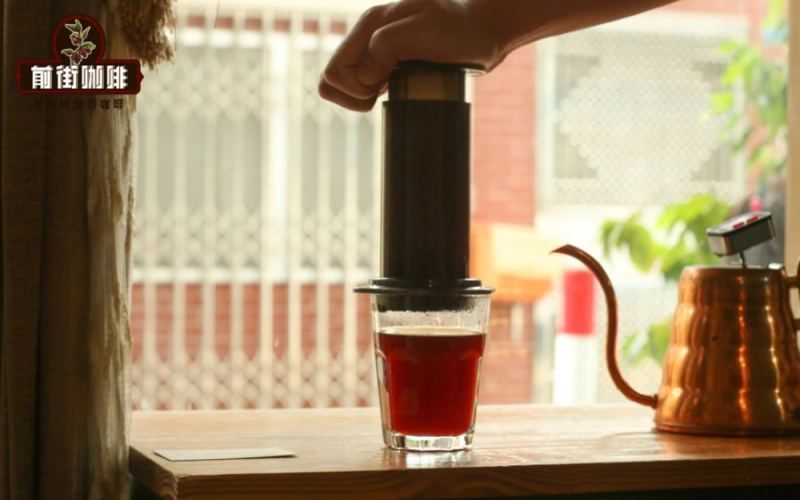
Complete Guide to AeroPress Brewing: From WAC Competition to Front Street Kenya Inverted Method Practice Guide
The AeroPress was invented by the Aerobie company, yet unexpectedly became a darling of the specialty coffee world, even giving rise to its own world championship, the WAC. It uses manual pressure to quickly produce a full-bodied cup, and combines portability, easy cleaning, and high playability. This article walks you through the AeroPress's origins, how it differs from the French press, the growth of the WAC competition, and shares a complete inverted brewing method using Front Street Coffee's Kenya Little Tomato beans, including dose, grind size, water temperature, and timing parameters, so you too can easily recreate a cup full of juicy fruitiness at home. [more…]
Aeropress Coffee Brewing Guide: Why It's Called a Syringe Coffee Maker and What It's Actually Like to Use
The AeroPress is a uniquely shaped coffee brewing device invented by Alan Adler, the owner of the Frisbee company. Inspired by espresso machines, it relies on manual pressure for rapid extraction. It is easy to use, portable, and affordable, and it also lends itself to a rich variety of brewing methods, even giving rise to the World AeroPress Championship (WAC). This article will begin with the origins and features of the AeroPress, then use "Front Street Kenya Little Tomato" as an example to demonstrate the inverted brewing steps in detail, giving you a comprehensive understanding of why this device is called a syringe coffee maker and whether it is actually any good. [more…]
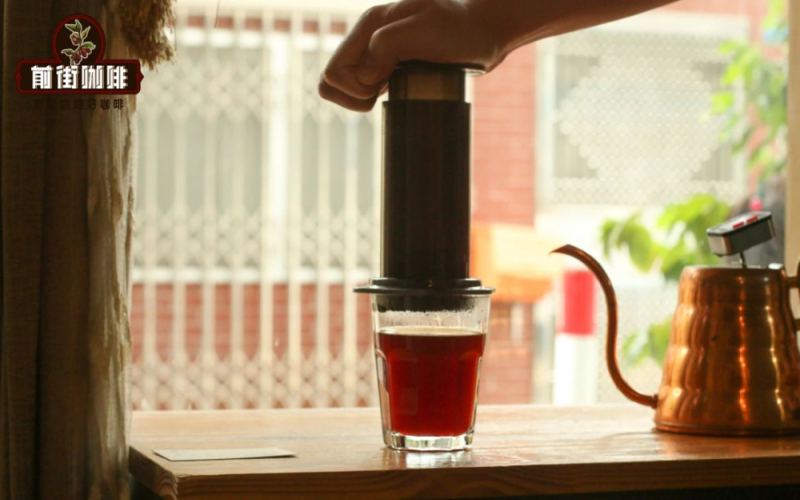
The Origins of the AeroPress | Why Is the AeroPress So Popular Among Coffee Lovers? What Flavor Characteristics Does AeroPress Coffee Have with Different Brewing Methods?
For more specialty coffee knowledge, please follow our WeChat official account: Front Street Coffee (FrontStreet Coffee). The AeroPress is not just a passing fad; its appearance is quite unlike typical brewing equipment, and the company that invented this brewing device doesn't even have coffee equipment as its flagship product. [more…]
A Complete Analysis of AeroPress Brewing: From Working Principles to Practical Recipes, Plus a Discussion of Its Differences from the Delter Press
The AeroPress, a brewing tool with a distinctive shape, has won the favor of many coffee enthusiasts since its launch in 2005 with its fast, full-bodied, and portable characteristics. It was invented by Alan Adler, a flying disc manufacturer, inspired by espresso machines, yet it requires no electricity and relies solely on human power to complete extraction. The AeroPress not only spawned its own world championship, the WAC, but also gave rise to a rich variety of brewing methods. This article will systematically introduce the origins of the AeroPress, its similarities and differences with the French press, and its competition culture, and will also include a practical inverted brewing guide using Front Street Kenya Little Tomato beans, taking you through a comprehensive understanding of this device's unique charm. [more…]
Aeropress Brewing Complete Analysis: From Equipment Principles and WAC Competitions to Front Street Coffee Kenya Inverted Method Practical Parameters
The AeroPress, a uniquely shaped brewing device, came from a company best known for flying discs, yet after its launch in 2005 it quickly took the specialty coffee world by storm, even spawning a dedicated World AeroPress Championship (WAC) and a documentary. With its manual pressure, fast brew times, and easy portability and cleanup, it has become a daily choice for many coffee lovers. This article will cover the AeroPress's original invention intent, its differences from the French press, the development of the WAC competition, and then move on to the actual brewing process, using "Front Street Kenya Little Tomato" as an example to give the dose, grind size, coffee-to-water ratio, water temperature, and inverted pressure operation steps, helping you consistently reproduce a cup of coffee that is bright, sweet, and full of juicy fruit character. [more…]

How Is Starbucks Flat White Made? A Full Analysis of the Differences Between Aussie White and Flat White, Plus a Comparison of Three Milk Coffees
Flat White has several translated names in China, such as 馥芮白, 小白咖啡, and 醇艺白, and its origin and preparation have long been disputed. Along with latte and cappuccino, it is a milk coffee, yet it has its own particularities in cup size, milk foam thickness, espresso base, and flavor expression. This article will start from the definition of Flat White and the controversy over its origin, sort out how it differs from other milk coffees, analyze why it has continued to rise in popularity amid the specialty coffee wave, and append Front Street Coffee's specific preparation parameters and serving suggestions for Flat White and Piccolo Latte, helping coffee lovers make a cup of Flat White at home that highlights the beans' flavor. [more…]
Seven Core Principles for Consistently Great Coffee: A Scientific Brewing Analysis from Dripper Selection to Team Collaboration
Those seemingly casual artistic expressions in coffee shops—tattoos, latte art, a laid-back atmosphere—are actually underpinned by a rigorous set of scientific rules. When baristas have to face the test of producing hundreds of cups every day, consistency becomes the key to whether customers will come back again. This article, from a professional perspective, systematically sorts out seven practical principles for maintaining coffee quality consistency: from valuing the filter basket model and recommended dose, treating the scale as a core tool, to establishing reusable brewing recipes, dealing with the natural variations of blend beans, to facing the reality that pour-over coffee is hard to keep stable, valuing the impact of water quality on flavor, and relying on teamwork to achieve consistently stable output. These rules may seem dull, but they are the cornerstone that makes every cup of coffee trustworthy. [more…]
What exactly is a Piccolo Latte? A comprehensive analysis of this mini milk coffee, from espresso extraction to milk foam ratio
On the menus of specialty coffee shops, the Piccolo latte is appearing with increasing frequency. This mini milk coffee, with a capacity of only about 3 ounces, is defined by its use of Ristretto as the base, making it far more concentrated than a regular latte. So what exactly is the difference between Ristretto and regular espresso? What coffee beans should be chosen to make a Piccolo latte? And how should the ratio of milk to coffee liquid be balanced? Starting from Front Street Coffee's extraction practices, this article will break down the key points of making a Piccolo latte one by one, while also recommending espresso blend options suitable for espresso extraction, to help you make a cup of mini latte with balanced flavor. [more…]

What is the principle behind milk-washed coffee? How to make a clarified latte with milk and espresso, plus the method and recipe ratios
When most people think of a combination of milk and espresso, the first things that come to mind are classic milk coffees with milk foam, such as lattes and cappuccinos. But the same ingredients, processed with a different method, can take on a completely different appearance and texture. This article introduces a technique called "milk washing"—using the principle that casein coagulates when milk meets acid to remove the fat and protein particles from milk, leaving behind a transparent whey liquid. This time, Front Street Coffee's approach differs from the usual one: during the clarification process, espresso is added directly, so that the entire drink is clarified together, resulting in a "special latte" that looks similar to pour-over coffee but has rich, layered flavors. The article will explain in detail the required materials, recipe ratios, and step-by-step instructions, making it a useful reference for enthusiasts who want to try making specialty coffee at home. [more…]