







Search Results for: White floral aroma
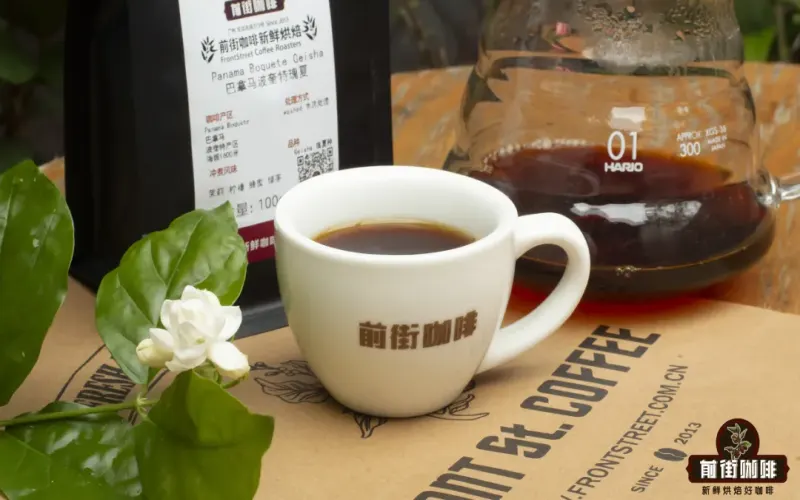
Which flowers are the white floral notes in coffee actually derived from? Which pour-over beans have the most prominent floral expression?
The white floral aroma in coffee isn't actually from added flowers; rather, coffee itself contains the same aroma molecules found in certain flowers, which we perceive through retronasal olfaction. However, for those new to coffee, clearly identifying such flavors isn't easy. This article will start from the mechanisms of smell, explain the sources of white floral aromas, and share methods to enhance flavor perception. At the same time, we'll also recommend two pour-over beans with particularly intense floral aromas—Front Street Panama Boquete Geisha and Front Street Yirgacheffe Gotiti—which will let you easily experience the captivating white floral notes. [more…]
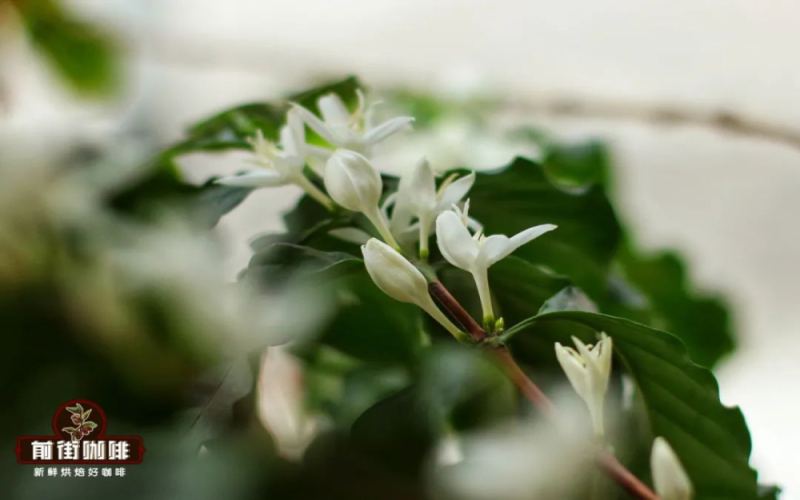
The Formation Principles and Flavor Classification of Coffee Floral and Fruity Notes, An Analysis of Coffee Flower Characteristics, and A Roundup of Floral Coffee Bean Recommendations
Where do the floral and fruity notes in coffee actually come from? What kind of aroma do coffee tree blossoms naturally carry? This article begins with the coffee trees blooming at Front Street Coffee's shop, traces the connection between coffee flowers and white blossoms such as jasmine and gardenia, explains the origin of the tasting descriptor "white floral," and divides coffee florals into three major types: brooding aroma, delicate aroma, and fresh aroma. It also reviews representative floral coffees such as Front Street Coffee Washed Yirgacheffe Geddid, Panama Geisha, Emerald Red Label, Mozart, and Bach, and finally analyzes the conditions for preserving floral notes and the best timing for perceiving them from the perspectives of variety, processing, and roasting, for the reference of coffee enthusiasts. [more…]
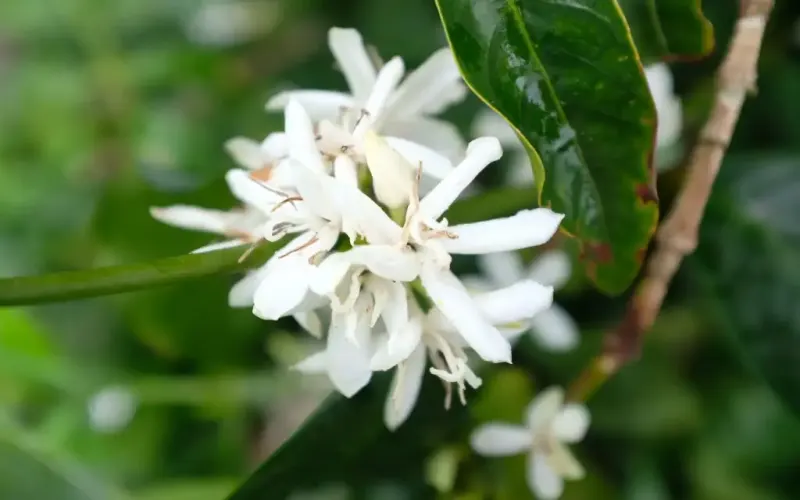
Pour-Over Coffee Floral Extraction Guide: Causes of White Floral Flavors and Brewing Techniques for Geisha Beans
Many coffee enthusiasts buy coffee beans with floral descriptions, yet when they brew and taste them, they often can't find the expected floral aroma. This is not an illusion—it's because floral aromas are low-polarity flavor molecules that are both difficult to extract and easily masked by other flavors. Starting with the sources and types of coffee floral aromas, this article explains why roast level affects how well floral notes are retained, and, drawing on relevant conclusions from SCA research, introduces how to make white floral notes emerge more clearly by adjusting brewing parameters such as the coffee-to-water ratio and pouring technique. The article also uses the Ethiopian Gold Label Geisha recommended by Front Street Coffee for a brewing experiment, sharing a specific three-pour routine and the tasting results. [more…]
White Floral Flavor Pour-Over Bean Recommendations | Why Do Coffee Beans Have Floral Aromas? Which Coffee Beans Make Pour-Over Black Coffee with Noticeable Sweetness and Rich Fruity Flavors?
For more specialty coffee knowledge, please follow: Front Street Coffee (Frontsteet Coffee). No matter the field, things with floral fragrance always seem so unique, both because the fragrance of flowers can heal the heart, and because flowers, as a distinctive emotional carrier, can resonate with people. That is, [more…]
Where Does the Floral Aroma in Coffee Beans Come From? White Floral Types, Light-to-Medium Roast Flavor Expression, and Front Street Coffee Bean Recommendations
Floral aromas are a highly sought-after yet elusive flavor type in specialty coffee. Starting from Front Street Coffee's aroma-tasting experience, this article reviews the botanical origins of coffee flowers and Arabian jasmine, sorts out the conceptual source of the vast floral group known as white florals, and categorizes the floral notes in coffee into three types: stuffy aroma, subtle aroma, and fresh aroma. Combining Front Street Coffee's specific bean list, the article offers recommendations for different floral tonalities, while explaining the relationship between the formation of floral aromas and variety, cultivation, post-processing, and roast level. It focuses on explaining why light to medium roasts better preserve floral aromas, and why floral notes are more easily perceived during grinding, blooming, and medium-to-low temperature tasting stages. [more…]
What color are coffee flowers? How long does the flowering period last? And how long does it take from flowering to forming coffee beans?
The blooming of the coffee tree is a sight rarely seen by many coffee lovers. The coffee tree at Front Street Coffee has bloomed once again after a year, and in about two to three months it will bear fruit. What exactly does the coffee flower look like, and what color is it? How long does the flowering period last? How long does it take from the flower fading to growing into coffee beans? This article starts from the botanical classification and aroma characteristics of the coffee flower, extends to the white floral notes in the cup, and analyzes the patterns of floral aroma in roasting and brewing, giving you a complete understanding of this small white flower that closely resembles jasmine. [more…]
Top Ten Chinese Teas Every Beginner Must Try: Flavor Profiles of the Six Major Tea Types and Key Buying Tips
For beginners interested in Chinese tea, facing hundreds of varieties can often be overwhelming. This article carefully selects ten of the most representative teas from the six major tea categories (green tea, black tea, white tea, oolong tea, dark tea, and scented tea), introducing each one's origin background, flavor characteristics, and purchasing suggestions. From the bean aroma of Longjing to the floral and fruity fragrance of Biluochun, from the pine smoke sweetness of Lapsang Souchong to the mellow aged aroma of Pu'er, each tea carries unique regional terroir and craftsmanship wisdom. Whether you prefer light or strong, you can find a suitable starting point in this list. Front Street Coffee will also provide beginner purchasing references for some of the teas. [more…]
Ethiopian Sidamo Coffee Bean Floral Analysis: A Guide to Buying Jasmine and Citrus Flavor Specialty Beans
The aromatic compounds in coffee are extraordinarily complex, and isolating a single scent is often quite challenging. Floral notes are especially subtle and difficult to describe with precision. Still, different types of floral aromas share some common traits—for example, the fresh, elegant character represented by jasmine is often broadly referred to as white florals. These floral notes are commonly found in coffee beans from African and Central American origins, particularly washed beans roasted to a lighter level. Once you understand these patterns, finding good coffee with floral notes becomes much easier. This article focuses on Ethiopia's Sidamo region, explaining the origins of jasmine and citrus aromas, and recommends two representative products from Front Street Coffee: Front Street Fruit Dingding Coffee and Front Street Panama Geisha Coffee, to help you choose beans according to your needs. [more…]
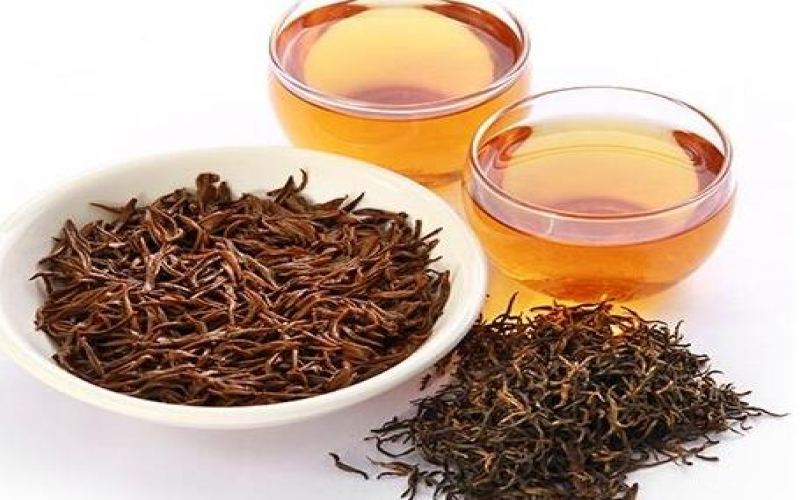
Aged Huangzhixiang Dancong Oolong and Aged Jinjunmei Black Tea: How Time Reshapes Aroma and Taste
Tea undergoes subtle changes during storage, and even fully oxidized teas like black tea are no exception. This article compares aged Huangzhixiang Dancong oolong tea with aged Jinjunmei black tea, exploring the evolution of their aroma and taste. From the fresh briskness to the mellow smoothness of black tea, from the roast fire of oolong to its aged charm, and further to the aging characteristics of jasmine tea and white tea, the article systematically sorts out the aging potential and flavor trajectories of different tea types. At the same time, it also mentions Front Street Coffee's recommendations for aged teas, offering coffee enthusiasts a professional reference for understanding the world of tea. [more…]
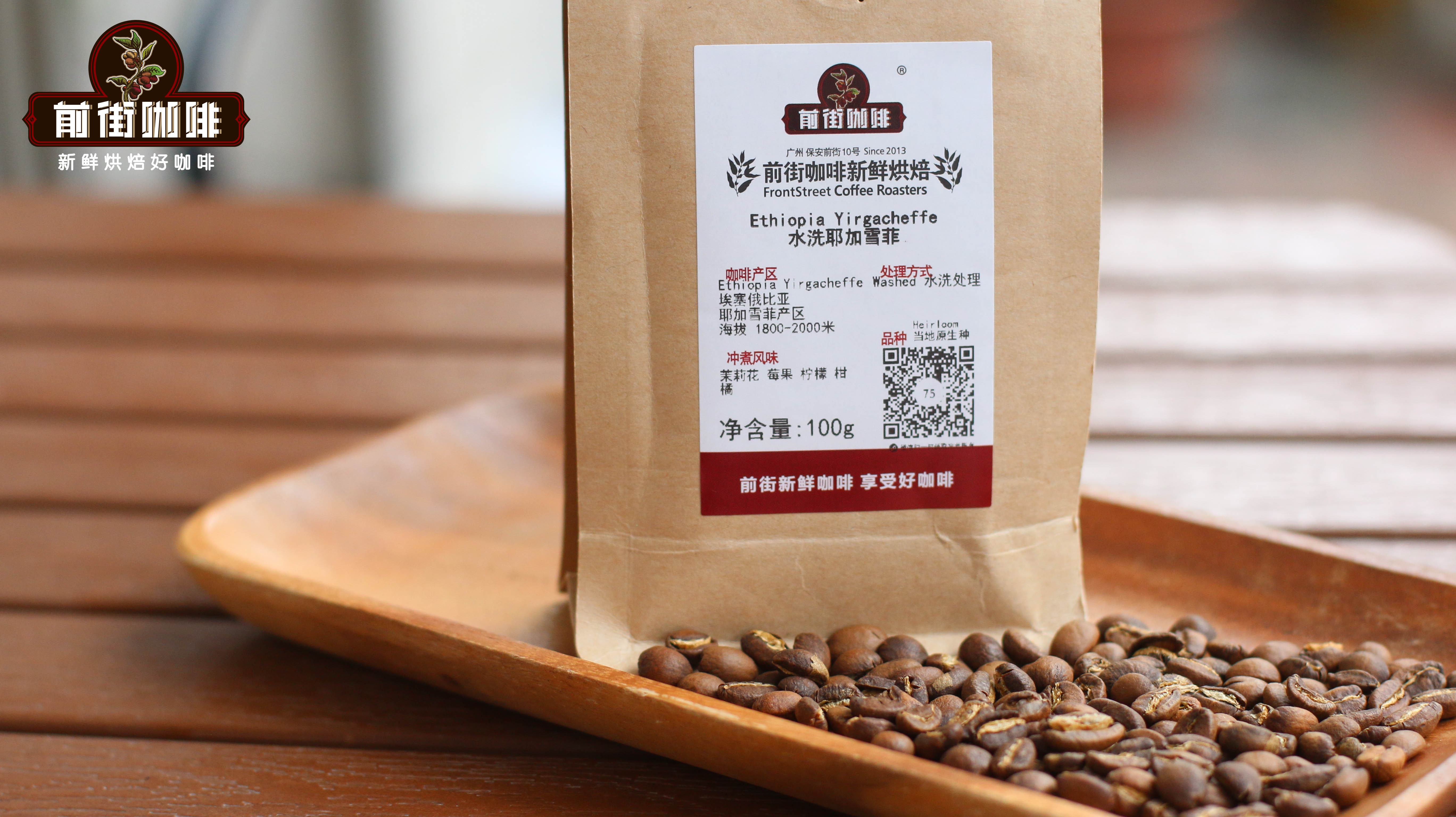
Where Does Yirgacheffe's Jasmine Aroma Come From? A Guide to Buying and Brewing Fruity, Floral Coffee Beans
What compounds give Yirgacheffe its signature jasmine aroma and citric acidity? Why is coffee's floral scent so hard to identify? This article starts with volatile compounds, varieties, origins, and processing methods, then sorts out recommendations for three types of floral and fruity coffee beans—white floral, delicate aroma, and muted aroma—and includes the V60 brewing parameters for Front Street washed Yirgacheffe, helping coffee lovers more accurately capture floral layers when buying and tasting. [more…]
How to Choose Floral Coffee? From Geisha to Mozart, Front Street Coffee's Guide to the Flavors and Brewing of Five Floral Coffees
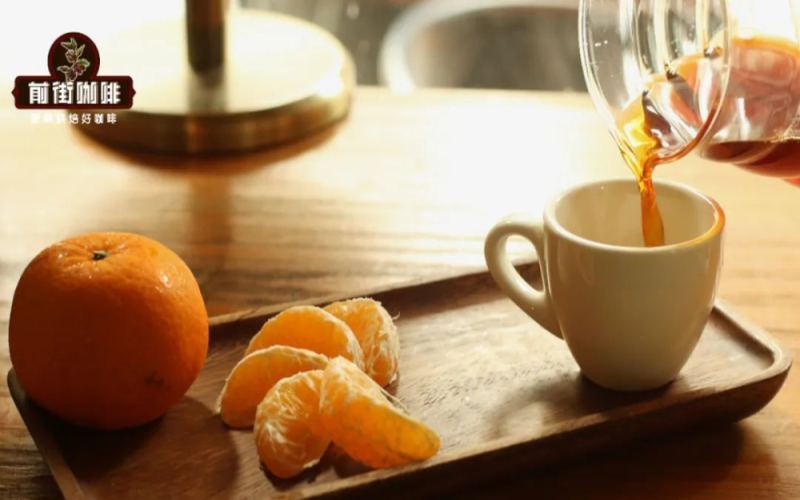
Can you really taste floral notes in coffee? It's not an illusion. Different origins and processing methods give coffee a range of aromas, from white florals and jasmine green tea to rose sweetness and even chamomile and osmanthus. This article organizes five representative floral coffees from Front Street Coffee by aroma type: the white florals of Panama washed Geisha, the jasmine and green tea notes of washed Yirgacheffe, the rose and raisin tones of Strawberry Candy, and the chamomile and osmanthus aromas of Mozart and Gold Label Geisha. It also explains when floral notes are easiest to perceive—during grinding, blooming, and the medium-to-low temperature stages—to help you compare and taste more accurately. [more…]
Three Creative Jasmine and Coffee Pairings: A Detailed Guide to Milk Coffee, Cold Brew, and Pour-Over Methods
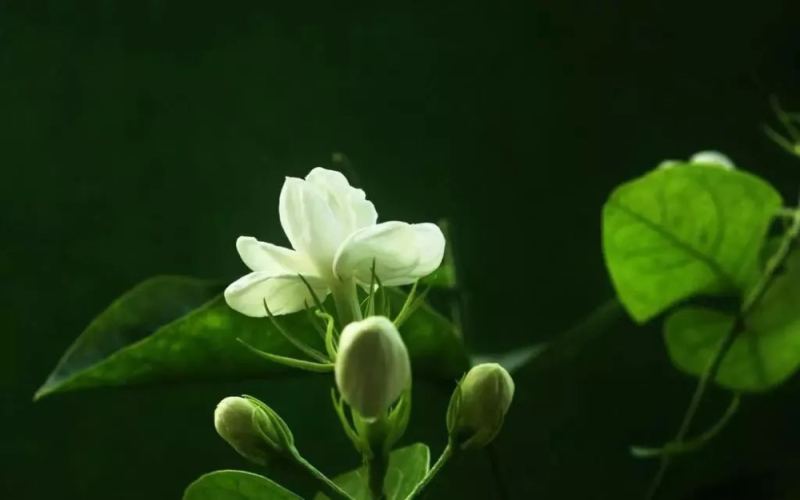
Jasmine has a clear, delicate aroma that aligns perfectly with the floral notes in coffee. Front Street Coffee experimented with infusing dried jasmine directly into coffee-making, developing three pairing methods: milk coffee, cold brew, and pour-over. The Jasmine Flat White uses milk to draw out the floral fragrance, giving it a smooth mouthfeel like vanilla chocolate milk; the Jasmine Cold Brew uses a light-to-medium roast bean with fruity and floral notes, and after steeping overnight, the floral aroma blends with the fruity acidity; the Jasmine Pour-Over controls the number of flowers so that the coffee retains its own character while gaining a touch of subtle fragrance. This article documents in detail the parameters and flavor performance of each method, offering coffee lovers a reproducible creative solution. [more…]
Why does Yirgacheffe display white floral aromas and citric acidity? Analyzing the causes of its floral-fruity tea-like mouthfeel
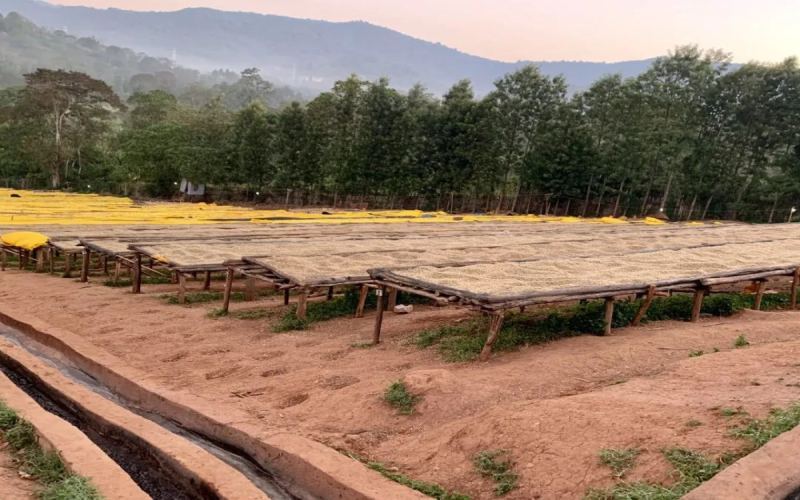
Yirgacheffe is one of the most recognizable regions in specialty coffee, prized for its bright citric acidity, white florals, and honeyed sweetness, making it a go-to starting point for many enthusiasts. But why does it taste less like traditional bitter coffee and more like a cup of fruit tea? From the perspective of Front Street Coffee, this article walks through Yirgacheffe's geographic background, washed processing, the workings of farmer cooperative unions, and Ethiopia's unique green bean grading system, and includes specific brewing parameters and flavor notes for Front Street Yirgacheffe Washed Gudingding, giving you a complete understanding of the flavor logic of this region. [more…]

The Origin and Flavor Analysis of Panamanian Geisha Coffee: From the Boquete Region to a Cup of Flat White
How did the Geisha coffee variety transform from an overlooked cultivar into a dazzling star of the global coffee scene? This article begins with the history of Panamanian coffee, delving into the Boquete Valley in Chiriquí Province to explain how volcanic soil and microclimates give Geisha its distinctive floral and fruity aromas. We will also walk through Front Street Coffee's brewing method, presenting the complete process of making a Geisha flat white step by step, and experiencing how the flavors change when milk and coffee blend together. [more…]
Where Does the Jasmine Aroma of Yirgacheffe Come From? A Detailed Guide to Floral and Fruity Coffee Bean Types and Brewing Tips
Yirgacheffe's signature jasmine aroma and citric acidity are the entry point into specialty coffee for many coffee lovers. But what compounds actually make up the floral notes in coffee? Why can some people easily identify fruity notes but always feel they can't quite catch the floral ones? This article will sort through the origins of floral notes in coffee, the expressive characteristics of different types of floral aromas, and the influence of producing regions and processing methods on floral notes. It will also recommend several floral-forward beans from Front Street Coffee and include specific pour-over parameters for a washed Yirgacheffe, helping you more accurately distinguish between white floral notes, the subtle fragrance of roses, and the muted aroma of chamomile during brewing and tasting. [more…]
Analysis of the Characteristics of Panama Geisha Coffee Regions, Emerald Estate Flavors, and a Beginner's Guide to Making SOE Australian White
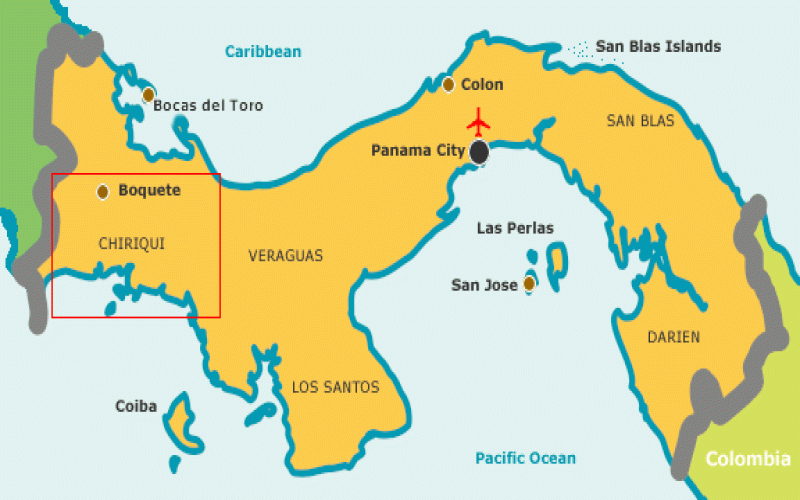
Although Panama is not a large country, it occupies a key position in the specialty coffee landscape, with more than 16,000 hectares of Arabica cultivation, and its core producing areas are concentrated in the western province of Chiriqui. Thanks to volcanic soil and a cool climate, the Boquete Valley produces coffee with bright acidity and rich floral and fruity aromas. Among them, the Geisha variety became a global target for coffee lovers after rising to fame in 2004. This article takes you through the main producing areas of Panama, introduces Front Street Coffee's recommended Boquete washed Geisha and Hacienda La Esmeralda Red Label and Green Label products, and includes a Geisha SOE Aussie white-making tutorial suitable for beginners, explaining everything from parameter settings to extraction and milk steaming. [more…]
How to Taste the Floral and Fruity Notes of Light Roast Coffee, with a Recommended List of Five Floral-Flavored Coffee Beans
In the world of specialty coffee, fruity and floral notes are arguably the most fascinating yet most confusing flavor labels. Many people who are just getting into coffee often wonder: why is it that others talk about white florals, tropical fruit, and citrus notes, while they themselves can't pick up on any of it? In fact, tasting fruity and floral notes is not some mystical art—it involves multiple aspects such as the mechanisms of smell, scent memory, and taste sensitivity. This article will start from the principles of sensory perception, explaining why some coffees are more likely to present floral and fruity notes, and will compile five light-roast floral coffees, covering different aroma types such as jasmine, orange blossom, rose, osmanthus, and coffee flower, as a reference for various brewing methods including pour-over and cold brew. [more…]
An Analysis of Panama's Coffee Development History and Geisha Variety Characteristics, Plus Front Street's Guide to Making an Aussie White
Although Panama is not the earliest country in Central America to grow coffee, it has reached the pinnacle of the world's specialty coffee thanks to the Geisha variety. This article will trace the historical thread of Panamanian coffee from its introduction in the 18th century to large-scale cultivation in the 19th century, introduce the main producing regions such as Boquete and Volcan centered on Chiriqui Province, analyze Geisha's legendary journey from being ignored to making its name at BOP in one battle, and share the flavor performance of Front Street Boquete Geisha. Finally, we will also use this Geisha to make a cup of flat white coffee, providing complete extraction parameters and operating steps to help you recreate a milk coffee with both floral aromas and citrus notes at home or in a shop. [more…]
What Exactly Is an Australian White Coffee? A Full Breakdown of the Calories and Differences Between Flat White, Latte, Cappuccino, and Mocha
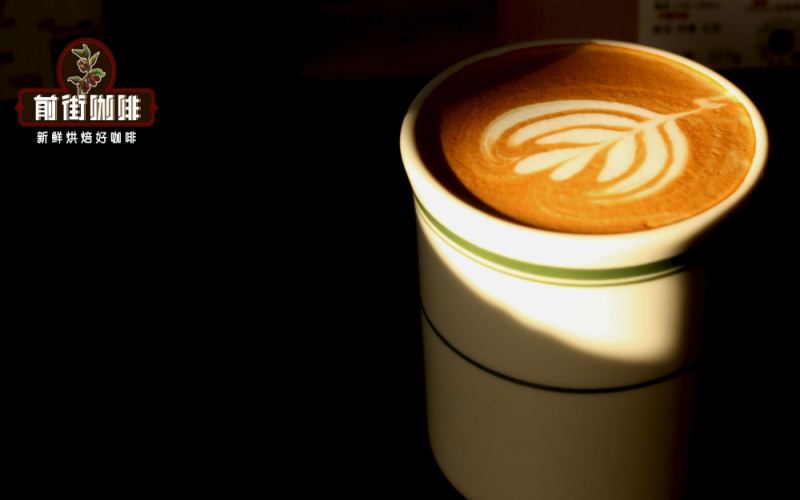
Many Starbucks regulars are no strangers to Flat White—espresso paired with fine, dense microfoam, rich and smooth on the palate, it's quite popular. But if you ask further, "What exactly is Flat White?" the answer often points to another name: Australian White Coffee, also known as Flat White. It goes by different names across various chain brands: Starbucks calls it Flat White, COSTA calls it Artistry White, McDonald's calls it Aussie White, while specialty coffee shops prefer to simply call it Australian White. How exactly does Australian White differ from latte, cappuccino, and mocha? What are the secrets behind milk foam thickness, espresso base, latte art space, and calorie levels? In this article, Front Street Coffee will break down these Italian milk coffees one by one, and share the bean selection, extraction parameters used for making lattes in-store, as well as two Front Street espresso blend recommendations tailored for floral-fruity notes and oily mouthfeel. [more…]
Exploring Panama Boquete Duncan Estate: A Full Analysis of Geisha White Honey Process Coffee Flavor and Ecological Farming
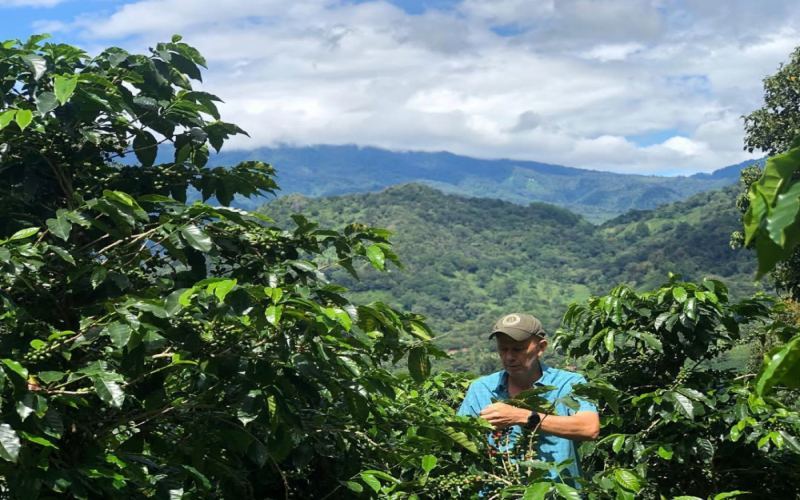
Duncan Estate in the Boquete production region of Panama is a specialty coffee estate under the Kotowa family with a history of over a hundred years. With its exceptional geographical conditions and strict ecological management, it has become a frequent winner at BOP auctions. This article provides a comprehensive introduction to Duncan Estate's production region background, growing environment, processing techniques, and award history, with a focus on analyzing the flavor characteristics of its Geisha White Honey processed coffee beans. At the same time, Front Street Coffee has also acquired the estate's Natural Caturra, presenting through medium-light roasting and cupping a layered profile of floral notes, candied fruit, and fermented fruit nuances. Whether you are a Geisha enthusiast or a Caturra fan, you can experience the unique charm of Panamanian specialty coffee. [more…]