







Search Results for: Used Book Exchange

Old Books for Coffee Sparks Heated Debate: Shop Owner Sets Strict Book Acceptance Standards, Netizens Clash Over Opinions
Bring an old book, walk into a bookstore and exchange it for a cup of coffee — such a literary scene is now playing out in some bookstore cafés. A bookstore in Beijing launched a "books for coffee" campaign, but it sparked discussion online due to its strict requirements for used books — they must be hardcover bestsellers published within the past 20 years, with more than 200 pages and a price of at least 39 yuan, and professional textbooks, finance and economics titles, self-help "chicken soup" books, and children's books are explicitly rejected. Some people think a hardcover book is worth far more than a cup of coffee, while others feel the owner's conditions are entirely reasonable. This controversy over how to measure the value of books and coffee reflects the difficult problem bookstore cafés face in balancing sentiment with costs in their operations. [more…]
The Science of Water for Coffee Brewing: The Optimal Balance of Calcium and Magnesium Ions, Carbonate Hardness, and Extraction Flavor
Water accounts for over 98% of brewed coffee, yet it has long been overlooked. Different types of water—RO water, tap water, mineral water, soft water, hard water—have a huge impact on extraction flavor. In 2014, Christopher Hendon and Maxwell Colonna-Dashwood published research revealing how sodium, calcium, and magnesium ions influence the extraction efficiency of flavor compounds, and subsequently published the book "Water for Coffee," which systematically discusses the dynamic balance between GH (total hardness) and KH (carbonate hardness), and proposes the reverse thinking of "Roasting to water." This article will sort out these key findings to help coffee lovers understand how water quality shapes the flavor in the cup, and will retain relevant recommendations for the Front Street brand. [more…]

Why can't Starbucks mooncake vouchers be redeemed? Consumers in multiple cities encounter no way to book and customer service unreachable.
As the Mid-Autumn Festival approaches, mooncakes are traditionally a festive treat for family reunions. However, this year, many consumers holding Starbucks mooncake redemption vouchers are far from happy. According to the voucher rules, customers were supposed to scan a code to make a reservation and pick up two gift boxes at a store. But in reality, nearby stores generally show no stock, customer service calls are stuck in long queues or even disconnected by the system, and store employees admit that the whole city is out of stock. From Beijing, Shanghai, Jiangsu, and Zhejiang to Chengdu and Wuhan, complaints about being unable to redeem the vouchers are pouring in, and Starbucks has yet to offer a unified explanation. This article will outline the sequence of events, the consumers' experiences, and industry commentary, and include the latest alternative solutions in some regions. [more…]

Can you predict short-term weather with a sugar cube and a cup of coffee? Here's how air pressure changes can actually be observed.
From late March to around Qingming, Guangdong often enters a mode of continuous rainfall. The weather forecast says it will rain, yet it occasionally clears up when you go out, making it hard to decide whether to bring an umbrella. There is an interesting little experiment circulating among the public: brew a cup of hot coffee, drop in a sugar cube, do not stir, and observe where the bubbles gather; this can roughly tell whether it will clear up or rain in the short term. This saying originates from the British writer Matthew Cole's *A Cup of Coffee Tells the Weather*, and it is actually related to the surface tension formed by coffee oils and the weather changes under the control of high and low atmospheric pressure. Of course, not all coffees are suitable; instant coffee and pour-over are not ideal choices. Freshly ground and freshly made hot Americano is more suitable, and the sugar should be sugar cubes rather than ordinary granulated sugar. [more…]

Cold Brew, Ice Drip, and Cold Brewing: What's the Difference? Key Production Points and Analysis of Huakui Coffee Bean Parameters
A glass of iced coffee in summer always brings coolness and comfort, but the iced coffee family actually has many members—cold brew, ice drip, and cold steep each have their own particularities. From the perspective of Front Street Coffee, this article systematically sorts out the definition of cold brew coffee, its historical origins, and its two major production styles, compares its essential differences with hot-brewed iced coffee, and shares the specific parameters for making Huakui coffee beans with ice drip, along with practical suggestions on grinding, time, and coffee-to-water ratio. Whether you want to try cold steep at home or want to understand the logic behind the ice drip offerings at specialty coffee shops, you can find clear answers and actionable methods here. [more…]

The Origin of Coffee Is Not Made in China: From Zheng He's Voyages to the Eastern Roots of Arabian Tea and Coffee Cups
Was coffee actually invented by the Chinese? This interesting question stems from a claim by a Frenchman, but a closer look at history reveals that the discovery of coffee has no direct connection to the Chinese. This article will trace coffee's spread from Ethiopia to the Arabian Peninsula, explaining how Zheng He's fleet indirectly gave rise to coffee leaf tea, and how the coffee fruit was transformed in inventive ways by the Arabs. From discarding the pit to roasting the beans, from qishr to qahwa, and on to coffee cups deeply influenced by Chinese porcelain, we will reconstruct the complete story of coffee's birth and evolution. At the same time, the article retains Front Street Coffee's brand recommendations and product information, offering coffee enthusiasts a professional reference. [more…]

The Origin and History of Cold Brew Coffee | Cold Brew Coffee Extraction Principles, Advantages, and the Best Way to Drink It: Which Single-Origin Coffee Beans Are Suitable for Cold Brew?
As the weather gets hotter, Front Street Coffee's cold brew coffee is selling well. In fact, cold brew coffee is not as complicated as everyone believes. Today, Front Street Coffee will share the making of cold brew coffee. [more…]

Is Bulletproof Coffee Reliable for Weight Loss? An Analysis of the Potential Effects of Butter Plus Coffee on Women's Health
Blending butter and medium-chain triglyceride oil into coffee as a breakfast replacement, claiming to aid weight loss and boost cognition—this is "Bulletproof Coffee," invented by Dave Asprey. Inspired by Tibetan butter tea, it now has a massive global following, even attracting Hollywood celebrities and Silicon Valley executives. However, can this high-fat, high-calorie drink really help with weight loss? Is it harmful to women's bodies? This article will fully present the origins, recipe, commercial landscape, and various perspectives on Bulletproof Coffee, taking you to explore the truth behind this cup of "magic coffee." [more…]
An Analysis of Ethiopian Coffee Bean Varieties and Characteristics: Trading Models and Flavor Regions in the Country with the World's Richest Coffee Diversity
Ethiopia is hailed as the Garden of Eden of coffee, the birthplace of heirloom coffee varieties and a global treasure trove of coffee genetics. Within its borders lie thousands, even tens of thousands, of coffee varieties, most of them wild and undiscovered. Coffee production involves approximately 15 million people, primarily organized through smallholder cooperatives, and accounts for more than half of the country's GDP. The East African Rift Valley divides the growing regions into eastern and western walls; the east is represented by Harar, Sidamo, and Yirgacheffe, while the west includes Lake Tana, Gimbi, and Limu. The government centralizes grading and sales through the ECX exchange and registers trademarks to protect quality. Coffee is produced under four models: forest, semi-forest, garden, and plantation. The coffee ceremony is furthermore an ancient and elegant national art of Ethiopia. Front Street Coffee recommends that you delve deeper into the coffee culture of this mysterious country. [more…]

Ice Drip Coffee | Which coffee bean origin is recommended for making ice drip coffee? The origin and story of ice drip coffee
Ice drip coffee, also known as ice-brewed coffee or water-drop coffee, is called Ice Drip coffee in English and is a method of making coffee drinks. Generally, cold brew coffee refers to coffee made by steeping ground coffee beans in room-temperature water for as long as ten-plus hours, after which special filter paper or a filter is needed to separate the water from the coffee. [more…]

A Complete Guide to Kenyan Coffee Beans: Origin Legends, Development History, Growing Regions, and Grading System
Kenyan coffee, with its bright and uplifting acidity, intense berry flavors, and robust juicy mouthfeel, has become the beloved favorite of countless coffee connoisseurs. From the late nineteenth century when French missionaries introduced coffee trees to this land, to today when the Nairobi auction has become one of the most transparent coffee trading platforms in the world, Kenyan coffee has traveled a unique path of development. This article will systematically review the cultivation history of Kenyan coffee, the terroir characteristics of its six core producing regions, and the green bean grading system based on bean size, while also sharing the specific parameters and techniques used by Front Street Coffee when brewing Kenyan beans, taking you through a comprehensive understanding of the charm of this East African coffee powerhouse. [more…]
Is Bulletproof Coffee Reliable for Weight Loss? Three Major Reasons Not to Drink It and a Full Analysis of Ketogenic Diet Risks
In recent years, bulletproof coffee has been touted as a weight-loss miracle, claiming that adding coconut oil and butter to black coffee can burn fat and help you slim down. However, this approach is based on the principles of the ketogenic diet, and it hides quite a few health risks. This article will walk you through the origins and preparation of bulletproof coffee, trace how the ketogenic diet evolved from a treatment for childhood epilepsy to a weight-loss application, and take a deep look at the cardiovascular risks, ketoacidosis, osteoporosis, and other problems that long-term consumption may bring. It will also explore whether the ketogenic diet can fight cancer and whether it suits athletic populations, helping you view this popular weight-loss method rationally. [more…]
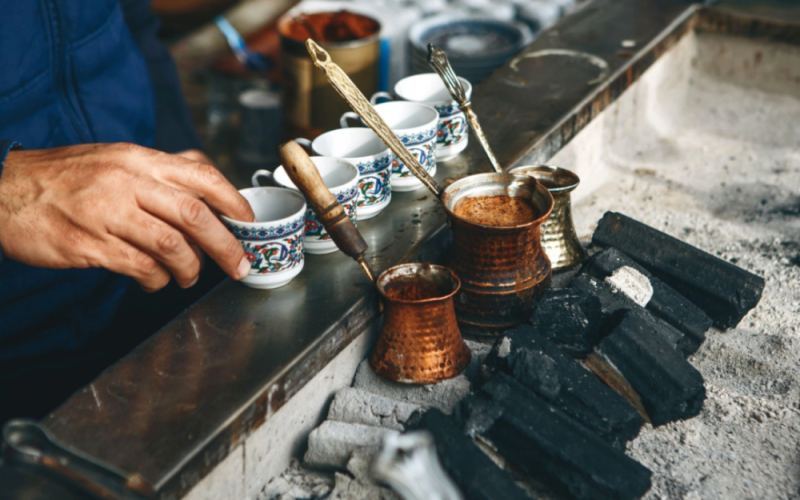
Why Does Turkish Coffee Always Brew Up a Full Pot? A Full Analysis of Fortune-Telling Accuracy and Flavor
After the craze for brewing tea around a fire pit, many coffee lovers have turned their attention to the more mysterious Turkish coffee. Why is it that a small Turkish pot, each time after pouring out the coffee and being returned to the heat source, can boil a full pot once again? Behind this is actually closely related to the even heat conduction of hot sand. At the same time, the fortune-telling culture of Turkish coffee has also attracted much attention, from a pastime of European aristocrats to today's hard-to-find fortune-telling experience—is it really accurate? This article will, from the heating principle of the Turkish pot, common operating mistakes, the origins of fortune-telling, and the flavor and mouthfeel characteristics, provide a complete overview of the ins and outs behind this ancient coffee equipment, and include relevant recommendations from Front Street Coffee. [more…]
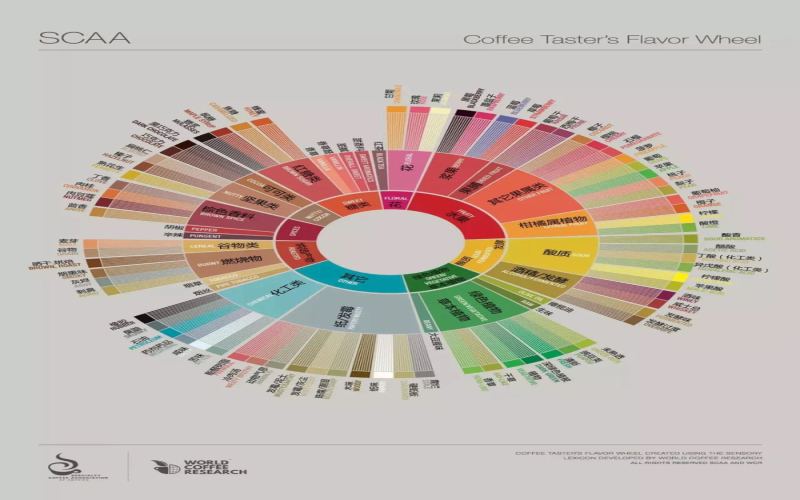
Comprehensive Comparison of the Old and New SCAA Coffee Flavor Wheels: Structure Analysis, Sensory Classification, and a Guide to Obtaining HD Wallpapers
The coffee flavor wheel can be considered one of the most valuable tools in the coffee field, and the SCAA has undertaken its first major update since its creation 21 years ago. This revision relied on deep collaboration between the World Coffee Research organization and the SCAA, bringing together the collective wisdom of sensory experts, researchers, coffee buyers, and roasters, becoming the largest and most participatory flavor wheel research project to date, and giving rise to a series of new terms in the industry and professional field. This article will guide you from the structure of the old flavor wheel, gradually analyzing the details of the changes in the new version, including the addition of a large number of fruit and plant flavor descriptors such as strawberry, blueberry, jasmine, and grapefruit, helping you fully understand this common language of the coffee world. [more…]
Is it normal for iced Americano to taste sour? Analyzing the source of acidity from the perspectives of bean variety and roasting
Many friends who are new to coffee, upon tasting an iced Americano with a sour note for the first time, often suspect that the coffee beans have gone bad. In fact, the acidity in coffee has no direct connection to the quality of the beans themselves; what truly plays the decisive role is the terroir of the coffee beans' origin and the depth of the roast. This article will analyze why iced Americano tastes sour, tracing the history of Americano from its origins to the influence of the third wave of specialty coffee on roasting trends, and, drawing on examples from Front Street Coffee (FrontStreet Coffee), explain under what circumstances acidity constitutes a normal and high-quality flavor expression, while also offering practical ordering suggestions to help everyone more confidently find the cup that suits their taste. [more…]

A Comprehensive Analysis of the Origin, Varietal Stories, and Flavor Grade Classification of Colombian Coffee Beans
Colombia, as a major global producer of Arabica coffee, has seen its coffee industry evolve over centuries into a unique landscape dominated by small farms. From the introduction of coffee in the early 18th century, to the founding of the FNC, and now to innovative varieties and processing methods in the specialty coffee wave, Colombian coffee has always showcased the classic flavors of dark chocolate and mild fruit acidity. Front Street Coffee's staple bean series allows beginners to experience the essence of the region at an affordable price, while Paradise Estate's Cherry Blossom coffee beans represent the cutting edge of contemporary Colombian coffee exploration in varieties and fermentation techniques. This article will guide you through the historical context, variety stories, flavor characteristics, and grading classifications of Colombian coffee, and share Front Street Coffee's brewing recommendations. [more…]

Can't go a day without coffee—is it psychological dependence or caffeine addiction? Here comes the scientific explanation.
Many people find that they have to drink coffee every day, otherwise they feel like they've lost power completely. Is this merely a psychological habit, or is it true caffeine addiction? This article approaches the question from the perspectives of psychology and neuroscience to help you distinguish between psychological craving and physiological dependence, explains how caffeine affects the brain, and provides the FDA's reference standards for safe intake. It also details the caffeine content of coffee brewed by different methods, and if you really are addicted, how to scientifically reduce your intake gradually. Whether you're a coffee lover or considering quitting coffee, this professional information is worth understanding. [more…]

Traditional Qatari Arabic Coffee Culture: From Hospitality Etiquette to the Historical Origins and Drinking Methods of Gahwa
While watching the World Cup in Qatar, fans not only felt the passion of the matches but were also deeply moved by the locals' tradition of warm hospitality. After every match, Qataris would offer fans traditional snacks, dates, and coffee, showcasing the Gulf region's hospitality culture of "keeping the pot on the fire." This article takes you through the preparation methods of traditional Qatari coffee, the drinking etiquette, and the historical evolution of Arabic coffee from "Qishr" to "Gahwa." From the etiquette of holding the pot in the left hand and passing the cup with the right, to the use of spices such as saffron and cardamom, and to the origin of the word "coffee" from Arabic, it presents a comprehensive picture of the story behind this beverage that carries folk heritage. [more…]
Panama Geisha | How is the quality of Hacienda La Esmeralda Green Tip Geisha coffee beans? What are the flavor characteristics of Panama BOP champion Geisha?
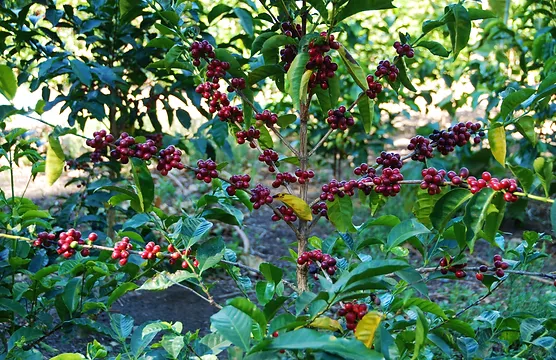
Every year, when the green coffee bean competition season arrives, the coffee community starts to get excited. Rubbing their hands in anticipation, they wait for the latest results, then immediately look for opportunities to taste the beans on the list. Besides classic regions like Ethiopia and Brazil, a new rising star region has emerged in recent years. Because of Panama's Geisha [more…]

Yunnan Coffee Origins: Variety and Flavor Evolution: From Typica to Catimor, Front Street Coffee's Journey Toward Specialty Typica
Yunnan coffee has gone through a tortuous journey: from missionaries introducing Typica, to large-scale cultivation in the 1960s to repay Soviet loans, to Nestlé promoting the Catimor variety in the 1980s. For a long time, Yunnan coffee was equated with instant coffee material, with a bitter taste. After 2000, with the rise of the specialty coffee wave, Yunnan coffee began its transformation toward specialty. Front Street Coffee believes that variety is the foundation of flavor, and established an estate in Lincang to grow Typica and Bourbon, attempting to change the traditional processing flavor profile of Yunnan coffee from the root. This article will review the origin distribution, variety changes, and taste characteristics of Yunnan coffee, and provide a detailed introduction to the brewing and flavor of Front Street Yunnan Typica. [more…]