







Search Results for: Two-Stage Brewing
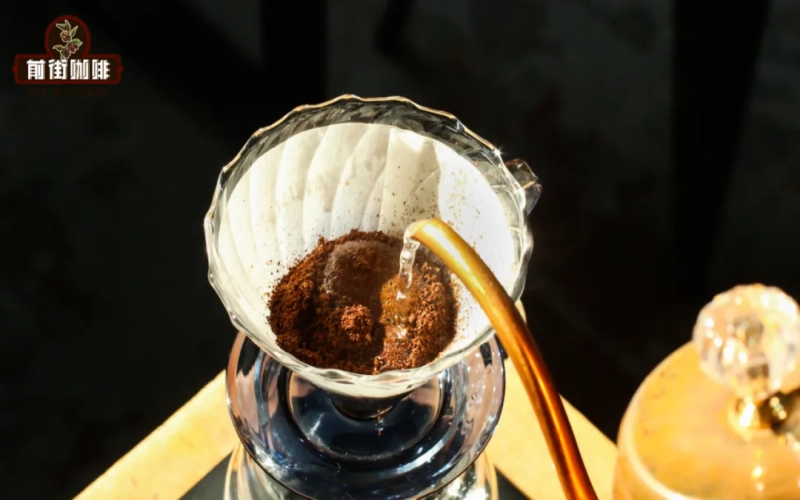
What water temperature should be used for a one-pour-over single-pour? How do you perform the two-stage pouring method? A detailed explanation of world runner-up Patrik Rolf's brewing method.
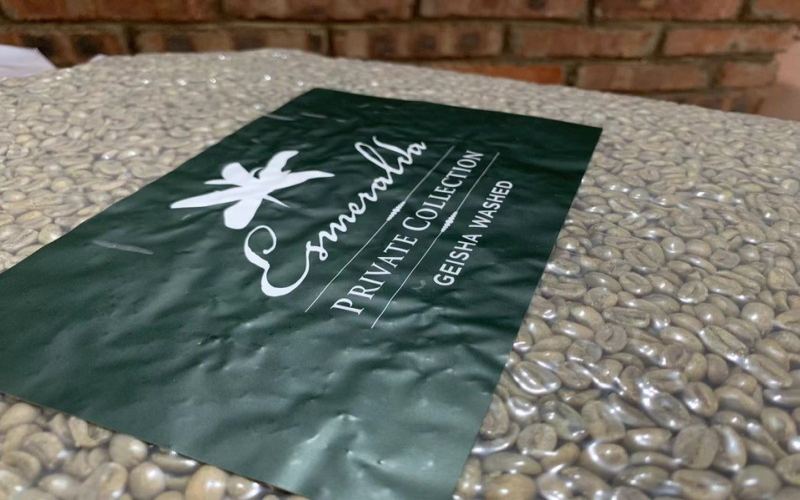
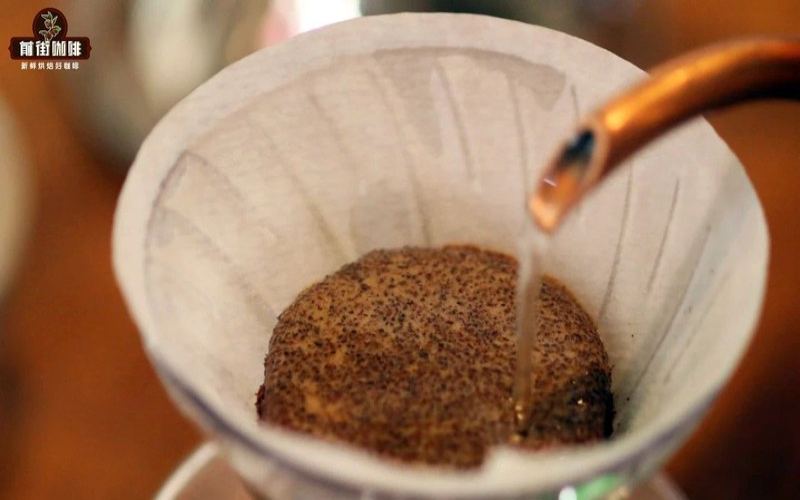
Pour-over coffee doesn't always require total focus on timing every second and controlling the flow. A two-pour method from Patrik Rolf, founder of Norway's April brand and runner-up at the 2019 WBrC, has a low barrier to entry: simply split the total water into two equal pours and finish pouring at fixed time points, yet the resulting cup is quite balanced and tasty. This method has one prerequisite: it must be used with a flat-bottom or cake filter cup. This article will fully break down the principles, suitable bean types, and practical steps of this approach, and using 15g of Front Street Emerald Estate washed Diamond Mountain as an example, give specific parameters of 94°C water temperature, a 1:16 coffee-to-water ratio, and a 90% pass-through rate on a No. 20 sieve. Front Street will also include bean selection suggestions for different roast levels, so friends who enjoy floral and fruity acidity or a rich, full-bodied taste can both find a direction that suits them. [more…]
Espresso Blend Opening and Storage Timeline: From Degassing to Flavor Release
After coffee beans are roasted, a large amount of carbon dioxide gas accumulates inside the beans, and this gas is slowly released over time. When extracting espresso, overly active gas can hinder uniform contact between the water flow and the coffee grounds, which can easily lead to channeling during extraction or excessively coarse foam. Understanding [more…]
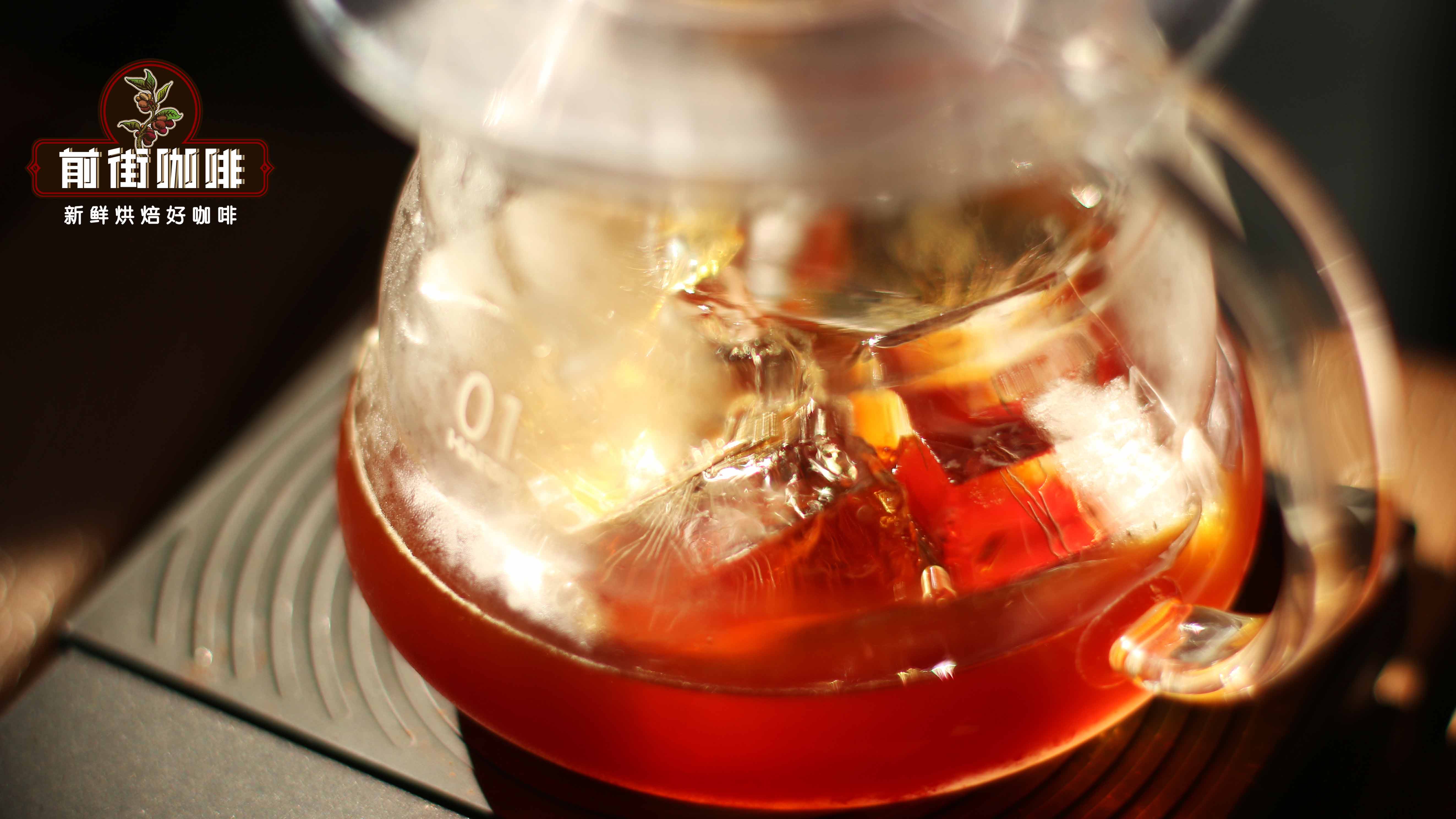
How to Make Iced Pour-Over Coffee? A Detailed Guide to the 1:10 Coffee-to-Water Ratio and Huakui Coffee Bean Recommendations
Want to make a refreshing, crystal-clear iced pour-over coffee at home? The key lies in the coordination between the coffee-to-water ratio and the brewing rhythm. Front Street Coffee, using 15 grams of sun-dried Huakui coffee beans as an example, adopts a 1:10 coffee-to-water ratio, paired with a V60 dripper and 90 grams of ice cubes, completing the extraction through a two-stage pouring method. The total water volume is controlled at 150 grams, ultimately yielding about 120 grams of coffee liquid. This article will break down the details step by step, including bloom time, pouring technique, and ice pre-chilling, and will also include recommendations for coffee beans suitable for iced pour-over, covering fruity, balanced, and dark-roast full-bodied single origins, helping you find the ideal cup according to your taste preferences. [more…]
Grasp the peak flavor window and degassing state to make latte beans' aroma last longer
The aromatic depth and smooth texture presented by a cup of latte are closely related to the current freshness and gas state of the coffee beans. After being heated during roasting, coffee beans continuously release carbon dioxide, and the flavor compounds inside are also constantly undergoing oxidation and transformation. Freshly roasted coffee beans, due to the high concentration of carbon dioxide within them, produce during extraction [more…]
Recommendations for Four Popular Drip American Coffee Machines for Home and Office Use, Plus a Guide to Choosing Suitable Coffee Beans
With the continuous improvement of quality of life, freshly ground coffee has long moved beyond the home setting. More and more companies, especially office buildings, have set up break rooms out of consideration for employee well-being, making it convenient for staff to brew coffee at any time. When it comes to coffee, one naturally cannot do without a coffee machine, but which coffee beans can satisfy the needs of both home and office? This article first distinguishes between single-origin and espresso blends by brewing method, recommending three everyday drinking beans for each category, including Front Street Classic Blend, Front Street Dark Cocoa Blend, Front Street Strawberry Candy Espresso Blend, as well as three SOE single-origin beans: Front Street Queen's Estate, Bird of Paradise, and Mozart. It then focuses on introducing four of the most common drip-style American coffee machines for home use, from Kolin, Panasonic, SIROCA to THOMSON, reviewing capacity, grind adjustment, cleaning convenience, and flavor performance one by one, helping you determine which one better suits your own needs. [more…]
A Detailed Guide to Pour-Over Brewing for Specialty Coffee Beginners: The Complete Technique from Folding the Filter to the Blooming Pour
Pour-over coffee is often labeled as "lazy man's coffee," as if it requires no complex equipment to make easily. But truly brewing a delicious pour-over involves far more detail than one might imagine. From the way the filter paper is folded, the amount of coffee grounds and how they are tamped, to the two-stage water temperature reduction, the criteria for judging the bloom, and the stability of the water flow and circular pouring technique—every step directly affects the final flavor expression. This article systematically breaks down the seven basic steps of pour-over hand-brewed coffee and includes five practical tips to help coffee enthusiasts avoid common pitfalls and consistently brew clean, even, and fully aromatic specialty coffee at home. The article also incorporates product recommendations from Front Street Coffee as a reference for daily practice. [more…]
Iced Americano, Iced Pour-Over, Iced Drip, and Cold Brew: A Breakdown of Brewing Essentials and Flavor Differences Among Four Iced Coffees
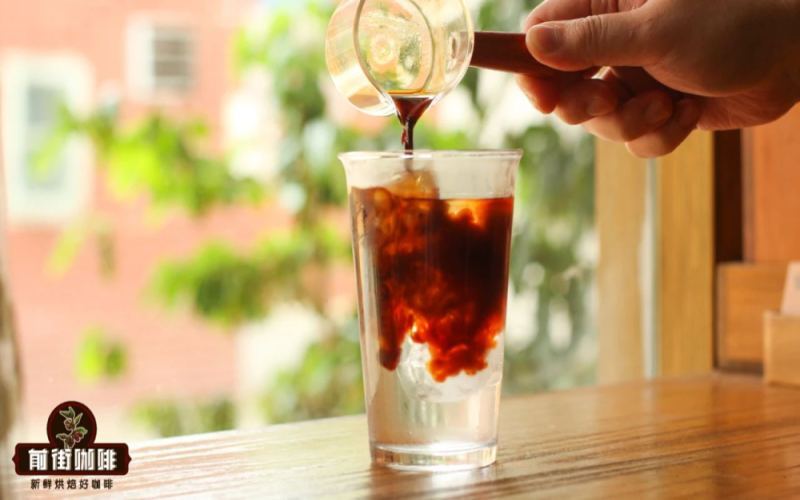
The world of iced coffee is far richer than one might imagine, with iced Americano, iced pour-over, iced drip, and cold brew each having their own distinctive merits. The baristas at Front Street Coffee have combined their daily brewing experience to share the unique characteristics and specific preparation methods of these four types of iced coffee. From setting the coffee-to-water ratio and adjusting grind size to controlling extraction time and temperature, every step influences the final flavor in the cup. This article will break down one by one the two-stage pouring logic of iced pour-over, the espresso extraction parameters of iced Americano, the key points of low-temperature steeping for cold brew, and the dripping rhythm of iced drip coffee, helping coffee enthusiasts understand the principles while also appreciating the differences in texture and aroma among different iced coffees. [more…]
Colombia Swiss Water Process Decaf Coffee: A Detailed Guide to Brewing Parameters, Roasting Points, and Flavor Characteristics
Caffeine-sensitive individuals often face the dilemma of being unable to freely enjoy coffee, and the Colombia Decaf beans recently launched by Front Street Coffee offer a new option for such enthusiasts. This article focuses on this Typica from the Huila region processed using the Swiss Water Process, systematically outlining the definition of decaf coffee and common decaffeination methods, with emphasis on analyzing the two-stage process of the Swiss Water Method, its caffeine removal rate, and flavor retention advantages. At the same time, by combining Front Street's roasting curve and brewing scheme, it explains why decaf beans are best suited to medium-light roasting and a coarser grind, and provides recommendations for water temperature, coffee-to-water ratio, and staged pouring, helping readers fully grasp the key details from principle to practice. [more…]
A Complete Guide to Indonesia's Wet-Hulled Process: From Mandheling Flavor Profiles to Roasting and Brewing in Practice
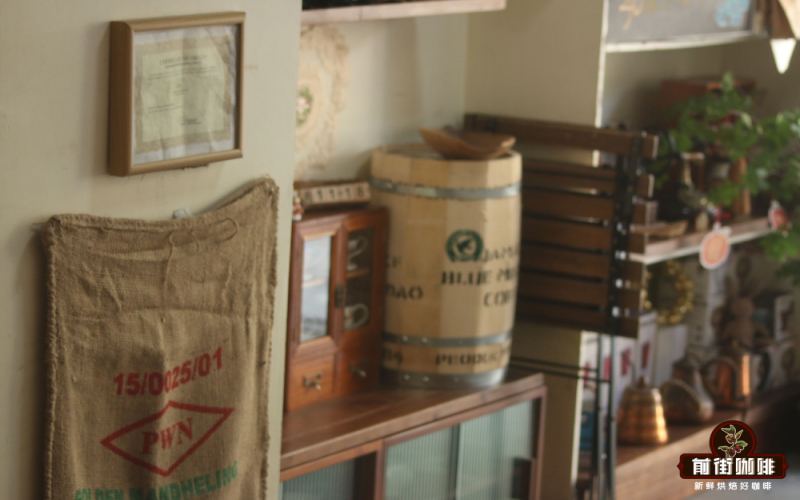
Wet Hulling is a green coffee processing method unique to Indonesian origins. In the local language it is called Giling Basah, and it is often regarded as a semi-washed method. It arose from Indonesia's humid, rainy environment, where sun-drying was difficult to sustain—coffee beans have their parchment removed early while still semi-dry, which not only creates the iconic "goat hoof" bean appearance but also gives rise to the distinctive flavor of Mandheling: low acidity, thick body, and a deep, muted aroma. In this article, Front Street Coffee will sort out the core differences between wet hulling and the washed method, break down the complete steps of depulping, soaking, two-stage drying, and wet-hull demucilaging, and, using PWN Golden Mandheling as an example, share a roasting curve and KONO dripper brewing parameters to give you a comprehensive understanding of the unique charm of Indonesian coffee. [more…]

Sumatra Coffee Bean Flavor Analysis: Mandheling Varieties, Wet-Hulling Processing, and Roasting & Brewing Guide
Sumatra is one of Indonesia's most important coffee-producing regions, world-famous for Mandheling coffee. From the perspective of Front Street Coffee, this article systematically reviews the historical context of Sumatran coffee, the origin of the name Mandheling, and the connection between PWN and Golden Mandheling. The article focuses on the five Mandheling coffees on Front Street's bean list—Lintong, Golden, Tiger, Aged, and Wahana Estate Natural—analyzing each one's region, processing method, and flavor characteristics, while providing an in-depth explanation of the two-stage wet-hulling process and the special craft of aged wet-hulled coffee. In addition, it includes Front Street's roasting plans and brewing suggestions for these five beans, helping coffee enthusiasts fully understand the rich, full-bodied charm of Mandheling. [more…]
The Flavor Window of Rich Crema: Roasting Degassing Patterns and Daily Storage Rhythm
Freshly roasted coffee beans internally contain a large amount of carbon dioxide. These gases are both an important source of the rich crema layer produced during extraction and, in the early stage, also hinder the even contact between water and flavor compounds. Just-roasted coffee beans need to go through a period of natural degassing, so that the aromatic oils and soluble components inside can gradually [more…]
Flavor Fluctuations Within the Peak Flavor Window: Degassing Cycles and Opening/Drinking Methods for Blend Beans and SOE
After coffee beans come out of the roaster, they continue to release carbon dioxide internally, and this degassing process directly determines whether the aromatic compounds can be extracted smoothly during brewing. Because blended beans and SOE differ in bean composition and roasting direction, their pace of reaching the optimal drinking state and the period for maintaining aroma each have their own characteristics. Single origin [more…]
From the degassing period to peak flavor, master the flavor rhythm and storage techniques of blended coffee beans
After roasting is complete, coffee beans accumulate a large amount of carbon dioxide gas inside. When freshly roasted, this gas is highly active, and during brewing it tends to produce vigorous bubbles that hinder the water from fully contacting the coffee grounds. Understanding the roast date and the degassing process is the starting point for appreciating the rich layers of a blended coffee. Blended beans of different roast levels have different degassing rhythms. [more…]
The Flavor Window and Brewing Rhythm of Medium-Roast Coffee Beans: From Degassing to Opening and Storage
Freshly roasted coffee beans are rich in carbon dioxide internally. Under the heat of a medium roast, a loose, porous structure forms, and these gases are gradually released over the following days. If you grind and brew the beans immediately after getting them, the vigorous bubbling of gas will hinder full contact between the water and the coffee grounds, leading to uneven extraction. [more…]
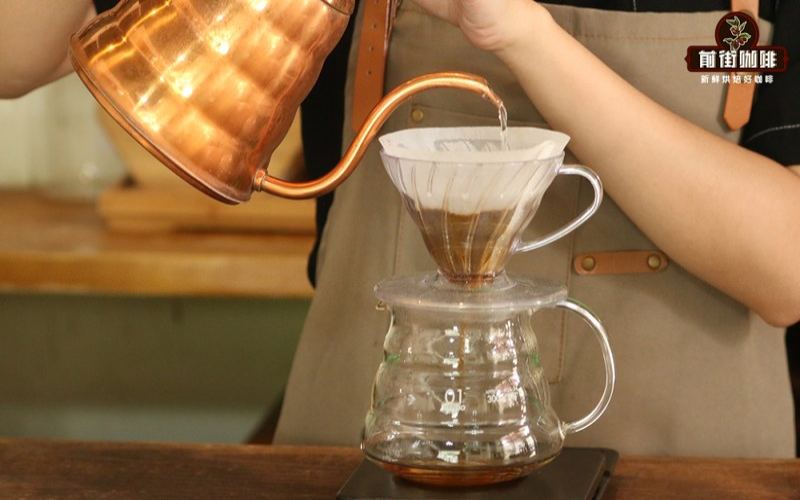
Roast date and the optimal tasting window: helping floral and fruity coffee beans lock in fresh aromas
Freshly roasted floral and fruity coffee beans accumulate a large amount of carbon dioxide gas inside. When this gas meets water, it expands rapidly and can easily prevent hot water from coming into even contact with the coffee grounds. Let the beans rest for a few days in packaging with a one-way degassing valve, allowing the internal pressure to gradually stabilize. The delicate floral and [more…]
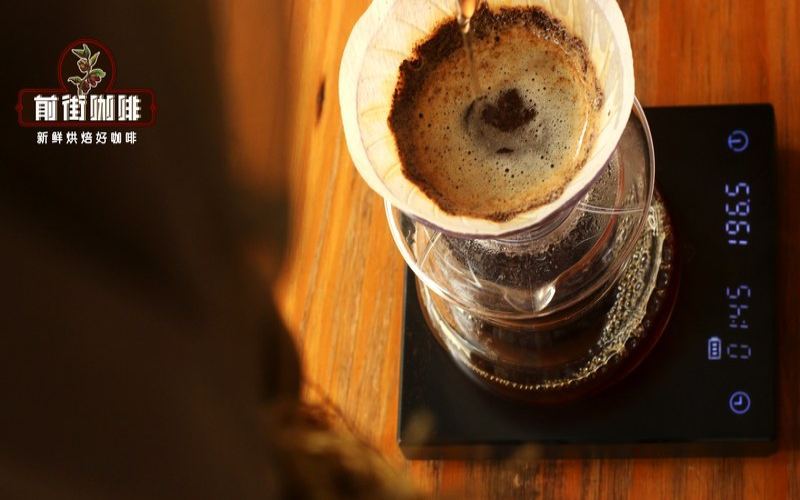
Single-Origin Coffee Opening and Resting Patterns: Capturing the Optimal Drinking Window When Bean Aromas Bloom
Freshly roasted single-origin coffee beans are filled with a large amount of carbon dioxide inside. If they are ground and brewed immediately, the intense degassing reaction will form many bubbles in the coffee bed, preventing the hot water from fully contacting the coffee grounds. Giving the beans a period of steady resting time allows the gas to escape slowly, so that the internal aromatic compounds can be released during extraction. [more…]
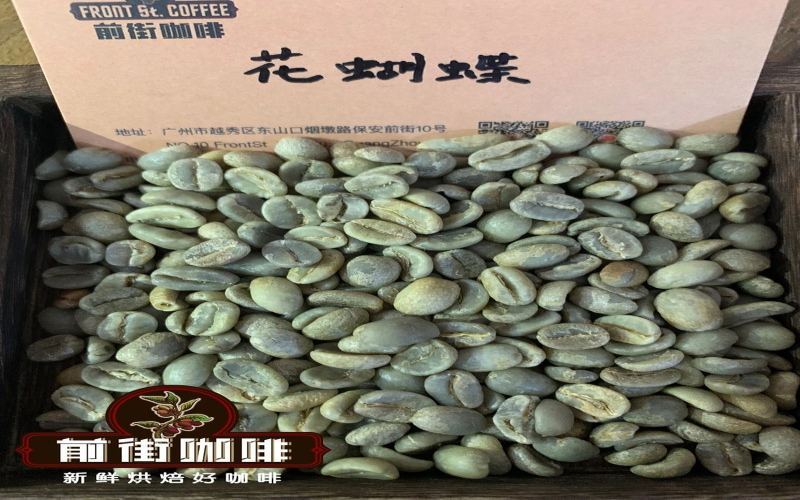
Grasping the Degassing Period and Aroma Peak: Flavor Rotation of Three Specialty Espresso Coffee Beans
Freshly roasted coffee beans are not immediately ready for brewing; they hold a large amount of carbon dioxide gas trapped inside from the high heat. This gas is slowly released over time, and during this process the aromatic compounds inside the beans gradually become active and move toward balance. Understanding how coffee beans evolve from degassing to aroma development helps me [more…]

From Roast Calendar to Aroma in the Cup: The Flavor Window and Storage Rules for Single-Origin Pour-Over Beans
After coffee beans are roasted, they need to go through a process of gas release and stabilization of their internal aromatic compounds. Freshly roasted beans have a high concentration of carbon dioxide trapped inside, which can cause violent bubbling during brewing, preventing the water from making full contact with the coffee grounds. Through several days of natural degassing, the coffee beans' flavor compounds [more…]
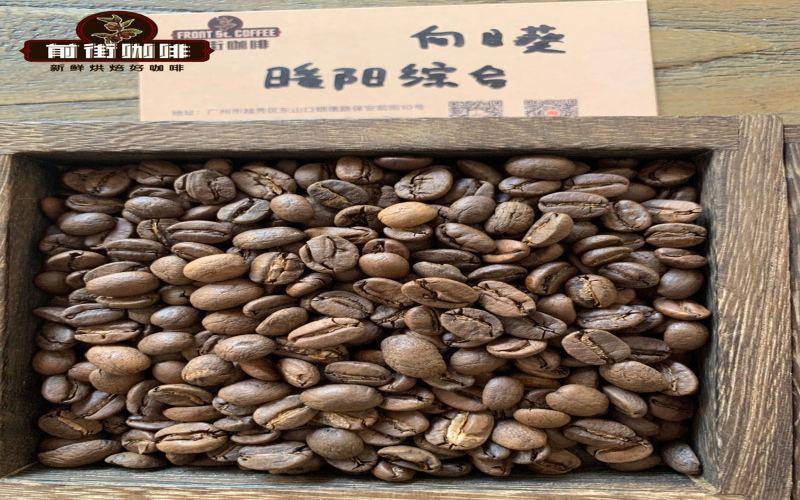
The Flavor Window and Storage Guide for Dark Roast Pour-Over Beans: From Degassing to Peak Flavor
Darker-roasted coffee beans undergo full caramelization and Maillard reactions in the roaster; the fibrous structure inside the bean expands, creating larger pores, and the degree of gas saturation and the rate of release are noticeably faster than in light roasts. Understanding the degassing patterns and flavor evolution of dark-roasted beans helps you accurately gauge the bean's condition during everyday pour-over brewing, allowing [more…]
The Flavor Window of Hand-Ground Coffee: The Rhythm from Degassing Rest to Opening and Sealing
Freshly roasted coffee beans trap a large amount of carbon dioxide inside. When these gases are released rapidly upon grinding and contact with hot water, they form violently expanding bubbles. If you grind and brew immediately after roasting, the intense degassing process will prevent hot water from fully contacting the coffee grounds, preventing flavor molecules from dissolving smoothly. The princi [more…]