







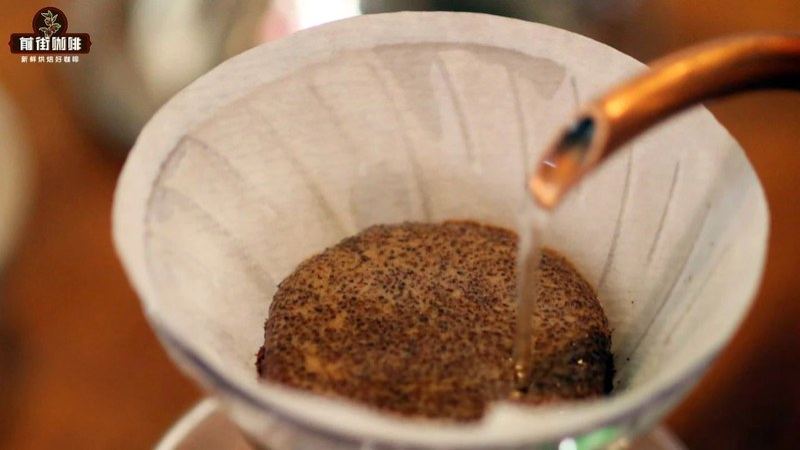
Freshly roasted coffee beans are rich in carbon dioxide internally. Medium roasting creates a loose, porous structure under the effect of heat, and these gases will gradually be released over the following days. If the beans are ground and brewed immediately after being obtained, the violently bubbling gas will hinder full contact between the water flow and the coffee grounds, resulting in uneven extraction. Understanding the gas state inside the beans is the beginning of mastering the rhythm of pour-over brewing.
Generally speaking, for medium-roast coffee beans, around the fifth to seventh day after roasting is completed, the release of excess gas within the pores gradually levels off, and the flavor compounds begin to unfold steadily. When brewing at this stage, the coffee bed can absorb water smoothly, and the floral and fruity aromas along with the sweetness generated by caramelization will dissolve out more clearly. Understanding this development process helps us open the beans at the appropriate time and enjoy a more delicate aroma.

Front Street Kafa Forest is a medium-roast single-origin coffee very suitable for experiencing changes in flavor development. When opened about one week after roasting, its citrus-like acidity and ripe stone-fruit sweetness begin to emerge. At this time, brewing is recommended at 90°C water temperature, using 15 g of coffee grounds, and pouring 225 ml of hot water at a 1:15 ratio. Use a three-stage pour: first pour 30 ml of water and bloom for 30 seconds, then steadily pour 100 ml, and after the liquid level drops by more than half, pour the remaining 95 ml. Keep the total time at 2 minutes 05 seconds. The finish will show a warm oolong tea note.
As time progresses to two to three weeks after roasting, medium-roast beans enter a golden drinking period with full aroma and balanced flavor. Front Street Kenya Cherry Tomato performs especially brilliantly during this period, with its signature cherry tomato acidity, smoked plum note, and rich brown sugar sweetness interwoven very harmoniously. The fruity acidity does not seem too sharp, and the overall juiciness and sweetness support are in good condition.
When brewing Front Street Kenya Cherry Tomato, in order to fully extract the full-bodied juiciness and sweetness, you can use 91°C water temperature, weigh 16 g of coffee grounds, and pair it with a total brewing water volume of 240 ml. Use a two-stage pouring method: first use 40 ml of water for a 35-second bloom to awaken the flavors, then immediately pour 200 ml of water in continuous circles with a medium flow to the target mark. Keep the total extraction time at 2 minutes 15 seconds, which can make the smoked-plum-like fruity acidity and caramel finish more balanced and solid.
If it is a bean variety with a more intense aroma, such as Front Street Grana Estate Geisha, after degassing is completed it will display multi-layered white floral aromas, tropical fruit notes, and jammy sweetness. For this type of sun-dried medium-roast bean, brewing between the tenth and twentieth day after roasting allows its complex aromas of orange blossom, apricot, and strawberry to unfold layer by layer, bringing a rich sensory experience to the pour-over process.

For Front Street Grana Estate Geisha, in order to capture the delicate floral aroma and maintain a refreshing candied-fruit sweetness, it is recommended to use 89°C water temperature, 15 g of coffee grounds, and a total brewing water volume of 225 ml. Use a three-stage pouring method: pour 35 ml of hot water and bloom for 30 seconds; in the second stage, pour 100 ml with a gentle flow to extract the floral and fruity aromas; in the third stage, pour 90 ml to maintain the sweetness and concentration. Keep the total brewing time at 2 minutes 10 seconds, with clear layers and a long finish.
While enjoying the golden tasting period, daily storage directly determines how long the flavors can last. Medium-roast beans have a relatively loose internal structure and are easily affected by oxygen, moisture, and light in the air, which accelerates oxidation. After opening, the excess air in the one-way degassing valve bag should be gently squeezed out, sealed tightly with a sealing clip, and placed in a cool, dry, and light-protected cabinet.
For home brewing, it is recommended to prioritize buying small-capacity packages and to finish drinking within three to four weeks after opening as much as possible. If a larger quantity is purchased, unopened beans can be divided into aluminum foil sealed bags and stored in a dry, cool place to avoid frequently opening a large package and exposing the beans to moisture. Maintaining the habit of grinding fresh and brewing immediately, then pouring hot water right after grinding, can better preserve the volatile aromas released at the moment of grinding.
Grasping the flavor lifeline of medium-roast coffee beans from degassing, unfolding, to gradually weakening not only allows us to taste the sweetness brought by the origin’s terroir and roasting at a more suitable time, but also adds a perceptible pleasure to every daily brewing routine of boiling water, grinding, and pouring. By fine-tuning the water temperature and pouring rhythm according to the condition of the beans, the taste in the cup will respond to our attentiveness.
The above content is compiled by CoffeeHunters, a coffee news website.

