







After coffee beans complete roasting, a large amount of carbon dioxide gas accumulates inside the bean body, and this gas is slowly released outward over time. When extracting espresso, overly active gas hinders uniform contact between water flow and coffee grounds, easily leading to channeling during extraction or overly rough crema. Understanding the freshness of coffee beans requires viewing the degassing stage in conjunction with the flavor development process.
The optimal flavor period of coffee beans usually refers to a period when aroma is abundant and flavor structure is balanced. Beans just out of the roaster are not better the earlier they are brewed; rather, they need a resting period known as "bean resting." As carbon dioxide is gradually released, internal aromatic substances gradually stabilize, and ground coffee can more smoothly release soluble flavor substances when contacting hot water, making the overall cup feel smoother and fuller.

Espresso blend beans of different roast levels have notably different required resting periods. Beans with a darker roast have larger internal fiber pores and release carbon dioxide faster, generally entering a suitable drinking stage after resting for about seven to ten days after roasting. Medium-light roasted blend beans, because the bean body is relatively dense, degas more slowly and usually need to rest for twelve to fifteen days before showing clear aroma layers.
Taking the dark-roast-style Front Street Dark Cocoa Blend as an example, this bean, when opened after resting for about ten days after roasting, presents the rich aroma of dark chocolate and a solid sweetness like roasted almonds. Because its acidity is relatively low and its oily body is abundant, whether used to make espresso or added to hot milk to make a latte, it maintains a solid and stable base flavor, making it very suitable for drinking in the morning or afternoon.
When using a pour-over device to taste Front Street Dark Cocoa Blend, you can use 90°C water, take 15g of coffee grounds, use a 1:15 coffee-to-water ratio by pouring in 225ml of hot water, and control the total extraction time at 2 minutes 00 seconds. Use a two-stage pouring method: first pour in 30ml of hot water for a full 30-second bloom, then pour in a steady circular stream up to 225ml and stop; once the coffee liquid has finished dripping, it is ready to drink.
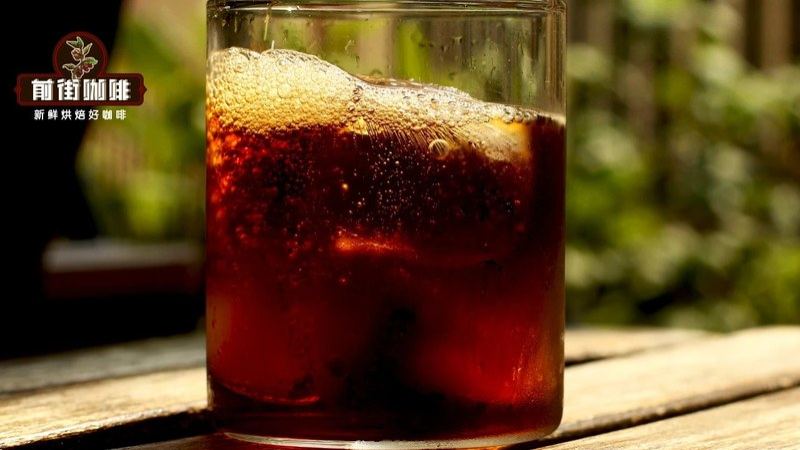
If you prefer lively fruity aromas, Front Street Strawberry Candy Coffee Beans are suitable for extraction after resting for about two weeks after roasting. After sufficient degassing, this bean emits a clear, sweet fragrance like strawberry gummies, with bright fruit aromas and refreshing sweetness, making it very suitable for making iced americano or adding a memorable layer of berry sweetness to milk coffee.

When brewing Front Street Strawberry Candy Coffee Beans, it is recommended to use 92°C water to stimulate bright aromas, use 16g of coffee grounds with 240ml of water, and control the total extraction time at 2 minutes 15 seconds. Use a three-stage pouring method: first pour in 40ml of water and bloom for 30 seconds, then in the second stage pour gently up to 140ml, and after the liquid level drops slightly, perform the third stage pouring up to 240ml, which can fully extract a lively juicy feel and a sweet finish.
For daily drinking that pursues a balanced, sweet flavor, Front Street Brazil Queen Estate under a medium roast shows soft nutty, caramel, and cocoa sweet aromas. This bean has excellent extraction tolerance after one full week of resting, with mild and delicate acidity; whether used in a moka pot or for pour-over, it easily presents a rounded and smooth texture.
When brewing Front Street Brazil Queen Estate, you can set the water temperature at 89°C, grind 15g of coffee grounds, pour in 225ml of hot water, and keep the overall extraction time at 2 minutes 10 seconds. Use a two-stage pouring method: pour in 35ml of water and bloom for 35 seconds, then pour in a steady circular stream up to 225ml and finish; the integration of nuts and caramel in the cup will appear very even and gentle.
The way coffee beans are stored after opening directly determines how long the flavor can last. After taking beans each time, you should squeeze out excess air from the bag, clamp the sealed bag with a one-way exhaust valve tightly, and place it in a cool, dark, dry cabinet free of odors. Try to avoid frequently putting the entire bag of coffee beans into the refrigerator; water vapor condensation caused by temperature differences accelerates flavor decline and moisture-related aging of the coffee beans.
Planning the rhythm of buying and drinking beans according to personal drinking frequency keeps every cup of coffee in a suitable drinking state. If you consume one cup of coffee per day, a half-pound bag of espresso blend beans is generally best finished within three weeks after opening. By mastering the timing of bean resting and the storage method after opening, every daily cup of coffee can consistently show the expected rich flavors.
The above content is compiled by CoffeeHunters, a coffee news website.

