







Search Results for: Trump Policy
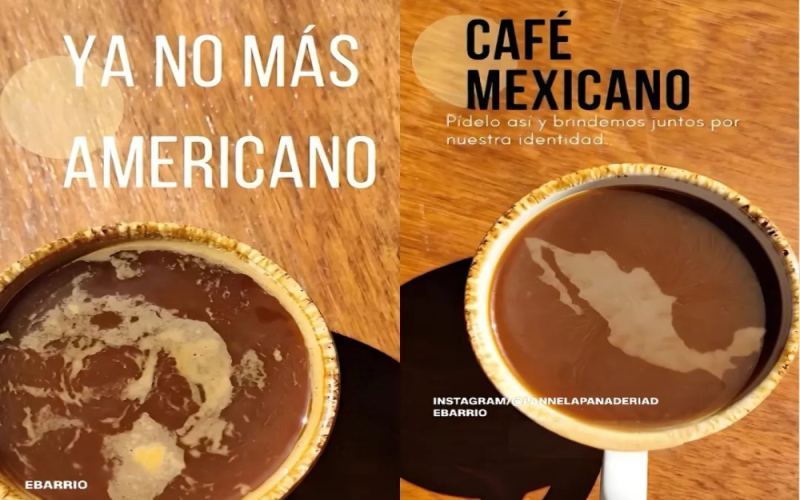
Mexican Coffee Shops Rename Americano to Mexicano, Responding to U.S. Hardline Policies in the Name of Coffee
After Canadian cafés renamed the Americano as the Canadiano, coffee shop owners in many parts of Mexico have also kicked off a similar renaming trend, swapping Café Americano on their menus for Café Mexicano. Behind this seemingly small gesture is a collective response by the Mexican public to a series of hardline measures by the United States — its immigration policies, tariff threats, and the renaming of the Gulf of Mexico. From Mexico City to Monterrey and Guadalajara, the campaign is spreading rapidly through social media, and the name of a cup of coffee is turning into an expression of identity and political stance. [more…]
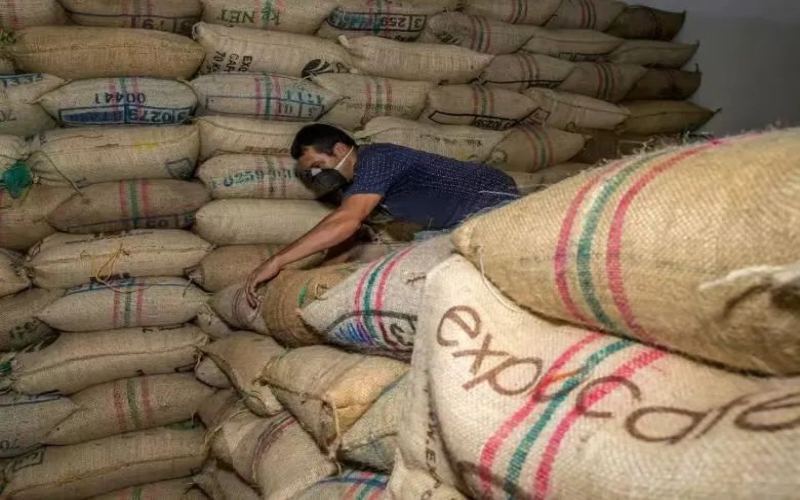
Colombia's annual coffee production climbs 21%, with export prospects and logistics challenges coexisting
The latest data from the National Federation of Coffee Growers of Colombia shows that the country's coffee industry is experiencing a significant recovery, with production increasing by 21% year-on-year over the past 12 months, reaching 12.41 million bags. This growth is attributed to improved weather, the renewal of disease-resistant varieties, and rising global coffee prices. However, trade policy uncertainty and logistical bottlenecks are casting a shadow over the export outlook. Tariff measures that may be implemented after the new U.S. president takes office, as well as issues such as port congestion and container shortages, could put pressure on Colombian coffee exports. Despite the rebound in production, it is still not enough to fill the gap left by Brazil's reduced output, and coffee prices are expected to remain high. Follow origin developments to learn the latest trends in the coffee market. [more…]
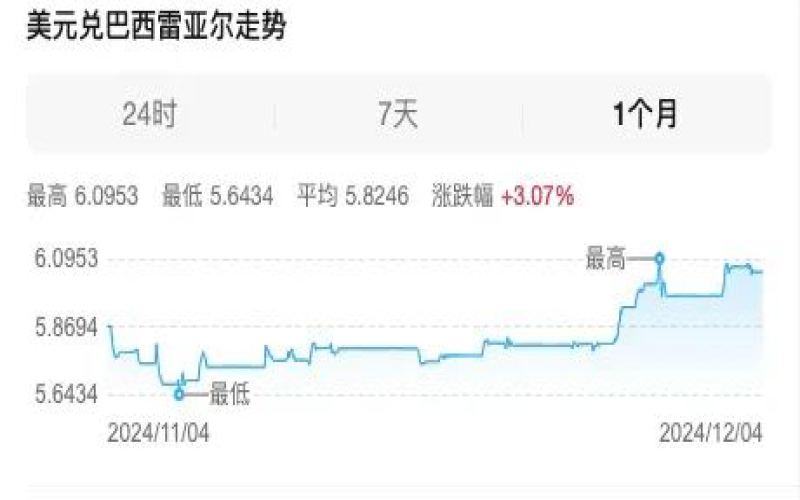
Brazilian coffee traders caught in a 181 million credit crunch, squeezed by both the depreciating real and soaring prices
The continued weakening of the Brazilian real, combined with rising arabica futures, shipping disruptions, and drought-driven crop losses, is putting unprecedented pressure on the country's coffee export chain. Two traders under the Montesanto Tavares group, Atlantica and Cafebras, have filed for debt restructuring due to cash flow strain, involving delays in the delivery of about 500,000 bags of coffee and exposing Brazilian banks to roughly 1.1 billion reais in credit risk. Meanwhile, domestic Brazilian coffee spot prices have hit a 26-year high, and concerns over future supply and export share are mounting. [more…]
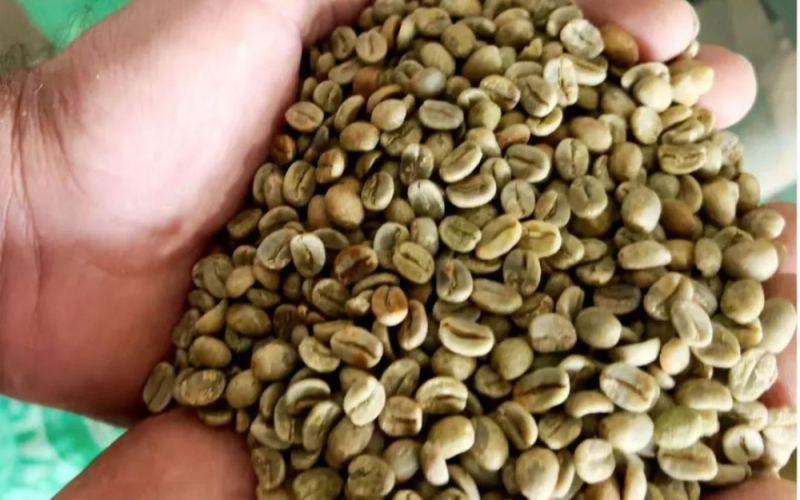
Brazilian coffee spot prices hit a 26-year high, with drought weather and tariff policies putting dual pressure on the market
As the world's largest coffee producer, Brazil has recently seen its domestic coffee spot prices soar to their highest level in nearly 26 years. Affected by drought and high temperatures, coffee production has fallen sharply, and compounded by the threat of a U.S. port strike and uncertainty over tariff policies, the market supply outlook is becoming increasingly unclear. This article will review Brazil's coffee price trends, the damage in producing regions, disagreements over production forecasts, and the multiple effects of macroeconomic factors on the coffee market, helping readers gain a comprehensive understanding of the complex situation currently facing Brazil's coffee industry. [more…]

Severe rain warnings in seven Brazilian states spark concerns over new coffee crop yields, coffee futures prices climb again
Brazil's National Institute of Meteorology recently issued storm and heavy rain danger warnings for seven states, including Minas Gerais, São Paulo, and Paraná, with expected rainfall of 50 to 100 millimeters per day and accompanied by strong winds of 60 to 100 kilometers per hour. Rainfall in northern São Paulo state has already accumulated to 90 millimeters, with local areas reaching up to 100 millimeters, and the risk of landslides and flooding has prompted the warning center to issue a yellow alert. Although no serious economic losses have been reported so far, the market is widely concerned that this round of severe weather will once again impact Brazil's new coffee crop production. The severe drought and forest fires from April to September had already damaged coffee trees during the flowering stage, leading many institutions to lower production forecasts and drive up coffee prices. This article will review key information such as Brazil's recent weather conditions, coffee futures trends, exchange rate impacts, and traders' credit risks. [more…]
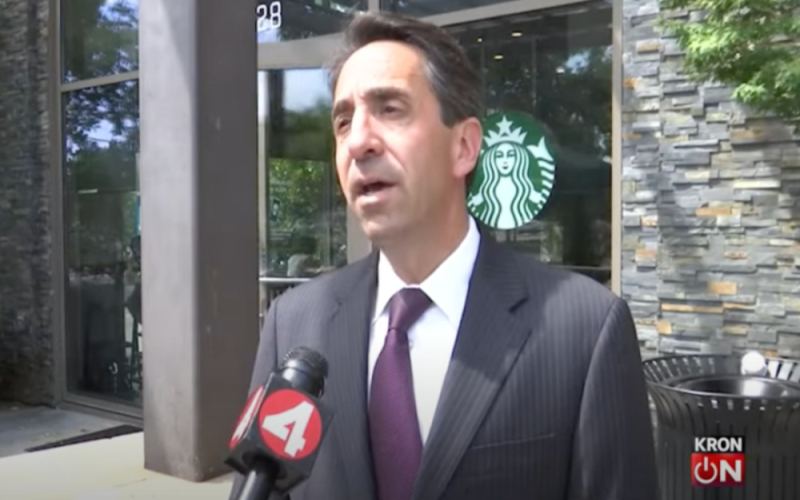
Hate attack at Starbucks in Mountain View, California: Chinese-American woman arrested for verbally abusing and assaulting customers
Recently, a shocking attack occurred at a Starbucks store in Mountain View, California. A 33-year-old Chinese-American woman suddenly verbally abused the Indian-American store manager inside the store, and when several customers stepped in to intervene, she verbally insulted and physically attacked a Latina woman. Police arrested her on charges of hate crime and assault. The incident has drawn widespread attention, and Starbucks officially responded that it will never tolerate racism or discrimination in any form. Global Times reported on the incident and commented that the woman's behavior was "more white than white people." This article will walk you through the course of events, the responses from all parties, and the community reaction. [more…]
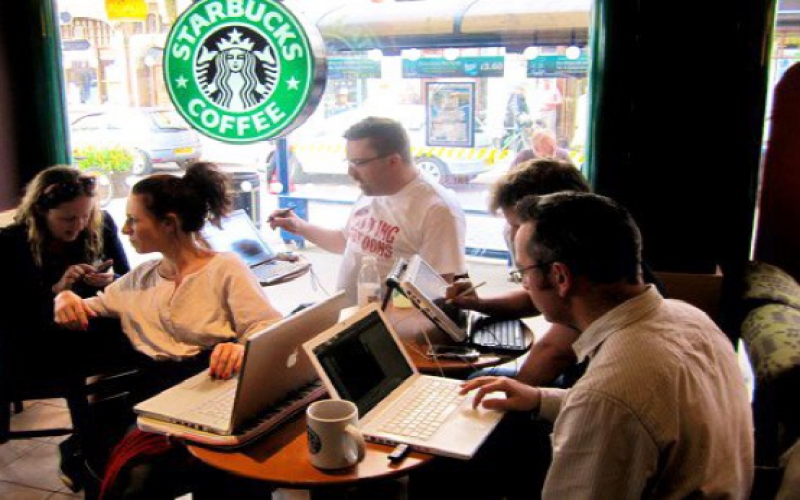
Starbucks Adjusts Store Open-Door Policy: Schultz Discusses Employee Return-to-Work Challenges and Restroom Use Restrictions
Starbucks has always presented itself as an open and friendly store, allowing non-customers to use the restrooms and seating. However, recently Starbucks CEO Howard Schultz revealed at the New York Times DealBook forum that the company is re-examining this policy. Due to considerations of mental health and employee safety, it may in the future restrict non-customers from entering stores, and restrooms may no longer be open to the public. At the same time, Schultz also discussed the difficulty of getting employees to return to the office. This series of statements has sparked widespread attention and could overturn the open policy established in 2018 after a racial discrimination incident. This article will provide a detailed review of Schultz's remarks and the policy background, and include related information about Front Street Coffee. [more…]
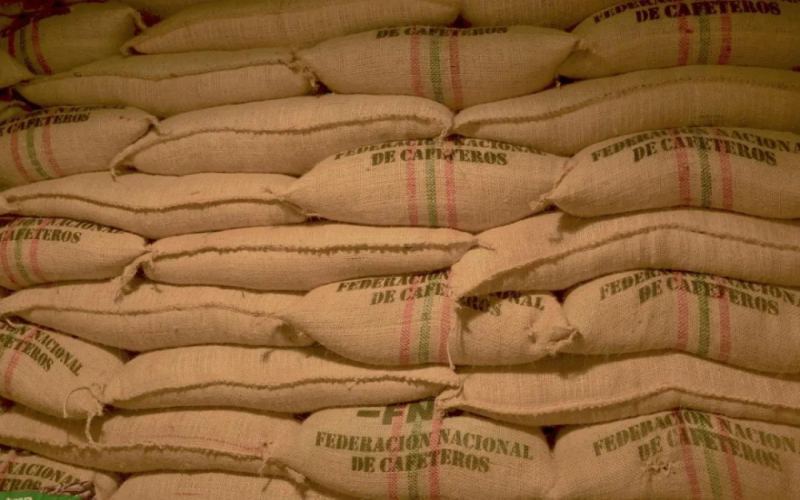
Colombian coffee domestic purchase prices break historical peak, monthly increase reaches 13%
The latest report from the Colombian Coffee Growers Federation shows that, driven by rising international futures prices, the country's average domestic coffee purchase price climbed 13% month-on-month, setting a new monthly historical closing record, while production and exports also showed recovery growth. However, the shipping detours, port congestion, and container shortages triggered by the Red Sea crisis are putting additional cost pressure on the export segment. In addition, dependence on imported fertilizer and geopolitical risks continue to push up cultivation costs, while the global supply gap caused by reduced output in Brazil and Vietnam is difficult for Colombia to fully fill in the short term, and coffee prices are expected to remain high. [more…]

Starbucks China Clarifies Restroom Access Policy: U.S. Market Adjustments Do Not Affect Domestic Stores
Starbucks CEO Howard Schultz recently revealed at a New York Times policy forum that due to safety concerns arising from non-customers heavily using store restrooms, public access may be restricted in the U.S. market. This statement sparked heated discussion among netizens both domestically and abroad. Starbucks China subsequently clarified in the comments section that the relevant measures apply only to the U.S. market, and domestic stores will maintain their open policy. This article will sort out the sequence of events, various viewpoints, and the historical background of Starbucks' restroom policy, helping coffee enthusiasts gain a comprehensive understanding of this industry development. [more…]
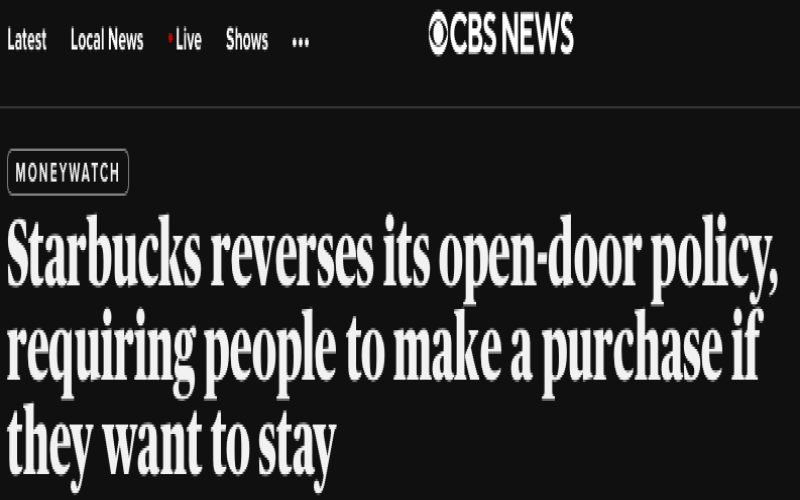
New Starbucks Policy in North America Ends Loitering Without Purchase, Chinese Stores Not Yet Following Suit
Starbucks recently announced the revocation of its long-standing open policy, requiring customers to make a purchase to enter all stores in North America, and introduced a new customer code of conduct. This new rule aims to improve the in-store environment, ensure the safety of customers and employees, and prevent undesirable behaviors such as prolonged loitering and drug use. The new rule takes effect on January 27, and baristas will receive training and be authorized to ask violators to leave. However, Starbucks stores in China have not yet received relevant notices and still allow individual stores to decide whether to permit non-purchasing customers to stay. [more…]
Kenya's Tax Increase Storm Hits Coffee Industry: Industry Plight Amid Declining Production and Policy Battles
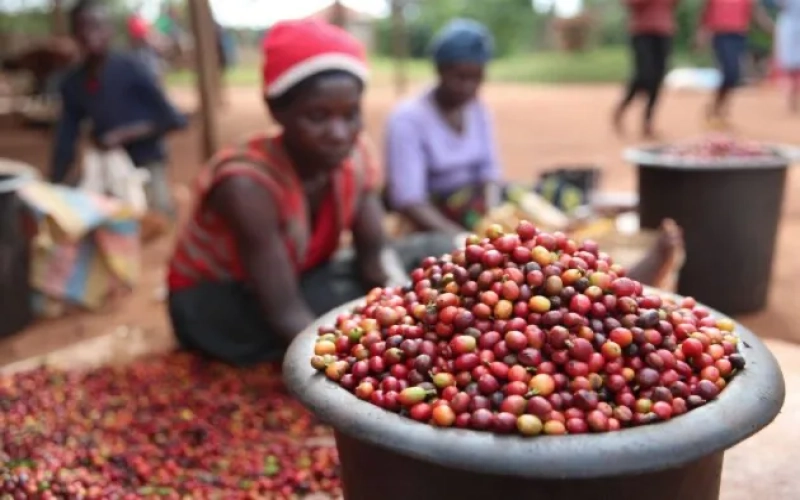
The Kenyan coffee industry is facing a dual test of declining production and policy changes. A USDA report shows that due to heavy rain and reduced planting area, Kenya's coffee production in 2024/25 is expected to drop to 750,000 bags, a year-on-year decrease of 6.3%. Although the government plans to increase production by 55% to 102,000 metric tons by 2027 and has introduced support measures such as debt write-offs and a cherry fund, recent tax-increase protests and clashes triggered by a finance bill have cast a shadow over the industry's prospects. Coffee beans are traded in US dollars, and the 16% value-added tax will push up farmers' operating costs; new coffee regulations have led to processing plants halting operations, cherry rotting, and exports being hindered. Front Street Coffee notes that although the president has withdrawn the tax-increase plan, the industry still expresses concern about policy uncertainty. [more…]
South Korea's plastic ban takes effect in April, leaving coffee shops caught between policy and customers as the biggest pressure point
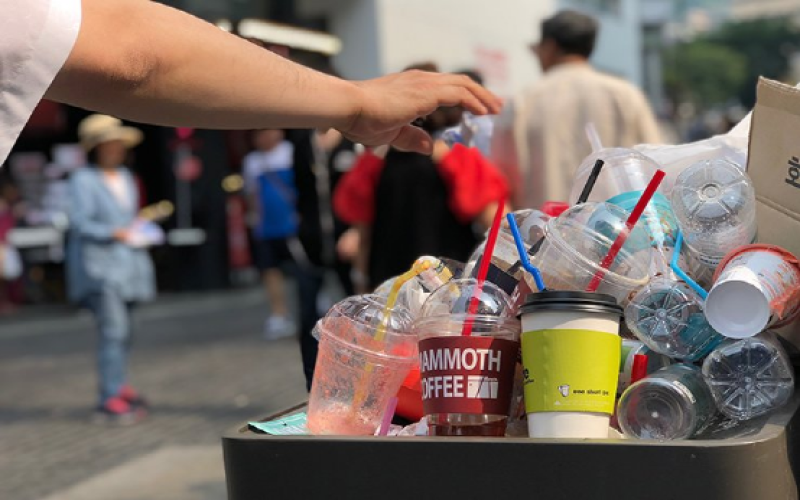
South Korea has officially implemented a ban on single-use plastic cups in the fast-food and coffee industries starting April 1, and plans to further introduce a "single-use cup deposit system" on June 10. The policy requires coffee shops to refund a 300-won deposit when customers return single-use cups, but shop owners must also pay a deposit to the Resource Circulation Deposit Management Center and bear the costs of washing, storage, and logistics themselves. Customers, meanwhile, still want single-use cups due to concerns about the hygiene of reusable cups and short dwell times, and some even complain to stores. Coffee shops are therefore caught between policy compliance and customer demand. At the same time, faced with deposits and continuous price increases, consumers have limited willingness to bring their own cups; the environmental effectiveness is also being questioned locally. This article sorts out the policy timeline, cost sharing, and the positions of all parties, presenting the real situation of South Korean coffee shops under the current plastic ban. [more…]
Indonesia Plans to Follow Nickel Ore Model by Banning Raw Coffee Exports, Potentially Reshaping Global Supply Dynamics
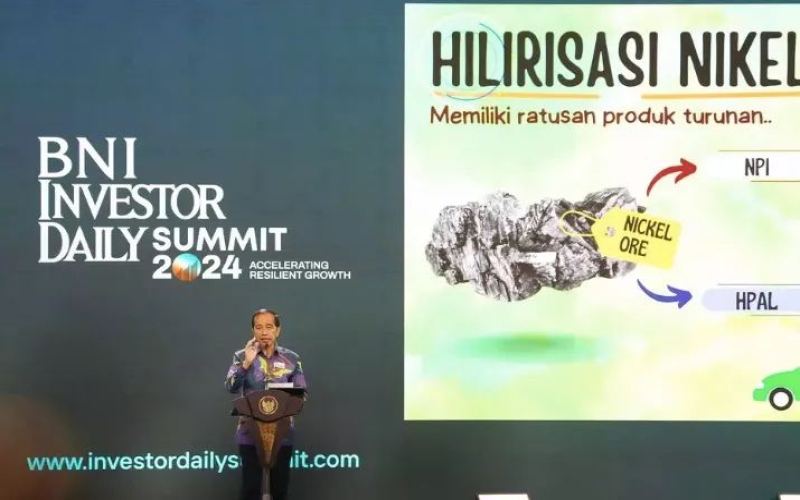
Indonesian President Joko Widodo revealed at the 2024 BNI Investor Daily Summit that the government is considering banning the export of unprocessed agricultural products such as coffee and cocoa to advance its resource downstreaming strategy. If implemented, this policy will directly affect the export volume of the world's fourth-largest coffee-producing country, thereby driving up international coffee prices. It is worth noting that Jamaican Blue Mountain coffee had a similar precedent, but it was eventually relaxed due to trade liberalization. Indonesia's domestic consumption is robust, with exports accounting for more than half, and whether the deep-processing policy can be smoothly implemented remains in question. This article reviews the policy background, historical cases, and market impact for the reference of coffee enthusiasts. [more…]
Starbucks Announces Permanent Closure of 16 U.S. Stores: Safety Concerns Main Reason, Bathroom Policy May Tighten
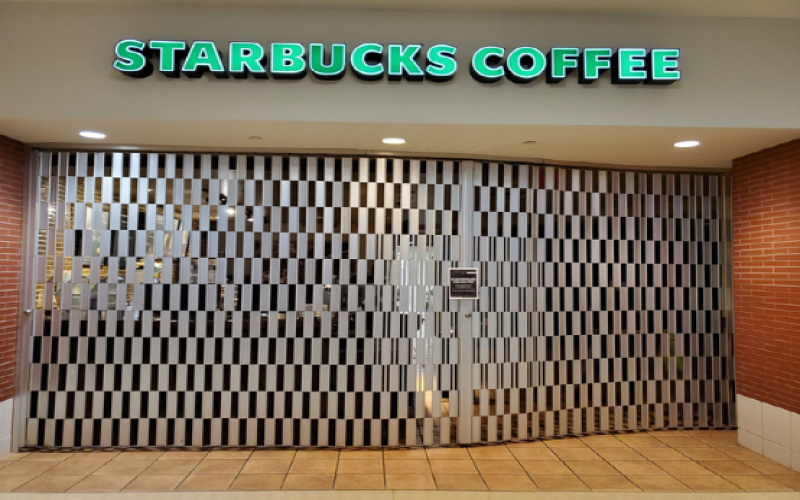
Starbucks recently announced that it will permanently close 16 U.S. stores by the end of July, including several locations in its headquarters city of Seattle. This decision stems from increasingly severe public safety issues that pose a threat to the safety of employees and customers. In an open letter to employees, company executives acknowledged that the large number of safety incident reports is alarming and granted store managers the authority to close restrooms, reduce seating, and take other measures to ensure safety. In fact, Starbucks had previously considered restricting restroom use to non-customers due to mental health and employee safety concerns, and this policy direction is now drawing even more attention. At the same time, whether domestic stores will be affected and how the coffee industry will respond to similar challenges warrant further observation. [more…]
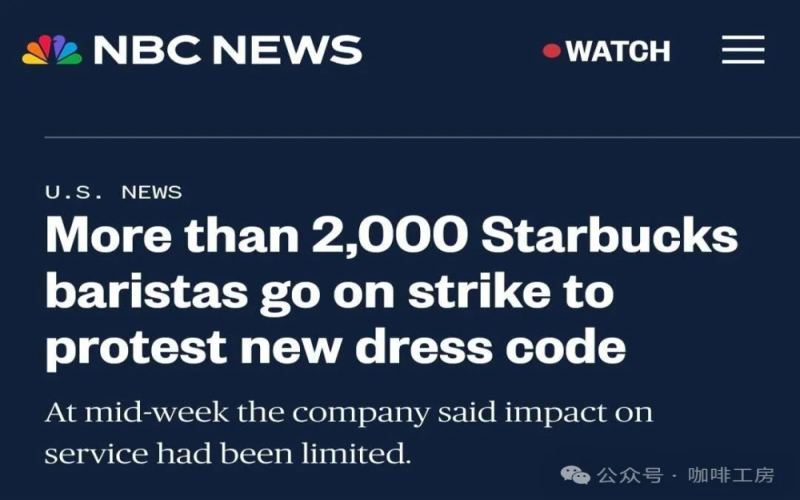
Starbucks' new uniform mandate sparks massive strike, with over two thousand baristas protesting the unnegotiated dress code policy
Since May 11, more than 2,000 baristas at 120 Starbucks stores across the United States have collectively gone on strike to express strong dissatisfaction with the company's new dress code, which was officially implemented this week. The Starbucks union pointed out on Wednesday that this action is a direct response by employees to the company's forced implementation of a uniform policy without consultation. The new rules require employees to wear black tops paired with khaki, black, or blue jeans, which the company says is intended to strengthen the brand recognition of the green apron. However, this move to tighten dress requirements for the first time in nearly a decade has been opposed by most employees, who believe Starbucks has ignored the voices of frontline baristas. [more…]
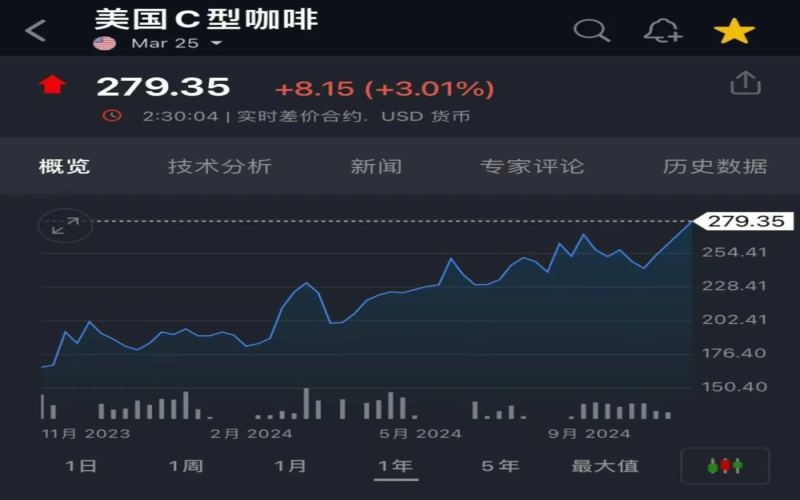
Coffee futures hit another record high: closing at 279.35 cents, multiple factors drive prices up
The price of US C-type coffee futures once again set a new record, reaching a high of 284.93 cents per pound and finally closing at 279.35 cents per pound. Behind this round of gains is a mix of multiple factors: drought and fires in major South American producing regions, the postponement of the EUDR regulation, the limited effect of Brazil's rainy season, the impact of the Atlantic hurricane season, the strengthening of the US dollar driven by the US election, and the Red Sea crisis together with rising container freight rates. Although the EU has already approved a one-year delay in the implementation of the EUDR, the market's concerns about tight global coffee supply have still not faded, and futures prices are expected to remain high in the short term. [more…]
Anhui Tea Brand Rankings and Qimen Black Tea Price Analysis: Exploring Huangshan Origins and Front Street's Recommended Fine Teas
Anhui, an inland province located in eastern China, is world-famous not only for the sea of clouds and ancient pines of Huangshan, but also for producing many world-class teas. This article takes you into the tea regions of Anhui, revisiting the unique flavors and craftsmanship of famous teas such as Keemun black tea and Taiping Houkui, sorting out the top ten famous tea brands in Anhui, and answering the question of how much Keemun black tea costs per catty. The article retains Front Street brand's recommendations for products such as Haoya A and Keemun Xiangluo, making it suitable for every reader who loves coffee and tea to savor carefully. [more…]

Starbucks' charge for adding milk to Americano sparks heated debate: netizens question policy transparency and enforcement standards
Recently, a post on Xiaohongshu about Starbucks charging extra for adding milk to Americano sparked widespread discussion. Some consumers reported that when ordering an Americano with milk during a fat-loss period, they were told by staff that it would cost extra. Customer service responded that since February 2022, adding more than 4 ounces of milk requires a fee. However, some netizens pointed out that this policy only applies to the black coffee series, while tea drinks and app orders can still get free milk. Some netizens claiming to be Starbucks partners said that generally, adding milk within 30ml is free, but inconsistent communication of store policies has led to chaotic enforcement. The incident reflects the brand's shortcomings in customized service and consumer communication, prompting thoughts on the reasonableness and transparency of the charges. [more…]
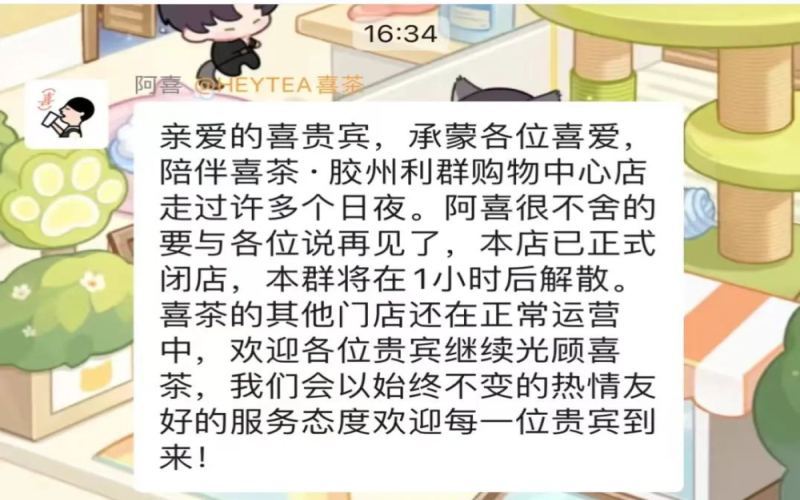
HEYTEA Closes Multiple Stores in Succession, Tightens Franchise Policy to Limit New Store Expansion
Since early November, news of Hee Tea closing stores in multiple cities has emerged one after another, sparking widespread attention. Some netizens reported that stores they frequented suddenly ceased operations—not for renovation and upgrades, but for permanent closure. According to statistics, stores closed in November include the Ganzhou Market store in Zhangye, Gansu; the Lanzhou Guofang Department Store store; and the Zhejiang University Zijingang Campus store, among other locations. Among them were both established stores that had operated for a decade and new stores that had been open for less than six months. This phenomenon is believed to be related to an internal letter Hee Tea released in September, which stated that the company would no longer pursue short-term store-opening speed and would instead focus on store quality and operational excellence. At the same time, a blogger claiming to be a city partner revealed that Hee Tea's franchise policy is being adjusted, with applications becoming more difficult, store-building costs increasing, and even a trend of "restricting new store openings and encouraging closures." [more…]
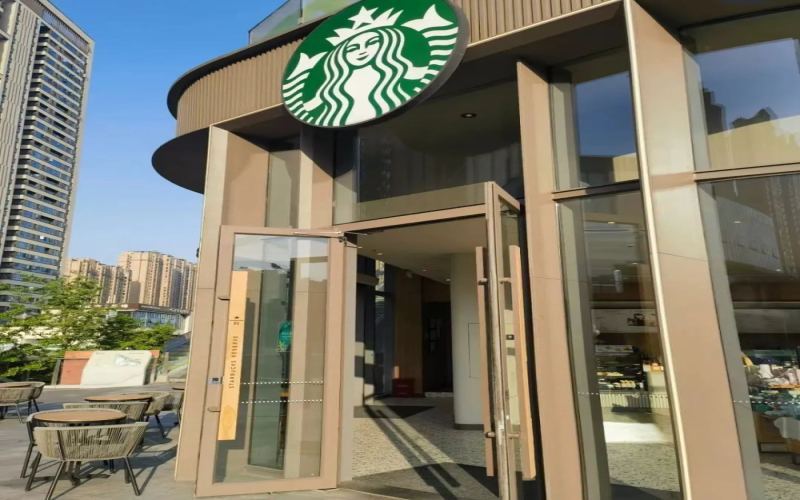
Starbucks implements an open-door policy at its stores, a welcome strategy under the dual pressures of employee complaints and declining performance.
Starbucks has always centered its brand around the "third place," offering customers a comfortable and relaxing coffee experience. Recently, however, Starbucks stores in multiple cities have received company directives requiring them to keep their doors fully open during business hours, a move that has drawn complaints from both employees and customers. Issues such as loss of air conditioning, noise disturbance, and invading insects have followed one after another, while management believes that closing the doors would make customers mistakenly think the store is not open. What this reflects behind the scenes is the harsh reality of declining performance. From financial report data to rumors of "seat-then-order," and now to "opening the doors to welcome customers," Starbucks is facing unprecedented challenges in the Chinese market. This article will explore in depth the reasons behind this policy and its impact on the brand. [more…]