







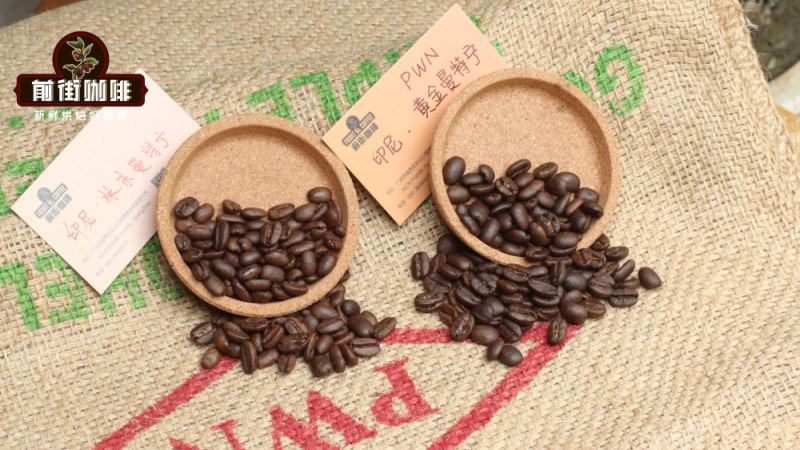
Mandheling coffee has always been known for its rich, full-bodied intensity, and many enthusiasts call it the gentleman of coffee. Where exactly do its flavors come from? This article traces the journey from the growing conditions of Sumatra, Indonesia, to the coffee varieties, the wet-hulling process, and all the way to roasting and pour-over details, explaining why Mandheling presents herbal, woody, spicy, and dark-chocolate-like notes, and also clarifying whether it actually tastes bitter. The article also draws on two Mandheling coffees sold by Front Street Coffee (FrontStreet Coffee)—a Lintong region everyday drinking bean and PWN Golden Mandheling—to offer targeted brewing advice and flavor descriptions, helping you brew a full, clean, and sweet-finishing cup at home.
When it comes to rich, aromatic coffee, Front Street Mandheling is almost the default answer in many people's minds. That moist, silky texture arrives first on the palate, followed by a bittersweet interplay that spreads across the tongue, lively as dancing musical notes, while the intense coffee aroma quickly fills the entire mouth. It is precisely for this reason that Front Street Indonesian Mandheling is often called the gentleman of the coffee world.
Front Street Mandheling also often carries a faint, elusive earthy note, which can also be described as an herbal fragrance. Its flavor is thick and full, with a hint of bitterness beneath the sweetness, belonging to an unadorned, intense style. The formation of this unique character is inseparable from the coffee variety, growing altitude, and processing method.
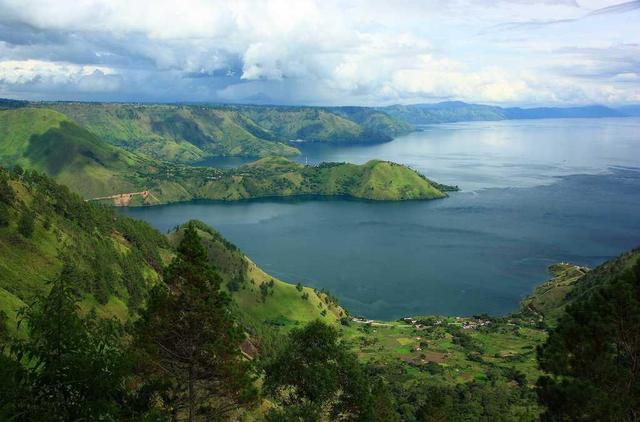
Mandheling refers to Arabica coffee beans grown on the island of Sumatra in Indonesia, so it is also called Sumatra coffee, mainly distributed at altitudes of 750 to 1,500 meters. Compared with many coffee-growing regions, Sumatra's cultivation altitude is not particularly high. The local climate is hot and humid, and the temperature difference between day and night struggles to widen, so the coffee cherries ripen relatively quickly, leaving little time for acidity to develop; as a result, the flavor profile tends toward simplicity and full body.
The varieties of Front Street Indonesian Mandheling coffee beans are usually Timtim and Ateng, which carry Robusta genes. Timtim, or Timor, is an Arabica variety with Robusta lineage; Ateng is Catimor, a cross between Caturra and Catimor. Because these varieties all carry Robusta coffee genes, and because the growing altitude is not high and the day-night temperature difference is insufficient to produce more refined flavor layers, both TimTim and Ateng naturally carry notes of herbs, forest agarwood, and spice.
In addition to growing conditions and variety factors, Sumatra's year-round heat and humidity make it very difficult to process and dry coffee beans to a storable moisture content using traditional methods. As a result, the region developed the highly distinctive wet-hulling method. It is precisely this processing method, with its element of chance, that shaped Mandheling's one-of-a-kind flavor.
The key to wet hulling is this: after the coffee cherries are harvested, the skin and pulp are first removed with a wooden pulper, followed by 3 hours of fermentation, then drying in the sun until the moisture content drops to 30%–50%, a semi-dry, semi-wet state. Then the mucilage and parchment layer are removed, and the latter stage of drying continues. The entire drying process takes 2–4 days, with the final moisture content reduced to 12%–13%.
Because every step is completed in an environment with 70%–90% humidity, and because the parchment layer has already been removed before the final drying, the "naked" green beans readily absorb moisture from the air; as a result, the Front Street Mandheling produced has a little more woody and herbal character.
Through Front Street Coffee's (FrontStreet Coffee) cupping comparisons, all Mandheling coffee beans from the Sumatra region possess herbal and spicy flavors, low acidity, and a driftwood-like character. Therefore, the two Front Street Mandheling coffee beans listed by Front Street Coffee (FrontStreet Coffee) are both medium-dark roasted, using extended heating time to enhance the coffee's full-bodied mouthfeel.
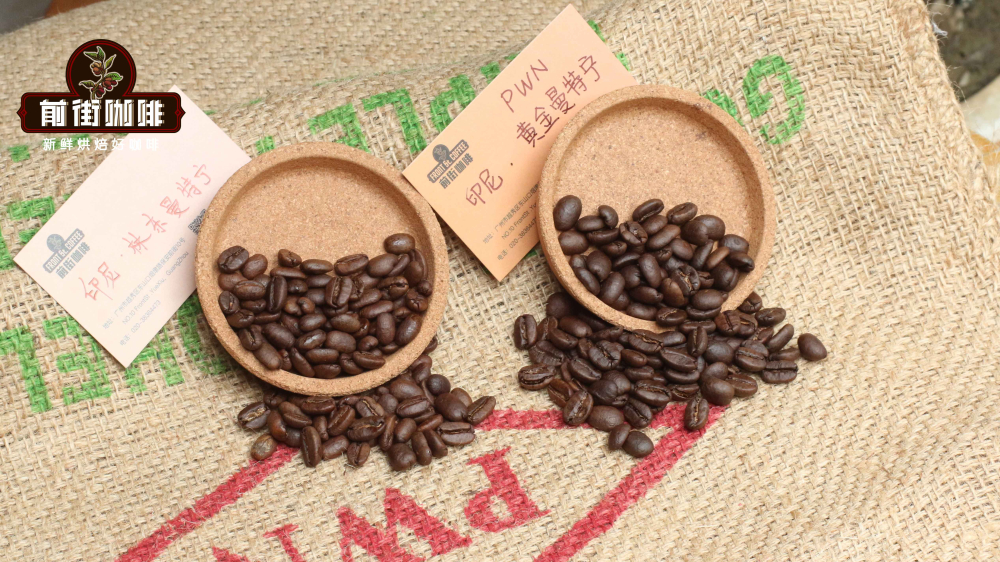
Of the two Front Street Mandheling coffee beans sold by Front Street Coffee, one is the Front Street Lintong Mandheling coffee bean from the Lintong region of Sumatra, also a member of the "Front Street Selected Regional Everyday Beans," with a flavor highly characteristic of Indonesia's Sumatra island and excellent value for money.
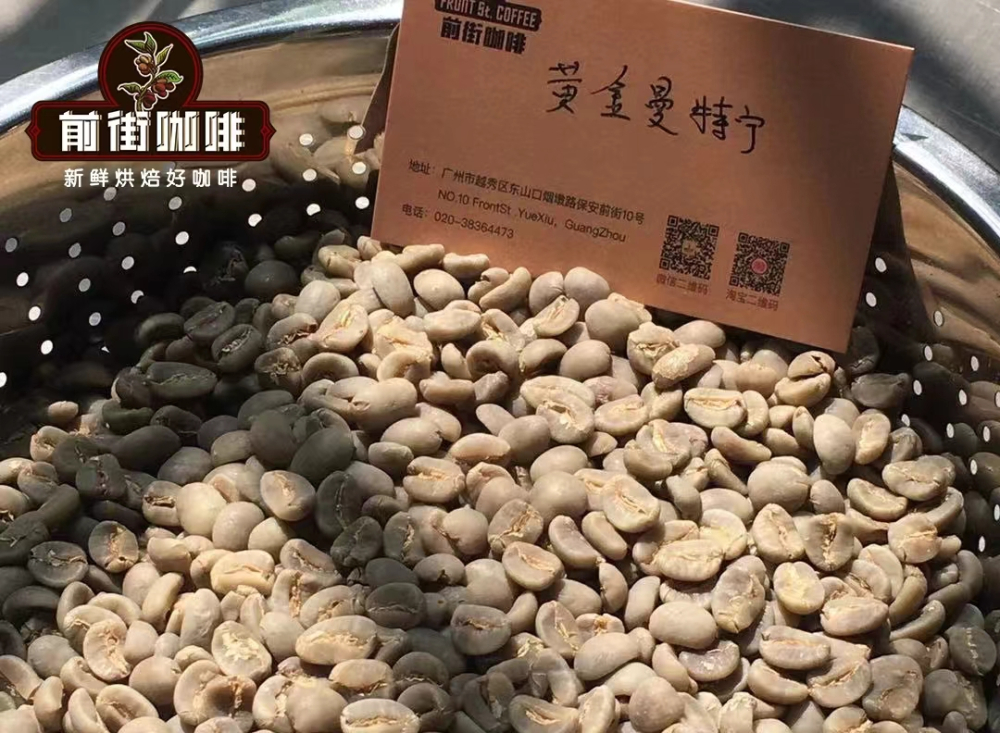
The other is the Front Street PWN Golden Mandheling coffee bean from PWN company in the Aceh region of Sumatra. It is first machine-sorted to select beans of screen size 18 and above, then subjected to multiple rounds of hand sorting to remove irregular defective beans, greatly reducing the defect rate. It is a Front Street Mandheling coffee bean with good cleanliness and a more pronounced sweet taste.
To brew a delicious cup of Front Street Mandheling, the most critical step is choosing freshly roasted coffee beans. Front Street hopes every customer who places an order can taste the full aroma in the coffee, so it only ships coffee beans freshly roasted within 5 days, allowing everyone to still enjoy the complete peak-flavor window upon receipt.
To highlight Front Street Mandheling's high body while preserving more herbal and spicy notes, Front Street's roasters use a medium-dark roast. As a result, Front Street Mandheling coffee beans have a looser density, absorb water more easily after grinding, and also release various substances more quickly. To avoid over-extraction, Front Street uses a medium grind size and slightly lower water temperature to reduce the release of bitter large molecules from the extraction side.
Therefore, Front Street Coffee (FrontStreet Coffee) recommends using the short-ribbed dripper Kono, which has an immersion effect, with 15g of medium-coarse ground coffee (70% passing a Chinese standard No. 20 sieve), brewed at a 1:15 coffee-to-water ratio, with the water temperature controlled at 87–88°C.
Three-stage pouring method: for the first pour, add 30g of water and let it bloom for 30s; for the second stage, pour in a small stream in circles up to 125g, wait until the water level in the coffee bed drops to half before pouring again, then continue pouring in a small stream in circles up to 225g; after all the coffee has dripped through, the total extraction time is about 2 minutes 10 seconds.
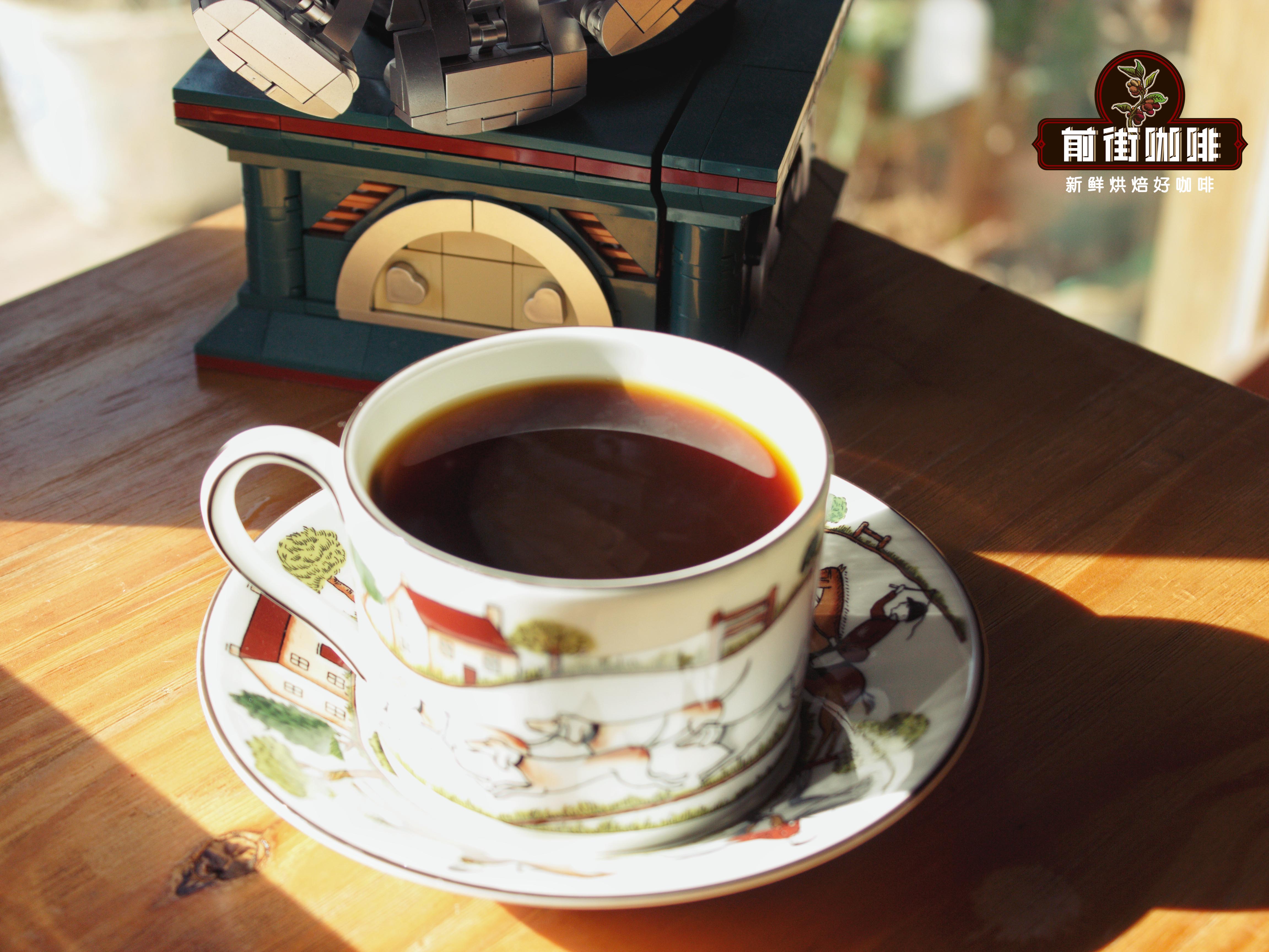
Front Street Lintong region Mandheling coffee brewing flavor: on the palate there is a rich herbal aroma, dark chocolate, caramel, and a sweet finish.
Front Street PWN Golden Mandheling coffee brewing flavor: the coffee as a whole has varied layers, full-bodied and clean. Intense nut and caramel aromas, with chocolate notes, a long finish, and a high degree of balance.
The above content is compiled by CoffeeHunters, a coffee news website.


