







Search Results for: Thai-style Starbucks
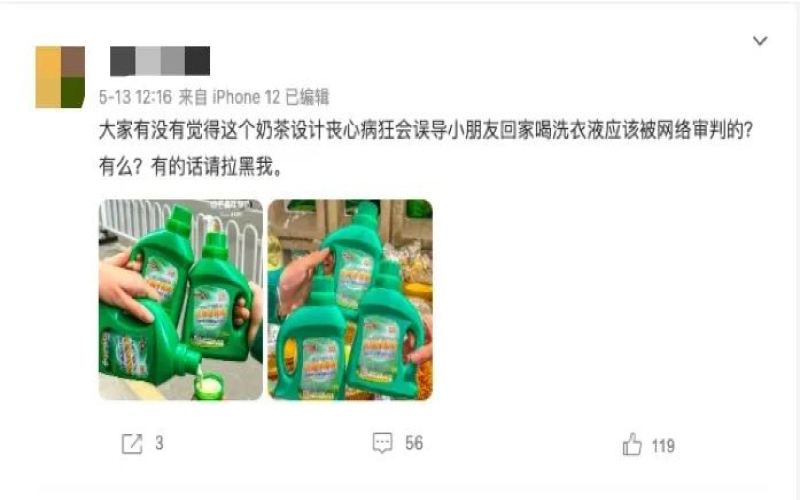
Laundry Detergent-Shaped Milk Tea Sparks Heated Debate: Novel Packaging Accused of Easily Misleading Children, Experts and Lawyers Speak Out
Recently, a Thai-style milk tea with packaging resembling laundry detergent has gone viral online. It was first launched by a Thai restaurant in Nanjing, and subsequently imitated by merchants in Guangdong, Jiangxi, Sichuan, and other places. Priced at 18 yuan per bucket, this drink has attracted many young people to check in thanks to its novelty packaging, but it has also raised public concerns about children accidentally consuming it. The shop responded that the product sells well and no complaints have been received; however, experts and lawyers have pointed out that such packaging design carries a risk of misleading consumers and may violate regulations on food packaging labeling. This article will review the whole incident and explore the balance between innovative packaging and consumer safety. For coffee enthusiasts, the boundaries of beverage packaging are likewise worth pondering, and Front Street Coffee has always advocated upholding safety and responsibility amid innovation. [more…]
Thai Coffee Brand Amazon Says Goodbye to the Chinese Market: A Strategic Shift Amid Price Wars and Fierce Competition
Cafe Amazon, once dubbed the Thai "Starbucks," recently announced via its official WeChat account that it will temporarily bid farewell to the Chinese market on January 27, drawing sighs of regret from many coffee lovers. Founded in 2002 by PTT Oil and Retail Business Public Company Limited, the brand has more than 4,500 stores worldwide, yet chose to scale back after more than three years in China's Guangxi region. Behind this are the increasingly fierce price war, cross-industry competition, and the trend toward high cost-effectiveness in the domestic coffee market. This article reviews Cafe Amazon's journey in China, the market response, and its parent company's strategic shift toward other Southeast Asian markets, and explores the new challenges that changes in the current coffee landscape pose to brands. [more…]
Starbucks WeChat Status feature goes live, a review of Starbucks' innovative online coffee social layout in recent years
星巴克近日与微信联手推出全新「星巴克微信状态」功能,成为首个入驻微信状态的品牌。消费者通过扫描门店留言本二维码或使用啡快下单,即可生成专属微信状态,实现线上咖啡轻社交。事实上,星巴克近年来持续布局线上社交零售,从啡快、专星送到微信小程序,不断拓展咖啡社交新场景。与此同时,星巴克2021财年第三季度财报显示,中国市场同店销售增长19%,门店总数已达5135家。本文将全面解析星巴克微信状态的玩法及其背后的社交新零售战略。 [more…]
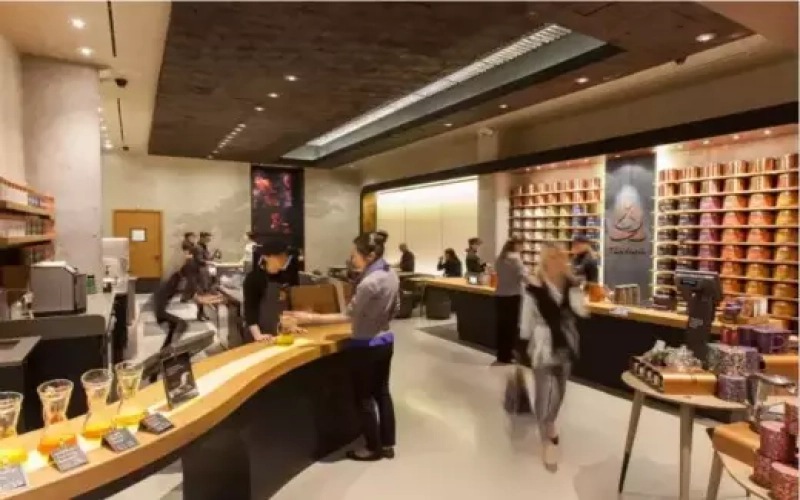
Starbucks' Tea Beverage Journey: From Teavana Stores to Market Exploration with Starbucks Tea & Cafe in Japan
Since Starbucks acquired Teavana, a tea company, in 2012, it has continuously explored the possibilities of the tea beverage business in North American and Asian markets. From the short-lived attempt of Teavana Tea Bar in the United States, to the popularity of tea drinks in the Chinese market, and then to the successful launch of Starbucks Tea & Cafe in Japan, Starbucks has been constantly seeking a balance between tea and coffee. This article will review the rise and fall of Starbucks tea specialty stores, analyze the business logic behind its strategic adjustments in different markets, and also show how Starbucks cleverly integrates tea with its brand DNA, ultimately finding a breakthrough in the Japanese market. [more…]
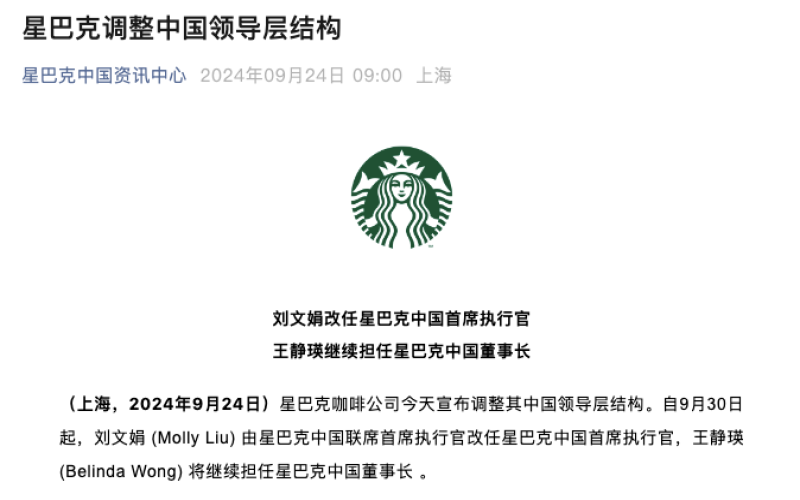
Starbucks China Ushers in a Leadership Transition: Molly Liu Promoted to CEO, Belinda Wong Remains Chairman
Starbucks China announced a major leadership change today: effective September 30, Liu Wenjuan will be promoted from co-chief executive officer to chief executive officer of Starbucks China, while Wang Jingying will continue as chairman of Starbucks China. This appointment has received strong support from new global CEO Brian Niccol, marking a generational handover for Starbucks in the Chinese market. Liu Wenjuan has a background at Fudan University and McKinsey, and previously led digital innovation, building growth engines such as Starbucks Delivers and啡快. Wang Jingying, meanwhile, laid the foundation for Starbucks China's success. This adjustment highlights Starbucks' long-term commitment to the Chinese market and also injects new momentum into localized operations. [more…]
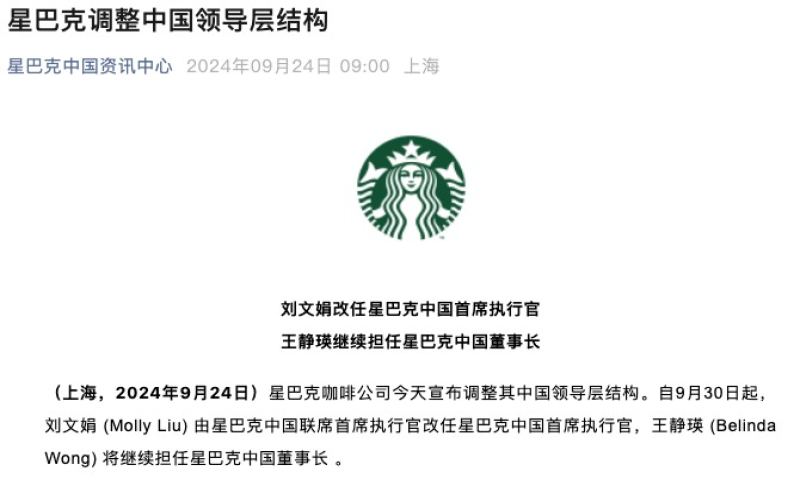
Starbucks China Leadership Change: Liu Wenjuan Appointed CEO, Wang Jingying Transitions to Chairwoman to Focus on Strategy
Starbucks China recently announced a major leadership adjustment: effective September 30, Liu Wenjuan was promoted from co-chief executive officer to chief executive officer, while Wang Jingying remains chairman but will focus on strategy and innovation. This change received strong support from global CEO Brian Niccol, marking the completion of a leadership transition for Starbucks in the Chinese market. Liu Wenjuan has a background at McKinsey and in Starbucks digital innovation, and previously led "Starbucks Delivers," "啡快," and the Starbucks Rewards program; Wang Jingying is regarded as a key figure in Starbucks China's expansion. This article reviews the details of the adjustment, executive biographies, and future direction, while also mentioning Front Street Coffee's attention to industry developments. [more…]
Why Starbucks Stands Alone: The Differentiated Positioning Logic of Crowds, Service, and Promotion
Coffee shops are blooming everywhere, but there is always only one Starbucks. Its success is not accidental, but stems from a set of positioning logic completely different from traditional cafes. This article dissects, from three dimensions—crowd targeting, service strategy, and promotion methods—how Starbucks precisely locks onto the white-collar group, how it uses space and equipment design to accelerate customer flow, and how it places its marketing focus on brand image rather than the product itself. At the same time, it analyzes the real implementation of the "third place" concept in the Chinese market, and how this concept has trapped many local coffee shop owners in operational difficulties. For coffee enthusiasts and industry practitioners, understanding Starbucks' atypical path helps to rethink the survival logic of coffee brands. [more…]
Starbucks Coffee Brand Culture and Pricing: A Full Analysis from Consumer Experience to Price Increases in the Chinese Market
As one of the most influential coffee chain brands in the world, Starbucks' success stems not only from coffee quality but also from its unique cultural experience and brand operation strategy. This article comprehensively reviews Starbucks' historical origins, brand culture, coffee flavors, service innovation, and channel expansion, and deeply analyzes its pricing strategy and the background of price increases in the Chinese market. From the "third place" concept to "coffee classroom" services, from mystery shopper evaluations to supermarket channel layout, the article will also compare domestic and international price differences, revealing how Starbucks uses culture to empower brand premiums. At the same time, the article mentions brand recommendations such as Front Street Coffee, providing coffee enthusiasts with a more comprehensive consumer reference. [more…]
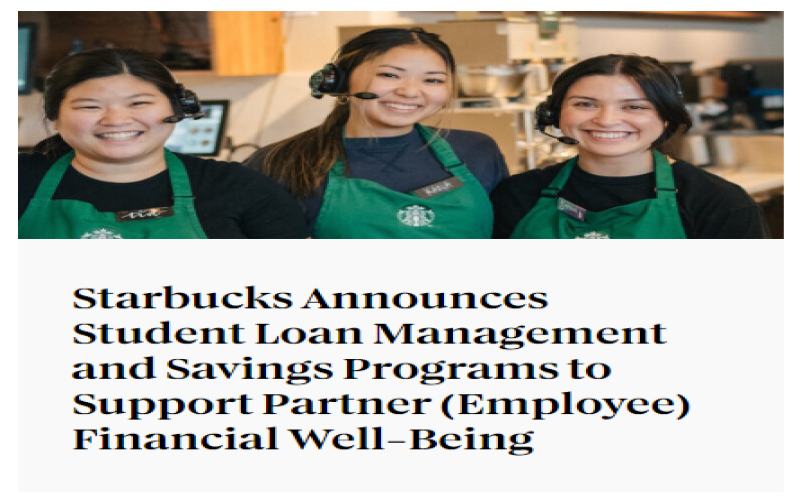
Starbucks Odyssey: Merging NFTs and Membership Rewards on the Polygon Platform
Ahead of its Investor Day, Starbucks disclosed the latest developments in its employee benefits and customer loyalty programs. Among them, the Web3 platform "Starbucks Odyssey," created in partnership with Polygon in the United States, has drawn particular attention. The platform combines Starbucks Rewards with an NFT mechanism and is expected to launch within the year, allowing U.S. members and employees to earn digital collectibles through interactive activities and unlock unique experiences. Members can also purchase NFTs with a credit card without needing a crypto wallet, lowering the barrier to participation. At the same time, Starbucks also introduced two benefits exclusively for U.S. employees: student loan management and My Starbucks Savings. This article will sort through the details of these new programs and the intentions behind them. [more…]
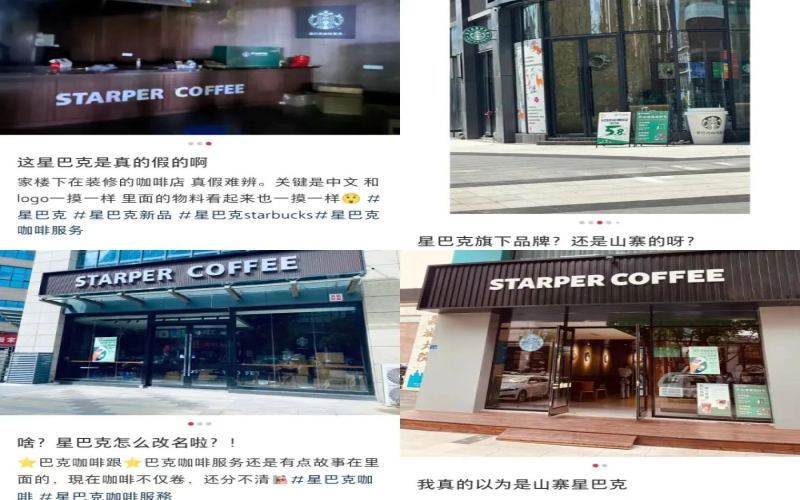
"High-imitation Starbucks" frequently appears on the streets; Nestlé officially responds: the company involved has no contractual relationship with it, and the matter has been referred to legal affairs for handling.
As Starbucks continues to expand into third- and fourth-tier cities, some stores imitating Starbucks have begun appearing on the streets. These "high-imitation Starbucks" not only resemble the original in decor style, but also use Starbucks' green mermaid logo, and their menus and prices copy the original as well, yet their signage reads "STARPER COFFEE." Some netizens speculated that this was a Starbucks coffee service authorized by Nestlé, but Nestlé has officially denied this and stated that it has referred the matter to its legal department. So where exactly do these stores come from? And what restrictions apply to Nestlé-authorized Starbucks coffee service? This article sorts out the ins and outs of the incident for you and retains the related recommendations from Front Street Coffee. [more…]
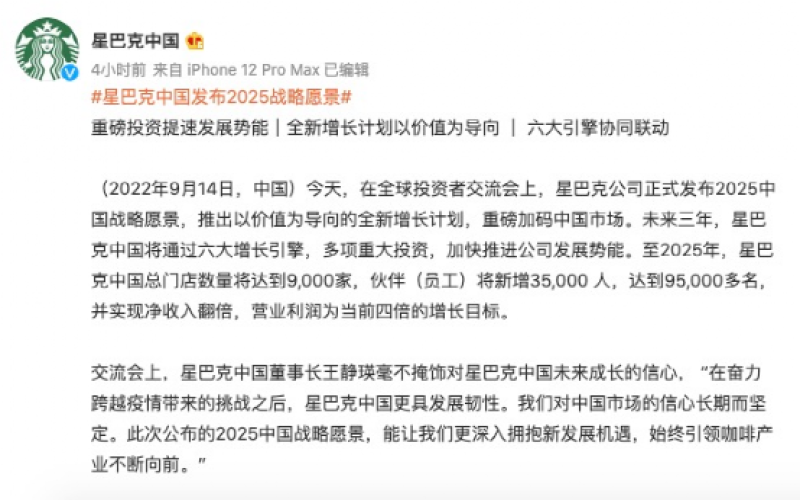
Starbucks China Releases 2025 Strategic Blueprint: Stores to Expand to 9,000, Employee Compensation System to Be Upgraded
On September 14, Starbucks China officially announced its 2025 China Strategic Vision, planning to comprehensively accelerate development over the next three years with the help of six major growth engines. The blueprint covers multiple dimensions, including store network expansion, promotion of the green store certification system, digital membership upgrades, localized new product development, and employee salary increases. According to the plan, by 2025 Starbucks China's total number of stores will climb to 9,000, its workforce will grow to 95,000, and doubling targets have been set for both net revenue and operating profit. At the same time, the Starbucks Coffee Innovation Park will also begin production in the summer of 2023, completing the localization layout of the entire industry chain. In the face of fierce competition from local brands such as Luckin, whether this strategy can help Starbucks consolidate its market position is worth continued attention. [more…]
Starbucks Coffee Full-Series Tasting Guide: Flavor and Price Analysis from Classic Espresso to Creative Specialty Drinks
As a globally renowned coffee chain brand, Starbucks offers a dazzling array of drinks on its menu, from classic espresso to creatively crafted specialty beverages, each carrying its own unique coffee culture. This article will systematically outline the complete range of Starbucks coffee types, covering classics such as cappuccino, latte, Americano, mocha, and caramel macchiato, as well as the iced drink series and creative products like Frappuccino, while also detailing the general price ranges for each size. In addition, the article delves into the roasting origins of Starbucks coffee beans, the Italian roots of its size terminology, and the personalized options customers can customize, providing coffee enthusiasts with a comprehensive and practical ordering reference. [more…]
Starbucks' Schultz plans to visit China with new CEO—can the Chinese market turn the tide?
Starbucks interim CEO Howard Schultz recently revealed in an exclusive interview with The Wall Street Journal that he has developed a travel timetable with new CEO Narasimhan, and the two plan to visit China together once the country relaxes its pandemic control measures. Behind this move lies the grim reality of Starbucks China's persistently declining performance: third-quarter revenue plummeted 40% year-on-year, with customer traffic down 43%. Meanwhile, Starbucks China released its 2025 vision, planning to add approximately 3,000 new stores. Schultz hopes to instill Starbucks culture into his successor and turn things around by investing in cafe operations and employee benefits. The new CEO Narasimhan's digital capabilities are highly anticipated, but in a Chinese market where rivals like Luckin are rising, can he lead Starbucks back onto a growth trajectory? [more…]
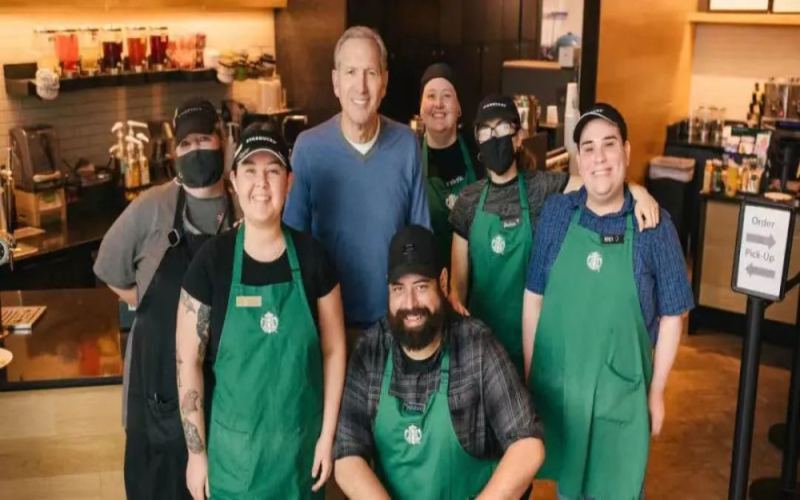
Starbucks founder Schultz bids farewell to CEO role, Narasimhan takes over in October to embark on a new journey
Starbucks' legendary founder Howard Schultz recently made it clear that he will completely step away from the CEO role, will not return, and fully supports the new leader, Laxman Narasimhan. Narasimhan will officially take office on October 1, and he candidly described the process as a "structured immersion" that gave him a valuable learning opportunity. Schultz, meanwhile, will remain on the board and serve as a long-term advisor, helping to safeguard Starbucks' future. At the same time, Starbucks is facing multiple challenges, including rising global costs, a sharp decline in same-store sales in China, and intense competition from local brands. How the new chief will lead the world's largest coffee chain in responding to these changes is worth watching. [more…]
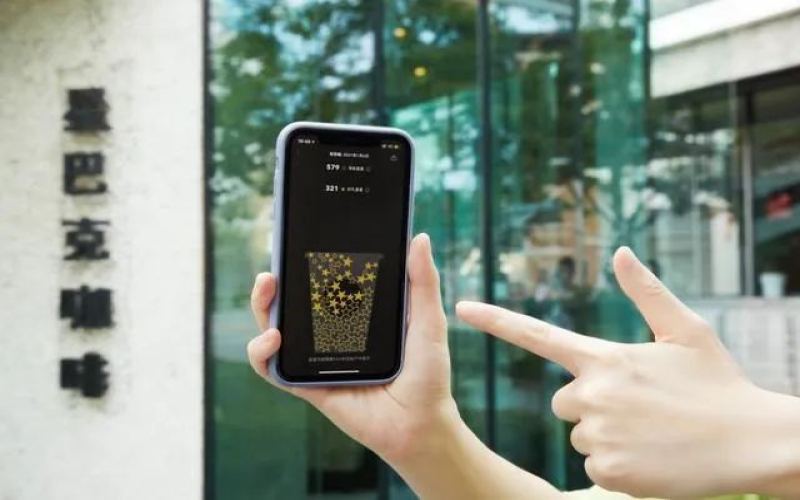
Major adjustment to Starbucks Rewards points rules: the number of stars needed to redeem a free coffee will increase.
Starbucks plans to make major adjustments to its Starbucks Rewards membership program in February 2023, with the redemption thresholds for most items set to rise, while only a few iced drinks will require fewer stars. This change has sparked widespread discussion among consumers, while Starbucks says the move is intended to maintain the long-term sustainability of the Rewards program. As one of the most successful membership programs in the world, Starbucks Rewards has a huge and active user base, and changes to its points rules touch the nerves of many coffee lovers. This article will sort out the details of the adjustment, member reactions, and the brand's official response, and review the program's development history and recent innovative attempts. [more…]
Starbucks CEO Kevin Johnson Retires, Howard Schultz Steps In Again to Take the Helm in a Time of Crisis
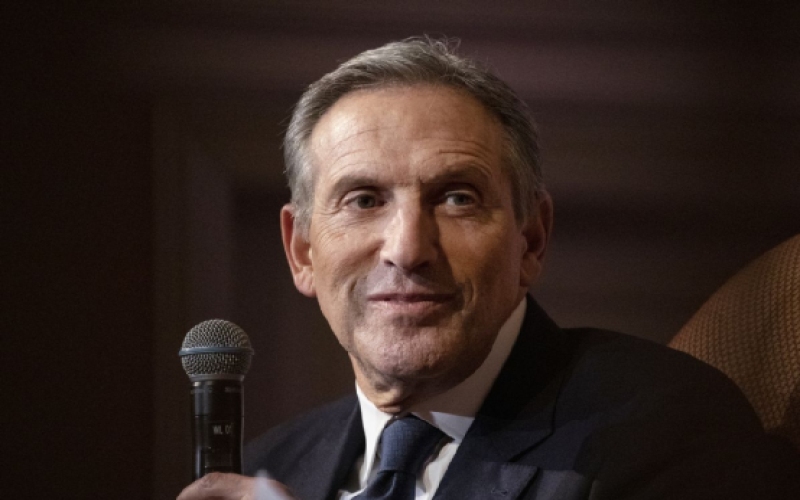
Starbucks recently announced a high-level personnel change: current CEO Kevin Johnson is about to retire, and the legendary figure Howard Schultz, who had stepped back from the spotlight, will temporarily return starting April 4, 2022, as interim CEO until a permanent successor is found. Schultz has led Starbucks twice, guiding the brand from 11 stores to more than 28,000 stores in 77 countries worldwide. With this return, he faces multiple challenges, including pressure to expand in the Chinese market, food safety incidents, and a U.S. union vote. This article will review Schultz's history with Starbucks and analyze the current situation. [more…]
How to Properly Brew Starbucks Coffee Beans? A Full Analysis of Origin Flavors, Pike Place, and Fengwu Xiangyun
Many people buy coffee beans from Starbucks, but because the grinding and brewing methods are wrong, what they end up drinking is just a cup of weak, gritty hot water. Starting from this problem, this article explains clearly why coffee grounds need to be filtered, why coffee grounds cannot be consumed directly, and the bean selection and roasting logic behind how Starbucks coffee beans traveled from Seattle's Pike Place Market to the world. The article will also introduce the flavor characteristics of Pike Place Roast, the Feng Wu Xiang Yun blend involving China's Yunnan, and the complete tasting method of smelling the aroma, sipping, and taking a full mouthful, helping coffee lovers truly understand the time, temperature, and extraction details behind a cup of Starbucks coffee. [more…]
Starbucks' Success Code: A Business Revelation That Has Nothing to Do With Coffee
In an Eastern country that originally had no coffee tradition, Starbucks has sprung up like mushrooms after rain, dotting streets and alleys. For casual chats with friends, small family gatherings, and business meetings, people invariably choose to go there. Do we truly know how to appreciate coffee? Is Starbucks coffee really a cut above the rest? Is a latte worth the several dozen yuan it costs? The answer may not be certain, but Starbucks' brilliance is an indisputable fact. It has not only overturned our beverage preferences and reshaped our consumption concepts, but also quietly permeated our cultural perception. How was all this achieved? Howard Behar provides the answer in "Starbucks: Everything Is About Coffee Except the Coffee." This article takes you through the growth trajectory of this coffee giant and analyzes its "people-first" leadership wisdom. [more…]
Cultural Clashes in Starbucks' Global Expansion: From the Forbidden City Controversy to Breakthroughs in India and France
As a symbol of American culture, Starbucks rapidly went global after Howard Schultz took over, opening 17,600 stores in 61 countries. However, when Starbucks entered countries with deep cultural traditions such as China, India, and France, it frequently encountered cultural resistance and controversy. From being forced to withdraw from its Forbidden City store, to the long wait in the Indian market, to the French people's steadfast defense of traditional cafés, Starbucks, while exporting American coffee culture, has also had to face the stubborn resistance of local cultures. This article will walk you through Starbucks' path of cultural conflict and integration around the world, and explore the balance between business expansion and cultural respect. [more…]
Starbucks Enters the NFT Digital Collectibles Space: Can the Coffee Giant Break Through with the Metaverse?
Starbucks' performance in China continues to decline, and it is trying to reshape its brand appeal by launching NFT digital collectibles and building a virtual "third place." However, the NFT market is highly volatile and mired in controversy, and whether Starbucks can break through via the metaverse remains uncertain. This article sorts out the ins and outs of Starbucks' NFT plan and presents the different voices of netizens and industry insiders. [more…]