







Search Results for: Ted Estate
Ethiopian Sidamo Coffee: Terroir, Variety Characteristics, and a Comparison of Natural and Washed Flavors in the Tade Estate, with Front Street Recommendations
Sidamo is a highly representative single-origin coffee region in Ethiopia, known for its bright citrus-lemon acidity, rich floral aromas, and intense fermented fruit flavors. This article focuses on the varietal characteristics of Sidamo, the terroir of the Ted Estate production area, and the flavor differences brought by the washed and natural processing methods, offering a detailed analysis of the clean and refreshing washed profile versus the wild fruit charm of the natural profile, including typical notes such as blueberry, red wine, and dark chocolate. It also introduces the G2 and G4 export grades, the distinctive features of the Shakiso origin, and the legend of the Deva Valley. At the same time, it retains Front Street Coffee's recommendations for natural Sidamo and washed Sidamo, along with pour-over tasting suggestions, helping coffee enthusiasts gain a comprehensive understanding of the charm of this region. [more…]
Yunnan Geisha Coffee Bean Flavor Profile and Price Analysis: The Aini Estate Variety Story and Front Street Coffee Recommendation
In recent years, the Yunnan coffee-producing region has continued to expand the varieties it cultivates, from the common Typica, Bourbon, and Catimor to the Geisha introduced by Aini Estate, whose cupping performance has been surprising. This estate, located in Pu'er, welcomed more than 30 precious varieties seven years ago with the assistance of Starbucks and the Yunnan provincial government, and has now become a world coffee variety exposition garden. This article walks you through the flavor and price of Yunnan Geisha, and sorts out the characteristics of varieties such as Caturra, Catuai, Villalobos, and Regina, while retaining Front Street brand recommendations, to provide coffee enthusiasts with a guide to Yunnan coffee varieties. [more…]
A Complete Analysis of Ethiopian Sidamo Coffee Beans: Tade Estate Flavor Profile and Comparison with Yirgacheffe
Sidamo is a historic specialty coffee region in southern Ethiopia. Its diverse terrain, fertile volcanic soil, and rich native varieties give rise to a unique flavor profile interweaving citrus, floral notes, and wine-like acidity. This article systematically sorts through the core knowledge of Sidamo coffee—from the region's history, geographical environment, and green bean characteristics to its connection with Yirgacheffe—and introduces the cup profile of coffee from Tade Estate. The range of Sidamo and Yirgacheffe products recommended by Front Street Coffee is suitable for various extraction methods such as pour-over and cold brew, helping coffee lovers gain a deeper understanding of the charm of this region hailed as "the representative of African specialty coffee." [more…]

Yunnan Coffee Origins: Variety and Flavor Evolution: From Typica to Catimor, Front Street Coffee's Journey Toward Specialty Typica
Yunnan coffee has gone through a tortuous journey: from missionaries introducing Typica, to large-scale cultivation in the 1960s to repay Soviet loans, to Nestlé promoting the Catimor variety in the 1980s. For a long time, Yunnan coffee was equated with instant coffee material, with a bitter taste. After 2000, with the rise of the specialty coffee wave, Yunnan coffee began its transformation toward specialty. Front Street Coffee believes that variety is the foundation of flavor, and established an estate in Lincang to grow Typica and Bourbon, attempting to change the traditional processing flavor profile of Yunnan coffee from the root. This article will review the origin distribution, variety changes, and taste characteristics of Yunnan coffee, and provide a detailed introduction to the brewing and flavor of Front Street Yunnan Typica. [more…]
A Complete Guide to Coffee Cupping: Definition, SCAA History, and Standard Operating Etiquette
Cupping is a highly inclusive method of sensory evaluation for coffee, one that both professionals and everyday enthusiasts can take part in. Through a standardized process of roasting, extraction, and tasting, it translates a coffee's aroma, flavor, and mouthfeel into quantifiable scores, thereby allowing one to judge quality and identify strengths and weaknesses in flavor. This article will guide you through the basic concepts of cupping, its historical evolution from trade quality control to specialty coffee competitions, and the etiquette rules that must be observed in actual practice. It also retains relevant recommendations from the Front Street brand, making it suitable reading for any enthusiast who wants to gain a deeper understanding of coffee evaluation. [more…]
A Complete Guide to Hawaii's Coffee Regions: From Growing History to Kona Flavor and Specialty Bean Roasting
The Hawaiian Islands lie south of the Tropic of Cancer, and thanks to their volcanic soil and tropical climate, they produce coffee that is recognized worldwide as exceptional. The Kona growing region is the most famous, yet the history of coffee cultivation in Hawaii has been full of ups and downs—from its first introduction in 1825 to infestations of pests and diseases, and then the rise of small estates, spanning nearly two centuries. This article examines the full picture of Hawaiian coffee, from the history of its growing regions and flavor characteristics to the Kona certification system and emerging sub-regions such as Kau, Hamakua, and Puna, and explores how roasters like Front Street Coffee bring out its distinctive charm. [more…]
In-Depth Analysis of Hawaiian Kona Coffee Beans: Variety Characteristics, Historical Origins, and Recommended Well-Known Brands
The Hawaiian Islands lie near the Tropic of Cancer, where volcanic soil and a tropical climate give rise to the world-famous Kona coffee. This article provides a comprehensive overview of the history of coffee cultivation in Hawaii, its quality characteristics, the distribution of major growing regions, and its certification system, and also introduces well-known brands such as Kona Mist and their online direct-sales model. At the same time, Front Street Coffee recommends a number of Hawaiian specialty coffee beans to help enthusiasts gain a deeper understanding of the unique appeal of this top-tier growing region. From its introduction in the 19th century to today's specialty-oriented development, Hawaiian coffee has traveled a rugged yet glorious path. [more…]
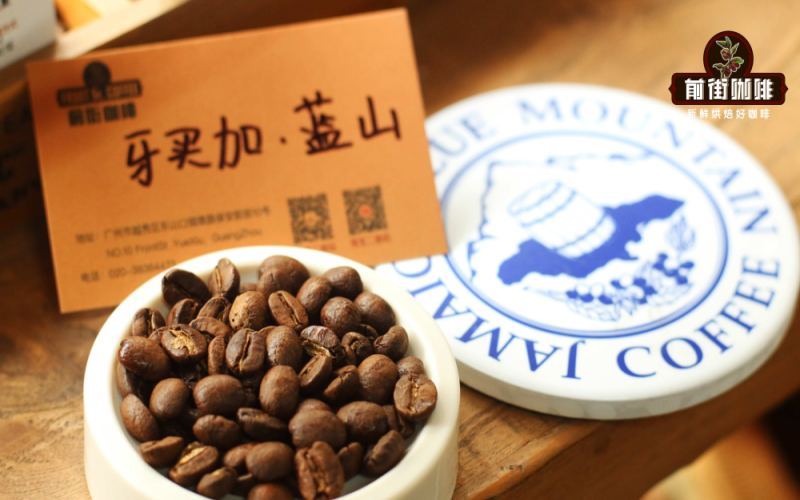
Specialty Pour-Over Coffee Brand Selection Guide: A Complete Analysis of the Flavors and Mouthfeel of Ten Single-Origin Bean Regions
Facing an increasingly rich specialty coffee market, how do you find the pour-over coffee beans that truly suit you? Starting from the definition of specialty coffee, this article sorts through the journey from Erna Knutsen proposing the concept to the SCAA establishing the 80-point cupping standard, and emphasizes that single-origin coffee is not equal to specialty coffee. With more than ten years of accumulation, over 50 single-origin beans, and a fresh-roasting philosophy, Front Street Coffee has selected 10 representative coffee beans for enthusiasts with different taste preferences, covering classic origins such as the Ethiopian Yirgacheffe series, Costa Rican honey process, Indonesian Mandheling, Brazilian coffee, and Jamaican Blue Mountain, introducing their flavor characteristics and mouthfeel performance one by one. [more…]
From Yirgacheffe to Golden Mandheling: A Complete Guide to Choosing Front Street Coffee's Hand-Brewed Specialty Single-Origin Beans
What kind of beans deserve to be called specialty? And which one should a beginner start with for pour-over? This article begins with the "taste of place" proposed by Ms. Knutsen in 1974, outlines the SCAA's 80-point cupping standard, and introduces Front Street Coffee's lineup of over 50 beans cultivated over more than a decade, along with the freshness guarantee of roasting and shipping on the same day an order is placed. Then, following three main directions—floral and fruity, fermented winey, and traditionally rich—it explains one by one the origins and flavor characteristics of ten single-origin beans, including Yirgacheffe Red Cherry, Gutingding, Woka, Costa Rica Honey-Processed Blackberry and Mozart, PWN Golden Mandheling, Brazil, Blue Mountain No. 1, and Bird of Paradise, helping you find the cup that suits you best. [more…]
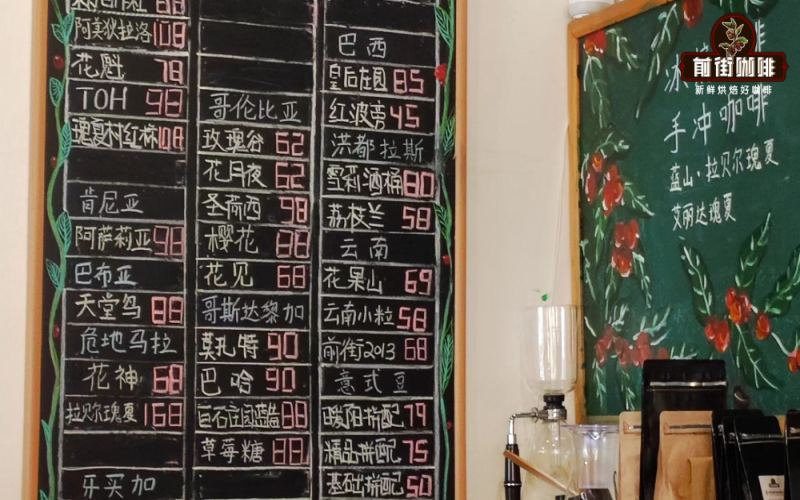
Yunnan Small-Bean Coffee Varieties, Grades, and Regional Stories: A Pour-Over Flavor Analysis from Zhukula to Baoshan
The origins of Yunnan coffee can be traced back to 1904, when French missionary Tian Deneng planted the first Typica tree in Zhukula Village, Binchuan. Over more than a century, this land has nurtured a unique arabica coffee culture. This article begins with the history of Zhukula and extends to the terroir differences between the two core producing regions, Pu'er and Baoshan. It systematically sorts out the variety sources of Yunnan arabica coffee, the shifting balance between Typica and Catimor, and the details of the washed processing method. It also includes the cupping performance and V60 brewing recipes for two beans from Front Street Coffee, Yunnan Huaguoshan and Yunnan Arabica, providing coffee lovers with a complete cognitive framework from origin to cup. [more…]

From Price to Flavor: A Comprehensive Analysis – A Must-Read Guide to Eight Major Brands for Coffee Bean Selection by Beginners
Friends who are new to coffee are often confused: how exactly should you choose coffee beans? What is the difference between specialty coffee and ordinary commercial beans? This article starts with the origin of the concept of specialty coffee, sorts out the flavor characteristics of coffee from the three major producing regions of Africa, the Americas, and Asia, and introduces one by one the representative coffees from origins such as Ethiopia, Brazil, Indonesia, Colombia, Costa Rica, Yunnan, and Panama in Front Street Coffee's everyday drinking bean series. At the same time, the article also shares the influence of pour-over pouring techniques and coffee bean freshness on flavor, helping beginners build their own coffee selection framework from scratch and find the cup that truly suits their taste. [more…]

The Two-Generation Evolution of the Coffee Flavor Wheel: A Comparative Interpretation of the SCAA Specialty Coffee Flavor Maps from 1995 to 2016
The Coffee Taster's Flavor Wheel is an important tool for every coffee enthusiast and professional to understand coffee flavors. From the first edition of the flavor wheel published by the SCAA in 1995 to the comprehensively revamped new flavor wheel in 2016, the two generations differ significantly in structure, classification logic, and sensory description. This article will compare the design concepts and methods of use of the old and new flavor wheels from a professional perspective, analyze the background and significance of the birth of both versions, and help you cup and taste coffee more accurately. When you come to Front Street Coffee, you can see physical displays of both versions of the flavor wheel in the shop, and follow this article to gain a deeper understanding of the evolution of the Coffee Taster's Flavor Wheel. [more…]
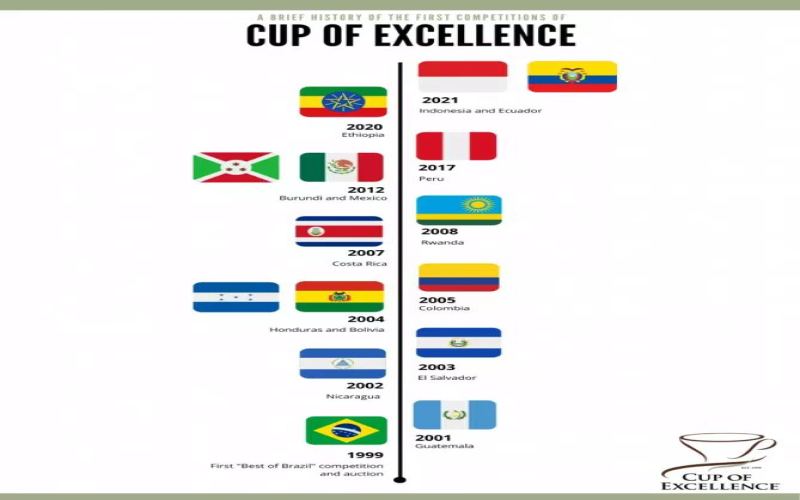
An Analysis of the SCAA and COE Coffee Certification Systems: Differences in Scoring Standards and Their Essential Distinction from SOE
In the world of specialty coffee, the SCAA and COE are two authoritative systems that cannot be overlooked. The former established industry standards and cupping protocols, while the latter selects top-tier green beans through rigorous competitions. How do their scoring logics differ? And why are COE and SOE often confused? This article will trace the development and operational mechanisms of the SCAA, CQI, and COE, explain in detail the differences in cupping score sheets, and use the example of the 22nd-place sun-dried Typica that Front Street Coffee bid for at Ethiopia's first COE competition in 2020 to present the complete story from origin to cup. [more…]

A Guide to Choosing Single-Origin Specialty Coffee Beans by Region: Pour-Over Flavor Profiles and Brand Recommendations
Want to get into single-origin pour-over coffee beans but don't know which region to start with? Starting from the definition of specialty coffee, this article sorts out the flavor differences among the three major producing regions of Africa, Asia, and the Americas, and introduces one by one the taste characteristics of representative origins such as Ethiopia, Brazil, Indonesia, Colombia, Guatemala, Costa Rica, Yunnan, and Panama. It also shares Front Street Coffee's approach to selecting everyday beans—focusing on washed processing and carefully selecting by producing region—to help coffee lovers find the cup that suits their taste. [more…]
A Complete Guide to the SCA Coffee Flavor Wheel HD Wallpaper: From the Old Version to the New, Teaching You How to Understand and Apply the Flavor Wheel
Have you ever wondered where those citrus, berry, chocolate and other flavor descriptions on coffee packaging come from? This article provides a detailed interpretation of the SCA Coffee Flavor Wheel, starting from the first edition released by the SCAA in 1995, tracing its background, the classification logic of positive and negative flavors, and the major updates in the 2016 new edition. The article not only explains the different roles of taste and smell in coffee cupping, but also introduces the simplified consumer flavor wheel launched by the Belgian company Cuperus. Front Street Coffee takes you through a systematic understanding of the design intent and practical application of the coffee flavor wheel, helping beginners build sensory awareness more quickly and understand the language of flavor communication in cupping. [more…]
A Flavor Guide to Twelve Specialty Hand-Brew Coffee Bean Regions and Front Street Coffee Daily Bean Recommendations
In the world of specialty coffee, there is no absolute ranking of what tastes best—only the cup that suits your own palate. This article begins with the origins of the specialty coffee concept, systematically sorts out the flavor differences among the three major producing regions of Africa, the Americas, and Asia, and introduces one by one the regional characteristics and taste profiles of twelve common specialty pour-over coffee beans, including those from Ethiopia, Brazil, Indonesia, Colombia, Guatemala, Costa Rica, Yunnan, and Panama. At the same time, the Front Street Coffee (FrontStreet Coffee) everyday beans series, as representatives of each producing region, provides coffee lovers with a clear path from beginner to advanced. Whether you are a novice just getting into black coffee or a veteran looking for daily everyday beans, you can find your own flavor coordinates in it. [more…]
From Origin to Processing Method: A Full Analysis of Single-Origin Coffee Flavor Profiles and Front Street Coffee Everyday Bean Buying Guide
In the world of coffee, there is no universally recognized "best-tasting ranking," because taste varies from person to person—what truly suits you is the best. This article begins with the origins of the specialty coffee concept, sorts out the flavor differences among the three major producing regions of Africa, Asia, and the Americas, and introduces one by one the coffee characteristics of representative origins such as Ethiopia, Brazil, Indonesia, Colombia, Guatemala, Costa Rica, Yunnan, and Panama. At the same time, drawing on Front Street Coffee's approach to selecting everyday beans, it explains the influence of washed and natural processing methods on flavor, as well as the role of pour-over pouring techniques and coffee bean freshness in the final cup, providing coffee lovers with a systematic reference for understanding and purchasing single-origin coffee. [more…]
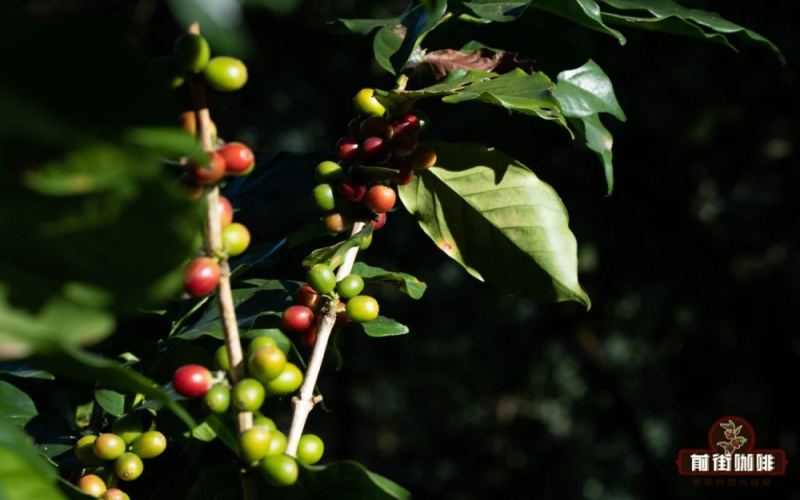
The Origins and Variety Evolution of Yunnan Small-Bean Coffee: A Planting Journey from Typica to Catimor
Yunnan is a coffee-producing region that cannot be overlooked on China's coffee map, and small-bean coffee is precisely the most representative variety of this land. From 1904, when a French missionary planted the first Typica tree in Zhukula Village, to today when Catimor has become the main cultivated variety, Yunnan small-bean coffee has undergone a thought-provoking evolution. This article will follow the two major producing regions of Pu'er and Baoshan to sort out the origins, variety changes, and processing methods of Yunnan small-bean coffee, while also presenting Front Street Coffee's cupping and brewing records for two beans, Yunnan Huaguoshan and Yunnan Small Bean, to help readers build a systematic understanding of Yunnan coffee. [more…]
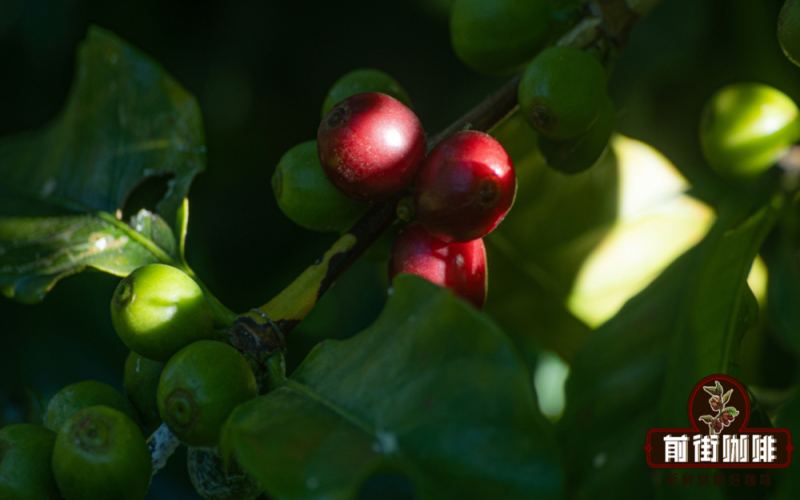
A Comprehensive Analysis of Coffee Cultivation and Varieties in Yunnan: Flavor Comparison of Catimor and Typica and Front Street's Practices in the Producing Region
Yunnan, as China's core coffee-producing region, has performed impressively in the specialty coffee market in recent years. This article focuses on the planting varieties, growing region conditions, and processing methods of Yunnan coffee, with emphasis on introducing the characteristic differences between the two major varieties, Catimor and Typica. It reviews the terroir overview of major producing regions such as Dehong, Baoshan, Lincang, and Pu'er, and shares Front Street Coffee's production philosophy of cultivating Typica in Baoshan and adhering to washed and natural processing. The article also includes specific information on three products—Front Street 2013 Typica, Yunnan Small-Bean Catimor, and Yunnan Natural Catimor—as well as roasting and pour-over parameter suggestions, making it suitable for enthusiasts who wish to gain a deeper understanding of Yunnan coffee. [more…]
How to Choose Beans for Pour-Over Coffee? A Full Breakdown of Representative Brands from Seven Major Origins and Key Buying Tips
Faced with a dazzling array of coffee beans, many enthusiasts don't know where to start. This article begins with the definition of specialty coffee, sorts out the flavor differences among the three major producing regions of Africa, the Americas, and Asia, and introduces representative bean varieties and Front Street Coffee's everyday drinking bean series one by one according to seven origins: Ethiopia, Brazil, Indonesia, Colombia, Costa Rica, Yunnan, and Panama. It also shares how pour-over pouring techniques and coffee bean freshness affect flavor, helping readers find the cup that suits their own taste. [more…]