







How do single-origin coffee flavor profiles differ by region?
There is no universal best-tasting coffee, because preference decides what counts as delicious. Price rankings are a different matter: Blue Mountain, Panama Geisha, and Indonesian kopi luwak sit among the most expensive coffees, yet a costly lot may not match personal taste. Single-origin coffees are grouped by the three main producing regions, and each carries recognizable tendencies shaped by variety, soil, and processing.
Africa, Asia, and the Americas each bring distinct cup character, with Ethiopia, Brazil, Indonesia, Colombia, Guatemala, Costa Rica, Yunnan, and Panama as reference origins. Washed processing tends toward clarity and acidity, while natural processing adds fruit and body. Pour-over technique and bean freshness also shift the final cup. The term specialty coffee was first used by Erna Knutsen in 1974 to separate quality beans from commodity coffee.
In the world of coffee, there is no universally recognized "best-tasting ranking," because taste varies from person to person, and what truly suits you is the best. This article begins with the origins of the specialty coffee concept, sorts out the flavor differences among the three major coffee-producing regions of Africa, Asia, and the Americas, and introduces one by one the coffee characteristics of representative origins such as Ethiopia, Brazil, Indonesia, Colombia, Guatemala, Costa Rica, Yunnan, and Panama. At the same time, combining Front Street Coffee's approach to selecting everyday beans, it explains the influence of washed and natural processing methods on flavor, as well as the effect of pour-over water-pouring techniques and coffee bean freshness on the final cup, providing coffee lovers with a systematic reference for understanding and purchasing single-origin coffee.
When it comes to coffee rankings, perhaps it is more accurate to call them coffee price rankings. Front Street believes that coffee can indeed be ranked by price; for example, Blue Mountain coffee, Panama Geisha coffee, and Indonesian kopi luwak all belong among the world's most expensive coffees. But if we are talking about a "ranking of the best-tasting coffees," Front Street feels there is no absolute answer. Everyone's taste preferences differ, and expensive does not necessarily mean it suits you best. Only the cup that matches your personal preference can truly be called delicious.
With the rise of the third wave of specialty coffee in China, more and more consumers' understanding of black coffee has gradually expanded from a simple awareness of Americano to concepts such as pour-over coffee and single-origin coffee. What is more commonly seen in coffee shops is Americano and espresso; especially when you take a moment to drink a cup amid a busy schedule, that sense of satisfaction often comes very directly.
Some people think that only coffee brewed from specialty coffee beans tastes good. So what exactly counts as specialty coffee? Is it the most expensive coffee?
In fact, the first person to use the word "specialty" to package coffee was Ms. Erna Knutsen, known as the "godmother of specialty coffee." In 1974, in an interview with Tea & Coffee, she proposed the concept of specialty coffee to distinguish high-quality coffee beans from mediocre commercial commodity coffee beans. She emphasized that the soul of specialty coffee lies in the unique terroir taste that different regions present because of differences in altitude, soil and water, climate, processing methods, and the care taken in cultivation. It is worth noting, however, that the term specialty coffee did not spread widely around the world until after the Specialty Coffee Association of America was founded. Specialty coffee values both the influence of origin terroir on coffee cultivation and the flavor and taste characteristics of the coffee itself.
In 1982, inspired by the godmother of coffee, Ted Lingle, Donald Schoenholt, and 48 others jointly founded the Specialty Coffee Association of America (SCAA). In 2009, the definition of specialty coffee was further refined: only coffee with a cupping score of 80 or above can be called specialty coffee.
Many friends first came to like coffee through espresso and Americano, and only later gradually moved toward black coffee. Black coffee is coffee brewed directly from coffee beans without adding any other ingredients. It tastes completely different from Americano and espresso, so feelings such as "coffee is bitter" or "coffee is sour" can arise. But black coffee best reflects the flavor of the local coffee beans themselves, and this is also what coffee lovers pursue.
So how should pour-over coffee beans be chosen?
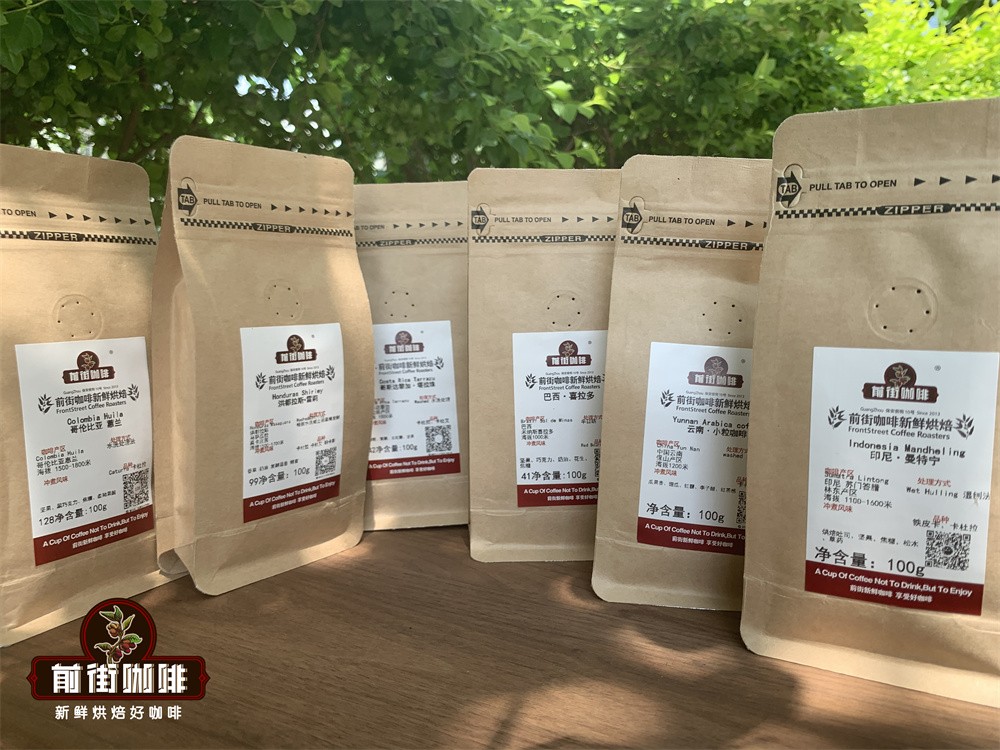
Whether single-origin beans or espresso beans, the core requirement is freshness. For single-origin beans, look at origin, altitude, and processing method; for espresso beans, look at the blend formula. Coffee is mainly divided into three major regions: African beans are dominated by floral and fruity aromas and pronounced acidity; Asian beans are dominated by nutty, herbal notes and a full-bodied feel; American beans are dominated by a balanced profile reminiscent of nuts and chocolate. Front Street's everyday beans are all representative coffees from major producing regions and have clear regional flavors. Coffee beans were initially mainly washed and natural, and the various later processing methods all developed on the basis of washed or natural processing. Front Street believes that washed coffee beans better reflect the local coffee flavor, so Front Street's everyday beans are mainly washed coffees, carefully selected by Front Street from multiple producing regions and able to represent a certain region or a certain processing method.
Below, Front Street introduces Front Street Coffee's everyday beans:
[Front Street Coffee · Ethiopia]
First, Ethiopian coffee must be mentioned. Ethiopia is currently Africa's largest coffee-producing country and is also recognized worldwide as the birthplace of coffee. It has a great variety of coffee varieties, and the beans are mostly named after their producing regions. Among them, the Yirgacheffe region and the Sidamo region are the most famous. In the 1970s, in order to improve the quality of green coffee beans, the government introduced the washed processing method. Later, coffee beans from the Yirgacheffe region were mostly washed, such as the washed Yirgacheffe coffee from the Yirgacheffe region, whose main flavors are jasmine, citric acidity, and berry notes; coffee beans from the Sidamo region are mainly natural, such as Front Street Sidamo Natural Huakui coffee, whose main flavors are berries, floral notes, jackfruit, melon, and honey.
Precisely because Ethiopia is coffee's gene bank, the coffee flavors of different regions still differ. Therefore, in order to let everyone taste more of the coffee flavors from different Ethiopian regions, Front Street has brought in more than a dozen Ethiopian coffee beans alone, such as Front Street Yirgacheffe Kochere coffee, Front Street Yirgacheffe Natural Red Cherry coffee, Front Street Yirgacheffe Konga coffee, Front Street Yirgacheffe Gesha Village Red Label coffee, and so on.
[Front Street Coffee · Brazil]
Next is Brazilian coffee. Brazil is the world's number one coffee-producing country, and even with its enormous output, there is no shortage of high-quality Brazilian coffee beans. When friends ask Front Street for recommendations of coffee beans that are not sour, Brazilian coffee is the first choice of Front Street Coffee's baristas. Because coffee cultivation in Brazil mostly uses sun-drying cultivation, the coffee fruit can ripen quickly in a relatively short time, so the beans are softer.
The flavor of Front Street Brazilian coffee is also that of soft beans, with gentle fruit acidity, good sweetness, a delicate and smooth entry, and overall balance. On Front Street's bean list there are two Front Street Brazilian coffees, namely Front Street Brazil Semi-Washed Red Bourbon coffee, one of the representatives of Front Street's everyday beans, and the specialty pour-over bean Front Street Brazil Queen's Farm coffee.
[Front Street Coffee · Indonesia]
When it comes to Indonesian coffee, not only the expensive kopi luwak is famous, but also the classic Indonesian Mandheling coffee. Although kopi luwak comes from Indonesia, it is limited in quantity and has a special fermentation method; Mandheling coffee, on the other hand, is processed according to the local climate through the distinctive wet-hulling method. Because Indonesia's local weather is unpredictable and it rains frequently, and because economic conditions at the time were relatively backward, with insufficient funds for fully washed processing, the highly distinctive semi-washed processing method, wet-hulling, came into being, thus creating a unique flavor in the world. Indonesian Mandheling coffee's flavor also made wet-hulling what it is. Therefore, Front Street chose Indonesian Mandheling coffee as the representative coffee of the Indonesian region. The Front Street Mandheling coffees listed by Front Street include: Front Street Indonesia Lintong Mandheling everyday beans and Front Street PWN Golden Mandheling coffee.
The mouthfeel of Front Street Indonesian Mandheling coffee is richer and smoother than that of Front Street Jamaica Blue Mountain coffee, even carrying notes of herbs and spices, while the mouthfeel of Front Street PWN Golden Mandheling coffee is cleaner and smoother.
[Front Street Coffee · Colombia]
Colombian coffee is one of the few single-origin coffees sold under a country name. Friends familiar with Colombia's "four treasures" all know that coffee is one of Colombia's "four treasures." Colombia has a mild climate and humid air, and its diverse climate makes it a harvest season all year round, with coffees of different types and from different regions ripening one after another at different times. Colombian coffee has a unique quality, a rich taste, and an endless aftertaste, and can be called a specialty coffee.
Among Front Street Coffee's everyday beans, Front Street Colombian coffee beans come from the Huila region. The Huila region is Colombia's most famous specialty coffee region, surrounded by mountains, with cultivation at altitudes above 1,500 meters. Colombia's most important rivers meet here, bringing abundant moisture and water resources. Colombian coffee is mostly dominated by floral notes and soft fruit acidity, such as Front Street Colombia Rose Valley coffee, Front Street Colombia Flower Moon Night coffee, and so on.
[Front Street Coffee · Guatemala]
When talking about Guatemalan coffee, some veteran coffee drinkers may first think of a "smoky" note. Soft acidity and a balanced mouthfeel are the characteristics of Front Street Guatemalan coffee, and also the characteristics of Central American coffee. The Huehuetenango region is surrounded by three volcanoes, providing rich minerals for the soil here. The altitude here can even exceed 2,000 meters, and the coffee produced has rich fruit flavors.
For Guatemalan coffee, Front Street has two options: Front Street Guatemala Huehuetenango everyday bean coffee and Front Street Guatemala La Flor coffee.
[Front Street Coffee · Costa Rica]
Costa Rican coffee is a representative of "sweet as honey," mainly because Costa Rican coffee beans are famous for honey processing. Costa Rica cultivates coffee at high altitudes, with a large temperature difference between day and night, and is surrounded by fertile volcanic soil, which makes Costa Rica rich in strictly hard beans (SHB grade). Costa Rican coffee has ample sweetness.
For example, on Front Street's bean list, the raisin honey-processed Front Street Costa Rica Mozart coffee, Front Street Costa Rica Baja coffee, and Front Street Costa Rica Mirazu coffee have the sweetness of raisins and blueberries, along with the fragrance of osmanthus and roses.
[Front Street Coffee · Yunnan Coffee]
When talking about coffee, our own country's coffee is naturally indispensable. As a local coffee, Yunnan coffee has now slowly entered everyone's view and made people fall in love with its nutty, brown sugar, and tea-like taste. China's coffee cultivation actually has three producing regions, namely Fujian, Hainan, and Yunnan. However, because Fujian and Hainan are coastal areas with high temperatures and low altitudes, they cannot grow Arabica coffee trees. China's specialty coffee cultivation is concentrated in Yunnan Province. Yunnan small-bean coffee is strong but not bitter, fragrant but not harsh.
Front Street currently sells three Yunnan coffees: Front Street Yunnan Washed Small-Bean coffee, Front Street Yunnan Natural Catimor coffee, and Front Street 2013 Natural Typica coffee grown at Front Street's own estate.
[Front Street Coffee · Panama Coffee]
Panamanian coffee is most famous for Geisha coffee, and among these the most famous is the Geisha coffee from Panama's Hacienda La Esmeralda, with a balanced and smooth taste of citrus, berries, and floral notes, very delicious. But for friends who want to try Geisha coffee, Hacienda La Esmeralda's coffee may be a bit expensive. In order to let more friends taste the flavor of Panama Geisha coffee, Front Street has made Front Street Panama Boquete Geisha coffee from the Boquete region of Panama an everyday bean.
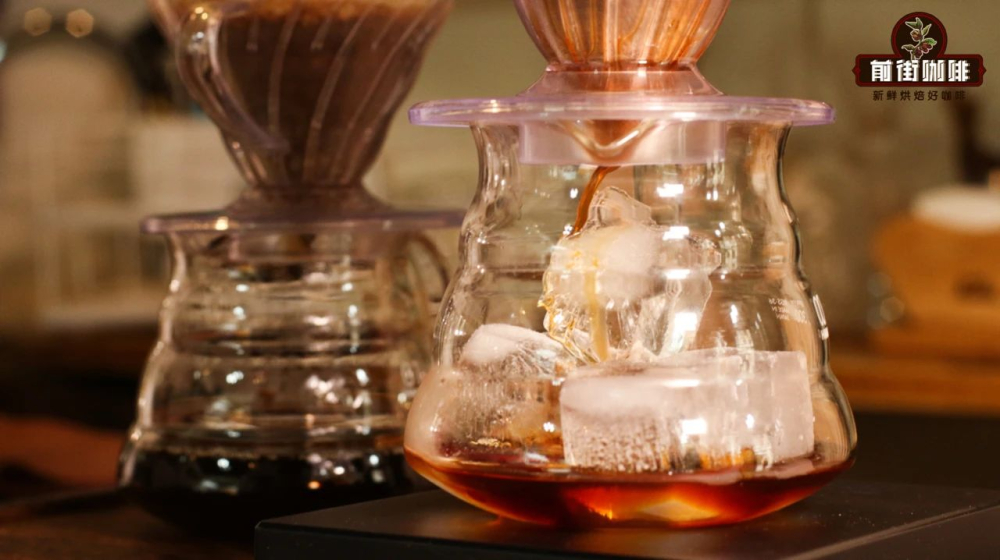
In fact, Front Street believes that no matter which region's coffee beans they are, they can be brewed into a delicious cup. This mainly depends on the pour-over method. In pour-over coffee, the dripping process is completely controlled by hand, and the pouring method has a great influence on the final flavor. The size of the water stream when pouring also affects the flavor and mouthfeel. Using a small water stream to pour, the liquid level in the dripper will not rise much, the powder layer on the wall of the cup will be thicker, the extraction time will be extended, the coffee concentration will become higher, and the mouthfeel will be heavier. In addition, the speed of circling also affects the flavor. When the circling speed increases, the washing force of the water increases, and the degree of churning of the coffee bed in the cup increases, thereby raising the extraction rate. Therefore, Front Street's brewing and pouring methods are mainly based on the three-pour technique.
Another important factor is the freshness of the coffee beans. Front Street believes that delicious coffee must have fresh coffee beans, so the coffee beans shipped by Front Street Coffee are all within 5 days of roasting. Front Street's roasting principle is "freshly roasted good coffee," so that every customer who places an order receives the freshest coffee. The resting period for coffee is about 4-7 days, so when customers receive it, it is exactly at its best flavor.
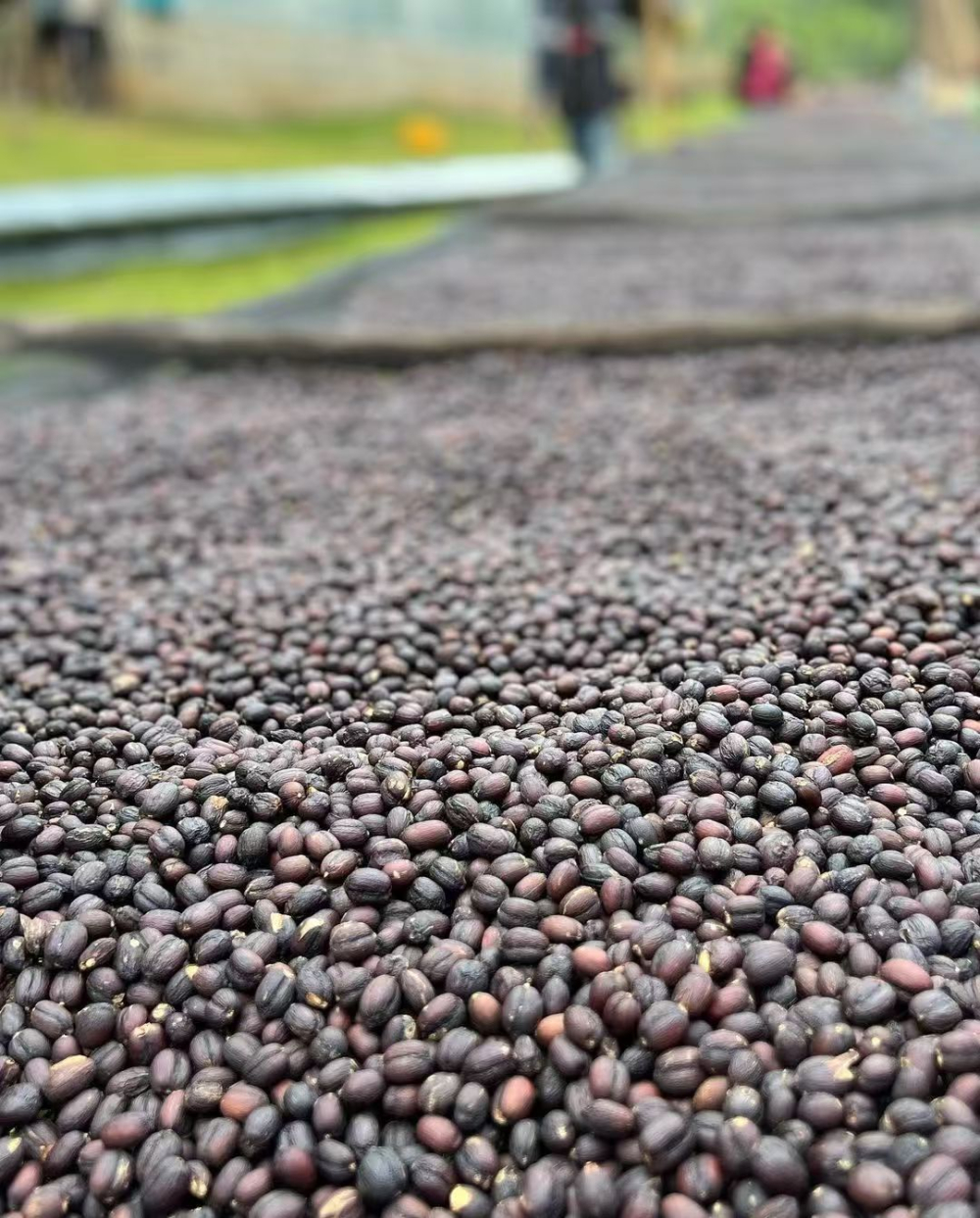
For friends who need ground coffee, Front Street warmly reminds you: once coffee beans are ground in advance, they no longer need to be rested, because during transportation, the pressure produced by carbon dioxide inside the package can also make the coffee flavor rounder, so once you receive the ground coffee, you can immediately brew a cup and drink it. However, ground coffee needs to be brewed promptly, because after ground coffee contacts the air it oxidizes relatively quickly; in other words, the coffee's flavor will dissipate relatively quickly and will not be as good. Therefore, Front Street recommends buying whole beans and grinding fresh for each brew, so that you can better taste the coffee's flavor.
As for which coffee tastes good, that depends on the individual, after all, everyone likes different flavors. If possible, Front Street suggests everyone try more coffee flavors from different regions and experience different coffee cultures.
The above content is compiled by CoffeeHunters, a coffee news website.


