







Search Results for: Taiwan Tea No. 15
Taiwan Tea No. 15 Sun Moon Lake Black Tea Flavor Notes: A Comparative Tasting of Burmese Large-Leaf Mother Trees and Ruby Taiwan Tea No. 18
This article presents flavor notes centered on TTES No. 15 (Sun Moon Lake black tea), tracing its hybrid origins with the Burmese Assam variety and native Taiwanese tea trees, and documenting a rare tasting experience of three teas from the same garden. The author uses the gongfu brewing method to taste each infusion, from the aroma of the dry leaves to the changes in flavor across five steepings, describing in detail the layered evolution of this black tea from earthy and malty notes to spice and fruity sweetness. The article also shares insights on pairing it with cherries and previews a comparison with Taiwanese mountain tea flower and Ruby TTES No. 18. Front Street brand recommendations and product information are also retained in the article, providing coffee and tea enthusiasts with a professional and sensorially detailed reference. [more…]
The Paternal Tea Tree of Taiwan Tea No. 18 Ruby: An In-Depth Review of Black Tea Flavor Made from Taiwan Wild Mountain Tea
Front Street Coffee takes you on a continued exploration of the mystery behind Tai Cha No. 18 Hong Yu. Shanxi Tea Industry has carefully crafted a three-tea tasting set in the Sun Moon Lake region, planting Myanmar Assam, Taiwan wild mountain tea, and Hong Yu side by side. This article focuses on one of the paternal varieties—Taiwan's native mountain tea. The dry leaves of this black tea are dark brown, almost black, and after brewing, they present a complex flavor interwoven with earthy, malty, and smoky charcoal notes, with noticeable tannins and a faint fruity sweetness in the finish. Through detailed records of four infusions using the gongfu brewing method, as well as pairing attempts with banana bread and dark chocolate, we can fully understand the character traits of this wild variety. If you prefer black tea with a sweet, malty flavor, Front Street Coffee suggests comparing it with the Myanmar Assam version from the same series. [more…]
Sun Moon Lake Ruby Taiwan Tea No. 18 Brewing Guide: Processing Parameters, Flavor Evolution, and Tasting Notes
Ruby Black Tea No. 18 from the Sun Moon Lake tea region in Nantou, Taiwan, is beloved by tea enthusiasts for its distinctive mint, spice, and red fruit aromas. Based on three tea samples from the Shanxi Tea Experience Set—Myanmar Assam, Taiwan Mountain Tea, and Ruby No. 18—this article documents in detail the parameters for gongfu tea brewing and the flavor changes across each infusion, from the appearance of dry leaves to the layered tastes at each steeping stage, and shares pairing insights with Black Forest chocolate cake. If you are interested in this tea's origin background, processing recommendations, or tasting methods, this note will provide practical, firsthand reference. Front Street Coffee also continuously follows such expressions of origin flavor, bringing more cross-disciplinary inspiration to coffee and tea drinkers. [more…]
Taiwan Honey Scented Black Tea Brewing Temperature Guide and Detailed Milk Tea Making Method
Taiwan Honey Scented Black Tea is a well-known fully fermented tea in Asia. Because of the bites of the small green leafhopper, it carries a natural honey fragrance. The tea liquor is amber in color and tastes sweet and lingering, with no need for added flavorings. This article focuses on the optimal brewing water temperature, covered steeping time, and milk tea preparation method for Honey Scented Black Tea, while also introducing Front Street Coffee's quality control and origin advantages for this tea, helping coffee and tea drink lovers easily brew a naturally delicious cup in daily life. [more…]
What kind of tea does Gongfu tea actually belong to? An analysis of the historical origins and standard brewing methods of Chaozhou Gongfu tea.
Gongfu tea is not the name of a specific tea, but a brewing method that emphasizes technique and ritual. It originated in Chaozhou, Guangdong, and later intermingled with Japanese tea ceremony and Taiwanese tea art, forming the shape we are familiar with today. Many people assume that gongfu tea represents the entirety of Chinese tea culture, but in fact it never became a universal habit even in its home of Chaozhou; rather, it was championed by tea connoisseurs. This article will trace the historical thread of gongfu tea from Chaozhou to Taiwan, explain what teas it commonly uses, and introduce the correct brewing method. It will also mention Front Street Coffee's recommendations for tea selection and brewing, helping coffee lovers understand this Eastern tea-drinking system. [more…]

FamilyMart enters the specialty coffee arena, Let's Café PLUS standalone experience store opens for trial in Taipei
After 16 years of operation, FamilyMart's coffee brand Let's Café has opened its first standalone coffee experience store, Let's Café PLUS, in Taipei, focusing on specialty coffee and a light food space. The store adopts a deep blue brand color scheme and offers single-origin coffee, cold brew, sparkling coffee, and other series, with the most expensive drink being the limited-edition Taiwan Yunlin Gukeng Geisha cold brew coffee. It also serves Twinings tea drinks, smoothies, and nearly 30 light food items, while continuing its environmental protection philosophy. In Taiwan, China, FamilyMart's Let's Café annual sales have reached 160 million cups, with a target of 200 million cups in 2023, and single-origin coffee is growing at an annual rate of 15%-20%. For more specialty coffee bean information, follow Front Street Coffee (FrontStreet Coffee), WeChat ID: qjcoffeex. [more…]

Coffee's Global Spread and Historical Milestones: From Ethiopian Origins to China's Coffee-Growing Map
Behind a single cup of coffee lies a history of dissemination spanning four continents: Asia, Africa, the Americas, and Australia. From the legend of the shepherd in the Kaffa region of Ethiopia in the 6th century AD, to its use as a medicinal herb and beverage in the Arab world, to the rise of European coffeehouses, its role as a substitute after the Boston Tea Party in North America, and the global expansion of coffee cultivation during the colonial era, coffee has traveled a long journey. Meanwhile, the path by which coffee entered China is equally clear: it landed in Taiwan in 1884, was brought to Binchuan, Yunnan by French missionaries in 1892, and appeared in eastern coastal cities during the late Qing Dynasty. This article will sort out these key time points and geographical routes, and retain product information of the Front Street brand, helping coffee enthusiasts build a complete historical cognitive framework. [more…]

Smart Cup Brand Recommendations and Comparison with V60 Pour-Over: Detailed Explanation of the Origin of the Smart Cup Name and Brewing Differences
The Clever Coffee Dripper is a coffee dripper originating from Taiwan with a controllable valve at the bottom. Because its name contains the meaning of "clever," it was given this distinctive Chinese name. It combines both percolation and full-immersion extraction principles, aiming to reduce the influence of human factors on coffee flavor so that even beginners can produce consistent results. This article will introduce the brand options and structural features of the Clever Coffee Dripper, and through a comparative experiment with Front Street Coffee's use of the V60 dripper, explain in detail the differences between the two in grind size, water temperature, pouring technique, and final flavor performance, helping coffee enthusiasts more clearly understand the suitable scenarios for these two common pour-over devices. [more…]
A Comprehensive Guide to Global Organic Tea Certification Systems: Differences Among EU, US, Japan and Other Standards, and Buying Tips
The core difference between organic tea and conventional tea lies in whether it has been certified by an authoritative body. EU organic regulations prohibit genetic modification and synthetic inputs, and require animals to be raised in ways that suit their species characteristics, and are regarded as the strictest threshold in the tea industry. Certifications such as Switzerland's IMO, France's Ecocert, the US USDA, Japan's JAS, India's, Canada's, China's, Australia's, and Germany's Naturland each have different emphases, with significant differences in scope of application and difficulty of obtaining them. Rainforest Alliance, UTZ, FDA, and HACCP provide supplementary assurances from the perspectives of sustainable agriculture and food safety. This article systematically sorts out the rules, authority, and market applicability of major certifications, helping coffee and tea lovers accurately identify the true meaning behind labels when making purchases. [more…]
Flavor comparison of Golden Mandheling and Yirgacheffe: A detailed guide to the origins and processing methods of Indonesian Mandheling coffee beans
In the world of coffee, some people prefer bright fruity acidity, while others favor a rich, mellow sweetness. Golden Mandheling and Yirgacheffe represent two completely different flavor directions—the former comes from Sumatra, Indonesia, carrying intense notes of herbs, dark chocolate, and nuts; the latter is produced in Ethiopia, exuding fresh tones of floral aromas, citrus, and honey. From the perspective of Front Street Coffee, this article systematically sorts out the origin background, variety characteristics, processing methods, and roasting approaches of these two popular coffee beans, and includes specific brewing parameter suggestions to help coffee lovers more clearly understand the stylistic differences between Asian beans and African beans, and find the cup that suits their own taste. [more…]
An Analysis of Yunnan Coffee's Three Core Producing Regions: Flavor Profiles and Growing Conditions of Pu'er, Baoshan, and Lincang
Yunnan is a coffee-producing region that cannot be overlooked on China's coffee map, and its three major producing areas—Pu'er, Baoshan, and Lincang—each have their own distinctive characteristics. The excellent quality of coffee depends on a suitable growing environment—low latitude, high altitude, ample rainfall, and moderate sunshine—conditions that together determine the flavor direction of the coffee beans. Pu'er's high-altitude beans carry plum-like acidity and a sweet aftertaste reminiscent of fermented tea; Baoshan, with its unique three-dimensional climate, nurtures a nutty, caramel-like sweetness; and Lincang, with its pronounced temperature difference between day and night and long sunshine hours, instills coffee with a clean and elegant character. Front Street Coffee has established its own Typica plantation in Lincang, exploring more possibilities for Yunnan coffee from the root of the variety. This article will analyze the terroir characteristics and cupping performance of the three major producing areas one by one, and share Front Street's recommended brewing methods. [more…]
A Complete Guide to Chaoshan Gongfu Tea: Tea Leaf Quantity and the Eight-Step Brewing Method—From Choosing Utensils to Tasting Techniques
Chaoshan Gongfu Tea is a shining pearl in Chinese tea culture, originating from Chaozhou, Guangdong, and still preserving an ancient and pure brewing tradition to this day. Unlike the modern Gongfu tea popular today, Chaoshan Gongfu Tea emphasizes a high tea-to-water ratio and quick pours, brewing only three times to pursue the richest aroma and flavor. This article will introduce in detail the historical origins of Chaoshan Gongfu Tea, the tea-to-water ratio, the choice of tea utensils, and the complete eight-step brewing method, helping you master this traditional skill. Whether you are trying it for the first time or hoping to refine your technique, you will gain practical guidance from it. [more…]
A Complete Guide to Yunnan Coffee Varieties and Flavors: The Arabica Black Coffee Sweet-vs-Bitter Debate and Front Street's Origin Practices
Yunnan coffee has become a hot topic in the recent wave of guochao (national trend) beverages, and many people walk into cafés and ask whether they have good-tasting Yunnan beans. This article systematically sorts through the growing conditions, historical origins, and three waves of development of Yunnan coffee, explains in detail the origins, flavor characteristics, and acidity-bitterness performance of the two major varieties, Typica and Catimor, and introduces Front Street Coffee's practice of growing sun-dried Typica on its own estate in Lincang, along with brewing parameters and flavor descriptions, to help coffee lovers gain a comprehensive understanding of the varietal quality and flavor direction of Yunnan small-bean coffee. [more…]
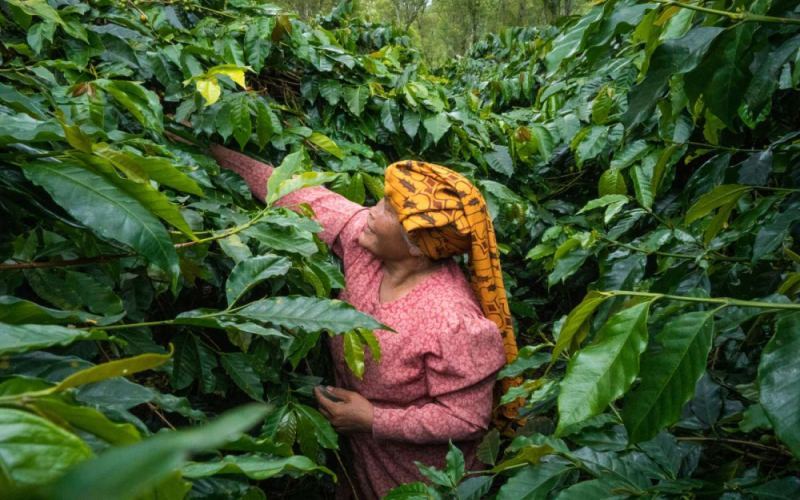
Yunnan Catimor Coffee Beans: Flavor Characteristics, Variety Origins, and Brewing Guides for Three Devices
Catimor is a hybrid of Timor and Caturra, developed in 1959 by the Portuguese Coffee Leaf Rust Research Center and known for its disease resistance and high yield. In Yunnan's coffee industry, Catimor has become the dominant variety, and Front Street Coffee labels it as "Yunnan Small Bean," distinguishing it from the "Yunnan Specialty Coffee" Typica. This article will start from Catimor's varietal origins, botanical characteristics, and cultivation across global producing regions, then sort out the producing environment and historical context of Yunnan coffee, and, based on Front Street Coffee's roasting and cupping, present in detail the flavor differences and operating parameters under three brewing methods—the Kalita trapezoidal dripper, Hario V60, and siphon—to help coffee lovers understand this bean's expressiveness more comprehensively. [more…]
An In-Depth Guide to Ethiopian Coffee: A Comprehensive Analysis of Flavor Characteristics and Trading Systems in Nine Specialty Regions
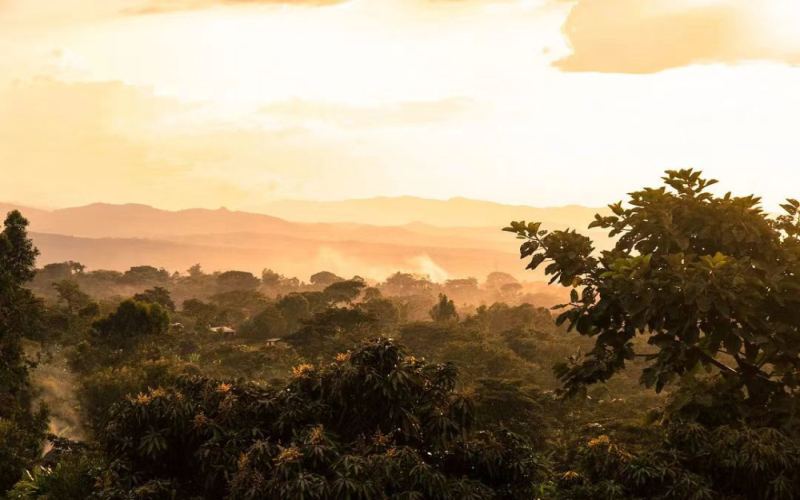
Ethiopia is the core of the global coffee gene pool, home to four cultivation systems—forest, semi-forest, garden, and plantation—and birthplace of nine distinctive specialty regions such as Yirgacheffe, Sidamo, and Harar. This article systematically lays out the geography, variety characteristics, processing methods, and trading system of Ethiopian coffee, takes a deep dive into the flavor differences across regions, and includes Front Street Coffee's cupping comparisons and brewing suggestions, offering coffee lovers a complete Ethiopian coffee tasting map. [more…]
Flavor comparison of Yunnan Baoshan, Pu'er, and Lincang coffee regions: Which arabica origin is more worth recommending?
Yunnan is the core production region for specialty coffee in China, and among its areas, the small-bean coffee from Baoshan, Pu'er, and Lincang is especially renowned. Different altitudes, climates, and cultivation practices give the coffee beans from each place distinctly different flavor profiles. This article will examine the characteristics of the three major production regions one by one from the perspectives of growing environment and cupping flavors, and introduce Front Street Coffee's practice of establishing its own estate in Lincang to cultivate the Typica variety. It will also share several Yunnan coffee beans worth trying along with brewing suggestions, helping coffee lovers gain a more comprehensive understanding of the regional charm of Yunnan coffee. [more…]
Punished bit by bit! Expired tapioca pearls turned into bubble tea, food safety red line crossed again
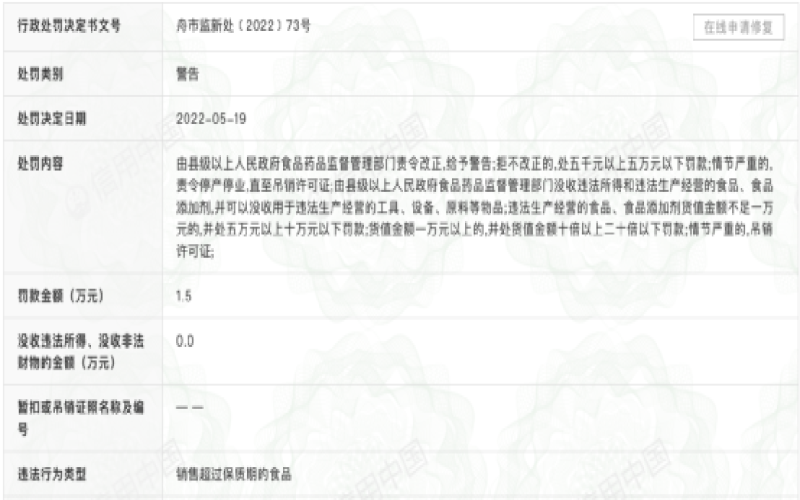
As the soul ingredient of milk tea, the freshness of tapioca pearls is directly related to consumer health. Recently, a Yidian Dian store at Zhoushan Ruxin Plaza was fined 15,000 yuan by regulatory authorities for using expired tapioca pearls to make and sell Bubble Milk Tea and other drinks. An investigation showed that the store involved not only used ingredients beyond their shelf life, but also failed to establish purchase inspection records as required. This is not the first time Yidian Dian has been involved in a food safety controversy; previously, a Fuzhou store was reported to have had a bug found in its milk tea. As the peak season for summer beverage consumption arrives, food safety issues have once again sounded the alarm. [more…]
A Complete Analysis of Ethiopian Coffee Regions: Flavor Characteristics of Nine Specialty Regions and Front Street Coffee Bean Recommendations
Ethiopia is the global gene bank of coffee, with four major cultivation systems—forest, semi-forest, garden, and plantation—that have given rise to nine distinctive regions, including Yirgacheffe, Sidamo, and Harrar. This article systematically reviews the altitude, processing methods, and flavor profiles of each region, and presents the cupping performance and brewing suggestions for several representative beans from Front Street Coffee. From the Gotiti Cooperative to Huakui and Red Cherry, from washed to natural, this guide will give you a comprehensive understanding of this coffee nation hailed as the "taste of a king," helping you find the cup of Ethiopian flavor that suits you best. [more…]
A Complete Analysis of Yunnan Small-Bean Coffee Growing Regions and Flavor Characteristics: A Comparison of Growing Conditions in Pu'er, Baoshan, and Lincang
Yunnan is one of China's most suitable provinces for growing coffee, and the natural conditions of its high-altitude dry-hot river valleys give its Arabica coffee a distinctive flavor profile. Pu'er, Baoshan, and Lincang, as the three core production regions, each display different cupping characteristics due to differences in climate, altitude, and variety. Front Street Coffee continues to explore the quality potential of Yunnan coffee through on-site cupping and its own estate cultivation. This article will systematically outline the basics of Yunnan Arabica coffee from the perspectives of origin environment, flavor and mouthfeel, and variety selection, and share Front Street's cultivation practices and brewing suggestions in the Yunnan production region. [more…]

Blue Mountain Coffee | Is Green Mountain Coffee a fake Blue Mountain Coffee? How does Jamaica grade Blue Mountain Coffee? How to identify genuine Blue Mountain Coffee?
Blue Mountain coffee has been famous worldwide since the last century. Today, a brand called "Green Mountain Coffee" has come into the public eye. Many friends have asked Front Street, "Is Green Mountain Coffee riding on Blue Mountain Coffee's coattails?" "Is Green Mountain Coffee a counterfeit of Blue Mountain Coffee?" and similar questions. So Front Street decided [more…]