







Search Results for: Sweet-Tasting Coffee Beans
Coffee Calories | Can Drinking Americano Black Coffee Help You Lose Weight? Are There Any Good-Tasting Americano Coffee Beans? 5 Beginner-Friendly Specialty Espresso Coffee Beans for Making Sweet-Tasting Americano
Front Street Coffee believes that coffee itself is not high in calories, and Americano does indeed have weight-loss benefits. But if you're in the habit of adding sugar and milk to your coffee, or even going all out with cream, alcohol, and other fancy additions... then the calorie count is no simple matter! For example, com- [more…]

Pour-Over Coffee Sweetness Enhancement Guide: The "High, Fine, Large, Fast" Four-Word Formula and the High-Concentration, Low-Extraction Approach for Dark Roasts
Most of the sugars in coffee beans have already been transformed and degraded during roasting, and the remaining sweet-tasting molecules are easily masked by flavors such as acidity and bitterness. In this article, Front Street will break down the underlying principles of high-sweetness extraction and explain in detail the four-character brewing formula of "fine, high, large, fast"—grinding finer, raising the water temperature, increasing the flow rate, and speeding up extraction—using medium-light roasted beans as the experimental subject, demonstrating step by step the specific parameters and techniques for each stage; for medium-dark roasted beans, which are loose in texture and cannot withstand aggressive extraction, the "high concentration, low extraction" approach is recommended, paired with a Kono dripper and a simple one-pour technique, which can likewise brew a cup of coffee with full sweetness and restrained bitterness. At the end, the article also introduces diverse extraction methods such as variable-temperature brewing, for enthusiasts to try freely. [more…]
How do people who dislike bitterness choose coffee beans?
“This coffee is too bitter, I can't drink it.” Many people are familiar with this remark. But in fact, how bitter coffee tastes depends largely on the choice of beans and the brewing method. As long as you choose the right direction, even people who fear bitterness can find a cup they enjoy. The core approach to choosing beans for those who fear bitterness: First, avoid dark-roasted beans. The darker the roast, the more charred [more…]
High-Sweetness, Low-Acidity Single-Origin Pour-Over Beans | What Factors Affect Coffee Sweetness? 4 Recommended Specialty Pour-Over Beans with Pronounced Sweetness and Rich Fruity Aromas
When we say coffee is sweet, besides referring to the sweetness on the palate, we are actually also referring to the sweet aroma on the nose. So from a tasting perspective, only an acidic coffee with a sweet, fragrant base can be considered a high-scoring flavor experience, and to make coffee appropriately sweet and sour, roasting plays a key role. From the moment a coffee bean begins to be heated as green beans until [more…]
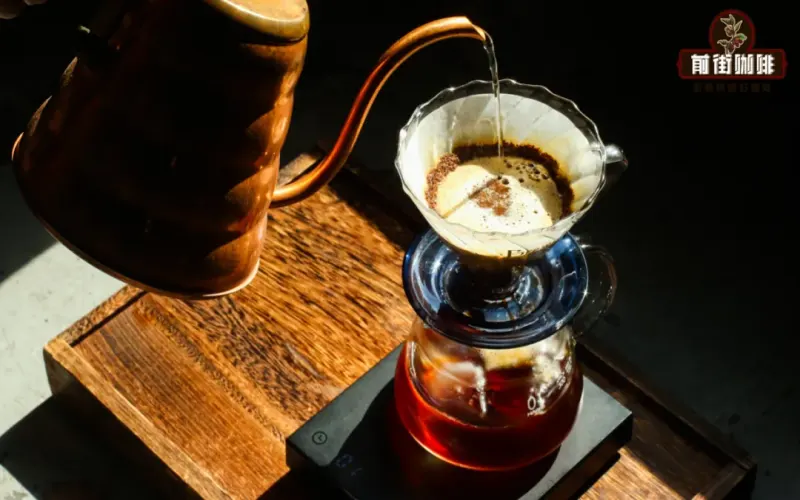
How to Bring Out Sweetness in Pour-Over Coffee? Analyzing Extraction Models and Adjustment Methods for Two Common Problems
The appeal of coffee's sweetness lies in its ability to trigger dopamine release, bringing a pleasurable sensation. But sweetness does not exist in isolation; it is a flavor that stands out after acidity and bitterness have been harmonized with each other. Starting from extraction models, this article explains the release patterns of sweet, sour, and bitter compounds at different stages, and points out that an ideal sweetness should pursue an extraction yield of 18% to 22%. It then addresses two common problems—over-extraction causing bitterness to suppress sweetness, and overly conservative brewing resulting in strong acidity and weak sweetness—and gives specific adjustment suggestions for water temperature, grind size, coffee-to-water ratio, and the number of pouring stages. The article also recommends several Front Street Coffee sweet-tasting bean lists at different roast levels for readers to refer to and choose from. [more…]
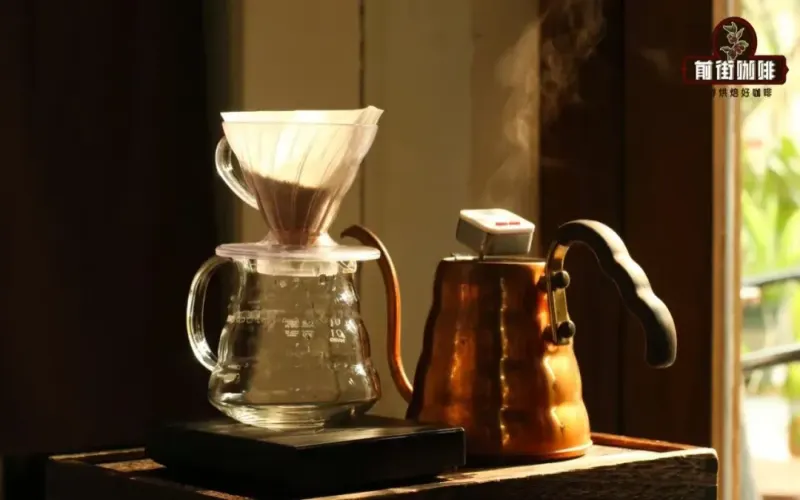
Where Does Coffee Sweetness Come From? How to Brew Sweetness Out of Black Coffee and Recommendations for High-Sweetness, Non-Bitter Beans
Many people are puzzled when they first encounter coffee: why can unsweetened black coffee be described as "sweet"? In fact, the sweetness of coffee is not sugar directly captured by the taste buds, but a comprehensive sensory experience that combines taste contrast with olfactory associations. From the perspective of Front Street, this article first explains the sources of coffee sweetness—the transformation of green bean sugars during roasting, the sweet aftertaste brought by sour and bitter stimulation, and the sweet associations triggered by aroma; then it offers practical advice, including how to choose high-sweetness coffee beans, how to highlight sweetness during brewing, and techniques such as extending the time coffee stays in the mouth during tasting, holding the breath, and capturing retronasal olfactory notes. The article also recommends beans such as Front Street Strawberry Candy, Front Street Xizhua, and Front Street Mozart to help you more easily taste the sweetness in coffee. [more…]
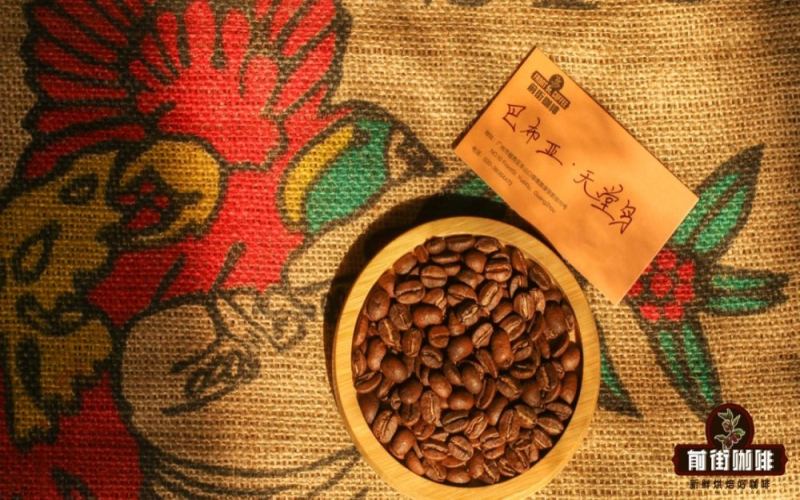
Not a Fan of Sour or Bitter: Sweet Pour-Over Bean Recommendations to Truly Understand "Sweetness"
In the flavor spectrum of coffee, "sweetness" is the most easily overlooked segment. Many people waver between acidity and bitterness, yet fail to realize that in specialty coffee there is an entire route centered on sweetness—smooth, easy to drink, and appealing to all ages. This article explains sweet-tasting beans all at once. Where does coffee's sweetness come from? Coffee's sweetness mainly comes from roasting. [more…]
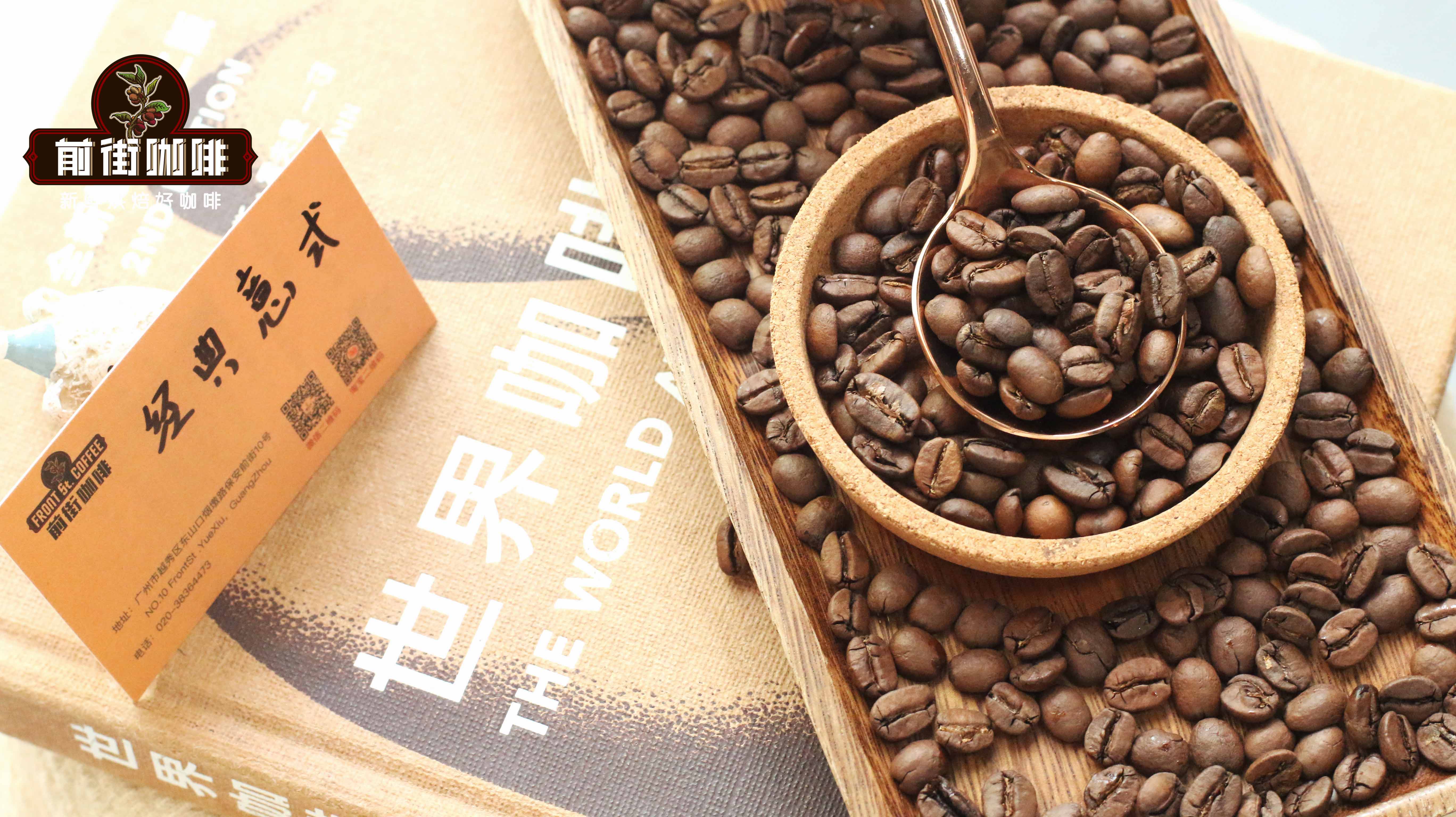
Front Street Classic Blend Coffee: A Complete Guide to Its Rich, Sweet Flavor and Making Americano and Latte
Front Street Coffee's classic espresso blend has become the everyday go-to for many coffee lovers, thanks to its affordable price and full, sweet, mellow flavor. This blend opens with warm notes of rich dark chocolate, roasted nuts, and caramel, with low acidity, performing excellently whether made as an Americano or a latte. This article will detail the specific brewing parameters for two classic ways to enjoy Front Street Coffee's classic blend—Americano and latte—including key details such as the coffee-to-water ratio, water temperature, and milk frothing temperature, helping you easily recreate a café-quality drink at home that is smooth, sweet in the finish, and beautifully blended with milky aroma. [more…]
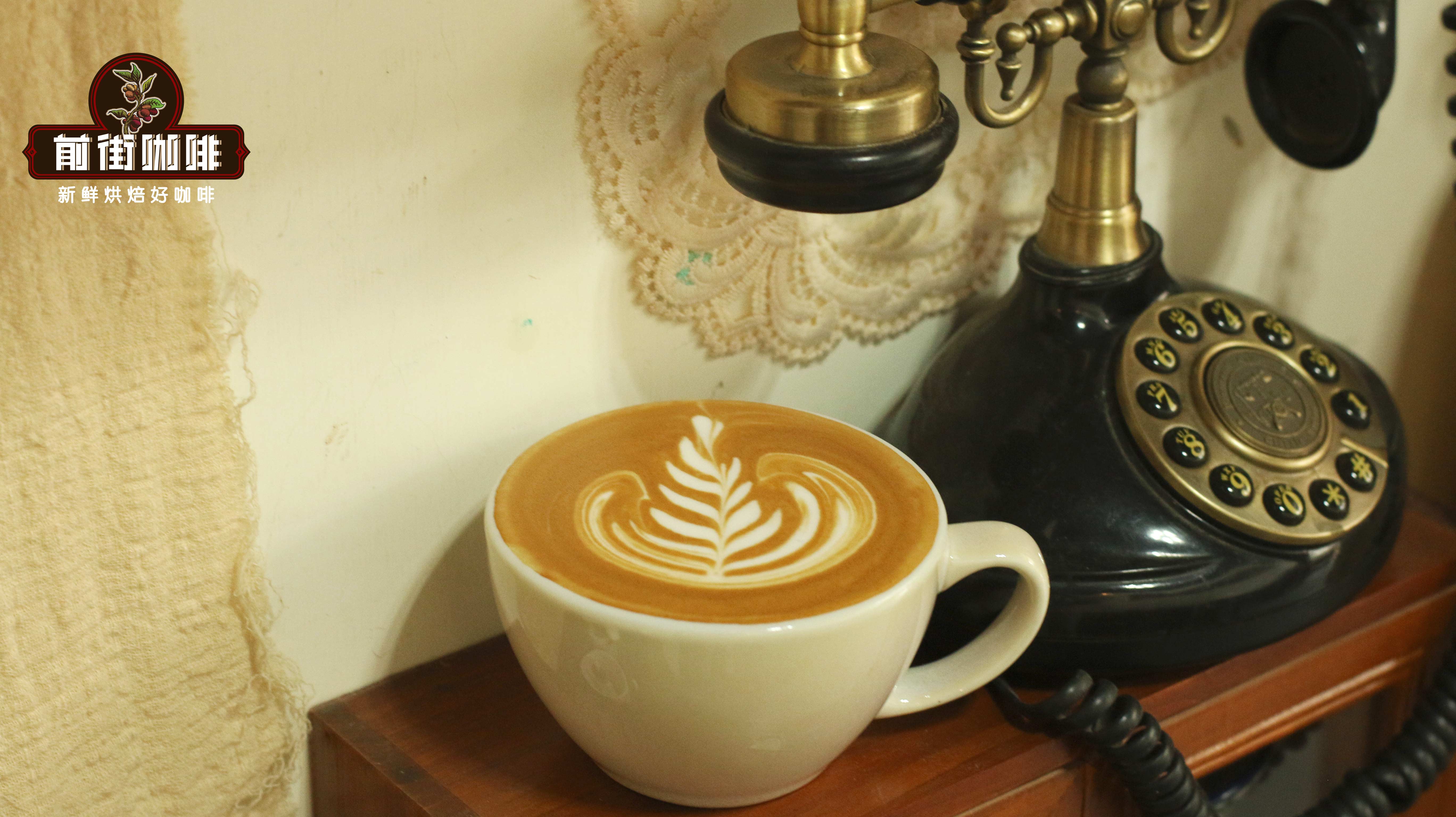
A Complete Guide to Making Espresso Latte: Recipe Ratios, Coffee Bean Selection, and Extraction Techniques
Latte coffee may seem simple, but in fact, everything from the choice of coffee beans to the handling of milk involves much attention to detail. Starting with the historical origins of the latte, this article breaks down in detail how different coffee beans affect latte flavor, recommends Front Street espresso blends suitable for beginners and advanced enthusiasts alike, and includes complete espresso extraction parameters along with milk frothing standards. Whether you want to recreate a silky latte at home or understand the root causes of differences in coffee shop offerings, this content will give you practical reference. [more…]
Core Knowledge for Coffee Bean Selection: A Full Analysis from Plant Characteristics to Product Quality
Coffee beans are the starting point for brewing a good cup of coffee, and understanding their origins and journey is essential to choosing the right raw materials. This article systematically covers the botanical characteristics of coffee, the structure of its fruit, the main cultivated varieties and their flavor differences. It also explains in detail how the two processing methods—dry and wet—affect quality, and introduces the global production and trade landscape along with import quality standards. The article specifically mentions recommendations from the Front Street brand to help coffee lovers make well-informed choices in their daily purchases. [more…]
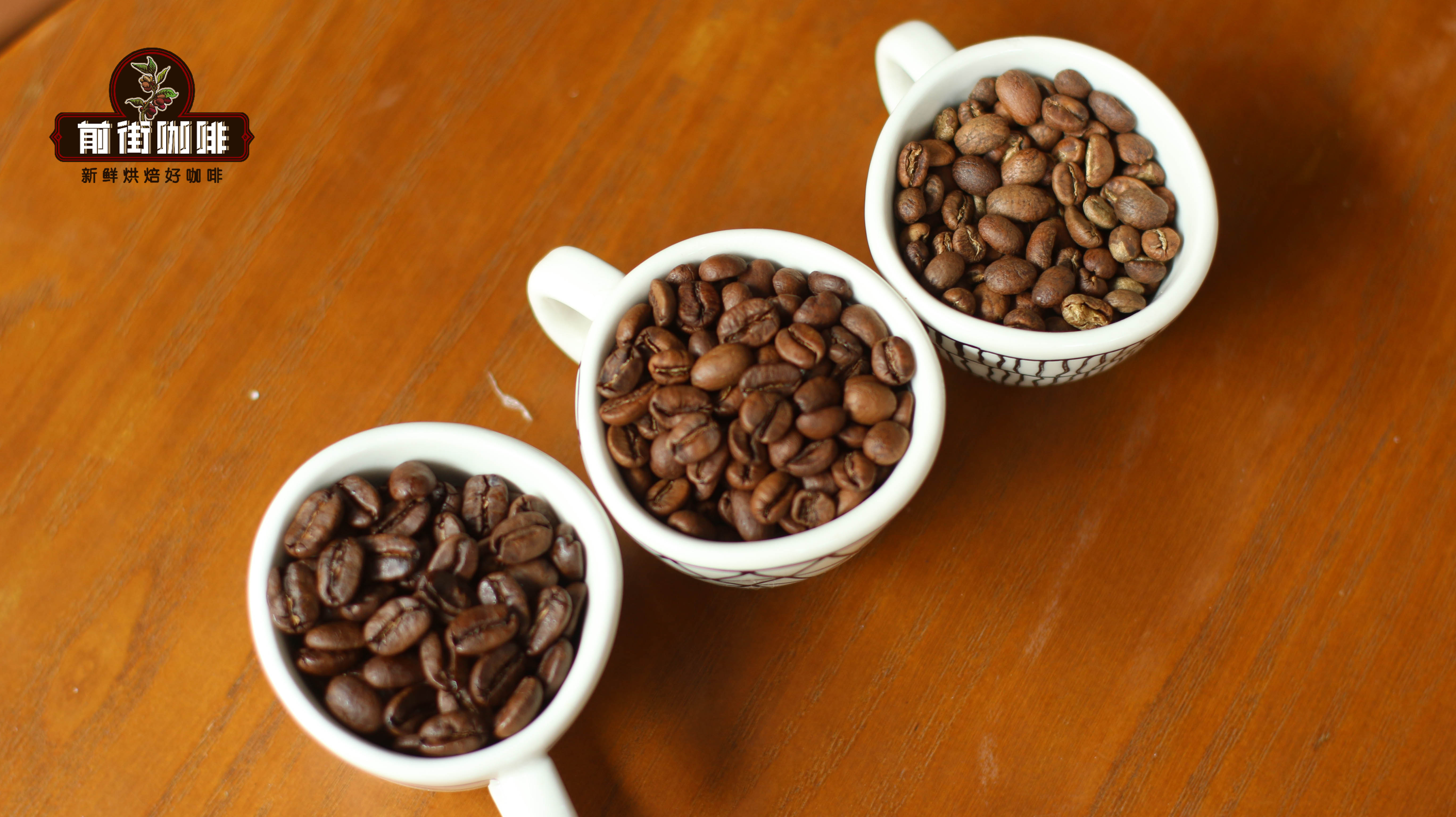
Jamaican Blue Mountain Brewing | Is deep-roasted coffee beans good for pour-over coffee? What are the high-quality pour-over dark-roast single-origin beans favored by seasoned coffee enthusiasts?
The roasting levels of coffee beans are divided into many types, and in specialized terminology the roasting levels mentioned can even be subdivided into eight stages, but in daily life we only need to summarize them into three: light roast, medium roast, and dark roast. Dark-roasted coffee beans can provide a large amount of mellow flavor and caramel aroma, because the longer the dark roasting time [more…]
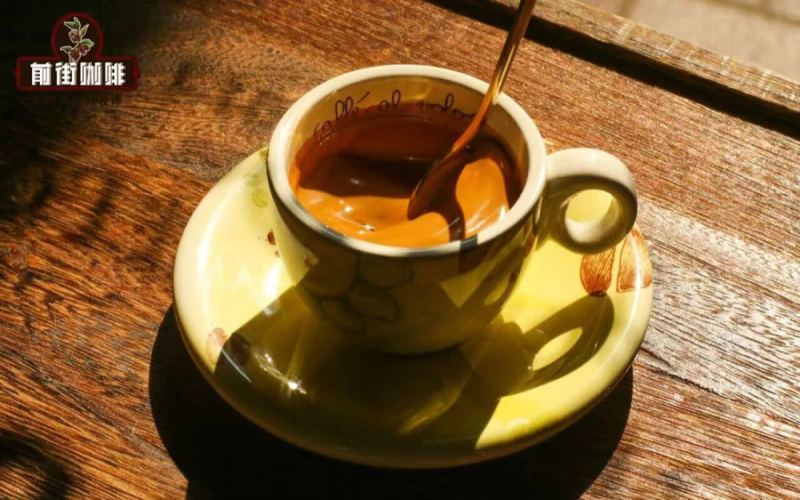
How to Make Espresso? The Complete Guide to Choosing Espresso Blend Beans with Prominent Sweetness
Espresso is not only bitter; the right bean selection and extraction can also deliver a captivating sweetness. Starting from roast level and regional characteristics, this article analyzes how sweetness develops in coffee and recommends five high-sweetness espresso beans, covering both blends and SOE. It then explains the steps for making espresso in detail, including dose, extraction ratio, time control, and operational details, helping you consistently replicate at home an espresso with pronounced sweetness and a velvety mouthfeel. [more…]
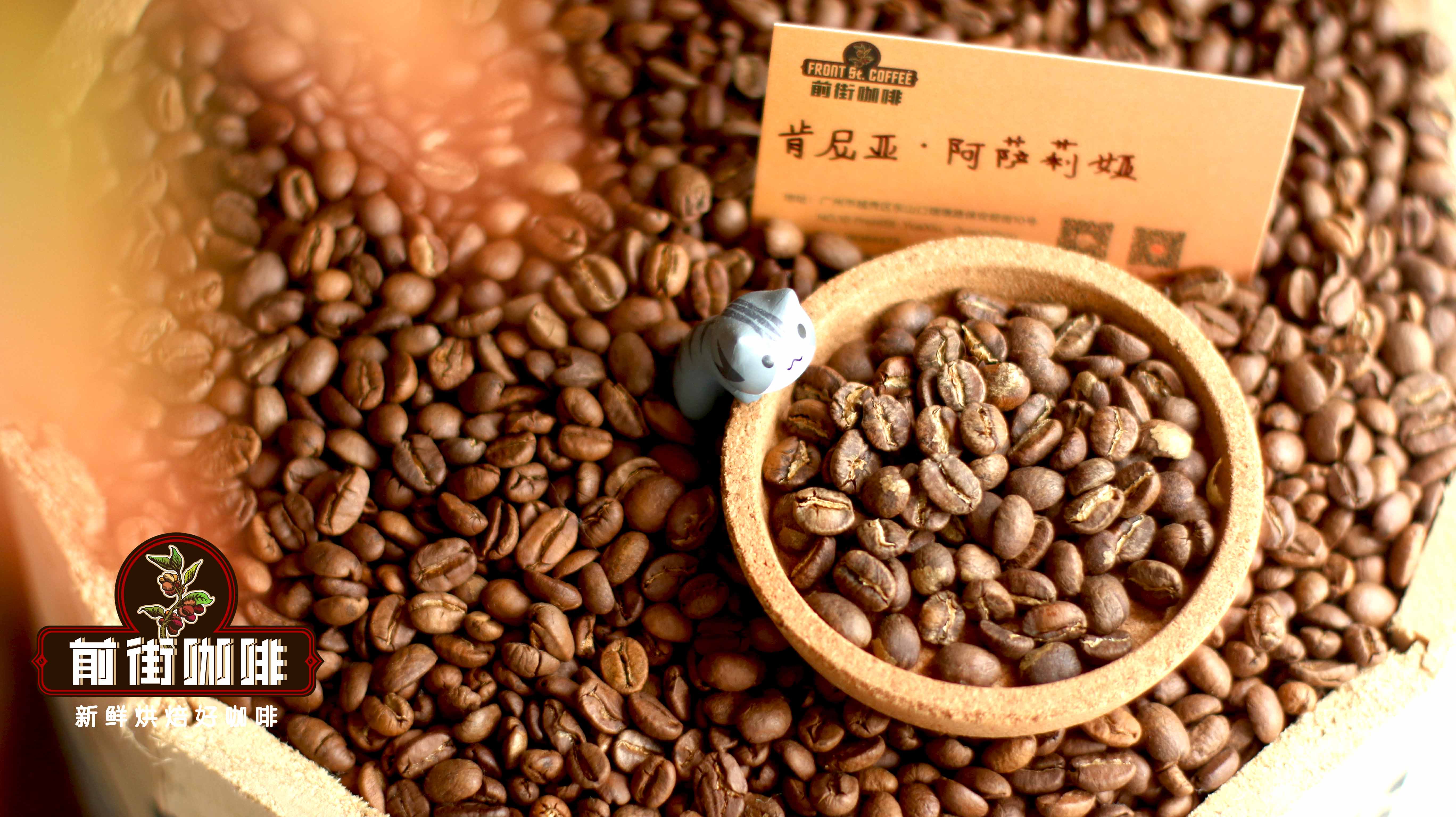
How to brew sweetness from light-roast coffee? A guide to selecting and brewing floral and fruity pour-over beans
Specialty coffee is becoming increasingly popular, and light-roasted, floral-and-fruity pour-over beans have become a favorite among many enthusiasts. But light roasting doesn't mean only sourness. How to brew a cup of fruity-acidic coffee with balanced sweetness and acidity—or even a honey-like sweetness—is a puzzle for many. Starting from the relationship between roast level and flavor development, this article teaches you to judge a coffee bean's "sweetness content" through flavor descriptions, and recommends several Front Street Coffee beans that are ideal for pour-over and stand out for their sweetness. Finally, using the hit Front Street. Xizhua as an example, it breaks down in detail the four-pour parameters and technique to help you brew a clear, sweet coffee with a full body and a long-lasting finish. [more…]

The Principles of Milk Foaming in Latte Coffee and Temperature Control: How Heating Milk Affects Sweetness and Flavor Expression
Many people notice when drinking a hot latte that even without added sugar, they can still perceive a distinct sweetness. Where exactly does this sweetness come from? What changes does milk undergo during heating and steaming? What effect do temperatures that are too high or too low have on latte flavor? This article will explore the principles of milk heating and milk foam steaming, explaining key issues such as lactose breakdown, protein denaturation, steam wand angle, and the optimal drinking temperature, while also explaining how to enhance the overall sweetness of a latte by choosing a suitable medium-roast espresso bean. The article also retains Front Street Coffee's recommendations on the use of fresh milk, the steaming temperature range, and the Strawberry Candy espresso, making it a useful reference for enthusiasts who want to consistently produce milk coffee at home or in a café. [more…]
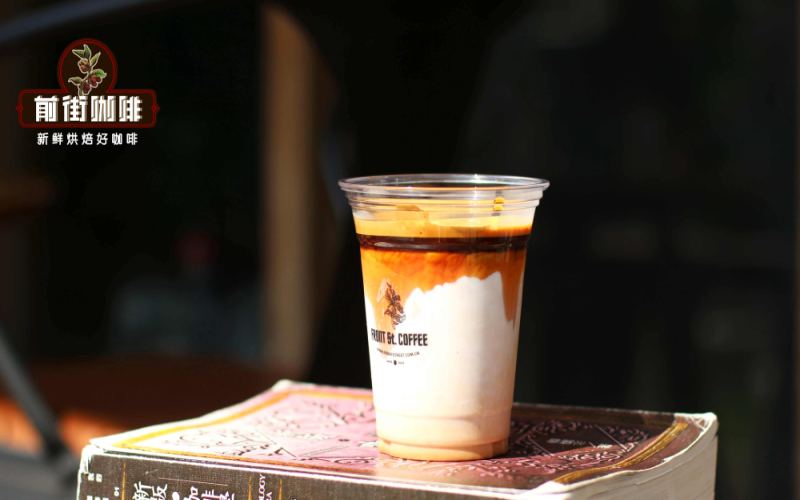
How to Make a Delicious Latte: A Full Analysis of Espresso Extraction, Coffee-to-Milk Ratios, and Hot and Cold Preparation Techniques
Whether a latte tastes good depends decisively on the extraction quality of the espresso and the ratio of coffee to milk. This article focuses on making latte coffee, breaking down the key steps one by one, from choosing Italian blend beans and the extraction parameters for single and double espressos, to the specific methods for hot and cold lattes. The article also provides detailed guidance on milk frothing temperature control, steam wand operation techniques, and recommends a 1:6 coffee-to-milk ratio. It also retains the complete product information and flavor description of Front Street Coffee's classic blend, making it a useful reference for coffee enthusiasts who want to consistently reproduce cafe-quality results at home. [more…]
Costa Rica Mirazu Estate Geisha Blend Pour-Over Guide: Strawberry Candy Flavor Extraction Parameters Explained
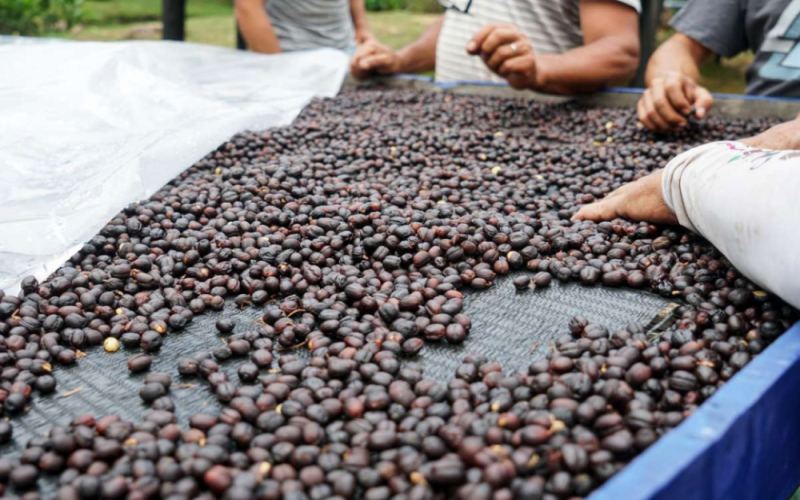
Costa Rica is renowned for its honey-processed coffee, whose parchment beans are golden in color, mellow in body, and remarkably sweet. This article focuses on the Strawberry Candy coffee beans from the Mirazu Estate, launched by Front Street Coffee. These beans are a Geisha blend, grown at an elevation of 1,700 meters in the Tarrazú region and processed using the honey method. The article first reviews the terroir characteristics of Costa Rica's seven major coffee regions, then takes a deeper look at the background of the Mirazu Estate and the history of the Geisha variety, and finally shares the pour-over recipe designed by Front Street Coffee's baristas for this bean—93°C water temperature, V60 dripper, and a 1:15 coffee-to-water ratio, using staged pouring to highlight the floral and fruity aromas along with a strong sweetness. [more…]

Sumatra Mandheling Coffee Beans: Origin, Varieties, and Flavor Characteristics — A Detailed Guide to the Brewed Taste of Golden Mandheling
Mandheling coffee is the representative Arabica coffee produced on the Indonesian island of Sumatra. With its low acidity, high body, and herbal spice flavors, it has long been favored by seasoned coffee enthusiasts. This article will guide you through the origin of the name Mandheling, the growing conditions of Sumatra's two major specialty regions—Lintong and the Gayo Highlands of Aceh—and explain why the Golden Mandheling produced by PWN is regarded as Indonesia's highest grade. We'll also share Front Street Coffee's roasting approach and pour-over extraction parameters for two Mandheling coffees. If you're looking for a full-bodied, solid daily drinker with clean sweetness, this piece is worth a read. [more…]
Flavor Analysis and Pour-Over Method for Costa Rica Mirazu Estate Geisha Strawberry Honey Process Coffee Beans
Costa Rica is renowned for its honey-processed coffee beans, whose parchment beans have a golden hue, a thick body, and outstanding sweetness. As the only country in the world with legislation restricting cultivation to Arabica varieties alone, Costa Rica's pursuit of quality is evident. This article starts from the terroir differences among Costa Rica's seven major coffee-producing regions, with a focus on the Geisha blend bean from Mirazu Estate in the Tarrazú region—Strawberry Candy. This bean uses raisin honey processing, blending the floral and fruity aromas of Geisha with intense sweetness. CoffeeHunters' roaster uses a medium roast, higher water temperature, and a faster-flow dripper for brewing, striving to bring out its aroma and sweetness. The article includes complete pour-over parameters and staged pouring steps, suitable for coffee enthusiasts to reference and practice. [more…]
How Much Espresso Is in a Latte? Cappuccino vs. Latte Flavor Differences and Front Street Coffee Espresso Bean Recommendations
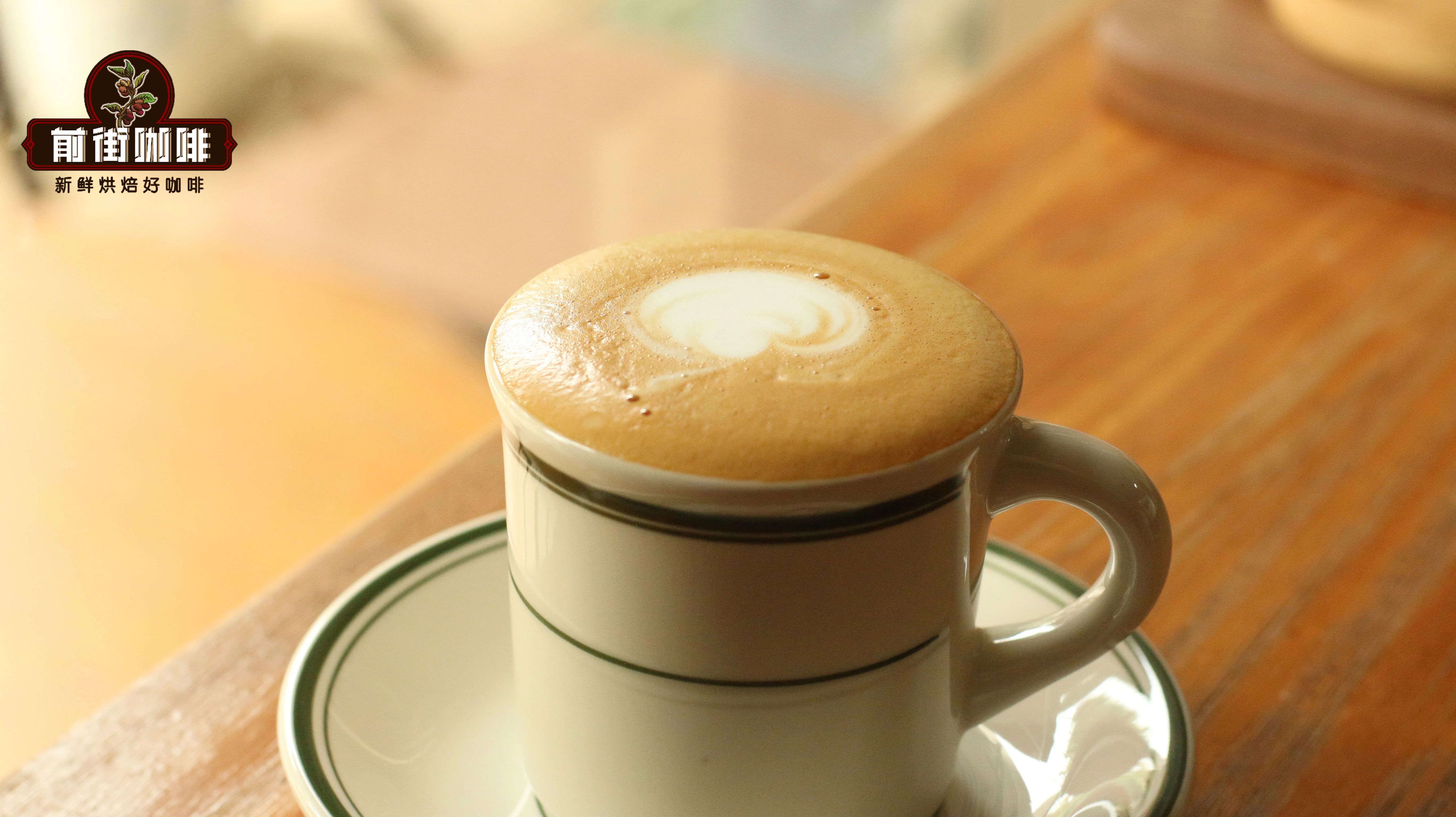
Latte and cappuccino are the two most common espresso milk drinks. Both are made from espresso, milk, and milk foam, but they differ noticeably in ratio, foam thickness, and mouthfeel. How much espresso actually goes into a latte? Roughly how much caffeine does it contain? And how should the coffee-to-milk ratio be managed during preparation? This article addresses these questions, while also explaining how to choose espresso beans, extraction parameters, and the key temperature points for steaming milk. It also introduces several Front Street Coffee espresso blends suitable for making lattes, helping coffee enthusiasts create a full-flavored milk coffee at home. [more…]
Espresso Extraction Guide: Single vs. Double Shot Differences and Milliliter/Gram Standards Explained
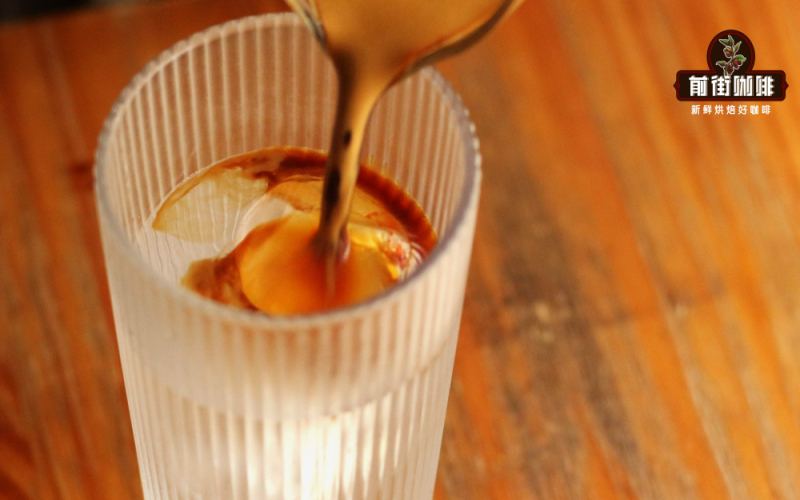
Espresso is the soul base of fancy coffees like lattes, cappuccinos, and mochas, but do you really understand it? How many milliliters does a shot of espresso need to be to qualify as standard? Is the difference between a single and a double shot merely concentration? From the professional perspective of Front Street Coffee, this article systematically sorts out the definition, historical origins, and production process of Espresso, deeply analyzes the differences between single and double espressos in terms of dose, equipment, and extraction method, and provides international technical standards along with Front Street's current extraction scheme. It also extends to the preparation parameters and coffee-to-milk ratio of hot lattes, helping coffee enthusiasts fully master the core knowledge of Italian-style coffee. [more…]