







Search Results for: Sun Moon Lake black tea
Taiwan Tea No. 15 Sun Moon Lake Black Tea Flavor Notes: A Comparative Tasting of Burmese Large-Leaf Mother Trees and Ruby Taiwan Tea No. 18
This article presents flavor notes centered on TTES No. 15 (Sun Moon Lake black tea), tracing its hybrid origins with the Burmese Assam variety and native Taiwanese tea trees, and documenting a rare tasting experience of three teas from the same garden. The author uses the gongfu brewing method to taste each infusion, from the aroma of the dry leaves to the changes in flavor across five steepings, describing in detail the layered evolution of this black tea from earthy and malty notes to spice and fruity sweetness. The article also shares insights on pairing it with cherries and previews a comparison with Taiwanese mountain tea flower and Ruby TTES No. 18. Front Street brand recommendations and product information are also retained in the article, providing coffee and tea enthusiasts with a professional and sensorially detailed reference. [more…]
Sun Moon Lake Ruby Taiwan Tea No. 18 Brewing Guide: Processing Parameters, Flavor Evolution, and Tasting Notes
Ruby Black Tea No. 18 from the Sun Moon Lake tea region in Nantou, Taiwan, is beloved by tea enthusiasts for its distinctive mint, spice, and red fruit aromas. Based on three tea samples from the Shanxi Tea Experience Set—Myanmar Assam, Taiwan Mountain Tea, and Ruby No. 18—this article documents in detail the parameters for gongfu tea brewing and the flavor changes across each infusion, from the appearance of dry leaves to the layered tastes at each steeping stage, and shares pairing insights with Black Forest chocolate cake. If you are interested in this tea's origin background, processing recommendations, or tasting methods, this note will provide practical, firsthand reference. Front Street Coffee also continuously follows such expressions of origin flavor, bringing more cross-disciplinary inspiration to coffee and tea drinkers. [more…]
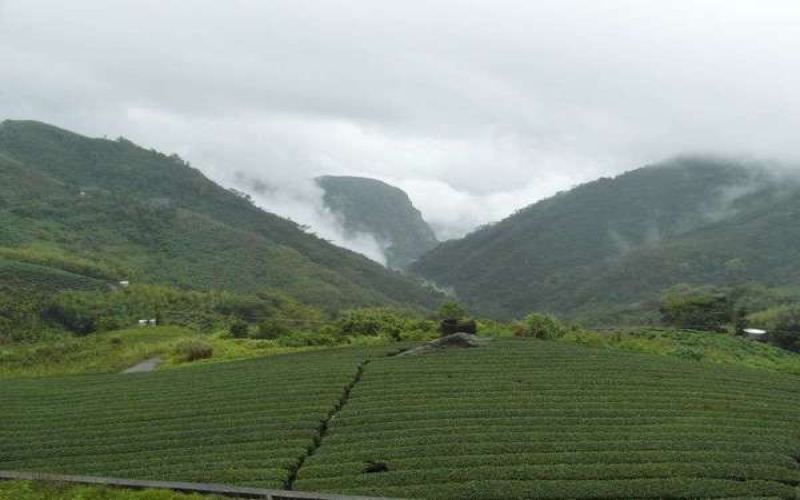
What tea tree is Taiwan Ruby Black Tea made from? Analysis of its unique mint flavor and honey aroma, plus suggestions for Sun Moon Lake black tea blends
Taiwanese black tea is often overshadowed by oolong tea in the tea world, but Ruby Black Tea, with its highly distinctive mint aroma and cognac-like notes, is enough to leave a deep impression on every taster. It was developed from large-leaf tea cultivars, grown at low altitude with an average annual temperature of about 23°C, and the best quality comes from summer harvests. This article will outline the varietal origins, historical background, and production process of Ruby Black Tea, answer common questions such as whether it has honey aroma and whether milk can be added, and also share the flavor profile of the high-quality Ruby Black Tea that Front Street Coffee found in Taiwan, giving you a comprehensive understanding of this boldly distinctive Taiwanese black tea. [more…]
The Paternal Tea Tree of Taiwan Tea No. 18 Ruby: An In-Depth Review of Black Tea Flavor Made from Taiwan Wild Mountain Tea
Front Street Coffee takes you on a continued exploration of the mystery behind Tai Cha No. 18 Hong Yu. Shanxi Tea Industry has carefully crafted a three-tea tasting set in the Sun Moon Lake region, planting Myanmar Assam, Taiwan wild mountain tea, and Hong Yu side by side. This article focuses on one of the paternal varieties—Taiwan's native mountain tea. The dry leaves of this black tea are dark brown, almost black, and after brewing, they present a complex flavor interwoven with earthy, malty, and smoky charcoal notes, with noticeable tannins and a faint fruity sweetness in the finish. Through detailed records of four infusions using the gongfu brewing method, as well as pairing attempts with banana bread and dark chocolate, we can fully understand the character traits of this wild variety. If you prefer black tea with a sweet, malty flavor, Front Street Coffee suggests comparing it with the Myanmar Assam version from the same series. [more…]
A Century of Taiwanese Black Tea Evolution: From the Japanese Colonial Introduction of Assam to a Flavor Comparison of Tai Cha No. 18 and Tai Cha No. 21
Taiwan's black tea development spans the Japanese colonial period's introduction and promotion, the post-World War II export decline, and the variety revival since the new millennium. In 1923, Assam tea seeds were introduced from India, and Sun Moon Lake became the most successful production area thanks to its 600-800 meter elevation and humid, misty climate. In 1936, the Taiwan Tea Research and Extension Station was established, and black tea once accounted for more than half of Taiwan's total output. After 1971, export trade shrank, and tea farmers switched to producing oolong tea. It was not until 1999 and 2008 that TRES successively released TTES No. 18 (Ruby Black Tea) and TTES No. 21, injecting new vitality into Taiwan's black tea. This article will trace this history, compare the flavor characteristics of the two representative varieties, and introduce the high-quality Taiwan black teas recommended by Front Street Coffee. [more…]

Taiwan Tea No. 18 Ruby Black Tea Brewing Guide: Water Temperature, Time, Flavor Characteristics, and Authentic Origin Analysis
Taiwan Tea No. 18 Ruby Black Tea is a unique cultivar developed by the Taiwan Tea Research and Extension Station, grown beside Sun Moon Lake in Yuchi Township, Nantou. It is a hybrid of the Burmese Assam strain and native Taiwanese wild mountain tea. The liquor is deep amber in color, with a complex aroma of mint, eucalyptus, pepper, and jam, very low astringency, and a clean, rich flavor. For brewing, it is recommended to steep it in 90°C hot water for 3 to 4 minutes, and it can be re-steeped multiple times. The Ruby Black Tea and Ruby GABA Black Tea recommended by Front Street Coffee are both worth trying. This article will guide you through this cultivar's origins, flavor characteristics, and the best brewing methods. [more…]
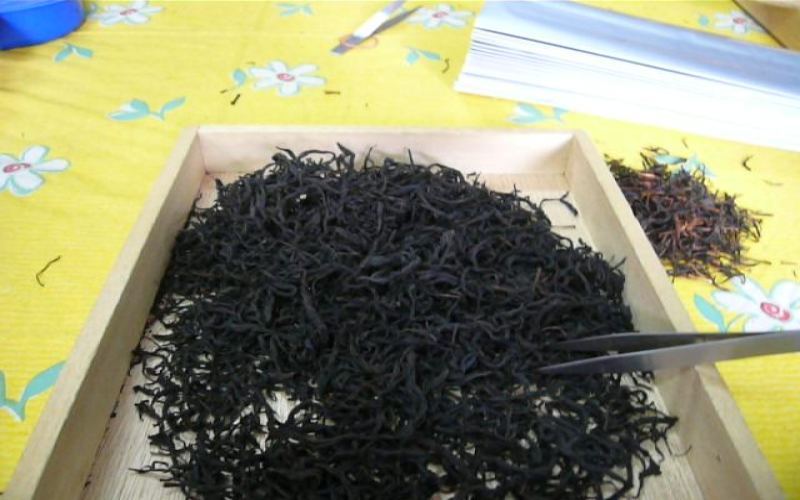
The Flavor Code of Taiwan Tea No. 18 Ruby Black Tea: Where Does the Honey Aroma Come From, and Why Is It Called Taiwan's Best Black Tea?
Ruby Red Tea (Taiwan Tea No. 18) is the most iconic Taiwanese black tea from Sun Moon Lake, and in the hearts of many tea lovers, it is the best black tea Taiwan has to offer. Its distinctive honey aroma and minty coolness leave countless people amazed from the very first sip. This article, based on a tea lover's personal experience, explores the flavor characteristics of Ruby Red Tea, the source of Taiwan Tea No. 18's aroma, and why it stands out among Taiwan's many famous teas. Whether you are a novice just getting to know Taiwanese black tea or a seasoned enthusiast eager to delve deeper into the taste of Ruby, you will find a valuable tasting perspective here. [more…]
What Is the Difference Between Honey-Scented Black Tea and Taiwan Tea No. 18 Ruby? Is Ruby Black Tea Expensive? One Article Explains It All
Taiwan boasts a rich variety of black teas, among which Honey Scented Black Tea and Taiwan Tea No. 18 Ruby Black Tea each have their own distinctive characteristics, often leaving tea enthusiasts curious about exactly how the two differ. Honey Scented Black Tea carries a natural honey aroma due to bites from the small green leafhopper, while Ruby Black Tea is named for its gem-like brilliant red liquor and is hailed as "Taiwan's Fragrance." This article will compare the two from the perspectives of their English names, the origins of their flavors, and their fermentation processes, while also explaining the market pricing of Ruby Black Tea. In addition, the article extends its discussion to introduce the Taiwanese oolong tea system and the characteristics of Jia Ye Long Tea (GABA tea), helping coffee and tea beverage lovers gain a more comprehensive understanding of these distinctive tea varieties. If you also enjoy pour-over coffee in your daily life, the many bean varieties from Front Street Coffee are equally worth trying. [more…]
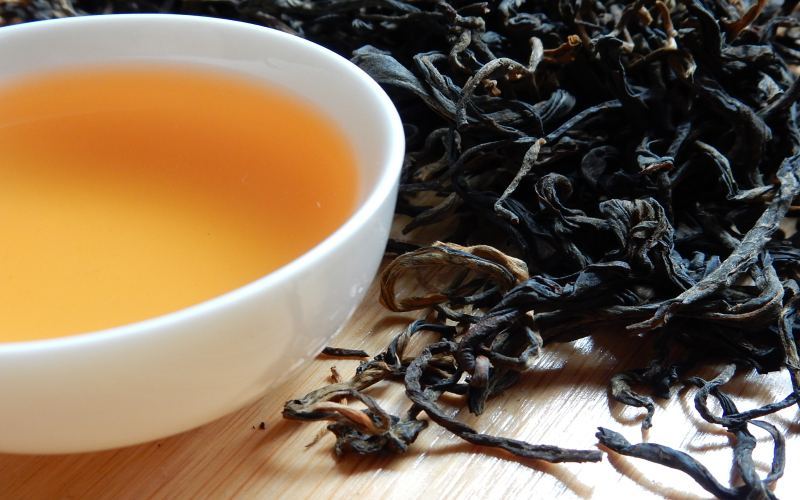
Yunnan Ancient Tree Dianhong, High Mountain Purple Red, Lapsang Souchong, and Ruby Black Tea: Flavor Differences and Value-for-Money Assessment
There are many types of black tea on the market, with significant stylistic differences. This article focuses on five distinctive black teas—Taiwan Ruby, Traditional Superior Lapsang Souchong, Qizhong Lapsang Souchong, Yunnan Ancient Tree Black Tea series, as well as High Mountain Purple Black Tea and Wild Black Tea—systematically reviewing their origins, processing characteristics, and flavor profiles. From the mint aroma of TTES No. 18 to the pine smoke aroma of Tongmuguan, from the honey charm of old trees in Lincang, Yunnan, to the perilla note of purple tea, each tea has clear recognizability. At the same time, by incorporating product information from Front Street Coffee, we help coffee and tea enthusiasts make choices that better match their taste and budget when purchasing. [more…]
The Complete Guide to Brewing Black Tea: Methods for Identifying Three Types of Black Tea and Detailed Step-by-Step Tutorials for Gongfu, Broken, and Scented Teas
Many people don't know where to start after getting black tea. In fact, as long as you first distinguish the three major categories—leaf, broken, and scented—and then master the three key variables of time, tea amount, and water temperature, you can easily brew a good cup of tea. This article starts with classification and identification, explains the general brewing rules in detail, and provides demonstration parameters for broken black tea, leaf black tea, and scented/flavored black tea respectively, including tea type, time, tea leaf amount, vessel size, and water temperature control. Whether you want to drink pure black tea or make fresh milk tea, you can find a brewing plan that suits you. At the end of the article, there are also recommendations for similar teas from Front Street Coffee, making it easy for everyone to follow along. [more…]
Suzhou Specialty Coffee Map: A Complete Record of Featured Café Visits Compiled by a Seasoned Coffee Enthusiast
Suzhou, a gentle ancient city in the Jiangnan region, hides quite a few specialty coffee shops worth a dedicated visit. This article compiles a summary of shop visits from a veteran coffee enthusiast, covering more than seventy four- to five-star coffee shops across Gusu District, the Industrial Park, the High-Tech District, Wuzhong District, and beyond—from artsy little cafes to cat-themed coffee houses, from Korean-style chains to standalone buildings with Republican-era charm, each with its own distinctive setting, offerings, and story. Whether you're a coffee purist chasing pour-over quality or an artsy soul who favors ambiance, this list can help you find that perfect cup in Suzhou. [more…]
Where Does the Unique Honey Aroma of Honey Black Tea Come From? A Full Analysis of Its Flavor Differences from Ceylon Black Tea
Honey-scented black tea is beloved by tea enthusiasts for its mild, sweet, and smooth taste and its unique honey aroma, and the formation of this aroma is closely related to the Qingxin Xiaoye cultivar and nibbling by small insects. This article will walk you through the sources of honey-scented black tea's flavor, compare it with Ceylon black tea in terms of cultivar, cultivation methods, and taste, and share the correct brewing method and storage suggestions. Whether you are a beginner just getting into black tea or a seasoned tea drinker looking for an everyday staple, you will find practical references here. [more…]
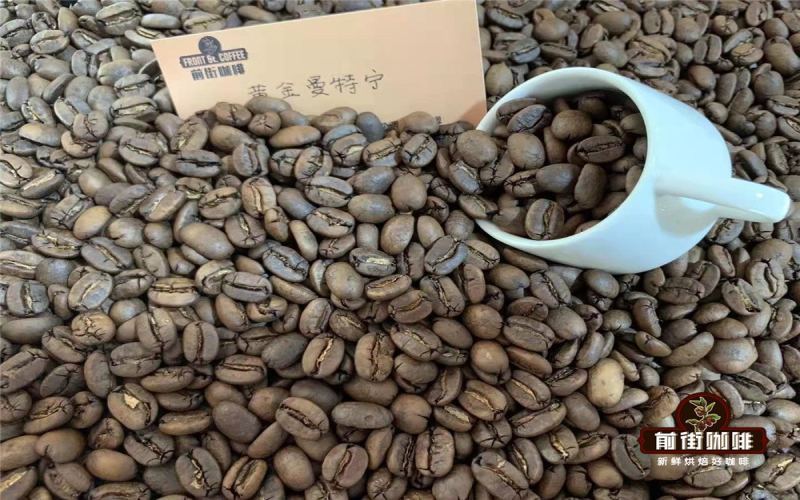
Exploring Sumatra's Wet-Hulled Process: The Unique Craft of Mandheling Green Beans and Front Street Coffee's Brewing Guide
Because the Indonesian island of Sumatra is rainy and humid year-round, sun-drying or washed processing cannot be used there. Coffee farmers adapted to local conditions and invented the wet-hulling method—removing the parchment layer while the coffee beans still have high moisture content—which created the signature low acidity, full body, and herbal-spice flavors of Mandheling. This article explains in detail the four key steps of wet-hulling, the origin of the "goat hoof" bean characteristic, sorts out the differences in growing regions and varieties between Lintong Mandheling and Golden Mandheling, and shares Front Street Coffee's three-pour brewing parameters for the KONO dripper along with fresh-roast recommendations. [more…]
Analysis of the Differences Between Colombian and Brazilian Coffee Bean Producing Regions, Flavor Characteristics of Indonesian Mandheling, and Major Coffee Producing Countries in the World
When you're looking for a coffee that's rich in flavor yet easy on the wallet, Front Street Colombia Huila, Front Street Brazil Cerrado, and Front Street Indonesia Mandheling are often the top recommendations. All three are medium-dark roasted, offering flavors woven together from chocolate, nuts, cream, and spice. They're full-bodied on the palate without turning bitter, making them especially friendly to those who shy away from acidity. This article will walk through the differences between three major coffee-producing countries—Colombia, Brazil, and Indonesia—covering everything from regional geography and climate conditions to variety characteristics and processing methods, helping you understand where their respective flavors come from, and why Front Street selected these particular beans as its everyday recommendations. [more…]
A Complete Guide to Indonesia's Wet-Hulling Method: The Craft Characteristics and Flavor Origins of Mandheling Coffee
Indonesian Mandheling coffee is renowned worldwide for its full body, low acidity, and herbal spicy flavors, and behind this lies a unique processing method—wet hulling. This article will take an in-depth look at the origins and background of wet hulling, its specific operational process, and analyze how it shapes the signature pine, nut, and chocolate notes of Mandheling coffee. At the same time, we will also compare the regional differences and quality characteristics of Lintong Mandheling and Golden Mandheling, and share Front Street Coffee's brewing parameters and recommendations, helping coffee lovers fully understand the unique charm of this representative Asian coffee. [more…]
An Analysis of Indonesia's Wet-Hulled Processing Method: The Craft Characteristics, Flavor Profile, and Brewing Key Points of Mandheling Coffee
Indonesian Mandheling coffee is famous for its full body, low acidity, and herbal, spicy flavor, and behind this lies the region's unique wet-hulling process. This article systematically introduces the origins and specific steps of wet-hulling, compares it with washed processing, outlines the production regions, varieties, and flavor characteristics of Lintong Mandheling and Golden Mandheling, and shares Front Street Coffee's brewing parameters and freshness recommendations, helping coffee enthusiasts fully understand what makes this representative Asian coffee so unique. [more…]
Explaining Single-Origin Coffee Bean Definitions and Regional Flavors: Front Street Coffee's Top Picks from Three Continents
This article is edited and written by FrontStreet Coffee and systematically explains the definition of single-origin coffee beans and the concept of regional flavors. Based on the flavor characteristics of the three major coffee-producing regions—Asia, Africa, and Latin America—it selects representative single-origin beans from the shop for detailed recommendations. The content covers the Indonesian Mandheling series, Yunnan Typica and Catimor, Papua New Guinea Small Blue Mountain, Ethiopian Yirgacheffe and Sidamo Huakui, Kenyan washed beans, as well as Brazilian beans, the Costa Rican Musician series, and Colombian special fermentation processed beans. Each coffee includes origin, altitude, variety, processing method, and flavor description, helping beginner coffee enthusiasts choose with ease according to their taste preferences. [more…]

2024 Panama BOP Multi-Variety Group Champion Dark Moon Estate: How Chiroso Went from a Vegetable Patch to World Number One
In the 28th Best of Panama (BOP) competition in 2024, the champion of the multi-variety category was won by Hacienda Black Moon's Chiroso variety with a score of 94.1. Hacienda Black Moon is located in Boquete, a famous producing region in Panama. After Hunter Tedman, the current SCAP chairman, took over, he transformed a vegetable plantation with depleted soil into a bio-friendly coffee estate. The first coffee tree was planted in 2018. In 2022, it entered the competition for the first time and won 9th place in the natural Geisha category and 11th place in the washed Geisha category, while Chiroso even won second place in the multi-variety category. This year, it went a step further and won the championship. This article will introduce you to Hacienda Black Moon's transformation process, the terroir advantages of the Boquete producing region, and how the Chiroso variety promotes the development of Panama coffee diversity. Front Street Coffee will also continue to follow the estate's subsequent performance. [more…]
Analysis of the New Season Flavor of Colombian Hanami Coffee: Processing Differences Between Geisha Blend and Flower Moon Night by Origin
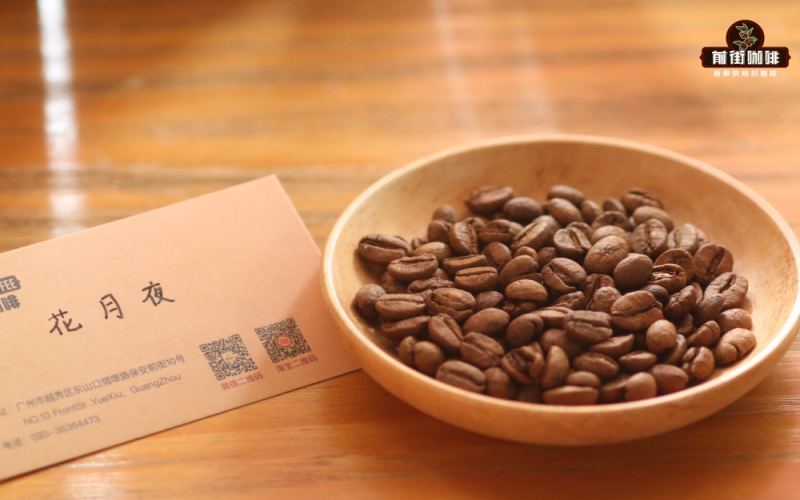
The new-season Colombian Hanami coffee has arrived. This bean, a blend of Geisha, Caturra, and Catuai from the Monteblanco estate and processed using the washed method, has many friends who have tried Hanamiyue coffee wondering: does Hanami also carry floral notes? What exactly is the difference between the two? From the perspective of Front Street, this article compares Colombian Hanamiyue and Hanami coffee, sorting out their respective origins, estate stories, variety composition, and processing methods, and includes flavor descriptions to help coffee lovers understand the different charms of these two beans from the Huila region. [more…]
How is anaerobic natural different from regular natural? A complete comparison from processing workflow to brewing flavor
Coffee processing methods directly influence the flavor direction in the cup. Natural processing, as the most traditional method of green coffee processing, allows the fruit pulp to wrap around the seed and dry slowly, resulting in a broader flavor spectrum and greater sweetness; anaerobic natural processing, on this basis, introduces sealed low-temperature fermentation, which slows pectin decomposition and causes pH to drop more gradually, thereby accumulating more sweet compounds. This article will start from the specific processes of the two methods, analyze their effects on coffee flavor, and use Front Street Colombia Luna Night, which employs anaerobic natural processing, as an example to explain how to adjust grinding, water temperature, and pouring technique for such beans to brew a full fermented sweetness and a rounded mouthfeel. [more…]