







What does coffee processing tell you about single-origin coffee beans?
Single-origin coffee beans come from one geographical place of origin and are brewed without milk or sugar, so the cup shows that region's character. Because production costs run higher, prices are usually higher too. Flavors generally fall into three groups, and matching a bean's origin, altitude, variety, and processing method to a preferred taste group is the practical way to choose.
Representative beans span three continents: Indonesian Mandheling, Yunnan Typica and Catimor, Papua New Guinea Little Blue Mountain, Ethiopia Yirgacheffe and Sidamo Huakui, Kenyan washed lots, plus Brazil, the Costa Rica Musician series, and Colombian fermented-process coffees. Each is labeled with origin, altitude, variety, processing method, and flavor notes. Coffee processing, whether washed, natural, or fermented, shapes much of that final flavor.
This article is edited and written by Front Street Coffee (FrontStreet Coffee). It systematically explains the definition of single-origin coffee beans and the concept of regional flavor profiles, and based on the flavor characteristics of the three major coffee-producing regions—Asia, Africa, and Latin America—selects representative single-origin beans from the store for detailed introduction. The content covers the Indonesian Mandheling series, Yunnan Typica and Catimor, Papua New Guinea Little Blue Mountain, Ethiopia Yirgacheffe and Sidamo Huakui, Kenyan washed beans, as well as Brazil, the Costa Rica Musician series, and Colombian special fermentation-processed beans. Each coffee is accompanied by origin, altitude, variety, processing method, and flavor description, helping beginner coffee enthusiasts choose with ease according to their taste preferences.
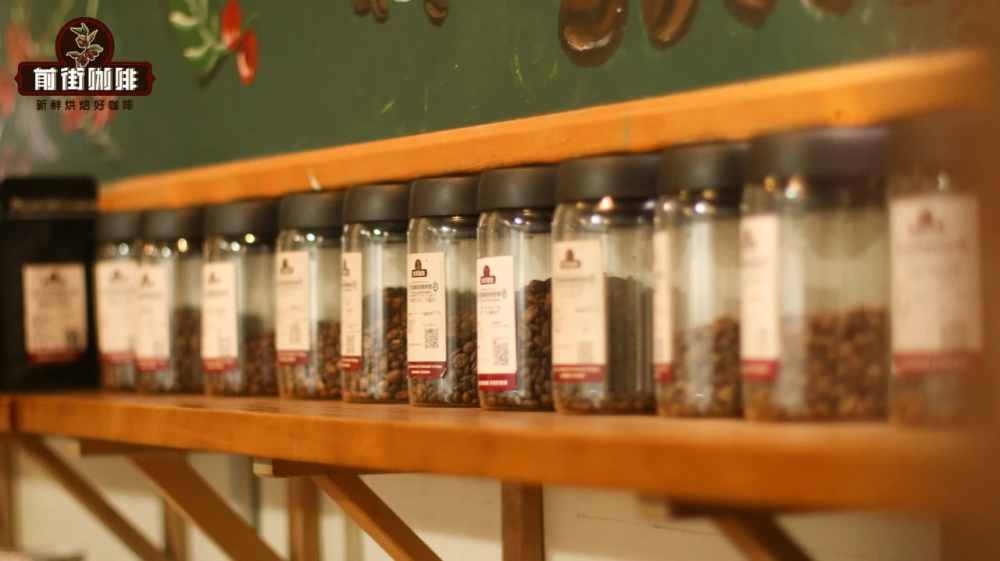
The specialty coffee industry has expanded rapidly in recent years, and an endless stream of cafes has allowed the public to experience the unique appeal of single-origin coffee and pour-over drinks. However, Front Street Coffee (FrontStreet Coffee) has noticed that many newcomers to coffee still feel uncertain about how to choose single-origin beans that suit their own taste. Coffee flavors can generally be grouped into three types, so in this article Front Street Coffee (FrontStreet Coffee) recommends suitable single-origin coffees based on these three flavor categories.
What Are Single-Origin Coffee Beans?
So-called single-origin coffee beans specifically refer to beans processed from coffee cherries grown in a single geographical place of origin, with no milk or sugar added when preparing the beverage, presenting the pure essence of coffee. Such beans have distinctive character and unique flavors; some are bright and smooth, while others are rich and creamy. Because production costs are relatively high, their market prices are usually higher as well.
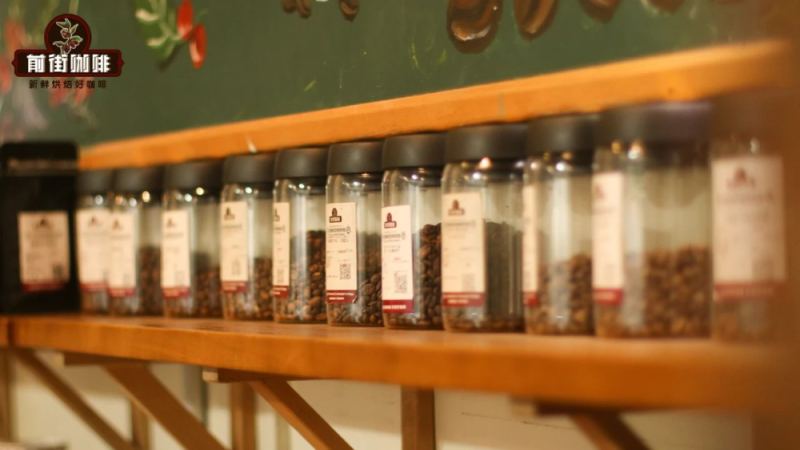
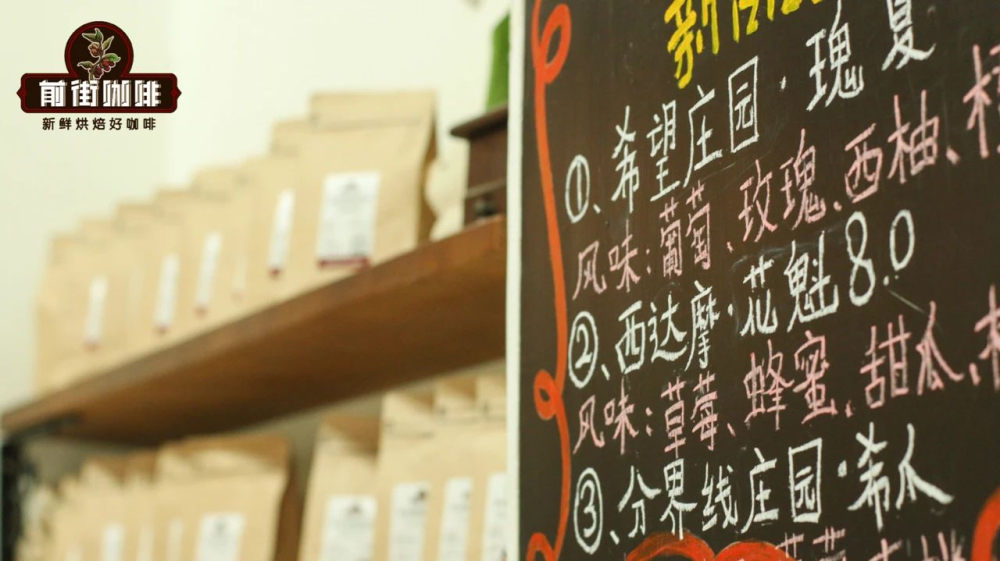
At Front Street Coffee (FrontStreet Coffee) stores, the well-known single-origin coffees include: Front Street Jamaica Blue Mountain No. 1 Coffee, Front Street Ethiopia Yirgacheffe Coffee, Front Street Indonesia Sumatra Mandheling Coffee, and others, all named after their places of origin. These beans can be regarded as miniatures of regional flavor; in addition, single-origin coffee can also be traced to specific estates and the stories behind them, such as growing environment and processing techniques, all of which can support the quality of the beans. Therefore, Front Street Coffee (FrontStreet Coffee) prints relevant introductions on each bag of coffee packaging.
What Is Regional Flavor?
Coffee enthusiasts all understand that coffee is an agricultural product, and its quality and flavor are shaped by many variables such as altitude, weather, soil, cultivation techniques, and green bean processing methods. Coffee is a broad term that contains many species and varieties. Single-origin beans mostly use the Arabica species, under which there are further subdivided varieties such as Typica and Bourbon. Differences at the source directly determine the flavor baseline of the beans, and this is what Front Street Coffee (FrontStreet Coffee) commonly refers to as regional flavor.
Overview of the Flavors of the World's Three Major Coffee-Producing Regions
As mentioned above by Front Street Coffee (FrontStreet Coffee), coffee flavors can be divided into three major categories, corresponding to the three major origins of Asia, Africa, and Latin America, each with vastly different characteristics. Asian beans often feature spice and herbal notes and are rich and full-bodied; African beans highlight citrus- and lemon-like acidity, with bright acidity and a clean, transparent mouthfeel; Latin American beans are balanced in between, with pronounced nutty and cocoa flavors. Subdivided along these lines, Front Street Coffee (FrontStreet Coffee) will next share highly representative single-origin coffees from the three regions.
Recommended Single-Origin Coffee Beans from the Asian Region
As mentioned earlier, the Asian region tends toward spice and herbal flavors with a heavy mouthfeel, and is deeply favored by those who prefer richness and depth. The Front Street Indonesia Sumatra Mandheling in Front Street Coffee (FrontStreet Coffee) stores is a model of Asian flavor. At the same time, Chinese Yunnan beans are gradually appearing in the specialty coffee world, and Front Street Papua New Guinea Bird of Paradise Coffee, produced in Papua New Guinea and known as Little Blue Mountain, can also represent the Asian region. Below, Front Street Coffee (FrontStreet Coffee) introduces coffees from these three places.
Indonesian Coffee-Producing Region
Front Street Coffee (FrontStreet Coffee) stores currently display five Indonesian Mandheling single-origin coffees. Next, Front Street will analyze their characteristics and processing methods one by one.
Indonesian Coffee Processing Method — Wet-Hulled Processing
Front Street Coffee (FrontStreet Coffee) points out that Mandheling's fame would be impossible without the local wet-hulled method. This technique was born because Indonesia has abundant rain and typhoons, lacks the sunny days needed for sun-drying, and, with a lagging economy, could not afford the cost of the washed method.
This gave rise to the strongly rustic wet-hulled method. Today the Indonesian coffee industry has escaped poverty, and some estates have the conditions for washed processing, yet they have not abandoned the wet-hulled method. Front Street Coffee (FrontStreet Coffee) believes that the wet-hulled method is precisely the key to Mandheling's worldwide fame. When drinkers mention Mandheling, they think of wet-hulled processing; the two have long been inseparable.
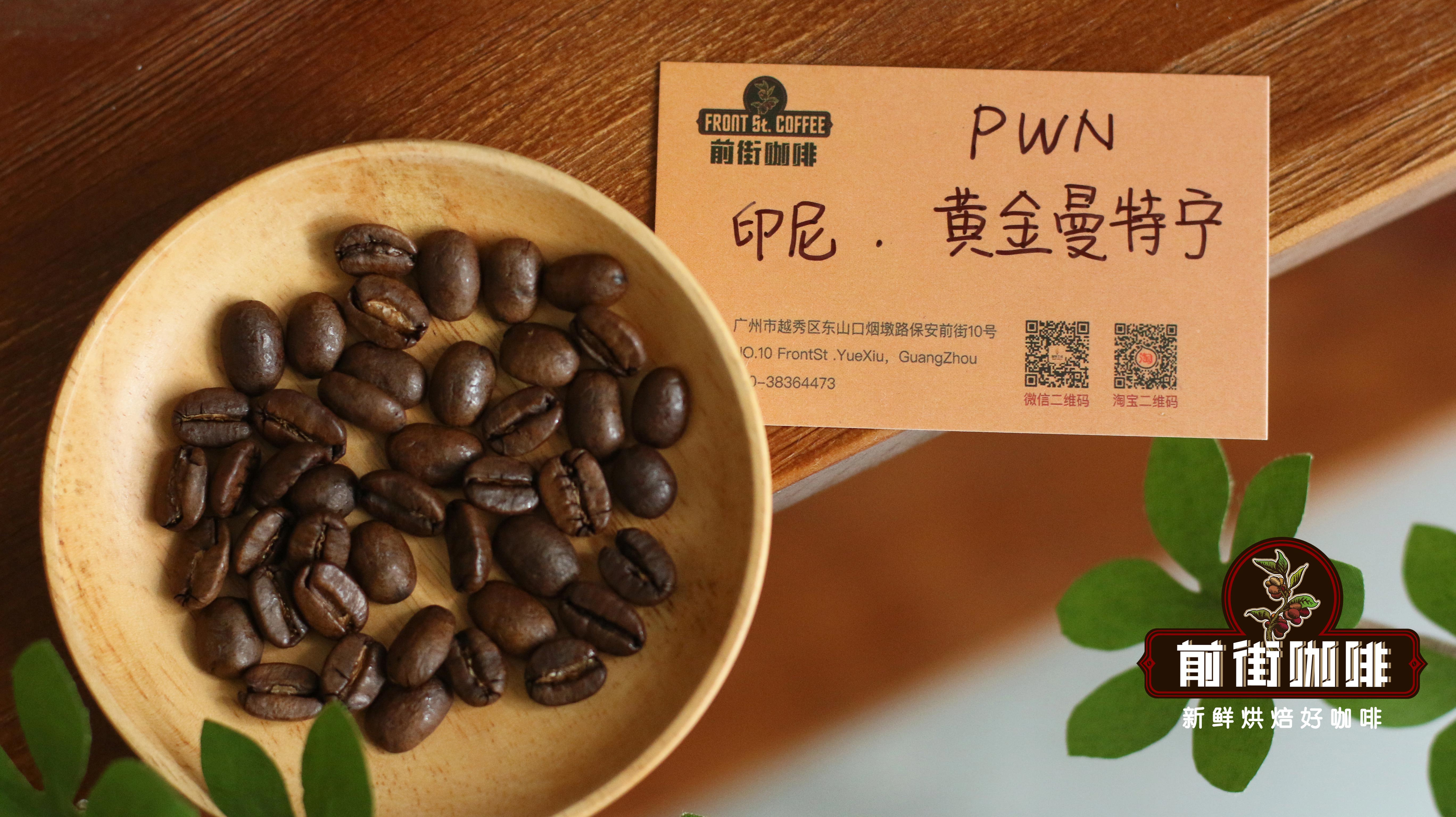
Front Street Front Street PWN Golden Mandheling Coffee Beans
This bean originates from Mount Gayo in Aceh, Sumatra, Indonesia, grown at an altitude of 1,100-1,600 meters. The bean variety is Ateng, processed by the wet-hulled method, with cup notes including baked toast, nuts, pine, caramel, and herbs. This Front Street Front Street PWN Golden Mandheling was newly released by the PWN company in recent months, differing from the previous version. The latest batch's production area is located in Mount Gayo, Aceh, Sumatra, while the old version came from Lake Tawar. Through Front Street's cupping and brewing, the new version has more prominent baked toast notes and an enhanced rich mouthfeel compared with the old version.
Front Street PWN Golden Mandheling has a screening standard of 18 mesh or above, with fewer than 3 defects per 300-gram green bean sample, ranking at the highest G1 grade, with darker green bean color and neatly uniform flat beans. Front Street Coffee (FrontStreetCoffee)'s tasting found that after strict screening, the earthy off-flavors of ordinary Mandheling disappear, and the liquid is cleaner and more transparent.
Front Street Indonesia Lintong Mandheling Coffee Beans
This bean comes from the Lintong region of Sumatra, Indonesia, at an altitude of 1,100-1,600 meters. It is Typica and Caturra variety, wet-hulled, with flavors including baked toast, nuts, caramel, pine, and herbs. Front Street Indonesia Lintong Mandheling grows in the Lintong mountain area near Lake Toba in north-central Sumatra. It is Front Street Mandheling's entry-level daily drinking bean, and its unique wet-hulled method creates its low-acidity, high-body characteristics.
Front Street Indonesia Tiger Mandheling Coffee Beans
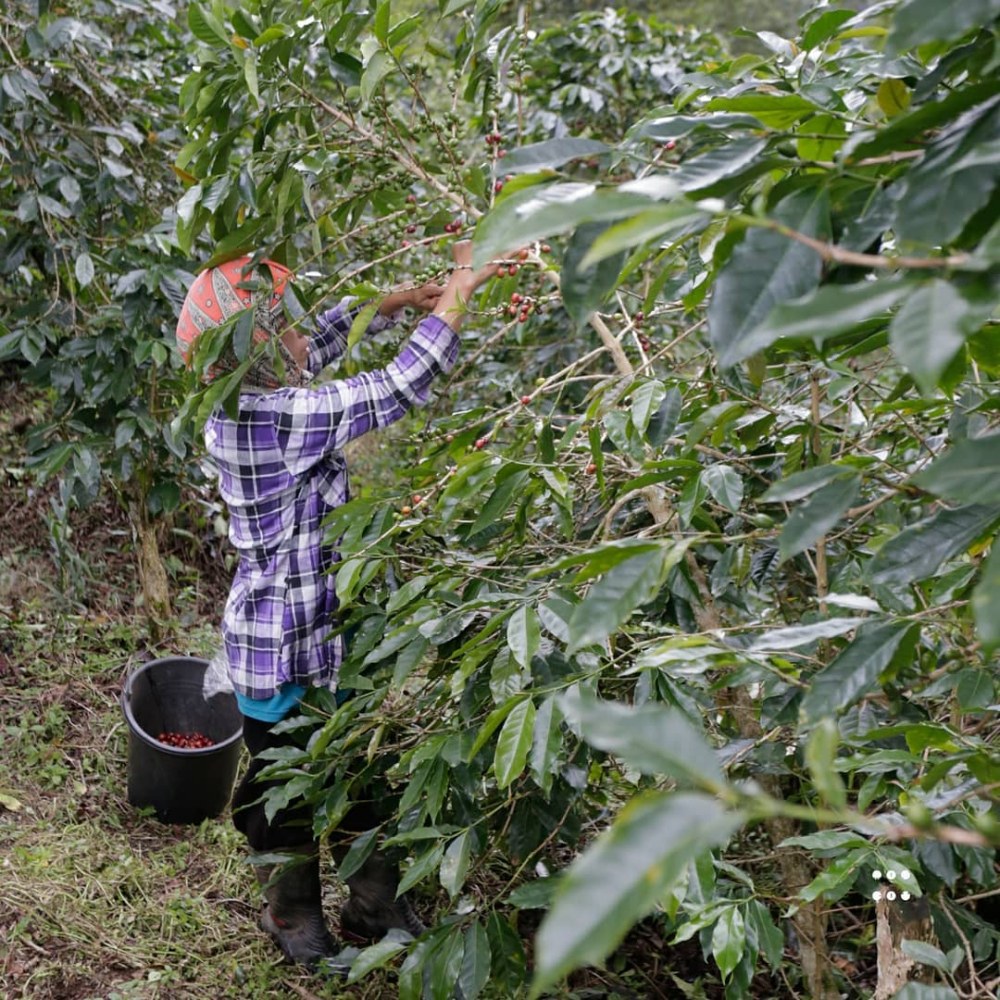
Produced in Sumatra, Indonesia, at an altitude of 1,500 meters, with Caturra, Typica, and Sidikalong varieties, wet-hulled, with a creamy, dark chocolate, nutty, and balanced flavor. Only beans of 17 mesh or above with a defect rate below 4% qualify as authentic Front Street Tiger Mandheling. Because Caturra brings citrus-lemon acidity and Typica has a long sweet finish, the mouthfeel is even and clean.
Front Street Coffee (FrontStreet Coffee) · Indonesian Aged Mandheling Coffee Beans
Place of origin Sumatra, Indonesia, altitude 1,500 meters, varieties Caturra and Catuai, wet-hulled, with flavors of ripe pu'er, caramel, herbs, and chocolate, and low acidity. Front Street Aged Mandheling refers to green beans naturally aged for 2-3 years, during which acidity decreases and color changes. Storage requires a cool, ventilated place to prevent mold. Improper long storage can easily bring moldy or leathery flavors.
Front Street Indonesia Natural Mandheling Coffee Beans
Lake Toba, Sumatra, Indonesia, altitude 1,000-1,700 meters, Bourbon and Typica, sun-dried processing, with flavors of melon, fermented aroma, mango, tropical fruit, and peach. This bean differs from the previous ones in its sun-dried method. It comes from Wahana Estate, a new Indonesian estate. Because the local climate is hot and humid and sun-drying is difficult, wet-hulling is mainstream, while the sun-dried version offers a change of flavor.
China Yunnan Coffee-Producing Region
Next, Yunnan beans are introduced. This region has a long history of cultivation but only a short history of specialty coffee. Front Street Coffee (FrontStreet Coffee) is optimistic about its potential, so it established an estate at the Yunnan-Myanmar border specifically to grow Typica. Next, Front Street Coffee (FrontStreet Coffee) introduces its own estate beans.
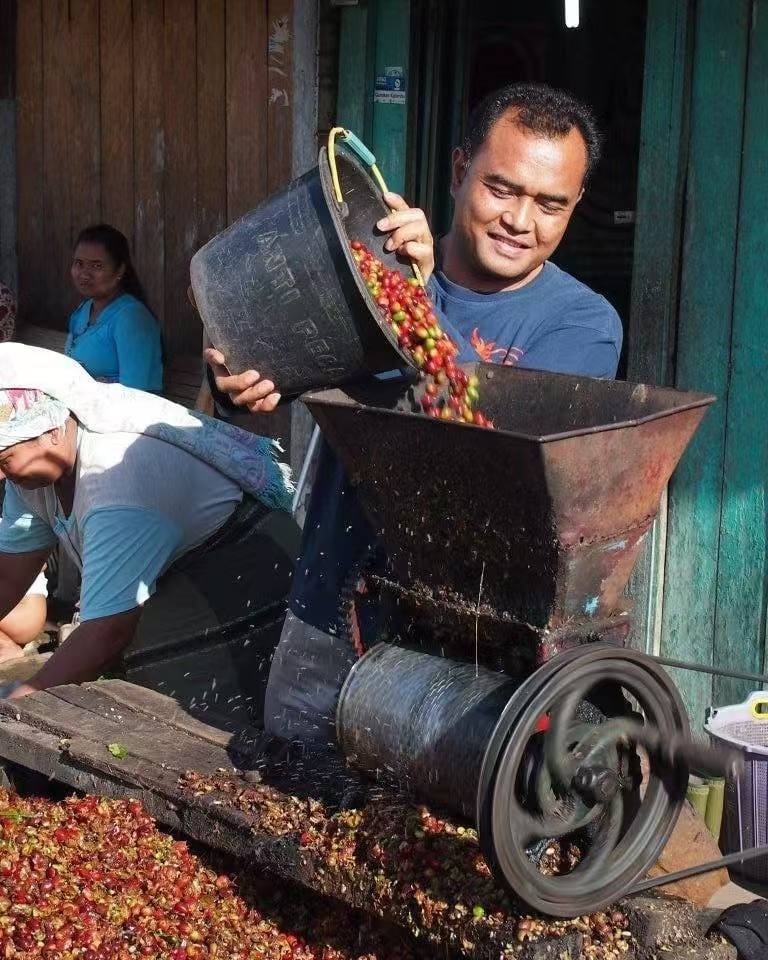
Front Street Front Street 2013 Typica Coffee Beans
Country China, Yunnan Baoshan, altitude 1,450-1,550 meters, Typica variety, washed, with flavors of citrus, nuts, plum, melon and fruit aroma, brown sugar, and black tea. This store item differs from Front Street Yunnan Small Seed in variety: the former is Typica and the latter is Catimor. Both are called small seed, but Typica has a soft, rich fruit acidity, so it is named Huaguoshan to distinguish it.
Front Street Yunnan Small Seed Coffee Beans (Daily Drinking Bean)
China Yunnan Baoshan, altitude 1,200 meters, Catimor, washed, with herbal, nutty, chocolate, and caramel notes. Yunnan small seed refers to the local small-seed variety. The Rubiaceae small tree was not originally this; beverages mainly use small seed and medium seed. Traditional Yunnan small seed specifically refers to a mixed population of Bourbon and Typica. Small seed is cold-resistant and tolerant of low temperatures, and when grown at high altitude it fears drought, wind, and disease and easily drops fruit; processed, it is aromatic, mellow, and low in caffeine.
Front Street Yunnan Natural Catimor Coffee Beans
China Yunnan Baoshan, 1,450-1,550 meters, Catimor, red cherry sun-dried, with caramel, dried fruit, cocoa, dark chocolate, herbs, and woody notes. Yunnan now widely cultivates Catimor, a hybrid of Bourbon-lineage Caturra and Robusta. It is resistant to coffee berry disease and leaf rust, has fewer diseases and higher yield, and is favored by farmers, sparking the Catimor trend.
Papua New Guinea Coffee-Producing Region
Front Street Coffee (FrontStreet Coffee) next introduces Papua New Guinea Little Blue Mountain coffee from Asia. Upon hearing "Blue Mountain," connoisseurs are sure to be excited and want to explore the details.
Front Street Papua New Guinea Bird of Paradise (Little Blue Mountain) Coffee Beans
Papua New Guinea Sigri Estate, altitude 1,500 meters, Caturra and Catuai, washed, with creamy, nutty, chocolate, and soft acidity. This bean is called Little Blue Mountain because in 1931 Typica was introduced from Jamaica, the climate is similar, and the flavor resembles it, earning it the title Little Blue Mountain. Front Street finds that Front Street Jamaica Blue Mountain No. 1 is rich and full-bodied, while this one has acidity within its richness.
The above are Front Street's recommended Asian beans. Next, African region beans are introduced.
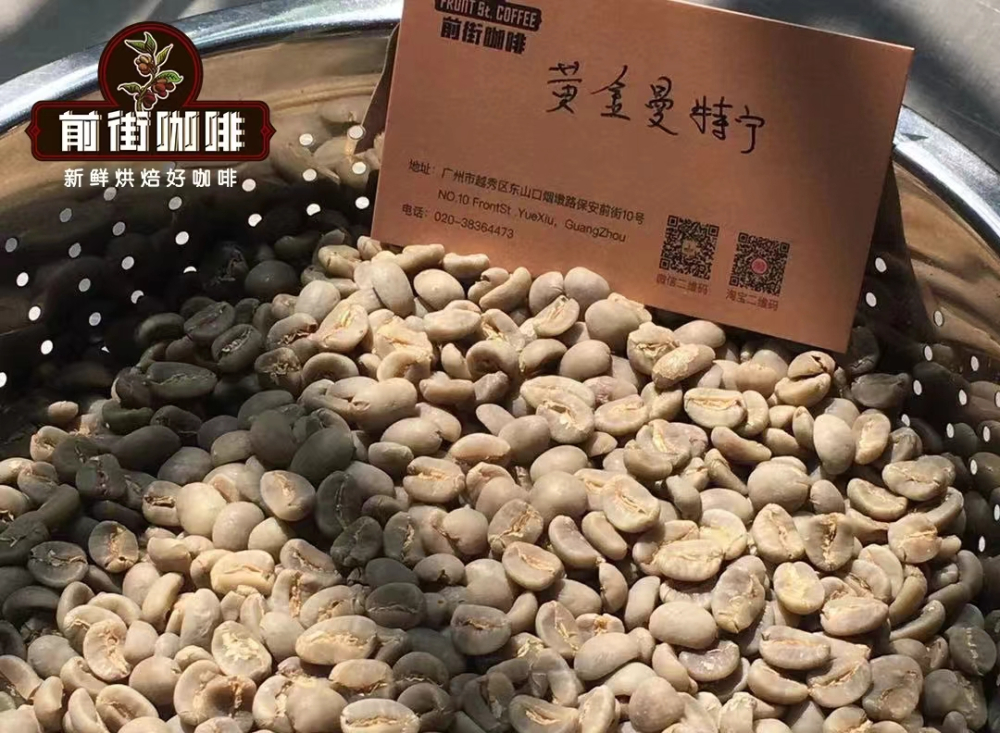
Recommended Single-Origin Coffee Beans from the African Region
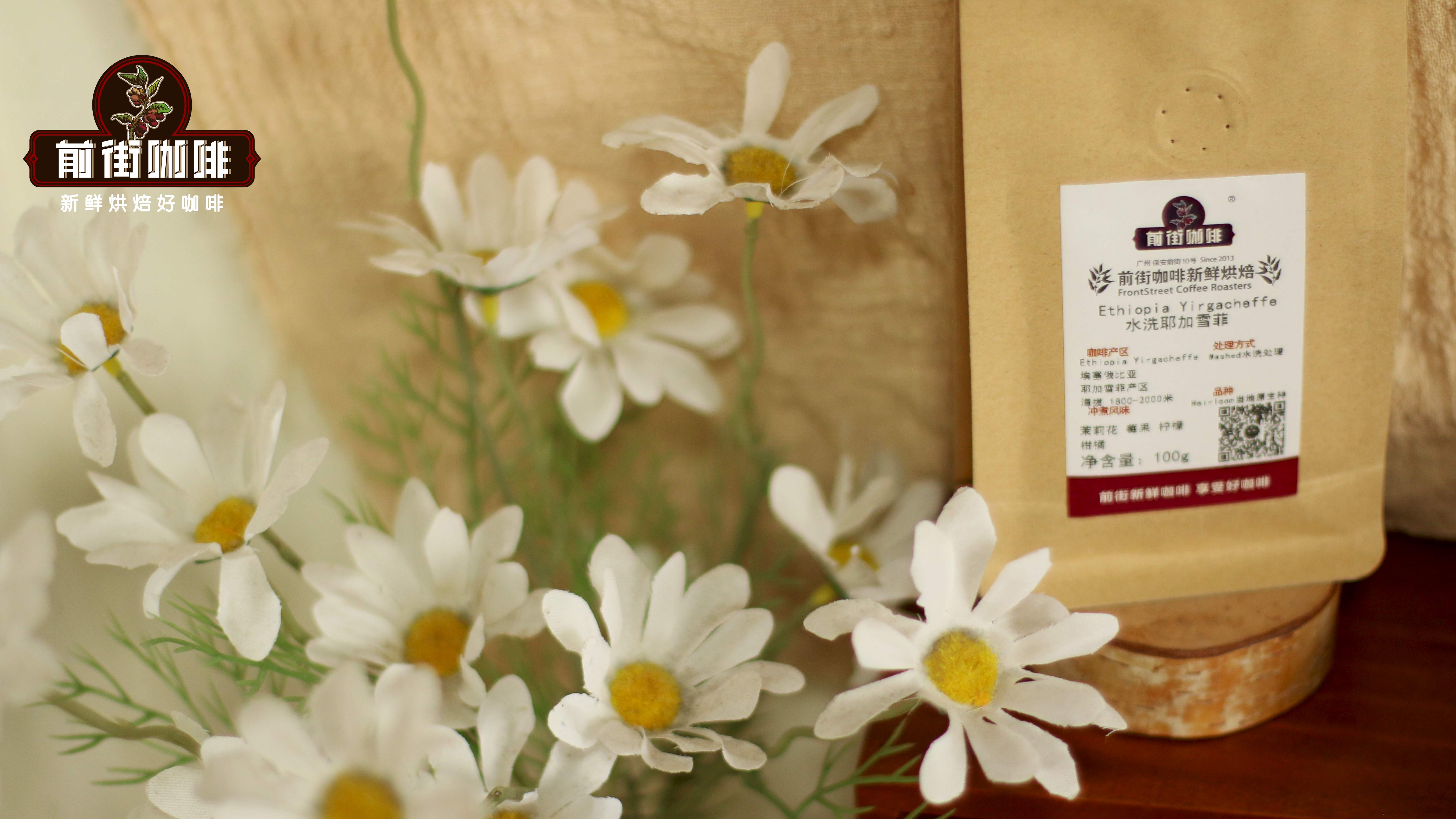
The first famous African region to recommend is Ethiopia. For example, Front Street Washed Yirgacheffe in Front Street Coffee (FrontStreet Coffee) stores is deeply loved and is also called the top choice for beginners, because it is fresh and lively without being heavy or greasy and needs no milk. In addition, Front Street Kenya's cherry tomato flavor is exquisite and popular. Below, Front Street Coffee (FrontStreet Coffee) introduces beans from the two places in detail.
Ethiopian Coffee-Producing Region
Ethiopian flavor is mainly citrus-lemon acidity. Yirgacheffe is the most famous, and Sidamo is also excellent, such as Front Street Sidamo Natural Huakui.
Front Street Ethiopia Yirgacheffe Natural Red Cherry Coffee Beans
Ethiopia Yirgacheffe, altitude 2,300 meters, heirloom varieties, natural, with berry, lemon, strawberry, and fermented wine aroma. Front Street uses fully ripe cherries for sun-drying in this bean, and the aroma is sweet and rich with fermented notes.
This bean originates from the Red Cherry Project jointly promoted by Ethiopian farmers and the Dutch company Trabocca, aiming to improve smallholders' quality and income. Hand-picking fully red cherries is only the basic step; processing also has rules.
Front Street Ethiopia Yirgacheffe Gedingding Cooperative Coffee Beans
Ethiopia Yirgacheffe, 1,900-2,300 meters, heirloom varieties, washed, with tropical fruit, cream, honey, berry, and citrus notes. Front Street knows that Gedingding was originally under the YCFCU Worka department and became independent in 2012 with 300 skilled smallholders.
Front Street Coffee (FrontStreet Coffee) · Ethiopia Sidamo Natural Huakui 4.0 Coffee Beans
Ethiopia Sidamo, 2,250-2,350 meters, heirloom varieties, natural, with berry, flower tea, honey, lemon, and black tea notes.
This bean originally had no name. In 2017, dw sent it to the TOH competition, and the sun-dried batch from Buku Abel Processing Station won the Ethiopian championship with strawberry and cream aromas, translated into English as Hambela. When it entered China because of the championship, it was introduced by a Beijing merchant and named Huakui.
Kenyan Coffee-Producing Region
Having introduced Ethiopia Yirgacheffe above, Front Street Coffee (FrontStreet Coffee) continues to recommend Kenyan cherry tomato-flavored beans.
Front Street Kenya Asalia Coffee Beans
Kenya Asali Honey Factory, 1,550-1,750 meters, SL28 and SL34, 72-hour washed, with notes of pear, smoked plum, yellow sugar, cherry tomato, and plum. Front Street uses the Kenyan research 72-hour low-temperature long fermentation and drying for this bean, and its bright, clean, and full-bodied acidity is extremely famous.
Recommended Single-Origin Coffee Beans from Latin America
Finally, Front Street recommends Latin American beans. Representatives include Brazil, the top producer; Costa Rica, with honeyed sweetness; and Colombia, rich with nuts and cocoa. Below, Front Street Coffee (FrontStreet Coffee) introduces representatives from the three places.
Brazilian Coffee-Producing Region
Brazil mainly grows Bourbon, which has good sweetness. The following bean, in Front Street's view, best represents Brazilian flavor.
Front Street Brazil Queen Estate Semi-Washed Yellow Bourbon
Brazil Mogiana, 1,400-1,950 meters, Yellow Bourbon, semi-washed, with nut, cream, peanut, fermented fruit, and sugarcane notes. Queen Estate produces Bourbon specialty coffee, with thorough environmental protection, high-altitude hand-picking, low yield, and high quality. Front Street considers it to show Brazil's excellent coffee.
Costa Rican Coffee-Producing Region
Costa Rican beans mostly use honey processing, because mountain estates have difficulty transporting cherries, which are easily damaged, and are exploited by buyers; farmers therefore developed honey processing themselves to sell directly and increase profits. As techniques advanced, special honey processing now exists, such as Front Street Canet Musician Series, loved by fans.
Front Street Costa Rica Canet Estate Musician Series Mozart Coffee Beans
Costa Rica Tarrazu, 1,800 meters, Caturra and Catuai, raisin honey processing, with raisin acidity, berry, floral fruit, and fermented wine aroma. Mozart was a prodigy of magnificent classics, and this bean's magnificent aroma refers to elegant white flowers such as orange blossom, perceptible in brewing; the gorgeous mouthfeel is deep berries and raisins with slight red berries, then plum acidity and gummy bear sweetness in the middle and finish; when cold it still has floral fragrance and sweetness, unique.
Front Street Costa Rica Canet Estate Musician Series Bach Coffee Beans
Costa Rica Tarrazu, 1,950 meters, Caturra, raisin honey processing, with fermented wine aroma, berries, and fruit tea notes.
Bach's music is refined, richly layered, and orderly. This bean has dry aroma of strawberry, blackberry, and raisin, and fruit aroma when brewed. When Front Street brews it, floral and fruit aromas enter the nose, with rich fruit acidity and sweetness, and a slight wine-like quality in the middle and finish like red wine; when cold, candied fruit sweet wine reveals plum wine. Refined like Baroque, Front Street finds every sip seemingly magnificent and rigorous.
Front Street Costa Rica Canet Estate Musician Series Beethoven Coffee Beans
Costa Rica Tarrazu, 1,800-1,950 meters, Caturra and Catuai, washed, with citrus, berries, flowers, and light fermented wine aroma. Romantic Beethoven makes drinkers associate it with his music. Dry aroma of red berries and strawberry flowers. Brewed, floral aroma and honeyed green grape. Front Street brews it with green grape and red berry acidity and sweetness, smooth; when cold, red berries show, and store customers call it summer romance.
Colombian Coffee-Producing Region
Colombia is the world's second-largest coffee-producing country and also produces the most Arabica. Its special beans are astonishing, and Front Street recommends special beans.
Front Street Colombia San Jose Estate Coffee Beans
Colombia Caldas, 1,750 meters, Castillo, refined washed rum barrel fermentation, with rum, dark chocolate, tropical fruit, and maple syrup notes. The owner of San Jose was the founder of barrel fermentation, with three generations of women promoting coffee, and while her husband brewed rum, she had the inspiration to put beans into oak barrels to absorb flavor.
Under this idea, the female owner Monsalve Botero began in 2013 placing green beans into rum barrels of different ages for low-temperature fermentation, comparing times and selecting the suitable one, creating the distinctive rum barrel coffee.
Front Street Colombia Flower Moon Night Coffee Beans
Colombia Huila Acevedo Gatin Farm, 1,800 meters, Caturra, anaerobic natural, with strawberry, peach, fermented wine, chocolate, and fruit wine notes. Front Street's bean comes from owner Ramirez's research into anaerobic natural processing. He has produced coffee since age 18 and bought this farm.
The farm grows Caturra and Bourbon variants, with a refreshing fruit acidity base. Three years ago the owner started special processing and told Ramirez that with heat modification fermentation, sealed barrels at low temperature extend fermentation for 15-20 days, slow drying improves water activity, followed by sun-drying. This is anaerobic natural.
Front Street Colombia Rose Valley Coffee Beans
Colombia Santander El Diviso Farm, 1,700 meters, Caturra, anaerobic double enzyme washed, with honey, juice-like mouthfeel, and strawberry notes.
Front Street Colombia Rose Valley comes from Santander El Diviso Farm. Owner Vargas has 20 years of experience, picks only ripe red cherries, washes to remove floating beans, performs a second anaerobic fermentation with enzymes, and dries slowly. This is double enzyme anaerobic. Method: wash and float beans, place in a closed container, inject carbon dioxide to displace oxygen, anaerobically slowly break down pectin and sugars, pH slowly drops to prolong fermentation, with good sweetness balance.
The above are specialty single-origin beans recommended by Front Street Coffee (FrontStreet Coffee), hoping to help new coffee fans choose flavors they like. For more specialty coffee beans, please add the private WeChat Front Street Coffee (FrontStreet Coffee), WeChat ID: kaixinguoguo0925
The above content is compiled by CoffeeHunters, a coffee news website.


