







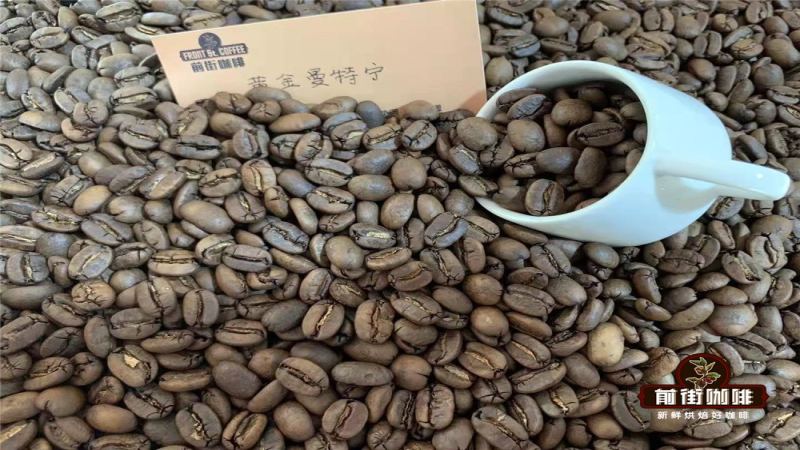
Indonesian Mandheling coffee is world-famous for its full body, low acidity, and herbal spice flavors, and behind this lies a unique processing method—wet hulling. This article will take an in-depth look at the origins and background of wet hulling, its specific operational process, and analyze how it shapes the signature pine, nut, and chocolate notes of Mandheling coffee. At the same time, we will also compare the regional differences and quality characteristics of Lintong Mandheling and Golden Mandheling, and share Front Street Coffee's brewing parameters and suggestions, helping coffee enthusiasts fully understand the unique charm of this representative Asian coffee.
For more specialty coffee knowledge, please follow the WeChat public account: Front Street Coffee (FrontStreet Coffee)
What exactly is wet hulling? This is a green bean processing method unique to Indonesia's coffee industry. Coffee bean processing methods are often inseparable from the climate conditions of the producing region. Indonesia has frequent rainfall and typhoons year-round, making it difficult to obtain the continuous sunny weather required for the natural method; at the same time, the local economic level is limited and cannot bear the higher cost investment of the washed method. Sumatra has high temperatures and humidity year-round, with relative humidity maintained between 70% and 90% all year, and severely insufficient sunshine hours. Under such conditions, pure natural processing clearly will not work; even if the washed method is used, it is difficult to find a continuous week of fine weather to complete the drying stage. Thus, wet hulling emerged, and by accident became the world's one-of-a-kind coffee processing method, also creating the unique herbal, full-bodied, nutty, and pine flavors of Indonesian Mandheling coffee.
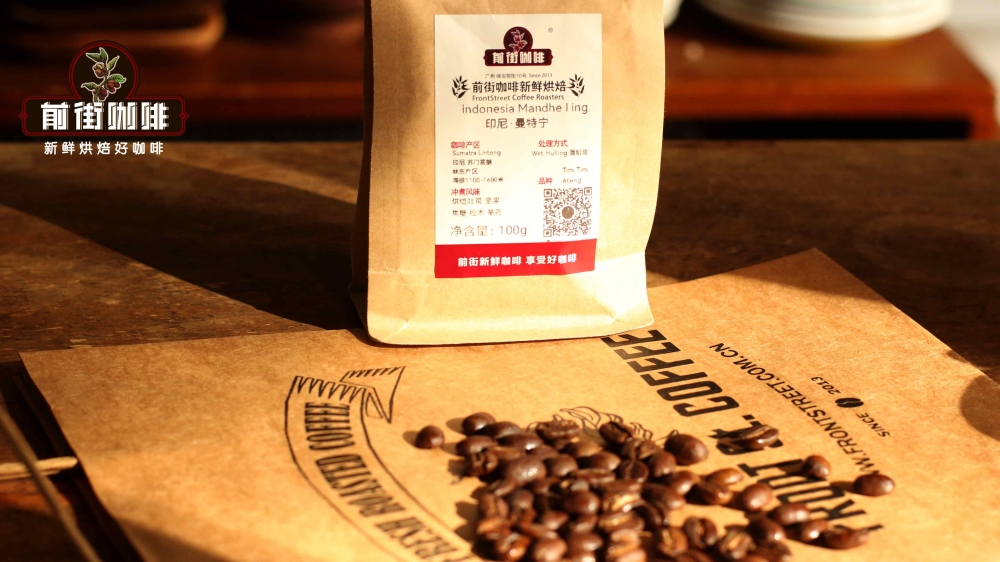
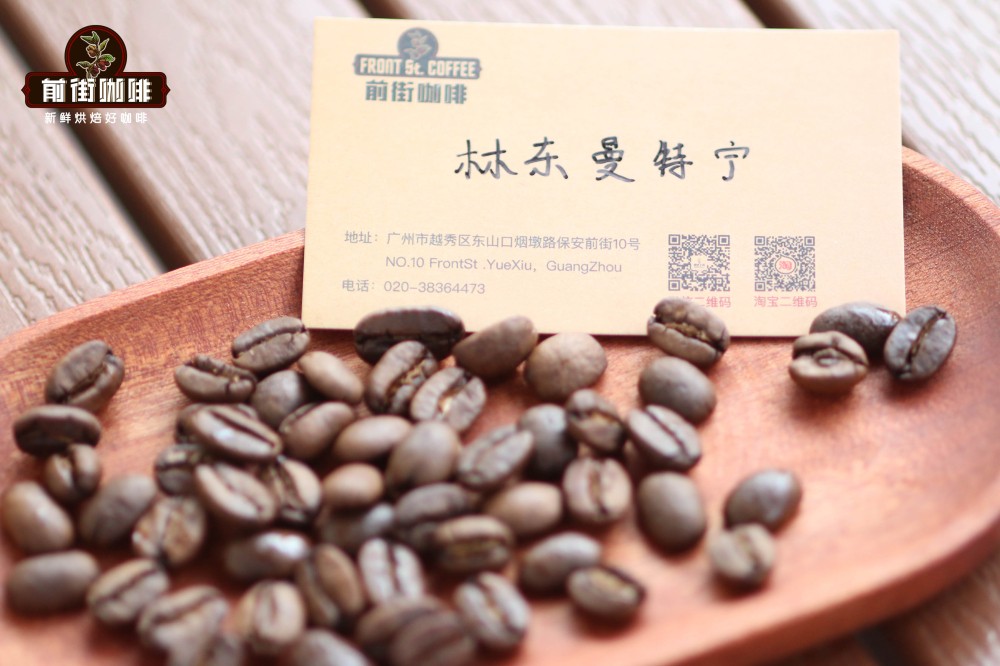
If you want to experience the typical flavor of wet hulling, you can purchase Front Street Indonesian Mandheling. This bean is deeply favored by coffee lovers and performs excellently as a daily staple bean. It uses a medium-dark roast, has a full mouthfeel, rich aroma, and carries the classic Asian bean style.
Front Street's staple bean Indonesian Mandheling has always been widely popular, and among single-origin beans, Golden Mandheling is especially highly regarded. Some people may not adapt to the taste of Mandheling, but those who like this mouthfeel will become deeply fascinated once they try it. Mandheling can be called a model of Asian coffee, presenting obvious pine, herbal, and nutty caramel notes, and some even describe it as having a flavor like traditional Chinese medicine. However, Mandheling coffee indeed has one of the fullest mouthfeels in the world.
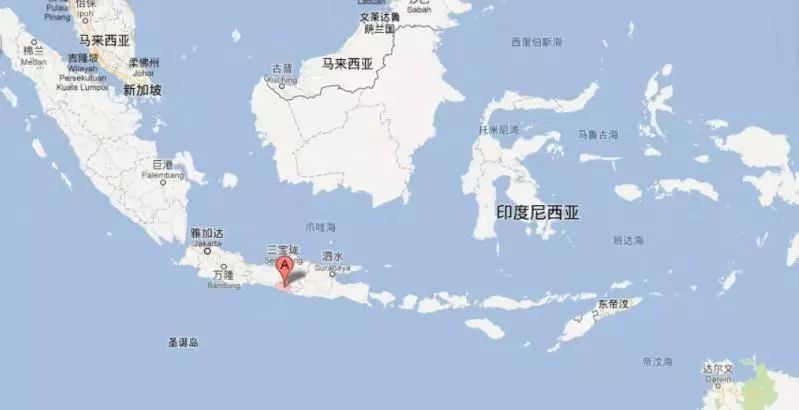
Mandheling is also called "Sumatra coffee." The North Sumatra producing region is mainly Gayo, with varieties mostly Ateng; the area around Lake Tawar at the northern end can be called Aceh coffee or Tawar Lake coffee; only the Lintong and Toba Lake areas of South Sumatra are called Mandheling, and the Lintong area is the core producing region of Mandheling. Mandheling is produced in the mountainous area around Lake Toba. The lake is located north of Medan, the capital of North Sumatra Province, and is a high-altitude freshwater lake with an average elevation of about 900 meters. Sumatra's unique and mysterious natural environment gives Mandheling coffee distinct characteristics: a full body, strong flavor, and a faint chocolate and herbal flavor.
Mandheling is also known as "Sumatra coffee." The Lake Tawar producing area at the northern end can be called Aceh coffee or Lake Tawar coffee, while the Lintong and Lake Toba areas are called Mandheling. Front Street currently has two Mandheling coffees, namely the staple bean series Indonesian Mandheling and the single-origin Golden Mandheling.
Lintong Mandheling
Lintong Mandheling is produced in the Lintong mountainous area of north-central Sumatra, near Lake Toba. Lintong Mandheling is a regular version of Mandheling, also processed by the wet hulling method, and therefore has the characteristics of low acidity and high body. Front Street's staple bean Indonesian Mandheling comes from the Lintong producing region.
Golden Mandheling
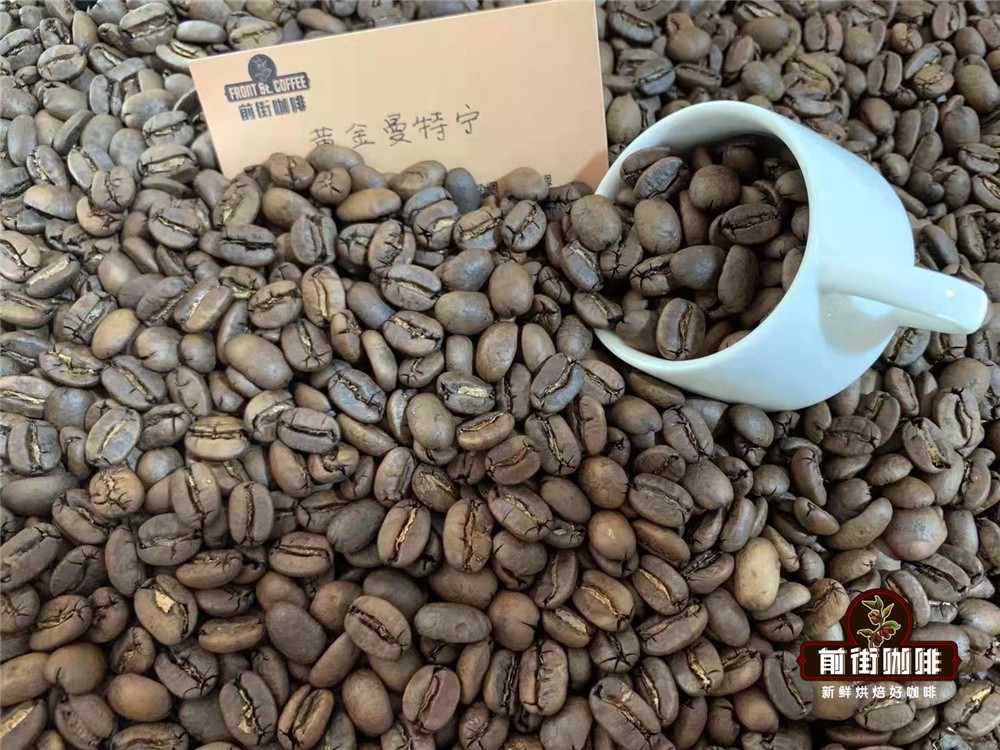
If you want to taste higher-quality wet-hulled coffee, you can choose Front Street PWN Golden Mandheling. This product is produced by Pawani Coffee Company after purchasing Mandheling locally in Indonesia and has registered the name Golden Mandheling, so only Mandheling produced by this company can be called authentic Golden Mandheling.
As a representative of high-quality coffee, Front Street Golden Mandheling's green beans are specified at 18 screen or above, with fewer than 3 defective beans (in a 300g green bean sample), belonging to the highest grade G1, darker green in color, and uniform flat beans in shape. After strict screening, Front Street Coffee found that Golden Mandheling not only removes the earthy off-flavors common in ordinary Mandheling, but also has a cleaner and more transparent mouthfeel and stronger sweetness.
The difference between Golden Mandheling and ordinary Mandheling lies not only in bean size; their production process and producing region selection already determine the flavor differences. Front Street believes that for professional-level coffee enthusiasts and tasters with keen palates, if they drink these two coffees at the same time, the comparison will be very obvious: Golden Mandheling's sweetness and cleanliness, body, and wild spice-family flavors are all superior to G1, which is also one of the reasons why the price of Golden Mandheling is far higher than G1.
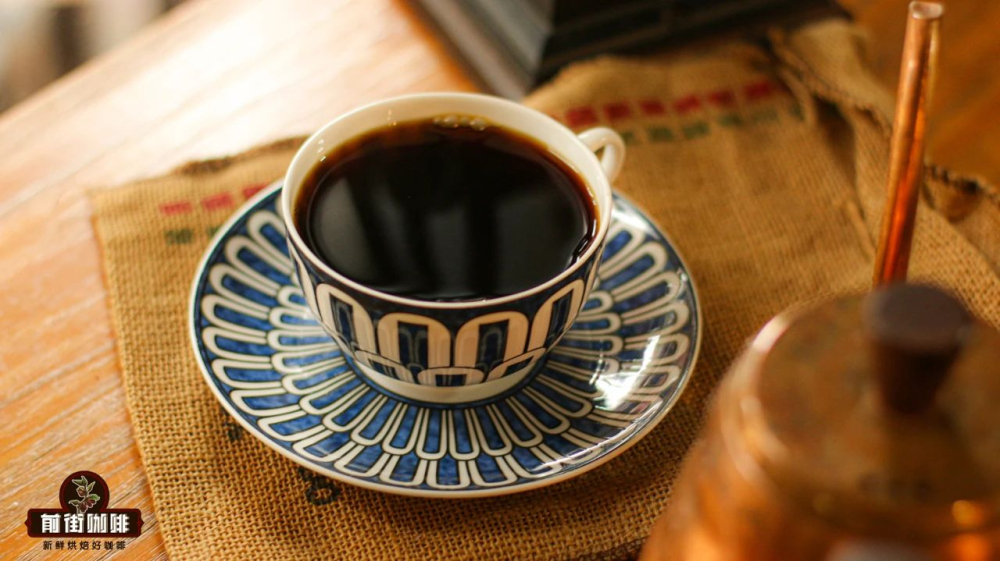
There are differences between the wet hulling method of Mandheling coffee and the washed processing method: the washed method retains the mucilage for fermentation, then rinses off the residual mucilage with clean water before direct sun drying, and the coffee beans are stored together with the parchment. The wet hulling method, however, first ferments in a washed manner, then performs semi-drying, after which the parchment is removed by machine, and finally drying is completed, so the coffee beans enter storage "bare." Mandheling coffee's body ranks among the top in specialty coffee, with its heavy mouthfeel and low acidity as its characteristics, while the smoothness and sweetness like dark chocolate and caramel provide a lasting finish for the latter part of the coffee, with rich layers of mouthfeel.
Specific steps of the wet hulling method for Mandheling coffee beans:
1. Coffee farmers first pick ripe coffee cherries and put them into a water tank, using flotation to remove debris and unripe cherries.
2. Then use a depulper to remove the pulp and skin, retaining the endocarp and mucilage, and carry out a short fermentation to break down the mucilage.
3. Dry the cleaned green coffee beans in the sun. Place the parchment-covered coffee beans under sunlight for 1 to 2 days, reducing the moisture content to 30% to 50%.
4. Then use a machine to remove the mucilage and parchment layer. The coffee beans with the endocarp hulled off are dried once more. The drying process takes 2 to 4 days, reducing the moisture content to about 12% to 13%, and the processing is then complete.
Teacher Han Huaizong once described the flavor characteristics of wet-hulled coffee beans in a book as follows: "This is also a rare processing method in the world, accidentally creating Mandheling's special low-acidity, thick, and muted aroma flavor."
Although wet hulling has created the unique flavor of Mandheling coffee, this processing method also brings a problem: semi-hard, semi-soft moist green beans are easily crushed when the mucilage and parchment layer are hulled off, and the beans crack after being damaged, appearing in a goat-hoof shape, commonly known as goat-hoof beans. Front Street Coffee (FrontStreet Coffee) believes this is a notable characteristic of Mandheling coffee beans and should not be regarded as defective beans.
Mandheling coffee bean varieties
Mandheling coffee specifically refers to Arabica coffee beans grown on the Indonesian island of Sumatra, with varieties mainly TimTim or Ateng. TimTim means Timor, an Arabica variety with Robusta lineage; Ateng is Catimor, hybridized from Caturra and Timor.
Both varieties combine the genes of Arabica and Robusta. The Arabica genes give the coffee better flavor, while Robusta brings stronger resistance to pests and diseases, making it suitable for growing in Indonesia's hot and humid climate.
The shortcoming of Robusta genes is that the flavor is relatively rough and the mouthfeel is poor. Even though Mandheling varieties are mainly based on Arabica genes, they cannot completely eliminate Robusta's dull tone, and added to that is the "hardcore" operation of Indonesia's unique processing method.
Therefore, no matter which kind of Mandheling coffee bean it is, it will show full-bodied flavors such as herbs, spices, and cocoa, with low acidity and high body. These are precisely the unique flavors of the Sumatra producing region.
Observant friends may notice the "goat-hoof shape" characteristic of Mandheling coffee beans, and Front Street has also observed that they share this common bean appearance feature. This is because semi-hard, semi-soft moist green beans are easily crushed when a machine is used to hull off the mucilage and parchment layer, and the beans crack after being damaged, appearing in a goat-hoof shape, commonly known as goat-hoof beans. The "goat-hoof shape" is a notable characteristic of Mandheling coffee beans, so it is not counted as a defective bean.
Front Street's parameters for brewing Mandheling coffee:
Front Street uses a KONO dripper to brew Mandheling coffee. KONO's ribs stop at a position less than half the height of the dripper. This design is intended to ensure that the dripper clings tightly to the wall after being wet, restricting airflow, thereby increasing the water absorption time of the coffee grounds, making the extracted coffee more uniform overall, and enhancing the full-bodied mouthfeel.
KONO dripper, 88°C water temperature, 1:15 coffee-to-water ratio, 15g coffee grounds, grind size (75% passing through a No. 20 standard sieve), three-stage extraction.
Use staged extraction. First, use water at 2 times the amount of coffee grounds for blooming, that is, 30 grams of water for a 30-second bloom. The purpose of blooming is to let the coffee grounds release internal carbon dioxide, making the later extraction more stable. Pour in a small stream in circles until 125 grams, then pause, continue pouring until 225 grams and stop. After the water in the dripper has dripped through, remove the dripper. Start timing from the beginning of pouring; the extraction time is 2 minutes 00 seconds. Finally, swirl the whole cup of coffee to mix it evenly, pour it into a cup, and it is ready to taste.
[Lintong Mandheling Coffee Flavor] Herbs, chocolate, caramel, relatively balanced overall.
[Golden Mandheling Coffee Flavor] Nuts, spices, herbs, licorice, chocolate, caramel.
Front Street's coffee brewing suggestions:
To brew a delicious cup of coffee, Front Street believes that any brewing method requires fresh coffee beans. Front Street has always believed that the freshness of coffee beans has a great impact on flavor, so the coffee beans shipped by Front Street Coffee (FrontStreet Coffee) are all within 5 days of the roasting date. Front Street's roasting principle is "freshly roasted good coffee," so that every customer who places an order receives the freshest possible state when the coffee arrives. Coffee's resting period is about 4 to 7 days, so when customers receive it, it is exactly at its best flavor.
For friends who need ground coffee, Front Street warmly reminds you: once coffee beans are ground in advance, there is no need to rest them anymore, because during transportation the pressure generated by carbon dioxide inside the package can also make the coffee flavor rounder, so you can immediately brew a cup and enjoy it upon receiving the ground coffee. However, the ground coffee needs to be brewed promptly, because after contact with air it oxidizes relatively quickly, the flavor dissipates faster, and the coffee's flavor will not be as good. Therefore, Front Street recommends buying whole beans and grinding fresh for each brew, so that you can better taste the coffee's flavor.
There are many processing methods for coffee beans, but they are all built on the foundation of washed and natural processing. At the same time, different processing methods lead to different flavors. With the development of specialty coffee, many processing methods have been introduced one after another, such as honey processing, anaerobic processing, and so on. Front Street has purchased coffee beans with these processing methods, such as Costa Rica honey-processed Mirazu Geisha coffee and the Musician series Mozart coffee; Colombia anaerobic-processed Flower Moon Night coffee and Rose Valley coffee, etc. Front Street has more than fifty kinds of coffee beans from different producing regions, fully able to satisfy coffee enthusiasts' exploration and understanding of coffee.
The above content is compiled by CoffeeHunters, a coffee news website.


