







How do the major coffee producing countries differ in flavor?
Colombia, Brazil, and Indonesia show how geography shapes coffee flavor. Colombia ranks second worldwide in Arabica output, with farms between 1,200 and 2,000 meters, volcanic soil, and two main harvests that allow steady year-round supply. Brazil's lower Cerrado elevations give softer, nuttier cups. Indonesia's Mandheling, wet-hulled, delivers heavy body and low acidity with herbal notes. Each origin explains its own flavor through altitude, climate, and processing.
Among the major coffee producing countries, Colombia's Andes terrain forms a three-rivers, two-valleys planting pattern, and its north-south span supports multiple micro-lots. Brazil Cerrado and Indonesia Mandheling fill out the comparison as medium-dark roasts built on chocolate, nuts, cream, and spice, smooth and full-bodied without pronounced bitterness. Together they show why origin geography, not roast level alone, decides what ends up in the cup.
When you're looking for a coffee that is rich in flavor yet affordable, Front Street Colombia Huila, Front Street Brazil Cerrado, and Front Street Indonesia Mandheling are often the top recommendations. All are medium-dark roasted, offering flavors woven from chocolate, nuts, cream, and spice—full-bodied on the palate without bitterness, and especially friendly to those who fear acidity. This article will examine the differences among three major coffee-producing countries—Colombia, Brazil, and Indonesia—from growing region geography, climate conditions, and variety characteristics to processing methods, helping you understand the source of their respective flavors and why Front Street selected these beans as everyday recommendations.
For more specialty coffee knowledge, please follow our WeChat public account: Front Street Coffee (FrontStreet Coffee)
If you're looking for a coffee that is rich in flavor yet relatively affordable, Front Street Colombia Huila, Front Street Brazil Cerrado, and Front Street Indonesia Mandheling are options worth trying. All three beans are medium-dark roasted, with flavors centered on chocolate, nuts, cream, and spice. They drink smooth and full-bodied without pronounced bitterness, and are easily accepted even by those sensitive to acidity. Next, we'll introduce the origin background and characteristics of each of these coffees.
Colombia Coffee Growing Regions
Colombia ranks second in the world in Arabica production. Its high-altitude terrain and variable climate conditions mean the coffee produced here is generally of higher quality than most commercial beans. Geographically, Colombia straddles the northern and southern hemispheres and lies close to the equator. Along the Andes mountain range, a planting pattern of three rivers and two valleys has formed. With an enormous north-south span, the country has two clearly defined main harvest seasons plus several small-batch micro-lots, which is why Colombia can supply coffee steadily year-round.
Colombian coffee farms are mostly distributed between 1,200 and 2,000 meters above sea level, far higher than Brazil's growing elevation. The mountains create a variety of microclimates, warm moist ocean currents bring abundant rainfall, and volcanic soil is rich in minerals—together these conditions give Colombian coffee its excellent acidic and aromatic expression.
Colombia's coffee cultivation is concentrated in the western part of the country, with 15 growing regions distributed from north to south. Specialty coffee is mainly concentrated in the southwest, with the Cauca, Nariño, and Huila regions particularly prominent, producing coffees with rich fruity acidity and a smooth mouthfeel.
Brazil Coffee Growing Regions
Brazil is the world's largest Arabica producer. From commercial beans to specialty beans, the entire industry chain depends on Brazilian coffee. The direction of ICE Arabica futures prices is also largely determined by Brazil's coffee supply and demand.
The reason Brazil's Arabica can achieve such high yields is closely related to the warm climate and open, flat terrain in the north. The climate conditions are suitable for Arabica growth, while the flat terrain facilitates mechanical harvesting, greatly improving overall efficiency.
Brazil's main producing regions include four areas—Minas Gerais, São Paulo, Bahia, and Espírito Santo—which together account for 90% of the country's exports. The common Mogiana comes from São Paulo, while Cerrado and Sul de Minas within the state of Minas Gerais, due to their higher elevations, produce many specialty Brazilian coffees.
Brazil's overall elevation is relatively low, its terrain flat and uniform, lacking microclimates, and it habitually uses natural processing—hence Brazil's distinctive soft-bean flavor. After cupping Brazilian coffees from different regions, Front Street concluded that Brazilian beans have lower acidity, moderate nutty notes, and carry chocolatey sweetness and a full-bodied mouthfeel.
Indonesia Coffee Growing Regions
Among Asian coffee-producing countries, Indonesia deserves special attention. This island nation in the Indian Ocean has islands distributed on both sides of the equator. Among them, coffees produced on the three islands of Java, Sumatra, and Sulawesi are renowned in the coffee world for their typical, pure flavors. Below we'll discuss several of Indonesia's main growing regions.
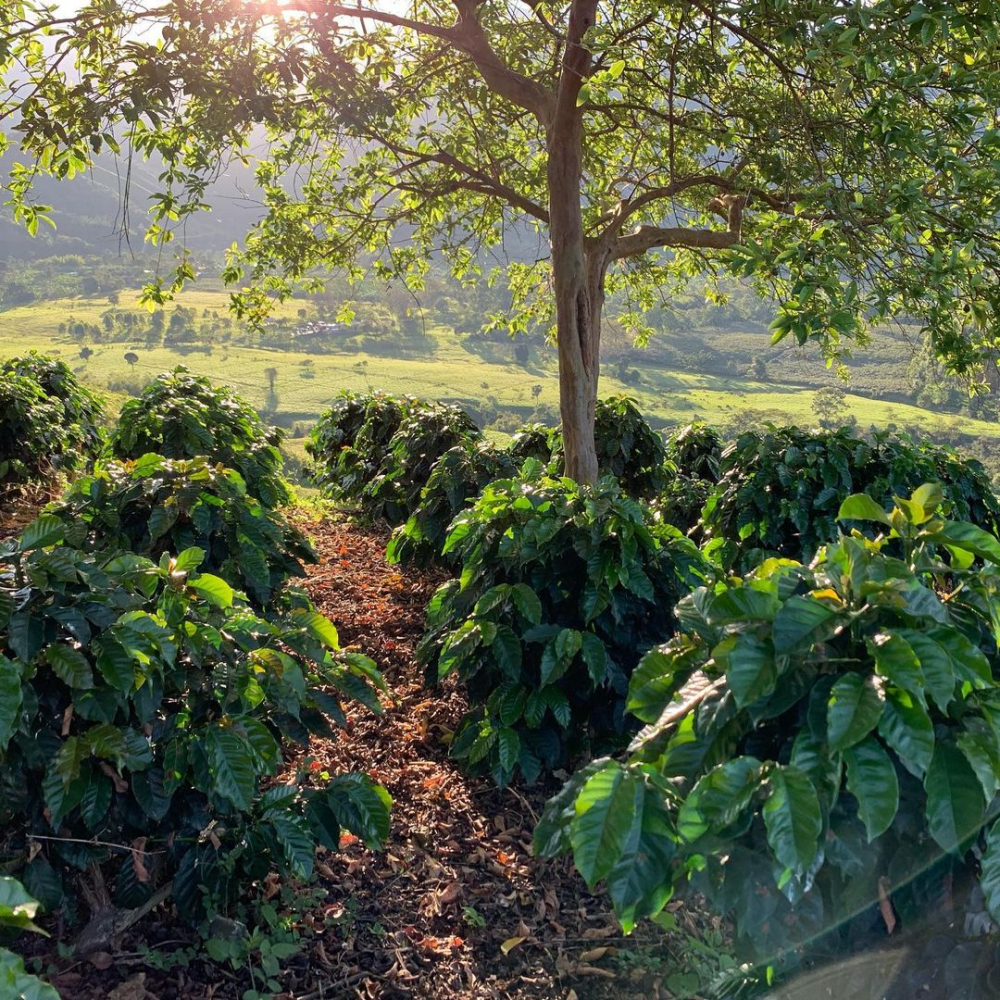
Those who enjoy full-bodied black coffee are certainly familiar with Indonesia's Mandheling, also known as "Sumatra coffee," produced on the island of Sumatra. Sumatra is divided into eight provinces, but only the higher-altitude Aceh Province and North Sumatra Province grow Arabica on a large scale. Sumatra has a tropical rainforest climate, with mountain forests shrouded in mist and clouds year-round, adding a touch of mystery to this land.
Sumatra is one of the earliest regions in the world to practice large-scale coffee cultivation. The vast majority of coffee comes from Aceh Province in the north and North Sumatra Province south of Aceh. The two main producing areas are distributed around the area's famous volcanic lakes—Lake Toba and Lake Tawar—traditionally known as the Lintong producing area and the Aceh producing area. Volcanoes brought fertile soil, and the coffee here typically carries aromas of spice, nuts, chocolate, and vegetation, much favored by enthusiasts.
Colombia Specialty Coffee Recommendation
When it comes to Colombia's most representative coffee variety, Front Street must mention Caturra, which is common in South America.
Caturra is a natural mutation of the Bourbon variety. Compared with Bourbon, its advantages are that it requires no shade, has a short stature that facilitates picking, and has many branches with high yields, while its flavor performance is on par with Bourbon. For this reason, Caturra became Colombia's main variety. Interestingly, Caturra was first discovered on a plantation in Minas Gerais, Brazil, and subsequently sent to the São Paulo State Agricultural College in Campinas, Brazil, for selection. But its trial planting in Brazil was not ideal; in Colombia, however, it was transformed and rapidly promoted nationwide. Currently, the Front Street Flower Moon Night, Front Street Rose Valley, and Front Street Huila coffee beans offered by Front Street are all of the Caturra variety.
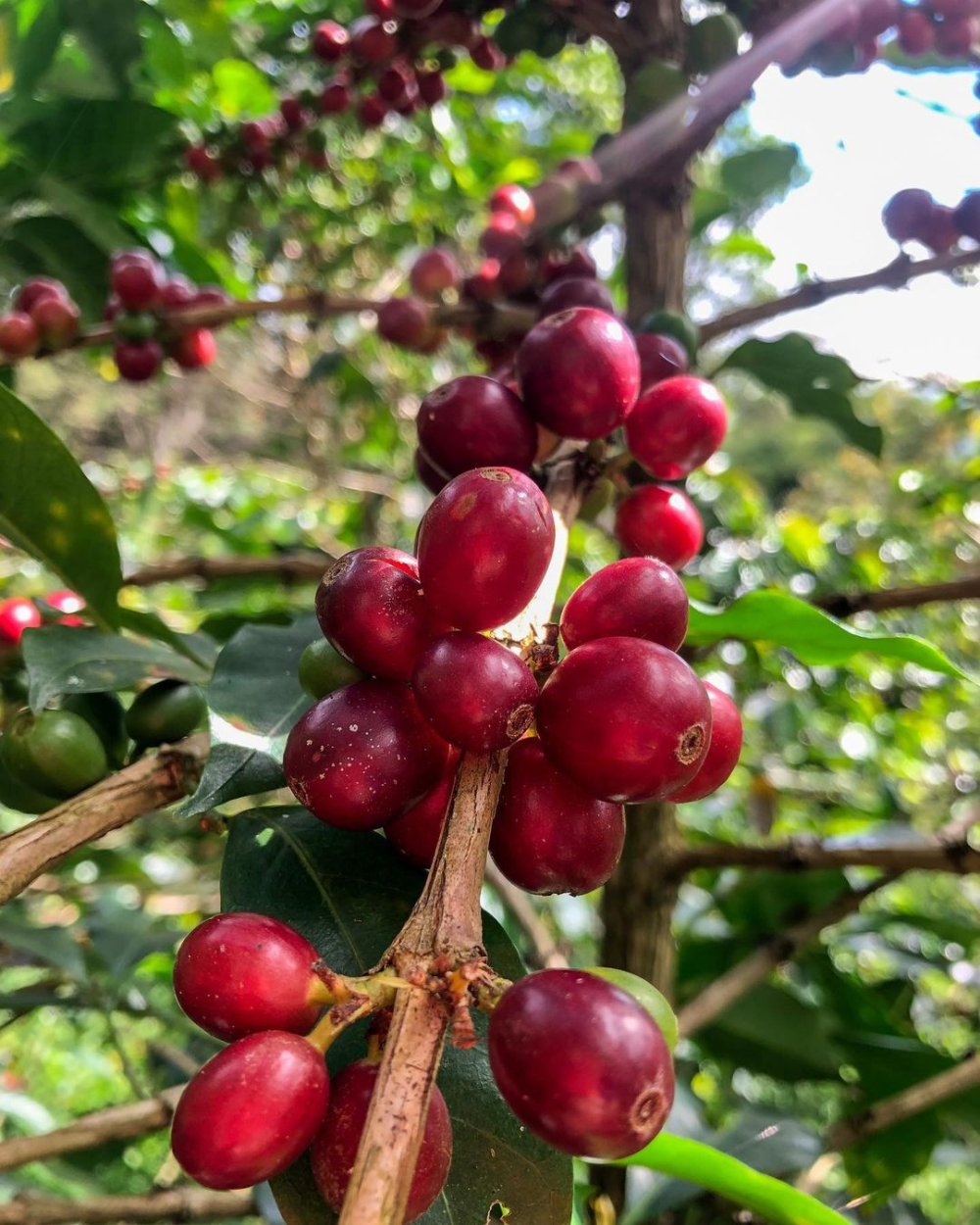
Colombian coffee beans are mainly processed using the washed method. Friends who regularly buy Front Street's everyday bean series will notice that most Front Street everyday beans use washed processing, because the washed method presents a region's most basic flavor and is the starting point for understanding a region's flavor. The washed Colombian Huila, besides its rich nutty, chocolate, and caramel aromas, also has a sweet, moist clarity on the palate that is very pleasant.
Brazil Specialty Coffee Recommendation
Brazilian coffee is dominated by the Bourbon variety, which is related to the history of coffee's introduction. Of course, Brazil also has Typica beans—reportedly because the coffee beans stolen by de Clieu back then were precisely of the Typica variety, which was later widely planted in Brazil. Front Street's Brazilian coffees are mostly Bourbon varieties, namely the Yellow Bourbon from Queen's Farm and the Red Bourbon from Cerrado.
Red Bourbon is the second coffee variety to spread widely across Central and South America after Typica. According to Front Street's understanding, Bourbon derives from the ancient Typica variety. Its beans are round and smooth. It was introduced to Brazil in 1927 and subsequently spread to various countries in Central and South America. Although its yield is not particularly high, compared with the frail Typica, Bourbon has stronger resistance to leaf rust. Bourbon coffee grown at high altitudes has a rich, delicate flavor, intense aroma, and mild acidity. Bourbon cherries generally turn from green to yellowish, orange-yellow, red, and finally fully ripe dark red—which is what we call Red Bourbon.
Brazil's elevation is relatively low, its terrain flat and monotonous, lacking microclimates, and it habitually uses natural processing—so Red Bourbon in Brazil exhibits a unique soft-bean flavor. After cupping Brazilian coffees from different regions, Front Street concluded that Brazilian beans have low acidity, moderate nuttiness, and carry chocolatey sweetness and a full-bodied mouthfeel. Ultimately, we chose the semi-washed Cerrado as our everyday bean recommendation.
Indonesia Specialty Coffee Recommendation
As the representative of Sumatra coffee, Mandheling was originally just a small place name, later gradually evolving into the name of an ethnic group—the Mandailing. Mandheling coffee has low acidity, high aromatic richness, a fuller bitterness, and a distinct herbal spice flavor, very much matching people's impression of traditional coffee. Among them, the Golden Mandheling produced by PWN is regarded as the ceiling-level representative.
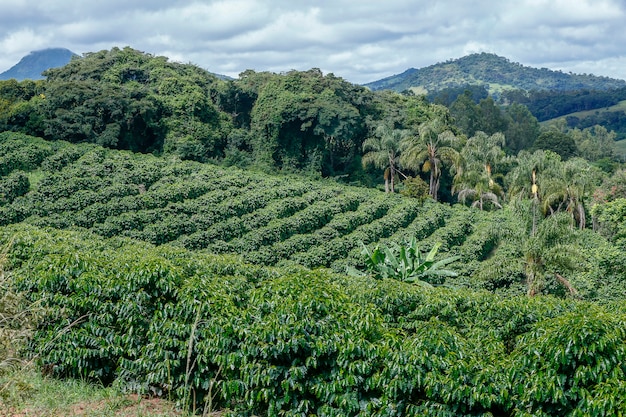
Lintong Mandheling comes from the Lintong mountain area in north-central Sumatra, near Lake Toba, and Front Street's Mandheling originates from here. Lintong Mandheling uses the region's unique wet-hulling method, creating its characteristics of low acidity and high body.
Indonesia is hot and humid year-round, lacking prolonged sunlight, with humidity between 70% and 90% all year. Pure natural processing is obviously unrealistic. For the weather-variable island of Sumatra, even with washed processing, it is difficult to wait for a continuous week of clear weather to complete drying—hence the wet-hulling method emerged. The specific procedure is: first carry out the washed processing steps, then place the parchment coffee beans in the sun to dry for one to two days, reducing moisture content to 30%–50%, then remove the parchment and sun-dry, which speeds up drying and greatly shortens processing time.
Although each step's time is greatly shortened, the "naked beans" still absorb moisture from the hot humid air, so Mandheling coffee gains some "muted aromas" of wood, herbs, and earth. The various Mandheling coffees Front Street has sourced are all produced using the wet-hulling method. To present the typical full-bodied mouthfeel, Front Street chose a medium-dark roast.
The above content is compiled by CoffeeHunters, a coffee news website.


