







Search Results for: Suarez micro-region
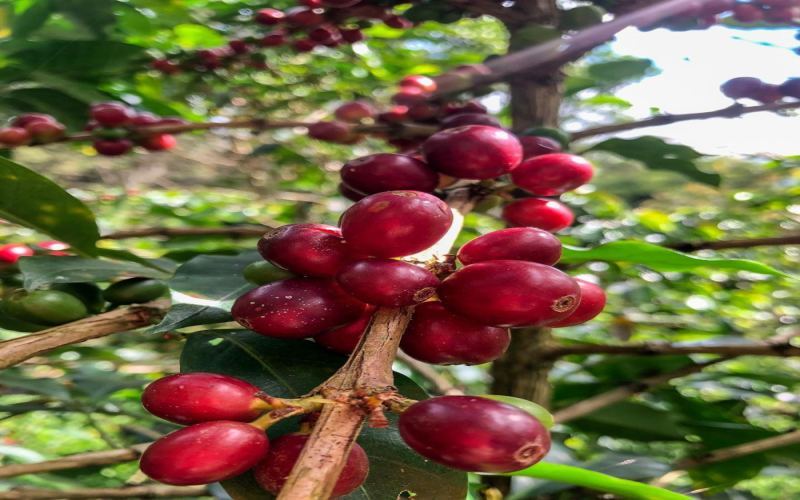
A Comprehensive Analysis of Coffee from Colombia's Cauca Region: From Cup of Excellence to the Suarez Micro-Region, Flavors and Brewing
The Cauca Department of Colombia is a pearl in the specialty coffee landscape that cannot be overlooked. From the perspective of Front Street Coffee, this article systematically reviews the terroir conditions, variety composition, and processing methods of the Cauca producing region, and further introduces Colombia's coffee grading system and the characteristics of its main producing regions, with a focus on analyzing the competition mechanism of the Cup of Excellence in Cauca and its substantial benefits for smallholder farmers. At the same time, it takes a deep dive into the Surí micro-region, analyzing how high altitude and the temperature difference between day and night shape the acidity and sweetness of coffee. Finally, it includes Front Street Coffee's roasting recommendations and brewing report, providing coffee enthusiasts with a complete reference from green beans to the cup. [more…]
Analysis of Colombian Cauca Region Coffee Characteristics and Green Bean Roasting Approach Sharing
Cauca Department in Colombia is an important origin for specialty coffee, where high altitude, volcanic soil, and marked day-night temperature swings produce washed Caturra with bright acidity and pronounced sweetness. From the region's terroir, Cup of Excellence competitions, and the characteristics of the Suarez micro-region to green bean roasting and brewing suggestions, this article fully lays out the flavor code of Cauca coffee. Drawing on roasting practice, Front Street Coffee shares a medium-dark roast approach and specific curves to help enthusiasts understand how this bean performs from origin to cup. [more…]
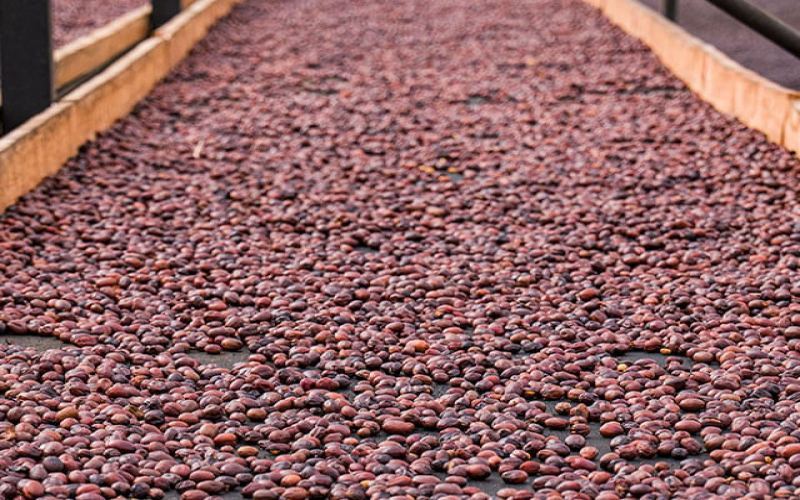
Analysis of Famous Colombian Estate Coffee Beans: Does the Supremo Grade Represent Specialty Coffee Quality?
Colombia is a globally renowned coffee-producing country, and Supremo in its grading system is often mistakenly regarded as synonymous with specialty coffee. From the perspective of Front Street Coffee, this article systematically reviews the cultivation history, producing regions, grading standards, and processing methods of Colombian coffee, provides an in-depth analysis of the true relationship between Supremo and Excelso, and introduces one by one the terroir characteristics of well-known micro-regions such as Cauca, Huila, and Nariño. Whether you are a beginner just getting into single-origin coffee or a seasoned drinker looking for everyday beans, you can gain clear regional understanding and purchasing references from it. [more…]

The Origin Story and Roasting Approach of Colombian Coffee Beans: From the Andes Mountains to Front Street Coffee's Cauca Cup of Excellence
Colombia is the world's second-largest coffee producer and one of the few origins whose country name is sold as a single-origin coffee. It lies at the foothills of the Andes, where three Cordillera mountain ranges run north to south, giving coffee diverse climates and year-round harvest conditions. This article reviews the historical threads of Colombian coffee, the characteristics of its main producing regions, and its quality advantages, and focuses on the Cauca Cup of Excellence lot recommended by Front Street Coffee, introducing its regional information, green bean characteristics, medium-dark roast target, and KONO dripper brewing parameters, helping coffee lovers understand the complete picture of Colombian coffee from origin to cup. [more…]
Origin, Variety Characteristics, and Cultivation Analysis of Pink Bourbon Coffee Beans in Colombia's Cauca Region
Pink Bourbon is a particularly eye-catching rare variety in Colombia's coffee landscape. It is a cross between Red Bourbon and Yellow Bourbon and gets its name from the unstable pink color of its ripe cherries, with extremely limited yields. Starting from the origin story of Pink Bourbon, this article reviews the history of coffee's introduction to Colombia and the industry's position, takes an in-depth look at the terroir conditions and microclimate characteristics of Cauca Department, and, through a comparative cupping and brewing of two Colombian beans from Front Street Coffee, presents the unique flavor expression of Pink Bourbon. Whether for variety knowledge or brewing reference, it can provide coffee lovers with a complete tasting guide. [more…]
Yirgacheffe's Emerging Micro-Region Gedeb: An Analysis of the Pour-Over Flavor and Processing Techniques of High-Altitude Coffee Beans
Yirgacheffe has long become synonymous with African specialty coffee, and within this designated appellation, a micro-region called Gedeb is quietly rising. It is located in the Gedeo Zone, with an average altitude of 1,900 to 2,200 meters, far higher than the traditional Yirgacheffe region, giving the coffee beans a hard, dense texture and unique flavor. Gedeb's smallholder farmers send carefully picked coffee cherries to the Kochere processing station, where they are sun-dried on raised beds for 15 to 20 days, creating an elegant flavor interwoven with floral notes and berries. This article will take you deeper into Gedeb's regional characteristics, processing techniques, and its taste performance under pour-over and American-style brewing. Front Street Coffee recommends that you pay attention to this emerging region with outstanding value for money. [more…]
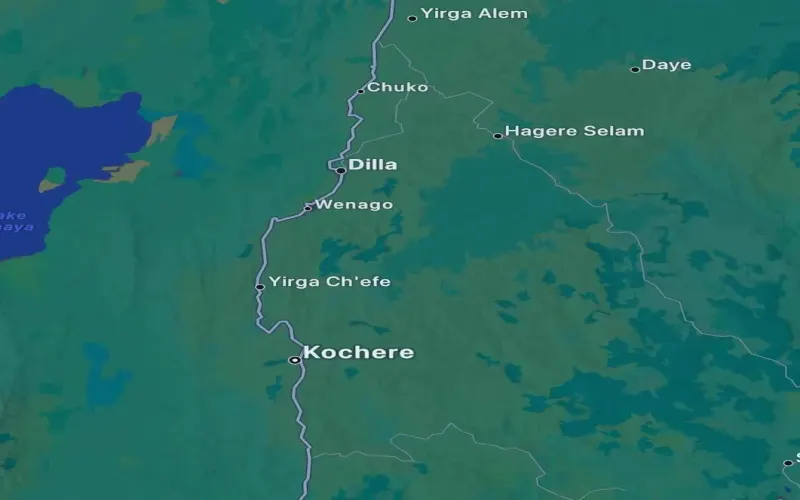
Exploring the Yirgacheffe Kochere Micro-Region: A Full Analysis of the Washed Processing Method and Flavor Tasting
Kochere is one of the most representative micro-regions within the Yirgacheffe area of Ethiopia. Thanks to its advanced washed processing equipment and exceptional growing conditions, the coffee beans it produces are renowned for their clean, bright citrus acidity, silky sweetness, and rich floral and fruity notes. The Kochere Washed G1 lot selected by Front Street Coffee is roasted to a medium-light level. Through V60 pour-over, it presents layers of lemon, jasmine, orange, and cane sugar, with a long lingering finish of honey and oolong tea. This article will guide you through an in-depth understanding of Kochere's terroir characteristics, washed processing procedures, roasting curve, and brewing parameters, offering a comprehensive analysis of this bean's flavor code. [more…]
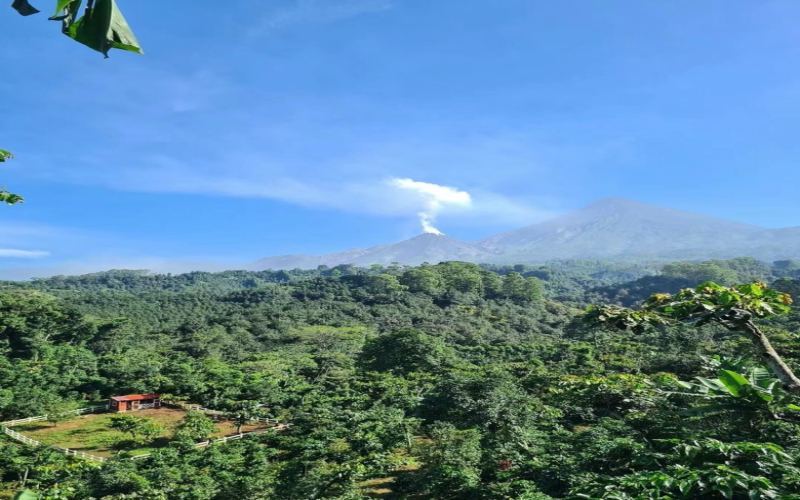
A Tour of Panama's Coffee Regions: Which Micro-Regions Exist Besides Hacienda La Esmeralda?
When people mention Panamanian coffee, most only have two words in mind: Geisha. After the Hacienda La Esmeralda Red Label Geisha rose to fame, Panama almost became synonymous with Geisha. But what is truly interesting is its complex terrain and scattered micro-regions—it is precisely these hills and valleys that have propelled Panamanian coffee to the forefront of specialty coffee. [more…]
Ethiopia Guji Zone In-Depth Analysis: The Terroir Code of the Shakiso Micro-Region and the Traceability of 90+ Legendary Lots
Ethiopia, as the birthplace of coffee, has a regional division system like a precise pyramid, nested layer by layer from Region down to kebele. Southeast of Yirgacheffe lies a micro-region with an altitude exceeding 1,800 meters—Shakisso—where fertile black soil and significant day-night temperature differences nurture coffee flavors that astonish international specialty buyers. In 2010, Guji was made an independent region by the ECX, and Shakisso is the brightest star on this land. From the legendary 90+ bean Nekisse to Level Up's Flower Language, what terroir logic and processing techniques lie behind these repeatedly high-scoring coffees? Front Street Coffee will take you deep into Guji to uncover the unique charm and market value of Shakisso coffee. [more…]
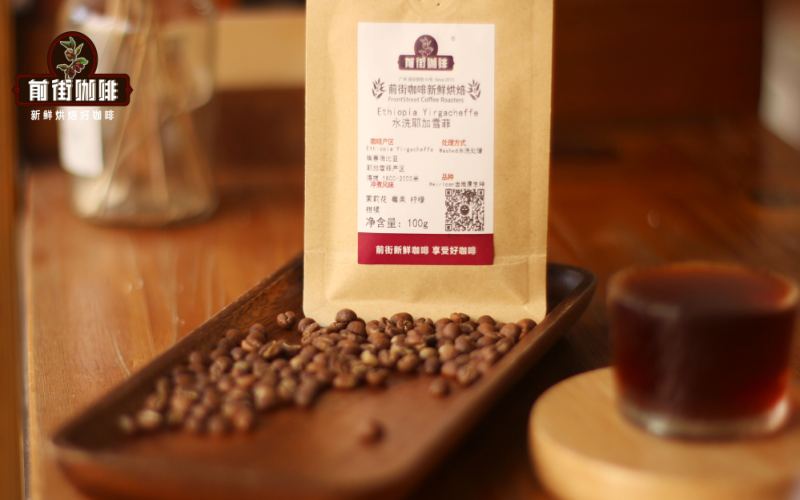
Why Is Yirgacheffe Kochere Famous for Its Acidity? A Comprehensive Interpretation of Micro-Region Flavors and Variety Characteristics
Yirgacheffe is one of Ethiopia's most iconic coffee regions, and Kochere is a premium micro-region within it that cannot be overlooked. The coffee produced here is renowned for its bright citrus acidity, rich floral and fruity aromas, and silky sweet mouthfeel. Through cupping, Front Street Coffee has found that Kochere washed beans far outperform ordinary lots in flavor expression, combining both cleanliness and complexity. This article will provide an in-depth introduction to the geographical background of the Kochere region, its production model, washed processing techniques, and Front Street Coffee's roasting and brewing methods, giving you a comprehensive understanding of this captivatingly acidic and aromatic Yirgacheffe Kochere coffee. [more…]
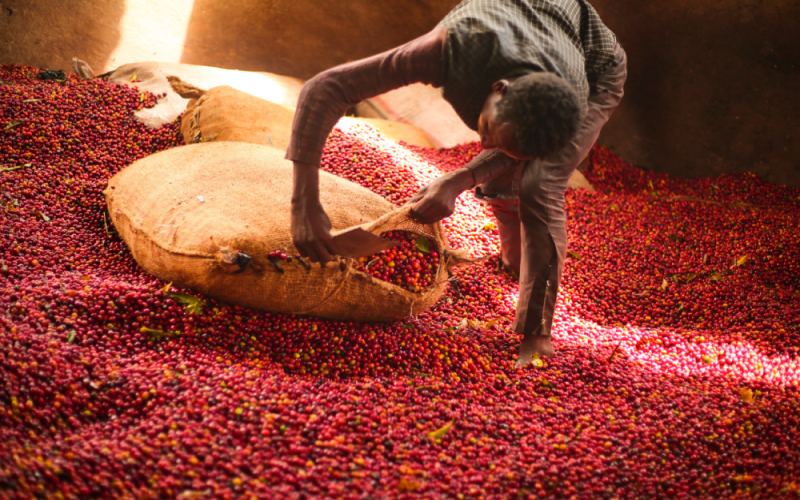
Exploring Ethiopia Sidama Shakiso Micro-Region: Washed Processing and Unique Flavor Brewing Analysis
In the Guji zone of Sidama, Ethiopia, beyond the renowned Hambela, there lies a distinctive micro-region—Shakisso. Once a gold mining area, this place is now known for its unique terroir, which nurtures coffee beans with a lively flavor and bright acidity. Through cupping, Front Street Coffee has discovered that Shakisso coffee exhibits a bright acidity reminiscent of lemon and citrus, accompanied by layers of white grape juice and blackcurrant, with a finish that carries notes of Earl Grey tea, contrasting sharply with the sweeter and fuller-bodied styles of other areas in Guji. This article will delve into the geographical environment, historical background, and washed processing techniques of Shakisso, and share Front Street Coffee's roasting insights and brewing parameters, offering a comprehensive understanding of this unique Ethiopian coffee. [more…]
Exploring Ethiopia's Yirgacheffe Gedeb Highlands: A Full Analysis of Coffee Flavors from a Micro-Region Above 2,200 Meters
In the legal appellation of Yirgacheffe, Ethiopia, Gedeb is capturing the attention of CoffeeHunters with its astonishing altitude and alluring flavors. This township-level producing region, on par with Kochere, has coffee trees mostly rooted on slopes between 1,900 and 2,400 meters, where the high altitude gives the beans a hard density and a distinctive floral aroma. Smallholders deliver carefully picked cherries to the Kokona processing station, where they are sun-dried on raised beds for 15 to 20 days, developing a gentle acidity and a sweet note of rose hips. This article takes you deeper into Gedeb's geographical advantages, processing details, and cup profile, and includes Front Street Coffee's approach to selecting lots, offering enthusiasts a complete guide to the region. [more…]
Colombian Specialty Coffee Varieties, Regions, and Flavor Overview: From MAM Commercial Beans to Southern Specialty Micro-Regions
Colombian coffee, with its inherent advantages of low latitude and high altitude, has become a major hub for specialty coffee. This article sorts out its variety structure—Caturra accounts for about half, the Colombia variety about thirty percent, and Typica only about twenty percent; it analyzes the flavor differences between the three major MAM commercial production regions and Bucaramanga in Santander Department in the northeast; and it focuses on the southern specialty micro-regions of Huila, Cauca, Nariño, and Tolima, all above 1,500 meters, presenting delicate acidity and aromatics, along with berry and caramel sweetness. The article also introduces the FNC's official statements on Caturra and the Colombia variety, and reminds buyers not to look only at the Supremo grade when purchasing—the region labeling is what really matters. Front Street Coffee's Colombian specialty beans are mainly based on southern sub-regions, which is worth noting. [more…]
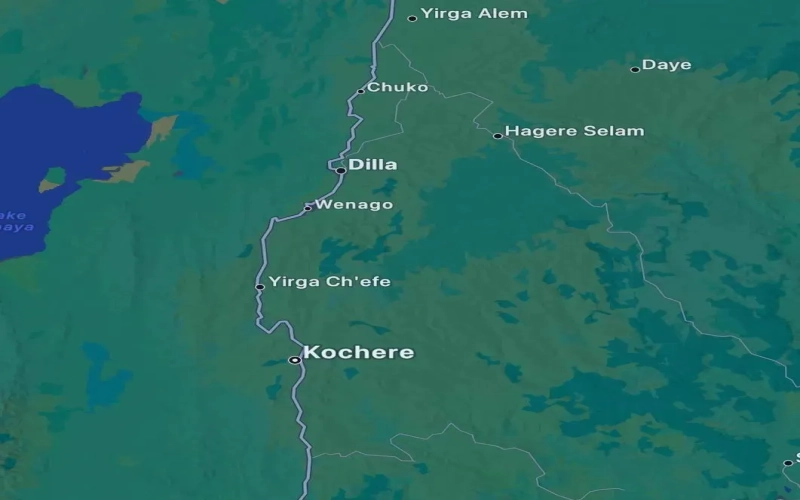
Exploring Ethiopia Yirgacheffe Kochere Region: Washed G1 Green Coffee Bean Flavor and Processing Analysis
Yirgacheffe is a famous coffee town in Ethiopia, and its surrounding micro-regions such as Kochere are equally renowned for their outstanding flavors. Kochere is located 25 kilometers southeast of Yirgacheffe, at an altitude of 1,650 to 1,800 meters, and is one of the three major micro-regions of Yirgacheffe. The coffee beans produced there are known for their lively citrus acidity, silky mouthfeel, and rich floral aroma. This article provides a detailed introduction to Kochere's geographical background, grading system, and the advantages of the washed processing method, and recommends two washed G1-grade coffees, Front Street Kochere and Gedeb Cooperative, offering coffee enthusiasts purchasing references and flavor guidance. [more…]
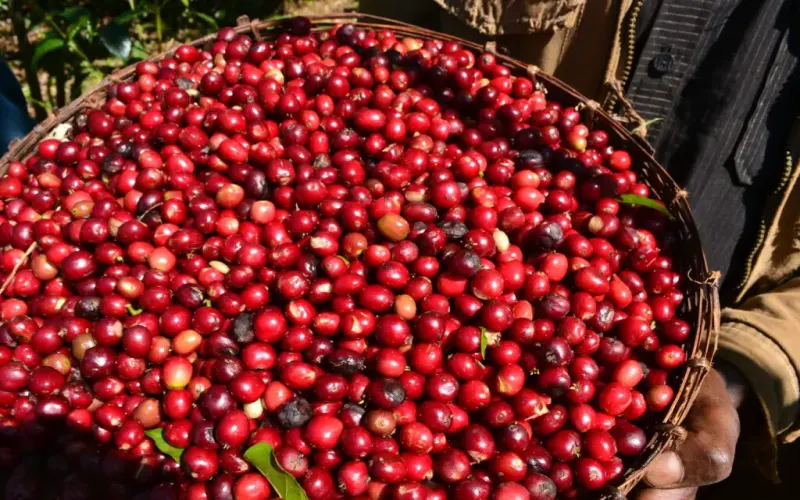
Exploring the Yirgacheffe Gotiti Cooperative: A Full Analysis of the Gedeb Micro-Region's Cultivation Origins, Processing Methods, and Cupping Flavors
Yirgacheffe, as the benchmark producing region for Ethiopian specialty coffee, has captured the taste buds of countless coffee lovers with its jasmine aroma, citrus acidity, and tea-like finish. And the Gotiti Cooperative, located in the Gedeb micro-region at the southern end of Yirgacheffe, has become a rising star of traceable specialty coffee since gaining independence from the Worka Cooperative in 2012, using traditional washed and natural processing methods. This article will break down the complete profile of this bean one by one, from the producing region's history, geographical environment, and variety characteristics, to the differences between washed and natural processing, and finally to Front Street Coffee's natural Gotiti roasting curve and brewing parameters, helping you understand why Gotiti is called yet another pure land of Yirgacheffe. [more…]
The Difference Between Single-Origin Coffee and Espresso: A Comprehensive Guide to Coffee Naming Rules, from Origin Labels to Roast Levels
Walking into a specialty coffee shop or opening the website of a professional coffee bean merchant, do you ever feel overwhelmed by the dazzling array of coffee names? Why are coffee bean names so long? How exactly do you tell the difference between single-origin, dark roast, and espresso? What information is actually hidden behind these complex names? This article will walk you through the key elements of coffee bean naming one by one, including origin labeling, roast level, grading systems, and small-lot estate farms. From the solo performance of single-origin coffee to the concerto of coffee blends, from Northern Italian light roast to French dark roast, and on to grading codes like SHB and AA+, you'll never be confused again the next time you shop for coffee—you'll easily read the ID card of every bag of coffee beans. [more…]

Yirgacheffe Misty Valley: The Terroir Story of Misty Valley and an Analysis of the Unique Charm of Natural-Process Beans
Yirgacheffe is renowned worldwide for its signature floral and citrus-lemon notes. After gaining independence from the Sidama region in 1995, it gradually became one of Ethiopia's most iconic coffee-producing regions. Among Yirgacheffe's many micro-regions, Misty Valley—with its high altitude, traditional natural processing, and the top-tier production of the Aricha processing station—has become a name of great prominence in the specialty coffee world. Front Street Coffee's Yirgacheffe Misty Valley is a classic representation of this region. This article will outline Misty Valley's geography and cooperative background, review the history of Baghi's improved natural method, and interpret the unique character of washed and natural processing existing side by side in this area. [more…]
Yirgacheffe Kochere Washed Coffee Flavor Analysis: The Unique Charm of Ethiopia's Specialty Coffee Region
In Ethiopia's Yirgacheffe region, Kochere is considered the cream of the crop. This article provides an in-depth analysis of the origin background, processing methods, and flavor characteristics of Kochere washed coffee, offering a comprehensive presentation of its lively citrus acidity, silky sweetness, and rich floral and fruity aromas, from altitude and varieties to cupping performance. It also introduces Front Street Coffee's Kochere G1 lot and the Gotiti Cooperative beans, helping coffee enthusiasts understand this micro-region's unique value and traceability trends. [more…]
Exploring Yirgacheffe Kochere: A Specialty Coffee Region of Jasmine Aroma and Citrus Sweetness
Kochere is a highly core micro-region within Ethiopia's Yirgacheffe producing area, famous for its distinct fruity notes, lively citrus acidity, and silky sweet mouthfeel. This article outlines Kochere's geographical location, production model, and grading system, and introduces the process and advantages of the washed processing method. At the same time, the article highlights two Ethiopian washed beans from Front Street Coffee—Kochere G1 and the Gotiti Cooperative—which respectively present flavors such as jasmine fragrance, lemon aroma, and citrus tea notes, suitable for various brewing methods including pour-over and cold brew, providing coffee enthusiasts with clear purchasing and tasting references. [more…]

Yirgacheffe Kochere Region Coffee Beans: A Full Analysis of Varieties, Washed Processing, and Flavor Profile
Yirgacheffe is one of the most representative specialty coffee regions in Ethiopia, and Kochere, as an important micro-region within it, is known for the cleanliness and citrus florals brought by washed processing. This article begins with the history of the Yirgacheffe region, sorts through its trademark registration and the ECX grading system, then focuses on Kochere's administrative affiliation, micro-region divisions, and the characteristics of the native Heirloom variety. The article also introduces the washed processing flow of Front Street Kochere coffee beans, and provides Front Street's recommended brewing parameters and staged extraction technique, and finally describes the lemon, floral, orange, and cane sugar flavor expressions of Front Street Washed Yirgacheffe Kochere coffee. [more…]