When it comes to Panamanian coffee, most people have just two words in mind: Geisha. After the Hacienda La Esmeralda Red Label Geisha rose to fame, Panama became almost synonymous with Geisha. But what is truly interesting is its complex terrain and scattered micro-regions—it is these hills and valleys that have placed Panamanian coffee at the forefront of specialty coffee.
Chiriquí Province: The Heart of Panamanian Coffee
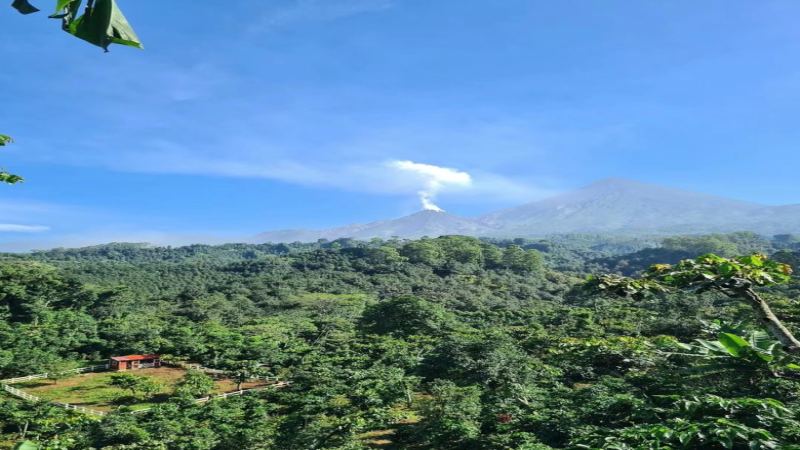
Almost all Panamanian coffee comes from the western province of Chiriquí, with Boquete being the best known. Close to the Barú Volcano, the volcanic ash soil is fertile, the altitude is high, and mist swirls around; the temperature difference between day and night allows coffee cherries to ripen slowly and flavor compounds to accumulate fully. Front Street Coffee's Panama Hacienda La Esmeralda Red Label Geisha comes from here—jasmine floral notes, delicate citrus and bergamot flavors, paired with a clean, transparent mouthfeel and a long lingering sweetness, make it the benchmark for Geisha in many people's minds.
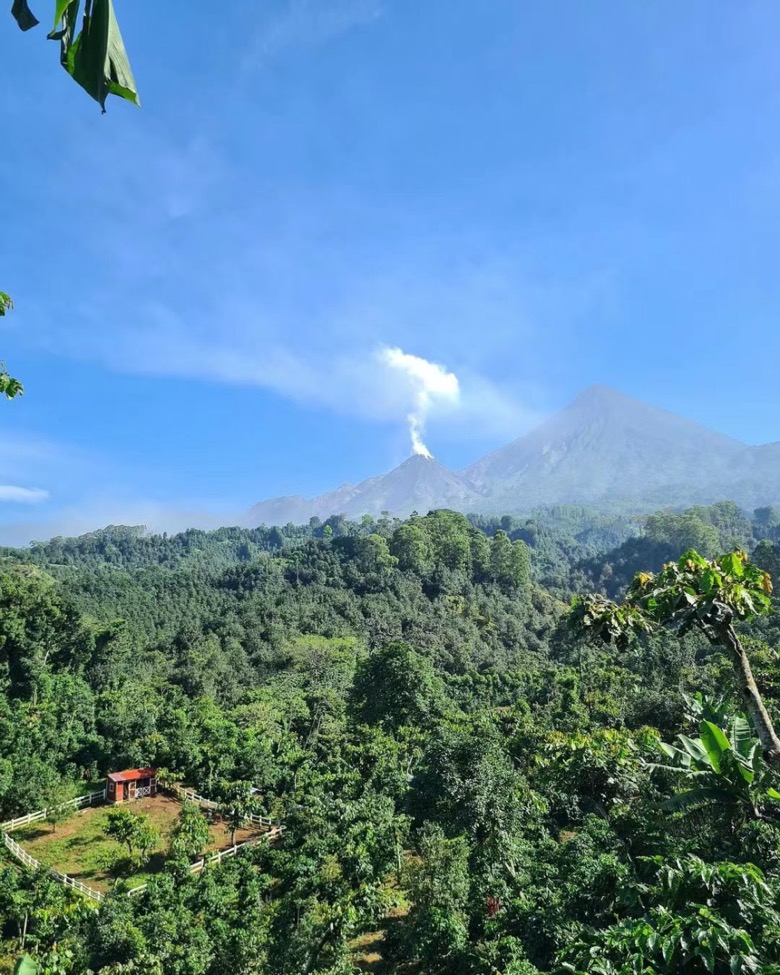
Barú Volcano and Volcán
Volcán, south of Boquete, also relies on the Barú Volcano, but has a drier climate, producing coffee with more concentrated flavors. The microclimate differences on two sides of the same volcano give the coffee subtle variations—some with prominent floral notes, others with full fruitiness. This is exactly where the joy of exploration lies.
Renacimiento: A Region of Slow Ripening
The more remote Renacimiento region has a cool climate, a long cherry ripening period, and a higher proportion of beans with balanced acidity and sweetness. Bordering Costa Rica and belonging to the same Central American mountain coffee belt, it sees frequent variety exchange. Compared with Boquete's fame, the estates here are more low-key, but it is a great place to find value-for-money Geisha.
Beyond Geisha, What Else Is Panama
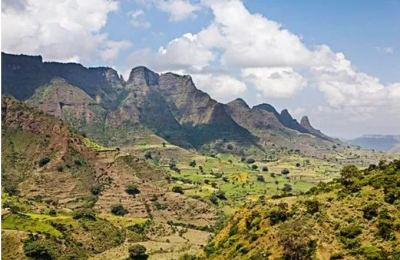
Actually, before Geisha became famous, Panama also grew old varieties such as Caturra and Catuai. Geisha's explosive popularity drove the entire region to study varieties and processing methods. Interestingly, Geisha's native variety comes from Ethiopia—Front Street Coffee's Granja Geisha is produced in Ethiopia's Guji region, sun-dried for 14 to 20 days, with layers of guava, apricot and strawberry jam flavors bursting forth. Comparing the two Geishas from Ethiopia and Panama is like watching the same family grow in different lands.
How to Explore Panama
If you visit the producing regions in person, Boquete is great for experiencing estates and volcanic terrain, Volcán for seeing flavor differences under a dry climate, and Renacimiento for quietly enjoying a cup. A limited budget is no regret—understanding Panama starts with a representative bean: Front Street Coffee's Panama Hacienda La Esmeralda Red Label Geisha, or pair it with a high-altitude Ethiopian Geisha for comparison, and the language of the region will unfold on its own.
Panama is not only Hacienda La Esmeralda. Volcanoes, mist, ravines and one little-known micro-region after another together form this land's coffee landscape. Understanding a producing region often starts with a good cup of coffee, and then curious questions follow: which hillside did it come from?
The above content is compiled by CoffeeHunters, a coffee news website.